Di Yi Cai Jing Zi Xun

Search documents
金价逼近5600美元,部分金矿股“见光死”
Di Yi Cai Jing Zi Xun· 2026-01-29 05:25
Core Viewpoint - The article discusses the divergence between rising gold prices and the performance of gold mining stocks, highlighting market expectations and funding conditions as key factors influencing this trend [2][3][4]. Group 1: Gold Price and Mining Stocks Performance - On January 29, gold prices approached $5,600 per ounce, while gold mining stocks in both A-shares and Hong Kong experienced a pullback, with some stocks declining over 2% [2]. - The gold stock ETF saw a half-day trading volume of 2.618 billion yuan, surpassing the previous day's total of 2.019 billion yuan, with a net inflow of 443 million yuan on January 28 [2]. - The gold ETF managed by E Fund rose by 5.13% on January 29, with a trading volume of 2.838 billion yuan, nearing the previous day's volume of 3.624 billion yuan, which had a net inflow of 1.083 billion yuan [2]. Group 2: Market Expectations and Funding Conditions - Analysts suggest that the lack of synchronization between gold prices and mining stocks is due to market expectations that current high gold prices may not be sustainable [3][4]. - Investors are currently more inclined to invest directly in physical gold or gold ETFs rather than mining stocks, as direct ownership avoids risks associated with operational costs and production efficiency [4]. - The divergence in performance among gold mining stocks is attributed to differing market expectations, with profit-taking and cautious attitudes from new investors leading to a pullback in high-priced stocks [4].



星巴克一季度中国市场营收增长11%,年初将完成与博裕资本的交易
Di Yi Cai Jing Zi Xun· 2026-01-29 05:13
1月28日晚间,星巴克发布2026财年第一季度业绩报告。星巴克2026财年第一季度净营收99亿美元,同 比增长6%;净利润2.93亿美元,低于去年同期的7.81亿美元。第一季度全球同店销售额增长4%,其中 北美和美国市场同店销售额增长4%。 对于本次财报的增收不增利,星巴克预计,某些宏观经济压力将在本财年下半年缓解,包括关税和咖啡 豆上涨对产品和分销成本的影响。 财报显示,本财季中国市场的营收增长11%,达到8.234亿美元。本财季中国市场的同店销售额实现7% 的增长(交易量增长5%,客单价增长2%)。 星巴克中国表示,同店交易量的增长获益于门店组合中占比最高的商务区门店、营业时段中的早餐时 段、和城市分布中低线城市的较好表现,客单价的增长主要得益于商品及食品品类的较好表现。 星巴克在本财季宣布了中国业务的重大调整。2025年11月,星巴克与博裕资本达成协议,将成立合资企 业运营中国零售业务,博裕资本将收购至多60%的权益,星巴克保留40%股权并继续拥有和授权品牌及 知识产权。 本次财报中星巴克透露,预计通过与博裕资本的交易完成后,折旧和摊销以及门店运营费用将减少,交 易将在2026年初完成。 即使中国资方入 ...
市场低估了风险?诺奖得主恩格尔发出2026预警 | 两说
Di Yi Cai Jing Zi Xun· 2026-01-29 04:13
Group 1 - The core issue highlighted is whether the financial system has adequately priced in the new normal amidst ongoing global challenges such as tariff conflicts, AI transformations, geopolitical tensions, and climate crises [1][3] - Engel identifies several sources of uncertainty for 2025, including tariff policies, anti-science sentiments in the U.S., immigration issues, and ongoing wars, which are increasing market volatility without sufficient caution from the market [3] - Engel's ARCH model serves as a tool for monitoring volatility rather than predicting market movements, emphasizing that it can indicate when volatility is high or low but cannot forecast market direction [5] Group 2 - Engel compares current tariff policies to the Smoot-Hawley Tariff Act of the 1930s, suggesting that tariffs are detrimental to both parties involved and are unlikely to be sustainable [7] - He argues that AI should not be viewed as an independent source of market volatility, as it is fundamentally a probabilistic model that assists human decision-making rather than replacing it [7] - Engel stresses the importance of gradual and predictable policy adjustments to mitigate risks, as sudden changes can lead to reduced investment and consumption, ultimately slowing down the economy [7] Group 3 - For non-professional investors, Engel recommends using volatility control indices that automatically adjust positions based on market volatility, allowing for a gradual exit before major shocks occur [9] - He emphasizes the importance of disciplined risk management over market timing, suggesting that investors should build diversified portfolios with set volatility targets [9] - Engel expresses concern about potential escalations in wars, the re-emergence of stagflation, and stagnation in climate action, while remaining hopeful about improved U.S.-China relations that could benefit global economic stability [11]
金饰克价突破1700元,单日上涨近百元
Di Yi Cai Jing Zi Xun· 2026-01-29 04:00
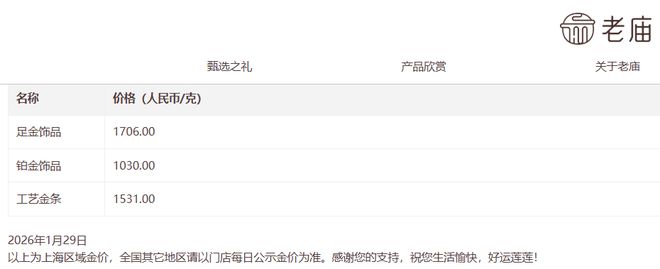
1月29日,国内部分主流金饰品牌报价刷新1700元/克,创下历史新高,单日上涨近百元。 其中,老庙黄金报价1706元/克,单日上涨94元。 | | 甄选之礼 | 产品欣赏 | 关于老庙 | | --- | --- | --- | --- | | 名称 | 价格 (人民币/克) | | | | 足金饰品 | 1706.00 | | | | 铝金饰品 | 1030.00 | | | | 工艺金条 | 1531.00 | | | 老凤祥报价1713元/克,单日上涨93元。 周生生报价1708元/克,单日上涨94元。 编辑丨瑜见 | | | 金价(人民币) | | --- | --- | --- | | 足金饰品(每克) | 日本 | ¥1708 | | | 换金价 | ¥1453 | | | 换珠宝价 | ¥1453 | | 950铂金饰品(每克) | 日报 | ¥1073 | | | 换金价 | ¥862 | | 生生金宝(每克) | 日版 | ¥1500 | ...
中国商业航天火箭卫星将加速升级
Di Yi Cai Jing Zi Xun· 2026-01-29 03:28
记者今天(29日)从中国航天科技集团获悉,未来集团将实施商业运载能力提升工程,就是要研制具备 国际竞争力的商业运载火箭,实现航班化运输。可重复使用商业火箭方面,形成近地轨道20吨级重复使 用状态运载能力,实现重复使用火箭规模化、商业化成熟应用。重型运载火箭方面,完成重型运载火箭 研制和相关重复使用试验,具备近地轨道百吨级入轨能力。 同时还将实施商业卫星效能跃升工程,研制新型卫星及先进载荷,开展卫星星座建设。星座建设方面, 开展国家卫星互联网星座、千帆星座、各类新型应用卫星星座建设。新型卫星研制方面,研发一批世界 一流的标志性载荷产品,发展新一代平板卫星、软件定义卫星、算力卫星、超低轨卫星等新型卫星。先 进制造能力建设方面,推进增材制造、超精密加工、一体化成型等先进制造技术应用,提升柔性化、智 能化、规模化生产水平,全面满足大规模星座建设需要。 在测控运控服务方面,打通内外网、高中低轨、各类网之间的技术接口,共同打造天地一体化商业航天 测运控网,提供智能化、低成本、高可靠商业航天测运控解决方案。 此外,中国航天科技集团还将实施空间应用产业拓展工程。加强应用技术攻关,构建"感通算用"融合的 一体化空天地信息网络; ...
传媒股,全线飘红
Di Yi Cai Jing Zi Xun· 2026-01-29 02:47
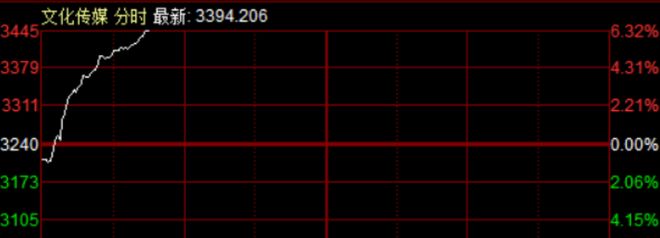
Core Viewpoint - The cultural media sector has experienced a significant rally, with the sector index rising over 6% as of January 29 [1]. Group 1: Sector Performance - The sector saw a broad increase in stock prices, with major companies like InSai Group and Shengguang Group hitting the daily limit up [3]. - Notable performers include InSai Group with a 20% increase, and other companies such as BlueFocus and Yidian Tianxia rising over 10% [3]. Group 2: Individual Stock Highlights - Liujin Technology increased by 28.57%, with a market value of 14 billion and a current price of 43.11 [4]. - InSai Group rose by 20%, with a market value of 54.18 billion and a current price of 88.95 [4]. - BlueFocus saw an 18.52% increase, with a market value of 24.15 billion and a current price of 866.3 [4]. - Other notable increases include Dalong Group (+17.12%), Yidian Tianxia (+15.19%), and Zhidingtou (+14.58%) [4].




3D打印厂商拓竹给员工母校捐1亿元
Di Yi Cai Jing Zi Xun· 2026-01-29 02:40
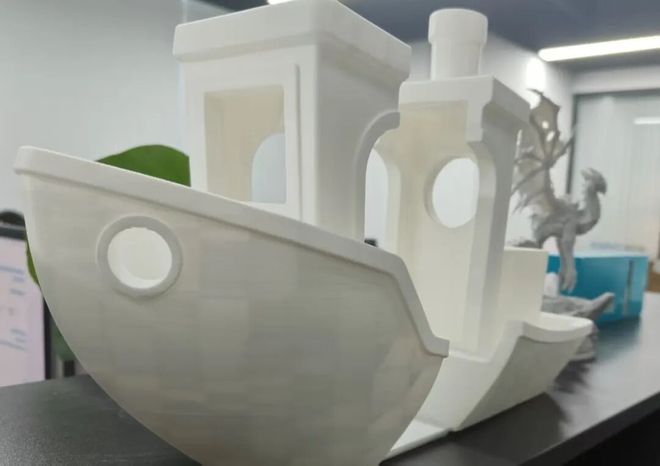
2026.01.29 本文字数:1182,阅读时长大约2分钟 作者 |第一财经 郑栩彤 消费级3D打印厂商拓竹科技1月28日在一篇关于给员工母校捐款的文章中,提到营收情况。 "给母校捐一笔钱大概是2025年中时定下的,当时拓竹年营收破百亿的预期已经比较明朗了。"拓竹CEO 兼联合创始人陶冶表示,公司成立时间只有5年。 消费级3D打印的市场容量增速颇快。一名3D打印厂商联合创始人此前向记者形容,这是消费类硬件中 过去两年为数不多持续增长的赛道,拓竹去年继续维持高增长速度,也是一级市场资本对消费级3D打 印感兴趣的原因。 有消费级3D打印业内人士向记者表示,市场容量扩大的推动力,将来自3D打印向普通人群渗透,但这 一过程中,厂商间将展开激烈竞争,各厂商将在软硬一体化、生态等方面进行多维度竞争,并在研发方 面投入更多力量。 陶冶在上述文章中,也谈到人才对公司发展的重要性。他表示,公司的发展几乎可以百分百归功于广大 员工,公司的业务决定了无法依靠少数几个"英雄式人物"去搞定特定技术点、投资人、关键大客户等。 公司因此本能地思考人才从哪里来,思考及讨论的结果是,大学的优先级最高。 拓竹的捐赠款分配按照各高校在公司的员工 ...
黄金概念股突然跳水
Di Yi Cai Jing Zi Xun· 2026-01-29 02:13
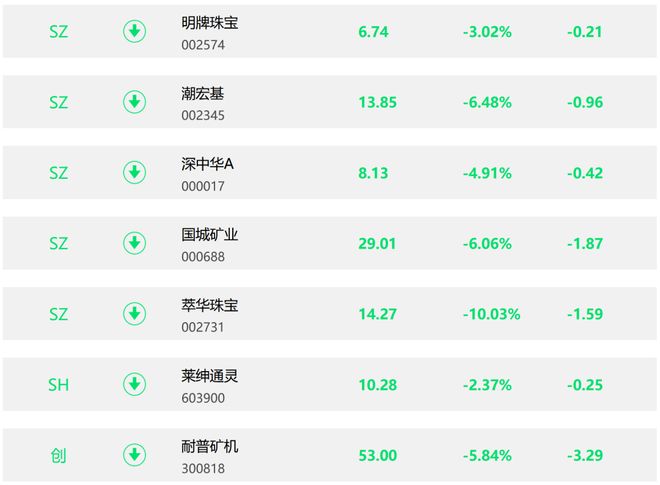
| SZ | 明牌珠宝 | 6.74 | -3.02% | -0.21 | | --- | --- | --- | --- | --- | | | 002574 | | | | | SZ | 潮宏基 | 13.85 | -6.48% | -0.96 | | | 002345 | | | | | SZ | 深中华A | 8.13 | -4.91% | -0.42 | | | 000017 | | | | | SZ | 国城矿业 | 29.01 | -6.06% | -1.87 | | | 000688 | | | | | SZ | 琴华珠宝 | 14.27 | -10.03% | -1.59 | | | 002731 | | | | | SH | 菜绅通灵 | 10.28 | -2.37% | -0.25 | | | 603900 | | | | | 创 | 耐普矿机 | 53.00 | -5.84% | -3.29 | | | 300818 | | | | 1月29日早盘,黄金概念股突然快速跳水。截至09:51,萃华珠宝跌停,耐普矿机跌超7%,潮宏基、国 城矿业、深中华A、明牌珠宝、莱绅通灵等跟跌。 ...
黄金股继续大涨,商业航天等概念回调
Di Yi Cai Jing Zi Xun· 2026-01-29 02:00
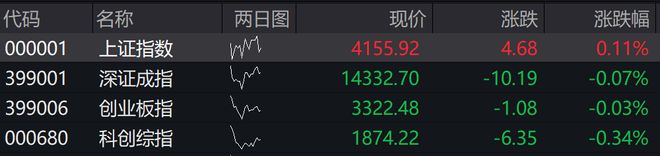
2026.01.29 本文字数:521,阅读时长大约1分钟 作者 |一财阿驴 09:25 A股开盘丨三大指数涨跌不一 沪指涨0.11%,深成指跌0.07%,创业板指跌0.03%。科创综指跌0.34%。 | 代码 | 名称 | 两日图 | 现价 | 涨跌 | 涨跌幅 | | --- | --- | --- | --- | --- | --- | | 000001 | 上证指数 | WM | 4155.92 | 4.68 | 0.11% | | 399001 | 深证成指 | LM | 14332.70 | -10.19 | -0.07% | | 399006 | 创业板指 | 11 | 3322.48 | -1.08 | -0.03% | | 000680 | 科创综指 | W | 1874.22 | -6.35 | -0.34% | 盘面上,贵金属板块持续走强,四川黄金、湖南黄金、西部黄金等多股涨停;油气、基本金属板块再度 上涨。AI应用、算力硬件、光伏、商业航天概念股回调。 | 个股方面,科达制造复牌涨停,公司拟购买特福国际51.55%股份。 | | --- | | | 16.26 +1.48 +10.01 ...
京东、阿里、腾讯、百度,集体下跌
Di Yi Cai Jing Zi Xun· 2026-01-29 01:51
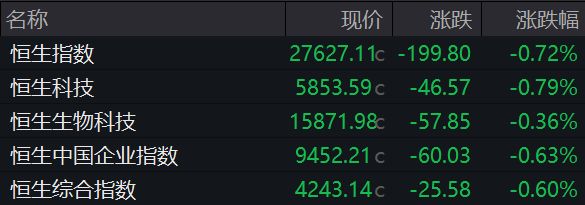
Market Overview - On January 29, the Hong Kong Hang Seng Index opened down by 0.72%, while the Hang Seng Tech Index fell by 0.79% [1] - The current value of the Hang Seng Index is 27,627.11, down by 199.80 points [2] - The Hang Seng Tech Index is currently at 5,853.59, down by 46.57 points [2] Sector Performance - The Hang Seng Biotech Index decreased by 0.36%, currently at 15,871.98 [2] - The Hang Seng China Enterprises Index fell by 0.63%, now at 9,452.21 [2] - The Hang Seng Composite Index is down by 0.60%, currently at 4,243.14 [2] Technology Stocks - Major tech stocks experienced declines, with NIO down over 3%, JD Group down over 2%, and several others including Baidu, Xpeng, Ctrip, JD Health, Alibaba, and Tencent all down over 1% [2][3] - Specific stock performances include: - NIO-SW: 36.880, down 3.30% [3] - JD Group-SW: 113.600, down 2.32% [3] - Xpeng Motors-W: 73.500, down 1.74% [3] - Ctrip Group-S: 488.000, down 1.49% [3] - Alibaba-W: 171.100, down 1.38% [3] - Tencent Holdings: 614.500, down 1.05% [3] Precious Metals Sector - The precious metals sector continued to strengthen, with notable gains: - Chifeng Jilong Gold Mining increased by over 6% [4] - Shandong Gold rose by over 4% [4] - Other companies like Zhaojin Mining and China Gold International also saw increases of over 3% [4] - Specific stock performances include: - Chifeng Gold: 49.000, up 6.20% [4] - Shandong Gold: 53.500, up 4.49% [4] - China Gold International: 240.800, up 3.88% [4]