Bei Ke Cai Jing

Search documents
即时零售报告:行业迈向万亿级规模,平台需构建高标准服务体系
Bei Ke Cai Jing· 2025-11-26 03:17
Core Insights - The instant retail industry in China is at a critical juncture, moving towards a trillion-yuan scale, with a focus on building a healthy ecosystem for high-quality development [1] - The competition in the industry is shifting from price-driven to user experience-driven, marking a new phase that emphasizes efficiency and quality [1] Group 1: Industry Development - The report indicates that the industry is evolving from "fast fulfillment" to "stable service" and "quality products" [1] - Establishing a high-standard service system centered around "assurance" is crucial for helping merchants achieve sustainable operations [1] Group 2: "Assurance Flash Purchase" Initiative - The "Assurance Flash Purchase" plan has expanded to 20 services since its launch in May, covering the entire shopping process and helping nearly one million merchants reduce unnecessary losses from consumer disputes [2] - The initiative is built on a comprehensive assurance system that includes "assured quality," "assured service," and "assured after-sales," supported by an AI governance system and diverse evaluation rules [2] Group 3: Consumer Experience Enhancements - The platform has introduced a minute-level "assured after-sales" experience, with official return services covering nearly 400,000 merchants across 53 cities [3] - The first industry-wide free return shipping service funded entirely by the platform is available to millions of premium members and across all product categories [3]

为了中国基础研究的未来,六位院士齐聚北京
Bei Ke Cai Jing· 2025-11-26 00:48
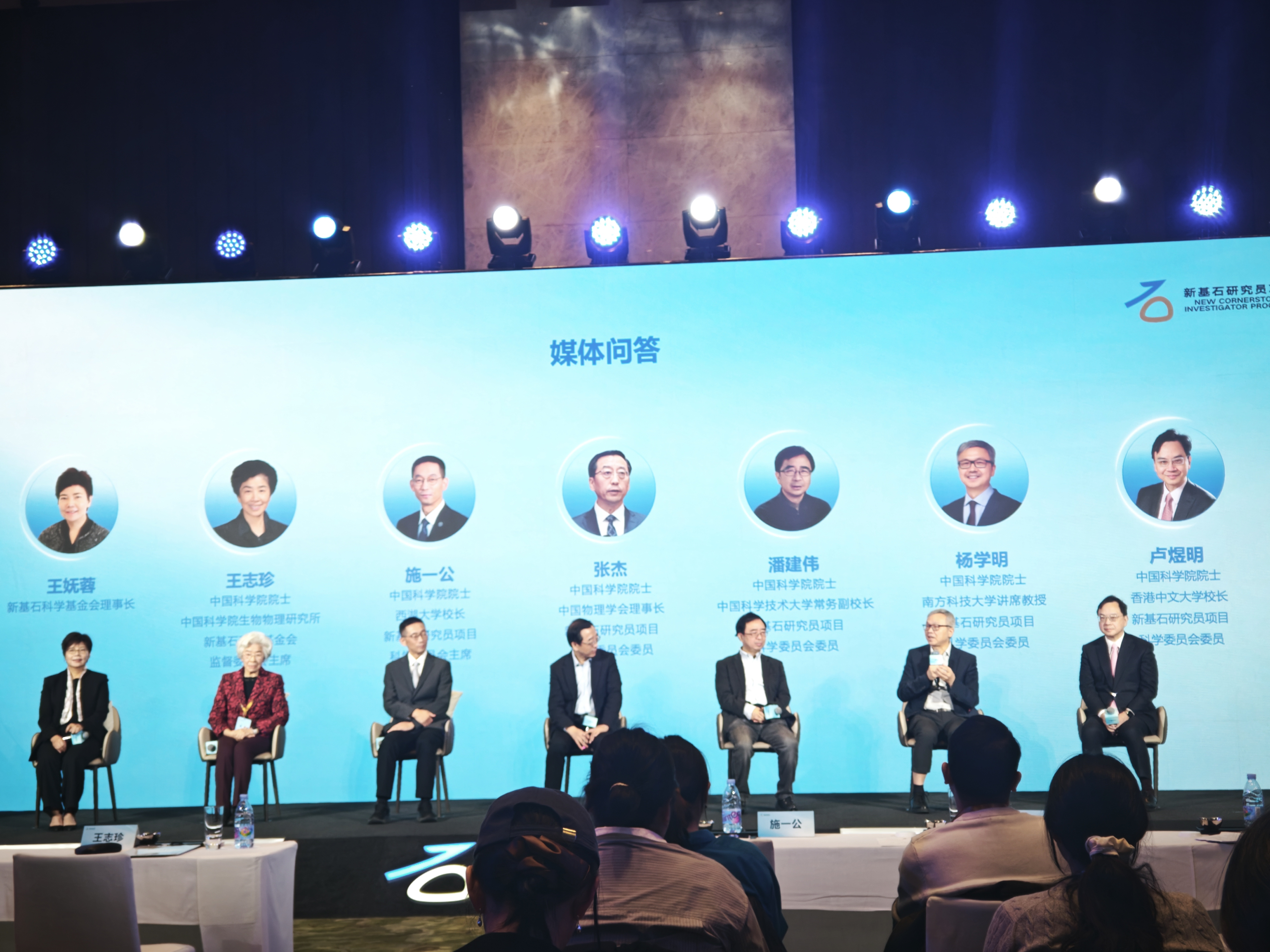
Group 1 - The core idea of the news is the announcement of the 35 outstanding scientists selected for the New Cornerstone Researcher Program, which aims to promote fundamental research in China through significant funding and support for innovative scientific exploration [1][4][5]. - The New Cornerstone Researcher Program focuses on two main fields: Mathematics and Material Science, and Biological and Medical Science, encouraging interdisciplinary research [4][5]. - The funding for the program is substantial, with experimental researchers receiving 25 million RMB (approximately 3.5 million USD) and theoretical researchers receiving 15 million RMB (approximately 2.1 million USD) over a five-year period [4]. Group 2 - The selection process for the program involved a unique evaluation method, with initial reviews conducted entirely by overseas experts, followed by a final review with both domestic and international judges [5]. - The program emphasizes selecting individuals rather than specific projects, acknowledging the high risks and long timelines associated with original scientific exploration [5][6]. - The initiative is backed by Tencent, which has committed 10 billion RMB (approximately 1.4 billion USD) over ten years to support creative scientists in conducting exploratory and high-risk fundamental research [6]. Group 3 - The program aims to foster a culture of innovation among young scientists, encouraging them to pursue significant scientific questions and achieve groundbreaking results [6][9]. - The participating academicians express a strong desire to contribute to the advancement of China's scientific landscape, emphasizing the importance of original research over merely publishing articles [7][9]. - There is an expectation that the New Cornerstone Researchers will lead to significant breakthroughs in various scientific fields, ultimately enhancing China's position in global scientific research [8][9].

车展观察丨请“谐音梗”明星、玩抽象风,这届车企也是拼了
Bei Ke Cai Jing· 2025-11-26 00:12
Core Insights - The automotive industry is increasingly targeting young consumers through unconventional marketing strategies, including puns and abstract advertising [2][3][18] - The Guangzhou Auto Show showcases a trend where car companies are shifting their focus from traditional marketing to more relatable and humorous approaches to engage younger audiences [6][9][18] Marketing Strategies - Car manufacturers are utilizing puns and humor in their campaigns, such as NIO's "Mo Wenwei" and LEAD's "Gu Tianle Dao," to resonate with younger consumers [3][4] - The use of comedic actors in advertisements, like Zhang Xingchao for Shangjie, aims to connect with the youth demographic, leveraging the actors' relatability and lower endorsement costs compared to top-tier celebrities [5][12] Target Audience - The marketing efforts are specifically aimed at younger consumers, as evidenced by brands like Lynk & Co and Chery choosing young celebrities as brand ambassadors [6][12] - The perception of cars among young people has shifted, viewing them as large electronic devices rather than traditional vehicles, leading to a change in purchasing logic [7][8] Brand Positioning - Car companies are aware of the need to adapt to the changing preferences of young consumers, who are less loyal to foreign brands and more inclined towards local trends [16] - The involvement of sports celebrities, such as Sun Yingsha and Li Na, is part of a strategy to enhance brand image by associating with values like health and strength [12][17] Industry Challenges - The automotive sector faces challenges such as price wars and the need to capture the attention of fickle young consumers, prompting companies to experiment with bold marketing tactics [9][10] - The shift in marketing strategies reflects a broader trend of car companies treating their marketing efforts as social experiments to engage with consumers [11][18]
刘烈宏:加大对数据商在内的各类数据流通服务机构培育力度
Bei Ke Cai Jing· 2025-11-25 15:09
Core Viewpoint - The article emphasizes the importance of building an open, shared, and secure national integrated data market, highlighting the role of data circulation service institutions in fostering a vibrant data industry ecosystem and unlocking the value of data elements [1][2]. Group 1: Data Trading and Market Development - The government supports data exchanges in establishing a comprehensive service system for data circulation and trading, recognizing their role in product service incubation, compliance assurance, and standard development [2]. - Data exchanges are currently underperforming, with limited trading scale, and are in a developmental phase, needing to enhance their market positioning and service capabilities [2]. - The government encourages data circulation service platform enterprises to explore new models for industry data integration and utilization, focusing on value co-creation through data sharing and trading [2][3]. Group 2: Role of Internet and Data Service Companies - Internet platform companies are significant players in data production and utilization, acting as key organizers and participants in data circulation within the market [3]. - With the acceleration of data infrastructure development, industry internet platform companies and cloud service providers are emerging as vital forces in the data market, leveraging their industry insights to foster data circulation and value co-creation [3]. - Data merchants are encouraged to further develop data products and enhance service capabilities, actively gathering various data resources for circulation and trading [4].
金山办公章庆元:AI时代,协同办公软件是“数字员工的载体”
Bei Ke Cai Jing· 2025-11-25 15:09
新京报贝壳财经讯(记者陈维城)11月25日,在金山办公"WPS 365 AI协同办公大会"上,金山办公首席 执行官章庆元判断,"在AI时代,协同办公软件会发生很大的变化,会变成'知识的容器''数字员工的载 体'以及'能力、服务的提供方'。" "如果说AI是企业发动机,那么知识就是发动机的燃料。"章庆元判断,未来的AI协同办公软件首先 是"知识的容器"。比如,员工在即时通信软件中发了很多消息,此前这些都是非结构化的数据,是没有 意义的,但AI时代这些信息就变成了企业的知识,将知识提供给模型后就可以写代码、做决策,就能 逐渐把"企业大脑"跑通。当然我们也需要各种提取、储存和治理知识的技术,比如多模态文档解析技 术。 在知识的应用方面,他认为未来的协同办公软件是"数字员工的载体"。他指出,WPS 365将打造"人机 协同"的全新办公模式:员工在工作中创造有价值的知识,WPS 365基于这些知识,构建数字员工。反 过来,数字员工将参与企业数字化全流程,进一步为企业创造价值,从而形成"员工创造知识——知识 驱动数字员工——数字员工辅助和反哺员工"的正向循环。 章庆元表示,协同办公软件中的"企业大脑"一定要有大模型引擎, ...

阿里CEO称未来三年AI资源供不应求
Bei Ke Cai Jing· 2025-11-25 14:03
智通财经11月25日电,阿里巴巴CEO吴泳铭在财报电话会上表示,未来三年内不太可能出现人工智能泡 沫。未来三年,人工智能资源整体将处于供不应求的状态。(智通财经) 【阿里巴巴:#未来三年内不太可能出现人工智能泡沫#】#阿里CEO称未来三年AI资源供不应求# ...


维他奶上半财年营收32.27亿港元
Bei Ke Cai Jing· 2025-11-25 12:44
Core Viewpoint - Vitasoy International Holdings Limited reported a 6% year-on-year decline in revenue for the first half of the 2025/2026 fiscal year, primarily due to a weak market in mainland China [1] Group 1: Financial Performance - Revenue for the first half of the fiscal year reached HKD 3.227 billion [1] - Gross margin and operating profit margin were 51.1% and 7.6%, respectively [1] - Profit attributable to equity holders was HKD 172 million [1] Group 2: Market Dynamics - The decline in revenue in mainland China was attributed to a contraction in traditional retail channels, partially offset by robust growth in omnichannel sales [1] - Vitasoy's market share for soy and plant-based milk products increased, while its ready-to-drink tea segment saw growth due to competitive pricing strategies and the launch of new products [1] Group 3: Regional Performance - In Australia and New Zealand, sales grew by 5% in local currency, with improved market share due to resolved production issues and reduced production costs [2] - The operating loss in Australia and New Zealand decreased significantly to HKD 22 million [2] - Singapore's local and export tofu business continued to grow, although beverage sales faced challenges from intense competition and a high base from the previous year [2] Group 4: Management Outlook - The Executive Chairman expressed confidence in the long-term growth potential despite short-term challenges, with plans to accelerate growth in Hong Kong and further reduce operating losses in Australia, New Zealand, and Singapore [2]

访谈|邓承浩:深蓝智能驾驶布局坚持合作和自研“两条腿”走路
Bei Ke Cai Jing· 2025-11-25 12:08
Core Viewpoint - Deep Blue Automotive is focusing on a dual approach to intelligent driving, utilizing both Huawei's solutions and self-developed systems, while recognizing the continued market presence of fuel vehicles for the foreseeable future [1][4][9] Group 1: Intelligent Driving Strategy - Deep Blue Automotive adopts a "two-legged" approach in intelligent driving, considering user demographics and software architecture when choosing between Huawei's and self-developed driving assistance systems [4][5] - The choice of intelligent driving solutions is aimed at ensuring long-term over-the-air (OTA) updates and improvements [4] Group 2: Product Definition and Target Market - The product definition is based on consumer needs and scenarios, targeting young users with a focus on technology and sports [5] - Future products will emphasize smart technology and driving enjoyment, integrating advanced design and performance features [5] Group 3: Range Extender Technology - The company asserts that range extender technology is not merely a transitional phase but has significant applications and advantages [6] - Deep Blue is developing hydrogen fuel technology to demonstrate the viability of range extenders, which will include both oil and electricity, and eventually hydrogen and electricity [6] Group 4: Market Trends and Consumer Behavior - Chinese consumers are becoming more aware of their vehicle usage scenarios, indicating a maturation of the electric vehicle market [7] - There is a sustained demand for fuel vehicles due to specific consumer needs, with predictions that both range extenders and plug-in hybrids will remain relevant for a long time [7][9] Group 5: Sales Outlook - The company anticipates that the end-of-year tax incentives may not significantly impact sales this year, but there could be more opportunities in the following year [8] - The overall market dynamics are seen as part of a normal ecosystem development process, with expected fluctuations [8]

访谈丨广汽总经理閤先庆:生态合作是应对竞争的必选项
Bei Ke Cai Jing· 2025-11-25 11:47
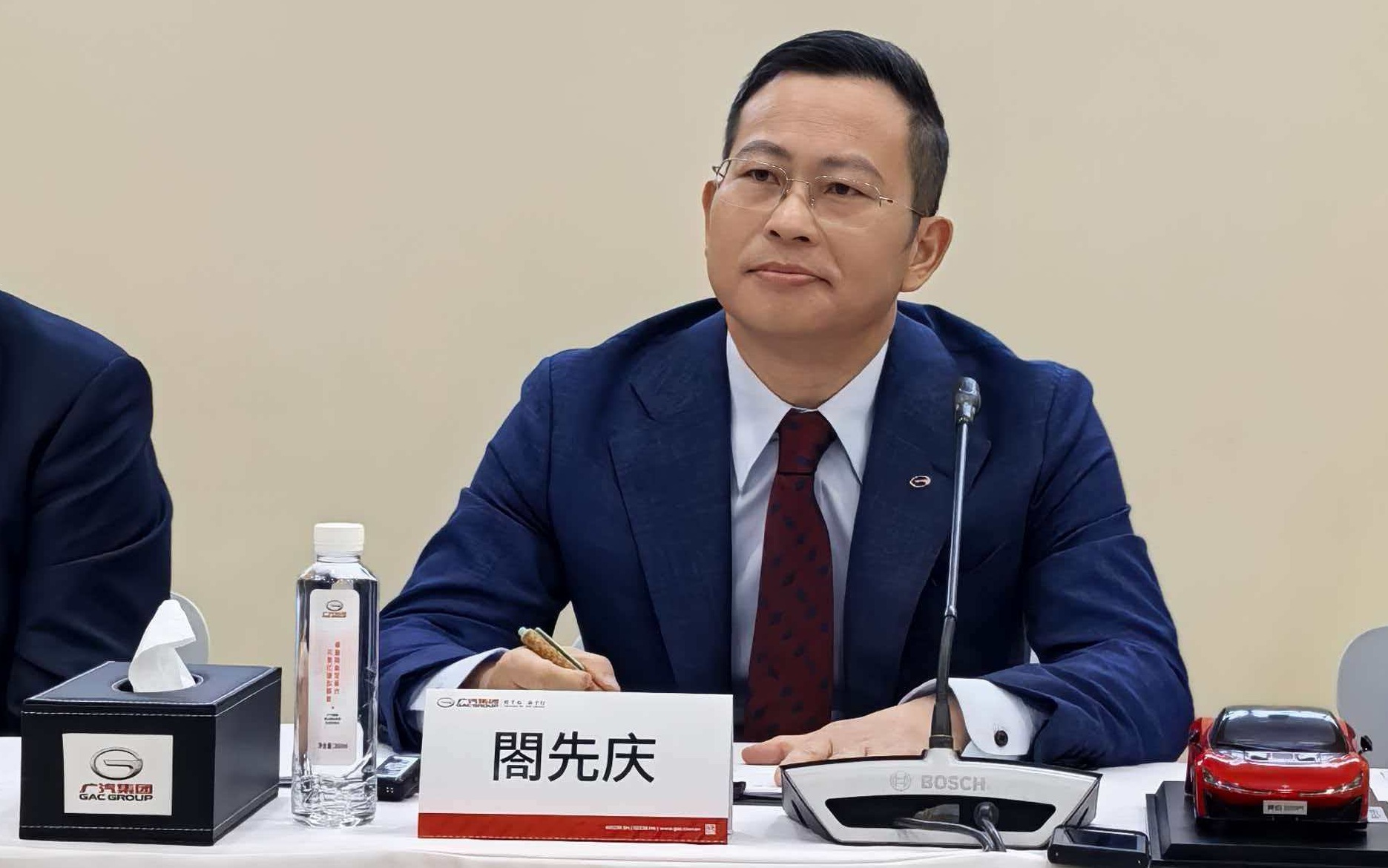
Core Insights - GAC Group announced the transformation into "New GAC" at the 2025 Guangzhou Auto Show, focusing on new technologies, products, services, and ecosystems as the "four engines" of growth [1][8] - The core of "New GAC" is to achieve a dual-driven transformation towards a technology-oriented enterprise, shifting from an engineering mindset to a user-centric approach [2][7] Group 1: Transformation Strategy - The transformation aims to integrate user needs deeply into the entire product development process, moving away from a traditional engineering mindset [7] - GAC has adopted Huawei's Integrated Product Development (IPD) model to enhance collaboration and efficiency within the organization, transitioning from a functional to a matrix organizational structure [7][8] - The automotive industry is facing intense competition and rapid technological changes, necessitating innovation and agility in product development [7] Group 2: Collaboration with Huawei - GAC is collaborating with Huawei to launch a new brand, "Qijing," focusing on the integration of traditional automotive and smart technologies [4][12] - The partnership involves deep co-creation rather than a simple supplier relationship, with significant resources allocated from Huawei to support the development of new products [13] - The first vehicle under this collaboration is expected to be launched by mid-next year, targeting a younger, fashion-conscious market segment [13][14] Group 3: Four Engines of Growth - The four engines identified by GAC are new technology, new products, new services, and a new ecosystem, with technology serving as the foundation [8][9] - Future technological directions include advancements in new energy sources, such as solid-state batteries, and the integration of AI and smart features [9][10] - The focus on product development now includes emotional value, aesthetics, and smart interactions, in addition to traditional performance metrics [10] Group 4: Market Positioning and Differentiation - GAC's brands, including Qijing, will target different market segments, with Qijing positioned as a high-end smart electric vehicle brand aimed at younger consumers [15] - The existing brands, such as Trumpchi and Aion, will continue to evolve, with Trumpchi focusing on both fuel and electric vehicles, while Aion targets young families [15]

仅营业276天!派特鲜生上海首店今晚十点正式关门
Bei Ke Cai Jing· 2025-11-25 11:28
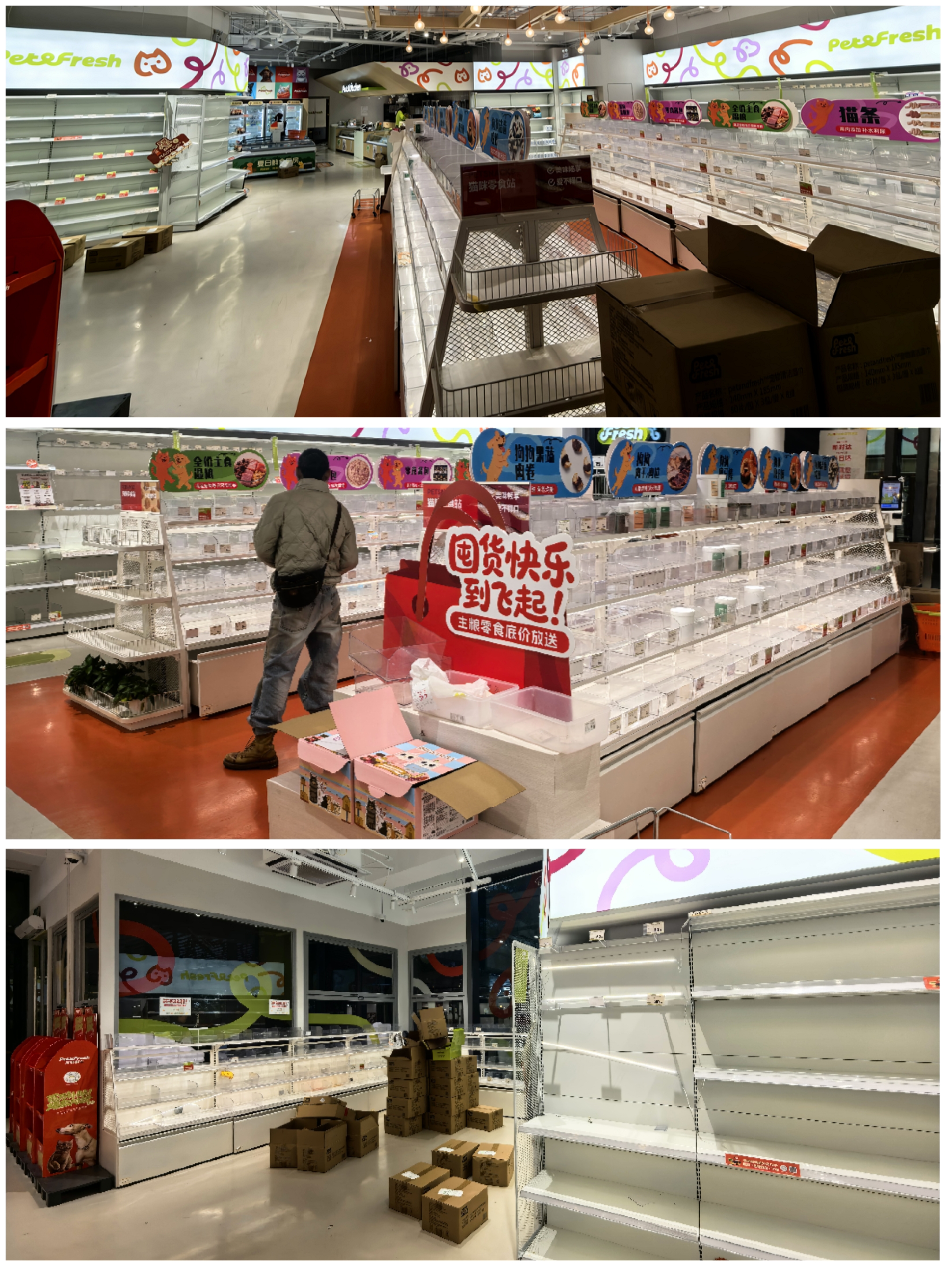
Core Insights - The first store of Pat Fresh in Shanghai's Haicu Cultural Plaza has closed after 276 days of operation, with the pet food shelves nearly empty at the time of closure [4][7][10] - The store initially experienced high customer traffic and was located in a pet-friendly area, but ultimately faced significant losses leading to the decision to exit physical retail [11][12] Group 1: Store Performance - The store opened on February 22 and featured a 200 square meter space with a fresh food area and over 300 types of bulk snacks for pets [10] - Despite a promising start, the company has struggled to meet its expansion goals, with only a fraction of the planned 100 stores opened by 2025 [11] Group 2: Future Plans - The company plans to transition some of its stores to a new brand called "Pet Tian Tian," which will continue to operate in the pet food sector [13][15][16] - The founder, Hou Yi, aims to focus on supply chain efficiency and effective store operations rather than aggressive expansion [11]