
狮铂拓界

Search documents
稳健增长奠定根基,战略升级驱动未来:悦达起亚发布年度答卷与全新行动纲领
Yang Zi Wan Bao Wang· 2026-02-13 03:16
Core Insights - Jiangsu Yueda Kia has demonstrated resilience and a clear strategic vision for the future, showcasing its ability to navigate through industry transformations with a solid performance report for 2025 and a systematic strategy for 2026 [1] Group 1: 2025 Performance Highlights - The company achieved a total sales volume of 253,964 units in 2025, marking a year-on-year growth of 2.3%, with monthly sales exceeding 20,000 units for ten consecutive months [4] - The overseas market showed strong performance, with cumulative exports surpassing 500,000 units, and the business network expanded to cover 89 countries and regions globally [4] - In the Chinese market, Yueda Kia secured the second position in annual sales in the Yancheng region and added over 60 new sales outlets, with more than 60% of dealers achieving annual profitability [4] Group 2: Product and Service Developments - Yueda Kia maintained a clear product launch schedule in 2025, refreshing key models such as the Lion Platinum and the Carnival, which helped sustain market competitiveness [5] - The company received recognition for its service quality, being awarded the benchmark brand for after-sales service by VOC+ and ranking among the top five in J.D. Power's customer satisfaction index for two consecutive years [7] Group 3: Social Responsibility and Corporate Culture - Yueda Kia has been awarded the "Responsibility Golden Bull Award" for eight consecutive years, leading in social responsibility development index among joint venture automakers for four years [10] - The company received the "Great Place To Work" certification for 2025, reflecting its commitment to a people-oriented corporate culture, and was recognized for its community engagement initiatives [13] Group 4: 2026 Strategic Goals - For 2026, Yueda Kia has set a sales target of 276,900 units and introduced a systematic operational strategy focused on stabilizing business systems, prioritizing customer satisfaction, and ensuring sustainable growth [14] - The first pillar of the strategy emphasizes operational efficiency and resilience, focusing on the successful launch of three new models and optimizing production and procurement costs [15] - The second pillar aims to deepen customer-centric operations, enhancing quality management and dealer profitability while optimizing the product planning process [16] - The third pillar focuses on sustainable growth by integrating ESG and carbon neutrality into risk management and fostering an innovative corporate culture [17]

起亚启动2026澳大利亚网球公开赛全球推广活动 共庆合作25周年
Jin Rong Jie· 2026-01-16 10:10
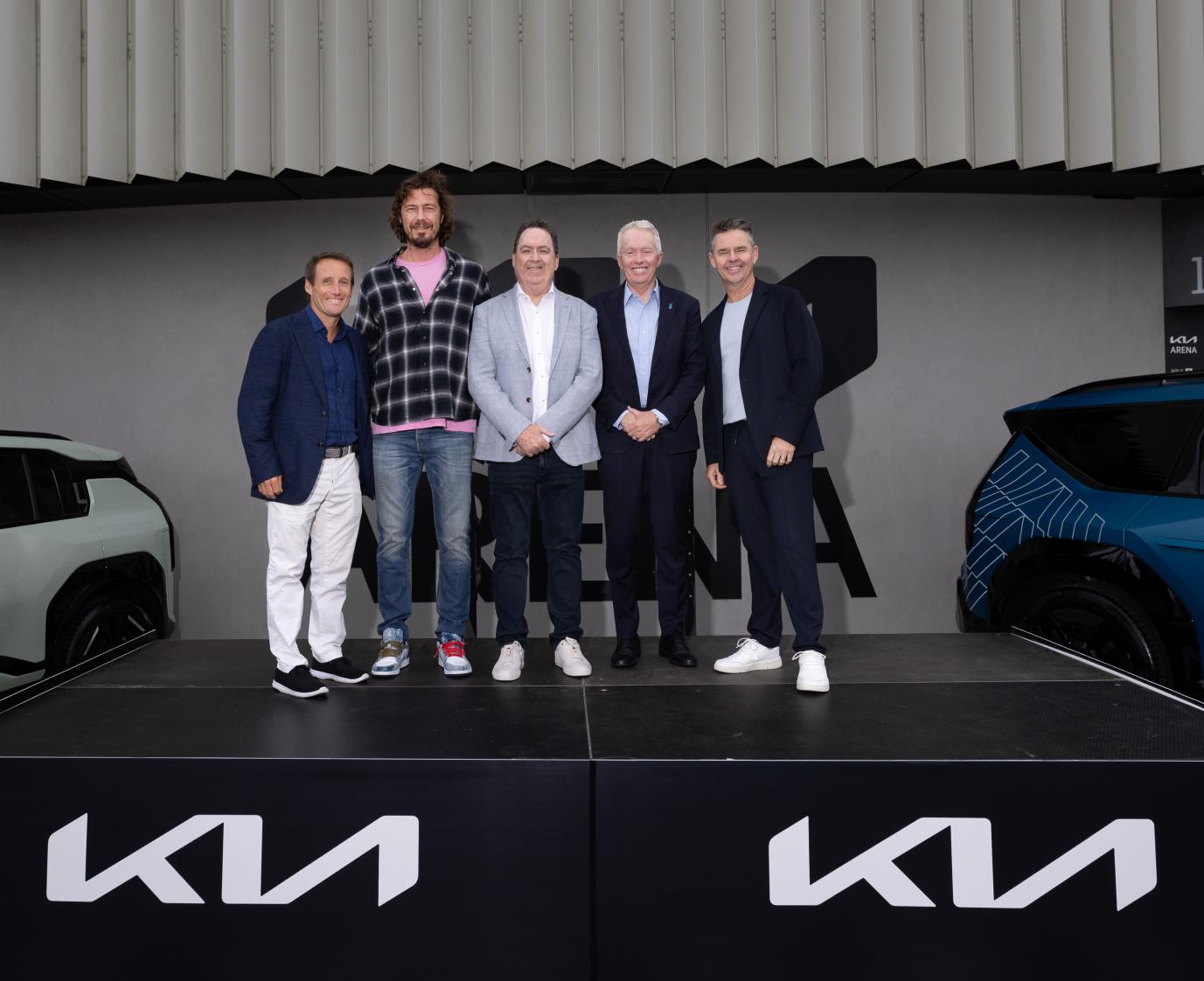
Core Viewpoint - Kia has launched the "Move Different" global campaign to celebrate its 25-year partnership with the Australian Open, showcasing its commitment to electric mobility and innovation [1][3]. Group 1: Partnership and Celebrations - Kia has been a key partner of the Australian Open since 2002, contributing to its status as a prestigious global sporting event [3]. - The "Move Different" campaign features the new electric model EV4 and a digital series titled "25 Years of Movement," highlighting stories from ball kids, official drivers, and tennis legend Rafael Nadal [3]. - Kia's CEO, Ho Sung Song, emphasized the significance of this partnership and the shared values of innovation and excellence [3]. Group 2: Sustainable Mobility Initiatives - For the 2026 Australian Open, Kia is providing 130 official vehicles, including 55 electric vehicles (30 EV9 and 25 EV5) and 75 hybrid vehicles [5]. - The proportion of electric vehicles in the official fleet has exceeded 40%, marking a historical high for the Australian Open [7]. - Kia aims for full electrification and hybridization of its fleet by 2025, with further expansion of electric models planned for 2026 [7]. Group 3: Product Showcase and Innovations - Kia showcased the PV5 Cargo, its first electric model based on the new "Purpose Built Vehicle" platform, which has won the "2026 International Van of the Year" award [9]. - The event also featured Kia's core electric vehicle lineup, including EV4, EV5, EV6, and EV9, highlighting the company's commitment to sustainable mobility [11]. Group 4: Fan Engagement and Activities - The 2026 Australian Open will take place from January 18 to February 1, featuring various matches, including singles and doubles finals [11]. - Kia will present a custom EV9 art car inspired by Nadal's championship years during the event and host a "Legend Night" with Nadal and other tennis stars [11]. - The "25 Years of Movement" digital content series will launch, featuring stories from Nadal, ball kids, and official drivers [11][13].
于无声处听惊雷:起底全球汽车巨头起亚的韧性与反攻
汽车商业评论· 2026-01-11 23:06
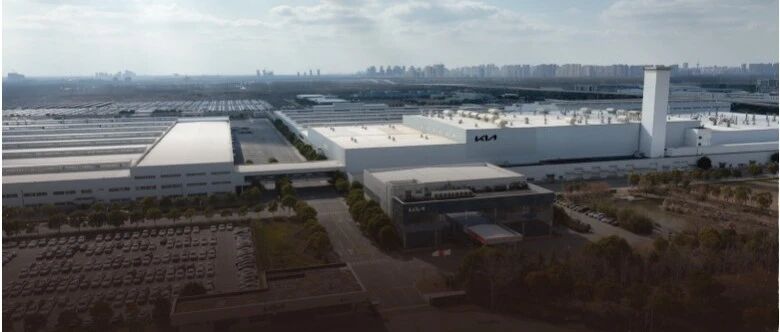
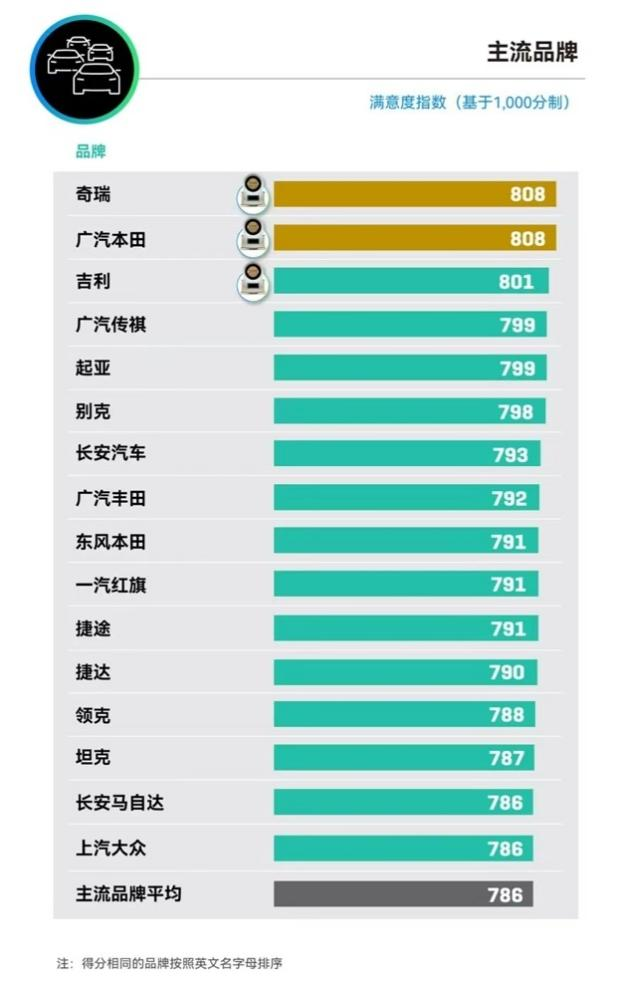
Core Viewpoint - The article discusses the competitive landscape of the Chinese automotive market, highlighting the rapid growth of domestic brands and the challenges faced by foreign and joint venture brands. It emphasizes the importance of adapting to market demands and leveraging established channels and experiences from foreign brands for successful expansion [4][5][33]. Group 1: Market Dynamics - The Chinese automotive market is currently experiencing a transitional phase, with domestic brands rapidly increasing their market share, projected to exceed 70% by 2025, compared to 50% in 2022 [4]. - Foreign and joint venture brands are seeing a decline in their market base, leading to a focus on maintaining their positions and refining their strategies for 2025 [4]. Group 2: Kia's Performance - Kia achieved a sales volume of 20,666 units in China in December 2025, with an annual total of 253,964 units, marking a 2.3% year-on-year increase [7]. - Globally, Kia's sales reached over 3.135 million units in 2025, a 2% increase, setting a record since its establishment in 1944 [7]. Group 3: Product Strategy - Kia's product strategy focuses on continuous innovation and alignment with market demands, launching new models such as the EV5 and updated versions of existing models to cater to diverse consumer needs [11][12][14]. - The company has invested 1.8 billion yuan in upgrading its smart manufacturing facility in Jiangsu, enhancing product quality and supporting its dual market strategy of domestic sales and exports [18]. Group 4: Brand and Marketing Transformation - Kia initiated a brand renewal plan in 2021, rebranding from "Kia Motors" to "Kia" to reshape consumer perceptions and enhance brand identity [20]. - The company has engaged in sports marketing, sponsoring events like the Australian Open and local sports teams to strengthen brand recognition and connect with consumers [22]. Group 5: Customer Engagement and Social Responsibility - Kia has achieved a customer satisfaction score of 799 in the J.D. Power 2025 China After-Sales Service Satisfaction Study, outperforming the average score of mainstream brands [25]. - The company has invested over 1.1 billion yuan in social responsibility initiatives, receiving recognition for its contributions to community development and environmental sustainability [25]. Group 6: Future Outlook - To maintain growth momentum, Kia plans to enhance its investment in the Chinese market, focusing on smart technology, new model launches, and deepening customer relationships through targeted marketing efforts [30][32]. - The company aims to introduce three new global models in China in 2026, including both fuel and electric vehicles, to meet evolving consumer preferences [32].
扬帆再起航:悦达起亚打赢价值保卫战
Jin Rong Jie· 2026-01-09 09:41
Core Insights - Yueda Kia has shown impressive performance in 2025, achieving continuous sales growth and establishing itself as a significant player among joint venture brands in a highly competitive automotive market [1][2] Sales Performance - In December 2025, Yueda Kia sold 20,666 vehicles, maintaining over 20,000 monthly sales for ten consecutive months; total annual sales reached 253,964 vehicles, marking a 2.3% year-on-year increase and achieving positive growth for two consecutive years [2] - Globally, Kia's sales exceeded 3.135 million vehicles in 2025, a 2% increase, setting a record for the highest sales since its establishment in 1944 and ranking among the top three globally for four consecutive years [2] Market Strategy - Yueda Kia has adopted a "long-termism" approach, focusing on product quality and brand building to enhance its core competitiveness in the Chinese market [2][4] - The company has actively expanded its overseas market, exporting 537,000 vehicles and generating $5.83 billion in export revenue since November 2018, with a presence in 89 countries and regions [4] Brand Development - In 2025, Kia launched the brand slogan "Kia, Driven by Heart" and produced a brand film to convey the message that "cars are companions," enhancing brand influence [6] - Yueda Kia has engaged in various social responsibility initiatives, including AED training for car owners and sponsoring local sports teams, which have significantly improved brand image and recognition [8][10] Product Innovation - The company has established a dual-fuel strategy ("oil and electricity") to meet diverse consumer needs, with recent upgrades to several models including the new Sportage and EV5 [11][18] - The EV5, a strategic model produced in China, boasts a range of 720 km and is positioned as a high-quality, cost-effective electric SUV [15] Dealer Network and Customer Satisfaction - In 2025, Yueda Kia added over 60 new sales outlets, with more than 60% of dealers profitable, significantly outperforming the industry average [23] - The company achieved a customer satisfaction score of 799 in the J.D. Power 2025 China After-Sales Service Satisfaction Study, ranking second among joint venture brands [23][24] Future Outlook - For 2026, Yueda Kia plans to continue its "In China, For China" strategy, focusing on local marketing, brand recognition, and product quality management [25] - The company aims to launch three new global models in China, including the new Sportage, and leverage the "trade-in" policy to boost sales [27]
逆势破局:起亚在中国市场的长期主义答卷与合资的生存新范式
Mei Ri Jing Ji Xin Wen· 2026-01-09 07:36
Core Insights - The global automotive market in 2025 is characterized as a "survival competition," with price wars in China and increasing penetration of new energy vehicles, leading to a shift from "price competition" to "value cultivation" [1] - Kia has emerged as a standout performer, achieving record global sales and revenue while maintaining positive growth in the Chinese market for two consecutive years, contrasting with many joint venture brands facing declining sales and profit pressures [1][2] Industry Trends - The automotive industry has moved away from the "big fish in a big pond" era, requiring companies to possess core capabilities to navigate through cycles successfully [2] - Kia's global sales reached approximately 3.1358 million units in 2025, a 2% increase year-on-year, marking the highest sales record since its establishment in 1944 [2] Growth Drivers - Kia's export business has been a significant growth engine, with cumulative exports of 537,000 vehicles and over 478,000 engines since November 2018, generating an export value of $5.83 billion [4] - The company's growth is built on a healthy profit structure, emphasizing product value and brand recognition, while maintaining a long-term commitment to the Chinese market [4] Channel Strategy - In a challenging environment where dealer losses are at an eight-year high, Kia has strengthened partnerships with local dealers, adding over 60 sales outlets and ensuring profitability for over 60% of its dealers [6] - Kia's inventory index stands at approximately 1.2, better than the industry average, reflecting its robust channel performance [6] Social Responsibility - Kia has maintained a commitment to social responsibility, contributing approximately 52.5 billion yuan in taxes over 24 years in China and investing over 110 million yuan in social initiatives [8] Strategic Positioning - Kia's strategy of "In China, For China" is not just a slogan but a comprehensive approach that integrates technology, products, manufacturing, and channels, marking its entry into the "Joint Venture 2.0 Era" [9] - The company has focused on diverse and personalized travel needs of Chinese consumers, launching core models like the new Sportage and EV5, which address key pain points in electric vehicle usage [9][11] Brand Development - In 2025, Kia introduced a new brand slogan "Kia, Driven by Heart," and engaged in various marketing activities to resonate with Chinese consumers [12] - The company has established a comprehensive service ecosystem, achieving high customer satisfaction ratings and reinforcing its commitment to quality service [12] Conclusion - Kia's approach provides a clear answer to the challenges faced by joint venture brands, emphasizing the importance of viewing the Chinese market as a strategic core and focusing on long-term, user-centered strategies across multiple dimensions [13]
车市竞争持续加剧,为何起亚能实现双增长?
Di Yi Cai Jing· 2026-01-08 03:32
Core Insights - Kia achieved a record global sales of over 3.135 million vehicles in 2025, marking a 2% year-on-year increase, the highest since its establishment in 1944 [2] - In the competitive Chinese market, Yueda Kia maintained a monthly sales of over 20,000 units for 10 consecutive months, with a cumulative sales of approximately 254,000 units, also reflecting a 2% year-on-year growth [2] - The company attributes its success to a long-term commitment to a user-centric approach, which has garnered the trust of over 62 million car owners globally since its inception [2][4] Global Strategy - China remains a core market in Kia's global strategy, with the CEO emphasizing the importance of success in this region [4] - Over 23 years in China, Yueda Kia has sold over 6.6 million vehicles, generating sales revenue exceeding 652 billion yuan and contributing approximately 52.5 billion yuan in taxes [4] Market Positioning - Despite the turbulent changes in the Chinese automotive market, Kia continues to adhere to its user-centric philosophy, contrasting with competitors who may compromise on long-term values for short-term gains [7] - Kia's strategy includes a dual approach of offering both fuel and electric vehicles, catering to diverse consumer needs [8] Product Development - New models such as the EV5 with a 720 km range and the upgraded global model, the new Sportage, reflect Kia's response to evolving consumer demands for comfort, new energy, and intelligence [10] - Kia's after-sales service satisfaction score of 799, surpassing the mainstream brand average by 13 points, highlights its commitment to quality and customer satisfaction [10] Future Outlook - Looking ahead to 2026, Kia plans to navigate the challenges of the automotive market by maintaining its core values while adapting to new market dynamics [11][12] - The company aims to introduce three new global models in China, including the new Sportage, while continuing to invest in smart manufacturing upgrades to enhance product quality [15][17] Technological Advancements - Kia is actively investing in advanced technologies, including L4 autonomous driving systems, to meet the growing demand for smart vehicles in China [14] - The company is exploring partnerships with tech firms to enhance its offerings in smart driving and intelligent cockpit technologies [14] Brand Engagement - Kia plans to strengthen its relationship with existing customers through various online and offline activities, enhancing brand loyalty among its 6.6 million users in China [17] - The company's commitment to quality is further demonstrated by a significant investment in upgrading its manufacturing facilities in Jiangsu, ensuring adherence to global standards [17][18]
逆袭2025:悦达起亚何以成为合资阵营的“韧性样本”?
Jing Ji Guan Cha Wang· 2026-01-07 10:31
Core Insights - The Chinese automotive market in 2025 is characterized by structural contradictions, with rising penetration of new energy vehicles and rapid innovation in intelligence, contrasted by intense price competition and market reshuffling [1] - Despite industry pressures, Yueda Kia achieved a sales volume of 253,964 units in 2025, marking a 2.3% year-on-year increase, with monthly sales exceeding 20,000 units for ten consecutive months [2] Group 1: Performance and Strategy - Yueda Kia's performance in 2025 reflects the release of its long-term systematic capabilities in a complex environment, driven by clear strategic positioning and resilient operational systems [2] - The brand has ranked among the top three in global sales for four consecutive years, with total global sales exceeding 3.135 million units in 2025, the highest since its establishment in 1944 [2] - Yueda Kia's strategy focuses on sustainable growth rather than short-term sales spikes, as evidenced by over 60% of dealers reporting profitability and inventory levels significantly better than the industry average [2] Group 2: Globalization and Brand Development - Since launching large-scale exports in 2018, Yueda Kia has sold over 520,000 vehicles to 89 countries, establishing a dual-engine model of domestic and international sales [3] - The brand's marketing strategy has shifted from traditional advertising to storytelling, enhancing emotional connections with consumers through initiatives like the "Soaring from the Heart" brand campaign [3][4] - Yueda Kia's commitment to a hybrid strategy respects the diverse consumer market in China, avoiding risks associated with a single technology route [4] Group 3: Product and Service Innovation - The product iteration in 2025 emphasizes targeted enhancements and value improvements, with significant upgrades in smart driving assistance and the introduction of new models at competitive price points [5] - The company has invested 180 million yuan in upgrading its Yancheng factory to ensure high-quality production and delivery [5] - Yueda Kia's service network demonstrates exceptional health, supported by deep collaboration with large dealer groups and ongoing digital optimization of after-sales service management [8] Group 4: Future Outlook and Strategic Commitments - Looking ahead to 2026, Yueda Kia's strategic deployment reflects a clear path of steady progress and deepened market engagement, with a focus on high-quality development and technological innovation [9] - The company plans to launch three global models in 2026, targeting various powertrain types and market segments to enhance consumer choice [10] - Yueda Kia aims to deepen emotional connections with consumers through localized marketing efforts and community engagement initiatives [10][11] Group 5: Long-term Philosophy and Industry Positioning - Yueda Kia's resilience in 2025 exemplifies a long-term business philosophy, emphasizing quality manufacturing, healthy channel optimization, and brand cultivation [11] - The company is committed to adapting its brand communication and responding swiftly to market demands, reflecting a balance between change and stability [11] - As the automotive market transitions to a phase of high-quality competition, Yueda Kia's comprehensive value system positions it well for future growth and offers insights for other joint venture brands navigating similar challenges [13]
车展营销转变,中国汽车行业正告别流量狂热
Jing Ji Guan Cha Wang· 2025-11-29 11:23
Core Insights - The automotive industry in China is shifting from a focus on celebrity-driven marketing to emphasizing product value and safety, marking a significant change in marketing strategies [3][4][8] Group 1: Changes in Marketing Strategies - The trend of executives becoming social media influencers at auto shows has decreased, with companies now opting for professional athletes and entertainers to promote their brands [3][5] - At the 2025 Guangzhou Auto Show, notable figures like tennis champion Li Na and actress Guo Jingjing were used to attract attention, reflecting a shift towards more substantive promotional methods [5][6] - The previous strategy of leveraging high-profile executives for marketing is being replaced by a focus on aligning brand values with the personal images of chosen celebrities [6][7] Group 2: Emphasis on Product Value and Safety - Companies are now prioritizing the intrinsic value of their products over mere marketing gimmicks, with a focus on safety and quality as key selling points [8][9] - Recent incidents involving electric vehicles have prompted manufacturers to adopt more responsible marketing practices, including direct accountability for product safety [8][9] - The automotive industry is entering a phase of rational growth, driven by regulatory changes and a need for self-discipline among companies [9][10] Group 3: Consumer Behavior and Market Dynamics - Consumers are becoming more discerning, actively researching vehicle specifications and demanding transparency from manufacturers [10] - The industry's profit margins remain low, with a sales profit rate of 4.4% in the first ten months of 2025, indicating a need for companies to rethink their competitive strategies [9]



车展流量营销降温
Jing Ji Guan Cha Wang· 2025-11-29 08:29
Core Insights - The phenomenon of executives becoming internet celebrities at auto shows is declining, with a shift towards professional athletes and entertainers promoting products, indicating a return to the essence of business in the Chinese automotive industry [1][2][3] Group 1: Changes in Marketing Strategies - The previous trend of executives as marketing figures has cooled down, with fewer high-profile appearances at the 2025 Guangzhou Auto Show compared to previous years [2][3] - Companies are now focusing on the value of their products rather than just marketing gimmicks, emphasizing the importance of product quality and safety [6][8] - The presence of professional athletes as brand ambassadors is becoming more prominent, aligning their positive public image with the values of automotive brands [3][5] Group 2: Consumer Behavior and Market Dynamics - Consumers are becoming more rational and informed, moving away from impulsive buying based on brand names or celebrity endorsements [9] - The automotive industry is facing a "profitless growth" dilemma, prompting a reevaluation of competitive strategies and a focus on quality over quantity [8] - Regulatory changes and industry self-discipline are influencing a more cautious approach to marketing and product claims [7][8]
车展观察丨请“谐音梗”明星、玩抽象风,这届车企也是拼了
Bei Ke Cai Jing· 2025-11-26 00:12
Core Insights - The automotive industry is increasingly targeting young consumers through unconventional marketing strategies, including puns and abstract advertising [2][3][18] - The Guangzhou Auto Show showcases a trend where car companies are shifting their focus from traditional marketing to more relatable and humorous approaches to engage younger audiences [6][9][18] Marketing Strategies - Car manufacturers are utilizing puns and humor in their campaigns, such as NIO's "Mo Wenwei" and LEAD's "Gu Tianle Dao," to resonate with younger consumers [3][4] - The use of comedic actors in advertisements, like Zhang Xingchao for Shangjie, aims to connect with the youth demographic, leveraging the actors' relatability and lower endorsement costs compared to top-tier celebrities [5][12] Target Audience - The marketing efforts are specifically aimed at younger consumers, as evidenced by brands like Lynk & Co and Chery choosing young celebrities as brand ambassadors [6][12] - The perception of cars among young people has shifted, viewing them as large electronic devices rather than traditional vehicles, leading to a change in purchasing logic [7][8] Brand Positioning - Car companies are aware of the need to adapt to the changing preferences of young consumers, who are less loyal to foreign brands and more inclined towards local trends [16] - The involvement of sports celebrities, such as Sun Yingsha and Li Na, is part of a strategy to enhance brand image by associating with values like health and strength [12][17] Industry Challenges - The automotive sector faces challenges such as price wars and the need to capture the attention of fickle young consumers, prompting companies to experiment with bold marketing tactics [9][10] - The shift in marketing strategies reflects a broader trend of car companies treating their marketing efforts as social experiments to engage with consumers [11][18]