投资界

Search documents
车厘子,价格大跳水
投资界· 2026-01-08 02:54
Core Viewpoint - The article discusses the significant price drop of cherries in China, transforming them from a luxury item to a more accessible fruit, reflecting a shift in consumer attitudes towards high-priced goods [1][4][14]. Price Trends - The price of imported Chilean cherries has decreased from 185 RMB per kilogram on November 5, 2025, to 148 RMB per kilogram by January 5, 2026, indicating a substantial decline [4]. - Some wholesale prices have dropped by over 50% compared to previous highs, leading to consumer confusion and hesitation in purchasing [4][5]. Consumer Behavior - Consumers are now adopting a more rational approach to purchasing cherries, often waiting for prices to drop before buying, which contrasts with previous years when cherries were seen as a status symbol [1][11][14]. - The perception of cherries has shifted from a luxury item to a common fruit, with discussions around their health benefits and safety becoming more casual and relatable [3][6]. Market Dynamics - Despite a decrease in cherry prices, the total export volume from Chile is expected to decline by 12.1% in the 2025-2026 season, indicating a complex relationship between supply and demand [8]. - The increase in cherry production area in Chile, from 3,241 hectares in 2000 to 74,148 hectares in 2024, has contributed to the price decline, alongside advancements in transportation reducing costs [9][10]. Cultural Shift - The article highlights a cultural shift where cherries, once a symbol of wealth and status, are now viewed as an everyday fruit, with consumers prioritizing taste and affordability over luxury [1][14]. - The narrative around cherries has evolved from being a marker of financial success to a more grounded appreciation for their flavor and quality [14].


今天智谱IPO敲锣,市值550亿
投资界· 2026-01-08 02:54
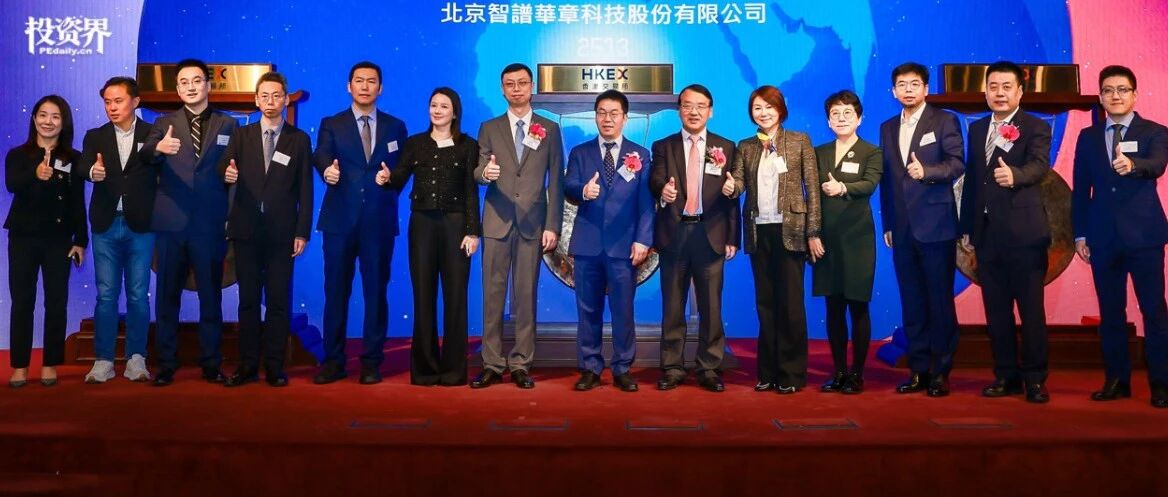
Core Viewpoint - Beijing Zhiyu Huazhang Technology Co., Ltd. (Zhiyu) has officially listed on the Hong Kong Stock Exchange, becoming the "first global large model stock" with an IPO price of HKD 116.20 per share and a market capitalization exceeding HKD 550 billion [2][3]. Group 1: Company Background and Development - Zhiyu was founded in 2019 by a group of scientists from Tsinghua University, with initial investment from Zhongke Chuangxing of RMB 40 million [2][4]. - The company has evolved from a research lab to a commercial entity, launching its first proprietary pre-trained large model framework, GLM, in 2021, and open-sourcing a 130 billion parameter model, GLM-130B, in 2022 [4][5]. - By 2025, Zhiyu aims to release its next-generation flagship models, GLM-4.5, GLM-4.6, and GLM-4.7, which will integrate reasoning, coding, and intelligent capabilities [5]. Group 2: Financial Performance and Market Position - Zhiyu has experienced rapid revenue growth, with revenues of RMB 57.4 million in 2022, RMB 1.245 billion in 2023, and RMB 3.124 billion in 2024, projecting RMB 1.9 billion in the first half of 2025 [5][8]. - The company has served over 12,000 enterprise clients and more than 45 million developers, establishing itself as the largest independent large model vendor in China [5][8]. Group 3: Investment and Funding History - Zhiyu has completed eight rounds of financing before its IPO, raising over RMB 8.3 billion and attracting more than 50 institutional investors, including major players like Meituan, Ant Group, Alibaba, Tencent, and Xiaomi [11][12]. - The initial angel investment of RMB 40 million from Zhongke Chuangxing in 2018 has yielded a return of approximately 100 times, highlighting the significant growth potential in the AI sector [9][12]. Group 4: Future Outlook and Industry Trends - The company is positioned in a highly competitive landscape, emphasizing innovation to stand out among numerous players in the large model sector [5]. - The ongoing AI boom presents vast opportunities for growth, with Zhiyu's models consistently ranking among the top globally in terms of usage and revenue [5][8].
全球疯抢中国变压器
投资界· 2026-01-08 02:54
Core Viewpoint - The global transformer shortage is becoming critical due to surging electricity demand, with China emerging as the largest beneficiary of this crisis, controlling 60% of global transformer production capacity [2][3][4]. Group 1: Transformer Supply and Demand - The supply gap for electric transformers in the U.S. has increased by 116% and 41% for power transformers and distribution transformers, respectively, since 2019, indicating a significant demand surge [3]. - Europe plans to invest €584 billion to expand its power grid, but progress is hindered by transformer shortages [2]. - The average export price of Chinese transformers has risen to approximately $20,800 per unit, with export value reaching 29.711 billion yuan in the first eight months of 2025, showing a growth of 65.39% to Asia and over 138% to Europe [4]. Group 2: Reasons for Transformer Shortage - The transformer shortage is attributed to aging power infrastructure in Europe and the U.S., with 31% of transmission and 46% of distribution facilities in the U.S. being outdated [5]. - The rapid rise of new industries, particularly in AI and renewable energy, has further intensified the demand for transformers, with solar power plants requiring 1.8 times more transformers than traditional coal-fired plants [6]. Group 3: Global Market Dynamics - Major global energy companies are investing heavily to capture market share, with Siemens Energy announcing a €2 billion expansion and Hitachi planning to invest $6 billion by 2027 [7]. - China has formed a strong coalition in the transformer industry, integrating leading companies to create a "national team" capable of dominating the market [8]. Group 4: Historical Context and Development - China's transformer industry has evolved from a state of dependency on foreign technology in the 1980s to a leading global position, overcoming significant technical challenges [10][12]. - The breakthrough in high-voltage transformer technology marked a turning point for China's energy sector, enabling the country to develop a vast high-voltage transmission network [14][15]. Group 5: Current and Future Outlook - The global transformer market is projected to reach $1 trillion by 2031, reflecting the critical role of transformers in the ongoing energy transition [6]. - China's electricity generation has surpassed 1 trillion kilowatt-hours, establishing it as the world's first "electric power empire," with a significant share of global electricity consumption [16][19].



君联资本,一天两个IPO
投资界· 2026-01-08 02:54
Core Viewpoint - The article highlights the successful IPOs of Zhizhu Technology and Jingfeng Medical, showcasing the effectiveness of the Social Security Zhongguancun Special Fund managed by Junlian Capital in supporting innovative companies in Beijing's tech sector [2][3][4]. Group 1: Zhizhu Technology - Zhizhu Technology officially listed on the Hong Kong Stock Exchange with an IPO price of HKD 116.20 per share, achieving a market capitalization exceeding HKD 500 billion, marking it as the "first stock of global large models" [2]. - The company, founded in 2019, focuses on self-developed large models and has completed eight rounds of financing, raising over CNY 8.3 billion with more than 50 institutional shareholders [3][4]. - Junlian Capital, as the largest institutional investor, provided comprehensive support in strategic planning, talent development, and technology commercialization, contributing to Zhizhu's successful market entry [4]. Group 2: Jingfeng Medical - Jingfeng Medical, established in 2017, specializes in the development, production, and sales of surgical robots, becoming the first in China and the second globally to obtain approvals for multiple types of surgical robots [5]. - Junlian Capital has made three investments in Jingfeng Medical from 2024 to 2025, leveraging its industry resources to support the company's strategic planning and global market expansion [5]. - The company aims to enhance its R&D and production capabilities post-IPO, contributing to the advancement of high-end medical equipment in China [5]. Group 3: Social Security Zhongguancun Special Fund - The Social Security Zhongguancun Special Fund was established in July 2023, with a scale of CNY 5 billion, aimed at providing long-term stable funding for innovative enterprises in Beijing [6][7]. - The fund focuses on early-stage, innovative projects in technology, with a strategy to support companies that can successfully transition from technological achievements to industrialization [7][8]. - By December 2025, the fund had invested in 19 companies across various cutting-edge technology sectors, with a decision amount exceeding CNY 3 billion, driving a total social investment of over CNY 24 billion [8].

马斯克:再见,程序员
投资界· 2026-01-07 08:34
Core Viewpoint - The article discusses the concept of the technological singularity, predicting that it will occur in 2026, significantly earlier than previous estimates of 2045. This shift is attributed to advancements in AI, particularly the capabilities of Claude Code, which have rapidly transformed programming and software development [2][7][12]. Group 1: Predictions and Impacts of the Singularity - Elon Musk has declared 2026 as the year of the singularity, indicating a major shift in technological capabilities [2][3][7]. - The singularity refers to a point where technology accelerates exponentially, leading to profound changes in society and industry [7][22]. - The advancements in AI, particularly with Claude Code, are seen as a catalyst for this rapid transformation, with predictions that software engineering may soon be rendered obsolete [12][13]. Group 2: Advancements in AI Technology - Claude Opus 4.5 has been recognized as the leading coding model, outperforming competitors like GPT-5.1 and Gemini 3 Pro in various benchmarks [13][14]. - The efficiency of coding tasks has reportedly increased by 220% when using Claude Opus 4.5 in conjunction with Claude Code [12][13]. - The ability of AI to handle complex coding tasks has led to a scenario where even individuals with no programming experience can create functional applications in under ten minutes [17][24]. Group 3: Changes in Software Engineering Roles - The role of software engineers is evolving, with AI now responsible for 70%-80% of coding tasks, leading to a shift towards code review and oversight rather than traditional coding [23][24]. - The introduction of natural language as a new programming syntax allows users to define logic without needing to write code, fundamentally changing the landscape of software development [24][25]. - As AI automates software development, similar automation is expected to extend to operations, planning, and management roles within organizations [24][25].

45万辆共享电驴要IPO了
投资界· 2026-01-07 08:34
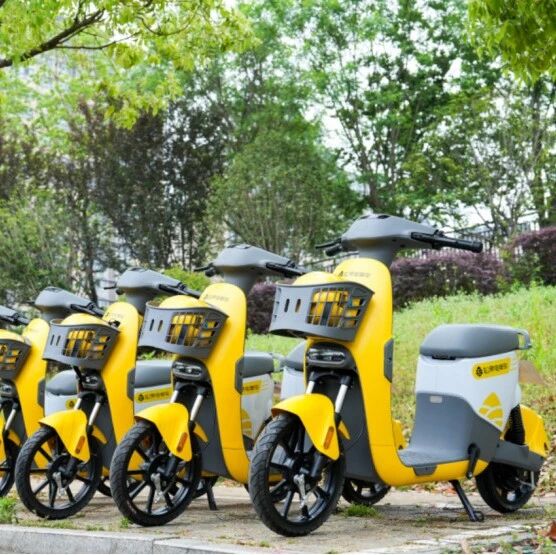
Core Viewpoint - The article discusses the upcoming IPO of Pinecone Wisdom Inc., the parent company of Pinecone Mobility, which focuses on the shared electric bicycle market in China, particularly in county-level cities, highlighting its growth potential and challenges in a competitive landscape [4][8]. Company Overview - Pinecone Mobility was founded in 2017 by Zhai Guanglong, who previously worked at Meituan and in the ride-hailing sector, identifying a market opportunity in shared electric bicycles for less urbanized areas [5][8]. - The company has adopted a heavy asset development model, establishing its own factories and maintaining a direct operation ratio [7]. Financial Performance - As of September 2025, Pinecone Mobility has deployed over 450,000 electric bicycles across 422 cities and counties, with 128 million registered users [11]. - The company's revenue for 2023 and 2024 is projected to be approximately 953.3 million and 962.8 million RMB, respectively, showing a modest growth rate of 1% [12]. - The adjusted net losses for 2023 and 2024 are estimated at 80.08 million and 44.07 million RMB, with a potential turnaround to a profit of approximately 26.4 million RMB in the first nine months of 2025 [12][13]. Market Position - Pinecone Mobility ranks first in the Chinese sinking market and fourth overall, with a market share of only 6.6% in 2024, facing significant competition from major players like Meituan and Didi [11][14]. - The company has experienced a decline in daily order volume, dropping from 1.1 million in 2023 to 1.0 million in the first nine months of 2025 [14]. Investment and Valuation - The latest funding round in November 2022 valued the company at approximately 996 million USD, reflecting a decrease from previous valuations [8][14]. - The company has maintained a consistent fundraising rhythm, completing multiple rounds of financing since its inception, with notable investors including Baidu and Sequoia Capital [7][8]. Industry Challenges - The shared electric bicycle industry faces profitability challenges due to high operational costs and increasing competition, with many players struggling to achieve sustainable business models [12][16]. - Regulatory environments in major cities are becoming more restrictive, limiting the growth potential of shared electric bicycle services [16].
脑机接口,老股被抢疯了
投资界· 2026-01-07 08:34
"很多人追着我要老股。" 作者/冯雨晨 报道/投资界PEdaily 2 0 2 5 年 冬 , 京 东 前 副 总 裁 、 渐 冻 症 病 人 蔡 磊 接 受 了 一 次 媒 体 采 访 。 此 时 他 已 入 疾 病 终 末期,不能言语,只能通过眼控仪陈述想法。期间蔡磊表示: "已经准备好尝试脑机接口。" 这 项 技 术 正 迎 来 最 好 时 代 。 2 0 2 6 年 开 年 , 脑 机 接 口 迅 速 爆 红 , 我 们 获 悉 了 两 则 重 要 事 件: 中国前首富陈天桥,下场参与设立了一家脑机接口公司;杭州六小龙之一强脑科 技被曝完成约2 0亿元融资, 即将递表上市 。 "非常抢手,很多人追着我要老股。"一位强脑科技的早期投资人如是对投资界聊起:这 是 杭 州 六 小 龙 中 唯 一 一 家 医 疗 健 康 公 司 , 同 时 切 中 了 人 机 交 互 和 脑 机 接 口 两 条 技 术 赛 道,无论在A股还是港股都极具稀缺性。 开年最火赛道 新年火爆一幕正在上演。 2 0 2 6 年 首 个 交 易 日 ( 1 月 5 日 ) , 脑 机 接 口 惊 艳 四 座 。 A 股 市 场 上 , ...

东北人开始挤满惠州
投资界· 2026-01-07 08:34
Core Viewpoint - The article discusses the increasing trend of Northeastern Chinese migrating to Huizhou during winter, highlighting the reasons for this migration and the impact on local culture and economy [4][14]. Group 1: Migration Trends - More Northeasterners are choosing Huizhou as a winter destination, with over 100,000 "migrant" tourists expected from January to February 2025 [4]. - Huizhou is now among the top three winter destinations for Northeasterners, alongside Hainan and Yunnan [4]. Group 2: Living Conditions - Rental prices in Huizhou are significantly lower than in other regions, with sea-view apartments available for as low as 500 yuan per month [6][8]. - Many families are relocating to Huizhou for a more comfortable lifestyle, enjoying the warm climate and lower living costs compared to their hometowns [5][7]. Group 3: Cultural Integration - The influx of Northeasterners has led to a rise in local businesses offering Northeastern cuisine, creating a sense of community and familiarity for the migrants [15][16]. - Northeastern dialects and cultural practices are becoming more prevalent in Huizhou, indicating a growing community [15][17]. Group 4: Challenges Faced - Migrants face challenges such as inadequate medical facilities and transportation issues, which can complicate their living experience in Huizhou [10][11]. - The lack of formalized rental markets and reliable housing information poses difficulties for newcomers seeking accommodation [11]. Group 5: Future Considerations - Many families are contemplating long-term residency in Huizhou, but concerns about children's education and healthcare access remain significant factors in their decision-making [14][12].

新年最牛天使轮诞生了
投资界· 2026-01-06 07:45
核聚变爆红 。 作者/周佳丽 报道/投资界PEdaily 2 0 2 6开年,依然很燃。 投资界获悉,东昇聚变(上海)技术有限公司(简称"东昇聚变")已完成数亿元天使轮 融资,红杉中国、IDG资本、中科创星、高瓴、鼎晖百孚、龙芯创投等联手入局。如此 豪华阵容在以往天使轮中并不多见。 东昇聚变,一支来自上海杨浦的队伍,由复旦科创、上海市未来产业基金、海桐国际创 新中心、中科创星、启盈同创共同孵化。复旦大学现代物理研究所许敏教授带队,团队 已启动第一代科学实验装置"晨光"项目,旨在推动氘-氦3聚变走向工程实现。 业 内 流 传 着 一 句 话 : AI 的 尽 头 是 能 源 , 能 源 的 尽 头 是 可 控 核 聚 变 。 在 这 场 攸 关 人 类 未 来能源命运的赛跑中,上海又一次冲在了前头。 超级天使轮 红杉IDG高瓴 鼎晖 都投了 东昇聚变有何来头? 我们从复旦大学磁约束聚变团队说起。这是一支由复旦大学现代物理研究所核科学与技 术 系 教 授 许 敏 带 队 , 聚 焦 高 温 强 磁 场 磁 约 束 聚 变 和 人 工 智 能 驱 动 的 聚 变 物 理 研 究 的 队 伍,致力于推动核聚变能源的工 ...

一条瑜伽裤卖了20亿
投资界· 2026-01-06 07:45
Core Viewpoint - The article highlights the ongoing trend of mergers and acquisitions (M&A) in the consumer sector, emphasizing significant deals and the strategic movements of investment firms like Bain Capital in the Asian market [4][9]. Group 1: Recent M&A Activities - Bain Capital announced the acquisition of Andar's parent company, Echo Marketing, for a total consideration of 5000 billion KRW (approximately 2.4 billion RMB) [4]. - The acquisition will occur in two phases: first, Bain Capital will purchase 43.66% of shares for 2166 billion KRW (approximately 1 billion RMB), followed by a tender offer for the remaining 56.4% at a premium of 49.5% over the last closing price [5]. - Andar, known as the "Korean version of Lululemon," has seen its sales reach a historical high of 1358 billion KRW in the first half of 2025 [5]. Group 2: Market Trends and Insights - The consumer M&A landscape has been active, with notable transactions such as Sequoia China acquiring a controlling stake in the fashion brand Golden Goose, and Starbucks selling 60% of its China business for a total of $4 billion [9]. - The article notes that many high-quality companies are currently available at significant discounts due to market adjustments since 2022, making the current M&A environment attractive for investors [11]. - There is a growing sentiment among investors that the time for M&A in the Chinese market has arrived, driven by industry upgrades and increasing consolidation [10][11]. Group 3: Bain Capital's Strategy - Bain Capital has a history of successful investments in the consumer sector, including the acquisition of Canada Goose in 2013 for $250 million, which later saw a peak market value exceeding $7.8 billion [7]. - The firm also acquired a majority stake in the Japanese fashion and lifestyle group Mash for approximately 10 billion RMB, marking one of the largest PE acquisitions in Japan's fashion sector [7]. - Bain Capital's strategy appears to focus on identifying and capitalizing on undervalued assets in the consumer market, particularly in Asia [6][10].