投资界

Search documents
解码金鼎资本:一单并购案背后的推手
投资界· 2026-01-06 07:45
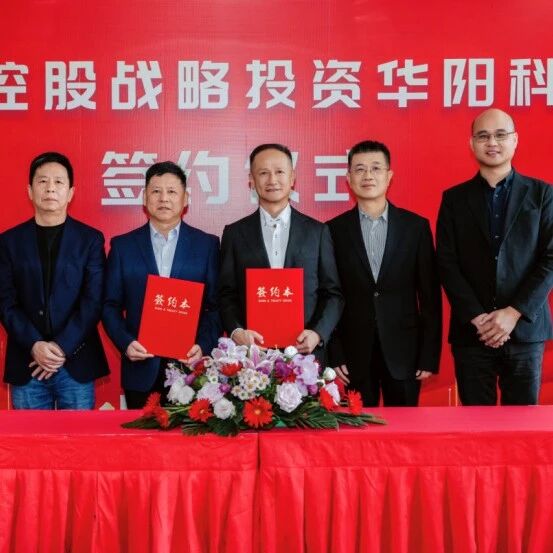
Core Viewpoint - The article discusses the strategic acquisition of Huayang Technology by Pengding Holdings, facilitated by Jinding Capital, highlighting the unique role of Jinding as a deep service provider in the M&A process [2][3][11]. Group 1: Acquisition Overview - The acquisition involves Pengding Holdings, a leading global PCB company, acquiring a controlling stake in automotive sensor company Huayang Technology for 357 million yuan [2]. - This transaction is seen as a significant step for Pengding to deepen its presence in the automotive electronics sector while providing Huayang with a pathway for accelerated growth through industrial capital [3][5]. Group 2: Role of Jinding Capital - Jinding Capital played a crucial role in the acquisition, acting not just as a financial advisor but as a deep participant throughout the entire process, from identifying the target to finalizing the deal [3][11]. - The firm has a long-standing focus on the technology sector, particularly in semiconductors, and has built a robust ecosystem through partnerships with various companies [5][11]. Group 3: Strategic Matching - The transaction was initiated by Jinding Capital's proactive identification of Huayang Technology as a strategic opportunity, rather than a direct request from either party [5][6]. - Jinding recognized the complementary strengths of Huayang's technology and Pengding's manufacturing capabilities, leading to a strategic match that benefits both parties [6][7]. Group 4: Trust Building and Long-term Vision - Jinding Capital emphasized a philosophy of "long-termism" and "win-win" thinking to bridge the trust gap between the two companies, countering common concerns in M&A about control and valuation [7][8]. - The firm focused on future value creation rather than current asset disputes, which was reflected in the mixed financing structure of the deal [8][9]. Group 5: Comprehensive Service Model - Jinding Capital has developed a standardized, full-process service model for M&A, which includes strategic alignment, due diligence coordination, and negotiation facilitation [9][10]. - This model allows for a more efficient and effective transaction process, reducing misunderstandings and enhancing communication between parties [10][12]. Group 6: Industry Impact and Future Outlook - Jinding Capital's approach is reshaping the role of financial advisors in the context of strategic M&A, moving beyond traditional arbitrage to a focus on industry logic [11][12]. - The firm has successfully executed over 20 M&A transactions with a total valuation exceeding 10 billion yuan, establishing itself as a benchmark in the industry [13].


老外开始组团来中国看病
投资界· 2026-01-06 07:45
Core Viewpoint - The article discusses the rising trend of foreigners traveling to China for medical treatment, highlighting the efficiency, affordability, and quality of healthcare services compared to their home countries, particularly the UK and the US [2][5][11]. Group 1: Case Studies of Foreign Patients - A British influencer named Amy traveled 8,000 kilometers to China for medical treatment, receiving a comprehensive diagnosis and treatment within 13 days at a cost of approximately 2,800 RMB (about £298), significantly lower than the costs in the UK [3][4]. - Another case involved a British blogger whose stepfather faced long wait times for diagnosis in the UK, but received prompt treatment in Shanghai, leading to a viral video with nearly 1.5 million views [4]. Group 2: Factors Driving Medical Tourism - The increase in foreign patients seeking medical care in China is attributed to the country's visa-free policies and the comparative analysis of healthcare costs between China and the US, which revealed significant savings for patients [5][8]. - Social media has played a crucial role in spreading awareness about the benefits of seeking medical treatment in China, with many foreigners sharing their positive experiences online [5][9]. Group 3: Concerns from Domestic Patients - There are concerns among Chinese citizens about the potential impact of foreign patients on local healthcare resources, with fears that they may occupy slots meant for domestic patients [9][10]. - Some individuals worry that the influx of foreign patients could overwhelm already strained medical facilities and lead to inequities in healthcare access [10]. Group 4: Structure of International Medical Services - China's hospitals have established International Medical Departments to cater specifically to foreign patients, ensuring that these services do not interfere with domestic patient care [11][12]. - The International Medical Departments operate under strict regulations, limiting their service capacity to 10% of the hospital's total services, thus safeguarding resources for local patients [12][13]. Group 5: Economic and Quality Benefits - The presence of foreign patients is seen as a potential revenue stream for hospitals, allowing them to reinvest in facilities and improve services for all patients [14]. - Engaging with international patients can enhance the overall quality of medical services in China, as hospitals gain experience and expertise in various medical fields [14][15]. Group 6: Future Outlook - The article predicts a significant increase in medical tourism to China by 2026, driven by high-profile cases and the expansion of visa-free policies [16][17]. - The Chinese government is actively promoting international medical services, aiming to attract more foreign patients and improve the overall healthcare landscape [16][17].

米哈游,投出两个IPO
投资界· 2026-01-05 07:55
Core Viewpoint - MiHoYo is actively investing in and partnering with emerging companies in the AI and gaming sectors, positioning itself as a significant player in the venture capital landscape while preparing for multiple IPOs [2][3][4]. Investment in MiniMax - MiHoYo holds a 7.34% stake in MiniMax, which is set to IPO on January 9, and has been a key investor since early 2022, aligning with its strategy to integrate advanced AI technologies into gaming [2][4]. - The relationship between MiHoYo's founder Liu Wei and MiniMax's CEO Yan Junjie dates back to 2021, indicating a long-standing connection that facilitated this investment [3]. Investment in Supply - MiHoYo is the largest external investor in Supply, holding an 11.86% stake, and has been involved since leading its A+ round financing in November 2021 [5][7]. - This investment supports MiHoYo's strategy to expand its IP merchandise ecosystem and reach the Z-generation consumer market [7]. Strategic Partnerships - MiHoYo has transitioned from being merely an investor to becoming a customer of MiniMax, utilizing its AI models in various gaming applications, thereby creating a symbiotic relationship [5][6]. - The company has also opened its IPs for collaboration, enhancing its product offerings and market reach [7]. Venture Capital Approach - Since 2018, MiHoYo has been actively engaging in venture capital, making numerous investments across various sectors, including cutting-edge technologies [8][11]. - The company’s investment strategy is characterized by a focus on young, innovative founders who share a vision of technological advancement [11][12]. Future Directions - MiHoYo's recent leadership changes indicate a shift towards prioritizing research and development in frontier technologies, with a focus on attracting top talent in the AI field [12][13]. - The company is also developing its proprietary AI model, which is expected to enhance game production efficiency by over 30% [12].

【活动报名】“X-Day”西丽湖路演社启航·未来——早期投资专场
投资界· 2026-01-05 07:55
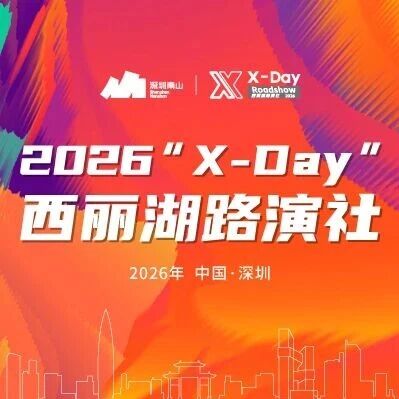
Core Viewpoint - The article highlights the "X-Day" West Lake Roadshow as a significant platform for early-stage investment opportunities, focusing on innovative technology and startups in Shenzhen [20][21]. Event Details - The "X-Day" West Lake Roadshow is scheduled for January 8, 2026, at the Shenzhen University Town International Conference Center, featuring a series of presentations and discussions on early-stage investment logic [1][2]. - The event will include a showcase of premium projects and a deep dialogue with industry experts [1][2]. Featured Projects - **Silicon Memory (Shenzhen) Technology Co., Ltd.**: Focuses on human memory management through AI technology and smart hardware, currently integrated with 10,000 smart devices and partnerships with over ten hardware companies [12]. - **Shenzhen Xuan Yuan Technology Co., Ltd.**: Specializes in smart hardware and AI interaction, aiming to provide emotionally intelligent products and solutions for individuals and families [13][14]. - **Qinghang Times (Shenzhen) Technology Co., Ltd.**: Led by a team from Tsinghua University, this project addresses challenges in aircraft endurance and payload, promising to enhance endurance by 10-50 times and payload by 2-4 times [15]. - **Shenzhen With Love Intelligent Technology Co., Ltd.**: Develops the Watchear project, which integrates advanced voice AI technology into smartwatches to assist hearing aid users [17][18]. - **Shenzhen Ganqi Technology Co., Ltd.**: Focuses on advanced multi-dimensional force sensor technology for sports and robotics, aiming to innovate the next generation of smart sports products [19]. Platform Achievements - In 2025, the "X-Day" West Lake Roadshow hosted 11 specialized roadshows, serving over 240 tech innovation companies and facilitating connections with more than 2,700 financial institutions [21]. - The initiative successfully helped 20 companies secure over 550 million yuan in equity investment and 16 companies obtain bank credit totaling over 252 million yuan [21].
土耳其,正争抢中国中产
投资界· 2026-01-05 07:55
以下文章来源于旅界 ,作者theodore熙少 旅界 . 跟踪时代浪潮,讲述文旅商业好故事。 想去土耳其薅羊毛,被物价教做人。 作者 / theodore熙少 来源 / 旅界 (ID:tourismzonenews) 但我随手刷了刷社交媒体,与群情雀跃形成鲜明对比的,是一群I P定位在伊斯坦布尔的 同胞,不少人正发出声泪俱下的劝退檄文。 一些先一步过去的网友发现,免签省下的那几十美金签证费,可能连伊斯坦布尔一顿普 通午餐都不够。 有人贴出了最新价目表,字里行间全是震惊。 圣索菲亚大教堂,这个曾经代表着伊斯坦布尔包容精神的地标,早年象征性收费,现在 的价格是二楼游客区2 5欧元(约2 0 0元),若再加上博物馆,一个人甚至会被收取5 0欧 元(约4 0 0元)。 但在我看来,这并不是最糟的,十三年前,第一次造访伊斯坦布尔时,游客还能在一楼 自由漫步,近距离仰望巨大的穹顶。 那时候,它是博物馆,也是凯末尔世俗化改革的象征,对所有人平等开放。 但去年故地重游,一楼已经彻底变成了当地人祈祷区,这种物理空间的重新划分,像极 了埃尔多安时代的隐喻,宗教正在重新接管世俗领地。 1 元旦前夕,土耳其突然宣布对华免签了。 消息 ...

宇树对手也要上市了
投资界· 2026-01-05 07:55
Core Viewpoint - Hangzhou Yundongchu Technology Co., Ltd. (referred to as "Yundongchu") has initiated its IPO guidance, with CITIC Construction Investment Securities serving as the advisory institution, marking it as the third company among the "Six Little Dragons of Hangzhou" to pursue an IPO after Qunhe Technology and Yushut Technology [4][12]. Company Background - Founded in 2017 by Zhejiang University alumni Zhu Qiuguo and Li Chao, Yundongchu aims to bring robots out of the laboratory and into everyday life, with its first quadruped robot launched within a year of establishment [5][6]. - The company’s name is inspired by a Tang dynasty poem, reflecting its vision of making intelligent robots accessible to households [7]. Product Development - Yundongchu's first-generation quadruped robot, "Jueying," was introduced but faced technical limitations initially. A significant breakthrough occurred in 2020 when Southern Power Grid engaged the company for inspection tasks using robots [8]. - In 2021, the "Jueying X20" was launched, achieving IP66 protection level, making it the first quadruped robot suitable for industrial applications in China, with costs significantly lower than similar products from Boston Dynamics [8]. Market Expansion - The company has expanded its product line to include humanoid robots and wheeled robots, with plans to launch the humanoid robot "Dr.01" in 2024 and the wheeled robot "Shanmao M20" in 2025, targeting complex terrain applications [10]. - Yundongchu has successfully implemented over 600 industry projects across various sectors, including energy, emergency services, security, education, construction, and entertainment [10]. Investment and Financing - Yundongchu has attracted significant investment, completing multiple funding rounds since its inception, including a recent C round financing exceeding 500 million yuan, led by Zhaoshang International and Huaxia Fund [12]. - The company has also completed a Pre-IPO round financing recently, indicating its readiness for public listing [12]. Industry Context - The rise of Yundongchu is part of a broader trend among Zhejiang University alumni, with several companies from the "Zhejiang University system" gaining attention in the venture capital space and contributing to the innovation narrative in China [13][15]. - The entrepreneurial spirit fostered by Zhejiang University, particularly through its Zhi Ke Zhen College, has led to a high rate of startup formation among its graduates, creating a robust ecosystem for innovation and investment [15][16].

百万华人涌入中亚
投资界· 2026-01-04 08:15
Core Viewpoint - The article highlights the significant transformation occurring in Central Asia, particularly Kazakhstan, as it becomes a key market for Chinese enterprises looking to expand internationally. The influx of Chinese tourists and goods indicates a growing economic relationship and potential investment opportunities in various sectors, including e-commerce and consumer goods [3][4]. Group 1: Market Trends - In the first eleven months of this year, over 876,000 Chinese tourists visited Kazakhstan, with a 50% increase in flight bookings and an 80% increase in hotel reservations compared to the previous year [3]. - The flow of goods is also rising, with 13,089 trains operating between China and Central Asia, sending 1,031,695 TEUs, marking a 30.6% year-on-year increase [3]. - Kazakhstan is evolving from a "marginal market" to a "foreign trade growth pole" for Chinese companies, with sectors like infrastructure, new energy, and cross-border e-commerce leading the growth [3][4]. Group 2: E-commerce Development - Kazakhstan has the highest internet penetration rate (92.9%) and mobile connection rate (128%) in the region, with e-commerce accounting for 14.1% of retail by 2024, up from 0.5% in 2013 [10]. - The e-commerce market in Kazakhstan has grown sevenfold over the past five years, reaching approximately $6.5 billion in 2024, with a year-on-year growth of 33% [10]. - Local platforms like Kaspi.kz and Russian platforms like Wildberries are gaining traction, alongside Chinese platforms such as Taobao and AliExpress, facilitating a smooth shopping experience for consumers [9][10]. Group 3: Consumer Behavior and Preferences - The presence of Chinese brands like Mixue Ice City and WEDRINK in Kazakhstan reflects a shift in consumer preferences towards new beverage options, indicating a consumption upgrade in the region [22][24]. - Despite higher prices compared to China, local consumers are willing to pay for these products, as the average income in Kazakhstan is significantly lower than in China [25]. - The demand for electric vehicles is rising, with Chinese brands like BYD and Hongqi becoming increasingly visible on the streets of Almaty, as the local market seeks to replace aging vehicles [26][28]. Group 4: Challenges for Chinese Enterprises - Chinese businesses face challenges in establishing credibility and trust among local consumers, who often prefer to buy from local retailers due to past negative experiences with Chinese companies [29]. - The competitive landscape is intensifying, with local biases against Chinese merchants making it difficult for them to penetrate the market [30]. - The article emphasizes the importance of local partnerships and understanding cultural nuances to succeed in the Central Asian market, as well as the need for a localized approach to business operations [32][33].

轮到合肥上市潮
投资界· 2026-01-04 08:15
Core Viewpoint - The article discusses the rise of quantum technology companies in Hefei, particularly focusing on Guoyi Quantum, which has recently applied for an IPO on the Shanghai Stock Exchange's Sci-Tech Innovation Board. The company aims to replace foreign high-end scientific instruments with domestic alternatives, leveraging quantum properties for precision measurement [5][10]. Company Overview - Guoyi Quantum was co-founded in 2016 by Du Jiangfeng and He Yu, who are both alumni of the University of Science and Technology of China (USTC). The company operates from a small office and has developed quantum sensors that can measure at microscopic scales, addressing the need for high-end scientific instruments in China [6][8]. - The company has achieved significant breakthroughs, including the launch of China's first commercial X-band electron paramagnetic resonance spectrometer in 2018, which broke the foreign monopoly in this technology [9]. Financial Performance - Guoyi Quantum's revenue has shown a compound annual growth rate (CAGR) of over 80% in the past three years. The projected revenues for 2022, 2023, and 2024 are 151 million, 400 million, and 501 million yuan respectively, with net losses of 168 million, 169 million, and 104 million yuan during the same period [10][11]. - As of the first half of this year, the company reported an accumulated deficit of 427 million yuan [11]. Investment and Shareholding - The company has attracted significant investment since its inception, with early investments from USTC and other venture capital firms. Notable funding rounds include an A round in 2018 and a B round in 2021, led by prominent investors such as Hillhouse Capital [11][12]. - The major shareholders before the IPO include Hefei Sikun, USTC Holdings, and Shuhua Technology, holding 27.2%, 14.75%, and 8.43% of the shares respectively [12]. Industry Context - Hefei has become a hub for quantum technology, with over 30 quantum companies located on "Quantum Avenue." This area has seen significant advancements in quantum communication and computing, with notable projects like the "Mozi" satellite and the "Beijing-Shanghai" quantum communication line [13][15]. - The establishment of a 10 billion yuan quantum industry fund in 2017 and the recent approval of a provincial-level future industry pilot zone in Hefei indicate strong governmental support for the quantum sector [15][16].

最近上海赚翻了
投资界· 2026-01-04 08:15
Core Viewpoint - The article highlights the unprecedented IPO wave among GPU companies in Shanghai, with three major players—Biran Technology, Moosic, and Suiruan Technology—successfully entering the capital market, marking a significant milestone for the domestic GPU industry [2][4]. Group 1: IPO Developments - Biran Technology became the first GPU company to go public in Hong Kong on January 2, 2023, with its market value reaching over 100 billion HKD at one point, and it recorded an opening surge of over 80% [4]. - Moosic Technology successfully listed on the STAR Market in December 2022, with an IPO price of 104.66 CNY per share, raising a total of 4.186 billion CNY and achieving a first-day increase of 692.95%, peaking at a market value of 350 billion CNY [4]. - Suiruan Technology is expected to submit its IPO application for the STAR Market soon, with a valuation exceeding 20 billion CNY according to the 2025 Hurun Global Unicorn List [4][5]. Group 2: Shanghai's GPU Ecosystem - The article notes that a significant number of GPU companies are based in Shanghai, with over ten firms either listed or in the IPO process, indicating a strong local presence in the GPU sector [5]. - Other notable GPU companies in Shanghai include Hanbo Semiconductor and Tian Shu Zhixin, both of which are also progressing towards IPOs [5]. - The article emphasizes that the Shanghai government and local investment funds have played a crucial role in supporting these companies, with Shanghai Guotou's AI industry fund being a key investor in Biran Technology and Suiruan Technology [6][7]. Group 3: Shanghai's Industrial Advantages - Shanghai boasts the most comprehensive integrated circuit industry chain in China, with the industry scale expected to exceed 390 billion CNY by 2024, accounting for approximately 25% of the national market [8]. - The city has established a 100 billion CNY industrial investment fund focused on three leading sectors: integrated circuits, biomedicine, and artificial intelligence, which has further fueled the growth of the GPU industry [8]. - The intersection of artificial intelligence and integrated circuits, particularly in computing chips, is highlighted as a key focus area for Shanghai's industrial development [8]. Group 4: Broader Industry Landscape - The article mentions that Shanghai is home to several leading companies in various high-tech sectors, including robotics, AI large models, and nuclear fusion, showcasing the city's diverse technological ecosystem [9][10]. - Notable companies in the robotics field include Zhiyuan, Fourier, and Kepler, while AI unicorns such as MiniMax and Jiyue Xingchen are also based in Shanghai [9]. - The presence of significant investments and innovations in nuclear fusion technology further illustrates Shanghai's ambition to be a leader in advanced technology sectors [9].
现在「一人公司」爆发
投资界· 2026-01-04 08:15
Core Viewpoint - The emergence of "one-person companies" is reshaping the entrepreneurial landscape, driven by advancements in AI technology, allowing individuals to create and manage businesses independently without the need for traditional team structures [6][19]. Group 1: Trends and Statistics - In 2025, over one-third of new companies are founded by solo founders, increasing from 23.7% in 2019 to 36.3% in the first half of 2025, marking a 53% growth over six years [3][6]. - Reports indicate that 90% of one-person company founders have startup costs below $500, facilitated by the availability of cloud computing and SaaS tools [11][12]. Group 2: Definition and Characteristics - A "one-person company" is defined as a business led by a single founder who utilizes AI and external resources to enhance their capabilities, rather than being limited to a single individual performing all tasks [6][8]. - The model allows founders to validate business ideas before assembling a team, leveraging AI tools to streamline operations and decision-making [9][11]. Group 3: Reasons for Popularity - The rise of one-person companies is attributed to the increased capabilities provided by AI, which has made it possible for individuals to accomplish tasks that previously required teams [9][19]. - The startup costs have significantly decreased, enabling individuals to launch businesses with minimal financial investment and infrastructure [11][12]. Group 4: Challenges and Considerations - While one-person companies offer independence, they also present challenges such as loneliness and the burden of decision-making without a partner [17][23]. - Founders are encouraged to build networks for emotional support and decision-making, as well as to consider their own capabilities and willingness to adapt to AI tools [24][25]. Group 5: Future of Organizational Structures - The traditional organizational model may become less relevant as AI enables individuals to perform tasks that once required multiple people, leading to a potential shift towards dynamic networks of small teams and AI agents [19][20]. - The future may see organizations structured around results rather than hierarchical models, with small teams managing numerous AI agents to execute complex workflows [20][21].