投资界

Search documents
创·投嘉年华,六大站点一起来玩
投资界· 2025-11-13 07:05
Core Viewpoint - The article highlights the upcoming 15th China Venture Capital and Private Equity Annual Forum, emphasizing its role as a significant event for industry leaders and investment professionals to discuss trends and opportunities in the venture capital space [2][8]. Event Overview - The forum will take place from December 2 to December 5, 2025, in Shenzhen, China, featuring various sessions and discussions aimed at exploring the future of investment and innovation [3][24]. - The event will include a series of thematic exploration stations, such as "AI Deep Dive" and "Life Force Island," focusing on cutting-edge industries and health futures [9][12][13]. Key Activities - The agenda includes a mix of keynote speeches, panel discussions, and networking opportunities, with notable sessions like the "Investment Trends Forum" and "Innovation Drug and Life Science Summit" scheduled [24][25]. - A special "X-Day" event will showcase global technology innovations, providing a platform for startups and investors to connect [25]. Networking Opportunities - The forum aims to gather over a thousand investment elites and industry leaders, facilitating discussions on investment strategies and market trends [8][10]. - Various social events, including a gala dinner and sports activities, are planned to enhance networking among participants [25][26].

雷军挖来一位女将
投资界· 2025-11-13 07:05
Core Insights - The article discusses the recruitment of AI talent, specifically the hiring of Luo Fuli, a prominent AI researcher, by Xiaomi to join their MiMo large model team [2][5][9]. Group 1: Talent Acquisition - Luo Fuli, a 95-born AI talent, has a strong academic background, having graduated from Peking University and previously worked at Alibaba's DAMO Academy and DeepSeek [5][7]. - She gained recognition in 2019 for publishing eight papers at the ACL conference, earning her the title of "genius AI girl" [7]. - After leaving Alibaba, she worked at a quantitative hedge fund and then at DeepSeek, where she contributed to the development of the DeepSeek-V2 model [8][9]. Group 2: Xiaomi's AI Strategy - Xiaomi has been investing in AI since 2016, initially focusing on applications for IoT products, and has expanded its research to include various AI technologies [10]. - The establishment of the AI large model team in 2023 reflects Xiaomi's response to the global surge in interest in large models, particularly following the success of ChatGPT [10]. - Xiaomi's AI strategy emphasizes lightweight and local deployment of models to ensure data security while enhancing productivity [10][11]. Group 3: Financial Commitment - Xiaomi plans to invest 30 billion yuan in R&D by 2025, with 25% allocated to AI development [11]. - The company views AI and chip development as critical sub-strategies to maintain competitiveness across its product lines, including smartphones and IoT [12]. - The competition in AI is fundamentally a talent competition, and Xiaomi's recent hiring is a strategic move to strengthen its capabilities in this area [12].


警惕一级市场的挤出效应
投资界· 2025-11-13 07:05
Core Viewpoint - The article emphasizes the importance of staying updated with the latest trends and developments in the investment sector, particularly in the context of venture capital and startup ecosystems [1] Summary by Relevant Sections - The article discusses the current landscape of the investment industry, highlighting key players and emerging opportunities [1] - It outlines the significance of innovation and technology in driving investment decisions, particularly in the startup space [1] - The article also mentions the impact of economic factors on investment strategies, suggesting a need for adaptability in response to market changes [1]
源码11岁,刚刚募集6亿美元
投资界· 2025-11-13 07:05
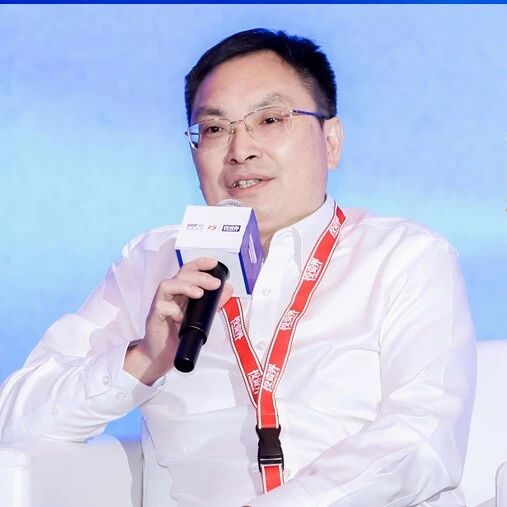
Core Viewpoint - Source Code Capital has successfully raised a new growth fund with a total scale of $600 million, focusing on "AI+" and "Global+" investment directions, marking a significant event in the domestic VC landscape [2][3][5]. Investment Focus - The new growth fund will concentrate on two main areas: - **AI+**: Emphasizing AI technology development, particularly in consumer and enterprise applications, addressing critical issues in the AI supply chain, and facilitating large-scale commercialization of AI [5]. - **Global+**: Focusing on smart hardware and software applications, exploring opportunities for China's comprehensive capabilities in global markets [5]. Fund Structure - The investment period for the new fund is set at 5 years, with an exit period of 20 years, resulting in a total lifespan of 25 years, which is longer than the typical 7-10 year duration of domestic funds [8][9]. Strategic Direction - Source Code Capital aims to adopt a "less but better" approach, focusing on fewer projects with long-term support to help innovative companies navigate uncertainties and achieve sustainable growth [9]. - The firm emphasizes the importance of patient capital in the current investment landscape, addressing the mismatch between fund duration and company growth [9]. Historical Context - Since its establishment in 2014, Source Code Capital has invested in over 300 startups across various sectors, including AI, robotics, smart manufacturing, and life sciences, with notable projects such as ByteDance and Meituan [6].

合肥国资,买了一家上市公司
投资界· 2025-11-12 07:30
Group 1 - The core viewpoint of the article highlights the recent trend of state-owned enterprises (SOEs) acquiring listed companies, with a specific focus on the case of Visionox, which is set to be controlled by Hefei Jianshu Investment Co., Ltd. through a private placement of shares totaling up to 2.937 billion yuan [3][5][10] - Visionox plans to issue 419 million shares at a price of 7.01 yuan per share, raising funds primarily for working capital and debt repayment, which will enhance its financial strength and operational capabilities [5][6] - Hefei Jianshu's acquisition will increase its stake in Visionox from 11.45% to 31.89%, making it the controlling shareholder, with the Shushan District People's Government becoming the actual controller [5][6] Group 2 - Visionox, established in 2001, specializes in the research, production, and sales of OLED and Micro-LED display devices, holding a significant market share in the smartphone AMOLED panel sector, ranking third globally with an 11.2% share and first in the smart wearable AMOLED panel market with a 27% share [6][7] - Despite its market position, Visionox has faced continuous losses in recent years, with reported revenues of 7.477 billion yuan in 2022 and net losses of 2.07 billion yuan, indicating financial challenges amid fierce industry competition [7][8] - The article notes a broader trend of SOEs acquiring listed companies across various regions, driven by the need for local industries to strengthen and expand, as well as the challenges faced by companies in raising capital in the current market environment [10][11][12]

孙正义,撤了
投资界· 2025-11-12 07:30
Core Viewpoint - SoftBank Group has completely liquidated its holdings in NVIDIA, cashing out approximately $5.8 billion (around 415 billion RMB), leading to a significant drop in NVIDIA's market value by $100 billion overnight, raising questions about the sustainability of the current AI bubble [4][10]. Group 1: SoftBank's Investment Journey - SoftBank initially acquired a significant stake in NVIDIA in 2017 for $4 billion, becoming one of its largest shareholders, but sold its shares for $7 billion two years later to lock in profits [7]. - After missing out on substantial gains from NVIDIA's stock price surge, SoftBank increased its investment in NVIDIA to $3 billion by March 2024, only to sell all shares in October 2023 [8][10]. - The recent liquidation allowed SoftBank to realize a profit of approximately $3 billion within six months, coinciding with NVIDIA's market capitalization surpassing $5 trillion [4][10]. Group 2: Market Reactions and AI Bubble Concerns - Following the announcement of SoftBank's exit, NVIDIA's stock price plummeted, reflecting broader concerns about the potential bursting of the AI bubble, as many analysts question the sustainability of current valuations [4][14]. - Major financial figures, including JPMorgan's CEO, have warned of a significant risk of market correction, citing that many assets appear to be in bubble territory [14]. - The concentration of market capitalization among the top five U.S. companies has reached its highest level in half a century, raising alarms about potential overvaluation in the AI sector [14][15]. Group 3: Future Investments and Strategies - SoftBank plans to invest an additional $2.25 billion in OpenAI, increasing its total investment to $10.8 billion, reflecting a strong commitment to AI despite market volatility [11]. - The company has also expanded its financing against ARM shares and made significant acquisitions, indicating a bold strategy in the AI and technology sectors [11]. - CEO Masayoshi Son has expressed a willingness to invest heavily in AI, predicting it could impact global GDP by 5% to 10% over the next decade, emphasizing a proactive rather than defensive investment approach [11].



“朝好融”投融资路演厅——数字经济领航专场
投资界· 2025-11-12 07:30
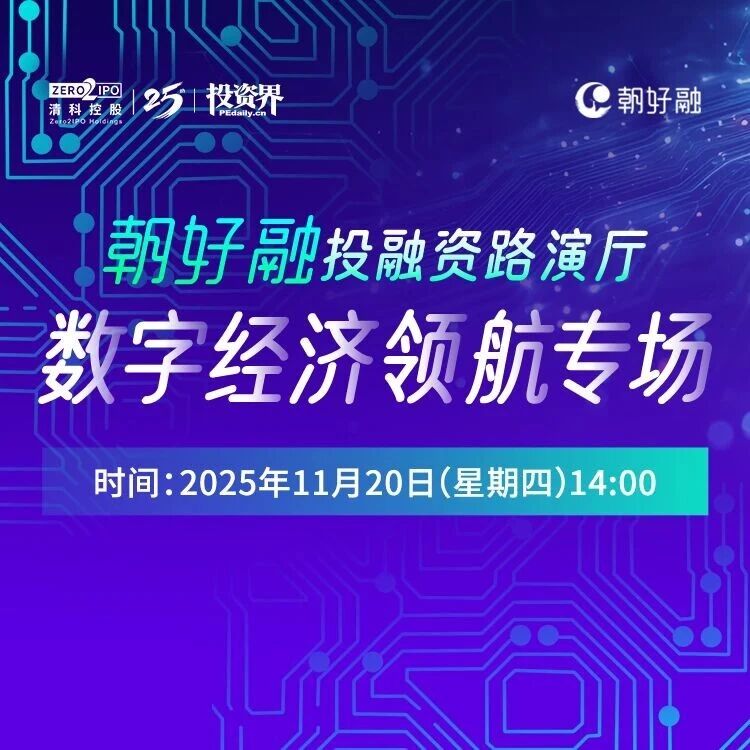
Core Viewpoint - The event "Chaohangrong Investment Roadshow - Digital Economy Leading Forum" aims to accelerate the integration of the digital economy and capital markets, helping enterprises seize opportunities in the digital economy era [1]. Group 1: Event Overview - The event will take place on November 20, 2025, at 14:00 in Chaoyang District [2]. - It is organized by the Chaoyang District Financial Work Center in collaboration with various local departments, focusing on the digital economy [1]. Group 2: Focus Areas - The event will concentrate on industries such as artificial intelligence, information communication, big data, cloud computing, software services, and industrial internet [1]. - The goal is to break down resource barriers between the industry and capital sectors, providing targeted support to quality technology enterprises [1]. Group 3: Agenda - The agenda includes a welcome session, leadership speeches, policy introductions, thematic sharing on new opportunities in the digital economy, enterprise roadshows, and networking sessions [3]. Group 4: Participating Companies - Notable participating companies include: - Zhongke Hongyun, a provider of enterprise-level intelligent cloud platform software and services [5]. - Wuxi Aigang, focusing on recycling waste steel [5]. - Sike Cloud, a leading provider of software supply chain security in China [5]. - Green Puhui, a personal carbon reduction trading platform [5]. - Zhongdun Yuanwei, specializing in the development and application of police intelligent equipment [5]. - Haibai Chuan Technology, aiming to create a comprehensive product system for a more humane AI [6].
我在巴西一天卖3000单
投资界· 2025-11-12 07:30
Core Viewpoint - The article highlights the significant growth potential of the Brazilian e-commerce market, emphasizing its attractiveness for Chinese businesses seeking new opportunities amid increasing competition and logistical challenges [4][5][6]. Market Overview - Brazil's e-commerce penetration rate is approximately 13%, with a market size projected to exceed $70 billion by 2025, maintaining an annual growth rate of over 20%, significantly higher than the global average [5][6]. - The influx of Chinese tourists to Brazil increased by 23.5% in the first half of the year, indicating a growing interest in the market [5]. Competitive Landscape - Chinese e-commerce platforms are rapidly entering the Brazilian market, with companies like Temu and TikTok Shop showing remarkable growth in user engagement and sales [8][10]. - Temu achieved 409.7 million visits in just 14 months, surpassing local competitors like Mercado Livre and Shopee [8][10]. Consumer Sentiment - A survey by EBANX revealed that 42% of Brazilian online shoppers view Chinese products as cost-effective, a significant increase from 13% five years ago [6][12]. Challenges and Risks - Despite the market's potential, challenges such as complex taxation, developing logistics, and high operational risks remain prevalent [6][12]. - Brazilian market experts note that while some businesses see growth, others have exited the market after unsuccessful attempts [6][12]. Logistics and Infrastructure - The logistics landscape in Brazil is uneven, with the southeastern region being well-developed while the northern and northeastern areas face significant challenges due to poor infrastructure [15][18]. - Companies like Mercado Livre are investing heavily in logistics, with plans to expand their distribution centers to improve delivery efficiency [20][21]. Strategic Moves by Competitors - Mercado Livre is increasing its investment in logistics, with plans to expand its distribution centers from 10 to 21 by the end of the year [20]. - Shopee has also been expanding its logistics network, with a 54% increase in warehouse space over the past year [21][22]. Regulatory Environment - New tax regulations effective August 1, 2024, will impose import duties on low-value cross-border packages, ending the previous exemption, which may impact the cost structure for e-commerce businesses [29][30]. Conclusion - The Brazilian e-commerce market presents both opportunities and challenges for Chinese businesses, necessitating a careful approach that respects local market dynamics and logistics realities [30].

他们买下中国汉堡王
投资界· 2025-11-11 01:01
Core Insights - The article discusses the recent acquisition of Burger King China by CPE Yuanfeng, highlighting a trend of international brands selling their Chinese operations amid a wave of consumer mergers and acquisitions [3][9]. Group 1: Acquisition Details - CPE Yuanfeng will inject $350 million (approximately 2.5 billion RMB) into Burger King China to support expansion, marketing, menu innovation, and operational improvements [5]. - The deal includes a 20-year master development agreement granting exclusive rights to develop the Burger King brand in China [5]. - After the transaction, CPE Yuanfeng will hold approximately 83% of Burger King China, while RBI Group will retain about 17% and a board seat [5]. Group 2: Market Context - Burger King entered the Chinese market in 2005 but faced challenges in expansion, with sales in 2024 projected at around $700 million and average annual sales per store at over $400,000, significantly lower than competitors like McDonald's and KFC [6]. - The article notes a broader trend of international brands, including Starbucks and Pizza Hut, divesting their Chinese operations, reflecting increased competition and economic pressures in the market [9][10]. - The sale of assets by these brands is seen as a strategic response to the current economic climate, with many companies looking to adapt to market challenges [10].

中国人集体戒酒
投资界· 2025-11-11 01:01
Core Viewpoint - The Chinese liquor industry, particularly high-end baijiu, is experiencing a significant downturn, with prices and consumption dropping sharply, indicating a shift in consumer behavior and preferences [5][10][31]. Group 1: Baijiu Market Analysis - The wholesale price of Moutai has fallen below 1,600 yuan, marking a decline of over 31% since the beginning of the year, with some export versions priced as low as 1,484 yuan [5]. - The performance of major baijiu companies has deteriorated, with over half of the 20 listed baijiu companies reporting a decline in profits, and some regional companies facing a 90% drop in net profits [8]. - The overall inventory turnover days for the baijiu industry exceed 180 days, indicating significant inventory pressure across the entire supply chain [8]. Group 2: Consumer Behavior Changes - There is a notable decline in alcohol consumption among Chinese consumers, with the production of baijiu expected to drop to 414.5 thousand tons in 2024, less than one-third of the 1,358.4 thousand tons produced in 2016 [12]. - The younger generation shows a marked disinterest in baijiu, with only 19% of consumers aged 20-35 expressing a preference for it, compared to 52% for beer [29]. - The trend of "no baijiu" at weddings has increased, with 17% of couples opting for alcohol-free tables in 2025, up from 5% in 2020 [29]. Group 3: Beer Market Dynamics - The beer market is also facing challenges, with national production expected to decline by over 10% from its peak in 2013, and major brands like Budweiser experiencing an 8.2% drop in sales [15][21]. - The craft beer segment is growing, with over 7,400 craft breweries established, and the market size reaching 130 billion yuan, indicating a shift towards premium and unique beer offerings [23]. - Traditional beer consumption patterns are changing, with home drinking and outdoor activities becoming more popular, leading to a rise in instant retail orders [24]. Group 4: Future Outlook - The liquor industry is undergoing a transformation, with major companies attempting to adapt by launching new product lines aimed at younger consumers, but the effectiveness of these strategies remains uncertain [31]. - The overall sentiment suggests that the current downturn in liquor prices may not be a temporary cycle, but rather indicative of deeper, long-term changes in consumer preferences and market dynamics [34].