投资界

Search documents
35亿,年底最大VC募资诞生
投资界· 2025-11-11 01:01
Core Insights - Monolith Capital has successfully completed fundraising for its dual-currency VC funds, totaling $488 million (approximately 3.5 billion RMB), marking a significant milestone in the rise of a new generation of venture capital in China [2][3]. Fundraising and Investment Strategy - Monolith's new funds were significantly oversubscribed, achieving around 160% of their initial fundraising targets, totaling approximately $630 million. However, the firm opted to reduce the fundraising size to maintain disciplined investment practices [5]. - The firm emphasizes a "research-driven, thematic investment" approach, focusing on artificial intelligence (AI) across various sectors, including AI applications, model infrastructure, and hardware [5][6]. - Monolith has consistently controlled its fundraising scale and expansion pace, prioritizing investments in a select few outstanding companies rather than a large number of firms [5][9]. Historical Context and Team Composition - Founded in November 2021 by former Sequoia China partner Cao Xi and ex-BOC Capital partner Tim Wang, Monolith has quickly established itself as a representative of the new generation of VCs [8]. - The investment team comprises professionals from AI, hardware engineering, and consumer products, who possess both technical knowledge and business acumen, contributing to a culture of direct communication and efficiency [8][9]. Market Trends and Future Outlook - The venture capital landscape is undergoing cyclical changes, with Monolith's investment philosophy focusing on identifying the best companies amid significant transformations, particularly in AI [8][11]. - As of now, Monolith's total assets under management exceed 10 billion RMB, positioning the firm to support the next generation of important companies in the AI sector [3][6]. - The fundraising success of Monolith is seen as a positive indicator for the broader VC market in China, with signs of renewed interest from overseas investors in Chinese AI assets [11].


华人首富炼成
投资界· 2025-11-11 01:01
Core Insights - The article highlights the significant wealth and influence of Jensen Huang, the CEO of NVIDIA, who has a net worth of $179.4 billion, making him the richest Chinese individual and the eighth richest person globally [4][5]. - NVIDIA has experienced explosive growth in its financial performance, with net profits soaring from $4.368 billion in fiscal year 2023 to $72.880 billion in fiscal year 2025, representing an increase of over 16 times [5]. - Huang's recent activities in South Korea, including meetings with major business leaders and government officials, signal deepening collaborations in AI, chips, and smart vehicles [7][9]. Financial Performance - NVIDIA's net profit increased dramatically from $4.368 billion in fiscal year 2023 to $72.880 billion in fiscal year 2025, marking a growth rate exceeding 16 times [5]. - The company's market capitalization surpassed $5 trillion, making it the most valuable company globally, even exceeding Apple and Microsoft [5]. Strategic Collaborations - Huang's visit to South Korea resulted in NVIDIA announcing the deployment of 260,000 GPUs, with buyers including the South Korean government and major corporations [9]. - Huang's interactions with South Korean business leaders, including Samsung and Hyundai, indicate a strategic partnership in AI and technology sectors [7][8]. Global Influence - Huang has been actively engaging with global leaders, including meetings with UK Prime Minister Keir Starmer and French President Emmanuel Macron, discussing the importance of sovereign AI and infrastructure [13][14]. - The article notes Huang's significant presence in international forums, emphasizing the need for countries to develop their own AI capabilities while relying on NVIDIA's technology [12][14]. Personal Engagement - Huang's personal connections, including introducing his daughter during official meetings, reflect a blend of personal and professional networking that enhances NVIDIA's influence [9][10]. - His social engagements, such as a casual dinner with South Korean business magnates, have been leveraged to foster trust and collaboration in the tech industry [7][8].


一群人,投出三个5000亿
投资界· 2025-11-10 02:38
Core Insights - Lenovo Capital has achieved significant success in the past nine years, investing in over 300 technology companies, with 21 of them successfully going public and nurturing more than 50 unicorns [2][6] - The firm has notably invested in three of the five A-share listed companies with a market value exceeding 500 billion, namely CATL, Cambricon, and Haiguang Information [2][6] Investment Strategy - Lenovo Capital has focused on the AI sector, with 90% of its investments in 2023 related to the AI revolution, particularly in the Agent domain, which is seen as a potential source for the next generation of major companies [9][10] - The firm follows an "80/20" investment principle, dedicating 80% of its resources to core technology and 20% to emerging fields with high potential [12][13] Notable Investments - The investment in Haiguang Information has proven fruitful, with its stock price rising over 7 times since its IPO, reaching a market cap of over 600 billion [5][6] - Lenovo Capital's early investment in CATL, initially perceived as expensive, has resulted in a current market valuation of 1.8 trillion [6][7] - The firm has also invested in Cambricon, which has seen its market cap peak at 600 billion, despite initial skepticism regarding its financial performance [6][7] Market Trends - The demand for computing power is expected to increase significantly, with projections indicating a hundredfold growth in the next decade across various applications, including autonomous driving and robotics [5][11] - The emergence of intelligent agents is anticipated to create a vast market opportunity, potentially surpassing the scale of the mobile internet [10][11] Collaboration and Ecosystem - Lenovo Capital has strengthened its collaboration with Lenovo Group, with various departments actively seeking partnerships to leverage investment opportunities [12][13] - The firm has developed a comprehensive support system for startups, including initiatives like the "Star Plan" and "Light Plan," aimed at fostering innovation and collaboration [12][14] Future Outlook - The company aims to continue its focus on AI and related technologies, with a belief that the next five years will see rapid advancements in silicon-based intelligence and related applications [16][17] - Lenovo Capital envisions itself as a long-term player in the investment landscape, aspiring to evolve alongside Lenovo Group into a century-old enterprise [17][18]




小登老登吵起来了
投资界· 2025-11-10 02:38
Core Viewpoint - The article discusses the ongoing debate in the A-share market regarding the future of technology stocks versus domestic demand stocks, highlighting the contrasting investment strategies and sentiments among fund managers [5][12]. Group 1: Technology Sector Insights - Fund managers are beginning to express caution regarding the high valuations of AI stocks, suggesting a need for diversified investment strategies to mitigate potential volatility [8][9]. - The rapid growth of AI-related funds, such as the China Europe Digital Economy Fund, has been accompanied by warnings about the sustainability of current valuations and the importance of spreading investments across different sectors [8][9]. - Prominent figures in the investment community, including Michael Burry, have raised concerns about the AI bubble, indicating a broader skepticism about the pace of growth and valuation levels in the tech sector [9][10]. Group 2: Domestic Demand Focus - Fund managers who missed the tech rally are increasingly focusing on domestic consumption opportunities, particularly in the service sector, as a more stable investment strategy [13][14]. - The importance of domestic consumption is emphasized by fund managers like Zhang Kun, who maintain a strong belief in the long-term potential of China's consumer market [13][14]. - There is a notable divergence in strategies among fund managers regarding domestic demand, with some focusing on service consumption while others remain committed to traditional sectors like liquor [14][17]. Group 3: Real Estate Sector Dynamics - The real estate sector is viewed by some fund managers as a potential recovery area, despite ongoing challenges in the market, with a belief that the sector may present a once-in-a-decade opportunity [17][19]. - Recent data indicates a shift in the competitive landscape of real estate, with new leaders emerging in land acquisition, reflecting changes in market dynamics [17][18]. - Despite optimism from certain investors, the real estate sector continues to struggle with low growth in revenue and profits, leading to a cautious outlook among many market participants [20][19]. Group 4: Market Sentiment and Future Outlook - The article highlights a period of uncertainty in the market, with differing views on the timing and direction of future volatility, particularly between tech and domestic demand investors [24]. - Fund managers are preparing for a critical phase as annual performance evaluations approach, with the potential for significant shifts in market sentiment based on upcoming financial disclosures [24].

我,AI创始人,去深圳了
投资界· 2025-11-10 02:38
Core Insights - The article highlights the intense competition for AI talent in Shenzhen, emphasizing that the AI industry is fundamentally a talent war, with a significant shortage of skilled professionals in China [10][11]. Group 1: AI Talent Competition - The event in Shenzhen gathered top AI talents and startups, showcasing teams with backgrounds from prestigious universities and major industry players [2][3]. - The competition for AI talent has escalated, with companies offering substantial salaries and incentives to attract skilled individuals, reflecting a severe supply-demand imbalance in the market [11]. Group 2: Notable Startups and Innovations - Gongji Computing, founded in 2023 by a Tsinghua University team, has transitioned from a campus-based computing sharing network to a company focused on "computing + energy" integration, securing investments from multiple institutions [4]. - Deep Surge Intelligence, led by a team with backgrounds from MIT and major tech firms, has developed a proprietary AI management platform, achieving a high ratio of PhD holders in its workforce [4]. - Evolution Intelligence, another Tsinghua-based startup, has created an AI design model that significantly reduces design cycles, empowering over 100 companies and expanding into international markets [5]. - Shiyuan Technology, founded by a team with experience from Tsinghua and SenseTime, has attracted significant investment and focuses on responsible AI development [7]. - Yuan Shi Intelligent, established by two experienced professionals, has developed an open-source model that challenges existing architectures, emphasizing a meritocratic approach to team composition [8]. Group 3: Ecosystem and Support for Startups - The "X-Day" event is part of a broader initiative to connect startups with high-end talent and investment, aiming to foster innovation and support the growth of AI companies in Shenzhen [12]. - The event has successfully attracted numerous quality financing projects and established connections with over 2200 investment institutions, facilitating significant funding for several startups [12]. - Shenzhen's proactive approach to talent acquisition includes providing resources such as housing and education for key personnel, enhancing the city's appeal to young entrepreneurs [12][13].

黄仁勋的疯狂投资版图
投资界· 2025-11-10 02:38
Core Insights - The article emphasizes Nvidia's pivotal role in the AI revolution, highlighting its rapid growth and strategic investments in various AI sectors since the emergence of ChatGPT [4][5]. - Nvidia's investment strategy is characterized by a broad approach, targeting multiple AI technologies and companies to secure its position as a foundational player in the AI ecosystem [10][24]. Investment Strategy - Nvidia has participated in 50 venture capital deals in 2025 alone, surpassing its total of 48 deals in 2024, indicating an aggressive investment pace [5]. - The company has made significant investments in OpenAI, totaling $100 billion, to develop large-scale AI infrastructure, showcasing its commitment to being a key player in AI development [6][7]. - Nvidia's strategy includes investing in competing AI firms, such as xAI, to diversify its technological bets rather than aligning with a single winner [7][10]. AI Ecosystem Development - Nvidia is building a comprehensive AI ecosystem by investing in companies across various sectors, including data centers, energy solutions, and foundational technologies [16][24]. - The company has invested in firms like Ns c a l e and Cr us oe, which focus on AI data centers, ensuring that Nvidia's GPUs remain integral to AI operations [12][13]. - Nvidia's investments in energy technologies, such as nuclear fusion, aim to address the significant energy demands of AI, positioning the company as a leader in sustainable AI infrastructure [14][15]. Application Areas - Nvidia's investments span multiple AI application areas, including autonomous driving, robotics, healthcare, and content creation, ensuring its technology is embedded across industries [18][22]. - The company has backed various startups in the autonomous driving sector, such as Wa yve and Nu r o, reflecting its long-term vision for AI applications in transportation [18][19]. - In the robotics field, Nvidia has invested in companies like Fi g u r e AI and Bri g ht Ma c h i n e s, indicating its focus on making AI chips the "brains" of robots [20][22]. Strategic Goals - Nvidia's overarching goal is to become the foundational infrastructure for the AI era, akin to how Microsoft and Google established their operating systems [24][25]. - The company aims to create a dependency on its GPUs across all AI companies, ensuring that its technology is essential for AI development and deployment [24]. - By investing in a wide array of AI applications, Nvidia seeks to secure its position as a dominant player in the evolving AI landscape, with a focus on long-term growth and influence [25].
安徽首富,赚翻了
投资界· 2025-11-09 07:47
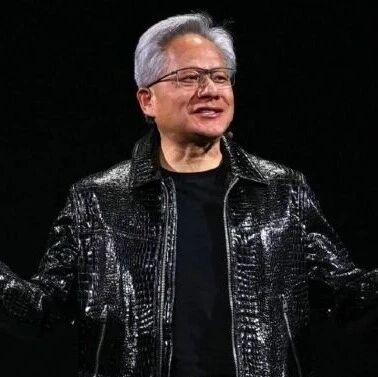
Core Viewpoint - The stock price of Sungrow Power Supply has surged significantly, reaching a historical high of 209.88 yuan per share, with a market capitalization exceeding 410 billion yuan, marking it as the only company in Anhui Province to surpass this valuation [3][4]. Company Overview - Sungrow Power Supply, founded by Cao Renxian, has seen its stock price increase over three times since early April, reflecting strong performance in the renewable energy sector [3][4]. - The company has expanded its operations beyond photovoltaic inverters to include solar, wind, energy storage, hydrogen energy, and electric vehicles [7]. Financial Performance - For the first three quarters of the year, Sungrow reported a revenue of 66.40 billion yuan, a year-on-year increase of 32.95%, and a net profit of 11.88 billion yuan, up 56.34% [10][11]. - The third quarter alone saw a revenue of 22.87 billion yuan, a 20.83% increase, and a net profit of 4.15 billion yuan, reflecting a 57.04% growth [11]. Market Dynamics - The company has experienced a significant shift in its sales structure, with overseas shipments increasing from 63% to 83% year-on-year, indicating a strategic focus on more profitable international markets [12]. - The rapid growth in demand for energy storage, particularly driven by the development of AI data centers in the U.S., has been a key factor in Sungrow's performance exceeding expectations [12]. Strategic Initiatives - Sungrow is pursuing a global expansion strategy, including plans for an IPO in Hong Kong to enhance its international brand and diversify financing channels [13]. - The company aims to deepen its global strategy and improve its competitive edge through international market penetration [12][13]. Industry Context - Hefei, where Sungrow is based, is emerging as a significant hub for renewable energy, with multiple automotive and energy companies establishing a strong presence [15]. - The city aims to produce over 200,000 new energy vehicles by 2027, with a revenue target exceeding 700 billion yuan from the new energy sector [15]. - The broader Chinese renewable energy market is experiencing substantial growth, with exports of photovoltaic products exceeding 200 billion yuan for four consecutive years [17].

北上广中产入坑
投资界· 2025-11-09 07:47
Core Insights - The article discusses the rising popularity of triathlons among urban middle-class individuals in major Chinese cities, positioning it as a new form of identity certification [5][6][17] - Triathlons, which combine swimming, cycling, and running, are seen as a comprehensive endurance challenge that tests both physical limits and strategic energy management [5][6] - The number of triathlon events in China is projected to grow significantly, from nearly 8 events in 2022 to 56 by July 2025, indicating substantial market potential [6][18] Group 1: Market Growth and Participation - The triathlon market in China is still in its developmental stage but shows considerable growth potential, with a projected increase in events and participants [6][18] - By 2025, the China Triathlon Association plans to host 56 events across over 45 cities, marking a nearly sixfold increase in event numbers from 2022 [6][18] - The participation of urban professionals in triathlons reflects a shift in lifestyle and values, with many seeking personal challenges beyond traditional career achievements [9][10] Group 2: Financial Aspects - Engaging in triathlons is considered a costly endeavor, with significant expenses related to equipment, training, and event participation [12][11] - Entry-level road bikes can cost around 10,000 yuan, while serious enthusiasts may invest over 200,000 yuan in total costs, including gear, coaching, and travel [12][13] - Registration fees for triathlon events vary widely, from several hundred to over 2,000 yuan, depending on the event's prestige and location [14][19] Group 3: Community and Social Dynamics - The emergence of triathlon clubs and communities is fostering a supportive environment for participants, enhancing the social aspect of the sport [17][18] - Female participation in triathlons is notably increasing, with women making up a significant portion of club members, indicating a shift in demographics within the sport [17][18] - The community aspect is crucial, as participants often seek camaraderie and shared experiences in training and competition [17][18]

老登们全崩了
投资界· 2025-11-09 07:47
Group 1: Market Overview - The Shanghai Composite Index is challenging the 4000-point mark, but the market remains highly differentiated, particularly in the traditional high-end consumption sector represented by liquor, which has been stagnant for a long time [4][5] - Despite the overall market conditions, some investors are still betting on liquor stocks, believing that negative news may signal a bottoming out of performance [5][6] Group 2: Liquor Industry Performance - The liquor industry recently reported its worst third-quarter results in history, with 18 listed companies generating a total revenue of 317.65 billion yuan, a year-on-year decline of 5.84%, and a net profit of 122.69 billion yuan, down 6.88% [8][9] - The third quarter saw a significant drop in revenue by 18.42% and a net profit decline of 22.03%, reversing the growth seen in the same period of 2024 [8][9] - Even leading companies like Kweichow Moutai experienced a slowdown, with third-quarter revenue growth dropping to 0.56% and net profit growth to 0.48%, marking their lowest growth rates in recent years [10][11] Group 3: Challenges in the Liquor Market - Kweichow Moutai's pricing strategy has faced challenges, with prices dropping below 1700 yuan, raising concerns among distributors about future business prospects [10][11] - The overall liquor market saw a 20% year-on-year decline in sales during the recent holiday season, indicating persistent issues with high inventory and price discrepancies [11] - The traditional distribution model is under pressure as liquor companies shift towards direct sales and e-commerce, disrupting the established relationships with distributors [11] Group 4: Tea Industry Developments - In contrast to the liquor sector, the high-end tea industry has seen positive developments, with Baima Tea successfully listing on the Hong Kong Stock Exchange after multiple attempts, achieving an 86.7% increase on its first trading day [13][14] - Baima Tea's growth strategy focuses on brand enhancement, standardization, and digitalization, although its performance has shown signs of slowing down with revenue growth dropping to 1.0% [14][15] Group 5: Traditional Medicine Sector - The traditional medicine sector, represented by Pizhou Huang, has also faced significant challenges, reporting a 11.93% decline in revenue and a 20.74% drop in net profit, marking the first time since 2006 that both metrics have decreased [17][19] - The market price of Pizhou Huang has plummeted, with actual prices falling below 600 yuan, a significant drop from its peak [19][20] Group 6: Societal Trends and Consumer Behavior - The changing societal dynamics indicate a shift in consumer preferences, with younger generations moving away from traditional high-end products like liquor and medicine towards more modern and accessible options [21][23] - The established wealth distribution mechanisms are under scrutiny, as the traditional high-end gifts and social currencies lose their appeal among younger consumers [21][23]




AI骗子下乡
投资界· 2025-11-08 08:27
Core Viewpoint - The article highlights the alarming trend of AI scams targeting elderly individuals in lower-tier cities, exploiting their lack of technological knowledge and financial vulnerability [4][5][16]. Group 1: AI Scams Targeting the Elderly - A variety of scams, including "AI financial courses" and "AI digital grandchildren," are proliferating on platforms frequented by the elderly, leading many to deplete their savings [4][6][7]. - Scammers are leveraging the technological gap to launch silent predatory attacks on vulnerable groups, with the promise of easy income through AI-generated content [5][16]. - The scams are particularly prevalent in economically disadvantaged areas, where the elderly are more susceptible to misinformation and manipulation [16][18]. Group 2: Personal Stories of Victims - An example is provided of a 63-year-old man who was lured into an "AI wealth creation" scheme, ultimately losing 11,477 yuan, which represented three months of his retirement income [7][8]. - Another victim, a 59-year-old woman, invested over 177,000 yuan in an "AI financial education" program, only to discover that the promised returns were fabricated [14][18]. - Victims often feel isolated and are less likely to report scams due to the challenges of navigating legal processes, leading to a culture of silence among those defrauded [19][24]. Group 3: Psychological Impact and Social Isolation - The psychological toll on victims is significant, with many losing confidence in their self-worth and becoming increasingly withdrawn after being scammed [24]. - The elderly, often living alone or with limited social interaction, are more likely to trust digital interactions, making them prime targets for AI-generated scams that mimic familiar voices and faces [20][23]. - The article emphasizes that the real danger lies not just in financial loss but in the emotional and psychological damage inflicted on the elderly, who fear being forgotten by society [24].