投资界

Search documents
扬州女首富,操刀一笔并购
投资界· 2025-09-18 08:13
Core Viewpoint - The article discusses the recent acquisition of Better Electronics by Yangjie Technology, highlighting the ongoing trend of mergers and acquisitions in the A-share market, where companies are seeking growth through strategic acquisitions rather than IPOs [5][14]. Group 1: Acquisition Details - Yangjie Technology announced the acquisition of Better Electronics for approximately 2.218 billion yuan, with Better Electronics becoming a wholly-owned subsidiary post-transaction [7]. - Better Electronics, established in 2003, specializes in power electronic protection components, serving clients like Midea, Gree, and BYD, and has shown strong performance due to growth in the new energy and smart home sectors [7][8]. - The performance commitment for Better Electronics post-acquisition includes a net profit of no less than 5.55 billion yuan from 2025 to 2027 [7]. Group 2: Company Background - Yangjie Technology, led by Liang Qin, has transformed from a small trading company into a vertically integrated manufacturer in the semiconductor industry, with a current market value of approximately 360 billion yuan [10][12]. - Liang Qin, known as the "Iron Lady," has a background in electrical technology and has been pivotal in the company's growth, including significant investments in production capabilities during economic downturns [10][11]. Group 3: Market Trends - The article notes a significant increase in merger and acquisition activities, with over 1,502 listed companies disclosing 2,000 M&A-related announcements in the first half of the year, totaling over 1.4 trillion yuan [15]. - The trend of companies opting for acquisitions instead of pursuing IPOs is becoming more common, as seen with other companies like Himalaya and Hupu, which have also turned to M&A after failed IPO attempts [14][15]. - The current M&A market is characterized by flexible valuation approaches, as traditional metrics like price-to-earnings ratios may hinder potential deals [15].


王兴兴对手,估值2700亿
投资界· 2025-09-18 08:13
Core Viewpoint - Figure has achieved a valuation of $39 billion (approximately 270 billion RMB) after completing a $1 billion Series C funding round, setting a record for humanoid robot companies globally [4][9]. Group 1: Company Overview - Figure was founded in 2022 and initially struggled to attract investment, with the founder recalling that no venture capitalists were willing to invest during the early stages [6]. - The company has rapidly progressed, designing most components of its humanoid robot within 12 months of its establishment, which led to increased investor interest [8]. - By May 2023, Figure completed a $7 million Series A funding round, followed by a $6.75 billion Series B round in February 2024, with significant investments from major players like Jeff Bezos and Microsoft [9][10]. Group 2: Market Position and Competition - Figure's valuation has increased 15 times in just a year and a half, indicating strong market demand for humanoid robots [10]. - The company aims to commercialize its humanoid robots for household and business operations, develop next-generation GPU infrastructure, and enhance data collection efforts [10]. - Figure's founder, Brett Adcock, has acknowledged the competitive pressure from Chinese companies like Yushu Technology, highlighting the strengths of Chinese engineering teams in cost and efficiency [20]. Group 3: Supply Chain and Manufacturing - A significant portion of Figure's components is sourced from Chinese manufacturers, including key parts like joints, bearings, and sensors [18]. - The Chinese manufacturing sector has maintained its position as the largest globally for 15 consecutive years, providing a robust supply chain for robotics companies [19]. - The presence of numerous supply chain enterprises in China is seen as a unique advantage for domestic robotics firms, enabling them to thrive in the current market [19].

抗抑郁药物,卖爆了
投资界· 2025-09-18 08:13
Core Insights - The article highlights the increasing prevalence of depression in China, with approximately 95 million individuals affected, leading to a booming market for antidepressant medications [5][12][18] - The demand for antidepressants has surged, with sales in public medical institutions exceeding 9.1 billion yuan in the previous year, marking a 6% year-on-year increase [5][7] - The market for antidepressants is becoming increasingly competitive, with numerous domestic pharmaceutical companies entering the space, particularly in the production of generic drugs [13][20] Market Dynamics - The rise in depression cases has created a vibrant pharmaceutical market, with companies like Hansoh Pharmaceutical and Jingwei Pharmaceutical achieving significant sales figures [7][12] - The sales of antidepressants in public hospitals have seen a drastic shift, with domestic companies gaining market share due to price reductions and increased competition [22][24] - The introduction of centralized procurement has led to a significant drop in drug prices, making antidepressants more accessible to patients [19][20][22] Industry Challenges - Despite the growing market, the high cost of psychological therapy remains a barrier for many patients, leading to a preference for medication over therapy [26][27] - The perception of antidepressants as a long-term necessity poses challenges for patient management, with many experiencing withdrawal symptoms when discontinuing medication [26][27] - The industry faces scrutiny over the quality of psychological counseling services, which can vary significantly, impacting patient experiences and outcomes [26][27]


腾讯投资,两笔赚了100亿
投资界· 2025-09-17 08:21
Core Viewpoint - Consumption investment can yield significant profits, as demonstrated by Tencent's successful investments in companies like Amer Sports and Lao Pu Gold, which have shown remarkable returns [2][10][15]. Group 1: Tencent's Investment in Amer Sports - In 2019, Tencent participated in a consortium led by Anta Group to acquire Amer Sports for €4.6 billion (approximately ¥36 billion at the time) [3]. - Following the acquisition, Amer Sports went public in 2024 with a market capitalization of approximately $21 billion (around ¥150 billion) [6]. - Tencent's stake in Amer Sports is estimated to yield a paper profit exceeding ¥50 billion, reflecting the company's growth and market expansion [8][10]. Group 2: Investment in Lao Pu Gold - Lao Pu Gold's IPO in 2024 was initially priced at HK$40.5 per share, but the stock surged to HK$726.5, marking a 1699% increase [10]. - Tencent acted as a cornerstone investor in Lao Pu Gold's IPO, investing $3.5 million and acquiring approximately 4% of the company [11]. - The investment has resulted in a paper profit of over HK$50 billion for Tencent, making it one of the most lucrative consumer investments [12]. Group 3: Market Trends and Future Outlook - The consumer investment landscape is experiencing a resurgence, with significant interest from capital markets, particularly in Hong Kong [17]. - Companies like Pop Mart, Mixue Ice City, and Lao Pu Gold have demonstrated impressive stock performance, indicating a renewed confidence in consumer investments [17]. - The consumer sector is viewed as resilient and capable of generating substantial returns, especially in a market with a large population like China [17].


预制菜之王,为何没人骂?
投资界· 2025-09-17 08:21
Core Viewpoint - The article discusses the contrasting public perception and market performance of two restaurant brands, Xibei and Salia, highlighting Salia's successful low-cost model and its appeal to budget-conscious consumers amidst rising scrutiny of pre-prepared food in the industry [4][12][36]. Group 1: Xibei's Controversy - Xibei faced backlash over allegations of using pre-prepared dishes, ignited by a social media post from a prominent figure, which led to a wave of negative comments from consumers [4][8]. - The controversy intensified with claims about the use of concentrated chicken broth and frozen fish, further damaging Xibei's reputation [8][10]. - In contrast, Salia, known for its affordable pricing and perceived authenticity, remained unscathed by similar criticisms, demonstrating a stark difference in consumer sentiment [14][36]. Group 2: Salia's Business Model - Salia's revenue for the fiscal year 2024 is projected to grow by 23% to 224.5 billion yen (approximately 10.8 billion RMB), with significant growth in the Chinese market [14]. - The brand's low pricing strategy is rooted in its founder's philosophy, which emphasizes affordability, leading to a loyal customer base [26][29]. - Salia employs a central kitchen model, allowing for efficient production and distribution of semi-finished products, which helps maintain low prices while ensuring profitability [30][32]. Group 3: Consumer Perception and Market Position - Salia is often referred to as the "Italian version of Sha County Snacks," offering a wide range of dishes at prices comparable to street food, making it accessible to students and budget-conscious diners [15][21]. - The restaurant's menu features around 100 items across various categories, with prices that allow customers to enjoy a full meal without overspending [21][24]. - Salia's straightforward approach to pricing and food preparation has resonated with consumers, who appreciate the transparency and value it offers compared to higher-end dining options [38][40].

家办排队落户香港
投资界· 2025-09-17 08:21
Core Insights - The article highlights the significant growth of family offices in Hong Kong, with over 200 established or expanded since the government's initiatives began, surpassing the target set in the 2022 Policy Address [4][6][11] - Hong Kong is positioning itself as a leading hub for family offices, attracting global wealthy individuals and investment firms, which is reflected in the increasing number of family offices and their assets under management [11][12] Group 1: Government Initiatives - The Hong Kong government has implemented various policies to attract family offices, including tax incentives and the establishment of the Hong Kong Wealth Transfer Academy [6][8] - In May 2023, a tax exemption for family offices was announced, allowing investment profits to be tax-free under certain conditions [6] - The government aims to create a stable and predictable environment for family offices, which has contributed to their rapid establishment in the region [4][11] Group 2: Notable Family Offices - Prominent families, such as the Li Ka-shing family, have established their family offices in Hong Kong, signaling a trend among wealthy individuals [7][11] - The Central Group and other international investment firms have also set up offices in Hong Kong, indicating the city's attractiveness for wealth management [8][11] - The establishment of family offices is seen as a response to the need for sustainable wealth management and succession planning among wealthy families [11] Group 3: Investment Trends - Family offices are increasingly participating in direct equity investments, particularly in startups, as they seek to diversify their portfolios [12] - The average net worth of family offices is reported to be $2.1 billion, with a significant portion looking to invest in innovative sectors [12] - The influx of family offices has led to increased interest from mainland venture capital firms to establish a presence in Hong Kong to engage with these family offices [12]

德国的世界第一,正在批量阵亡
投资界· 2025-09-17 08:21
Core Viewpoint - The article discusses the concept of "invisible champions," which refers to small and medium-sized enterprises that dominate niche markets but remain largely unknown to the general public. These companies focus on high-quality, specialized products and do not seek to expand their visibility or go public [4][9]. Group 1: Definition and Characteristics of Invisible Champions - The term "invisible champion" was introduced by German scholar Hermann Simon in 1990, describing companies that hold a leading position in a niche market with strong technical and product capabilities [9][10]. - Invisible champions typically exhibit unique characteristics: they are often rooted in small towns, have low employee turnover, and focus on highly specialized products that are difficult to replicate [9][10]. - According to Simon's criteria, invisible champions are defined as being among the top three in their niche globally, having annual revenues not exceeding 5 billion euros, and being relatively unknown to the public [10]. Group 2: The Landscape of Invisible Champions in Germany - Germany is home to nearly half of the world's invisible champions, with around 3,000 such companies globally, while China has fewer than 100 [10]. - The article highlights examples of German invisible champions, such as Wanzl, which dominates the global market for shopping carts with over 50% market share, and Körber, a leader in high-speed cigarette manufacturing machines [13][14]. - The strength of Germany's manufacturing sector is attributed to its high-value, technology-intensive industries, which have been cultivated over decades [15][17]. Group 3: Current Challenges Facing Invisible Champions - Recently, many German invisible champions, particularly in the automotive sector, have faced significant challenges, including bankruptcies and layoffs among major manufacturers [20][24]. - Factors contributing to these challenges include rising costs due to geopolitical tensions, such as the Ukraine conflict, and a shrinking labor force as the baby boomer generation retires [26][27]. - The rise of China's automotive industry has also impacted German suppliers, as Chinese companies increasingly opt for local suppliers with competitive pricing and quality [26][27].



老铺黄金对手要IPO了
投资界· 2025-09-16 08:36
Core Viewpoint - The article discusses the recent IPO application of Guangdong Chao Hong Ji Industrial Co., Ltd. (Chao Hong Ji) to the Hong Kong Stock Exchange, aiming for an "A+H" listing amidst a rising trend in gold-related stocks in Hong Kong [5][26]. Company Overview - Chao Hong Ji, founded in 1997 by the Liao family, has grown from a small gold shop to a well-known jewelry chain with over 1,500 stores [5][10]. - The company was the first fashion jewelry company to be listed on the Shenzhen Stock Exchange in 2010, with a current market capitalization exceeding 130 billion RMB [10][24]. Market Context - The Hong Kong Stock Exchange is experiencing a "golden wave," with companies like Lao Pu Gold seeing their market value increase significantly, prompting a surge in IPO applications from gold retailers [5][27]. - The article highlights the competitive landscape, noting that Chao Hong Ji ranks ninth in the jewelry market and eighth in the gold jewelry market in mainland China [24]. Financial Performance - Chao Hong Ji's revenue for 2022 was 4.364 billion RMB, with projections of 5.836 billion RMB for 2023 and 6.452 billion RMB for 2024, indicating a compound annual growth rate of 21.6% [21][23]. - The company's net profit showed a decline, with figures of 286 million RMB in 2022 and 238 million RMB in the first half of 2025, reflecting a compound annual growth rate of -9.17% [24]. Product Strategy - Chao Hong Ji focuses on a diverse product range, including classic gold jewelry and fashion jewelry, targeting a younger demographic with price points starting from 1,000 RMB [13][14]. - The company has also ventured into collaborations with popular IPs, launching over 400 SKUs since 2010, aiming to attract younger consumers [24]. Industry Trends - The article notes a shift in gold consumption towards younger consumers, with those aged 18 to 34 contributing over one-third of retail sales in 2024 [29]. - The rising gold prices, driven by geopolitical risks and increased demand for gold as an investment, have sparked renewed interest in gold jewelry [29][30].

今年最妖IPO诞生,700亿
投资界· 2025-09-16 08:36
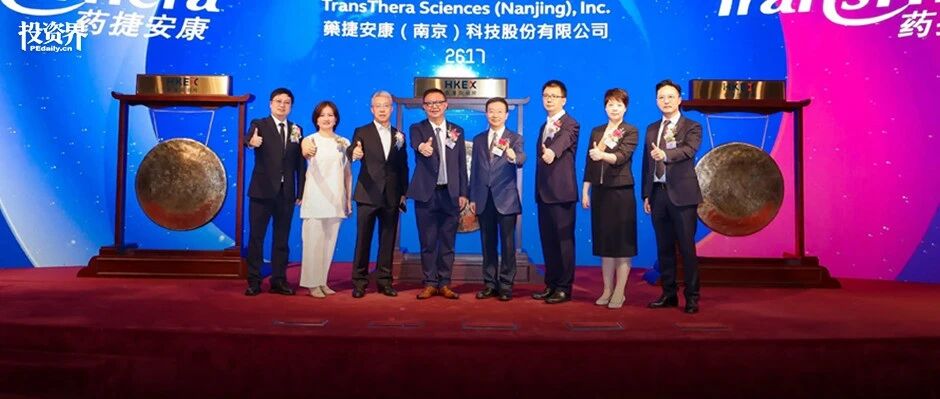
Core Viewpoint - The article discusses the dramatic rise and fall of the stock price of Yaojie Ankang, a biopharmaceutical company, highlighting its recent surge due to clinical trial approvals and the broader context of the innovative drug market in Hong Kong [3][8][17]. Company Overview - Yaojie Ankang, founded in 2014 and led by Wu Yongqian since 2016, focuses on developing small molecule therapies for cancer and other diseases [4][12][13]. - The company went public on June 23, 2023, with an initial price of 13.15 HKD, and saw its market capitalization soar to over 260 billion HKD shortly after [6][8]. Stock Performance - The stock experienced a staggering increase of up to 5000% within three months, reaching a peak price of 680 HKD, before a significant drop back to around 700 billion HKD [3][8][10]. - The surge was attributed to the announcement of clinical trial approvals for its core product, Tinegotinib, which led to substantial daily price increases [9][10]. Market Context - The article notes a broader bullish trend in the Hong Kong innovative drug sector, with many companies experiencing significant stock price increases, indicating a potential "bull market" for innovative drug companies [9][17]. - Despite the excitement, concerns are raised about the sustainability of such valuations, especially given Yaojie Ankang's lack of approved products and ongoing financial losses [8][17]. Leadership and Strategy - Wu Yongqian's background in chemistry and his leadership role in Yaojie Ankang are highlighted as key factors in the company's strategic direction and growth [12][14]. - The company has successfully raised over 1.7 billion CNY through multiple funding rounds, indicating strong investor confidence despite its current financial status [13][14]. Regional Influence - The article emphasizes the significance of Nanjing's biopharmaceutical ecosystem, which has supported Yaojie Ankang's growth through resources and infrastructure [14][16]. - Nanjing's strategic location and educational institutions contribute to a robust talent pool, fostering innovation in the biopharmaceutical sector [16].
疫苗降价潮
投资界· 2025-09-16 08:36
Core Viewpoint - The vaccine industry is experiencing a downturn, with significant revenue and profit declines among major companies, attributed to price wars, vaccine hesitancy, and intense competition [4][5][10][20]. Group 1: Industry Performance - In the first half of 2025, the overall vaccine revenue of listed companies in China decreased by 60% year-on-year, and net profit dropped by 113% [5]. - Major vaccine companies like Zhifei Biological and Wantai Biological reported their first half-year losses since going public, with net profits declining by 127% and 155% respectively [5][10]. - Only six out of 17 listed vaccine companies achieved profitability, with the highest profit being 122 million yuan from Chengda Biological [5]. Group 2: Price Wars - The price of flu vaccines has significantly dropped, with some prices reaching as low as 5.5 yuan per dose, leading to a continuous price war in the market [8][9]. - Wantai Biological's revenue from its main product, the bivalent HPV vaccine, fell by 38% to 844 million yuan, marking its first loss since listing [10]. - The price competition has also affected other vaccines, including HPV and shingles vaccines, with prices dropping dramatically in recent years [9][10][11]. Group 3: Vaccine Hesitancy - Vaccine hesitancy has become a significant issue, particularly for non-mandatory vaccines like HPV and flu vaccines, with many individuals expressing doubts about their effectiveness [13][14][15]. - The average flu vaccine coverage in China remains below 4%, significantly lower than in developed countries where it is around 50% [15]. - Factors contributing to vaccine hesitancy include dissatisfaction with COVID-19 vaccine outcomes, misinformation, and a lack of awareness regarding adult vaccinations [15][16]. Group 4: Future Outlook - Experts predict that the current downturn in the vaccine industry may last for five to ten years, with potential consolidation and elimination of weaker companies [20]. - The industry faces challenges in changing public perception and increasing adult vaccination rates, which are crucial for market expansion [20]. - The competition is expected to remain fierce, with many companies struggling to differentiate their products in a saturated market [19][20].