母基金研究中心

Search documents
产投新时代的一级市场,机遇何在?
母基金研究中心· 2025-10-22 08:56
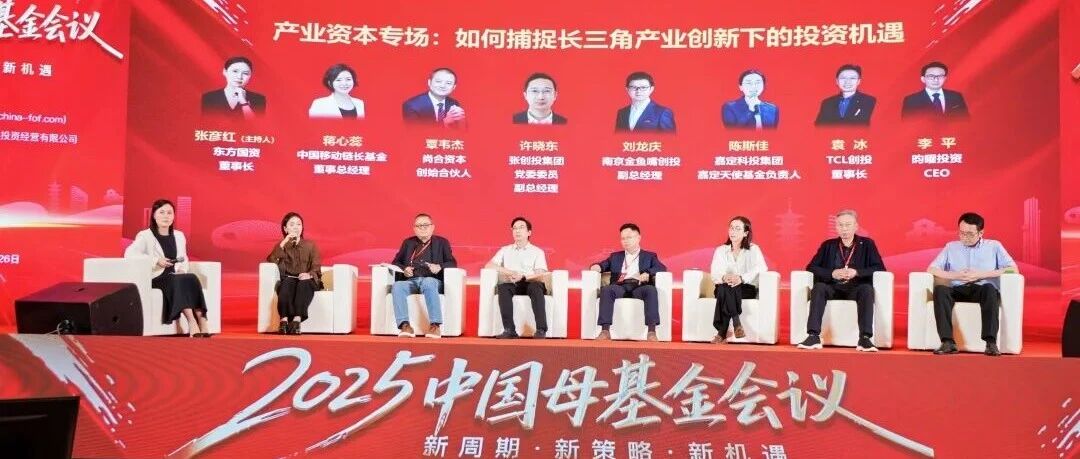
Core Viewpoint - The 2025 China Fund of Funds Conference highlighted the importance of identifying long-term investment opportunities in the Yangtze River Delta region, emphasizing the need for collaboration between capital and industry to capture innovation dividends [1][2][3]. Group 1: Identifying Long-term Value Investment Opportunities - The Yangtze River Delta is recognized as a vibrant and innovative region with rich industrial chains, research resources, and capital strength, but it faces challenges such as industrial homogenization and capital dispersion [3][4]. - Investment strategies should focus on aligning with national strategies, finding compatible local partners, and enhancing interaction to identify high-quality investment targets [4]. - The Nanjing Jianye District is focusing on the "AI+" sector, leveraging existing digital economy foundations and external resources to build an industrial ecosystem [5]. Group 2: Capital and Industry Dual Attribute Advantages - Industrial capital plays a crucial role in integrating regional economies and innovation systems, particularly in the context of the Yangtze River Delta's integrated development strategy [7]. - The China Mobile Chain Long Fund emphasizes the importance of open collaboration with social capital to share resources and create industrial value [7][8]. - Different types of capital should have clear roles, with state-owned and large institutions guiding industries while private capital focuses on niche segments [6][9]. Group 3: Collaboration Between Capital and Industry - Collaboration between state-owned capital and industrial capital can create synergistic effects, enhancing local industrial upgrades and strategic layouts [9][10]. - Key cooperation models include participating as LPs in industrial capital funds, facilitating partnerships between industry and research, and providing post-investment support [9][10]. - TCL Ventures illustrates the dual positioning of industrial capital, focusing on defensive investments to strengthen supply chains while also pursuing innovative technologies [10].

70亿,全国首支AIC产业母基金,花落深圳福田
母基金研究中心· 2025-10-21 11:11
1 0月2 1日,在2 0 2 5香蜜湖财富管理周暨"深圳创投日"活动中,深圳市建源政兴股权投资基金 (简称"建源政兴基金")正式揭牌,深圳市委金融办常务副主任时卫干和福田区委副书记、区 人民政府党组书记、区长周江涛出席并见证建源政兴基金的发布。 该基金由建信金融资产投资有限公司、深圳市海洋投资公司、深圳市引导基金、福田区引导基 金共同发起设立, AIC母基金规模7 0亿元,后续拟设立的子基金放大规模为2 0 0亿元 。这将 成为继建信领航战略新兴产业发展基金后,福田区与中国建设银行联合设立的第二支股权投资 基金,进一步夯实双方在股权投资领域的深度协同基础。基金旨在通过"耐心资本"之间的携 手,共同服务于产业投资、并购整合、强链补链和投贷联动等多重目标。 该基金的落地,标志 着 AIC首次通过母基金的方式参与深圳市" 2 0+8 "产业投资,为招引银行资金参与战略性新兴 产业投资打造了"深圳金融样板" 。 01 AIC创新架构与深圳市"20+8"产业基金体系深度融合的典范 该基金创新采用母子基金架构,聚焦投资深圳的基金群总规模有望达到 2 0 0亿元,有效打通银 行资金放大落地"最后一公里"。通过撬动广泛社会 ...
北京要新设万亿基金,发展创投出大招
母基金研究中心· 2025-10-21 09:01
Core Viewpoint - The implementation plan aims to accelerate the construction of a technology finance system in Beijing, targeting over 1 trillion yuan in new fund establishment by the end of 2027 to support high-level technological self-reliance and strength [1][3]. Group 1: Key Measures - The plan emphasizes the role of venture capital in supporting technological innovation, with five key measures including attracting national-level funds to Beijing and promoting the expansion of equity investment by long-term capital [1][3]. - The introduction of a mechanism for evaluating the entire lifecycle of funds and a due diligence exemption system is aimed at addressing industry pain points [4][5]. Group 2: Fund Development - Beijing has over 50 mother funds, showcasing a significant agglomeration effect in the venture capital industry, with district-level mother funds actively soliciting sub-funds [4][5]. - The Shunyi District government has launched a new equity investment guidance fund with a target scale of 1 billion yuan, indicating ongoing efforts to enhance the fund system at the district level [5]. Group 3: Investment Trends - The Beijing municipal government has established eight industry funds with a total scale of 100 billion yuan each, focusing on sectors such as robotics, artificial intelligence, and healthcare [6][7]. - The Beijing government investment guidance fund has increased its capital from 10 billion yuan to 25 billion yuan, reflecting a 150% growth and a shift towards private equity fund management [7][8]. Group 4: Future Outlook - The combined efforts at the municipal and district levels are expected to lead to a new wave of investment in Beijing, fostering innovation and early-stage investments in technology [8].

这支种子基金招GP了 | 科促会母基金分会参会机构一周资讯(10.14-10.21)
母基金研究中心· 2025-10-21 09:01
Group 1 - The establishment of the "China International Science and Technology Promotion Association Mother Fund Branch" aims to promote the development of technology finance and industrialization, leveraging government resources to guide social capital towards innovative enterprises and the real economy [1][29]. - The Mother Fund Branch consists of 85 participating institutions and provides weekly updates on relevant news [1]. Group 2 - The Central New Venture Capital Fund is publicly selecting sub-fund management institutions to enhance innovation capital investment, focusing on early-stage, small-scale, and long-term investments in hard technology [4][5]. - The selection process for sub-fund management institutions is ongoing without a set deadline, following a "mature one, invest in one" principle [5]. Group 3 - The Central New Venture Capital Fund aims to support the development of new productive forces and achieve high-level technological self-reliance through its investment strategy [4][5]. - The Zhengzhou Central Technology City Seed Fund is a policy-oriented fund that supports the transformation of scientific and technological achievements and the development of innovative enterprises [3]. Group 4 - The Guangzhou Development Zone Fund Group successfully held the second phase of the "I Want to Promote Projects" event, focusing on the energy storage sector [15][17]. - The event featured a simulation roadshow that highlighted innovative companies in the household energy storage field, showcasing their market potential and brand influence [17][18]. Group 5 - The Yellow Sea Bi-Cheng Ecological Partners Promotion Conference was held in Yancheng, discussing new paths for comprehensive energy development with industry experts and government representatives [21][22]. - The conference included strategic partnership signings with 16 quality enterprises in the energy sector, aiming to enhance collaboration and drive high-quality market development [22]. Group 6 - The Nanjing Key Industry Project Roadshow focused on artificial intelligence and software, gathering investment institutions and enterprises to discuss innovation applications and investment prospects [25][26]. - Nanjing is positioned as a national pilot zone for AI innovation applications, with a strong competitive market and high-quality enterprise development [26][27].
央企创投母基金,开始出手了
母基金研究中心· 2025-10-20 09:23
Core Insights - The establishment of the Guoxin Venture Capital Fund and the Chengtong Science and Technology Investment Fund reflects a strategic move to support the development of strategic emerging industries and to provide "patient capital" for long-term investments [6][9]. Group 1: Guoxin Venture Capital Fund - The Guoxin Venture Capital Fund is selecting sub-fund management institutions without a submission deadline, following a "mature one, invest one" principle [2]. - The sub-fund's duration will not exceed August 25, 2039, with at least 70% of investments focused on strategic emerging industries and future industries [2]. - Each sub-fund's total scale should be no less than 200 million, with the mother fund's contribution not exceeding 20% of the sub-fund's total scale [2]. - The management fee during the investment period is capped at 2% per year of the mother fund's contribution, with potential flexibility [2]. Group 2: Chengtong Science and Technology Investment Fund - The Chengtong Science and Technology Investment Fund aims to establish a total scale of 300 billion, with the first phase set at 100 billion, focusing on seed, startup, and growth-stage technology innovation companies [3][5]. - The fund will target investments in hard technology sectors, including new materials, advanced manufacturing, and next-generation information technology, utilizing a combination of equity investment and ecological incubation strategies [4][5]. - The fund's design spans 15 years, aligning with the long-term nature of technology innovation and the need for substantial support for core technology demands over the next 3 to 10 years [5][6]. Group 3: Patient Capital Concept - The concept of "patient capital" emphasizes the need for long-term, stable investment that can withstand market cycles and tolerate risks associated with technology innovation [6][8]. - Recent policies encourage central enterprises to become more involved in venture capital, promoting a culture of strategic and value-based investments [8][9]. - The development of patient capital is seen as essential for fostering innovation and supporting early-stage investments in technology, which often carry higher risks and longer return timelines [8][9].

今年,长三角母基金这样投
母基金研究中心· 2025-10-19 09:00
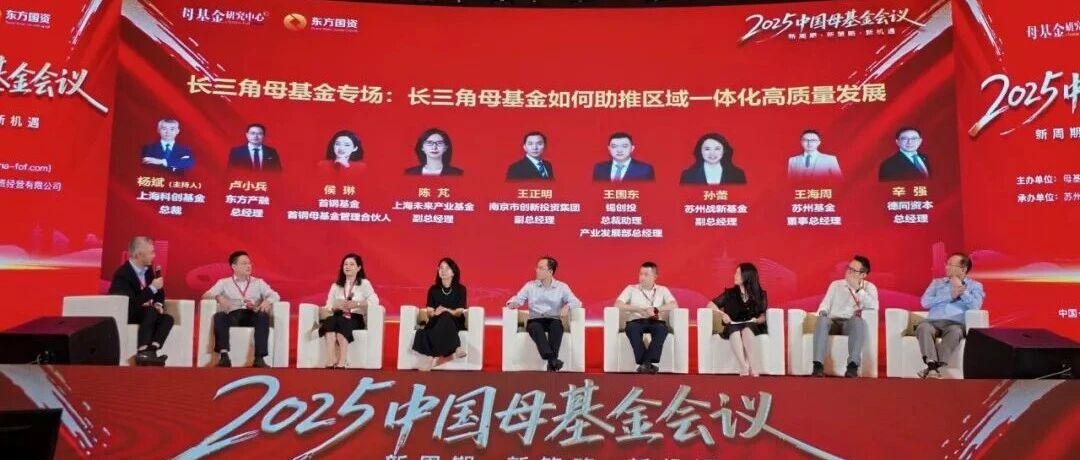
Core Viewpoint - The article discusses the role of mother funds in promoting regional integration and high-quality development in the Yangtze River Delta, emphasizing the need for collaboration and innovative strategies among various stakeholders [2][3][12]. Group 1: Cross-Regional Coordination - The integration of the Yangtze River Delta requires not only industrial collaboration but also efficient financial capital allocation, with mother funds playing a crucial role in resource optimization [3][4]. - Current challenges include inconsistent return investment standards across regions, which hinder effective utilization of technological advantages and increase coordination costs [4][5]. - Proposed solutions include establishing a "Yangtze River Delta Integration Mother Fund Alliance" to create unified return investment standards and encourage free flow of resources [4][5]. Group 2: Supporting Industrial Development - Mother funds should support hard technology and emerging industries while guiding capital towards long-term investments to foster high-quality regional development [8][9]. - Strategies include focusing on industrial chain collaboration and integrating various sectors, such as robotics and smart manufacturing, to enhance overall competitiveness [9][10]. - The importance of aligning investment strategies with national directives, particularly in early-stage technology investments, is highlighted [9][10]. Group 3: Mechanisms for Collaboration - Establishing a strong upper-level coordination body is essential for resolving regional collaboration issues, with examples of successful strategies shared by various fund managers [6][7]. - The need for a shared interest mechanism and a clear investment decision-making process is emphasized to facilitate cooperation among different regions [5][6]. - Innovative practices, such as dual GP models and talent exchange mechanisms, are suggested to enhance collaboration and trust among stakeholders [6][7]. Group 4: Future Directions - The article calls for a shift in focus from local competition to global resource integration, encouraging mother funds to attract high-end resources and enhance regional industrial capabilities [12][14]. - The establishment of a truly integrated mother fund for the Yangtze River Delta is advocated to transcend local industry-focused models and promote a more cohesive investment strategy [11][12]. - The importance of adapting evaluation standards for emerging teams in the technology sector is stressed to ensure that mother funds remain relevant and effective [9][10].
李诗林:破局创投寒冬,税收制度是关键
母基金研究中心· 2025-10-18 08:50
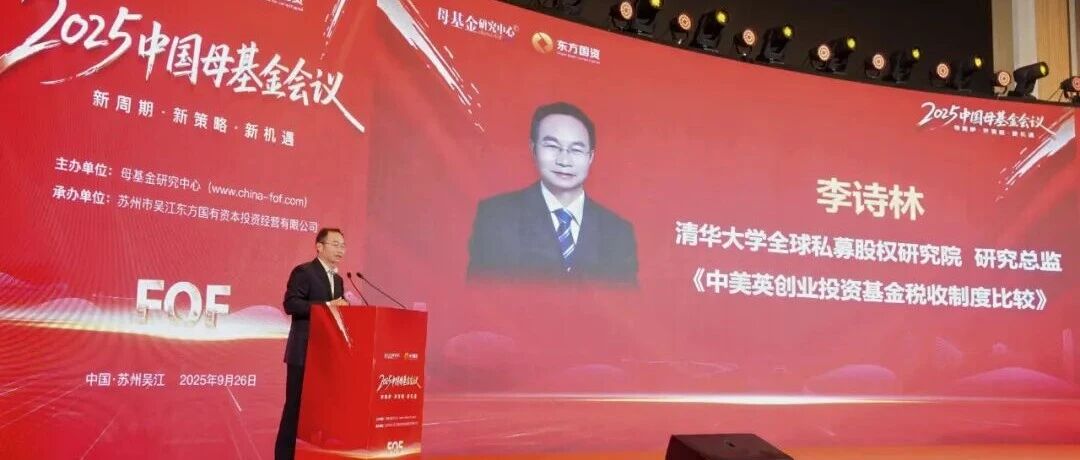
Core Viewpoint - The article discusses the challenges and opportunities in the Chinese venture capital market, particularly focusing on the impact of tax policies on investment dynamics and the need for reform to stimulate private capital involvement [3][11][12]. Group 1: Current Market Situation - Despite the government's emphasis on technological innovation and venture capital development, the actual market performance has been underwhelming, with the venture capital market in China still in a downward trend as of 2025 [3][5]. - The investment scale of venture capital funds in China has reverted to levels seen around 2016, indicating a significant decline since 2021 [5]. - The funding sources for venture capital have shifted, with government and state-owned enterprises contributing nearly 60% of the total funding by 2023, highlighting a structural change in the market [5]. Group 2: Tax Policy Comparison - The article compares the tax systems of the US, UK, and China, noting that the US has a more favorable tax structure for venture capital, allowing for tax benefits that encourage investment in early-stage companies [6][8]. - The US tax system allows for capital gains to be taxed at lower rates compared to ordinary income, with specific provisions for small business investments that provide significant tax relief [7][9]. - In contrast, China's tax regime imposes higher tax rates on venture capital gains, with personal partners facing rates up to 35%, which is significantly higher than the 20% rates in the US and UK [10][11]. Group 3: Challenges in China's Tax System - China's current tax system for venture capital is based on outdated regulations that classify venture capital funds as ordinary partnerships, leading to mismatched tax rules that do not align with the nature of equity investments [11]. - Key issues include a lack of stability in tax rules, incomplete tax information transparency, and high capital gains tax rates that deter investment [11][12]. - The execution of policies aimed at supporting early-stage investments has been poor, with many investors unaware of the available tax incentives due to complex application processes [12]. Group 4: Recommendations for Reform - To enhance the venture capital landscape, the article suggests establishing a dedicated tax system for venture capital funds that clarifies the tax treatment of limited partnerships and allows tax benefits to extend to upper-tier investors [13][15]. - It advocates for increased tax incentives for investments in seed and early-stage technology companies, proposing a tiered tax relief system based on the duration of investment [15]. - Simplifying the application process for tax incentives and improving awareness among investors are also recommended to boost participation in the venture capital market [15].
福建省资本与产业对接会(园区专场)即将召开
母基金研究中心· 2025-10-17 08:57
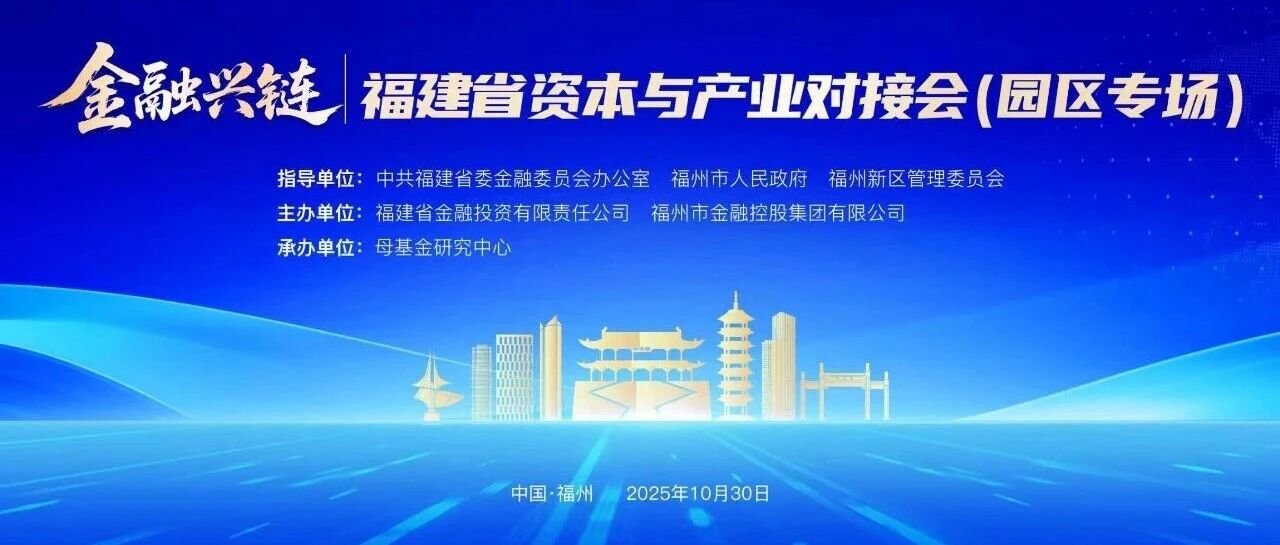
Group 1 - The core focus of the article is on the increasing attention and activity surrounding venture capital (VC) and private equity (PE) in Fujian Province, with government-led funds exceeding 1,400 billion yuan as of mid-2025 [1] - Fujian has introduced a series of significant policies aimed at promoting the high-quality development of government-guided funds, including plans to establish a fund group of 300 billion yuan for functional funds and 1,000 billion yuan for industrial funds within five years [1] - The upcoming Fujian Capital and Industry Matching Conference aims to enhance the integration of financial capital with the real economy, supporting the development of industrial chains and attracting quality projects to Fujian [2] Group 2 - Fujian is focusing on seven key areas for strategic emerging industries, including new-generation information technology and high-end equipment, which have led to a significant increase in the number of national high-tech enterprises from over 6,400 in 2020 to over 15,000 by mid-2025 [3] - The provincial capital, Fuzhou, is positioned as a modern coastal city with a strong industrial foundation and innovation capabilities, serving as a new engine for high-quality development in the province [3] - The conference will feature various activities such as project roadshows and discussions between capital and enterprises, bringing together leaders from the mother fund sector and industry experts to explore investment opportunities in Fujian [4]
上海国投一举出资10家GP
母基金研究中心· 2025-10-17 08:57
Core Insights - The total management scale of the mother fund industry in China reached 1110.5 billion RMB, with investments covering future industries, high-end equipment manufacturing, and new materials [1][2]. Group 1: Shanghai Initiatives - Shanghai Guotou invested in 10 General Partners (GPs) to support the biopharmaceutical industry, with a total fund size of 225 billion RMB established for 2024 [4][5]. - The Shanghai Dalinghao Bay New Quality Leading Fund aims to enhance financial support for the innovation industry, focusing on aerospace, biomedicine, and advanced energy equipment [6][7]. - The Shanghai Future Industry Fund, with a total scale of 150 billion RMB, is designed to act as a counter-cyclical patient capital [4][5]. Group 2: Sichuan Developments - The Sichuan Provincial Achievement Transformation Investment Guidance Fund is seeking GPs to establish a third batch of sub-funds, with a total scale of 50 billion RMB [8][9]. - The fund focuses on early-stage technology and future industries, with at least 70% of its capital allocated to sub-funds [9][10]. Group 3: Other Regional Funds - The Central Plains Science and Technology City Seed Fund in Henan is a policy-oriented fund aimed at supporting technology transfer and innovation [11][12]. - Jiangsu's Xuzhou New Emerging Industry and Intelligent Manufacturing Special Mother Fund has a scale of 30 billion RMB, focusing on strategic emerging industries [14][15]. - The Hunan Jin Furong Industry Guidance Fund is set to establish an artificial intelligence sub-fund to support local industry clusters [16][17]. Group 4: New Fund Establishments - The Suzhou New Creation Future Equity Investment Fund was established with a capital of 171.5 billion RMB, focusing on equity and venture investments [21]. - The Chengdu Future Industry Venture Capital Guidance Fund has completed its registration with a scale of 44 billion RMB, expected to expand to 69 billion RMB [22]. - The Hubei Jiangcheng Huafa Industry Investment Fund has a total scale of 100 billion RMB, focusing on hard technology sectors [23][24]. Group 5: National Initiatives - The National New Venture Capital Fund is publicly selecting sub-fund management institutions to enhance innovation capital input [31][32].

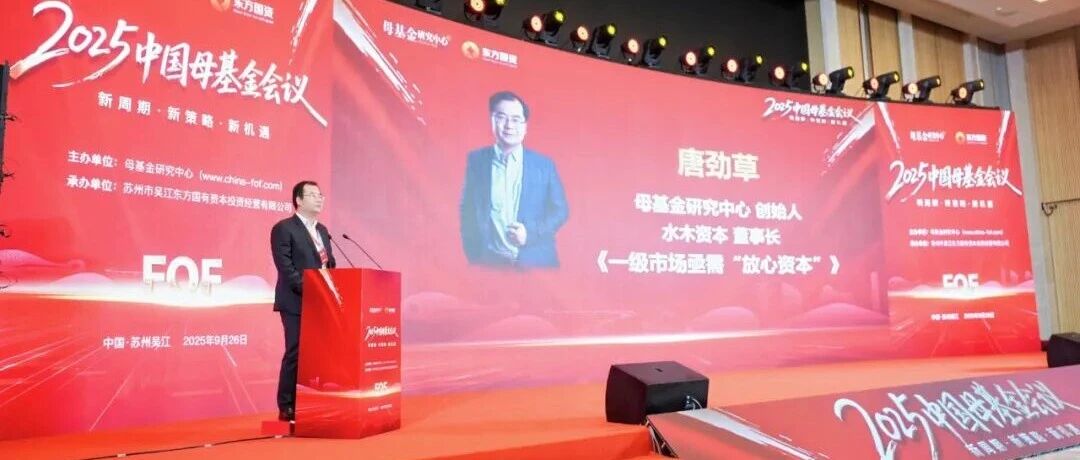
唐劲草:一级市场亟需“放心资本”
母基金研究中心· 2025-10-16 10:20
Core Viewpoint - The private equity investment industry is currently facing significant challenges, including difficulties in fundraising and exit strategies, necessitating the development of "reliable capital" to restore trust among stakeholders [2][8]. Group 1: Industry Challenges - The private equity investment sector is undergoing a major cleanup, with 360 private equity and venture capital managers deregistered in the first seven months of 2025, continuing the trend of the past two years [2]. - The fundraising difficulties are deepening, with a lack of "long money" in the market, which is essential for sustainable investment [3]. - The exit issue is critical, as many funds established during the 2015-2016 "double innovation" wave are now at a crucial exit stage, leading to a reliance on IPOs as the primary exit route [7]. Group 2: Fundraising Solutions - The introduction of "science and technology bonds" has emerged as a new fundraising tool, with over 30 private equity institutions issuing or registering bonds totaling over 20 billion yuan by mid-2025 [5]. - However, the debt nature of these bonds increases financial costs and repayment pressures for venture capital institutions, which contradicts the industry's operational logic of leveraging management capabilities to attract social capital [6]. Group 3: Trust Reconstruction - A trust crisis is escalating in the venture capital industry, with limited partners (LPs) imposing stricter requirements on general partners (GPs) regarding management fees and fund terms [8]. - The concept of "reliable capital" is proposed to address these issues, emphasizing the need for trust in fundraising, investment, management, and exit processes [9]. Group 4: Characteristics of Reliable Capital - Reliable capital should have stable long-term funding sources, high risk tolerance, and a robust risk management mechanism [10]. - It should also establish transparent information disclosure and communication mechanisms to manage investor expectations effectively [10]. Group 5: Recommendations for Development - Establish mechanisms to attract long-term capital, such as insurance and bank funds, into the private equity investment LP sector [11]. - Improve the risk management system throughout the investment process, from project selection to post-investment management [12]. - Enhance regular investor information disclosure and emergency warning mechanisms to increase fund operation transparency [13]. - Innovate post-investment management and exit mechanisms, providing strategic planning and resource matching for invested companies [14]. - Implement a tolerance mechanism for risks and failures, allowing for a more flexible investment environment [15]. - Encourage the cancellation of mandatory betting or repurchase requirements to align with normal industry practices [16]. Group 6: Multi-Fund Group Model - Transitioning from a single large fund model to a multi-target, multi-level fund group model can enhance capital efficiency and optimize investment layouts [16]. - This model allows for differentiated investment and risk diversification, marking a shift towards refined strategic management in local government industrial capital operations [16]. Group 7: Differentiated Regulation - Implementing differentiated regulation for venture capital funds is crucial for fostering high-quality development and nurturing new productive forces [17]. - The core of differentiated regulation lies in optimizing services and reducing burdens, including providing tax incentives for long-term investment funds [18]. - This approach aims to guide the industry back to its roots, supporting national strategies and encouraging early, small, long-term investments in key technological areas [19].