理想TOP2

Search documents
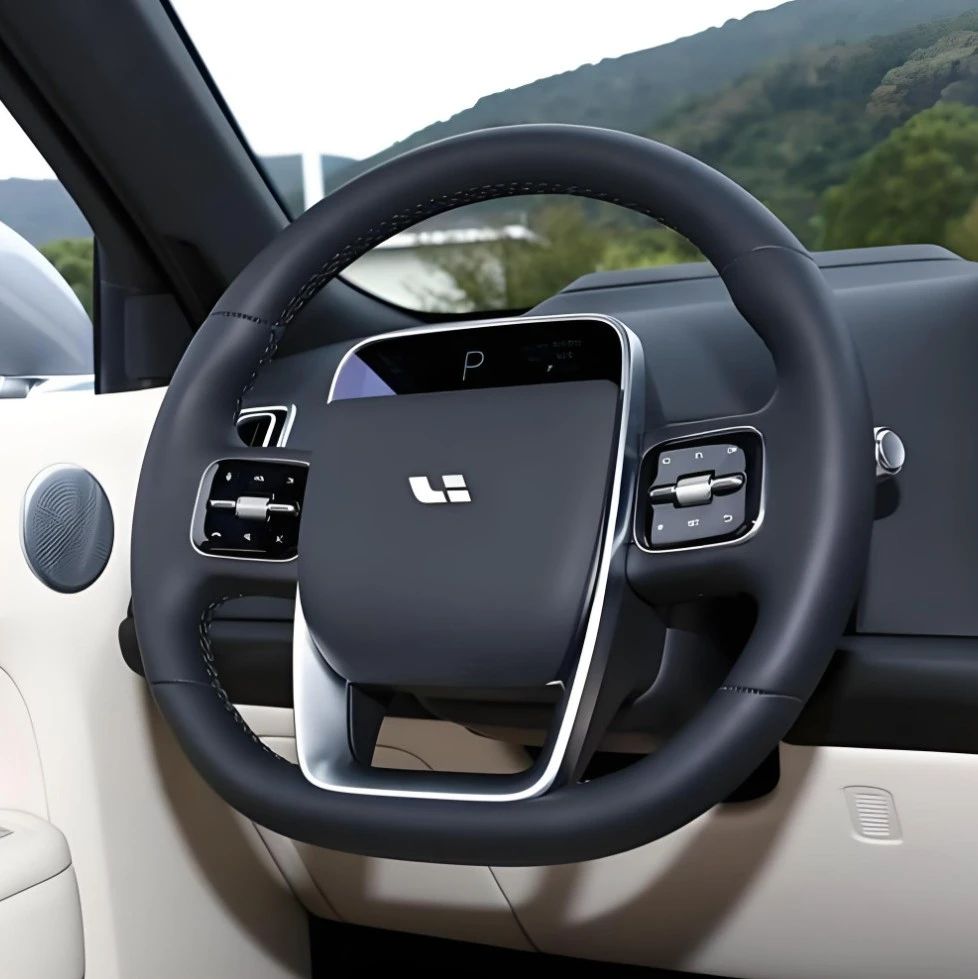
理想第一产品线负责人也回应了为啥焕新版方向盘取消电容?
理想TOP2· 2025-06-11 02:59
Core Viewpoint - The article discusses the evolution of steering wheel monitoring technology in Li Auto vehicles, highlighting the transition from capacitive sensing to a combination of torque sensing and camera-based monitoring due to advancements in visual detection capabilities [1][10]. Group 1: Historical Context - In 2019, during the development of the first model, Li ONE, the company opted for capacitive sensing for steering wheel monitoring, as it was a regulatory requirement rather than a feature [2][11]. - Initially, two technical routes were considered: Tesla's torque method and a capacitive method that required significant hand contact [3][4]. Group 2: Technical Challenges - The capacitive method posed challenges due to manufacturing tolerances and environmental factors, necessitating a "grip" on the steering wheel for reliable detection [7][9]. - The initial experience with Tesla's torque method was deemed unsatisfactory, leading Li Auto to stick with the capacitive approach despite its drawbacks [5][6]. Group 3: Evolution and Improvements - By 2022, with the introduction of the Li L9, the company reconsidered the steering wheel monitoring system, contemplating a shift back to the torque method combined with camera technology [6][10]. - The visual detection capabilities were initially inadequate, leading to a return to the capacitive method, but advancements in technology have since improved the reliability of visual detection [10]. Group 4: Current Implementation - In 2024, the decision was made to revert to the torque and camera combination for steering wheel monitoring, which has shown to enhance user experience significantly [10]. - The steering wheel monitoring system is primarily a regulatory requirement to ensure driver attentiveness rather than a user feature [11]. Group 5: User Experience - Users are encouraged to test drive the updated Li L9 with the new monitoring settings to appreciate the improvements firsthand [12]. - The company emphasizes the importance of maintaining user value and experience without succumbing to competitive pressures [13].


理想新一代世界模型首次实现实时场景编辑与VLA协同规划
理想TOP2· 2025-06-11 02:59
Core Viewpoint - GeoDrive is a next-generation world model system for autonomous driving, developed collaboratively by Peking University, Berkeley AI Research (BAIR), and Li Auto, addressing the limitations of existing methods that rely on 2D modeling and lack 3D spatial perception, which can lead to unreasonable trajectories and distorted dynamic interactions [11][14]. Group 1: Key Innovations - **Geometric Condition-Driven Generation**: Utilizes 3D rendering to replace numerical control signals, effectively solving the action drift problem [6]. - **Dynamic Editing Mechanism**: Injects controllable motion into static point clouds, balancing efficiency and flexibility [7]. - **Minimized Training Cost**: Freezes the backbone model and employs lightweight adapters for efficient data training [8]. - **Pioneering Applications**: Achieves real-time scene editing and VLA (Vision-Language-Action) collaborative planning within the driving world model for the first time [9][10]. Group 2: Technical Details - **3D Geometry Integration**: The system constructs a 3D representation from single RGB images, ensuring spatial consistency and coherence in scene structure [12][18]. - **Dynamic Editing Module**: Enhances the realism of multi-vehicle interaction scenarios during training by allowing flexible adjustments of movable objects [12]. - **Video Diffusion Architecture**: Combines rendered conditional sequences with noise features to enhance 3D geometric fidelity while maintaining photorealistic quality [12][33]. Group 3: Performance Metrics - GeoDrive significantly improves controllability of driving world models, reducing trajectory tracking error by 42% compared to the Vista model, and shows superior performance across various video quality metrics [19][34]. - The model demonstrates effective generalization to new perspective synthesis tasks, outperforming existing models like StreetGaussian in video quality [19][38]. Group 4: Conclusion - GeoDrive sets a new benchmark in autonomous driving by enhancing action controllability and spatial accuracy through explicit trajectory control and direct visual condition input, while also supporting applications like non-ego vehicle perspective generation and scene editing [41].
理想产品经理回应25款焕新版为何取消电容方向盘
理想TOP2· 2025-06-10 10:31
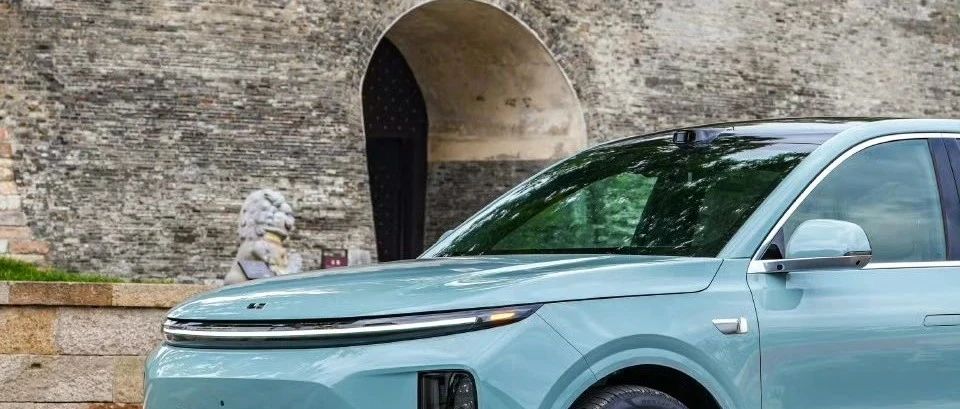
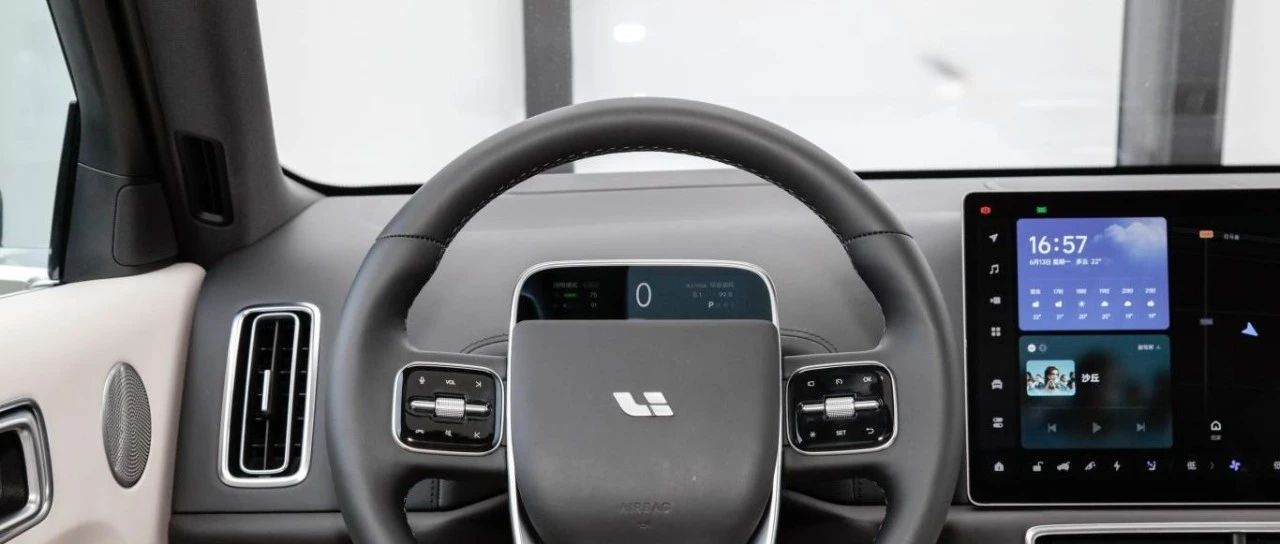
Core Viewpoint - The removal of the capacitive steering wheel in the 25th version signifies advancements in driver monitoring technology, enhancing safety by relying more on visual detection systems rather than solely on capacitive sensors [1][6]. Summary by Sections Capacitive Steering Wheel - The capacitive steering wheel detects driver engagement by measuring changes in capacitance when hands are placed on it, serving as a critical input for the Driver Monitoring System (DMS) [2][6]. - The need for a driver attention monitoring system arises from the misuse of assisted driving features, which can lead to dangerous behaviors such as sleeping or using mobile devices while driving [2][6]. Detection Technologies - Various detection methods include: 1. Torque detection, which measures the force applied to the steering wheel [2][3]. 2. Capacitive detection, which relies on the presence of hands on the steering wheel [2][4]. 3. Camera detection, which monitors the driver's eye state [3][4]. - Each method has its limitations, necessitating a combination of techniques to improve accuracy and reduce the potential for deception [4][5]. Changes in the 25th Version - The 25th version has removed the capacitive steering wheel, reflecting technological advancements that allow for more reliable visual detection systems [1][6]. - The previous combination of "torque + capacitive + camera" has been simplified to "torque + camera," making it easier for drivers to comply with monitoring requirements [6]. - The evolution of technology has reduced reliance on hardware components, enhancing the overall user experience while maintaining safety standards [6].
理想超充站2428座|截至25年6月8日
理想TOP2· 2025-06-09 07:56
Group 1 - The core viewpoint of the article highlights the progress in the construction of supercharging stations, with a total of 2,428 stations built, achieving 90.69% of the target for 2,500+ stations by the i8 release date [1] - The remaining time until the i8 release is 53 days, requiring an average of 1.36 new stations to be built daily to meet the target [1] - For the year-end goal of over 4,000 stations by 2025, the current progress stands at 30.84%, with 206 days left in the year, necessitating the construction of 7.63 stations per day [1] Group 2 - The newly constructed station is located in Shanghai, specifically in the Pudong New Area, and is categorized as a 4C station with specifications of 4C × 4 [1]
理想对流媒体后视镜是如何思考的?
理想TOP2· 2025-06-09 07:56
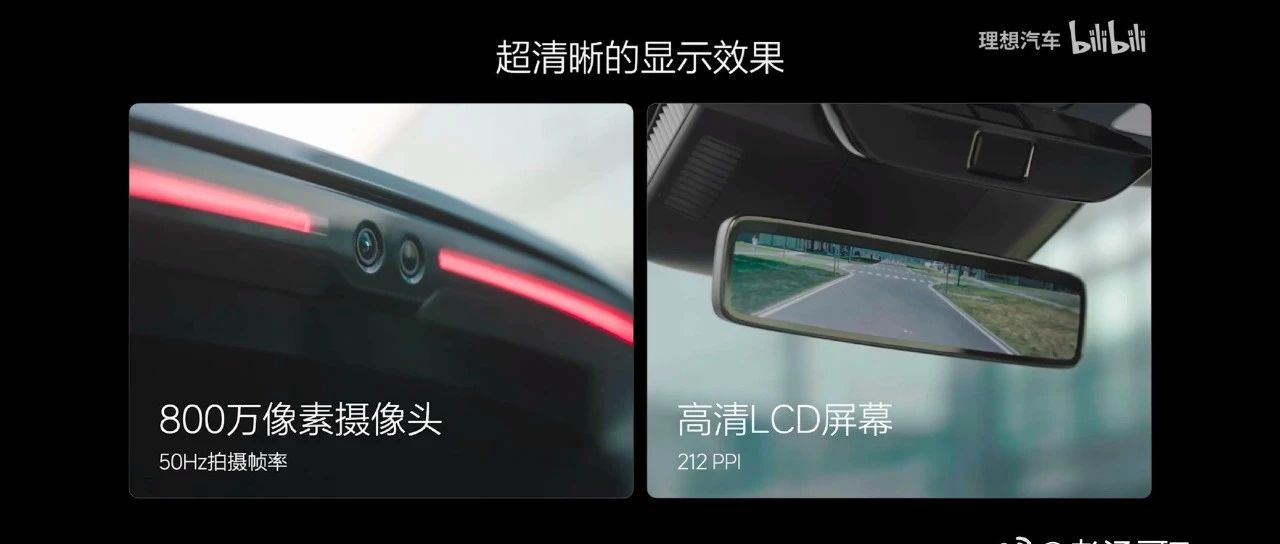
Core Viewpoint - The article discusses the development and features of the new streaming rearview mirror for the L9 model, highlighting its advanced technology and user-centric design [1][4]. Group 1: Product Features - The streaming rearview mirror has an 8-megapixel independent camera, providing high clarity with a resolution matching the central control screen and a PPI of 212 [1]. - It features a wide field of view of 120 degrees, allowing visibility of up to five lanes, significantly reducing blind spots compared to traditional mirrors [1]. - The mirror incorporates dual anti-glare technology, with the camera designed to prevent exposure and the LCD screen treated to minimize reflections [1]. Group 2: Development Process - Initial discussions questioned the necessity of a dedicated streaming rearview mirror due to the introduction of a 21-inch screen that could obstruct the physical mirror [1][2]. - The decision to proceed with the streaming mirror was influenced by the desire to maintain user habits and avoid a cramped driving experience when the second-row screen is deployed [1][2]. - The development faced challenges in sourcing video feeds, initially attempting to reuse the AD camera, which proved inadequate due to frame rate and color accuracy issues [2][3]. Group 3: Technical Challenges - Attempts to utilize the 360-degree surround view camera were also unsuccessful due to low resolution and significant distortion when adjusting the field of view [3]. - Ultimately, the decision was made to create a dedicated 8-megapixel camera with a 120-degree field of view, ensuring high quality and compliance with regulations [3][4]. - The design process included considerations for integrating the camera with the high-mounted brake light, leading to a decision to redesign the brake light for aesthetic and functional purposes [4]. Group 4: Market Positioning - The new streaming rearview mirror aims to enhance safety, comfort, convenience, and aesthetics, positioning the L9 as a leader in innovative automotive technology [4]. - The company plans to implement similar upgrades for the MEGA model, indicating a commitment to maintaining high standards across its product line [4].
理想的VLA可以类比DeepSeek的MoE
理想TOP2· 2025-06-08 04:24
Core Viewpoint - The article discusses the advancements and innovations in the VLA (Vision Language Architecture) and its comparison with DeepSeek's MoE (Mixture of Experts), highlighting the unique approaches and improvements in model architecture and training processes. Group 1: VLA and MoE Comparison - Both VLA and MoE have been previously proposed concepts but are now being fully realized in new domains with significant innovations and positive outcomes [2] - DeepSeek's MoE has improved upon traditional models by increasing the number of specialized experts and enhancing parameter utilization through Fine-Grained Expert Segmentation and Shared Expert Isolation [2] Group 2: Key Technical Challenges for VLA - The VLA needs to address six critical technical points, including the design and training processes, 3D spatial understanding, and real-time inference capabilities [4] - The design of the VLA base model requires a focus on sparsity to expand parameter capacity without significantly increasing inference load [6] Group 3: Model Training and Efficiency - The training process incorporates a significant amount of 3D data and driving-related information while reducing the proportion of historical data [7] - The model is designed to learn human thought processes, utilizing both fast and slow reasoning methods to balance parameter scale and real-time performance [8] Group 4: Diffusion and Trajectory Generation - Diffusion techniques are employed to decode action tokens into driving trajectories, enhancing the model's ability to predict complex traffic scenarios [9] - The use of an ODE sampler accelerates the diffusion generation process, allowing for stable trajectory generation in just 2-3 steps [11] Group 5: Reinforcement Learning and Model Training - The system aims to surpass human driving capabilities through reinforcement learning, addressing previous limitations related to training environments and information transfer [12] - The model has achieved end-to-end trainability, enhancing its ability to generate realistic 3D environments for training [12] Group 6: Positioning Against Competitors - The company is no longer seen as merely following Tesla in the autonomous driving space, especially since the introduction of V12, which marks a shift in its approach [13] - The VLM (Vision Language Model) consists of fast and slow systems, with the fast system being comparable to Tesla's capabilities, while the slow system represents a unique approach due to resource constraints [14] Group 7: Evolution of VLM to VLA - The development of VLM is viewed as a natural evolution towards VLA, indicating that the company is not just imitating competitors but innovating based on its own insights [15]
可以留意一下, 对理想同学玩偶IP好评率可能在快速上升
理想TOP2· 2025-06-07 14:13
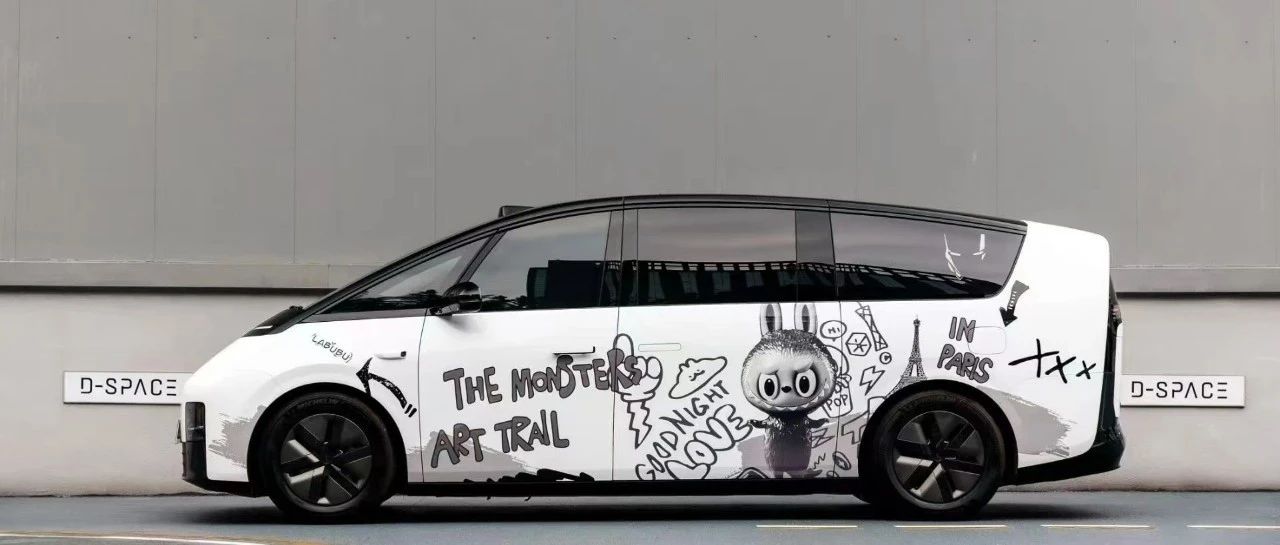
Core Viewpoint - The article discusses the rising popularity of the "Ideal Classmate" toy IP, particularly among male consumers aged 28-50 in key Chinese regions, and highlights the potential for community building through this IP [1][7]. Group 1: Consumer Insights - The "Ideal Classmate" toy IP has received positive feedback, especially from males aged 35-45, indicating a shift in consumer perception [1]. - There is a notable interest among consumers in using the "Ideal Classmate" for emotional connection rather than functionality, aligning with the preferences of younger generations [4]. Group 2: Brand Strategy - The conversation reveals that the founder, Li Xiang, is learning from the success of Pop Mart, emphasizing the importance of emotional value over functional features in toy design [2][4]. - Li Xiang suggests that the evolution of IP should focus on community identity, as consumers seek to express their belonging through products [6]. Group 3: Market Positioning - The "Ideal Classmate" has the potential to create a community recognition platform through various forms such as physical toys, in-car systems, and mobile applications [7]. - Feedback indicates that the "Ideal Classmate" has a stronger conversational capability compared to competitors, enhancing its appeal among both children and adults [7].

理想超充站2427座|截至25年6月7日
理想TOP2· 2025-06-07 14:13
加微信,进群深度交流理想长期基本面。不是车友群。 来源: 北北自律机 25年06月07日星期六 理想超充 3 新增。 超充建成数:2424→2427座 ———————————————————— 基于i8发布日期 2500+座目标 新增数进度值:90.17%→90.56% i8发布剩余54天(按7月31假 设) i8发布剩余时间进度值:74.41% 需每日 1.35 座,达到 i8发布 目标值 基于2025年底 4000+座目标 今年新增数进度值:30.66%→30.80% 今年剩余207天今年时间进度值:43.29% 需每日 7.60 座,达到年底目标值 【附】3 座新增建成 海南省 琼海市 琼海高铁站停车场 为城市枢纽4C站,规格:4C × 6 福建省 泉州市 泉州丰泽刺桐北拓 为城市4C站,规格:4C × 8 浙江省 杭州市 杭州千岛湖诺富特酒店 为城市景区4C站,规格:4C × 6 ...

理想司机Agent的一些细节
理想TOP2· 2025-06-06 15:24
Core Viewpoint - The article discusses the advancements in the AD Max driver agent product, focusing on its capabilities in closed park and underground garage scenarios, emphasizing multi-modal information integration for decision-making. Group 1: Product Definition and Capabilities - The AD Max driver agent has achieved full model-based trajectory output, differing significantly from previous AVP product experiences, providing a driving experience that closely resembles that of human drivers in specific environments [1] - The agent can understand road signs and engage in voice interactions, utilizing both local multi-modal LLM for simple commands and cloud-based large-scale LLM for complex instructions [1][2] - The agent builds associative points rather than precise maps, allowing it to navigate based on general driving structures, similar to human behavior in underground garages [2] Group 2: Perception and Reasoning Abilities - The AD Max agent integrates data from various sensors, including cameras and LiDAR, to achieve comprehensive environmental perception capabilities [2] - The agent demonstrates the ability to remember associative points, enabling it to navigate without needing to roam through the area again, and can adapt if the memory is incorrect [3] Group 3: Industry Comparison - The AD Max driver agent and NIO AD's NWM are highlighted as the only two applications currently integrating multi-modal perception information into a single model for complex reasoning [3]
理想同学MindGPT-4o-Audio实时语音对话大模型发布
理想TOP2· 2025-06-06 15:24
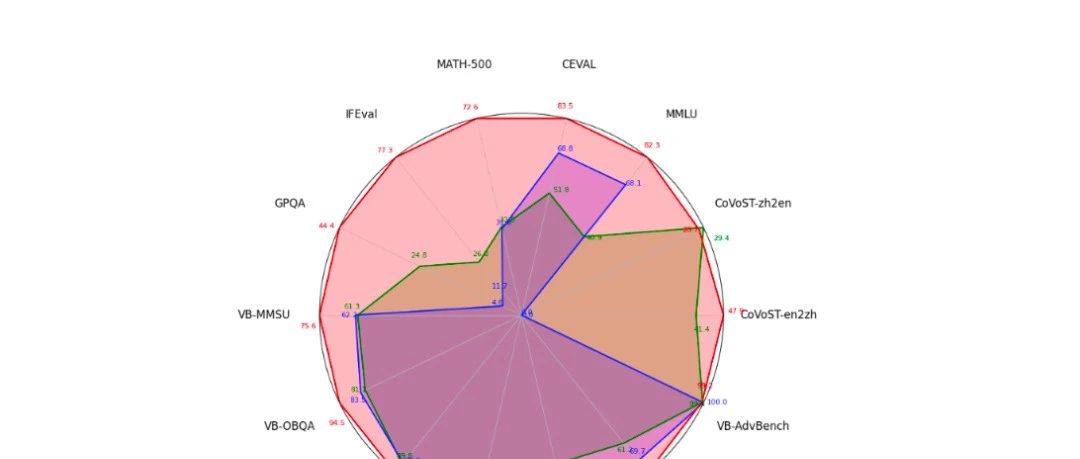
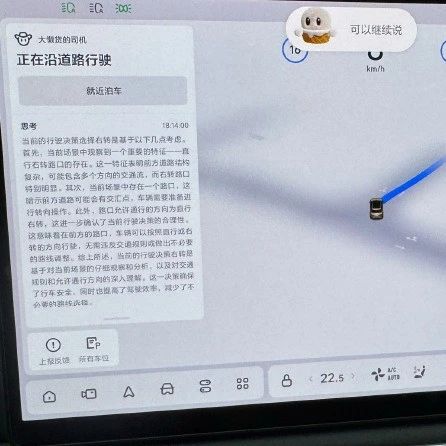
理想实时语音对话大模型MindGPT-4o-Audio上线,作为全模态基座模型MindGPT-4o的预览preview版 本,MindGPT-4o-Audio是一款全双工、低延迟的语音端到端模型,可实现像人类一样"边听边说"的自 然对话,并在语音知识问答、多角色高表现力语音生成、多样风格控制、外部工具调用等方面表现突 出,达到了媲美人人对话的自然交互水平。 核心功能 目前,基于MindGPT-4o-Audio的理想同学已在理想车机及理想同学手机App全量上线。 1. 模型能力 1.1 整体算法方案 MindGPT-4o-Audio是一款级联式的语音端到端大模型,我们提出了感知-理解-生成的一体化端到端流式 生成架构实现全双工、低延迟的语音对话。其中: 在各项权威音频基准测试以及语言理解、逻辑推理、指令遵循等语言理解任务上,MindGPT-4o-Audio 已达到行业领先水平,在语音交互评测基准VoiceBench多类评测中均显著领先行业领先的同类模型。此 外,我们实验发现,业内主流的语音端到端模型一般会在提升语音交互能力的同时,造成语言交互能力 的大幅下降,MindGPT-4o-Audio通过训练策略的优化保 ...