阿尔法工场研究院

Search documents
“80后”会计师转行卖保健品,靠万宁收入9000万仍存信贷风险
阿尔法工场研究院· 2025-08-01 00:08
Core Viewpoint - The company, 正品控股, has applied for an IPO on the Hong Kong Stock Exchange, aiming to expand its market presence in Hong Kong and Taiwan amidst competitive pressures in the health and beauty supplement sector [1][3]. Market Position and Performance - 正品控股 ranks seventh among local health and beauty supplement suppliers in Hong Kong with a market share of approximately 1.6% and holds the top position in the deer-related health supplement segment with a market share of about 29.4% [1]. - The deer-related health supplement market in Hong Kong recorded sales of HKD 158.5 million in 2020, projected to grow to HKD 222 million by 2024, reflecting a strong compound annual growth rate (CAGR) of 8.7% [1]. Customer Dependency - The largest customer, Dairy Farm International Holdings Ltd. (牛奶公司), accounts for a significant portion of 正品控股's revenue, contributing approximately HKD 97.1 million in the 2025 fiscal year, which is 74.5% of the total revenue [3][7]. - The company has maintained a stable relationship with Dairy Farm for 12 years, primarily selling products through wholesale channels [2]. Revenue Concentration Risks - The revenue from the top five customers represents a high concentration risk, with contributions of approximately 90.6%, 89.4%, and 83.4% of total revenue from 2023 to 2025 [7]. - The company faces potential cash flow risks due to reliance on a single major customer, as evidenced by increasing product returns from Dairy Farm, which reached HKD 5 million in 2025, over four times the amount in 2024 [8][10]. Supplier Dependency - 正品控股 also exhibits high supplier concentration, with the top five suppliers accounting for approximately 86.3%, 77.3%, and 80.3% of total purchases from 2023 to 2025 [11]. - A notable supplier, identified as Supplier K, was previously an affiliate of the company's controlling shareholder, raising concerns about potential conflicts of interest [11]. Financial Performance - The company's gross margin has been declining, recorded at 81.59%, 78.62%, and 75.02% from 2023 to 2025, attributed to increased promotional discounts and a shift towards lower-margin third-party brand sales [13][15]. - Administrative expenses have been growing at an annual rate of 50%, indicating potential management inefficiencies [16]. Market Outlook - The health and beauty supplement market in Hong Kong is expected to grow from approximately HKD 15.8 billion in 2024 to HKD 19.1 billion by 2029, with a CAGR of about 3.8%, providing growth opportunities for 正品控股 [19]. - However, the market is highly competitive and fragmented, with the top ten suppliers holding only 55.3% of the market share, indicating challenges for new entrants [20][21].

“中医AI第一股”累亏超4亿,问止中医现金流承压
阿尔法工场研究院· 2025-07-31 00:07
Core Viewpoint - The article discusses the potential valuation bubble hidden under the "AI + Traditional Chinese Medicine" concept, emphasizing three critical issues: cash flow, technological barriers, and business structure optimization [1][12]. Company Overview - WenZhi Traditional Chinese Medicine, referred to as the "first AI TCM stock," was founded in 2018 by three co-founders, with the majority shareholder being the youngest co-founder, Cui Xiangrui, who holds 43.41% of the shares [1]. - The company has completed five rounds of financing since its establishment, raising approximately 160 million RMB, with notable investors including BlueRun Ventures and ZhenFund [2]. Financial Performance - WenZhi's revenue has grown from 62.2 million RMB in 2022 to 236 million RMB in 2024, with a revenue of approximately 100 million RMB in the first five months of 2025, reflecting an 11.7% year-on-year increase [4]. - Despite revenue growth, the company has not yet achieved profitability, with cumulative losses of approximately 437 million RMB from 2022 to May 2025, including a loss of 193 million RMB in 2023, exceeding that year's revenue of 189 million RMB [4][5]. Business Structure - The company's revenue is primarily derived from TCM medical services, which accounted for over 80% of total revenue from 2022 to 2024, increasing to 89.6% in 2024 [5]. - The business model shows a significant dependency on a single revenue stream, raising concerns about risk resilience and potential revenue decline if online traffic growth slows or regulations tighten [5]. Market Position and Competition - According to a report, WenZhi is the largest AI-assisted TCM service provider in mainland China, with market shares of 1.5% and 1.3% in 2023 and 2024, respectively [10]. - The market is highly fragmented, with the top five companies holding only 5.4% of the market share, indicating that WenZhi's market dominance is not yet established [10]. Regulatory Challenges - Regulatory compliance issues pose significant risks for WenZhi's IPO, with scrutiny over foreign investment compliance and data security measures [7]. - The company has faced consumer complaints regarding service quality, which could lead to administrative penalties if deemed misleading [7]. Industry Trends - The AI TCM market is projected to grow from 10.9 billion RMB in 2023 to 86.9 billion RMB by 2028, with a compound annual growth rate of 49.3% [11]. - However, the company faces challenges in data quality and R&D investment, which may hinder its ability to compete in next-generation technologies [11]. Investment Considerations - Investors are advised to be cautious of potential valuation bubbles under the "AI + TCM" concept and to focus on the company's ability to achieve positive cash flow, solidify technological barriers, and optimize its business structure by 2025 [12].
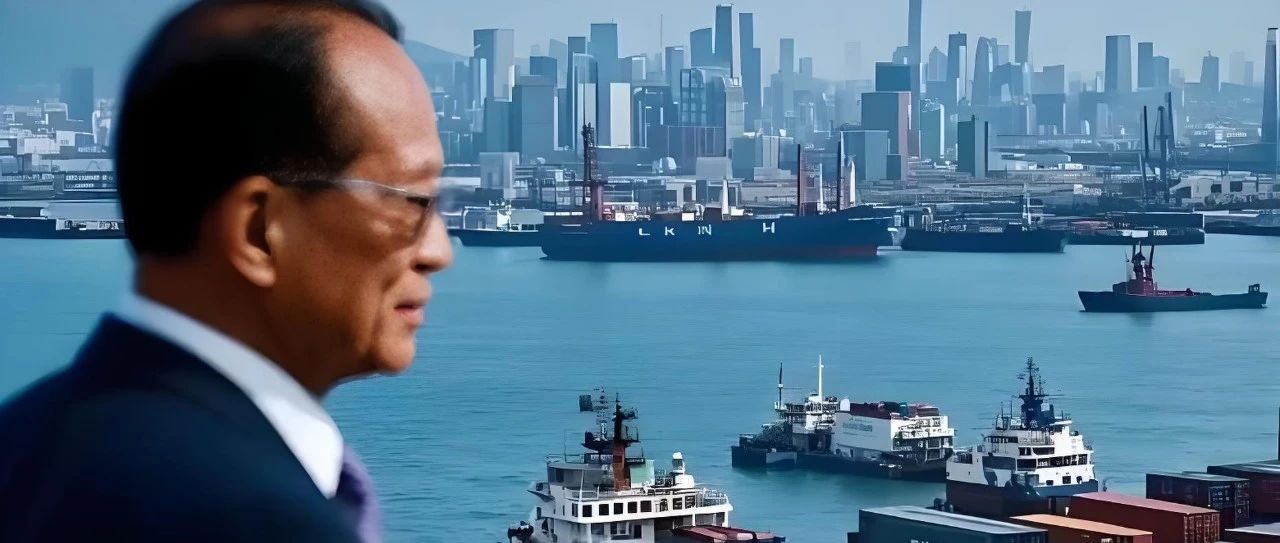
李嘉诚“浪子回头”
阿尔法工场研究院· 2025-07-31 00:07
Core Viewpoint - The sale of Li Ka-shing's global port assets to a US consortium, with the involvement of Chinese state-owned enterprises, is seen as a potential win-win situation for all parties involved, balancing interests and maximizing profits [4][9][10]. Group 1: Transaction Details - On July 28, 2023, Cheung Kong Holdings announced plans to invite major mainland Chinese strategic investors to join the sale of its port assets, emphasizing that no transactions would occur without regulatory approvals [4]. - The deal involves the sale of 80% of Cheung Kong's port assets and 90% of its Panama port company, expected to generate $19 billion in cash for the company [7][9]. - The consortium led by BlackRock and Italian shipping magnate Gianluigi Aponte's "Port Investment Company" was initially in exclusive negotiations, but the entry of China Ocean Shipping Group (COSCO) has changed the dynamics of the deal [7][9]. Group 2: Strategic Implications - COSCO, ranked 39th in the latest State-owned Assets Supervision and Administration Commission (SASAC) list, has a fleet capacity of 130 million deadweight tons and operates 58 terminals globally, indicating its capability to handle such a significant acquisition [4][5]. - The involvement of a strong mainland investor like COSCO is seen as a way to facilitate the transaction and secure strategic assets, which aligns with the responsibilities of state-owned enterprises [9][10]. - The deal's structure allows for negotiation on control rights, with COSCO seeking veto power over key decisions, reflecting the complexities of international asset acquisitions [10]. Group 3: Historical Context and Business Strategy - Li Ka-shing's history with port operations dates back to his acquisition of significant stakes in Hutchison Whampoa, which included the Hong Kong International Terminals, establishing his reputation in the port industry [14][15]. - The port business has been a core asset for Li Ka-shing, with a global presence in 53 ports across 24 countries, but the complexity and lower revenue contribution compared to other sectors have prompted the decision to sell [20][23]. - The sale reflects a strategic shift, as the port operations have become less aligned with the company's overall revenue generation, which is dominated by telecommunications, retail, and infrastructure [23].
第三家汽车央企落地重庆,世界级汽车集团目标有多大?
阿尔法工场研究院· 2025-07-31 00:07
Core Viewpoint - The establishment of China Changan Automobile Group marks a significant development in the automotive industry, positioning it as a new central enterprise directly supervised by the State-owned Assets Supervision and Administration Commission (SASAC) [4][6][12]. Group 1: Company Formation and Structure - China Changan Automobile Group Co., Ltd. was officially registered in Chongqing on July 27, 2025, with a registered capital of 20 billion yuan, and is led by Zhu Huarong [4][11]. - The new group is formed from the split of Chongqing Changan Automobile Co., Ltd., which was previously a subsidiary of China Ordnance Industry Group [6][13]. - The group includes various business segments, such as Chongqing Changan Automobile Co., Ltd. and Chanzhi Automobile Technology Group Co., Ltd., focusing on vehicle manufacturing and parts supply [13][14]. Group 2: Strategic Importance and Market Position - The establishment of the new central enterprise aims to enhance the competitiveness of China's automotive industry, particularly in the smart and connected electric vehicle sector [6][21]. - The group is expected to leverage its resources and policy advantages to accelerate sales growth, especially in the rapidly expanding new energy vehicle market [32]. Group 3: Performance Metrics - In the first half of the year, Changan Automobile achieved a total sales volume of 1.3553 million units, a year-on-year increase of 1.59%, with new energy vehicle sales reaching 451,700 units, up 49% [31][30].

爱康国宾董事长官宣了:别指望几百块体检什么都能查
阿尔法工场研究院· 2025-07-31 00:07
Core Viewpoint - The statements made by Zhang Ligang, founder and CEO of Aikang Guobin, reflect a troubling attitude towards the quality of medical testing services, suggesting that lower-priced health checks inherently come with risks and potential errors, which undermines consumer trust and the company's responsibility [1][2][3]. Group 1: Company Responsibility and Consumer Trust - Aikang Guobin's management appears to be evading accountability by linking service quality directly to pricing, which diverts attention from critical issues such as quality control processes and the company's internal management mechanisms [2][4]. - The company's response to public outrage has exacerbated the crisis, revealing a lack of empathy and understanding towards consumer concerns, which has led to a significant erosion of trust in both the company and the broader health check industry [4][5]. - The public's demand for genuine accountability and respect from health service providers is clear, indicating that superficial apologies and evasive rhetoric will not suffice in rebuilding trust [5]. Group 2: Industry Implications - The comments made by Aikang Guobin's leadership have not only damaged the company's reputation but have also cast a shadow over the entire health check industry, leading to a collective loss of public trust [4][5]. - The industry faces a critical challenge as the perception of health checks being equated to mere financial transactions undermines the fundamental value of health services, which should prioritize consumer well-being over profit [5].

8亿美元买飞机、2亿美元买高尔夫球杆,LVMH在高奢圈杀疯了
阿尔法工场研究院· 2025-07-31 00:07
Core Viewpoint - L Catterton, a private equity firm under LVMH, has acquired a majority stake in L.A.B. Golf for over $200 million, highlighting the growing demand for innovative golf equipment and the potential for significant sales growth in the coming years [4][5]. Group 1: Company Overview - L.A.B. Golf started as a small company selling unique putters from a trailer and has become one of the hottest startups in the golf industry [4]. - The company’s name stands for "Lie Angle Balance," and its patented technology aims to eliminate torque, making putting easier for golfers [4]. - L.A.B. putters are known for their distinctive design, featuring various screws on the bottom that enhance balance and appeal to professional players [4]. Group 2: Market Performance - Following a notable win by golfer J.J. Spaun using L.A.B. putters, demand surged among amateur players, with the company selling approximately 130,000 putters last year [5]. - Sales are projected to triple by 2025, indicating strong market potential [5]. - The starting price for L.A.B. putters is $399, with custom modifications potentially exceeding $1,000 [5]. Group 3: Investment Context - L Catterton has a diverse investment portfolio that includes brands like Birkenstock, RH, and Peloton, as well as recent investments in Flexjet and Solidcore [6]. - The firm’s acquisition of L.A.B. Golf aligns with its strategy to invest in consumer brands with high growth potential [6].

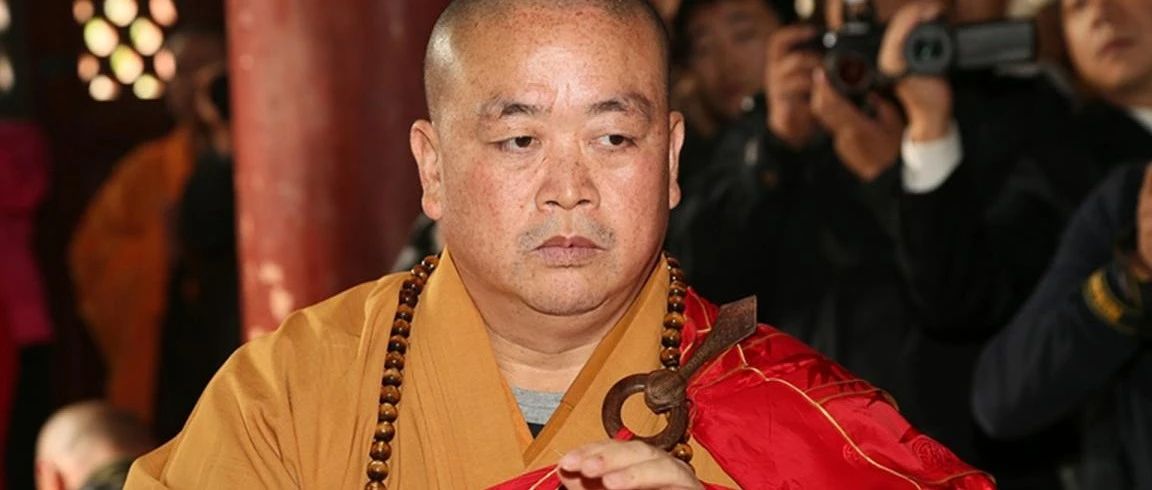
“佛门CEO”释永信的商业版图究竟有多大?
阿尔法工场研究院· 2025-07-30 00:57
Core Viewpoint - The article discusses the commercialization of Shaolin Temple under the leadership of Abbot Shi Yongxin, highlighting both the successes and controversies surrounding this transformation [3][10][25]. Group 1: Background and Leadership - Shi Yongxin has been the abbot of Shaolin Temple for 26 years, transforming it from a dilapidated site into a multi-industry commercial empire spanning culture, tourism, film, and food [10][14]. - The temple's commercialization began with Shi Yongxin's recognition of the importance of brand protection, leading to the establishment of the first company in the Chinese Buddhist community in 1997 [14][19]. Group 2: Commercialization Strategies - Shaolin Temple has developed a diverse range of revenue streams, including cultural tourism, knowledge property operations, and health industries, creating a unique "religion + business" model [19][21]. - The temple's tourism revenue was significant, with ticket sales and related experiences generating over 12 billion yuan in 2019, driven by peak visitor numbers of 4.2 million [20][21]. - The establishment of the Henan Shaolin Intangible Asset Management Company in 2008 became a core platform for managing the temple's commercial activities [16][19]. Group 3: Controversies and Challenges - The commercialization has led to public scrutiny regarding the temple's spiritual integrity, with rising ticket prices and significant investments in commercial real estate raising questions about its original purpose [25][26]. - Allegations against Shi Yongxin include improper relationships and financial misconduct, which have sparked investigations and public debate about the temple's direction [4][25][26]. - The temple's expansion into real estate and high-profile projects, such as plans for hotels and golf courses, has further fueled criticism regarding the blending of faith and profit [26][28].
港股通 ETF 基金研究报告
阿尔法工场研究院· 2025-07-30 00:57
Conclusion Overview - The current Hong Kong Stock Connect ETF market shows significant differences among various funds in terms of scale, index tracking, investment strategies, and management fees. The Fuqun CSI Hong Kong Stock Connect Internet ETF stands out due to its scale advantage and liquidity, making it a popular choice for investors in the Hong Kong internet sector. In the innovative drug sector, the E Fund Hang Seng Hong Kong Stock Connect Innovative Drug ETF demonstrates clear advantages in index tracking accuracy and understanding of industry trends, offering considerable return potential despite some volatility. Investors can select suitable investment targets based on their risk preferences and investment goals [2]. Top Ten Fund Scale - The largest Hong Kong Stock Connect Internet ETF has a scale of 59.272 billion [4]. - Institutional investors hold a high proportion of shares, reaching 96.66%, indicating strong professional recognition of its investment value [4]. - The fund targets internet companies in the Hong Kong Stock Connect market, allowing investment without occupying QDII quotas, alleviating concerns about quota restrictions [4]. Fund Advantages and Disadvantages Fuqun CSI Hong Kong Stock Connect Internet ETF - Advantages: - Rapid scale growth, increasing by over 14 billion this year, nearly tripling since the beginning of the year [7]. - Diverse component stocks, including some pharmaceutical companies, which mitigates single-industry risk [7]. - High institutional investor preference, with 98.10% of shares held by institutions, mainly insurance funds and corporate annuities [7]. - Disadvantages: - Industry concentration risk due to heavy focus on the internet sector, which may significantly impact net value during systemic risks [5]. - Tracking error may occur during extreme market volatility, despite overall good tracking performance [5]. Other ETFs - The ICBC National Index Hong Kong Stock Connect Technology ETF has advantages such as rapid scale growth and good liquidity, but faces high competition and market risk sensitivity [9][10]. - The GF CSI Hong Kong Stock Connect Non-Bank Financial Theme ETF focuses on unique sectors like securities and insurance, showing significant growth potential [11]. However, it is subject to policy risks and market volatility [12][13]. - The Huatai-PineBridge Hong Kong Stock Connect 50 ETF benefits from high-quality component stocks and management experience but is sensitive to market fluctuations [21][22]. - The GF CSI Hong Kong Stock Connect Pharmaceutical and Health ETF focuses on the pharmaceutical sector, showing rapid growth and stability, but faces regulatory and R&D risks [26][27]. Summary Points 1. Industry Distribution and Risk Diversification: Different funds exhibit significant differences in industry distribution. For instance, the Fuqun CSI Hong Kong Stock Connect Internet ETF is concentrated in the internet sector, while the ICBC National Index Hong Kong Stock Connect Technology ETF includes technology and pharmaceutical sectors, offering better risk diversification [28]. 2. Performance and Scale Growth: The E Fund Hang Seng Hong Kong Stock Connect Innovative Drug ETF has achieved outstanding performance with a net return of 99.05% this year, while the E Fund Hang Seng Hong Kong Stock Connect Innovative Drug ETF shows long-term growth potential despite short-term volatility [28]. 3. Index Tracking and Investment Strategy: Each fund closely tracks different indices, such as the CSI Hong Kong Stock Connect Internet Index and the National Index Hong Kong Stock Connect Technology Index. Investors should choose funds that align with their preferred sectors and clear investment strategies [28]. 4. Institutional Recognition and Management Experience: Many top-scale funds have received high recognition from institutional investors, such as those under Fuqun and ICBC. Additionally, funds managed by experienced companies tend to have advantages in index tracking and investment management, enhancing operational efficiency and returns [28]. Overall Consideration - Investors should comprehensively evaluate various factors when selecting Hong Kong Stock Connect ETFs, aligning their choices with investment goals, risk preferences, and investment horizons to build a reasonable investment portfolio for stable asset appreciation [29].
聊聊「中国单价地王」。︱刘德科
阿尔法工场研究院· 2025-07-30 00:57
Core Viewpoint - The article discusses the recent emergence of a record land price in Shanghai, highlighting the factors influencing high land prices and the implications for the real estate market in China [2][4]. Group 1: Land Price Dynamics - A new record land price of 200,300 RMB per square meter was established in Shanghai, attributed to its prime location near Hengshan Road [2]. - Land prices are determined by three main factors: location, plot ratio, and land use type. The high price is due to the land being residential in a super core area with a low plot ratio of 1.3, making it particularly rare [2][3]. - The land was acquired by a private enterprise, the family of Ye Huabiao, for a total price of 1.225 billion RMB, outbidding state-owned enterprises [3]. Group 2: Future Implications - The small size of the land (4,705.49 square meters) and its low plot ratio means it can only accommodate a few units, but it may be developed into a spacious estate for personal use by the owner [3]. - The rarity of such "mini land" parcels in prime locations could significantly increase their value over time, especially if the owner decides to sell in the future [3]. - The trend of individuals purchasing land to build their own homes reflects a growing desire for personalized living spaces, which is seen as a form of "emotional economy" in the real estate market [3]. Group 3: Market Outlook - The article suggests that as long as China's economy continues to grow and urbanization progresses, there will be sustained demand for housing improvement and upgrades, indicating that the real estate market has not yet reached its peak [4]. - Comparisons are made with other major cities, noting that Shanghai has yet to see residential prices exceed 1 million RMB per square meter, unlike New York and London [4].

亏掉200亿、跑了5个副总,千亿信达澳亚还能买吗?
阿尔法工场研究院· 2025-07-30 00:57
Core Viewpoint - The article discusses the challenges faced by Xinda Australia Fund, highlighting significant losses for investors while the fund management continues to earn substantial management fees. The frequent turnover of senior management and poor fund performance are central issues affecting the company's reputation and investor confidence [4][30][37]. Group 1: Management Changes - Xinda Australia Fund has experienced significant turnover in its senior management, with five vice presidents leaving in just one year, including the upcoming departure of Vice President Wang Jianhua [10][12]. - Wang Jianhua's tenure as a fund manager has been marked by poor performance, with all three funds he managed recording losses, the largest being a 37% decline [5][14]. - The instability in management is seen as detrimental to the company's operational effectiveness and team cohesion [9]. Group 2: Fund Performance - Over the past three years, Xinda Australia Fund has incurred losses exceeding 20 billion yuan for investors, while the company has collected over 2 billion yuan in management fees [6][30]. - Wang Jianhua's managed funds have shown significant declines, with total returns of -20.24%, -36.93%, and -7.22% for different funds [14][30]. - The overall performance of the fund has led to a drastic reduction in assets under management, with the scale dropping from 420 billion yuan at its peak to approximately 137.45 billion yuan by the end of 2024 [36]. Group 3: Financial Performance - The company's revenue has been on a downward trend for three consecutive years, with reported revenues of 1.067 billion yuan in 2022, 937 million yuan in 2023, and 644 million yuan in 2024 [33]. - Despite the losses incurred by investors, the management fee income for Xinda Australia Fund has remained high, with estimates suggesting it exceeded 2.6 billion yuan over the past three years [30][33]. - The management fee income accounted for 99% of the company's total revenue in 2024, indicating a reliance on fees rather than performance [33]. Group 4: Market Outlook - The article questions whether Xinda Australia Fund can leverage the recent market recovery to improve its performance and regain investor trust [38]. - The company is facing challenges in retaining talent and maintaining a strong product lineup, which could hinder its ability to compete effectively in the market [37].