猛兽派选股

Search documents
投机最重要的事
猛兽派选股· 2025-12-04 09:35
Group 1 - The core viewpoint emphasizes the importance of three key strategies: understanding market trends, anchoring investment decisions, and analyzing volume and price movements [1] Group 2 - The first strategy, "明势" (Understanding Market Trends), is noted as being well-executed by the company [1] - The second strategy, "锚定" (Anchoring), requires further improvement, with a target to reduce the number of trading targets to 10 per year, aiming for a hit rate of over 50% with significant price increases [1] - The third strategy, "量价" (Volume and Price Analysis), is considered the easiest but has a short effectiveness period, making it challenging to solely rely on volume and price structures to identify high-potential stocks [1]


不同的生态
猛兽派选股· 2025-12-03 06:08
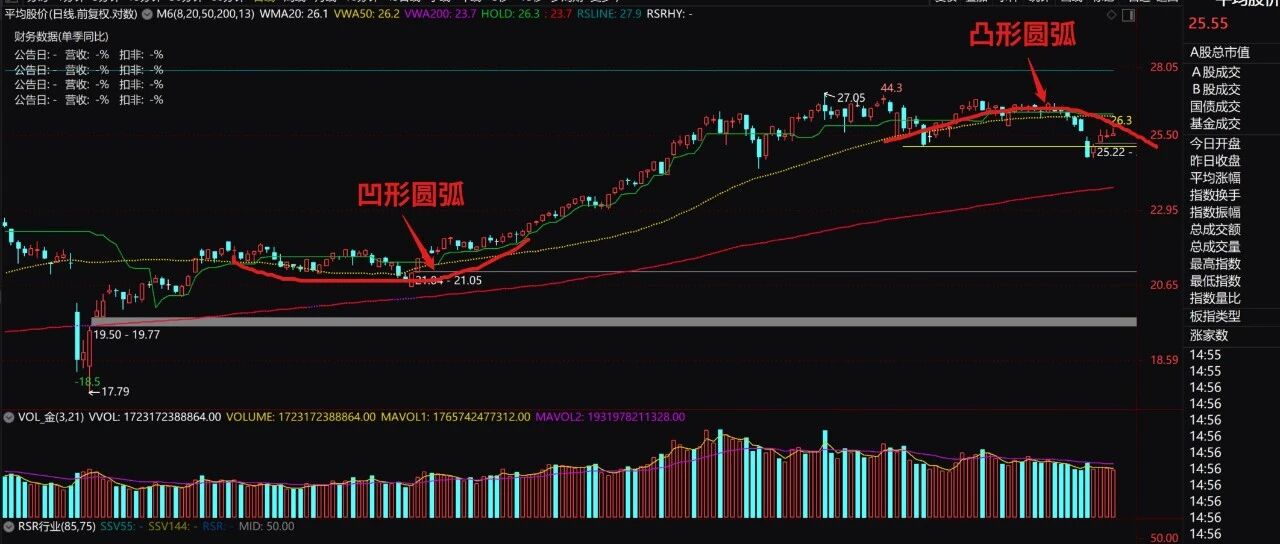
Group 1 - The article discusses the characteristics of the "游资生态" (speculative capital ecosystem), highlighting its features such as high turnover and poor performance, which are typical in small-cap stocks [1] - It emphasizes the distinction between the speculative capital ecosystem and the institutional ecosystem, noting that they are almost completely isolated from each other [1] - The author suggests that the current market is still undergoing adjustments and that it is premature to conclude which new main lines will emerge, as significant rebounds often occur after major market drops [1] Group 2 - The article advises a slow thinking approach when analyzing institutional information, referencing Daniel Kahneman's book "Thinking, Fast and Slow" to illustrate the common psychological traps investors fall into [2] - It points out that the market is currently experiencing a serious adjustment, indicating that it has not yet exited the adjustment framework [2] - The author describes the market's behavior as a "danger signal," with a continuous decrease in volume during convex reversals, suggesting a potential risk for investors [2]

等什么
猛兽派选股· 2025-12-02 05:20
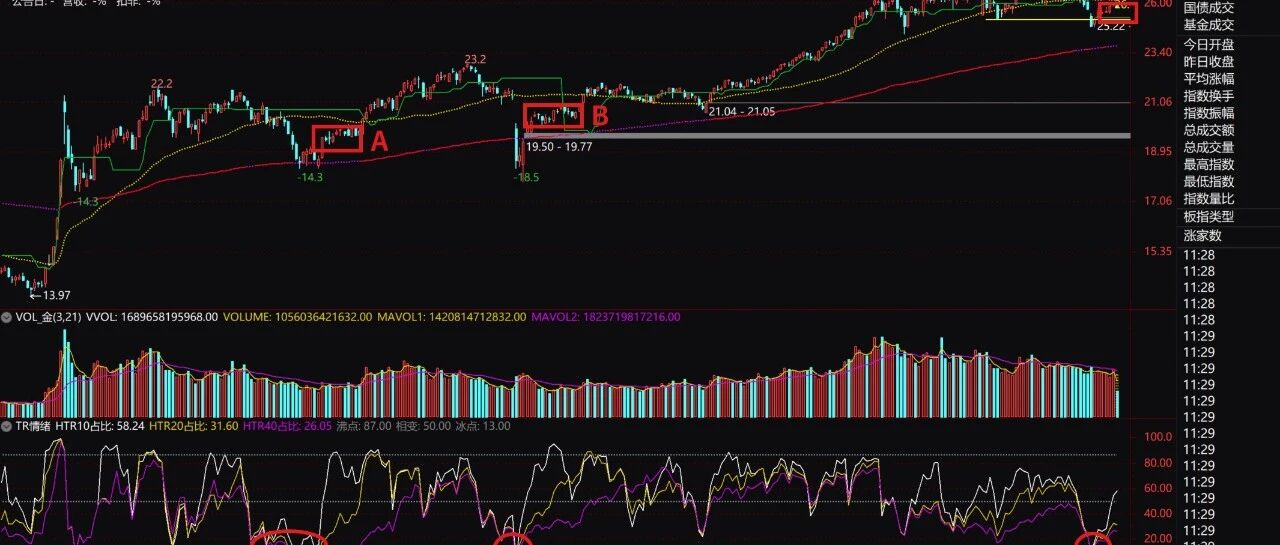
Group 1 - The market is currently experiencing a local rebound, but true trend speculators are cautious about entering positions at this time due to the pressure from the 50-day moving average [1] - The next main theme in the market is still uncertain, although some clues have emerged [2] - There are two potential scenarios for the market: one is a gradual consolidation followed by an upward breakout, which would require a significant increase in trading volume to confirm; the other is a continued pullback approaching or breaking previous lows, potentially forming a double bottom [3] Group 2 - Technical indicators are statistical characteristics that provide objective reference points but cannot replace systematic construction and analysis; many misunderstand technical analysis as merely chart reading [3] - Different technical analysis methods have their strengths, such as volume-price patterns excelling in emotional and behavioral logic reasoning, while the RSI indicator is better at quantifying momentum [4] - A robust trading system requires a comprehensive approach, selecting the best methods for each aspect and understanding the fundamental principles behind them [4]
为量化辩护
猛兽派选股· 2025-12-01 08:38
Core Viewpoint - The article discusses two main issues highlighted by Professor Liu Jipeng: the reduction of shareholding by major shareholders and quantitative trading, with a focus on the first issue. [1] Group 1: Advantages of Quantitative Trading - Quantitative trading has two notable advantages in the current market performance: it suppresses speculative trading on junk stocks through speed and is adept at identifying growth trends with greater precision. [1] - These advantages suggest that the A-share market may be moving away from a chaotic phase, aligning more closely with the development trajectory of Western stock markets. [1] Group 2: Human vs. Quantitative Strategies - In terms of short-term strategies and reaction speed, quantitative trading possesses unmatched advantages over human traders. [1] - However, for medium to long-term strategies, humans or hybrid approaches (combining human and algorithmic insights) currently demonstrate superior capabilities. [1] - Individual speculators lacking knowledge and long-term training are likely to incur losses, a trend that has been consistent over time and is independent of quantitative trading. [1]

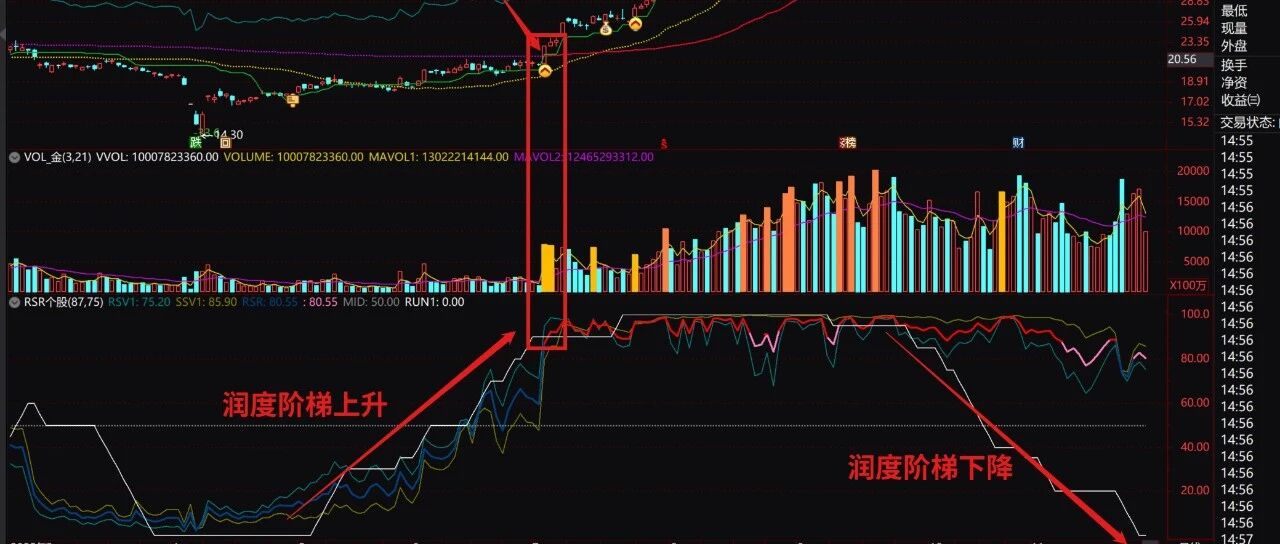
润者顺也,评价股票走势的润度
猛兽派选股· 2025-11-30 00:28
Core Viewpoint - The article introduces a quantitative indicator called "润度" (Luster) to evaluate stock chart aesthetics, complementing existing qualitative principles related to stock performance and volatility [1]. Group 1: Principles of Chart Aesthetics - Advanced chart patterns should not easily breach the TR holding line, indicating minimal drawdown [1]. - High-quality stocks should not frequently exhibit long upper and lower shadows, suggesting fewer price fluctuations [1]. Group 2: Introduction of Luster Indicator - The Luster indicator is compared to the contours of a person's features, emphasizing the quality of price movements beyond just intensity [1]. - The article presents a visual representation of the Luster indicator alongside the intensity indicator, highlighting its significance in assessing stock performance [1]. Group 3: Implications of Luster and Intensity Indicators - A dual assessment using both intensity and Luster indicators can provide guidance on the potential of pivot points [1]. - When both Luster and intensity indicators maintain high levels, it suggests a favorable trend, indicating that holding the stock is advisable [1]. - If stock prices continue to reach new highs while the Luster indicator begins to decline, it signals a deterioration in trend quality, indicating potential risks [1].
分时图叠加市场表现主图指标(2)
猛兽派选股· 2025-11-29 03:03
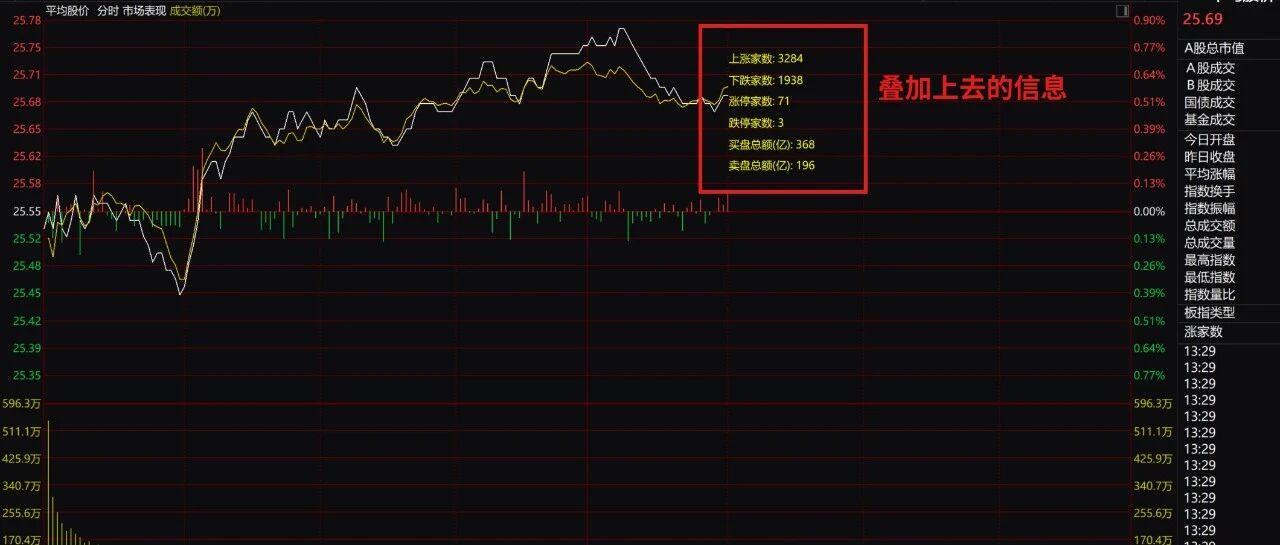
Group 1 - The article discusses the implementation of a market performance indicator that overlays real-time data on stock price charts, aiming to enhance the visualization of market dynamics [1] - There is a suggestion to incorporate sector information into the analysis, although the author expresses uncertainty about the specifics of sector information and believes it should be a separate topic of study [4] - The article mentions the importance of understanding sector rankings, indicating that metrics like RSR or RPS can provide insights into sector performance rankings, with specific examples of how to interpret these values [4] Group 2 - The author reflects on the mindset of older investors in the stock market, emphasizing that age should not influence one's approach to investing, as the market rewards performance rather than age [4]
分时图叠加市场表现主图指标
猛兽派选股· 2025-11-28 05:51
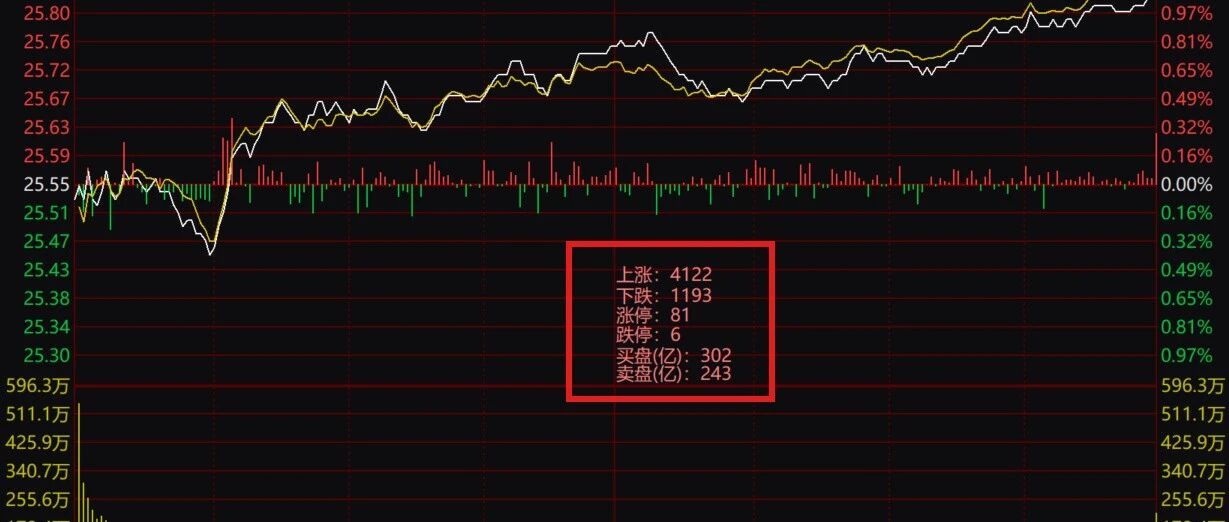
Core Viewpoint - The article discusses the integration of real-time market data into intraday charts, enhancing the analysis of market trends and trading opportunities. Group 1: Market Data Integration - The article introduces a method to overlay six key data points on intraday charts, including the number of stocks rising, falling, hitting the upper limit, hitting the lower limit, total buy orders, and total sell orders [2][3]. - For users with LEVEL2 data, additional metrics such as the top 10 buy/sell orders and total transaction amounts can be included, allowing for minute-by-minute observation of market changes [2]. Group 2: Technical Implementation - The coding for the indicators is relatively straightforward, utilizing built-in functions from the Tongda Xin platform to extract necessary market data [3][4]. - Once the indicators are set up, they can be easily applied to the market index's intraday chart through a right-click menu option [6].
点名表扬
猛兽派选股· 2025-11-27 08:20
Group 1 - The current market situation shows limited opportunities, with recent rebounds being temporary and not indicative of a sustained trend [1][3] - The 50-day moving average serves as a resistance level, indicating potential risks for investors who are not agile enough to react quickly [1][3] - The market lacks clear main themes, suggesting that during unfavorable conditions, it is advisable to focus on learning and reflection rather than making impulsive trades [3] Group 2 - The age distribution of investors shows that 35.43% are aged 46 to 60, 32.23% are aged 36 to 45, and 22.94% are aged 26 to 35, indicating a mature investor demographic [5]
2025年AI应用适配和生产力提升分析报告
猛兽派选股· 2025-11-26 04:23
Research Background and Objectives - The year 2025 is defined as the "AI Intelligent Body Year," marking a critical turning point for AI technology from laboratory to large-scale commercial application, driven by policy support, technological breakthroughs, and market demand [2] - AI applications are reshaping productivity across industries, with an expected return on investment of 18% for Chinese enterprises by 2025, potentially doubling to 34% in the following two years, surpassing the global average [2] - The research focuses on seven core areas of AI application, including intelligent coding and development, customer service automation, office and content generation, intelligent manufacturing, AI computing power support, financial risk control, and the gaming industry, providing actionable decision-making references for enterprises and investors [2] Core Directions of AI Application Intelligent Coding and Development - Intelligent coding and development is one of the most adapted and effective areas for AI application, with a predicted 90% of enterprise software engineers using AI code assistants by 2028, up from less than 14% in early 2024 [3] - Mainstream AI coding tools have evolved from simple code completion to comprehensive task planning, with GitHub Copilot X and domestic tools like Tongyi Lingma 2.5 leading the way [4] - AI coding tools have been shown to increase developer productivity by 20-40%, with task completion rates rising by approximately 21% and pull request creation increasing by 98% [5] Customer Service and Ticket Automation - Customer service and ticket automation is one of the most mature areas for AI application, with 80% of companies expected to adopt AI chatbots by 2025, and 95% of AI users reporting significant cost and time savings [7] - Modern AI customer service systems have advanced to include deep semantic understanding, enabling complex multi-turn interactions and efficient ticket processing [8] - AI can reduce consultation volume by up to 70%, with processing times shortened by approximately 80%, leading to a 10-20% increase in agent productivity [9] Office and Content Generation - Office and content generation is the area with the lowest barriers to entry and the fastest adoption of AI applications, with AI office assistants reaching full maturity by 2025 [10] - Modern AI office tools, such as WPS AI, have evolved to include intelligent content generation, text optimization, and creative inspiration capabilities [11] - AI office assistants can significantly enhance efficiency, with PPT creation efficiency improving by over 80% and document generation being automated based on templates [12] Intelligent Manufacturing - The AI application in manufacturing is characterized by high technical barriers but offers significant value creation, with the market expected to reach $8.57 billion by 2025, a 44.2% increase from $5.94 billion in 2024 [13] - AI applications in manufacturing cover the entire production process, enhancing efficiency and quality control through predictive maintenance and real-time monitoring [17][18] AI Computing Power Support - The AI computing power support industry is one of the most certain and growth-oriented sectors within the AI application ecosystem, driven by the exponential demand for high-performance computing and advanced packaging [19] - Key components such as optical modules and high-density interconnect (HDI) PCBs are critical for AI server infrastructure, with significant advancements expected in the coming years [20][22] Financial Risk Control and Anti-Fraud - Financial risk control and anti-fraud represent areas with the highest compliance requirements and technical challenges, yet they offer direct value creation, with 78% of global enterprises reporting improved fraud detection through AI [24] - Modern AI financial risk systems have established multi-layered intelligent defense mechanisms, significantly enhancing fraud detection accuracy [24] Gaming Industry - The application of AI in the gaming industry has evolved from tool assistance to full-process integration, with 96% of game studios incorporating AI tools into their workflows [27] - AI has dramatically improved efficiency in content production, with development cycles reduced by up to 78.6% and operational efficiency increasing by 250% in some cases [31][32]

该什么时候启动逆向思维
猛兽派选股· 2025-11-24 16:01
Group 1 - The core idea of the article emphasizes the importance of contrarian thinking, risk management, and market cycles, particularly during momentum divergence phases [1] - Contrarian thinking is linked to market cycles, suggesting that events will eventually reverse at certain stages, and it is crucial to think in reverse without doing so arbitrarily [1] - The current market situation shows signs of momentum divergence, with a peak divergence observed in September at the 60-minute level, followed by a daily level divergence, indicating a waning enthusiasm for buying despite new highs in stock prices [1][2] Group 2 - The article highlights the human tendency to ignore market cycle changes, as many investors remain optimistic even after significant market breaks, demonstrating a reluctance to acknowledge turning points [4] - The appropriate time to consider bullish positions again will be when a 60-minute level momentum bottom divergence occurs, which is currently not evident [4] - Investors are advised to wait for the occurrence of a 60-minute level divergence, as extreme pessimism among the crowd may signal a good opportunity to start buying [6]