创业邦

Search documents
从玩具到工具,3D打印迎来“iPhone时刻”
创业邦· 2026-01-15 10:15
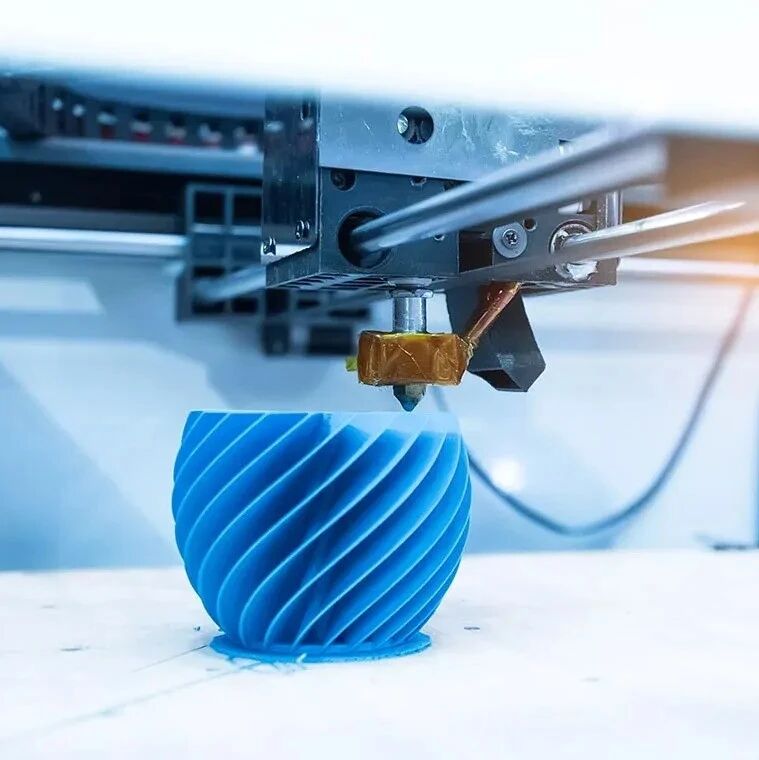
Core Viewpoint - The consumer-grade 3D printing market is experiencing a significant transformation, moving from a niche hobbyist tool to a mainstream creative platform, driven by technological advancements and changing consumer demands [6][12][30]. Market Dynamics - The production of 3D printing equipment has seen substantial growth, with a year-on-year increase of 44.9% in Q1, 60.7% in April, and 40% in May, surpassing growth rates of industrial robots (35.5%) and new energy vehicles (31.7%) [8]. - In the first eleven months of 2025, China exported 4.48 million 3D printers, marking a 29.6% increase, with over 99% being desktop models, establishing China as the largest producer of desktop 3D printers globally [9]. Demand Shift - The demand for 3D printers has shifted from functional manufacturing tools to new production tools that cater to personalized creative expression, as exemplified by the popularity of the "LABUBU" toy, which led consumers to turn to 3D printing for customization [12][15]. - The emergence of "3D printing farms" has facilitated small-batch, customized production, demonstrating the commercial viability and market demand for consumer-grade 3D printing [14][15]. Technological and Capital Drivers - Advances in generative AI have lowered the barrier to entry for 3D printing, allowing users to create models through simple text descriptions or images, significantly reducing the design cycle [17]. - The 3D printing sector has seen a surge in investment, with approximately 100 financing events in 2025, totaling around 8.4 billion yuan, a 115.4% increase year-on-year, indicating a historic turning point for the industry [20][22]. Future Landscape - The competition in the 3D printing industry is shifting from hardware specifications to ecosystem development, where companies must create a closed-loop ecosystem that integrates creativity, design, model sharing, material supply, and user interaction [26][29]. - Companies are transitioning from selling equipment to offering a comprehensive creative experience, which is expected to drive the adoption of 3D printing across various sectors, including consumer electronics, home decor, and personalized fashion [30][31].

北京绝对领先,苏州杀入前四!AI企业超3成,超70%已出海欧洲丨2025创业邦100未来独角兽荣耀发布
创业邦· 2026-01-15 10:15
Core Insights - The article emphasizes the emergence of "future unicorns," companies that are on the verge of significant growth and transformation, rather than focusing solely on established unicorns [2] - The "Entrepreneurship 100" list aims to identify businesses that will drive commercial change over the next 3-5 years, having supported 1,295 high-growth companies over 16 years, with 191 achieving unicorn status [2] - The 2025 list reveals a surge in AI companies, with a 52% year-on-year increase, and highlights that 70% of the listed companies have achieved global expansion [2] Group 1: Market Trends - The average valuation of the listed companies is 2.571 billion yuan, with 61% having completed five or more funding rounds [25] - 95% of the companies have initiated international expansion, with 72% entering the European market [21][22] - The AI sector has seen a significant increase, with 35 companies listed, marking a 52% growth from the previous year [16] Group 2: Commercialization and Financial Performance - 83% of the products from the listed companies have been launched, with 51% having completed the full cycle from listing to scaling [18] - 93% of the companies have started monetizing their products, with 50% experiencing rapid revenue growth [18] - The total historical financing for the listed companies amounts to 64.41 billion yuan, with an average of 5.5 funding rounds per company [25] Group 3: Investment Landscape - The proportion of companies in the A-round funding stage has increased to 40%, with 92 companies completing new funding rounds [27] - Shunxi Fund has emerged as the top investor, backing 15 companies, followed by several other prominent funds [27][29] - The distribution of valuations shows that 33 companies have valuations exceeding 3 billion yuan, with 4 nearing unicorn status at 6 billion yuan or more [25]

英伟达还是放不下自动驾驶
创业邦· 2026-01-15 03:29
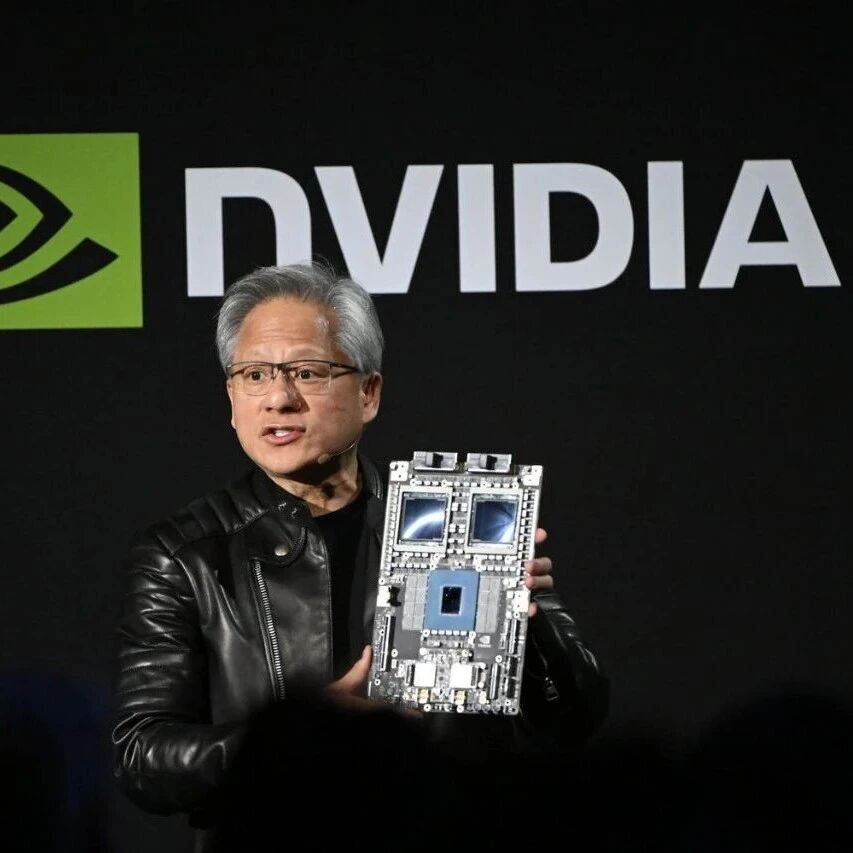
Core Viewpoint - Nvidia is launching a comprehensive offensive in the autonomous driving sector with its open-source VLA model, Alpamayo, which aims to enhance decision-making capabilities in vehicles while providing a robust framework for car manufacturers to develop their own solutions [5][8][10]. Group 1: Nvidia's Innovations - The VLA model (Vision-Language-Action) transforms sensor data into language and symbols, allowing for better decision-making in autonomous driving, thus avoiding the "black box" issue prevalent in previous models [7][9]. - Alpamayo is the first open-source VLA model, enabling car manufacturers to customize it based on their data and requirements, effectively lowering development barriers while ensuring algorithmic differentiation [10][22]. - Alongside Alpamayo, Nvidia provides a simulation framework (AlpaSim) and a dataset (Physical AI) with over 1727 hours of driving data, creating a comprehensive toolkit for developers [11][13]. Group 2: Competitive Landscape - Other companies, including Xiaopeng and Li Auto, are also developing VLA models, indicating a competitive rush in the autonomous driving technology space [9][10]. - Tesla's Full Self-Driving (FSD) system appears to adopt a similar VLA-like architecture, highlighting the competitive dynamics between Nvidia and Tesla in the autonomous driving market [9][10]. Group 3: Nvidia's Business Strategy - Nvidia's automotive business, while dominant in high-level autonomous driving, has not yet met revenue expectations compared to its data center market performance, indicating a need for strategic adjustments [15][20]. - The company aims to provide a "nanny service" approach, offering detailed guidelines and tools for car manufacturers to develop their own autonomous driving algorithms without Nvidia directly engaging in project execution [21][22]. - The strategy focuses on enhancing the richness of software toolkits while maintaining a distance from direct involvement in custom algorithm development, thus preserving Nvidia's core business model of selling standardized chips [22][24].

AI硬件投资:有人跟风,有人离场
创业邦· 2026-01-15 03:29
Core Viewpoint - The article discusses the current state of the AI hardware sector, highlighting the disparity between inflated valuations driven by investor enthusiasm and the actual market performance of products, suggesting a potential valuation bubble in the industry [3][10]. Group 1: Investment Trends - A recent shift in investor focus from AI hardware to traditional sectors like beauty indicates a growing skepticism about the sustainability of AI hardware startups [3]. - The "DJI system" has emerged as a focal point for venture capital, with startups founded by former DJI employees attracting significant investment due to their perceived engineering and supply chain capabilities [5][8]. - The trend of high valuations for startups with backgrounds in major tech companies is evident, with some teams achieving initial valuations of over $100 million despite lacking mature products [6][8]. Group 2: Market Dynamics - The AI hardware sector has seen a dramatic increase in funding, with over 379 billion yuan raised in the past year, a significant rise compared to previous years [9]. - Despite the influx of capital, many AI hardware projects are struggling with low sales and poor user retention, revealing a disconnect between investor expectations and market realities [9][10]. - The phenomenon of "valuation bubble" is highlighted, where the trust in founders' backgrounds leads to inflated valuations that do not align with actual product performance [8][10]. Group 3: Product Performance and Consumer Demand - Many AI hardware products are still in the prototype stage, with some companies failing to deliver on their ambitious promises, leading to disappointing user experiences [9][12]. - High return rates and negative consumer feedback indicate that the market is not ready for the products being offered, with some features being labeled as "false demand" [10][12]. - Successful examples like Plaud AI demonstrate that focusing on specific, high-frequency needs can lead to sustainable business models, contrasting with the broader, less defined narratives of many AI hardware startups [12][14]. Group 4: Future Outlook - The article suggests that as the initial excitement fades, only those startups that respect the realities of hardware development and focus on genuine consumer needs will survive [15]. - The current investment climate reflects a structural anxiety within capital markets, with differing strategies between RMB and USD funds complicating the landscape for hardware startups [14].

米哈游看中的90后,打造卡牌界泡泡玛特,冲刺IPO
创业邦· 2026-01-15 03:29
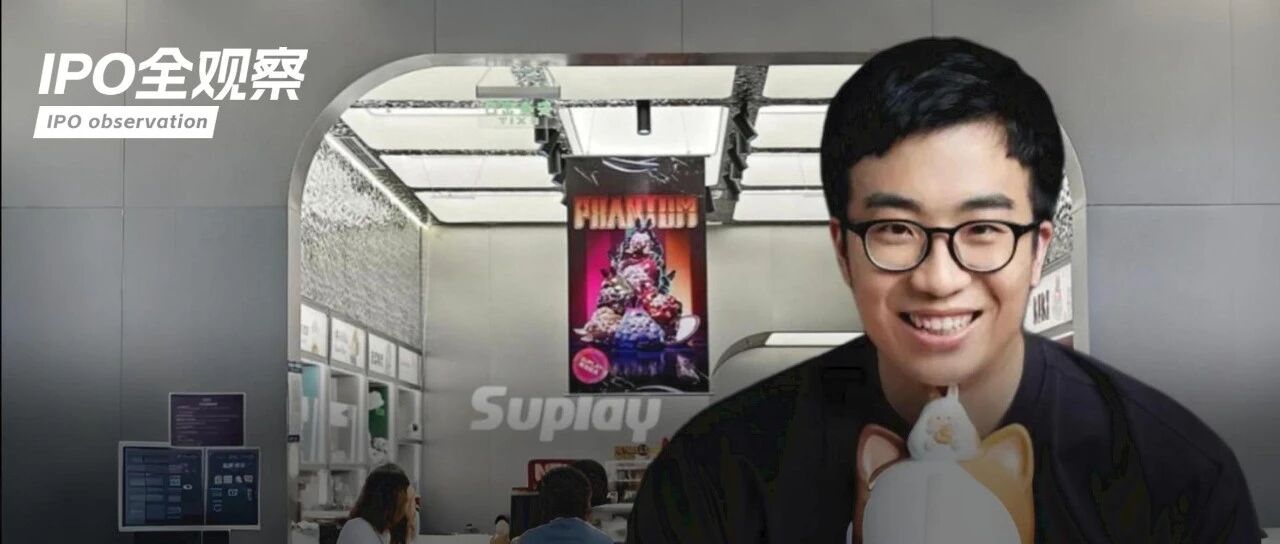
Core Viewpoint - Suplay aims to become the "first card stock" on the Hong Kong Stock Exchange, leveraging its unique market positioning and strong IP partnerships to drive significant revenue growth and profitability [3][4]. Financial Performance - Suplay's revenue is projected to grow from 150 million yuan in 2023 to 281 million yuan in 2024, representing a year-on-year increase of 92.5% [3][17]. - Net profit is expected to rise from 16 million yuan in 2023 to 64.8 million yuan in 2024, with an increase of over 300% [3][20]. - The gross margin for Suplay's collectible card business is close to 70% [4][20]. IP Dependency and Revenue Sources - 95% of Suplay's revenue comes from licensed IP products, with the top five IPs contributing 77.7% of total revenue [4][15]. - The company has established partnerships with 22 IP licensors, including exclusive collaborations with prominent brands like Disney and MiHoYo [15][18]. Market Positioning and Strategy - Suplay targets the adult collectible card market, with over 99% of its consumers aged 18 and above, positioning its products as "luxury items" [18][22]. - The company has developed a complete ecosystem for collectible cards, including design, production, and sales channels, enhancing its competitive edge [10][13]. Competitive Landscape - Suplay's main competitor, Hitcard, focuses on a mass-market approach with lower-priced cards aimed at children, while Suplay emphasizes high-end, limited-edition collectibles for adult collectors [22][24]. - Hitcard's revenue exceeded 10 billion yuan in 2024, significantly larger than Suplay's projected revenue of 281 million yuan [24].
Meta考虑年内将AI眼镜年产能翻番至2000万副;长八甲火箭成功发射卫星互联网低轨18组卫星丨智能制造日报
创业邦· 2026-01-15 03:29
Group 1 - The Long March 8A rocket's launch test process has been compressed to 18 days, with the team aiming for a target of "7 days launch, 7 days recovery" in the future [2] - Meta Platforms is considering doubling the annual production capacity of its AI smart glasses to 20 million units by the end of this year, with potential to exceed 30 million units if market conditions allow [2] - China's first underwater geological drilling and monitoring robot has been successfully developed, marking a significant breakthrough in deep-sea exploration and in-situ monitoring technology [2] Group 2 - SK Hynix has ordered new production equipment from Hanmi Semiconductor, potentially in preparation for the production of the next generation HBM4 products [2]

OpenAI据悉正在开发一款对标苹果AirPods的人工智能设备;智谱联合华为开源首个国产芯片训练的多模态SOTA模型丨AIGC日报
创业邦· 2026-01-15 00:26
Group 1 - OpenAI is reportedly developing an AI device to compete with Apple's AirPods, internally codenamed Sweetpea, with expectations for features like phone calls and audio playback [2] - Zhizhu and Huawei have open-sourced a new generation multimodal SOTA model, GLM-Image, which is the first to complete full training on domestic chips, with a cost of 0.1 yuan per image generation [2] - A new AI model named SleepFM, developed by researchers at Stanford University, can predict the risk of approximately 130 diseases based on sleep data, utilizing data from 65,000 participants [2] Group 2 - MiniMax has open-sourced a new evaluation set for Coding Agents called OctoCodingBench, revealing that while all models can achieve over 80% Check-level accuracy, Instance-level success rates are only between 10% and 30% [2]

估值9000万?“死了么”APP创始人:“没想过圈钱跑路”
创业邦· 2026-01-15 00:26
Core Insights - The article discusses the rapid growth and valuation of the "Did I Die?" app, which has seen user data increase by 500 times since its launch, leading to a company valuation of approximately 90 million [4][8][14] - The app addresses the growing trend of solitary living in China, with the number of single-person households projected to reach 123 million by 2024, reflecting a 5.2% year-on-year increase [7] - The founder expresses a commitment to developing the app into a comprehensive safety service for solitary individuals, inspired by the American app Life360, and emphasizes the importance of addressing real user needs [11][12][35] User Growth and Valuation - The app's user base has reportedly grown from 50 times to 300 times, and now stands at 500 times since its initial popularity surge [4] - The company's valuation has increased from 8 million to between 80 million and 90 million, with a plan to sell no more than 10% of shares [14] Market Context - The article highlights the increasing trend of solitary living in China, with significant implications for product development in the tech industry, particularly for applications targeting individual safety and well-being [7][35] - The founder notes that the app's pricing has increased from 1 yuan to 8 yuan, with potential future increases due to rising operational costs [11] Product Development and User Feedback - The app is set to undergo updates focusing on three core features: a check-in reminder, a shift from email to SMS notifications, and the addition of engaging content to enhance user experience [15] - The founder acknowledges the importance of user feedback and plans to incorporate suggestions while maintaining a simple product design [19][21] Competitive Landscape - The founder welcomes competition in the market, emphasizing the need to focus on user needs rather than being distracted by similar products [31] - The company aims to establish a unique position in the market through AI-driven safety features, which are not easily replicable [32] Future Aspirations - The company is considering expanding its operations to a more supportive entrepreneurial environment, such as Hangzhou, to facilitate further development [33] - The founder expresses a belief in the potential for innovation in the safety sector, particularly for solitary individuals, and aims to contribute positively to this growing market [34][36]

传一加手机CEO刘作虎在台湾遭通缉;携程回应“被立案调查”;字节正研发新一代豆包AI耳机,由歌尔股份代工;“死了么”APP征名丨邦早报
创业邦· 2026-01-15 00:26
Group 1 - Ctrip is under investigation by the State Administration for Market Regulation for alleged monopolistic behavior and will cooperate with regulatory requirements while maintaining normal business operations [3] - OnePlus founder Liu Zuohu is wanted in Taiwan for allegedly establishing a subsidiary without permission and illegally recruiting over 70 engineers, involving more than $70 million in funds [6] - Chasing Technology's founder Yu Hao announced the launch of a product to compete with Ctrip, aiming to reduce its market dominance [9] Group 2 - Baoneng Group's chairman Yao Zhenhua filed a complaint regarding the bankruptcy restructuring of Qoros Auto, alleging illegal operations leading to undervaluation of assets [10] - ByteDance is developing a new generation of AI headphones, which will be manufactured by GoerTek, with no plans for an IPO of the new headphones [12] - Baidu is considering upgrading its Hong Kong listing to a primary listing to increase exposure to mainland investors and prepare for potential unfavorable U.S. policies [12] Group 3 - Guangzhou Chali Group is addressing employee salary delays due to strategic missteps in its bottled tea business, while its core tea bag business remains operational [13] - Meta is discussing plans to double the annual production capacity of AI smart glasses to 20 million units by the end of the year [18] - Netflix is considering modifying acquisition terms for Warner Bros. Discovery, discussing an all-cash purchase of its film and streaming business [18] Group 4 - IDC forecasts that China's smartphone market will see a shipment of approximately 285 million units in 2025, with Huawei leading the market share [22] - The global in-app purchase revenue for short drama applications is expected to exceed $2.8 billion in 2025, marking a 116% year-on-year increase [22][23] - China's automotive production and sales are projected to reach historical highs in 2025, with over 34 million units produced and sold, driven by new energy vehicles [25]

200亿美元!马斯克用养老金盖了一座未来工厂,但被投诉扰民
创业邦· 2026-01-14 10:10
Core Viewpoint - The article discusses the financial implications and community impacts of AI data centers, particularly focusing on the Colossus supercomputer cluster by xAI in Memphis, Tennessee, highlighting the hidden risks associated with their financing structures and the burden on local communities [6][12][17]. Group 1: AI Data Centers and Financial Structures - Colossus is a supercomputer center with an initial power load of 150 megawatts and a planned total capacity exceeding 1.2 gigawatts, which is nearly 40% of Memphis's peak electricity demand [6]. - Tech companies like OpenAI and Meta are heavily investing in data centers, with OpenAI's planned computing power valued at $1.4 trillion, raising questions about the sources of funding for these "money-eating beasts" [6][12]. - The financing of data centers is structured through Special Purpose Vehicles (SPVs), allowing tech companies to offload significant expenditures from their balance sheets while securing long-term contracts and predictable cash flows [7][12]. Group 2: Community Impact and Local Economy - The construction of Colossus initially created thousands of jobs and increased local tax revenues, but the long-term effects include rising electricity prices and environmental concerns [7][17]. - By 2025, the average electricity price in Tennessee is projected to rise to 13.88 cents per kilowatt-hour, a 12% increase from the previous year, with wholesale prices in data center-heavy areas experiencing significant fluctuations [7]. - Local communities face challenges such as deteriorating water quality and increased noise and pollution from backup natural gas turbines, leading to health issues like rising asthma cases [17]. Group 3: Investment Trends and Risks - Over $120 billion has been raised for data center SPVs, with major tech companies like Meta, xAI, and Oracle participating in complex financing transactions [12]. - The financing model has evolved, with private credit markets becoming a primary source of funding, often involving pension funds and insurance companies seeking stable returns [10][13]. - The total borrowing by tech companies from private funds is expected to reach approximately $450 billion by the end of 2025, with a significant portion directed towards long-term project financing [13].