半导体芯闻

Search documents
甲骨文云计算业务逆袭
半导体芯闻· 2025-09-10 10:11
Core Viewpoint - Oracle has transitioned from being a latecomer in the cloud computing sector to a significant player, particularly in the AI domain, as evidenced by multiple multi-billion dollar contracts announced during its recent earnings call [2][3]. Group 1: Financial Performance and Contracts - In the quarter ending August 31, Oracle signed four multi-billion dollar contracts with three different clients, despite not meeting analyst expectations for the quarter [2]. - The company reported a total remaining performance obligation of $455 billion, indicating expected future revenue from contracts [2]. - CEO Safra Catz anticipates additional multi-billion dollar client signings in the coming months [2]. Group 2: AI and Market Positioning - Oracle is positioning itself as a key player not only in cloud computing but also in the AI competition, having secured significant cloud contracts with well-known AI companies such as OpenAI, xAI, Meta, Nvidia, and AMD [2][3]. - Co-founder Larry Ellison highlighted the company's focus on both the trillion-dollar training market and the AI inference market, which involves using trained AI models for various applications [3]. Group 3: Unique Advantages and Future Investments - Oracle's unique advantage in AI inference lies in its access to private data from numerous enterprises through its database, which enhances its AI inference services [3]. - The company is investing in AI agents, which are autonomous robots capable of performing tasks on behalf of humans, further increasing demand for AI inference [3].



不一样的展会,不一样的精彩!湾芯展邀您10月深圳共襄盛举
半导体芯闻· 2025-09-10 10:11
Core Viewpoint - The Bay Area Semiconductor Industry Ecosystem Expo 2025 (Bay Chip Expo 2025) will take place from October 15-17 at the Shenzhen Convention Center, focusing on the efficient integration of the entire semiconductor industry chain, with a core emphasis on wafer manufacturing [2][4]. Group 1: Event Overview - The expo will cover an exhibition area of 60,000 square meters, showcasing cutting-edge technologies and solutions from over 600 high-quality semiconductor companies, expected to attract more than 60,000 professional visitors [2][12]. - The event aims to create an "ecological display circle" that deeply connects key segments such as IC design, advanced packaging, and compound semiconductors, encompassing EDA/IP, semiconductor equipment, materials, core components, wafer manufacturing, and packaging testing [5][6]. Group 2: Industry Collaboration - The wafer manufacturing exhibition area is one of the largest, featuring top companies like ASML, AMAT, and Lam Research, showcasing their strengths and innovations in wafer manufacturing [8][16]. - The exhibition promotes a complete technical display matrix from "equipment - materials - manufacturing," facilitating the upgrade of the industry chain from "single-point innovation" to "systemic collaboration" [10]. Group 3: International Participation - The number of international exhibitors has increased by over 50% compared to previous years, indicating a significant enhancement in internationalization levels, driven by the vast prospects of the Chinese market [12][18]. - International companies will present cutting-edge technologies across the entire chip design, wafer manufacturing, and packaging testing chain, providing a valuable platform for domestic companies to engage in deep technical exchanges with global industry leaders [14][16]. Group 4: Ecosystem Development - The expo embodies an open and inclusive spirit of cooperation, evolving into a truly global semiconductor industry event, promoting a "win-win" ecosystem through mutual advantages and collaboration [16][20]. - The event aims to effectively integrate global semiconductor resources, deepen supply-demand connections, and foster collaborative innovation, achieving a balance between "display" and "empowerment" [16][20].

蚂蚁集团,大力投资半导体
半导体芯闻· 2025-09-10 10:11
Core Viewpoint - Ant Group is accelerating its semiconductor strategy through significant investments in key areas of the chip industry, highlighting its focus on new storage, network hardware, and edge computing as essential components of its "AI First" strategy and the establishment of a self-sufficient chip ecosystem [2][3]. Investment Activities - In the past week, Ant Group completed three major investments in the semiconductor sector, including stakes in Innostar Semi (ReRAM storage), YeZhiXin Technology (AI edge chips), and an increased stake in Clounix (high-end network chips) [2]. - In 2024, Ant Group participated in the B round financing of Metax Tech (AI chip manufacturer) and led a significant A3 round financing for MUCSE (security chips) [2]. Strategic Shift - The investments in 2025 mark a strategic shift for Ant Group, moving from a focus solely on cloud AI chips to a broader coverage of "infrastructure + frontier technology + edge applications," aiming to build a self-sufficient ecosystem aligned with its core business [3]. - An Ant Group investment executive emphasized the importance of strategic investments as a responsibility for large tech companies with abundant resources, driven by the ongoing technological revolution led by AI [3]. Industry Context - Other Chinese tech giants, such as ByteDance and Tencent, are also making bold semiconductor investments, indicating a competitive landscape in the sector [3]. - ByteDance invested in Innostar Semi in 2024 and has previously supported various chip developers, while Tencent has backed AI computing companies and increased its stake in IC design firms [4].
韩国:SiC自给率目标20%
半导体芯闻· 2025-09-10 10:11
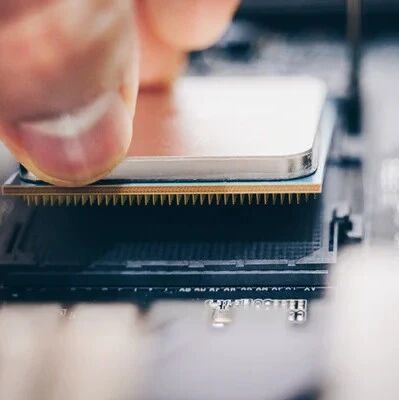
Group 1 - The South Korean government aims to increase the self-sufficiency rate of silicon carbide (SiC) power semiconductor technology from 10% to 20% by 2030, focusing on advanced industries such as electric vehicles and data centers [2][3] - The government plans to initiate a domestic demonstration project for liquefied natural gas (LNG) storage tanks, addressing the lack of independent technology and the need to pay licensing fees for technology [4] - The government will actively support the development of graphene technology, which is considered a "dream material," and promote its commercialization through cooperation between supply and demand enterprises [5] Group 2 - The government intends to enhance the competitiveness of K-food exports, which have set annual export records for nine consecutive years, by establishing overseas export hubs and expanding joint logistics centers [6] - The government will support the development of next-generation special carbon steel and cultivate doctoral-level professionals in this field to maintain competitiveness against the EU and Japan [5][6] - The Ministry of Economy and Finance plans to announce the remaining 10 key projects under the super-innovation economy initiative, focusing on management to ensure tangible results [6]
Tenstorrent落户台北,看中台湾Chiplet与AI人才
半导体芯闻· 2025-09-10 10:11
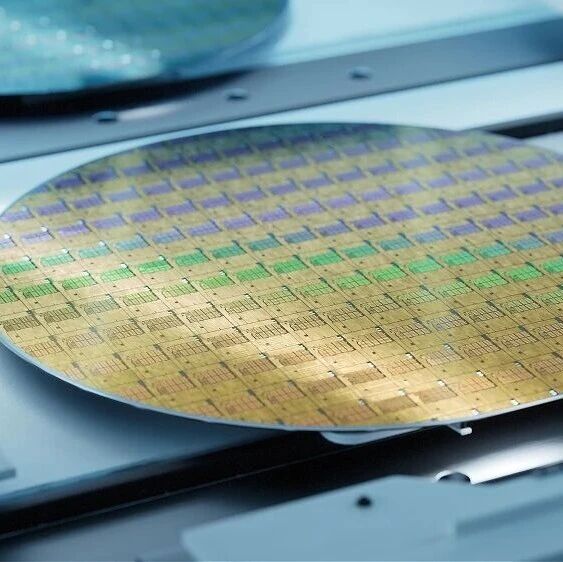
Core Viewpoint - Tenstorrent, led by Jim Keller, plans to establish an office in Taipei to recruit engineers for chiplet development, leveraging Taiwan's talent and manufacturing capabilities in system wafers [2][3]. Group 1: Company Overview - Tenstorrent is described as a specialized factory for AI computers, supporting advanced AI systems [2]. - The company has been operational for 8 years and has begun shipping products, with LG as one of its clients utilizing AI processors in their televisions [2]. Group 2: Technology and Development - Tenstorrent's processors are manufactured using TSMC's 6nm technology, with a development cost of approximately $80 million [3]. - The company focuses on open-source RISC-V architecture and aims to create high-performance AI using standard DRAM, making AI more accessible [2]. Group 3: Leadership Background - Jim Keller, known as the "chip god" of Silicon Valley, has held significant positions at Intel, Tesla, and AMD, leading transformative chip designs [3].
半导体与PCB已密不可分
半导体芯闻· 2025-09-10 10:11
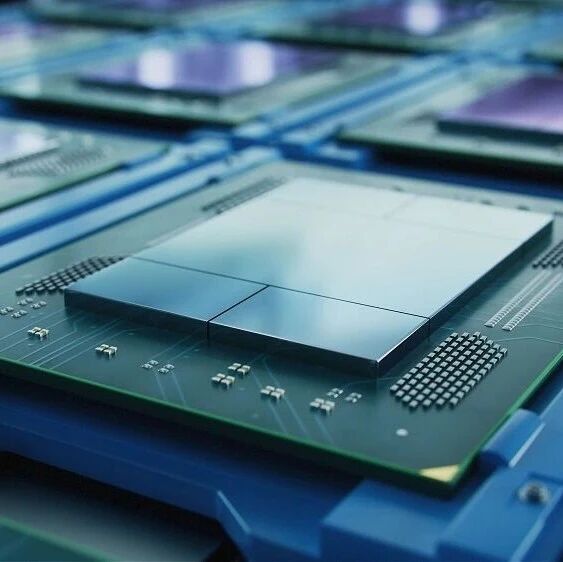
Core Viewpoint - The article emphasizes the evolving role of PCB (Printed Circuit Board) in the semiconductor industry, highlighting its critical importance in supporting high-performance applications, particularly in AI, as chip complexity increases and 3D packaging becomes more prevalent [2][3]. Group 1: Industry Trends - The global computing power is projected to grow from 615 exaFLOPS in 2021 to 56 zettaFLOPS by 2030, reflecting a compound annual growth rate of 65.1%, indicating that computing power is becoming a core driver of industry development [3]. - The PCB industry, previously viewed as low-tier, now accounts for 35% of the global market share, with Taiwan's production at only 11.9%, showcasing a significant achievement in a previously overlooked sector [4]. Group 2: Company Developments - 臻鼎-KY showcased advanced technologies at SEMICON Taiwan 2025, including 28-layer high-end substrates and large substrates designed for AI servers, marking its transition from a PCB leader to a key player in the semiconductor supply chain [2]. - The company aims to maintain a technological edge over competitors in mainland China, focusing on high-end products and aligning with international standards and customer demands [4].
英特尔下一代工艺,太贵了
半导体芯闻· 2025-09-09 10:11
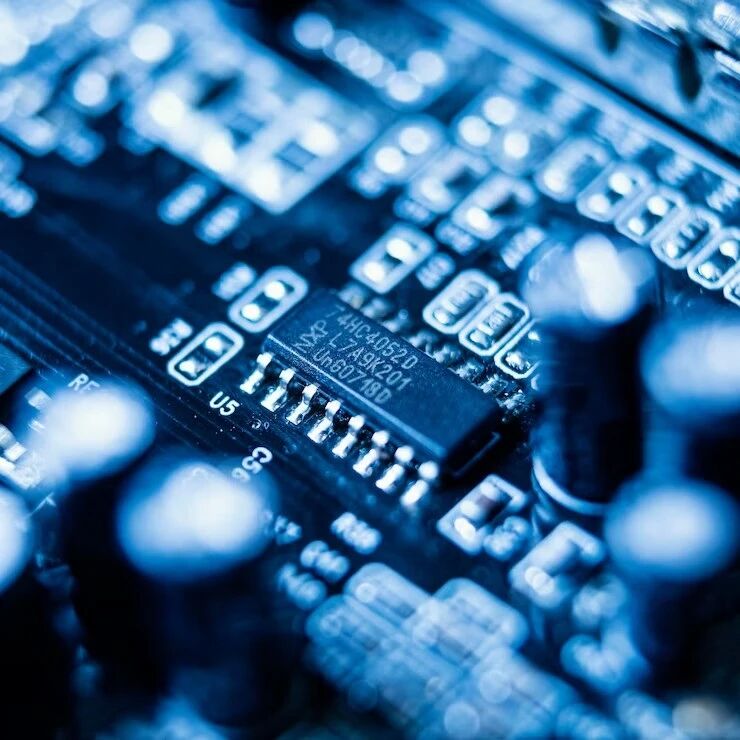
来 源 :内容来自半导体芯闻综合 。 市场普遍对Intel 能否突围保持保留态度。 14A 或许代表了Intel 的技术野心,但在高成本、缺乏 客户与竞争者领先的三重压力下,Intel 的未来依然笼罩着不确定性。 点这里加关注,锁定更多原创内容 如果您希望可以时常见面,欢迎标星收藏哦~ 设备昂贵:High-NA EUV 售价约3.8 亿美元,比Low-NA 高出六成。 设计复杂:曝光视场缩小一半,制程与研发成本同步增加。 晶圆高价:14A 每片晶圆推估约3–3.5 万美元,高于现有节点。 Intel 在制程转型上正面临艰难抉择。 继18A 节点在良率与客户拓展上进展不如预期后,公司将目 光转向下一代14A 制程。然而,这一节点虽承诺更高效能与能效,但背后的高昂成本,让Intel 陷 入进退两难。 Intel 财务长David Zinsner 已坦言,14A 的晶圆成本将明显高于18A。主因在于14A 将全面导入 ASML 新一代High-NA EUV。 虽然Intel 承诺14A 可带来15–20% 的效能功耗比提升,以及25–35% 的耗能下降,但在良率与客 户仍不确定的情况下,高成本难以说服市场。 相比之 ...
华澜微,重启IPO
半导体芯闻· 2025-09-09 10:11
来 源 :内容来自半导体芯闻综合 。 据证监会网站披露,杭州华澜微电子股份有限公司于昨日在浙江证监局办理辅导备案登记,拟首次 公开发行股票并上市,辅导券商为华泰联合证券。这已非华澜微首次冲刺资本市场。辅导备案报告 显示,该公司曾于2022年12月申请上交所科创板首次公开发行,后基于自身业务发展方向及战略 规划考虑,公司及保荐人撤回了上市申请。2024年5月,上交所终止了其首次公开发行股票并上市 的审核。 杭州华澜微电子股份有限公司(Hangzhou Hualan Microelectronique CO.,Ltd.)以及其全资子公司 Sage Microelectronics Corp.(SageMicro®)立足于自主知识产权的集成电路芯片技术,聚焦计算 机总线接口、数据存储和数据安全核心技术,提供安全的存储控制芯片 、存储模组、存储系统、 行业大数据解决方案,是我国极少数拥有全系列数码存储控制器芯片的高科技公司。 杭州华澜微电子股份有限公司提供全球存储业界先进的控制器芯片及解决方案,应用于存储卡、 USB闪存盘、移动硬盘、固态硬盘、硬盘阵列以及大数据存储系统,实现了上述产品的芯片级信 息安全防护。公司总部 ...

存储芯片,或被迫涨价
半导体芯闻· 2025-09-09 10:11
点这里加关注,锁定更多原创内容 来 源 :内容来自 moneyDJ 。 先前美国取消三星电子与SK海力士、英特尔和台积电在中国工厂使用美国半导体制造设备时的个 别许可特例(VEU,Verified End User)豁免,预计在今年12月底正式生效。分析师指出,若停 产发生,可能直接导致全球记忆体芯片价格上涨30%以上,将冲击全球智能手机、数据中心、汽车 电子等多个产业。 中媒指出,面对这一局势,这些企业并非坐以待毙。传出三星电子已启动「B计划」,包括增加采 购非美国设备,以及将部分订单转移至韩国的平泽工厂。 SK海力士的情况则更为紧迫,因其无锡 工厂的DRAM产能占全球的12%,若生产受阻恐引发客户集体诉讼。 据报导,包括三星、SK海力士、英特尔这3家企业,在中国的生产基地对全球芯片供应链至关重 要。其中,三星在西安经营全球最大的NAND快闪芯片生产工厂之一,SK海力士不仅收购了英特 尔在大连的NAND芯片工厂,在无锡也拥有大型DRAM生产业务。 以SK海力士为例,其无锡工厂2024年对中国出口额达120亿美元(约新台币3641.9亿元),占企 业全球营收的28%。因此,韩企若因许可证问题导致停产,客户恐将 ...
一款光芯片,效率提高100倍
半导体芯闻· 2025-09-09 10:11
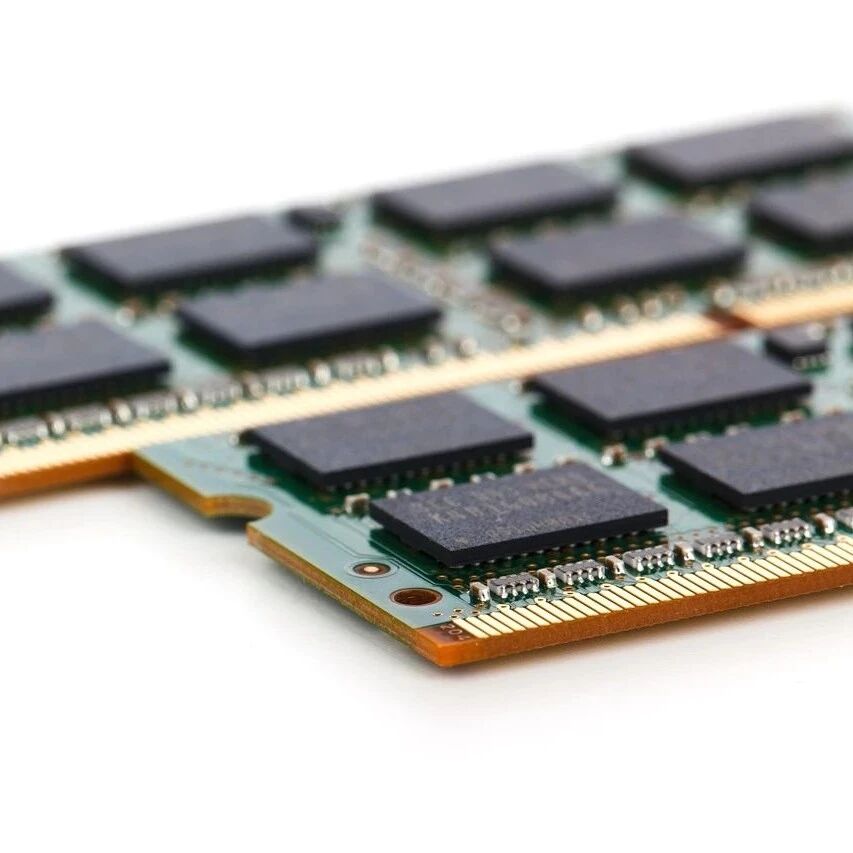
一个工程师团队开发出了一种新型计算机芯片,它使用光而不是电来执行人工智能中最耗电的部分 之一——图像识别和类似的模式查找任务。 使用光可以大幅降低执行这些任务所需的功耗,其效率是执行相同计算的现有芯片的10倍甚至100 倍。这种方法可以帮助缓解电网巨大的电力需求,并实现更高性能的AI模型和系统。 这种机器学习任务被称为"卷积",是人工智能系统处理图片、视频甚至语言的核心。目前,卷积运 算需要大量的计算资源和时间。而这些新芯片利用电路板上装配的激光器和微透镜,以更低的功耗 和更快的速度执行卷积运算。 在测试中,新芯片成功识别手写数字,准确率约为 98%,与传统芯片相当。 "在接近零能耗的条件下进行关键的机器学习计算,对未来的人工智能系统来说是一个飞跃,"研究 负责人、佛罗里达大学半导体光子学莱茵斯特聘教授Volker J. Sorger博士表示。"这对于未来几年 持续提升人工智能能力至关重要。" 来 源 :内容 编译自 ufl 。 如果您希望可以时常见面,欢迎标星收藏哦~ "在不久的将来,基于芯片的光学器件将成为我们日常使用的每个AI芯片的关键组成部分,"兼任 佛罗里达半导体研究所战略计划副主任的索尔格说道。" ...