国家能源局

Search documents
关于组织开展新型电力系统建设第一批试点工作的通知
国家能源局· 2025-06-04 11:24
Core Viewpoint - The article outlines the initiation of pilot projects for the construction of a new power system, focusing on innovative technologies and models to enhance the integration and efficiency of renewable energy sources [1]. Group 1: Overall Requirements - The pilot projects will focus on seven key directions: grid-structured technology, system-friendly renewable power plants, smart microgrids, synergy between computing power and electricity, virtual power plants, large-scale high-proportion renewable energy delivery, and new-generation coal power [2]. - The approach will be tailored to local conditions, encouraging the adoption of new technologies and models while ensuring comprehensive management throughout the project lifecycle [2]. Group 2: Pilot Directions - **Grid-Structured Technology**: Aimed at areas with high renewable energy integration, this technology will address issues like reduced short-circuit capacity and enhance the stability of power supply [3]. - **System-Friendly Renewable Power Plants**: New or upgraded plants will improve system compatibility, with a target of increasing output reliability by over 10% during peak hours [4]. - **Smart Microgrids**: These will enhance self-regulation and balance capabilities, increasing the proportion of self-consumed renewable energy [5]. - **Synergy Between Computing Power and Electricity**: This involves planning for data centers' green electricity needs and optimizing the use of renewable resources [6]. - **Virtual Power Plants**: These will aggregate distributed energy resources to enhance flexibility and support renewable energy consumption [7]. - **Large-Scale High-Proportion Renewable Energy Delivery**: Focused on specific regions, this aims to improve the delivery of green electricity through advanced technologies [8]. - **New-Generation Coal Power**: This will promote cleaner and more efficient coal power generation, aligning with carbon reduction goals [9]. Group 3: Organization and Implementation - **Pilot Application**: Applications for pilot projects will be organized by provincial energy authorities or central enterprises, with a focus on feasibility and technical economics [10]. - **Pilot Review**: A third-party professional organization will evaluate applications based on established criteria, selecting projects for the first batch of pilots [11]. - **Project Implementation**: Local energy authorities and project units must adhere to the approved plans, with any significant changes requiring further approval [12]. Group 4: Support Policies - Supportive policies will be developed to facilitate pilot projects, including funding channels and prioritization of coal power projects that align with renewable energy initiatives [13]. - The results of the pilot projects will be integrated into the evaluation system for the new power system, influencing future assessments [14].

国家能源局举办电力市场建设能力培训班暨电力市场建设工作座谈会
国家能源局· 2025-06-04 08:19
会上,国家能源局市场监管司通报了电力市场建设和市场监管总体情况,宣贯解读了《电力辅助服 务市场基本规则》等规则制度,解答了各派出机构关切问题。国家发展改革委体改司、价格司介绍 了全国统一电力市场体系建设、推进新能源全面参与市场等政策考虑。南方、华东、西北监管局, 甘肃、山西监管办分享了电力市场建设和市场监管典型实践经验。参会人员表示,本次培训深化了 对建设全国统一电力市场的认识,进一步提升了电力市场建设业务能力,对做好下阶段市场建设和 监管工作具有重要指导意义。 国家发展改革委体改司、价格司,驻委纪检监察组 , 国家能源局市场监管司 、 机关党委(人事 司) 、 各派出机构相关人员参加会议。 5月28日至29日,国家能源局2025年电力市场建设能力培训班暨电力市场建设工作座谈会在云南昆 明举办。国家能源局党组成员、副局长宋宏坤出席会议并讲话。 会议指出,新一轮电力体制改革以来,电力市场建设取得积极成效,市场化交易规模持续扩大,市 场制度规则体系加速成型,市场功能持续深化,中长期、现货和辅助服务市场体系有机衔接,统筹 开展电力领域综合监管、专项监管、不当干预行为整治等市场监管工作,市场优化资源配置作用进 一步显 ...
政策解读丨绿电直连政策以制度创新“四应”国家大局
国家能源局· 2025-06-04 02:56
绿电直连政策以制度创新"四应"国家大局 绿电直连是风、光、生物质等新能源通过直连线路向单一电力用户供给绿电,实现电量清晰物理溯 源的模式。国家发展改革委、国家能源局不循旧历,联合 印发《关于有序推动绿电直连发展有关事 项的通知》(以下简称《通知》) ,实现 "四应",即呼应社会诉求、响应行业发展、回应系统安 全、顺应电力改革,以制度创新服务国家大局,助推新质生产力发展,凸显了国家发展改革委、国 家能源局的政治机关意识和服务型政府责任担当。 一、呼应社会诉求快速出台政策 为此,《通知》从四个方面对加强规划引领进行部署。 一是在项目建设上区分四种情形 , 对存量 负荷、新增负荷、出口外向型企业、新能源消纳受限等情况,分门别类予以规范。特别是对具有自 备电厂的存量负荷,提出足额清缴可再生能源发展基金前提下的绿电直连实施路径。 二是在规划统 筹上强调 "三入" , 即风光发电规模要计入省级新能源发电开发建设方案,项目建设方案要纳入省 级或城市的能源电力和国土空间规划,特殊情况接入 220(330)千伏电网的要纳入电力系统安全 风险专项评估范畴。 三是模式创新上强调三个明确 , 主责单位明确,原则上由负荷作为绿电直连 ...
政策解读丨《关于深化提升“获得电力”服务水平 全面打造现代化用电营商环境的意见》解读
国家能源局· 2025-06-04 01:00
Core Viewpoint - The article discusses the issuance of the "Opinions" aimed at enhancing the "access to electricity" service level in China, emphasizing the importance of optimizing the electricity business environment for economic and social development [1][2]. Group 1: Policy Background and Significance - The 20th Central Committee of the Communist Party of China highlighted the need for a market-oriented, law-based, and international business environment, with optimizing the electricity business environment being a crucial part [2]. - The previous document from 2020 had already established a "zero visit, zero approval, zero investment" service model for low-voltage small and micro enterprises, significantly improving the electricity business environment [2]. Group 2: Overall Requirements - The "Opinions" are guided by Xi Jinping's thoughts and aim to establish a modern electricity business environment through five reform goals: convenience in electricity access, high-quality power supply, green electricity usage, inclusive services, and collaborative regulation [4]. - The document proposes to create exemplary cities and regions with competitive electricity business environments to enhance the overall service level across the country [4]. Group 3: Main Tasks - The "Opinions" outline 14 tasks and 38 specific measures across the electricity access and usage chain [5]. - For facilitating convenient electricity access, it includes expanding the "zero investment" service to various private economic organizations and establishing green channels for major projects [5][6]. - To improve power supply quality, it emphasizes enhancing distribution network planning and management, particularly in under-served areas [6]. - The green electricity initiative includes promoting green power applications and providing energy efficiency services to users [6][7]. - For inclusive services, it focuses on improving electricity supply in weak areas and ensuring the quality of electrical installations in new residential projects [7]. - Collaborative regulation involves strengthening the supervisory framework and improving complaint handling mechanisms [8]. Group 4: Organizational Assurance - The article stresses the need for a coordinated mechanism to ensure the implementation of the "access to electricity" work and enhance regulatory oversight [9]. - It highlights the importance of accountability among electricity supply enterprises to ensure that the proposed measures are effectively executed [9].
政策解读丨绿电直连试点政策三大亮点值得关注
国家能源局· 2025-06-03 12:36
Core Viewpoint - The "Green Power Direct Connection" policy is an innovative approach to address the dual challenges of energy transition and carbon tariff barriers, aiming to enhance the efficiency of clean energy utilization and improve the physical attributes of green electricity [2][3]. Group 1: Systematic Advantages - The policy establishes a localized framework compatible with international rules, allowing for clear physical traceability of renewable energy consumption, thus addressing the moral issues associated with "greenwashing" [3]. - It defines "Green Power Direct Connection" as a model where renewable energy sources supply electricity directly to a single user without connecting to the public grid, enhancing clarity in energy sourcing [3]. - The policy introduces a dual-track mechanism that ensures the safety and stability of the public grid while granting market entities greater autonomy, transforming electricity from a "generic commodity" to a "low-carbon passport" [3]. Group 2: Market and Transaction Innovations - The policy breaks away from traditional green electricity trading models by introducing a "physical direct connection + market settlement" approach, allowing for a more accountable and transparent trading environment [4]. - It mandates that connected projects participate equally in the electricity market, ensuring that the electricity generated is accounted for and settled based on market transactions [4]. - The policy aligns with broader goals of integrating renewable energy into the electricity market, facilitating a more efficient and high-quality development of the sector [4]. Group 3: Organizational Support and Development Models - The policy emphasizes the need for flexibility in projects to address the intermittent nature of renewable energy sources, encouraging the use of energy storage and load adjustment to enhance project adaptability [5]. - It places the primary responsibility for connected projects on the load, promoting investment from both load and power source entities to ensure the sustainability of the direct connection [5]. - The policy outlines specific requirements for project operation, including energy input ratios and exit mechanisms, to guide scientific assessments of demand and prevent discrepancies between design and actual performance [5]. Group 4: Challenges and Future Outlook - While the "Green Power Direct Connection" initiative presents significant opportunities, it also poses challenges related to construction costs, market uncertainties, and the need for a robust regulatory framework [6]. - The initiative is seen as a trial to gather collective efforts from government, enterprises, and research institutions to enhance technological development and improve market mechanisms for efficient clean energy utilization [6].
国家发展改革委 国家能源局关于深化提升“获得电力”服务水平 全面打造现代化用电营商环境的意见
国家能源局· 2025-06-03 08:38
Core Viewpoint - The document outlines the strategies and measures to enhance the "Electricity Access" service level in China, aiming to create a modernized business environment for electricity use, thereby supporting high-quality economic and social development [2][3]. Group 1: Overall Requirements - The initiative is guided by Xi Jinping's thoughts and aims to implement the spirit of the 20th National Congress of the Communist Party of China, focusing on energy security and a people-centered development approach [3]. - By 2029, the goal is to establish a modernized electricity business environment characterized by convenience, high quality, green energy, inclusivity, and regulatory collaboration [3]. Group 2: Continuous Reform and Innovation - The "Three Zero" service model will be expanded to include low-pressure electricity access for various private economic organizations, with a focus on reducing investment and improving service efficiency [4]. - The document emphasizes the need for proactive electricity service, where power companies will anticipate user needs and streamline the application process for electricity access [5][6]. Group 3: High-Quality Power Supply Management - There is a strong emphasis on enhancing the planning and construction of distribution networks to improve reliability and disaster resilience [8]. - Power companies are encouraged to adopt intelligent inspection systems and reduce outage times through better maintenance and management practices [9][10]. Group 4: Green Electricity Transition - The document supports the integration of green electricity into the grid and promotes the consumption of renewable energy sources [11]. - It encourages the development of electric vehicle charging infrastructure and aims to simplify the application process for users [12]. Group 5: Inclusive Development - The initiative aims to improve electricity access in underprivileged areas, ensuring reliable power supply in old residential communities and rural regions [13][14]. - It promotes a collaborative approach between government and enterprises to enhance service delivery and user experience [15]. Group 6: Strengthening Regulatory Collaboration - The document calls for a robust regulatory framework to ensure accountability and effective supervision of electricity services [16][17]. - It emphasizes the importance of a complaint handling mechanism to address user grievances effectively [17]. Group 7: Organizational Support - The National Development and Reform Commission and the National Energy Administration will coordinate efforts to implement these strategies, ensuring that local authorities and power companies fulfill their responsibilities [18].


关于进一步深化电力业务资质许可管理更好服务新型电力系统建设的实施意见
国家能源局· 2025-06-03 07:06
Core Viewpoint - The implementation opinions aim to deepen the management of electricity business qualifications to better support the construction of a new power system in China, enhancing the regulatory framework and service levels in the electricity market [2][3]. Group 1: Overall Requirements - The management of electricity business qualifications is crucial for market access regulation, contributing to the reform of the electricity system and ensuring production safety [2]. - The guidelines are aligned with the principles of the Xi Jinping Thought on Socialism with Chinese Characteristics for a New Era and the decisions made by the Central Committee [3]. Group 2: Improving Institutional Norms - The management system for qualifications will be optimized to support innovation in new business models and types, exempting distributed photovoltaic, decentralized wind power, new energy storage, and smart microgrids from qualification licensing [4]. - The rights and obligations of licensed enterprises will be refined to align with the development of the new power system, ensuring compliance with industry policies and operational rules [4]. Group 3: Strengthening Supervision - New power generation units not exempt from licensing must obtain their business licenses within specified timeframes after trial operations [5]. - Transmission enterprises must apply for license changes for new or terminated operations in accordance with regulatory requirements [5][6]. - The management of supply business licenses will be conducted in a timely manner, ensuring that applications are processed within 45 working days [6]. Group 4: Enhancing Service Levels - The integration of big data and AI technologies will enhance the efficiency of the qualification management system, allowing for automatic verification of application information [8]. - A standardized process for qualification services will be implemented to ensure high efficiency and uniformity across the country, particularly for major projects [8]. Group 5: Strengthening Organizational Support - The National Energy Administration will enhance coordination with relevant departments to improve policy alignment and information sharing [10]. - Responsibilities for qualification management will be reinforced, ensuring compliance with regulations and effective oversight of licensed enterprises [10][11].
专家解读丨氢能产业发展态势良好,要素保障体系加速构建
国家能源局· 2025-06-03 06:26
氢能产业发展态势良好,要素保障体系加速构建 氢能作为一种清洁、高效的能源载体,以其独特的优势,正在被全球视为未来能源体系的重要组成部 分。在"四个革命、一个合作"能源安全新战略的指导下,我国正加快推动氢能全产业链发展。近期,国 家能源局发布《中国氢能发展报告(2025)》(以下简称《报告》),《报告》总结了2024年我国氢能 产业在生产供应、应用场景、国际合作、标准体系、科技创新方面取得的成果,并对2025年氢能产业的 发展进行了展望,为"十五五"时期氢能产业发展方向奠定了基调。 二、多元场景应用示范不断释放市场潜力 化工领域绿氢替代是重点应用领域。《报告》显示,2024年,我国氢气消费3650万吨,合成甲醇、合成 氨氢气消费量占细分氢气消费领域前两位,总占比超五成,其次是炼化和煤化工氢气消费占比不足三 成,交通、供热、冶金等领域氢气消费占比不足两成,与全球灰氢主要用于炼化和冶金(占比约四成) 的情况存在一定差异。与此同时,宁夏宁东煤化工可再生氢耦合应用、吉林大安风光制绿氢合成氨一体 化工程项目取得进一步成效或进展,这表明在绿氢成本尚无法与灰氢持平的情况下,绿氢的规模化应用 将主要依赖工业领域的灰氢替代场景, ...
政策解读丨绿电直连赋能新能源发展 助力开启绿电消费新篇章
国家能源局· 2025-06-02 06:05
Core Viewpoint - The article emphasizes the importance of promoting green electricity direct connection (绿电直连) to enhance the development of renewable energy and meet the growing demand for green energy consumption in China, aligning with national carbon neutrality goals and the construction of a new power system [2]. Group 1: Definition and Requirements - The article defines green electricity direct connection as a method where renewable energy sources, such as wind and solar, connect directly to a single electricity user through dedicated power lines, bypassing the public grid [3]. - It outlines four scenarios for implementing green electricity direct connection, including new load connections, existing load connections under specific conditions, export-oriented enterprises utilizing nearby renewable resources, and existing renewable projects that have not yet connected to the grid [4]. Group 2: Investment and Operation Models - The article introduces innovative investment models for green electricity direct connection, allowing for investments from both load and generation entities, and emphasizes the need for long-term power purchase agreements if the investor entities differ [5]. - It highlights that projects can participate in the electricity market while primarily focusing on self-consumption, with local authorities determining the proportion of excess electricity fed back into the grid based on local conditions [5]. Group 3: Safety and Management Requirements - The article stresses the need for clear safety management responsibilities and interfaces for green electricity direct connection projects, particularly when multiple resource types and investment entities are involved [6]. - It discusses the importance of integrating green electricity direct connection projects into the national power market's scheduling and management systems to ensure safe and efficient operation [7]. Group 4: Market Trading and Pricing Mechanisms - The article outlines the necessity for green electricity direct connection projects to participate in electricity market trading as a whole, even if the power source and load are from different investors, promoting flexibility and reliability in energy consumption [8]. - It specifies that these projects must adhere to social responsibilities by paying relevant fees, ensuring a fair contribution to the overall energy system while promoting sustainable development [8].
高质量发展能源行丨数智赋能美好生活 解码大型城市高质量发展“电力密码”
国家能源局· 2025-06-02 03:42
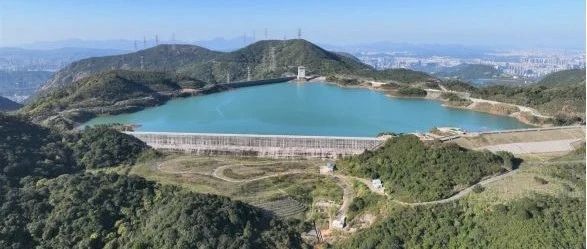
Core Viewpoint - The article highlights the advancements in energy infrastructure in Shenzhen, particularly focusing on the innovative technologies implemented at the Shenzhen Lianhua Mountain Super Charging Station and the Shenzhen Pumped Storage Power Station, which are crucial for supporting the rapid growth of electric vehicles and enhancing energy security in urban areas [1][3][4]. Group 1: Shenzhen Lianhua Mountain Super Charging Station - The Shenzhen Lianhua Mountain Super Charging Station is the first in the country to integrate "solar storage supercharging + vehicle-to-grid interaction + power harmony" technology, featuring 27 charging piles that can simultaneously charge 46 vehicles [1]. - The station includes 4 ultra-fast charging piles with a maximum power of 600 kW, allowing for charging speeds of "one kilometer per second," enabling a household vehicle to charge over 80% in just 10 minutes [1]. - The station is a pilot for "green vehicle charging with green electricity," allowing users to charge with 100% renewable energy [1]. - The station is equipped with 22 V2G charging piles, capable of a maximum discharge power of 2160 kW, with a single-day discharge volume reaching 13,000 kWh, sufficient to meet the daily electricity needs of 1,600 households [1][3]. Group 2: Shenzhen Pumped Storage Power Station - The Shenzhen Pumped Storage Power Station, located just 20 kilometers from the city center, has a total installed capacity of 1.2 million kW and is the first large-scale pumped storage power station built in an urban area [4]. - The power station acts as a "regulator" for the power grid, with a cumulative adjustment capacity exceeding 20 billion kWh, equivalent to two months of electricity consumption for Shenzhen [4]. - The station has automated 90% of its inspection work, significantly reducing downtime for maintenance, with an expected equivalent availability factor of 96.59% by 2024 [4]. - The station utilizes a third-generation artificial intelligence data analysis platform for real-time monitoring and performance analysis, enhancing intelligent management capabilities by 30% [4][5]. - A new monitoring system combining BeiDou satellite navigation and InSAR technology has been established for high-precision monitoring of dam deformations, improving safety management [5]. - As of May this year, the Southern Power Grid has an operational pumped storage capacity of 10.28 million kW, providing over 20.56 million kW of adjustment capacity [5].