国家能源局

Search documents
专家解读丨氢能产业发展态势良好,要素保障体系加速构建
国家能源局· 2025-06-03 06:26
氢能产业发展态势良好,要素保障体系加速构建 氢能作为一种清洁、高效的能源载体,以其独特的优势,正在被全球视为未来能源体系的重要组成部 分。在"四个革命、一个合作"能源安全新战略的指导下,我国正加快推动氢能全产业链发展。近期,国 家能源局发布《中国氢能发展报告(2025)》(以下简称《报告》),《报告》总结了2024年我国氢能 产业在生产供应、应用场景、国际合作、标准体系、科技创新方面取得的成果,并对2025年氢能产业的 发展进行了展望,为"十五五"时期氢能产业发展方向奠定了基调。 二、多元场景应用示范不断释放市场潜力 化工领域绿氢替代是重点应用领域。《报告》显示,2024年,我国氢气消费3650万吨,合成甲醇、合成 氨氢气消费量占细分氢气消费领域前两位,总占比超五成,其次是炼化和煤化工氢气消费占比不足三 成,交通、供热、冶金等领域氢气消费占比不足两成,与全球灰氢主要用于炼化和冶金(占比约四成) 的情况存在一定差异。与此同时,宁夏宁东煤化工可再生氢耦合应用、吉林大安风光制绿氢合成氨一体 化工程项目取得进一步成效或进展,这表明在绿氢成本尚无法与灰氢持平的情况下,绿氢的规模化应用 将主要依赖工业领域的灰氢替代场景, ...

政策解读丨绿电直连赋能新能源发展 助力开启绿电消费新篇章
国家能源局· 2025-06-02 06:05
Core Viewpoint - The article emphasizes the importance of promoting green electricity direct connection (绿电直连) to enhance the development of renewable energy and meet the growing demand for green energy consumption in China, aligning with national carbon neutrality goals and the construction of a new power system [2]. Group 1: Definition and Requirements - The article defines green electricity direct connection as a method where renewable energy sources, such as wind and solar, connect directly to a single electricity user through dedicated power lines, bypassing the public grid [3]. - It outlines four scenarios for implementing green electricity direct connection, including new load connections, existing load connections under specific conditions, export-oriented enterprises utilizing nearby renewable resources, and existing renewable projects that have not yet connected to the grid [4]. Group 2: Investment and Operation Models - The article introduces innovative investment models for green electricity direct connection, allowing for investments from both load and generation entities, and emphasizes the need for long-term power purchase agreements if the investor entities differ [5]. - It highlights that projects can participate in the electricity market while primarily focusing on self-consumption, with local authorities determining the proportion of excess electricity fed back into the grid based on local conditions [5]. Group 3: Safety and Management Requirements - The article stresses the need for clear safety management responsibilities and interfaces for green electricity direct connection projects, particularly when multiple resource types and investment entities are involved [6]. - It discusses the importance of integrating green electricity direct connection projects into the national power market's scheduling and management systems to ensure safe and efficient operation [7]. Group 4: Market Trading and Pricing Mechanisms - The article outlines the necessity for green electricity direct connection projects to participate in electricity market trading as a whole, even if the power source and load are from different investors, promoting flexibility and reliability in energy consumption [8]. - It specifies that these projects must adhere to social responsibilities by paying relevant fees, ensuring a fair contribution to the overall energy system while promoting sustainable development [8].
高质量发展能源行丨数智赋能美好生活 解码大型城市高质量发展“电力密码”
国家能源局· 2025-06-02 03:42
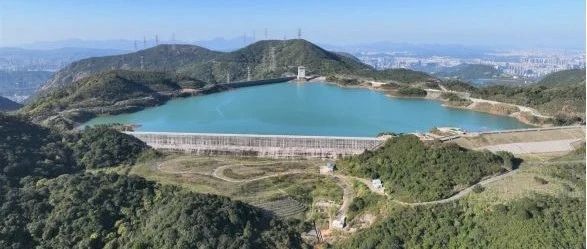
Core Viewpoint - The article highlights the advancements in energy infrastructure in Shenzhen, particularly focusing on the innovative technologies implemented at the Shenzhen Lianhua Mountain Super Charging Station and the Shenzhen Pumped Storage Power Station, which are crucial for supporting the rapid growth of electric vehicles and enhancing energy security in urban areas [1][3][4]. Group 1: Shenzhen Lianhua Mountain Super Charging Station - The Shenzhen Lianhua Mountain Super Charging Station is the first in the country to integrate "solar storage supercharging + vehicle-to-grid interaction + power harmony" technology, featuring 27 charging piles that can simultaneously charge 46 vehicles [1]. - The station includes 4 ultra-fast charging piles with a maximum power of 600 kW, allowing for charging speeds of "one kilometer per second," enabling a household vehicle to charge over 80% in just 10 minutes [1]. - The station is a pilot for "green vehicle charging with green electricity," allowing users to charge with 100% renewable energy [1]. - The station is equipped with 22 V2G charging piles, capable of a maximum discharge power of 2160 kW, with a single-day discharge volume reaching 13,000 kWh, sufficient to meet the daily electricity needs of 1,600 households [1][3]. Group 2: Shenzhen Pumped Storage Power Station - The Shenzhen Pumped Storage Power Station, located just 20 kilometers from the city center, has a total installed capacity of 1.2 million kW and is the first large-scale pumped storage power station built in an urban area [4]. - The power station acts as a "regulator" for the power grid, with a cumulative adjustment capacity exceeding 20 billion kWh, equivalent to two months of electricity consumption for Shenzhen [4]. - The station has automated 90% of its inspection work, significantly reducing downtime for maintenance, with an expected equivalent availability factor of 96.59% by 2024 [4]. - The station utilizes a third-generation artificial intelligence data analysis platform for real-time monitoring and performance analysis, enhancing intelligent management capabilities by 30% [4][5]. - A new monitoring system combining BeiDou satellite navigation and InSAR technology has been established for high-precision monitoring of dam deformations, improving safety management [5]. - As of May this year, the Southern Power Grid has an operational pumped storage capacity of 10.28 million kW, providing over 20.56 million kW of adjustment capacity [5].
高质量发展能源行丨探寻“一杯咖啡,满电出发”的超充之旅
国家能源局· 2025-06-02 03:42
Core Viewpoint - The article highlights the advancements in electric vehicle (EV) charging infrastructure and energy management in Shenzhen, showcasing the city's commitment to high-quality energy development and the integration of innovative technologies in the energy sector [1][3][10]. Group 1: Supercharging Stations - Shenzhen has over 1,000 supercharging stations, surpassing the number of gas stations, and has created a "1-kilometer supercharging travel circle" for residents [3][10]. - The Lianhua Mountain Supercharging Station features 27 charging piles, capable of servicing 46 vehicles simultaneously, with four ultra-fast charging piles that can charge a vehicle to over 80% in just 10 minutes [8][9]. - The station is a pilot for "green vehicle charging green electricity," allowing users to charge with 100% renewable energy [8][9]. - The V2G (Vehicle-to-Grid) technology at the station allows vehicle owners to send electricity back to the grid, with a maximum discharge power of 2160 kW, and during a recent event, it provided 13,000 kWh of electricity, enough for 1,600 households for a day [9][10]. Group 2: Pumped Storage Power Station - The Shenzhen pumped storage power station, located just 20 kilometers from the city center, has a capacity of 1.2 million kW and is the first large-scale pumped storage station built in an urban area [19][20]. - The station has adjusted over 20 billion kWh of electricity since its inception, equivalent to two months of electricity consumption for Shenzhen, and can balance over one-third of the city's peak-to-valley load difference [19][20]. - Automation has significantly increased efficiency, with 90% of inspections now performed by machines, and the implementation of AI data analysis has improved management levels by 30% [20]. - The Southern Power Grid has a total pumped storage capacity of 10.28 million kW, with plans for nine additional pumped storage stations in the Guangdong-Hong Kong-Macao Greater Bay Area, expected to consume 24.4 billion kWh of clean energy annually once completed [20].
专家解读丨央企领航氢能新赛道,打造能源革命新图景
国家能源局· 2025-05-31 08:38
Core Viewpoint - The article emphasizes the pivotal role of state-owned enterprises (SOEs) in leading the hydrogen energy sector, highlighting their contributions to the energy revolution and the strategic importance of hydrogen in China's energy landscape [2][8]. Group 1: National Strategy - The hydrogen industry is entering a critical phase of large-scale development, with over 60 countries announcing hydrogen strategies. China has included hydrogen in its Energy Law, with 22 provinces incorporating it into government work reports. The "Medium- and Long-term Planning for Hydrogen Industry Development (2021-2035)" sets a target of 100,000 to 200,000 tons of renewable hydrogen production by 2025 [3]. - SOEs are central to implementing national strategies, with projects like "wind-solar hydrogen + hydrogen-based fuel synthesis" by the National Energy Group in Inner Mongolia and Ningxia, and a million-kilowatt wind-solar hydrogen project by State Power Investment Corporation in Jilin [3]. Group 2: SOE Responsibilities - The report highlights the importance of technological breakthroughs across the entire hydrogen value chain, with SOEs demonstrating strong capabilities in equipment autonomy and technological integration. For instance, the Aerospace Science and Technology Corporation developed a 5 tons/day hydrogen expansion liquefaction system with 100% domestic components [4]. - The China Petroleum and Chemical Corporation initiated a hydrogen pipeline demonstration project, laying the groundwork for cross-regional hydrogen distribution. Additionally, various hydrogen-powered vehicles and systems have been developed, showcasing the innovation capabilities of SOEs [4]. Group 3: Scene Implementation - In 2024, hydrogen energy will see widespread pilot projects in industrial, transportation, and power sectors, with SOEs leading innovation. For example, Baowu Steel's hydrogen-based blast furnace project significantly reduces CO2 emissions in metallurgy [5]. - The National Energy Group's renewable hydrogen coupling with coal-based ammonia project aims to reduce CO2 emissions by 200,000 tons annually, providing a reference for carbon transition in the coal chemical industry [5]. Group 4: Global Perspective - China's hydrogen industry is shifting from technology importation to equipment exportation, with successful international projects such as the world's longest liquid hydrogen maritime transport demonstration by China National Offshore Oil Corporation [6]. - The State Grid is leading the development of international standards for fuel cell systems, enhancing China's influence in the global hydrogen sector [7]. Group 5: Future Challenges - The "China Hydrogen Development Report (2025)" serves as both a report card on industry progress and a task list for SOEs. The focus will be on expanding renewable hydrogen production capacity and overcoming technological challenges in electrolysis and fuel cells [8]. - By 2025, with ongoing policy support and technological advancements, SOEs are expected to play a crucial role in achieving large-scale hydrogen development, contributing to national energy security and global climate governance [8].



专家解读丨中国氢能发展:从试点探索进入有序破局新阶段
国家能源局· 2025-05-31 08:28
Core Viewpoint - The hydrogen energy industry in China is transitioning from pilot exploration to a new stage of orderly breakthroughs, supported by comprehensive policies and market dynamics [2]. Group 1: Policy and Market Development - The national energy administration's report emphasizes the legal positioning of hydrogen energy in the Energy Law, highlighting it as a key emerging industry [3]. - In 2024, China's hydrogen production and consumption scale is expected to exceed 36.5 million tons, maintaining its position as the world's largest, accounting for over one-third of global consumption [4]. - Over 560 local policies have been introduced across 22 provincial regions to create a policy loop of national coordination, local implementation, and market-driven development [3]. Group 2: Technological Innovation and Infrastructure - Significant advancements in hydrogen production technology include the commercial trial operation of megawatt-level proton exchange membrane electrolysis systems and the completion of the first long-distance high-pressure pipeline capable of hydrogen blending [5]. - The promotion of fuel cell vehicles has reached approximately 24,000 units, with over 540 hydrogen refueling stations established, indicating a gradual shift in hydrogen applications in heavy-duty trucks and port machinery [5]. Group 3: Regional Development and Differentiation - The "Three Norths" region is becoming a core area for green hydrogen production, with over 90% of renewable energy hydrogen projects planned in this area, focusing on deep decarbonization in industrial sectors [6]. - Eastern regions are concentrating on technological research and high-end applications, with initiatives like the "Hydrogen into Thousands of Homes" demonstration community in Shandong [6]. Group 4: Challenges and Solutions - The cost of renewable energy hydrogen production remains high compared to fossil fuel hydrogen, primarily due to electricity costs and investment in electrolysis equipment [7]. - There is a need for improved standards and safety protocols due to the dual nature of hydrogen as both an energy source and a hazardous material [8]. - The industry faces challenges in material imports and technology breakthroughs, necessitating a more integrated approach across the hydrogen value chain [8]. Group 5: Strategic Initiatives - The hydrogen industry is shifting towards a dual-driven model of policy and market, requiring systematic solutions to overcome technological and cost barriers [10]. - The focus is on scaling up technology and equipment in industrial applications, with a target to increase the penetration rate of green hydrogen in sectors like ammonia and methanol by 2030 [11]. - China aims to establish a global competitive edge by becoming the largest exporter of electrolysis equipment and developing a green hydrogen certification system for international trade [12].
政策解读丨创新新能源发展模式,助力经济社会绿色发展
国家能源局· 2025-05-31 06:45
Core Viewpoint - The issuance of the "Notice on Promoting the Development of Green Electricity Direct Connection" by the National Development and Reform Commission and the National Energy Administration emphasizes the importance of green electricity direct connection projects in the context of energy transition, highlighting their role in promoting high-quality development of renewable energy and supporting green energy needs of enterprises [1][6]. Group 1: Definition and Scope - Green electricity direct connection is defined as the supply of renewable energy, such as wind, solar, and biomass, directly to a single electricity user without connecting to the public grid [2]. - The projects can be categorized into grid-connected and off-grid types, with grid-connected projects ensuring that the entire project connects to the public grid at the user side [2]. Group 2: Project Management - The management of green electricity direct connection projects must be systematic, sustainable, and equitable, with clear requirements outlined in the notice [3]. - Planning should differentiate between existing and new loads, encouraging new load projects while providing flexibility for existing enterprises with carbon reduction needs [3]. - The notice encourages innovation in project models and diversification of investment entities, allowing various stakeholders, including private enterprises, to invest in these projects [3]. Group 3: Operational Guidelines - The operation of green electricity direct connection projects should align with market reforms, utilizing price signals to optimize operations while minimizing impacts on the public grid [4]. - Projects are required to maintain a self-consumption ratio of at least 60% of available generation and ensure that self-consumed electricity accounts for no less than 30% of total electricity usage [4]. Group 4: Responsibilities and Safety - The notice clarifies the economic, technical, and safety responsibilities of all parties involved in green electricity direct connection projects [5][6]. - Projects must pay relevant fees and ensure compliance with technical standards, including the installation of protective devices and metering systems [5]. - Safety responsibilities are clearly defined at the boundary between the project and the public grid, with both parties required to manage their respective safety risks [6].

高质量发展能源行丨“新”动大湾区 点亮千万家
国家能源局· 2025-05-31 02:16
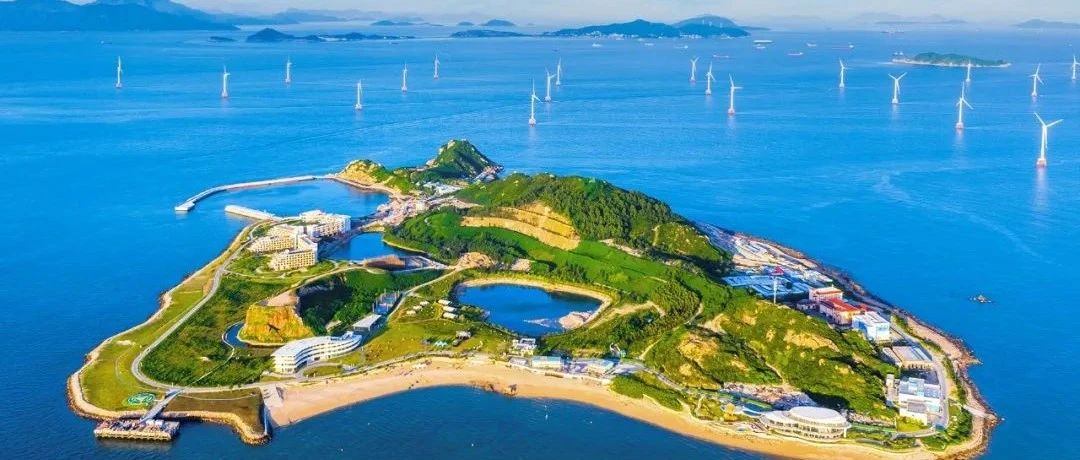
5月29日,"高质量发展能源行"网评引导活动调研团继续能源之旅。 能源是国民经济的基础产业和战略性产业。南方电网如何全方位融入和服务粤港澳大湾区经济社会发 展,助力大湾区向新而兴,成为国际一流湾区和高质量发展典范?一起来看! 风起伶仃洋 绿电赋能未来 三角岛及桂山海上风电场鸟瞰图。(南方电网广东珠海供电局供图) 位于粤港澳大湾区海域中心区域的 珠海桂山海上风电场 海上风电项目 装机20万千瓦,每年可提供 超过4.93亿千瓦时的清洁电力 节约标煤约16.02万吨 减排二氧化碳约38.25万吨 调研团在110千伏桂海三角岛站,了解桂山海上风电建设运行情况。(姚纯铭 摄) 该风电场于2016年开工建设 是广东省首个开发建设和投入运行的 南方电网公司加快构建加建设新型电力系统,进一步提升电网对新能源的消纳能力。 (南方电网 广东珠海供电局供图) 南方电网公司进一步完成 海上"风电+储能"并网研究实验室 建设 致力于建设并完善南方电网区域 海上风电机组及风电场的并网标准 至今已完成了5种新机型并网测试 运维船驶入桂山海上风电场。(林强 摄) 除了珠海,在阳江,三山岛海上风电柔直输电工程建设正酣。该工程是全国首个由电网 ...
高质量发展能源行丨在深圳,新能源汽车出行还能“赚差价”
国家能源局· 2025-05-31 02:16
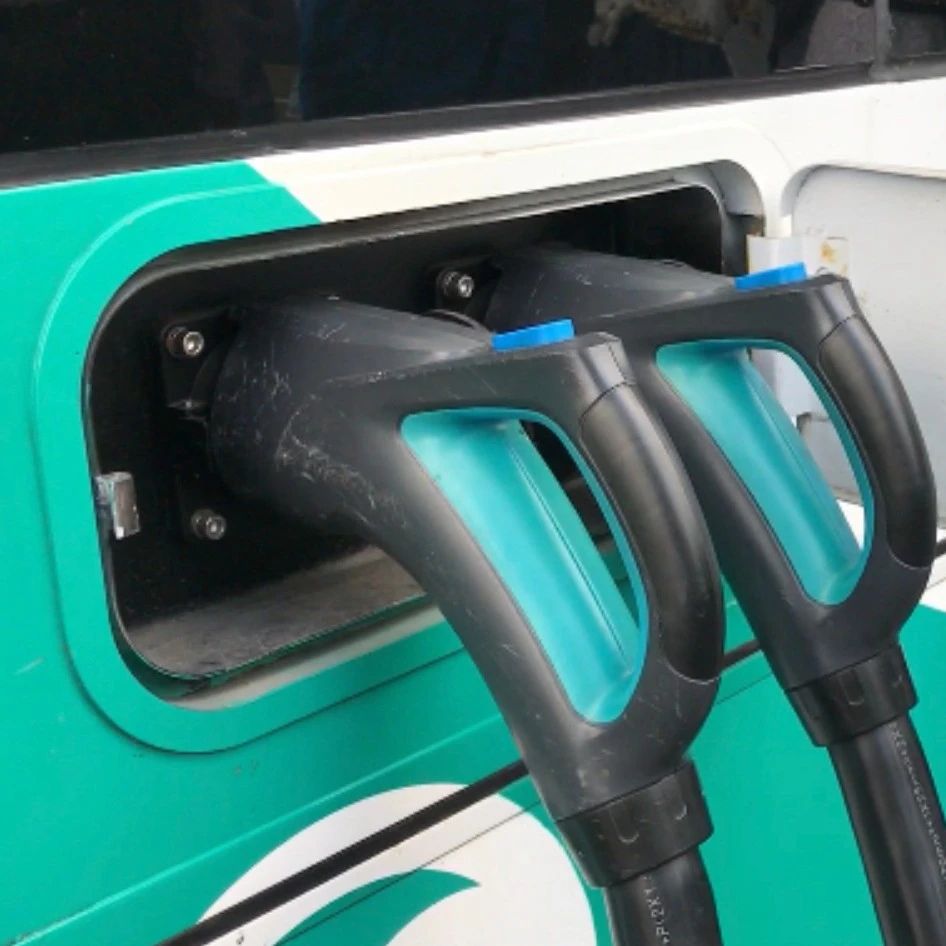
Core Viewpoint - The article highlights the advancements in electric vehicle (EV) charging infrastructure in Shenzhen, particularly focusing on the Shenzhen Lianhua Mountain Super Charging Station, which is the first demonstration station in the country featuring "solar storage supercharging + vehicle-grid interaction + power harmony" technology [1][2]. Group 1: Charging Infrastructure - The Shenzhen Lianhua Mountain Super Charging Station has 27 charging piles that can simultaneously serve 46 vehicles, with 4 ultra-fast charging piles capable of delivering a maximum power of 600 kW, allowing for rapid charging of up to 80% in just 10 minutes [1]. - The station has become a popular choice for EV owners, serving over 600 vehicles daily since its opening 6 months ago [2]. Group 2: Vehicle-Grid Interaction - The station is equipped with 22 V2G (vehicle-to-grid) charging piles, allowing EV owners to send electricity back to the grid, with a maximum discharge power of 2160 kW. In a recent event, the station achieved a discharge volume of 13,000 kWh, enough to power 1,600 households for a day [2]. - EV owners can earn 4 yuan for each kWh sent back to the grid, significantly higher than the 0.4 yuan cost for charging during off-peak hours, resulting in a profit of 3.6 yuan per kWh [2]. Group 3: Technological Integration - The station utilizes 5 fast charging piles equipped with the "Dianhong" IoT operating system, enhancing management efficiency and quality for various vehicle types and charging piles [3]. - The "Dianhong" system improves data interoperability and security for charging equipment, facilitating flexible and efficient networking of devices [3]. Group 4: Digital Energy Development - The Lianhua Mountain Super Charging Station exemplifies the efforts of Southern Power Grid in supporting Shenzhen's goal of becoming a global digital energy pioneer, integrating digital technology with urban power grids [3]. - The city has established a comprehensive digital power grid characterized by extensive connectivity, holistic perception, intelligent driving, and open sharing, promoting efficient governance through digitalization [3].
专家解读丨聚焦技术创新与国际合作,加速中国氢能产业破局
国家能源局· 2025-05-31 01:49
Core Viewpoint - The hydrogen energy industry in China is entering a critical stage characterized by technological innovation and international cooperation, as highlighted in the "China Hydrogen Development Report (2025)" released by the National Energy Administration [2][9]. Group 1: Technological Innovation - Hydrogen production technology is shifting from a dominance of "gray hydrogen" to breakthroughs in "green hydrogen," with renewable energy hydrogen production capacity exceeding 120,000 tons by the end of 2024 [3]. - A multi-modal storage and transportation system for hydrogen is being established, with significant advancements in high-pressure gas storage, liquid hydrogen systems, and solid-state hydrogen storage technologies [3][4]. - Application technologies are evolving, with innovations in industrial, transportation, and energy sectors, such as a 70% reduction in CO2 emissions in steel production and advancements in fuel cell technology for heavy-duty vehicles [4][5]. - The innovation ecosystem is being strengthened through national platforms and local practices, leading to breakthroughs in patents and the establishment of a closed-loop innovation system [5]. Group 2: International Cooperation - China is building a global green hydrogen supply chain through project collaborations along the "Belt and Road" initiative, including significant projects with France and Germany [6][7]. - Collaborative efforts are addressing common technological challenges, such as safety in liquid hydrogen transport and the development of hydrogen internal combustion engines [6][7]. - China has become the largest exporter of electrolyzers, capturing nearly half of the international market, and is transitioning from equipment export to a comprehensive service model [7]. Group 3: Addressing Challenges - The hydrogen energy industry must overcome barriers related to technology commercialization, resource collaboration, and policy-market coordination to support high-quality development [8]. - A "scene-driven" approach to technology development is recommended, focusing on industrial, transportation, and energy sectors to reduce application costs [8]. - The establishment of a "dual circulation" cooperation framework is essential, involving the introduction of international talent and the establishment of overseas research centers [8]. - Policy empowerment and market coordination mechanisms need to be improved, integrating hydrogen energy into the new energy system and optimizing project management policies [8].