日经中文网

Search documents
日元对主要货币“一家独输”
日经中文网· 2025-07-15 07:03
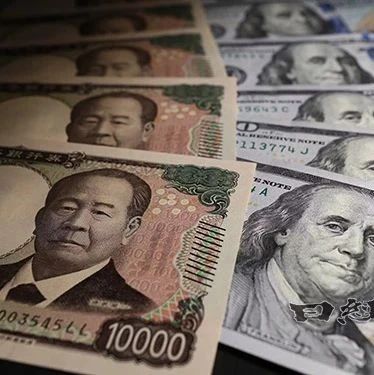
Group 1 - The core viewpoint of the article highlights the significant depreciation of the Japanese yen against major currencies, particularly the US dollar, due to new tariffs imposed by the US government and concerns over Japan's economic slowdown [1][3][5] - The yen's depreciation against the Swiss franc reached a historical low, while it also fell to a one-year low against the euro, indicating widespread selling pressure on the yen [1][3] - The new tariff rate announced by Trump, which is set to take effect on August 1, is expected to have a severe impact on Japan's economy, with predictions of a GDP decline of up to 1% [5][6] Group 2 - The market sentiment is increasingly pessimistic regarding Japan's economic prospects, with expectations that the Bank of Japan will not raise interest rates in the near term due to ongoing economic concerns [5][6] - Speculative positions in the yen have decreased significantly, indicating a reduction in bullish sentiment towards the currency [5][6] - The upcoming US consumer price index (CPI) data release on July 15 is anticipated to influence market perceptions of inflation and interest rate expectations, potentially leading to further yen depreciation [6][8] Group 3 - Japanese companies are forecasting an average exchange rate of 143 yen per dollar for the fiscal year 2025, suggesting a potential appreciation of the yen if current trends continue [7] - However, the depreciation of the yen could lead to increased import prices, negatively impacting consumer spending and overall economic conditions in Japan [8]

日本防卫相否认中方关于军机异常接近的主张
日经中文网· 2025-07-15 07:03
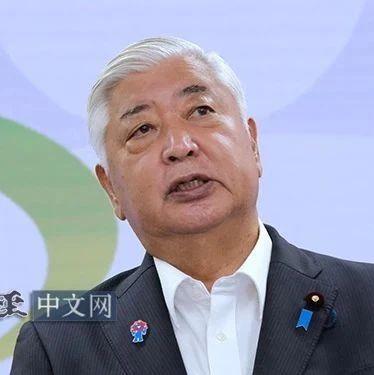
异常接近发生在7月9日和10日两天。在日本周边东海的公海上空,中国军队的战斗轰炸机接 近日本航空自卫队的电子侦察机。中国军机6月也曾在没有高度差的情况下接近自卫队飞机至 45米。 中谷表示"有可能引发偶发事故,我们对此深表担忧"。他同时表示"(日方)将继续开展警戒 监视活动等,在关注中国动向的同时,将继续提议防止类似事件再次发生"。 版权声明:日本经济新闻社版权所有,未经授权不得转载或部分复制,违者必究。 日本防卫相中谷元在7月15日的记者会上,针对中国国防部主张中国军机异常接近自卫队飞机 的原因在于日方,反驳称"完全不正确"。中谷强调"日本自卫队飞机妥善实施了平时一直进行 的警戒监视活动"。 日经中文网 https://cn.nikkei.com 中国国防部13日发表谈话称:"日方舰机对中方抵近侦察滋扰,是造成中日海空安全风险的根 源"。 举行记者会的日本防卫相中谷元(7月15日,日本防卫省) 日本防卫相中谷元称"(中方的主张)完全不正确",强调"日本自卫队飞机妥善实施了平时一 直进行的警戒监视活动"…… ...
中国掌控关键矿物的真相
日经中文网· 2025-07-15 03:00
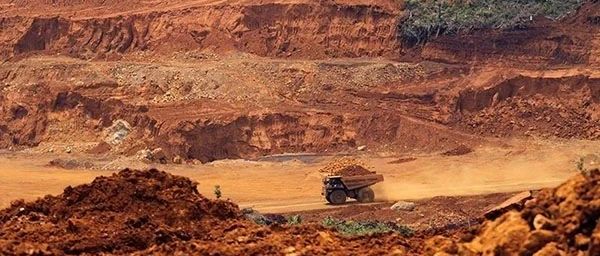
Core Viewpoint - The article discusses China's strategic control over critical mineral supply chains, particularly in the context of the ongoing trade tensions with the United States, highlighting the implications of China's export restrictions on rare earth elements and other key minerals [1][3][4]. Group 1: China's Control Over Critical Minerals - China dominates approximately 60% of global rare earth production, which is essential for electric vehicle (EV) motors, and its export restrictions have led to production halts in major automotive companies like Ford and Suzuki [3][4]. - In the refining stage of 20 key minerals surveyed by the International Energy Agency (IEA), China holds an average market share of about 70%, indicating its significant influence in the global supply chain [4][5]. - For cobalt, a critical material for EV batteries, while 70% of the raw material is sourced from the Democratic Republic of Congo, China controls around 80% of the refining market [5]. Group 2: Global Demand and Technological Dominance - The demand for critical minerals is increasing due to the transition to renewable energy, with China also leading in the production of solar panels (approximately 80%), wind turbines (around 60%), and EV batteries (over 70%) [6]. - As the world accelerates its energy transition, reliance on China for these critical minerals is expected to grow, emphasizing the strategic importance of China's resource control [6]. Group 3: Historical Context and Strategic Initiatives - China's focus on rare earth elements dates back to the 1980s, where it gained a competitive edge due to more lenient environmental regulations compared to Japan, the US, and Europe [7]. - The Belt and Road Initiative has further strengthened China's resource security by investing in mineral projects in countries like the Democratic Republic of Congo and Indonesia [7]. Group 4: Geopolitical Implications and Supply Chain Strategies - The article highlights the geopolitical risks associated with China's dominance in supply chains, particularly as the US seeks to revitalize its manufacturing sector [8][9]. - Companies are encouraged to diversify their supply chains and develop alternative technologies to mitigate risks associated with reliance on critical minerals [9].

中国4~6月整体出口增6.2%,对美降24%
日经中文网· 2025-07-15 03:00
Group 1 - The overall export of China from April to June increased by 6.2% year-on-year, an expansion from 5.7% in the first quarter [1][2] - Exports to ASEAN grew by 18%, to the EU by 9%, and to Japan by 7%, indicating a shift towards markets outside the US [1][2] - Exports to the US decreased significantly, with a year-on-year decline of 24% in the same period, attributed to increased tariffs imposed by the Trump administration [1][2] Group 2 - Monthly data shows a decline in exports to the US, with April down 21%, May down 35%, and June down 16%, reflecting the impact of additional tariffs [1] - The cumulative additional tariffs imposed by the US on China reached 145% by April, with a subsequent agreement in May reducing tariffs by 115% [1] - China's strategy includes inducing a depreciation of the yuan to enhance export competitiveness, with the CFETS RMB exchange rate index reaching a new low of 95.3 [2]
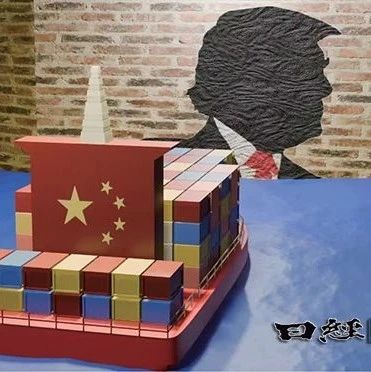
日经BP精选:中国造尖端车载芯片快步走向世界市场
日经中文网· 2025-07-15 03:00
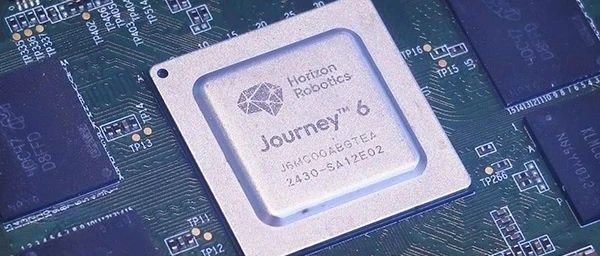
Core Viewpoint - Chinese automotive semiconductor manufacturers, represented by Horizon Robotics, are significantly rising in the global market for advanced automotive SoCs (System on Chip) [1]. Group 1: Market Entry and Adoption - Chinese companies are increasingly being adopted by European automotive manufacturers for their SoCs, with Japanese companies also considering their use [1]. - The appeal of Chinese SoCs lies not only in their lower costs but also in their improving performance capabilities [1]. Group 2: Competitive Landscape - In the mid-to-high-end vehicle segment, American companies like NVIDIA and Qualcomm are widely adopted, while Chinese semiconductor manufacturers are enhancing their presence in the mass-market vehicle segment [1]. - There are instances where Chinese-manufactured SoCs outperform competitors in performance comparisons [1]. Group 3: Global Expansion - As European and Japanese automakers begin to adopt Chinese SoCs in their globally marketed vehicles, the pace of Chinese automotive semiconductor manufacturers entering the global market is expected to accelerate [1].
特朗普称对俄罗斯贸易伙伴征100%关税
日经中文网· 2025-07-15 03:00
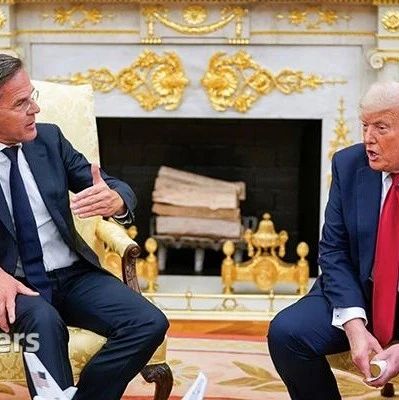
Core Viewpoint - The article discusses the potential sanctions the U.S. may impose on Russia if a ceasefire agreement with Ukraine is not reached within 50 days, specifically targeting third countries like China and India that purchase Russian oil and gas [1][2]. Group 1: Sanctions and Trade Implications - Trump announced that if Russia does not reach a ceasefire agreement within 50 days, the U.S. will impose a 100% "secondary tariff" on third countries purchasing Russian oil and gas, specifically mentioning China and India as targets [1][2]. - The U.S. Congress is planning to vote on additional sanctions against Russia, which could include tariffs as high as 500% on imports of Russian oil and gas from third countries [1][2]. - The sanctions aim to pressure China and India to cut trade ties with Russia, as they have not joined the sanctions imposed by the U.S. and Europe [2]. Group 2: Military Support to Ukraine - Trump reiterated the U.S. commitment to continue supplying weapons to Ukraine, stating that an agreement has been reached for the U.S. to produce weapons without incurring costs, with NATO members expected to purchase billions of dollars worth of equipment for Ukraine [2]. - The U.S. is expected to provide the "Patriot" air defense system to Ukraine imminently, with costs covered by European allies [3]. - Discussions are ongoing regarding the transfer of additional military equipment, including long-range missiles, which would mark a shift from the current policy of only providing defensive weapons [4]. Group 3: Political Context and Reactions - Trump expressed disappointment in President Putin, indicating that he had hoped for a ceasefire agreement that now seems unlikely [3]. - The article highlights the bipartisan support in Congress for sanctions against Russia, with specific mentions of Republican Senator Lindsey Graham advocating for economic pressure on countries like China and India to influence their trade decisions with Russia [2]. - Ukrainian President Zelensky is actively engaging with U.S. officials to strengthen air defense systems and discuss further sanctions against Russia [4].
本田日产共研汽车操作系统,抗衡中美车企
日经中文网· 2025-07-15 03:00
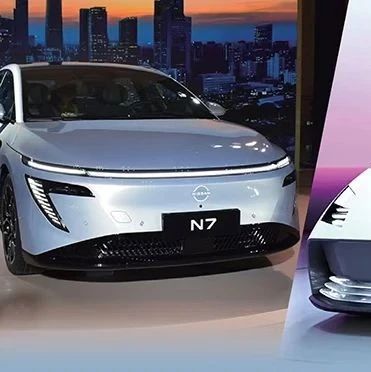
Core Viewpoint - The competition in the next-generation automotive sector will be significantly influenced by software updates that enhance driving performance and functionality, with companies like Tesla and Huawei leading the charge in software innovation [1][2]. Group 1: Collaboration between Honda and Nissan - Honda and Nissan are negotiating to standardize the basic software (operating system) for vehicle control, aiming to implement it in new models by the late 2020s [1]. - The two companies have been conducting joint research on software technology since August 2024, with plans to decide on mass production development based on the effectiveness of their collaboration [1][2]. - The collaboration is driven by concerns over data competition in the next-generation automotive field, where features like autonomous driving and enhanced in-car experiences are critical [2]. Group 2: Development of Operating Systems - Honda is developing its own operating system called "ASIMO," while Nissan is also advancing its proprietary system, aiming to create user-friendly systems akin to Apple's iOS and Google's Android [2]. - Both companies plan to launch vehicles equipped with their independently developed operating systems starting in 2026, with a joint system expected to debut in new models by the late 2020s [2]. - The collaboration aims to reduce development costs, which can reach trillions of yen, by sharing resources and technology [2]. Group 3: Competitive Landscape - Tesla, a leader in the industry, utilizes its own operating system, resolving approximately 40% of recall issues through software updates [2]. - Chinese tech companies like Huawei are also at the forefront of software innovation in the automotive sector [2].


日本半导体企业JS Foundry申请破产
日经中文网· 2025-07-14 06:28
Core Viewpoint - The power semiconductor market is deteriorating, leading to continuous capital outflow, exemplified by JS Foundry's bankruptcy filing due to challenges in customer acquisition and financial difficulties caused by the rise of Chinese competitors [1][2]. Group 1: Company Overview - JS Foundry, established in December 2022 with investments from the Japan Policy Investment Bank and others, has a total debt of 16.1 billion yen and employs approximately 550 people, with around 200 outsourced to other companies [1]. - The company acquired its Niigata factory from ON Semiconductor in 2022, which was originally built in 1984 by Sanyo Electric [2]. Group 2: Financial Performance - JS Foundry's revenue has significantly declined from approximately 10 billion yen at its inception to an expected 2.6 billion yen in the fiscal year ending December 2024 [2]. - The company had anticipated growth driven by electric vehicle demand, but this growth has not materialized as expected, leading to a worsening market situation starting in the second half of 2023 [2]. Group 3: Industry Context - The rise of Chinese power semiconductor manufacturers has hindered JS Foundry's ability to develop new customers, contributing to its financial struggles [1][2]. - Other companies in the power semiconductor sector, such as Wolfspeed and Rohm, are also facing significant challenges, with Wolfspeed filing for Chapter 11 bankruptcy and Rohm expecting its first net loss in 11 years due to investments in this sector [2].
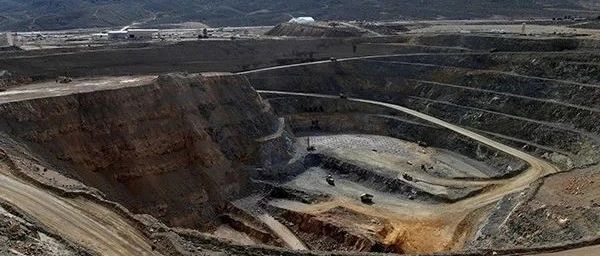
美国防部将成美稀土企业MP材料的最大股东
日经中文网· 2025-07-14 06:28
MP材料公司在加利福尼亚州拥有的稀土矿山(Reuters) MP材料公司在美国拥有稀土矿山和稀土磁铁的生产设施。美国国防部在中国掌握稀土的背景下,正在 推进F35战斗机等军需品的稀土自给自足。MP材料公司将在美国政府支援下投资数十亿美元…… 开采稀土的美国MP材料(MP Materials)公司7月10日宣布,预计美国国防部将收购相当于15%股份的 优先股,成为最大股东。MP材料公司在美国国内拥有矿山和稀土磁铁的生产设施。美国国防部在中国 掌握稀土的背景下,正在推进F35战斗机等军需品的稀土自给自足,以增强国家安全。 MP材料公司宣布与美国国防部建立了战略合作关系。美国国防部以4亿美元收购可转换为普通股的优先 股,还以4亿美元购买在10年内按固定价格转换的权利。行使该权利后,美国国防部将持有MP材料公司 15%的股份,成为最大股东。 日经中文网 https://cn.nikkei.com 视频号推荐内容: MP材料公司将在美国政府支援下投资数十亿美元,在美国建立第2个稀土磁铁生产设施。尽管具体地点 尚未公开,但计划于2028年开始建设,最终的生产能力预计达到每年1万吨。 新设施将生产F35战斗机、无人机、潜艇 ...