日经中文网

Search documents
“没有美国”的世界渐成现实
日经中文网· 2026-01-09 07:31
Core Viewpoint - The article discusses the significant shift in U.S. foreign policy under President Trump, emphasizing a move away from multilateralism and international cooperation, as evidenced by the decision to withdraw from 66 international organizations and treaties, including the United Nations Framework Convention on Climate Change [2][4]. Group 1: U.S. Withdrawal from International Organizations - On January 7, President Trump directed the U.S. government to initiate withdrawal from 31 UN agencies and 35 other international organizations, highlighting a clear departure from multilateralism [4]. - The withdrawal includes key agreements such as the United Nations Framework Convention on Climate Change, which is foundational for global climate response mechanisms [5]. - The U.S. will also exit the Intergovernmental Panel on Climate Change (IPCC), which plays a crucial role in assessing scientific knowledge on climate change [5]. Group 2: Implications of U.S. Withdrawal - The U.S. withdrawal from these organizations may lead to funding shortages, as seen with the World Health Organization (WHO), which is facing significant staff cuts due to loss of funding [5]. - The potential for reduced international cooperation raises concerns about global crisis response capabilities, particularly in the context of infectious disease outbreaks [5]. - The U.S. State Department is conducting a comprehensive review of its relationships with international organizations, suggesting that further withdrawals may occur in the future [5]. Group 3: China's Position in the International Landscape - In the absence of U.S. leadership, China is positioning itself to take a more prominent role in international organizations, potentially becoming the largest contributor to the WHO [8]. - The article notes that the dissatisfaction within the U.S. regarding the returns on its investments in international institutions has fueled this shift towards unilateralism [8]. - The Trump administration's strategy emphasizes military and economic strength to pressure other nations, indicating a preference for bilateral negotiations over multilateral agreements [8].


JTB预测26年访日客减3%,中国游客动向不明朗
日经中文网· 2026-01-09 07:31
Group 1 - The core viewpoint of the article is that JTB forecasts a 3% decrease in the number of visitors to Japan by 2026, with uncertainties surrounding the behavior of Chinese tourists [2] Group 2 - JTB's prediction indicates a potential decline in tourism revenue, which could impact various sectors reliant on foreign visitors [2] - The article highlights the importance of understanding the trends in Chinese tourist behavior, as they represent a significant portion of Japan's tourism market [2] - Factors contributing to the uncertainty include geopolitical tensions and changing travel preferences among Chinese tourists [2]

中国:两用物项出口管制不影响民事用途
日经中文网· 2026-01-09 02:36
中国商务部 何亚东表示,"中方始终致力于维护全球产供链稳定与安全,涉及民事用途的不会因此受到影响。对于 开展正常民用贸易往来的相关方,完全没有必要担心"…… 1月8日,中国商务部新闻发言人何亚东在记者会上,就加强军民两用物项对日本出口管制问题表 示:"涉及民事用途的不会因此受到影响"。不过,能否出口取决于有关部门的判断,因此一些民事用途 物项也可能出现审查延迟等情况。 何亚东表示,反对日本首相高市早苗围绕"台湾有事"的国会答辩,加强出口管制"完全正当、合理、合 法"。他同时强调,"中方始终致力于维护全球产供链稳定与安全,涉及民事用途的不会因此受到影响。 对于开展正常民用贸易往来的相关方,完全没有必要担心"。 日经中文网 https://cn.nikkei.com 视频号推荐内容: 中国商务部1月6日宣布,禁止向日本境内涉及军事用途的客户出口军民两用产品,同时禁止一切可能提 升日本军事能力的出口行为。有观点认为,稀土相关产品也可能被纳入管制范围。 日本企业方面担忧,此次措施可能波及民用领域的正常交易。由在华日本企业组成的中国日本商会发表 声明称,若相关措施对日本企业的经营活动造成影响,将向中国商务部等部门提出交 ...
日经BP精选:GT-R等成人款玩具车成为“多美卡”的支柱
日经中文网· 2026-01-09 02:36
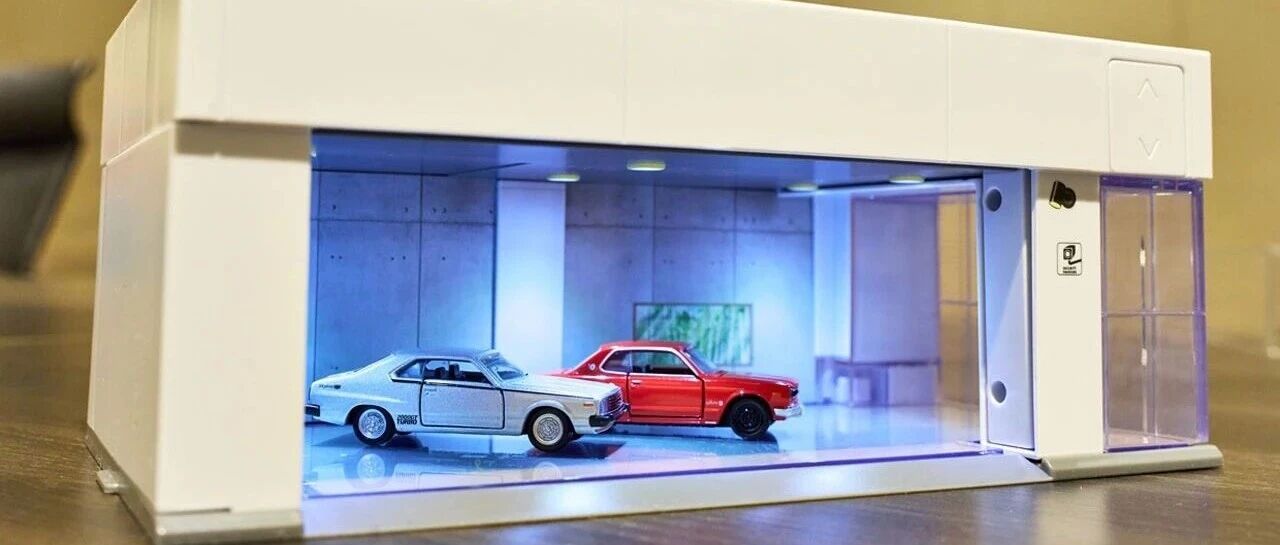
日经BP成立于1969年4月, 隶属于日本经济新闻社集团。作为日本领先的B2B媒体公司,我们聚焦"经营 管理"、"专业技术"及"生活时尚"三大主要领域,满足客户多元化的需求。 本文的三个要点: 编者荐语: 日经中文网"开设了"日经BP精选"栏目。日经BP是日本经济新闻社媒体集团的一员,成立于1969年。作 为日本领先的B2B媒体公司,聚焦经营管理、专业技术及生活时尚三大主要领域。敬请读者关注。 以下文章来源于日经BP ,作者日经BP 日经BP . 一位从美国加利福尼亚州来日本旅游的30多岁男性兴奋地说:"对收藏者来说简直无法抗拒。美国没有 如此精密还原日本车的商品。今天大概会买60个带回去"。 阅读更多内容请点击下方" 阅读原文 " (本文由日经BP提供) 在工作日的午后,西装革履的男性以及访日游客络绎不绝地走进位于东京站地下街一隅的"Tomica Plarail Shop东京店"。最吸引他们热切目光的是玩具车多美卡(Tomica)面向成人玩家的"Tomica Premium"系列。 面向成人的"Tomica Premium"系列还原了日产跑车"GT-R"(照片由多美提供) 该系列以"为成年人打造"为口号,还 ...
前日本驻华大使丹羽宇一郎去世
日经中文网· 2026-01-09 02:36
Core Viewpoint - Danwa Uichiro's leadership at Itochu Corporation laid the foundation for the company's rise to the top of Japan's trading firms, marked by decisive actions to address bad debts and strategic investments [4][5]. Group 1: Leadership and Achievements - Danwa Uichiro served as president of Itochu Corporation starting in 1998, where he managed to handle significant bad debts, recording special losses of approximately 400 billion yen [4]. - Under his leadership, Itochu achieved the highest net profit, stock price, and total market value among Japanese trading firms in the fiscal year 2020 [4]. - Danwa's strategic decisions, including the investment in FamilyMart, were pivotal in shifting Itochu's business model towards consumer engagement and data utilization [5]. Group 2: Diplomatic Role and Challenges - In 2010, Danwa transitioned from his role at Itochu to become Japan's ambassador to China, driven by his extensive connections and experience [5]. - His tenure as ambassador was marked by challenges, particularly regarding the Senkaku Islands (Diaoyu Islands) dispute, which hindered the expected economic cooperation between Japan and China [6]. - Danwa emphasized the importance of dialogue with China, despite facing criticism for his statements that diverged from the Japanese government's official stance [6].

比亚迪2025年在日本卖出3870辆
日经中文网· 2026-01-09 02:36
Core Insights - Japan's imported car sales (excluding domestic manufacturers) increased by 7% in 2025, reaching 243,129 units, marking the first positive growth in two years [1] - Electric vehicle (EV) sales grew by 26%, totaling 30,513 units, setting a new historical record, driven by increased sales from manufacturers like Tesla [1][3] - Tesla's sales in Japan saw an 88% increase, surpassing 10,000 units for the first time, while BYD's sales rose by 62% to 3,870 units, supported by the strong performance of the "海狮7" SUV [3][5] Group 1: EV Market Performance - EVs accounted for 13% of total car sales in Japan in 2025, up 2 percentage points from the previous year [3] - BYD's "海狮7" SUV, launched in April 2025, significantly boosted its sales, and the company plans to introduce the "Racco" model in summer 2026 to further increase market share [3] - Hyundai's EV sales increased by 89% to 1,169 units, driven by the strong performance of the "INSTER" model [5] Group 2: Brand Performance - Mercedes-Benz saw a 4% decline in sales, dropping to 50,857 units, while BMW's sales grew by 1% to 35,729 units, and Volkswagen's sales increased by 36% to 31,031 units [6] - The price segment analysis showed a 3% increase in sales for vehicles priced over 10 million yen, reaching 40,602 units, while the segment below 4 million yen saw a 7% increase to 42,789 units [8] Group 3: Market Trends and Government Policy - In December 2025, imported car sales in Japan grew by 0.3% year-on-year to 23,551 units, but EV sales decreased by 14% to 2,549 units due to a temporary purchasing slowdown caused by changes in government subsidies [8]



鼓动特朗普取得格陵兰的6个人
日经中文网· 2026-01-09 02:36
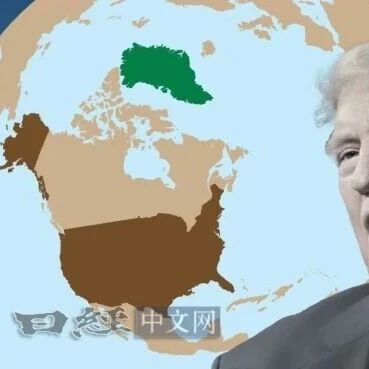
2018年首次提出购买方案的被认为是美国化妆品巨头雅诗兰黛的创始人家族的罗纳德·兰黛。他是特朗 普学生时代的朋友,也是强有力的资金支援者。该公司成立于纽约,这也是特朗普出生和成长的地方。 河浪武史:获得格陵兰岛最初本不是特朗普的"最优先事项",但随着对华强硬派强化这一构想,成 为"绝对必要"的重要战略。特朗普第二届政府充满了助长总统功名心的煽动者。缺乏制动者的大国将变 得更加危险…… 河浪武史: 美国总统特朗普取得格陵兰岛(丹麦自治领土)的构想并不是最近才出现的。起源于第一 次执政时期的2018年。最初本应"不是最优先事项"(特朗普),但随着对华强硬派强化这一构想,成为"绝 对必要"的重要战略。 "与路易斯安那与阿拉斯加并列的伟大事业" 位于北冰洋和北大西洋之间的格陵兰岛是中国和俄罗斯的地缘政治要冲。往来于北冰洋周边的船舶数量 10年间增加了4成。格陵兰拥有世界第8位的稀土储量,有能力打破中国的市场垄断。 科顿表示"如果获得格陵兰岛,将同时获得地理利益和经济利益"。产生兴趣的特朗普在2019年8月表明 了购买计划。 首先为稀土矿提供资金 科顿亲自向丹麦政府询问土地买卖事宜。特朗普也在社交网络(SNS)上发布了 ...
美国将与丹麦磋商购买格陵兰岛
日经中文网· 2026-01-08 07:55
Group 1 - The core viewpoint of the article is that the U.S. government is actively discussing the potential purchase of Greenland, with national security considerations driving this interest [2][4]. - The White House spokesperson, Levitt, stated that the idea of purchasing Greenland is not new and has been considered by U.S. presidents since the 1800s, highlighting historical attempts to acquire the territory [4]. - The U.S. government is not ruling out the possibility of using military force to secure Greenland if deemed necessary for national security, indicating a broad range of options being considered [4]. Group 2 - Historical context is provided, noting that President Andrew Johnson sought to purchase Greenland after acquiring Alaska, and President Truman proposed a purchase for $100 million post-World War II, equivalent to over $2 billion today [4]. - U.S. Secretary of State Rubio mentioned that discussions with Danish officials regarding Greenland are scheduled for the following week, emphasizing the urgency of the matter [4].

日美长期利差持续缩小,日元买盘仍未出现
日经中文网· 2026-01-08 07:55
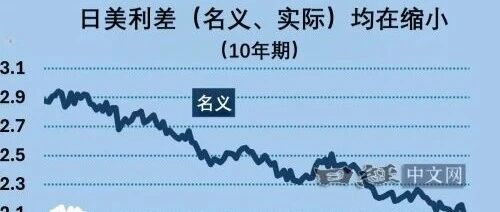
Core Viewpoint - The relationship between the Japanese yen exchange rate and the Japan-U.S. interest rate differential has significantly changed over the past six months, shifting from "interest rate changes driving exchange rate changes" to "yen depreciation leading to rising interest rates" [2][7]. Group 1: Interest Rate Dynamics - As of January 6, Japan's long-term interest rate was 2.095%, while the U.S. long-term interest rate was 4.17%, resulting in a Japan-U.S. interest rate differential of 2.075%, which has narrowed by over 0.8 percentage points from approximately 2.9% six months ago [4]. - The actual interest rates, calculated by subtracting the breakeven inflation rate from the nominal yield, show Japan's rate at approximately 0.32% and the U.S. at about 1.9%, leading to a narrowing of the actual interest differential from around 2.1% to 1.58% over the past six months [4]. Group 2: Market Reactions and Expectations - Despite the narrowing interest rate differential, there has been a lack of increased demand for the yen, with the exchange rate hovering around 156 yen per dollar. This is attributed to concerns that the Bank of Japan may lag in raising interest rates, leading to simultaneous increases in domestic rates and yen depreciation [7]. - The depreciation of the yen has raised import prices, increasing domestic inflation expectations, which in turn has led the market to anticipate that the Bank of Japan will be forced to raise rates [7]. Group 3: Future Outlook - There is speculation about whether the previous relationship that supported yen appreciation and dollar depreciation will be restored. Analysts suggest that if concerns about the Bank of Japan's delayed response diminish and inflation stabilizes, the linkage between the yen exchange rate and the interest rate differential may re-emerge [8].
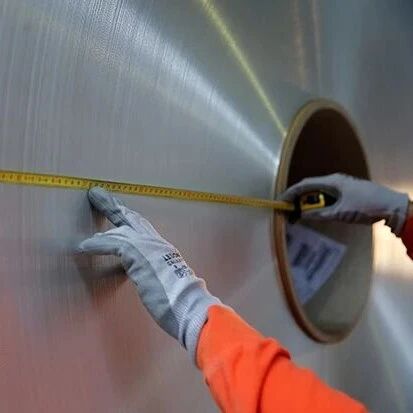
铝价或陷入上涨螺旋,推手是AI热潮?
日经中文网· 2026-01-08 07:55
Core Viewpoint - The international price of aluminum is rising significantly, driven by strong demand as a substitute for copper, alongside concerns about electricity supply for aluminum smelting due to the increasing power consumption of AI data centers [2][4][9]. Group 1: Price Trends and Influencing Factors - The London Metal Exchange (LME) three-month futures for aluminum have shown a clear upward trend, surpassing $3,000 per ton on January 2 and reaching a peak of $3,138 per ton, the highest since April 2022 [4]. - The primary factor for the price increase is the significant rise in copper prices, which have seen a projected increase of 42% by 2025 due to supply-demand tensions [4]. - Investment funds are shifting towards aluminum, which has seen a more modest annual increase of 17% compared to copper [4]. Group 2: Electricity Consumption and Supply Concerns - Producing one ton of aluminum requires approximately 15,000 kilowatt-hours of electricity, equivalent to the annual electricity consumption of 3 to 4 average households [6]. - Concerns about electricity supply are becoming a reality, with companies like Rio Tinto considering shutting down the Tomago aluminum smelter in Australia due to rising electricity costs, which account for 40% of the country's aluminum production [6]. - South32 announced the suspension of operations at its smelter in Mozambique starting March 2026 due to significant increases in electricity supply contract costs [6]. Group 3: Competition for Electricity and Future Outlook - The International Energy Agency (IEA) predicts that global data centers' electricity consumption will more than double by 2030 compared to 2024, creating a competitive disadvantage for aluminum smelting plants [8]. - Major tech companies like Amazon and Microsoft are willing to pay over $100 per megawatt-hour for electricity, while aluminum smelting operations typically secure long-term contracts at around $40 per megawatt-hour [8]. - The environment for the aluminum smelting industry is becoming increasingly challenging, with predictions that aluminum prices could reach $3,200 per ton by 2028, and concerns that maintaining existing smelting operations may become difficult [8].