日经中文网

Search documents
日企为不依赖中国稀土都做了哪些?
日经中文网· 2026-01-12 03:15
Core Viewpoint - Japanese companies are actively seeking to secure rare earth supply chains outside of China, learning from past experiences and focusing on developing alternative technologies and recycling methods to reduce reliance on Chinese manufacturing [2][6]. Group 1: Investment and Partnerships - JX Metals announced a 5% investment in an Australian rare metals and rare earth mine, with plans for additional funding [4]. - Marubeni also expressed intentions to invest in the same mine, indicating a collaborative effort among Japanese firms to increase their stake [4]. - JX Metals is exploring new rare earth rights beyond Australia, emphasizing the urgency of securing stable supplies for chip materials [4]. Group 2: Historical Context and Challenges - Historically, the U.S. and other countries were the main sources of rare earths until China's emergence as a dominant low-cost producer due to lax environmental regulations [5]. - Japan faces significant challenges in competing with China's overwhelming cost advantages, even with secured rights to rare earths [5]. - The Chinese government implemented export controls on seven types of rare earths in April 2025, forcing Japanese automakers to halt production [5]. Group 3: Technological Innovations and Recycling Efforts - Japanese companies are developing technologies to reduce the need for rare earths, such as Proterial's electric vehicle motors that do not use heavy rare earths [5]. - Companies like Shin-Etsu Chemical are establishing recycling facilities in Japan and Vietnam to reclaim rare earth materials from used products and manufacturing waste [5]. - Collaboration between Shin-Etsu Chemical and Toyota aims to achieve resource recycling for hybrid vehicle motors [5].


“美洲鳗”纳入国际管制,日本吃烤鳗鱼或涨价
日经中文网· 2026-01-11 00:33
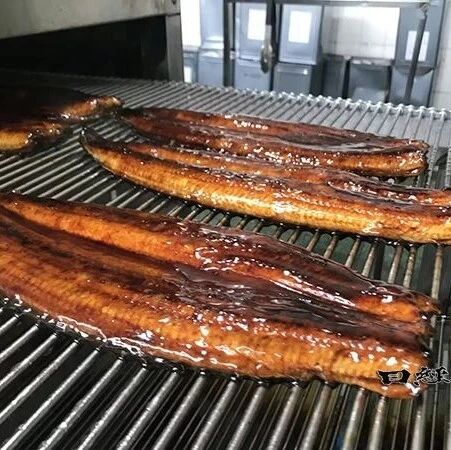
Core Viewpoint - Japan heavily relies on China for its unagi (grilled eel) imports, particularly from processing plants in Guangdong, with 99% of the approximately 20,000 tons imported annually coming from China. New international regulations starting January 2026 will require export permits and certificates of origin for American eel, which may disrupt supply and increase retail prices in Japan [2][4][5]. Group 1 - Japan imports about 20,000 tons of grilled eel annually, with over 99% sourced from China [5]. - The retail price of American eel in Japan ranges from 1,000 to 1,300 yen (approximately 45.2 to 58.8 RMB), significantly lower than the domestic eel price of about 2,500 yen (approximately 113.1 RMB) [5]. - Starting January 2026, new regulations will require official certificates to prove the origin of American eel, potentially complicating the import process [4][5]. Group 2 - The upcoming meeting of the Convention on International Trade in Endangered Species (CITES) on November 24 will discuss the inclusion of all eel species in the need for export permits [4]. - Although the extinction risk for American eel is low, it has been placed in Appendix III of CITES for international cooperation to protect resources due to a request from the Dominican Republic [4]. - If the import of American eel encounters obstacles, Japanese buyers may have to switch to more expensive domestic eel, which could lead to increased retail prices due to limited supply [5].
日股牛市拉大贫富差距,“前0.01%”收入占比首超2%
日经中文网· 2026-01-11 00:33
Core Viewpoint - The income share of the top 0.01% in Japan has risen to 2.28% as of 2023, nearly doubling from 1.19% in 2012 when Abenomics began, highlighting a growing economic disparity driven by asset increases [2][4]. Group 1: Income Distribution - The average income of the top 0.01% group from 2018 to 2023 reached 174 million yen, with capital gains being the primary driver of income growth for this group [4]. - Including capital gains, the income share of the top 0.1% increased from 3.33% in 2012 to 4.83% in 2023, while the top 1% saw an increase from 10.50% to 12.04% [6]. - The income share of the top 5%, 10%, and 20% groups has remained stable or slightly decreased, indicating a concentration of asset ownership among the wealthier segments [6]. Group 2: Tax Reforms - The Japanese government plans to address tax loopholes that benefit wealthier individuals by raising the minimum income tax rate from 22.5% to 30% and reducing the tax-exempt threshold from 330 million yen to 165 million yen [6]. - The new tax regulations are expected to target individuals with an annual income of approximately 600 million yen, expanding the tax burden to a broader group [6]. Group 3: Poverty and Inequality - The poverty issue among the middle and lower-income groups in Japan is becoming increasingly severe, with median household labor income dropping from 5.375 million yen in 1994 to 3.05 million yen in 2019 [7]. - The Gini coefficient, which measures income inequality, reached 0.5855 in 2023 before redistribution measures, marking the highest level since the survey began in 1962 [8].

TOTO社长:中国业务26年度绝对实现盈利
日经中文网· 2026-01-11 00:33
Core Viewpoint - TOTO is shifting its business focus in China from new housing to the renovation market, following the closure of two ceramic factories in Beijing and Shanghai, resulting in the layoff of 1,000 employees [2][4]. Group 1: Business Strategy and Operations - The company has closed two ceramic factories in Beijing and Shanghai, laying off 1,000 employees, which was a difficult decision for the president [2][4]. - A total of 120 employees have been transferred to a new factory in Liaoning, and the company expects to achieve profitability in its China operations by 2026 despite stable sales figures [4]. - TOTO is introducing entry-level products while successfully guiding customers towards higher-end models during business negotiations [5]. Group 2: Environmental Initiatives - TOTO plans to focus on reducing carbon emissions in its main factory in Kitakyushu, Japan, by improving kiln efficiency and implementing a new method of burning a mixture of hydrogen and natural gas [5]. Group 3: Market Position and Collaborations - The company is part of the TDY Alliance with YKKAP and DAIKEN, which is currently discussing customer management strategies while maintaining the operational model of their joint showroom [7]. - TOTO has established a new ceramic factory in the U.S. for the first time in 30 years, focusing on automated production of high-value products tailored for the American market [7][8]. Group 4: Future Production Plans - A decision on local production of TOTO's washlet products in the U.S. will be made by 2030, with current exports coming from Thailand and Malaysia [8].
2026年日元汇率展望:美国降息节奏是关键
日经中文网· 2026-01-11 00:33
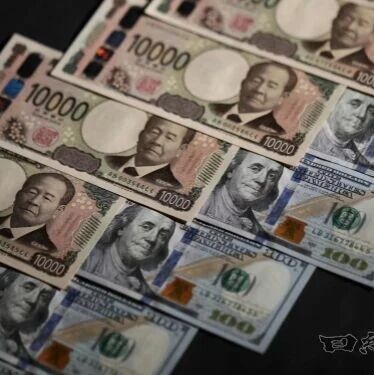
Core Viewpoint - The Japanese yen is expected to appreciate against the US dollar for the first time in five years by 2025, primarily due to the decline in US dollar credit, although it remains weak against other currencies [2][4]. Group 1: Yen Exchange Rate Trends - As of December 30, 2025, the exchange rate is 1 USD to 155.97 JPY, showing an appreciation of approximately 1.90 JPY (1% increase) compared to the same time in 2024 [4]. - The yen's appreciation against the dollar is attributed to the depreciation of the dollar, while it continues to depreciate against other major currencies, indicating that a true shift to a yen appreciation phase is not yet realized [8][10]. - The yen reached its highest point of the year at 139.80 JPY per USD on April 22, 2025, following the announcement of a reciprocal tariff policy by the US government [6]. Group 2: Monetary Policy and Economic Implications - The Bank of Japan raised its policy interest rate by 0.5% in 2025, reaching the highest level in approximately 27 years, which narrows the long-term interest rate gap between Japan and the US [10]. - Despite the interest rate hike, the yen has not transitioned to an appreciation phase, as the government's active fiscal policies may undermine the effects of the Bank of Japan's rate increase [10][11]. - Predictions suggest that by December 2026, the yen may depreciate again to around 160 JPY per USD, depending on the trajectory of US monetary policy [10][11].
半导体市场2026年将继续上演内存争夺战
日经中文网· 2026-01-10 00:34
Core Viewpoint - The semiconductor market is expected to face a supply shortage, particularly for AI-related semiconductors, while general memory products for smartphones and personal computers are also experiencing shortages due to prioritization of higher-margin AI products [2][5][7]. Group 1: Semiconductor Supply and Demand - Experts predict a supply shortage for AI semiconductors, especially for GPUs, with production lines operating at full capacity [5]. - The demand for high-bandwidth memory (HBM) used in GPU computations is outpacing supply, prompting companies like Micron Technology to expand production [5]. - General memory products for smartphones and PCs are also in short supply, as major companies focus on producing more profitable AI-related products [7]. Group 2: Market Trends and Price Movements - Samsung Electronics reported a record operating profit of 20 trillion KRW for Q4 2025, driven by a 50-55% increase in DRAM prices and a 33-38% increase in NAND prices [4]. - The semiconductor market is projected to grow by 26% in 2026, reaching approximately $975.4 billion, nearing the $1 trillion mark [8]. - Concerns have been raised about potential over-investment in AI data centers by companies like Oracle, which could disrupt semiconductor supply-demand dynamics if AI demand fluctuates [8]. Group 3: Future Outlook - The DRAM prices are expected to continue rising in the first half of 2026, influenced by high demand from data centers [7]. - There are mixed opinions on the recovery of automotive semiconductors, with some experts warning of potential supply shortages and price increases starting in early 2026 [7]. - The overall shipment volumes of smartphones and personal computers may decline due to rising memory costs, particularly affecting lower-priced models [7].

2026年关注哪些亚洲股?
日经中文网· 2026-01-10 00:34
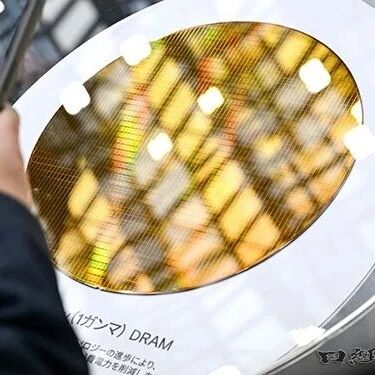
Group 1 - The development of AI is expected to make significant progress by 2026, with active manufacturing in related semiconductors and servers [2] - Popular stocks mentioned include Alibaba Group, Samsung Electronics, and TSMC, indicating strong market interest in these companies [2] - Demand for products that reduce power consumption in data centers is expanding, broadening the range of related stocks [2] Group 2 - Alibaba is considered a potential stock due to its strong performance in cloud business and its strategy to expand the use of generative AI through open-source models [4] - The emergence of new companies like DeepSeek is expected to drive growth in the tech sector, with this trend anticipated to continue into 2026 [4] Group 3 - Analysts predict that global spending on AI services and related technologies will increase by 37% in 2026, reaching $2 trillion [5] - The production of semiconductors is expected to become more active, with demand for high-bandwidth memory (HBM) and DRAM remaining strong [6] - TSMC and Hon Hai Precision Industry are expected to benefit from providing advanced semiconductors to companies like NVIDIA [6] Group 4 - There are concerns about semiconductor companies' equipment investments not keeping pace, with geopolitical risks potentially affecting supply chains [7] - Samsung and SK Hynix are enhancing their production capacity, but new factories may not be operational by 2026 [7]


36氪精选:脑机接口虚火?但再不下手就晚了
日经中文网· 2026-01-10 00:34
Core Viewpoint - The brain-computer interface (BCI) sector is expected to experience a significant wave of financing in 2026, driven by advancements in technology and supportive government policies [5][6][9]. Group 1: Market Dynamics - Non-invasive BCI company "Qiangnao Technology" recently completed a financing round of 2 billion yuan, igniting interest in BCI concept stocks [6]. - The BCI sector has seen a strong market response, with companies like Innovation Medical, Nanjing Panda, and Yanshan Technology experiencing stock price surges [7]. - Elon Musk's announcement regarding Neuralink's plans for large-scale production of BCI devices by 2026 has been a major catalyst for the current market enthusiasm [7]. Group 2: Investment Landscape - Major venture capital firms such as Sequoia China, IDG, and Baidu Ventures have invested in various BCI companies, indicating a broadening interest beyond just medical applications to technology and consumer sectors [9]. - The BCI market is transitioning from primarily medical investments to include technology and consumer-focused investments, particularly in consumer healthcare applications [9]. Group 3: Non-Invasive BCI Insights - Non-invasive BCI technology has a wide range of applications, including sleep monitoring, attention tracking, and treatment for mental health disorders, but has faced challenges due to high user education costs and product homogeneity [10][12]. - The technology has limitations in signal quality, as non-invasive methods like EEG struggle with signal clarity and resolution [10]. - Companies are shifting focus from pure brain control to developing smart prosthetics and other applications that utilize muscle signals and AI algorithms for better intent recognition [11]. Group 4: Invasive BCI Developments - Invasive BCI companies are navigating significant challenges, including safety, signal stability, and regulatory compliance, but have still managed to secure funding during market downturns [13]. - The evaluation of BCI companies has shifted from focusing solely on technical capabilities to assessing their overall operational capabilities and clinical trial progress [13]. - Notable invasive BCI companies include Borui Kang, which is pursuing a listing on the Science and Technology Innovation Board, and has reported successful clinical trials with significant patient improvements [14]. Group 5: Key Players and Innovations - Borui Kang has developed a semi-invasive BCI system that has shown promising results in clinical trials, achieving significant improvements in patient functionality [14]. - Ladder Medical focuses on ultra-flexible neural electrode technology and has successfully conducted clinical trials for spinal cord injury patients [15][16]. - Brain Tiger Technology, which aims to compete with Neuralink, utilizes silk protein for its electrodes, enhancing biocompatibility and reducing long-term damage [17]. Group 6: Future Outlook - The year 2026 is anticipated to be a pivotal moment for the BCI industry, with advancements in technology and regulatory support paving the way for broader adoption [22]. - The introduction of independent billing for BCI services by the National Healthcare Security Administration in 2025 reflects a commitment to supporting the industry's growth [22]. - Companies that establish a strong foothold in the BCI sector are likely to gain significant influence over future technologies, products, and standards [23].

二手价是新车1.5倍,日本多款车被高价倒卖
日经中文网· 2026-01-10 00:34
Core Viewpoint - The article discusses the issue of car resale prices in Japan, particularly focusing on the Suzuki "Jimny Nomad" and Toyota's popular models, highlighting the phenomenon of new cars being resold at significantly higher prices than their original retail prices due to supply shortages and high demand [2][4][10]. Group 1: Pricing and Resale Market - The Suzuki "Jimny Nomad" is priced between 2.651 million to 2.75 million yen (approximately 118,300 to 122,700 RMB), with its average resale price soaring to 4.69 million yen (about 209,300 RMB), reaching 1.7 times its original price shortly after launch [4]. - As of November 2025, the resale price of the "Jimny Nomad" remains high at 3.96 million yen (around 176,700 RMB), which is still over 1.5 times the new car price, indicating a persistent demand despite an increase in new car supply [4][5]. - The Toyota "Land Cruiser 250," launched in April 2024, has also seen its resale prices exceed new car prices, with average resale prices reaching 7.42 million yen (approximately 331,100 RMB) by November 2025, significantly higher than its original price range of 5.2 million to 7.35 million yen (about 232,100 to 328,000 RMB) [7][10]. Group 2: Market Dynamics and Consumer Behavior - The phenomenon of high resale prices is attributed to a growing number of consumers purchasing vehicles with the intent to resell, creating an unhealthy market structure where new buyers are forced to pay above the retail price [7][10]. - The article notes that the resale market is not limited to the "Jimny Nomad," as other models like the Toyota "Alphard" have also experienced similar trends, with initial resale prices significantly higher than their launch prices before gradually decreasing [8][10]. - Suzuki's management acknowledges the unhealthy state of the market, comparing it to the trading of collectible items, indicating a need for industry-wide strategies to address the resale issue and stabilize prices [7][10]. Group 3: Industry Responses - In response to the resale market challenges, Suzuki has implemented measures such as limiting orders to one vehicle per household and requiring customers to sign agreements regarding vehicle ownership duration [10]. - However, efforts to combat resale practices face challenges, including potential legal issues related to antitrust laws, as seen with Toyota's sales conditions for the "Alphard" [10]. - The article emphasizes the necessity for the automotive industry to establish appropriate pricing strategies and comprehensive measures to mitigate the resale market's impact on consumer access and brand value [10].


盐野义获准在中国销售新型抗菌药头孢德罗
日经中文网· 2026-01-09 07:31
Core Viewpoint - The approval of Cefiderocol in China marks a significant entry point for Shionogi Pharmaceutical into the Chinese market, which is primarily dominated by generic drugs [2][4]. Group 1 - Cefiderocol, a drug for treating antibiotic-resistant infections, has been approved for production and sales in China as of January 8 [2]. - The drug is already being sold in 26 countries and regions, including Japan and Europe, with steady sales growth [2]. - Shionogi aims to leverage the sales experience gained from Cefiderocol in Western markets to accelerate its early deployment in China [4]. Group 2 - The approval was based on results from international joint clinical trials conducted overseas and domestic clinical trials in China, confirming the drug's efficacy and safety [4]. - Shionogi plans to launch multiple products in China by the fiscal year 2030, including a COVID-19 treatment drug named "Xocova" [4].