野村东方国际证券

Search documents
反洗钱宣传|打击治理洗钱犯罪典型案例
野村东方国际证券· 2025-10-10 09:15
Group 1: Case Summaries - Case 1: Li's money laundering involved illegal fundraising and transferring illegal funds totaling 535.5 million yuan, with a profit of over 100,000 yuan from providing payment services [1][2] - Case 2: Wang's fraudulent fundraising led to a loss of 20.39 million yuan, with 35,980 yuan of the funds used to establish a clothing store, which was then mixed with fraudulent funds [5][6] - Case 3: Zhang's bribery case involved 3 million yuan in bribes, which he laundered through stock trading, resulting in a two-year prison sentence [7][8] - Case 4: Long's drug trafficking case involved receiving 1,225 USDT (approximately 8,330 yuan) as payment for drug sales, which he converted to cash for personal use [9][10] - Case 5: Guo's involvement in a criminal organization led to laundering illegal funds through insurance purchases, resulting in a two-year prison sentence [11][12] Group 2: Legal Implications - The cases highlight the role of underground financial networks in laundering proceeds from various crimes, emphasizing the need for stringent legal measures against such activities [2][6] - The judicial system's stance on punishing money laundering is evident, as seen in the severe penalties imposed on offenders, which serve as a deterrent against future crimes [2][8] - The use of virtual currencies in laundering activities, particularly in drug-related crimes, poses new challenges for law enforcement and regulatory bodies [9][10]


A股四季度展望|流动性拐点预期之下的资产荒
野村东方国际证券· 2025-10-10 09:15
Core Viewpoint - The article discusses the impact of liquidity improvements on market performance, highlighting a significant rise in the CSI 300 index in the third quarter, driven by enhanced liquidity conditions [2][3]. Group 1: Market Performance - The CSI 300 index recorded a cumulative increase of 18.7% in the third quarter, outperforming emerging markets which rose by 10.9% [2]. - Despite a lackluster performance in the first half of the year, the market has shown resilience due to rapid liquidity improvements [2]. Group 2: Liquidity Outlook - The expectation of continued liquidity support is anticipated to drive stock market performance in the fourth quarter, with potential benefits from a loosening monetary policy by the Federal Reserve [3]. - There is a consensus in the market regarding the weakness of the fundamentals, but optimism regarding potential policy support may offset these concerns [3]. Group 3: Earnings Forecast - The company maintains its earnings growth forecast for the CSI 300 index at 2.8% and 6.7% for 2025 and 2026, respectively, amid increasing pressure on bank profitability [4]. - Revenue growth is projected at 4.5% and 5.3% for the same periods, reflecting a cautious outlook on macroeconomic growth [5]. Group 4: Investment Strategy - The article suggests an investment strategy focusing on sectors with confirmed growth potential, advocating for a shift from dividend stocks to technology growth sectors [6]. - Key themes for investment include "aesthetic overseas" through new consumption trends and high-end intelligent manufacturing, with a focus on industries such as electronics, appliances, automotive, and military [6].

宠物医疗行业|乘势而上正当时
野村东方国际证券· 2025-09-12 10:11
Core Viewpoint - The pet medical industry is a core sector of the pet economy, characterized by both rigidity and growth potential, following a development path similar to human consumption structure, transitioning from "goods to services" [2] Demand Side: Growth Potential in Penetration Rate and Average Spending - The aging of pets is leading to an increase in disease incidence, which is expected to trigger a surge in demand for pet medical services. The shorter lifespan of pets compared to humans means that changes in age structure will result in more pronounced demand shifts [3] - The significant growth in the penetration rate of prescription pet food reflects the rapid dissemination of pet medical knowledge in China. Prescription pet food, which is a "functional diet" prescribed by veterinarians for specific diseases, is increasingly being recognized by pet owners, especially during illness or recovery periods [3] Expansion Phase: Balancing Scale and Profitability - The domestic pet medical market is characterized by small revenue size and weak profitability. According to the 2023 China Pet Medical Industry White Paper, 82% of pet hospitals in China have annual revenues below 2.4 million yuan, and 71% have profit margins below 10%, with 26% currently operating at a loss [4] - Drawing from the U.S. market experience, while profitability is under pressure during the expansion phase, measures such as controlling the pace of expansion, standardized mergers and acquisitions, and refined operations can gradually enhance profitability [4] Cost Structure: Challenges in Variable Cost Optimization - In the domestic market, employee and procurement costs are the main constraints on optimizing variable costs for pet hospitals. The operating costs are primarily concentrated in labor and consumables, with a shortage of veterinary talent and low domestic procurement rates for consumables being significant challenges [5] - The long-term reliance on imports for veterinary vaccines and the dominance of foreign brands in pet medications contribute to higher procurement costs for domestic pet medical enterprises. In contrast, the U.S. has a mature local supply chain, which provides cost advantages in consumable procurement [5]

反洗钱宣传|反洗钱人人有责
野村东方国际证券· 2025-09-12 10:11
Group 1 - The article discusses the dangers of money laundering activities, highlighting their impact on financial order and the promotion of criminal activities [1] - It emphasizes that money laundering poses a threat to economic security and undermines social equity [1]

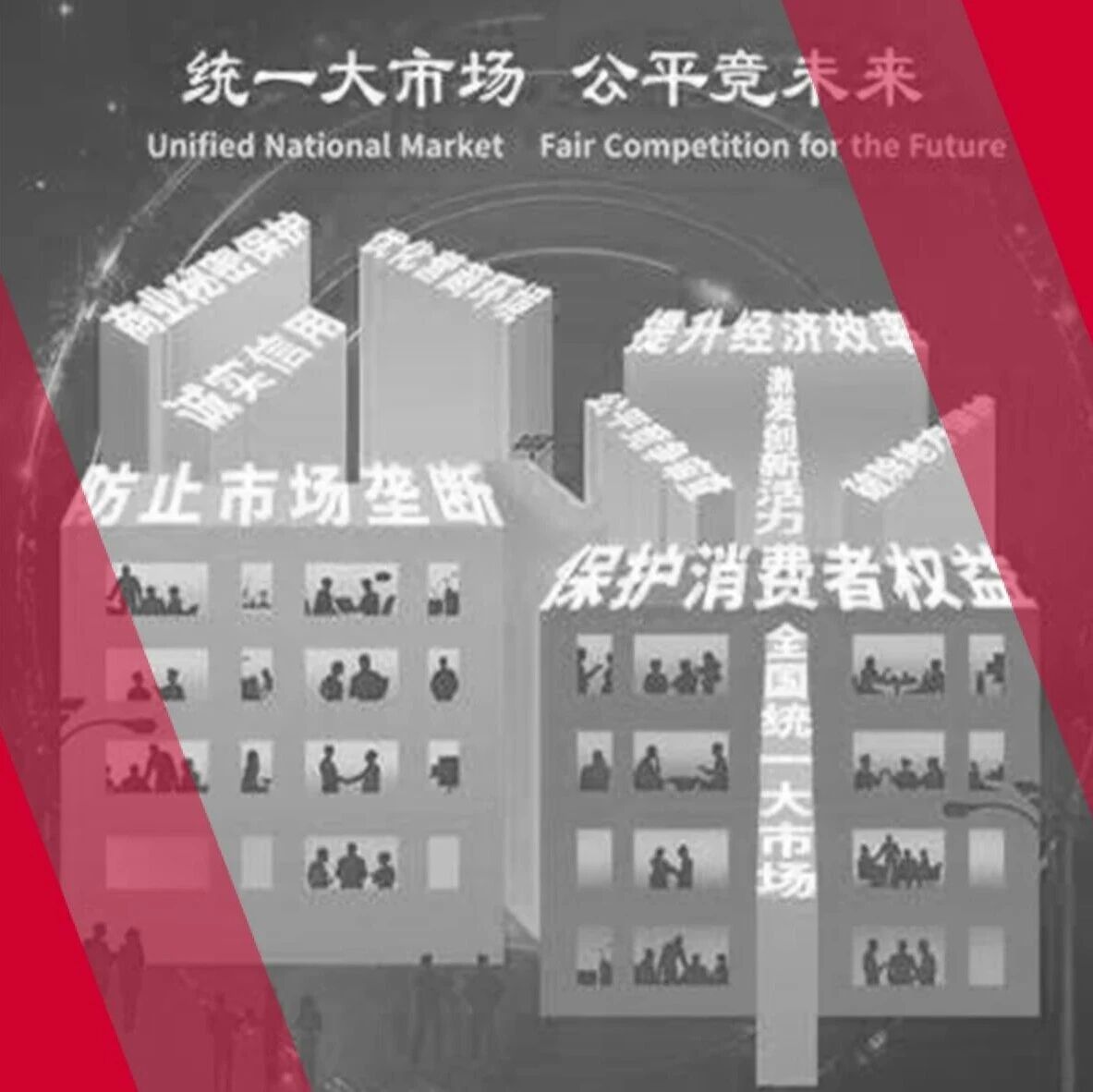
2025年中国公平竞争政策宣传周|统一大市场 公平竞未来
野村东方国际证券· 2025-09-12 10:11
Group 1 - The article highlights the "China Fair Competition Policy Publicity Week" scheduled from September 8 to 12, 2025, emphasizing the importance of a unified national market and fair competition for future development [1][2]. - The event is organized by the Office of the Anti-Monopoly and Anti-Unfair Competition Commission of the State Council and the State Administration for Market Regulation, indicating a strong governmental focus on promoting fair competition [1][2]. - Various activities, including promotional lectures and games related to fair competition, are planned to engage the public and raise awareness [3].
“2025年金融教育宣传周”活动即将开启!
野村东方国际证券· 2025-09-12 10:11
Group 1 - The article discusses the upcoming Financial Education Promotion Week scheduled from September 15 to September 21, 2025, organized by the National Financial Supervision Administration, the People's Bank of China, and the China Securities Regulatory Commission [2]

固态电池行业|产业新周期的起点
野村东方国际证券· 2025-08-29 10:19
Core Viewpoint - The article discusses the emerging opportunities and challenges in the solid-state battery industry, emphasizing the need for technological breakthroughs and cost reductions for large-scale production [3][6]. Group 1: Current State of Solid-State Batteries - Solid-state batteries are not yet in mass production, facing technical bottlenecks in key materials and production processes [3]. - The main issues for solid-state batteries in automotive applications include the need for improved product performance and the reduction of industrialization costs [3][4]. - The evolution of lithium battery technology is expected to follow a path from liquid lithium batteries to semi-solid and then to solid-state batteries [3]. Group 2: Investment Opportunities - Investment opportunities in solid-state batteries are identified in three main areas: battery segment, materials segment, and equipment segment [3][4]. - In the battery segment, high-end applications such as premium electric vehicles and low-altitude economic scenarios are seen as primary markets for solid-state batteries due to their higher costs [3]. - In the materials segment, companies that lead in materials related to solid-state batteries, such as high-nickel ternary materials and silicon-based anodes, are expected to gain market share and achieve excess profits [4]. - In the equipment segment, companies that provide necessary production equipment for solid-state battery manufacturing are anticipated to experience significant growth in orders and revenue [4]. Group 3: Technological Development - The article outlines three main technological routes for solid-state electrolytes: oxide, polymer, and sulfide, each with its advantages and challenges [6][7]. - The sulfide route is favored for its superior material properties, which are more suitable for future solid-state battery applications, despite current challenges in scaling production [7]. - The domestic solid-state battery market in China is projected to reach a scale of 20 billion yuan by 2030, with a compound annual growth rate of 64% from 2025 to 2030 [8].

投教宣传|一图看懂指数化投资之指数百科第二十二期:科创AI指数
野村东方国际证券· 2025-08-29 10:19
Core Viewpoint - The article emphasizes the rapid development of index systems and the increasing recognition of index investment, highlighting the launch of the "One Chart to Understand Index Investment" educational series by the Shanghai Stock Exchange in collaboration with China Fund News and China Securities Index Company [7]. Index Positioning - The article discusses the strategic importance of technological innovation in driving economic transformation, particularly in the context of artificial intelligence (AI) as a core engine for industrial change and efficiency improvement [8]. - The State Council's recent issuance of guidelines for the "Artificial Intelligence +" initiative marks a transition in China's AI development from technological breakthroughs to comprehensive empowerment across all sectors [8]. Index Composition - The Sci-Tech Innovation Board AI Index selects 30 large-cap stocks from the Sci-Tech Innovation Board that provide foundational resources, technology, and application support for AI, reflecting the overall performance of representative AI industry stocks [11]. - The index is constructed from the top 90% of stocks by average daily trading volume over the past year, focusing on companies involved in AI-related businesses across three layers: foundational resources, technology support, and application fields [14][15]. Index Performance - As of August 22, 2025, the total market capitalization of the Sci-Tech Innovation Board AI Index components exceeds 400 billion, with an average market cap of 47.9 billion and a median of 25.6 billion, showcasing a mix of leading firms and growth-oriented small to mid-cap companies [21][23]. - The top five constituents account for 49.6% of the index weight, while the top ten account for 70.6%, indicating a concentration in high-quality assets [27]. Financial Metrics - The index's components reported a year-on-year revenue growth of 20.3% and a net profit growth of 27.3% for Q1 2025, reflecting the successful transition of technology to application and improving operational conditions [33]. - Nearly half of the component companies have a research and development intensity exceeding 30%, with an overall median of 24%, significantly higher than the average for the Sci-Tech Innovation Board [33]. Investment Viability - Since its inception on September 24, 2024, the Sci-Tech Innovation Board AI Index has risen by 155%, outperforming major indices such as the CSI 300 and various Sci-Tech indices [35]. - The index has seen a surge in investment products tracking it, with total assets exceeding 12 billion and an 80% growth in the past two months [37].

眼镜镜片行业|眼镜镜片国产替代空间广阔
野村东方国际证券· 2025-08-22 10:28
Core Viewpoint - The domestic eyeglass lens industry in China has significant potential for growth, particularly in high-refractive resin monomer materials and high-refractive lenses, driven by the trend of "domestic substitution" [2][3] Group 1: Current Market Situation - Despite being the largest eyeglass lens manufacturing country globally, China's brand value remains low compared to foreign brands, which dominate the retail market [4][5] - The core competition in eyeglass lenses is primarily based on manufacturing technology, while eyeglass frames also consider fashion and design elements [4] - The demand for functional lenses, particularly for preventing myopia in children and adolescents, has seen significant growth, with retail share increasing [5] Group 2: Future Outlook - The demand for eyeglass lenses in China is expected to grow steadily due to factors such as rapid population aging, high myopia rates among children and adolescents, and the anticipated widespread adoption of AI smart glasses [3][11] - The market is projected to maintain a "stable volume and increasing price" trend, with domestic brands likely to benefit from the increasing localization of resin materials and the rising popularity of functional lenses [8][11] - Although the total population may decline, the aging population and the persistent high rates of myopia among children and adolescents will sustain demand for eyeglass lenses [11][9] Group 3: Competitive Landscape - Domestic eyeglass lens manufacturers are expected to improve their market share and brand value as the localization of high-refractive resin materials progresses and consumer awareness of functional lenses increases [11][12] - The price increase in eyeglass lenses will be driven by the rising share of functional lenses and thinner high-refractive lenses, supported by improvements in consumer income and comfort [11]

投教宣传|网上信息莫轻信 投资诈骗要警惕
野村东方国际证券· 2025-08-22 10:28
Core Viewpoint - The article emphasizes the importance of using licensed futures companies for trading and highlights the risks associated with fraudulent activities in the futures market [5][10]. Group 1: Investor Education - Investors must open accounts through legitimate futures companies that possess the necessary brokerage licenses, and they should verify the conditions and processes through official channels [5][13]. - It is crucial for investors to be aware of the regulations regarding the safety of margin deposits and to avoid transferring funds to others' accounts [13]. Group 2: Fraud Case Example - A case is presented where an investor was unknowingly drawn into a fraudulent WeChat group, where a self-proclaimed expert provided misleading investment advice and induced the investor to transfer funds to illegal accounts [8][10]. - The futures company investigated the complaint and confirmed that the investor had not opened an account with them, and the trading software used was not legitimate [10]. Group 3: Company Response - The futures company took steps to assist the investor in reporting the fraud to law enforcement and issued public warnings to prevent others from falling victim to similar scams [10][12].