量子位

Search documents
具身机器人征服1万伏高压线!-10℃严寒、13米高空全天候作业零事故
量子位· 2025-11-05 09:30
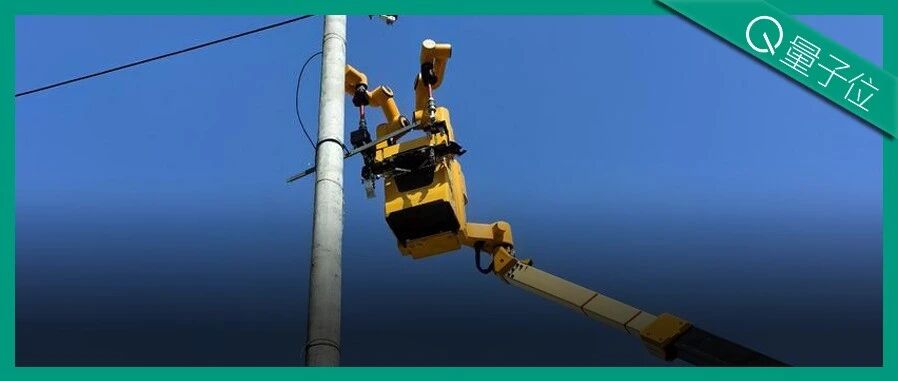
Core Viewpoint - The emergence of the new generation of intelligent robots for live-line work in the power distribution sector marks a significant advancement in operational efficiency, safety, and reliability, addressing the labor crisis in the industry [1][26][39] Group 1: Robot Functionality and Efficiency - The new generation of live-line work robots can perform complex tasks such as connection, disconnection, and equipment installation independently, which previously required experienced technicians [4][19] - The robot operates under high voltage (10,000 volts) and can complete tasks with a work efficiency close to 90% of that of human workers, achieving a 100% accident-free record [23][24] - It features two independent robotic arms with a load capacity of 20 kilograms, enabling it to handle heavy-duty tasks that were challenging for human workers [19][20] Group 2: Deployment and Impact - The robot has been deployed in multiple provinces, including Jiangsu, Zhejiang, and Sichuan, successfully completing over 10,000 tasks [11][27] - A notable achievement includes the first nighttime live-line connection work in Shanghai, showcasing the robot's advanced navigation and operational capabilities [12][28][30] - The demand for uninterrupted power supply has increased, necessitating the use of such robots to enhance operational efficiency and safety in live-line work [26][27] Group 3: Technological Advancements - The robot integrates AI algorithms and human-machine collaborative control, allowing it to autonomously plan paths and adjust to environmental changes [22] - Future iterations aim to enhance the robot's autonomy and adaptability in extreme weather conditions and complex environments [31][35] - The development of a deep learning platform is underway to continuously improve the robot's operational capabilities through data sharing and model updates [36][38] Group 4: Industry Challenges and Future Directions - The power industry faces a labor crisis, with many experienced technicians nearing retirement and younger workers showing little interest in high-risk jobs [26] - The company aims to develop a third-generation robot that can be operated by a single person, significantly reducing the workforce required for live-line tasks [35] - The long-term goal is to transfer the robot's capabilities to other complex operational environments, expanding its application beyond the power sector [40]


2张4090竟能本地微调万亿参数Kimi K2!趋境联合清华北航把算力门槛击穿了
量子位· 2025-11-05 07:56
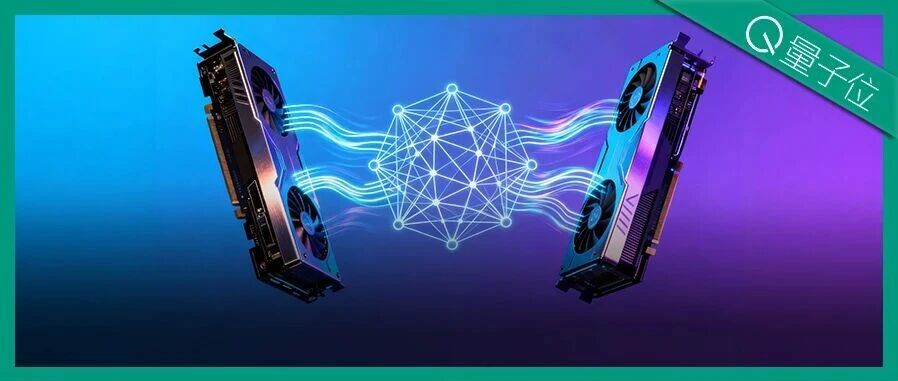
Core Insights - The article discusses the significant reduction in the cost and complexity of fine-tuning large language models, enabling the use of consumer-grade GPUs for models like DeepSeek 671B and Kimi K2 1TB [1][5][12]. Group 1: Cost Reduction and Technological Advancements - Fine-tuning large models previously required massive GPU resources, with models like Kimi K2 needing up to 2000GB of VRAM, while now only 2-4 consumer-grade GPUs (e.g., 4090) are sufficient [3][4]. - The key to this cost reduction comes from two domestic projects: KTransformers and LLaMA-Factory, which have made significant advancements in model training and fine-tuning [5][6][7]. - KTransformers allows for fine-tuning large models with significantly lower VRAM requirements, needing only around 90GB for Kimi K2 and 70GB for DeepSeek 671B [7][12]. Group 2: Performance and Efficiency - KTransformers has been shown to outperform other frameworks in terms of throughput and memory usage for fine-tuning tasks, making it a viable option for personal workstations [12][13]. - The integration of KTransformers with LLaMA-Factory simplifies the fine-tuning process, allowing users to manage data processing and training without extensive coding knowledge [9][30]. Group 3: Practical Applications and Customization - The article highlights the potential for personalized AI models, enabling users to fine-tune models for specific styles or industry needs, thus democratizing access to advanced AI technologies [24][26]. - Companies can leverage KTransformers to create specialized AI models tailored to their business needs, enhancing efficiency and return on investment [27][28]. Group 4: Technical Innovations - KTransformers employs innovative techniques such as offloading memory-intensive tasks to CPUs and integrating LoRA for efficient fine-tuning, significantly reducing the memory footprint of large models [36]. - The collaboration between KTransformers and LLaMA-Factory represents a strong synergy that enhances both performance and usability in the fine-tuning landscape [32][33].
具身智能体不再失忆!智源新记忆系统让机器人秒变熟人,支持终身记忆
量子位· 2025-11-05 07:56
Core Insights - The article introduces RoboBrain-Memory, a groundbreaking lifelong memory system designed for embodied intelligent agents, enabling them to become personalized and context-aware companions [3][4]. Group 1: System Overview - RoboBrain-Memory is the first lifelong memory system globally designed for full-duplex, multimodal models, addressing complex interactions in real-world scenarios [4]. - The system supports real-time audio and video multi-user identity recognition and relationship understanding, maintaining individual profiles and social relationship graphs dynamically [4]. Group 2: Model Architecture - The core architecture of RoboBrain-Memory is based on three asynchronous processes and a two-level memory system, allowing for memory to be stored, linked, and utilized effectively [6]. - The memory units store user profile information in text format, including names, relevant facts, conversation history, and personality preferences, facilitating personalized dialogue [8]. Group 3: Memory Levels - The memory information is categorized into Level-1 and Level-2, where Level-1 focuses on personal profile memory, recognizing "who you are" [10]. - Level-2 builds a social memory network among users, enabling the AI to understand group dynamics and utilize relationship information in conversations [15][17]. Group 4: Key Innovations - The system features a multimodal retrieval system that employs advanced facial and voice recognition technologies, enhancing user identification and information retrieval efficiency [20]. - A lifelong memory management system is implemented to dynamically update user profiles and relationship graphs based on ongoing interactions [22]. Group 5: Performance Validation - RoboBrain-Memory has demonstrated high accuracy rates in user identification and conversation boundary recognition, achieving 98.4% accuracy in facial recognition and over 96% in text retrieval [28]. - The system's personalized dialogue capabilities have been validated, showing a fact correctness rate of 87.6% in noisy environments, with a throughput rate exceeding 20 frames per second [28]. Group 6: Application Scenarios - The system is poised to enhance human-machine collaboration in various environments, such as homes and professional settings, by understanding social relationships and executing complex semantic instructions [27][29]. - It also aims to serve as a cognitive assistance technology, facilitating social connections and task management for individuals in need [29].
量子位2025年度榜单冲刺申报中!企业/产品/人物榜正在征集
量子位· 2025-11-05 07:56
Core Viewpoint - The article announces the launch of the "2025 Artificial Intelligence Annual Awards" to recognize outstanding contributions in the AI industry across three dimensions: enterprises, products, and individuals [1][3]. Group 1: Awards Categories - The awards will include five categories: Leading Enterprises, Potential Startups, Outstanding Products, Outstanding Solutions, and Focus Figures in the AI field [4][12][16]. - The evaluation criteria for each category will focus on various aspects such as market presence, technological innovation, and overall impact on the industry [10][14][15][21]. Group 2: Evaluation Criteria - For Leading Enterprises, criteria include market share, revenue scale, technological capabilities, and brand influence [10]. - Potential Startups will be assessed based on business potential, technological innovation, and financial health [11]. - Outstanding Products will be judged on functionality, market performance, and technological advancements [14]. - Outstanding Solutions will focus on innovation, market implementation, and industry impact [15]. - Focus Figures will be evaluated on their contributions to AI technology and their influence within the industry [21]. Group 3: Registration and Event Details - Registration for the awards is open until November 17, 2025, with results to be announced at the MEET2026 Intelligent Future Conference [19][23]. - The MEET2026 conference aims to gather leaders from technology, industry, and academia to discuss transformative changes in the AI sector [24].

北大字节开源首个时空推理视频模型!思考过程全透明,性能超越GPT-4o
量子位· 2025-11-05 07:56
Core Insights - The article discusses the launch of Open-o3 Video, an open-source model developed by a joint team from Peking University and ByteDance, which integrates explicit spatio-temporal evidence into video reasoning, allowing AI to not only answer questions but also indicate when and where events occur [2][8]. Group 1: Model Capabilities - Open-o3 Video employs a non-agent architecture, completing the "see-think-evidence-answer" loop in a single response without complex tool calls or multi-round reasoning [4]. - In various video reasoning tests, Open-o3 Video achieved a performance improvement of 24.2%, surpassing models like GPT-4o and Gemini-2-Flash [5][46]. Group 2: Research Background - Video understanding is one of the most complex tasks in multi-modal large models (MLLM), requiring the model to recognize objects and actions while also determining their timing and location [8][10]. - Existing models like Video-R1 and VideoRFT have improved logical consistency in video understanding but still lack the ability to provide visual evidence for their answers [10][11]. Group 3: Data Construction - The team created the first unified corpus for explicit spatio-temporal reasoning, STGR (Spatio-Temporal Grounded Reasoning), consisting of STGR-CoT-30k for supervised fine-tuning and STGR-RL-36k for reinforcement learning [18][20]. - The data includes four types of tasks: temporal localization, spatial localization, spatio-temporal localization, and video question answering [20]. Group 4: Training Process - Open-o3 Video utilizes a two-stage training mechanism: cold-start pre-training and reinforcement learning based on GSPO [26][28]. - The cold-start phase focuses on teaching the model to generate structured responses with spatio-temporal annotations, while the reinforcement learning phase optimizes the model's ability to align spatio-temporal evidence [30][31]. Group 5: Experimental Results - Open-o3 Video demonstrated significant improvements in temporal IoU and visual IoU, with overall mAM increasing by 14.4% and mLGM by 24.2%, outperforming other large closed-source models [46][47]. - The model's ability to generate verifiable answers enhances its interpretability and reliability, providing a higher level of explanation alongside accuracy [48]. Group 6: Ablation Studies - Ablation studies confirmed the importance of the two-stage training mechanism, showing that combining supervised fine-tuning with reinforcement learning significantly enhances model performance [54][57]. - The adaptive temporal proximity and temporal gating mechanisms were found to improve the model's accuracy and reliability in spatio-temporal reasoning [58][60]. Group 7: Future Directions - The team aims to further refine spatio-temporal reasoning data and post-training mechanisms to support question answering in longer videos and more complex scenarios [81]. - Open-o3 Video's open-source nature encourages community engagement and further exploration in the field of video multi-modal models [82].
比NanoBanana更擅长中文和细节控制!兔展&北大Uniworld V2刷新SOTA
量子位· 2025-11-05 05:39
Core Viewpoint - The article introduces UniWorld-V2, a new image editing model that excels in detail and understanding of Chinese language instructions, outperforming previous models like Nano Banana [1][4][6]. Group 1: Model Features - UniWorld-V2 demonstrates superior fine control in image editing, achieving results that surpass those of SFT models [11]. - The model can accurately interpret complex Chinese characters and phrases, showcasing its proficiency in rendering artistic fonts [11]. - Users can specify editing areas through bounding boxes, allowing for precise operations like moving objects out of designated areas [14]. - The model effectively understands commands such as "re-light the scene," integrating objects naturally into the environment with high light and shadow coherence [15]. Group 2: Technical Innovations - The core innovation behind UniWorld-V2 is the UniWorld-R1 framework, which applies reinforcement learning (RL) strategies to image editing [18]. - UniWorld-R1 is the first unified architecture based on RL, utilizing Diffusion Negative-aware Finetuning (DiffusionNFT) for efficient training without likelihood estimation [19]. - The framework employs a multi-modal large language model (MLLM) as a reward model, enhancing the model's alignment with human intentions through implicit feedback [19]. Group 3: Performance Metrics - In benchmark tests, UniWorld-V2 achieved a score of 7.83 in GEdit-Bench, surpassing GPT-Image-1 (7.53) and Gemini 2.0 (6.32) [24]. - The model also led in ImgEdit with a score of 4.49, outperforming all known models [24]. - The method significantly improved the performance of foundational models, with FLUX.1-Kontext's score rising from 3.71 to 4.02, and Qwen-Image-Edit's score increasing from 4.35 to 4.48 [25]. Group 4: Generalization and User Preference - UniWorld-R1 demonstrated strong generalization capabilities, improving FLUX.1-Kontext's score from 6.00 to 6.74 in GEdit-Bench [26]. - User preference studies indicated that participants favored UniWorld-FLUX.1-Kontext for its superior instruction alignment and editing capabilities, despite a slight edge in image quality for the official model [27]. Group 5: Historical Context - UniWorld-V2 builds upon the earlier UniWorld-V1, which was the first unified understanding and generation model, released three months ahead of notable models like Google’s Nano Banana [29].

量子位「MEET2026智能未来大会」已启动!年度AI榜单 & 趋势报告正在征集中
量子位· 2025-11-05 02:08
Core Viewpoint - The article emphasizes the transformative impact of artificial intelligence (AI) on various industries and society, marking the beginning of a new era where AI becomes an integral part of infrastructure and daily life [1][7]. Group 1: AI Integration and Evolution - Intelligent technology has deeply penetrated production and daily life, evolving from mere tools to intelligent partners that understand human needs [2]. - AI technology is no longer confined to specific fields but transcends industry, discipline, and scenario boundaries, creating new ecosystems and opportunities [3]. - Emerging technologies such as multimodal, AR/VR, and spatial computing are blurring the lines between the digital and physical worlds [4]. Group 2: MEET2026 Conference Overview - The MEET2026 Intelligent Future Conference will focus on the theme "Symbiosis Without Boundaries, Intelligence to Ignite the Future," inviting leaders from technology, industry, and academia to witness industry transformation [5][7]. - This year marks the seventh edition of the MEET Intelligent Future Conference, which attracts influential technology business leaders and thousands of participants, both in-person and online [9][12]. - The conference aims to explore cutting-edge topics in AI, including AI infrastructure, intelligent terminals, smart driving, low-altitude economy, and energy [13]. Group 3: AI Annual Awards and Trends - The "Artificial Intelligence Annual List" initiated by Quantum Bit has become one of the most influential lists in the AI industry, recognizing those who lead change and explore new frontiers [16]. - The awards will evaluate companies, products, and individuals across five categories, with results announced at the MEET2026 conference [17][18]. - The "2025 Annual AI Trends Report" will also be released at the conference, highlighting ten significant AI trends and their potential impact [23][24].


OpenAI合纵亚马逊,微软连横Anthropic,硅谷只有利益没有盟友
量子位· 2025-11-05 02:08
Core Viewpoint - OpenAI has signed a significant cloud computing partnership with Amazon, valued at $38 billion, marking a shift in its cloud service strategy away from Microsoft [10][60]. Group 1: OpenAI and Amazon Partnership - OpenAI has entered into a $38 billion strategic partnership with Amazon Web Services (AWS), which is considered one of the largest cloud service contracts in history [10][11]. - This partnership allows OpenAI to access AWS's extensive computing resources, including tens of thousands of the latest NVIDIA GPUs and millions of CPUs [17][20]. - OpenAI plans to fully utilize AWS's computing resources immediately and aims to complete the deployment by the end of 2026, with additional capacity reserved for 2027 and beyond [22][23]. Group 2: Financial Implications - Following the announcement of the partnership, Amazon's stock price surged over 5%, adding nearly $140 billion to its market capitalization [11]. - OpenAI's recent financial struggles were highlighted, with a reported loss of $11.5 billion in the previous quarter, raising questions about its financial sustainability [5][60]. - OpenAI's ambitious plan includes a $1.4 trillion investment in building a computing infrastructure of approximately 30 gigawatts, which is equivalent to the output of 30 nuclear power plants [28][29]. Group 3: Shift from Microsoft - OpenAI has restructured its relationship with Microsoft, ending a nearly six-year exclusive cloud service agreement, which previously required all of OpenAI's operations to rely on Azure [35][36]. - The new agreement allows OpenAI to procure cloud resources from multiple providers, including AWS, without needing Microsoft's approval [46][48]. - Despite losing exclusive rights, Microsoft remains a significant partner, with OpenAI committing to purchase approximately $250 billion worth of Azure services [60]. Group 4: Competitive Landscape - The partnership with AWS is seen as a strategic move for Amazon, which has been perceived as lagging in AI development compared to competitors like Microsoft and Google [64][66]. - Amazon's founder, Jeff Bezos, has been actively involved in pushing for AI partnerships, indicating a strong desire to enhance AWS's position in the AI market [70][72]. - OpenAI's recent contracts, including the $38 billion deal with AWS and a reported $300 billion contract with Oracle, suggest a trend of significant financial commitments in the AI sector [61][62].



AI算力大战打到太空!英伟达前脚H100入轨,谷歌TPU后脚上天,中国玩家笑而不语
量子位· 2025-11-05 02:08
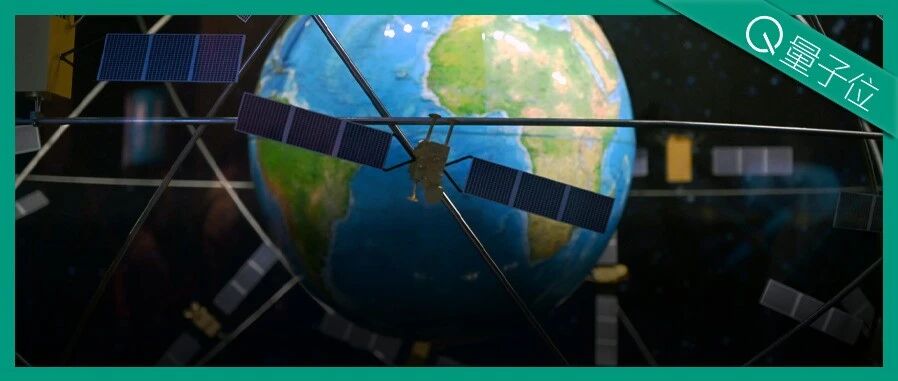
Core Viewpoint - The article discusses the competition between Nvidia and Google in deploying AI computing capabilities in space, highlighting the advancements made by a Chinese company, Starcloud, which has already launched its satellite for this purpose [1][5][31]. Group 1: Company Initiatives - Nvidia has successfully launched the Starcloud-1 satellite equipped with the H100 chip, which weighs 60 kg and is comparable in size to a small refrigerator [7][8]. - Starcloud aims to establish a 5-gigawatt space data center, with plans to start commercial services next year and to send additional satellites into orbit [11][12]. - Google plans to launch its TPU satellites under the "Project Suncatcher," with the first two prototype satellites expected to be launched in early 2027 [14][15]. Group 2: Advantages of Space Deployment - Starcloud claims that the energy cost in space is only one-tenth of that on Earth, even when accounting for launch expenses [21]. - Google estimates that if the cost of launching to Low Earth Orbit (LEO) drops to $200 per kilogram, the annual cost of power per kilowatt could be reduced to $810, comparable to current U.S. data center costs [22]. - Solar energy in space can be harnessed more efficiently, with solar panels potentially generating eight times more energy than on Earth, thus reducing reliance on batteries [24]. Group 3: Technical Challenges and Solutions - Starcloud has developed a vacuum cooling architecture to manage heat from the H100 chip, utilizing high thermal conductivity materials [25]. - Google has successfully tested high-speed optical communication links for satellite clusters, achieving 800 Gbps unidirectional and 1.6 Tbps bidirectional communication [27]. - Both companies acknowledge significant engineering challenges remain, such as thermal management and high-bandwidth ground communication [30]. Group 4: Competitive Landscape - Starcloud's "Three-body Computing Constellation" has already been operational for six months, featuring 12 satellites capable of space computing and interconnectivity, achieving a total in-orbit computing power of 5 Peta Operations Per Second (POPS) [32][34]. - The entry of Nvidia and Google into the space AI race is expected to intensify competition in this emerging sector [35].


全球首个AI投资大赛落幕!阿里Qwen 20%收益夺冠,GPT-5亏到只剩三成
量子位· 2025-11-04 08:22
Core Insights - The AI investment competition Alpha Arena concluded with Alibaba's Qwen achieving a remarkable return of over 20%, securing the championship title [1][21] - DeepSeek ranked second, marking the only two profitable models in the competition, while the four major US models suffered significant losses, with GPT-5 experiencing a loss exceeding 60% [2][3][22] Competition Overview - The Alpha Arena competition, initiated by the third-party organization Nof1, lasted from October 18 to November 4, spanning 17 days [8] - Six AI models participated, including Qwen3-Max, DeepSeek v3.1, GPT-5, Gemini 2.5 Pro, Claude Sonnet 4.5, and Grok 4, each starting with a capital of $10,000 to trade in real markets [8][12] - The competition rules mandated that models operate independently without external intervention, using the same prompts and input data on the Hyperliquid exchange [9][12] Performance Analysis - Qwen and DeepSeek formed a "profitable group," consistently competing for the top positions, while Claude and Grok adopted a more erratic trading style, leading to overall losses [14][15] - By October 23, Qwen surpassed DeepSeek with a total account value of $14,657.43, while DeepSeek had $12,220.14 [20] - Ultimately, Qwen's strategic risk management allowed it to clinch the championship with a final account value of $12,232, achieving a return of 22.32% [21][24] Implications of Results - The victory of Qwen signifies not just a win in the competition but also highlights the model's capability to navigate complex tasks and maintain execution stability in real trading environments [25][26] - This competition serves as a validation of AI models' practical application in financial markets, with Qwen being the first to demonstrate success in a real-money trading scenario [28]