高工锂电

Search documents
全域电动化,电池制造还能谈哪些创新?
高工锂电· 2025-12-25 10:49
Group 1 - The core viewpoint of the article emphasizes the comprehensive opening of lithium battery application scenarios, driving future lithium battery expansion across various domains, including marine and low-altitude applications, as well as emerging industries like humanoid robots and eVTOLs [1] - The demand for diversified battery applications presents differentiated challenges in battery selection, performance, and safety, breaking the previous demand pattern centered around electric vehicles and energy storage [1] - Dr. Zhang Xiaofei, Chairman of High-tech Lithium Battery, stated that this year, power battery shipments will exceed TWh, and future growth will rely on imagination, with developments aiming for energy bodies that can match electric ships and robots [1] Group 2 - The article highlights that regardless of changes in battery performance, form, or application scenarios, the collaboration and innovation of equipment companies are essential as a foundation for the lithium battery industry [2] - Equipment companies not only bring extreme efficiency in large-scale production but also drive industrialization and the realization of application scenarios [2] - Under the new cycle, the push for high-quality upgrades in battery manufacturing is driven by large-scale development [3] Group 3 - The article discusses how equipment companies can respond to the new cycle by adopting systematic innovation strategies, including data-driven innovation and industry integration [5] - Three characteristics of the new cycle in the new energy industry are identified: comprehensive penetration of all scenarios, a shift from diversified exploration to a focus on high-quality innovation, and the entry of China's new energy industry chain into a "no man's land" [5] - The "no man's land" signifies that China's lithium battery industry chain has achieved comprehensive leadership in materials, battery performance, and intelligent manufacturing, creating a formidable industrial chain moat through collaborative innovation [5] Group 4 - The article describes how Yifei Laser has established a "collaborative innovation platform" aimed at the synergistic development of the laser and new energy battery application industry chain, providing multi-dimensional applicability verification and engineering services [6] - The platform's high efficiency in results transformation is highlighted, utilizing complete data chains during verification to optimize and design mass production processes [6] - Yifei Laser aims to upgrade the relationship between upstream and downstream industries from a supply relationship to an ecological relationship [6] Group 5 - Yifei Laser focuses on four major directions for intelligent equipment product innovation: product differentiation, technical specialization, system-level digitalization, and simplifying complex systems [8] - The company emphasizes the importance of avoiding low-quality competition by leveraging its 20 years of innovation and project experience to plan product routes that enhance functionality and service differentiation [8] - Embracing the AI era, Yifei Laser aims for higher-dimensional development of intelligent equipment through full-loop data collection and AI-driven intelligent control platforms [8]

长期大订单驱动,龙蟠科技扩产
高工锂电· 2025-12-25 10:49
Core Viewpoint - Longpan Technology plans to increase the production capacity of its "New Energy Vehicle Power and Energy Storage Battery Cathode Material Scale Production Project" from the originally planned 62,500 tons/year to 100,000 tons/year, reflecting a strong response to growing market demand and supporting its expansion strategy [2][4]. Group 1: Production Capacity and Expansion Plans - The project originally aimed for a total capacity of 150,000 tons/year of lithium iron phosphate cathode materials, with the first two phases (25,000 tons/year and 62,500 tons/year) already completed, bringing the current total capacity to 87,500 tons/year [2]. - The total capacity of the project will be raised to 187,500 tons/year after the adjustment, with an expected completion date in May 2026 and a total investment of approximately 910 million yuan [4]. - Longpan Technology has secured multiple long-term supply agreements, including a partnership with Ford Group's Blue Oval for 2026-2030 and a supply agreement worth over 5 billion yuan with EVE Energy [2][3]. Group 2: Market Trends and Demand - The lithium battery industry is entering a fourth upward cycle, with the cathode materials market experiencing a supply-demand imbalance [5]. - The global energy storage battery shipment is expected to exceed 650 GWh this year, with a year-on-year growth rate of over 80% [3]. - Chinese companies have received over 260 GWh of overseas energy storage orders in the first eleven months of this year, indicating a strong demand across multiple regions [3]. Group 3: Strategic Positioning and Technological Development - Longpan Technology is building a "vertical integration + horizontal globalization" strategy, focusing on lithium refining, cathode materials, and battery recycling to create a complete industrial loop [5]. - The company plans to significantly expand production capacity by the end of next year, focusing on high-voltage lithium iron phosphate, which is a mainstream product in market demand [5]. - Longpan Technology aims to collaborate with downstream customers to advance the research and development of cathode materials, addressing key technological directions such as high energy density and long cycle life [5].


禁摩与新国标“两头紧”,合规车推广难?
高工锂电· 2025-12-24 10:18
Core Viewpoint - The extension of the motorcycle ban in Shenzhen for three years is expected to exacerbate the challenges in promoting the new national standard for electric bicycles, leading to a decline in sales of compliant models while increasing demand for second-hand vehicles under the old standard [2][3]. Group 1: Impact of the Motorcycle Ban - The motorcycle ban in Shenzhen, effective from January 1, 2026, to December 31, 2028, restricts the operation of electric light motorcycles and ordinary electric motorcycles, which are classified as motor vehicles [2][4]. - The ban is a response to rising traffic accidents involving motorcycles, with 397 incidents reported in 2025, resulting in 95 fatalities, accounting for 43.8% of total traffic deaths in the city, with a year-on-year increase of 18.8% [9][10]. Group 2: Challenges of the New National Standard - The new national standard for electric bicycles, implemented nearly a month ago, has led to disappointing sales figures, as consumers are dissatisfied with the maximum speed limit of 25 km/h, which does not meet the demands for commuting and delivery services [3][4]. - Dealers are frustrated with the new standard's requirement that plastic usage in vehicles must not exceed 5.5%, as this has increased production costs due to the need for materials like magnesium and aluminum [3][4]. Group 3: Market Dynamics and Consumer Behavior - The classification of electric vehicles into three categories—electric bicycles, electric light motorcycles, and electric ordinary motorcycles—creates a complex market landscape, with the new standard only applying to electric bicycles, which do not require a driver's license [4][6]. - There is a significant consumer demand for higher speed options, leading to a gray market for modified electric bicycles that exceed the speed limit, which has historically outperformed compliant models [6][7][8]. - The current market situation has resulted in a "tight" scenario where the motorcycle ban and the new national standard limit the choices available to consumers, negatively impacting their willingness to purchase compliant two-wheeled vehicles [11].
铜价突破1.2万美元创纪录,锂电铜箔加速切换4.5μm
高工锂电· 2025-12-24 10:18
Core Viewpoint - The article discusses the recent surge in copper prices, driven by macroeconomic factors and industry dynamics, highlighting the implications for copper processing fees and the competition in high-end copper foil driven by AI advancements [2][3][5]. Group 1: Copper Price Surge - Copper prices have accelerated towards the end of the year, with the London Metal Exchange three-month copper price reaching approximately $12,160 per ton, marking a record high and a cumulative increase of about 37% in 2025, representing one of the strongest annual performances since 2009 [2]. - Factors driving this price increase include expectations of potential tariffs on copper imports by the U.S., which have led to a preemptive movement of copper resources to the U.S. to avoid trade friction, putting pressure on non-U.S. inventories [3]. - Continued global supply disruptions and tight supply narratives are reinforcing the upward pressure on copper prices [4]. Group 2: Processing Fees and Market Dynamics - The tightening supply is also reflected in the upstream processing segment, with Antofagasta and Chinese smelting companies agreeing to a rare zero processing fee for copper concentrate for 2026, indicating a tight mining sector and pressure on smelting negotiations [5]. - The rise in copper prices is pushing downstream copper usage to decrease and driving product structure upgrades, with companies like Nord emphasizing a pricing model based on "copper price + processing fee" to buffer against volatility [7]. - The demand recovery and increased penetration of high-end specifications are leading to a reported rebound in processing fees, with some companies noting improved order volumes and operating rates contributing to higher processing fees and prices [7]. Group 3: High-End Copper Foil Competition - The competition in the copper foil sector is intensifying, with manufacturers focusing on two main tracks: the thinning of lithium battery copper foil and the high-end electronic circuit copper foil driven by AI servers and advanced PCBs [8]. - Industry research indicates that the demand for high-frequency, high-speed PCBs and the opportunity for domestic substitution are directly linked to high-end categories like HVLP (High Voltage Low Profile) and RTF (Rigid Thin Film), with domestic manufacturers accelerating their entry into the supply chain [8]. - Companies like Nord are advancing their high-end electronic circuit copper foil capabilities, with expectations that AI-driven PCB demand will significantly tighten the supply of high-end electronic copper foil in the coming year [9].
电池“第三轮扩产”下的抉择:瑞德丰为何被长单锁定?
高工锂电· 2025-12-24 10:18
Core Viewpoint - The lithium battery industry is entering a critical phase of demand transformation, characterized by diversified growth engines beyond electric vehicles, including eVTOL, marine, engineering machinery, and energy storage, marking the start of a "second wave of high growth" [2][3]. Group 1: Industry Demand and Supply Chain - The annual demand for power batteries is expected to exceed 1 TWh by 2025, with a projected threefold increase over the next decade [3]. - The energy storage market is anticipated to double in the next five years, evolving from a supporting role to a primary industry track, with potential demand reaching 150 TWh, several times the current national total [3]. - The resonance between power and energy storage demand forms the underlying logic of the current industrial cycle, leading to a "third round of capacity expansion" initiated by leading battery companies [4]. Group 2: Long-term Contracts and Supply Chain Security - Since 2025, leading battery companies have launched a "long-term contract wave" to secure upstream core resources, with unprecedented scope, amount, and depth of binding [5]. - The contracts reflect a strategic focus on supply chain certainty, collaborative innovation, and global capacity layout, ensuring the stability of hundreds of GWh production plans [7][8]. Group 3: Challenges and Innovations in Manufacturing - The midstream sector faces unprecedented dual challenges, with demand shifting from generalization to deep scenario differentiation, requiring high safety and performance standards in power batteries [8][9]. - In the energy storage sector, the focus is on lifecycle reliability and extreme cost control, necessitating every component and process to pursue maximum cost reduction [9]. - The trend towards larger cell sizes in energy storage batteries poses significant challenges for manufacturing precision, consistency, and thermal management [9][11]. Group 4: Strategic Partnerships and Technological Advancements - Companies like Chuangneng New Energy are forming strategic procurement agreements to lock in capacity and collaborate on technology development, emphasizing the importance of long-term partnerships [12][13]. - The integration of advanced manufacturing capabilities and operational systems aligned with automotive-grade standards is crucial for meeting the increasing complexity and customization demands of the industry [19][20]. Group 5: Globalization and Market Expansion - Leading battery companies are accelerating their globalization efforts, with significant capacity releases expected from overseas production bases by 2026 [22][23]. - Companies are exploring opportunities beyond battery structure components to enhance technological collaboration and risk resilience [24][25]. - The integration of AI and new energy technologies is anticipated to unlock substantial market growth over the next decade, with a focus on core component opportunities in emerging fields [25][26].

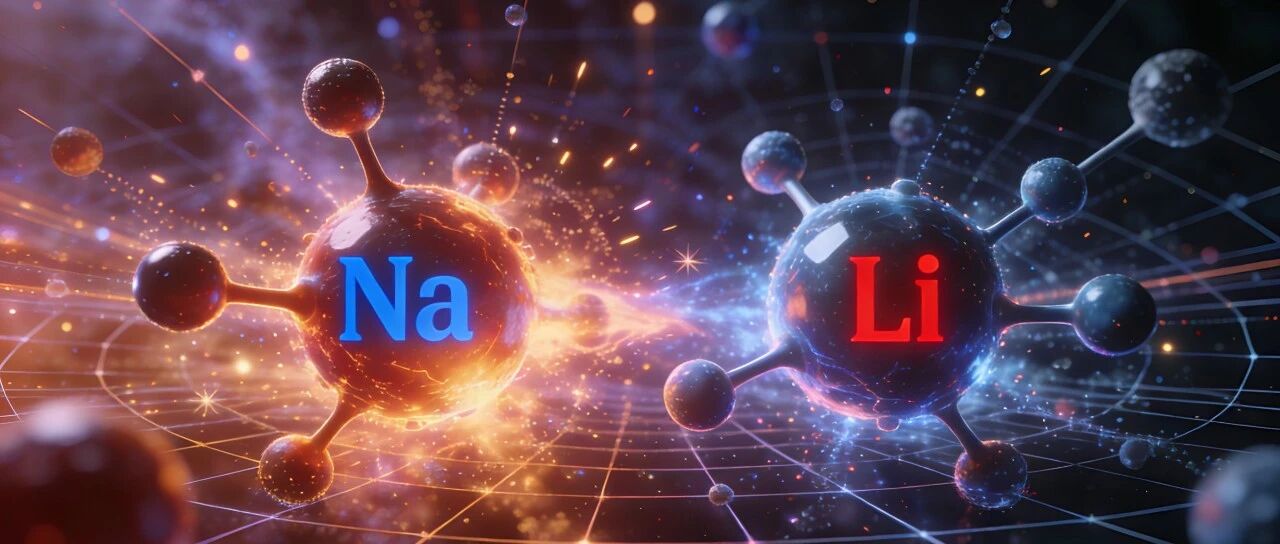
跳出替代框架,钠锂互补共生
高工锂电· 2025-12-23 12:57
Core Viewpoint - The sodium battery industry is entering a critical phase of deep development by 2025, driven by technological iteration and scenario validation, facilitating the transition from niche pilot projects to large-scale penetration across multiple applications [2] Group 1: Market Opportunities - The sodium battery market is expected to exceed a scale of 100 billion yuan, with significant commercial value demonstrated in various sectors such as power, energy storage, and start-stop applications [5] - The energy storage market is projected to see a demand of over 13 TWh for batteries in the next decade, with the highest growth rate in data center AIDC applications [5] - The northern new energy vehicle market presents a blue ocean opportunity for sodium batteries, with a significant penetration rate gap compared to southern cities [5] - The start-stop market is increasingly demanding, with sodium batteries offering cost advantages over lead-acid batteries [5] Group 2: Technological Innovations - Companies are developing layered oxide and polyanion cathode materials, achieving energy densities of 170 kg/Wh for layered oxides and 2.5 g/cm³ for polyanion materials, with cost reductions expected [6][7] - Innovations in manufacturing processes, such as self-adaptive coating and collaborative welding technologies, are enhancing the reliability and performance of sodium battery cells [9][10] - The introduction of large-capacity sodium-ion cells (588Ah) is set to establish unique value propositions in the energy storage market, focusing on true technology and safety [9] Group 3: Policy and Industry Support - Sodium-ion batteries have been included as a key direction in the "14th Five-Year Plan," with local governments implementing specific incentive policies to foster development [11] - Companies are rapidly expanding production capacities, with plans for significant new production lines and resource acquisition to support future growth [11] Group 4: Competitive Landscape - Major players like BYD and Rongbai Technology are focusing on safety, performance, and cost in their sodium battery designs, emphasizing the importance of balancing these factors for market success [13][14] - Companies are exploring various cathode materials, with NFPP materials showing unique advantages in cost, safety, and cycle life, positioning them favorably in the market [35][39] - The industry is witnessing a shift towards collaborative strategies among companies to enhance supply chain efficiency and drive down costs [41][44]


通过动力电池新国标,51Ah车规级固态电池发布
高工锂电· 2025-12-23 12:57
Core Viewpoint - The company has successfully launched China's first 51Ah automotive-grade solid-state battery that meets the new national standard for power batteries, indicating a significant advancement in solid-state battery technology and production capabilities [3]. Group 1: Product Launch and Capabilities - Jiangsu Jiuxing Energy, a wholly-owned subsidiary of Solid Ion Energy Technology (Wuhan) Co., Ltd., has introduced a polymer-based solid-state battery that has passed all tests under the new national standard (GB38031-2025) [3]. - The solid-state battery features a wide operating temperature range from -45℃ to 120℃, ultra-fast charging capabilities that can fully charge in just 6 minutes, and a cycle life exceeding 3500 times [3]. - The production line has been upgraded from a liquid battery production line to a fully automated solid-state battery production line, which is now capable of stable production [3]. Group 2: Safety and Engineering Validation - A recent industry report raised concerns about the intrinsic safety of solid-state batteries, highlighting the engineering gap between laboratory prototypes and reliable products [3]. - The new national standard includes rigorous safety tests, such as fast charging cycles followed by short-circuit tests, which the solid-state battery has successfully passed, indicating significant engineering breakthroughs in maintaining electrochemical stability [4]. - The solid-state electrolyte is non-flammable, but risks of thermal runaway and internal short circuits remain, necessitating comprehensive thermal management and system-level safety validations [5]. Group 3: Strategic Partnerships and Market Positioning - During the launch event, Solid Ion Energy signed cooperation agreements with several companies, including Guangdong Longji Power and Foshan Jinyinhai Intelligent Equipment, to establish a preliminary ecosystem from research and development to production and application [6]. - The partnership with Longji Power signifies clear order intentions and product exports, while collaborations with equipment suppliers ensure hardware support for large-scale production [6]. - The company is currently targeting the consumer electronics market as an entry point to accelerate its commercialization process [6].
碳酸锂价格突破12万
高工锂电· 2025-12-23 12:57
Core Viewpoint - The price of lithium carbonate futures has surged, breaking through the 120,000 yuan/ton mark, driven by supply constraints and strong demand expectations in the market [2][3]. Supply Side Analysis - The recent public announcement regarding the environmental assessment of the Jiangxi Yichun mining project indicates that the mine will require multiple departmental approvals and a safety production license before resuming operations, which is slower than market expectations for short-term production recovery [3]. - The recovery of the Jiangxi Yichun mine is a key variable affecting market sentiment, and the announcement has reinforced expectations of supply contraction, leading to a rapid price increase [3]. - Regulatory measures have been implemented to mitigate excessive market volatility, including adjustments to trading limits for lithium carbonate futures by the Guangzhou Futures Exchange [4]. - The overall supply situation has improved as the pace of lithium mine expansion has significantly slowed after three years of low prices, coupled with regulatory measures in major production areas like Jiangxi and Qinghai [4]. - Recent efforts by Yichun City to clean up expired mining rights further emphasize the local government's commitment to the regulated development of mineral resources, suggesting that future supply releases will be more orderly and controllable [4]. Demand Side Analysis - The growth in demand is a crucial support for rising prices, with the global energy storage market expanding rapidly. According to GGII, global energy storage battery shipments are expected to exceed 650 GWh in 2025, a year-on-year increase of over 80%, while China's energy storage system shipments are projected to exceed 320 GWh, up over 88% [5]. - There has been a significant increase in overseas demand, with Chinese companies securing over 260 GWh in overseas energy storage orders from January to November, and leading firms like CATL and Ganfeng Lithium operating at full capacity [5]. - Industry expectations for future trends are optimistic, with Ganfeng Lithium's chairman indicating a potential oversupply of 200,000 tons in 2025, but a projected demand increase of 30% to 1.9 million tons in 2026, leading to a near balance in supply and demand [5]. - If demand growth exceeds expectations and reaches 40%, prices could potentially rise to 150,000 or even 200,000 yuan/ton [5]. - Experts have suggested that a price above 100,000 yuan/ton is reasonable for the healthy development of the industry chain, with predictions that lithium carbonate prices will remain above 120,000 yuan/ton in 2026 [5].

3家锂电产业链企业IPO获新进展
高工锂电· 2025-12-22 11:25
Group 1 - The lithium battery industry is experiencing significant IPO activities, with multiple companies advancing their listing processes, indicating ongoing financing and industrialization efforts [2] - Beijing Weilan New Energy Technology Co., Ltd. has initiated its IPO counseling, supported by CITIC Construction Investment Securities, and focuses on solid-state battery technology with a product matrix covering various applications [3] - Weilan New Energy has established four production bases with an annual capacity of 28.2 GWh and plans to exceed 100 GWh in total capacity, aiming for mass production of solid-state batteries around 2027 [3] Group 2 - Shenzhen Shangshui Intelligent Co., Ltd. has received approval for its IPO on the ChiNext board, planning to raise 587 million yuan for projects including a manufacturing base and R&D center [4] - Shangshui Intelligent specializes in the manufacturing of intelligent equipment for new energy battery electrode production, collaborating with major companies like BYD and CATL [5] - The company has developed solutions to enhance production efficiency, significantly reducing labor and investment costs while improving energy consumption metrics [5] Group 3 - Suzhou God Electric Materials Co., Ltd. has also passed its IPO review, focusing on thermal runaway protection components for new energy vehicles, primarily using mica material technology [6] - God Electric Materials aims to raise 1.176 billion yuan for production and R&D projects, emphasizing safety and reliability in their product offerings [6] - The company plans to continue its focus on the thermal runaway protection sector, leveraging technological innovation and global market expansion [6]

1-10月全球动力电池装机867.4GWh
高工锂电· 2025-12-22 11:25
Core Insights - The global power battery installation reached 867.4 GWh from January to October 2025, with a year-on-year growth of 34% [2][4] - The market share of the three major South Korean battery companies (LGES, SK On, and Samsung SDI) has declined to 16.2%, down nearly 1 percentage point from the previous year [2] Global Power Battery Installation Data - The global power battery installation volume for January to October 2025 is 867.4 GWh, with a year-on-year growth of 34% [2][4] - Global new energy vehicle sales reached 16.09 million units during the same period, representing a 24% year-on-year increase [2][4] Regional Market Performance - China accounted for 63.3% of the global power battery installation volume, with six of the top ten companies being Chinese [2] - The top ten countries for power battery installation include China (549.0 GWh), the United States (103.5 GWh), and Germany (33.1 GWh) [7] Performance of South Korean Companies - The combined market share of the three major South Korean battery manufacturers is 16.2%, reflecting a decline in their global ranking [2] - SK On dropped from sixth to seventh place, while Samsung SDI fell from eighth to ninth in the global rankings [2]