东京烘焙职业人

Search documents
日销200个的秘密!这款蒙布朗拿破仑帮你告别秋季出品焦虑!
东京烘焙职业人· 2025-09-16 08:33
Core Insights - The article emphasizes the importance of balancing classic and fresh elements in bakery products, particularly during the autumn season when chestnut flavors become popular [5][6][8]. Group 1: Market Trends - Chestnuts are highlighted as a key flavor for autumn, driving consumer interest across various food sectors, including baking and beverages [3][5]. - The seasonal nature of chestnuts creates a sense of scarcity, enhancing their appeal as a limited-time offering [6]. Group 2: Product Innovation Strategies - Successful bakeries leverage the emotional connection of classic products while introducing innovative flavor combinations and shapes to attract both returning and new customers [8]. - Innovations can include cross-category products, such as combining chestnut with Napoleon pastry, to create a unique dessert experience [11][12]. Group 3: Flavor and Visual Presentation - Flavor innovation is crucial; combining chestnuts with coffee, chocolate, or seasonal fruits can enhance the taste profile and create a sense of exclusivity [13][18]. - Visual appeal is also important; using diverse color combinations and unique shapes can help products stand out on social media [16][20]. Group 4: Quality of Ingredients - High-quality ingredients are essential for maintaining product consistency and enhancing flavor; for instance, using premium chestnut puree can improve the overall taste and texture of desserts [24][41]. - The article mentions the use of traditional production methods and high-quality raw materials from reputable brands, which contribute to the uniqueness of autumn chestnut offerings [44].


【新书推荐】私房&职业人闭眼入!《蛋糕装饰技法大全》首发,新手秒变职业级,朋友圈夸爆!
东京烘焙职业人· 2025-09-16 08:33
Core Viewpoint - The article emphasizes the importance of cake decoration techniques in enhancing product appeal and sales, presenting the book "Cake Decoration Techniques Encyclopedia" as a comprehensive guide for aspiring pastry chefs and enthusiasts [3][40]. Group 1: Book Overview - The book is created by the Wang Sen Champion Alliance team and experienced instructors, consolidating over 20 years of international competition experience [3]. - It serves as a systematic guide to mastering essential techniques and design principles in cake decoration, transitioning readers from beginners to professional pastry masters [3][40]. Group 2: Key Techniques - **Piping Techniques**: The book starts with basic piping skills, covering methods like frosting, flavoring cream, and various materials suitable for decoration, ensuring detailed guidance for smooth finishes [4]. - **Chocolate Decoration**: It includes 35 commonly used chocolate decoration pieces, focusing on easy-to-execute techniques that yield impressive results [6]. - **Classic Dessert Decorations**: The book details 28 practical decoration items suitable for various dessert types, enhancing creativity and variety in cake designs [11]. - **Fondant and Marzipan**: It explains the fundamentals of fondant and marzipan, showcasing 12 practical demonstrations for creating figures and floral designs, which remain relevant in high-end dessert presentations [16][19]. - **Sugar Art**: The book covers sugar art techniques, including sugar blowing and pulling, essential for creating intricate designs suitable for competitions and everyday use [21][23]. Group 3: Design Principles - The book introduces design principles such as composition, color matching, and material pairing, encouraging readers to analyze and apply these concepts to their creations [26][29]. - It promotes a shift from imitation to developing personal design thinking, enabling unique and appealing cake designs [35]. Group 4: Target Audience - The book is beneficial for various audiences, including professional pastry chefs looking to enhance product value, competition participants aiming for higher standards, entrepreneurs seeking innovative designs, and deep enthusiasts wanting structured learning [37].

【书籍专题 · 面包大全】牛角面包
东京烘焙职业人· 2025-09-15 08:33
Core Viewpoint - The article provides a detailed recipe for making croissants, emphasizing the importance of specific ingredients and precise steps in the baking process [2][3]. Ingredients Summary - The recipe includes high-gluten flour (250 grams), honey (15 grams), salt (5 grams), dry yeast (2 grams), milk powder (8 grams), water (150 grams), and olive oil (10 grams) [3]. Preparation Process Summary - The dough is mixed until smooth and elastic, then allowed to ferment at room temperature (30°C) for 50 minutes [5]. - The dough is divided into 70-gram pieces, rounded, and rested for 20 minutes [8]. - Each piece is shaped into a teardrop and rolled out into a triangle [9][11]. - The dough is rolled from the back to the front and shaped into a croissant, ensuring the ends are sealed [13][14]. - The croissants are placed on a baking tray and fermented again at 30°C with 75% humidity for 50 minutes [19]. - After fermentation, egg wash is applied to the surface, and the croissants are dipped in sesame seeds [20][21]. - Finally, they are baked in an oven at 200°C for the top and 180°C for the bottom for 14 minutes [26].
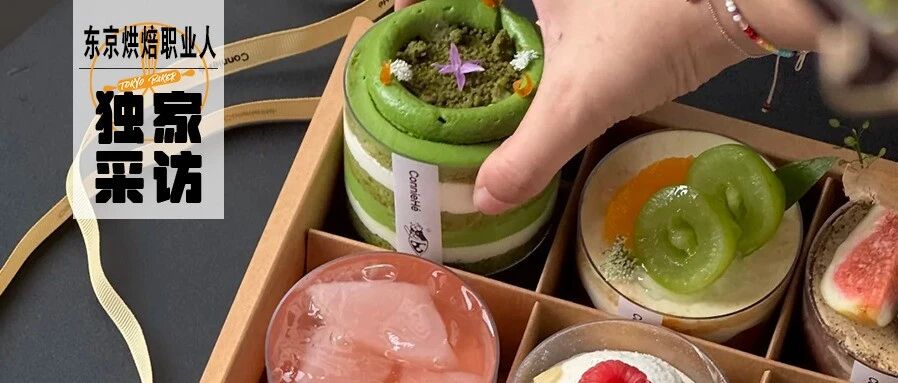
【独家专访】金融圈少了个分析师,烘焙圈多了家 “顶流甜品店”!笑屋的甜品凭什么成为魔都必吃?
东京烘焙职业人· 2025-09-15 08:33
Core Viewpoint - The article highlights the journey of Connie, a former financial analyst who transitioned into the baking industry, emphasizing her passion for creating joyful experiences through baking and the evolution of her brand "ConnieHe 笑屋" from a high-end custom cake studio to a more accessible bakery focused on fresh, quality ingredients [3][4][14]. Group 1: Background and Transition - Connie started her career in finance, where she felt a disconnect between her creative talents and the analytical demands of the industry [4][6]. - Her interest in baking began during her studies in the UK, where she worked part-time in a high-end supermarket, which sparked her passion for creating desserts [6][7]. - The initial phase of her baking journey involved sharing her creations on social media, which garnered a following and led to the establishment of her first baking studio, "1001号烤箱" [11][14]. Group 2: Brand Evolution - The shift from "1001号烤箱" to "ConnieHe 笑屋" was driven by market changes and a desire to offer healthier, simpler desserts that resonate with modern consumers [14][15]. - "ConnieHe 笑屋" targets the refined middle-class demographic aged 25-40, focusing on clean ingredients and a more casual, joyful approach to desserts [15][17]. - The bakery emphasizes a "反工业化" (anti-industrialization) philosophy, using fresh, hand-crafted ingredients and avoiding pre-mixed products [17][24]. Group 3: Product and Customer Engagement - The bakery's product line includes a variety of cakes made with fresh fruits and high-quality ingredients, with a commitment to daily freshness [24][26]. - Connie's approach to customer service includes personalized experiences, remembering customer preferences, and creating a sense of community [36][38]. - The bakery utilizes private domain operations, engaging customers through social media and feedback loops to refine their offerings [38][49]. Group 4: Challenges and Future Goals - Connie acknowledges the challenges of scaling from a small team to a larger operation, focusing on management and maintaining product quality [40][42]. - The bakery faces competition from both low-cost supermarkets and standardized products, yet differentiates itself through quality and a personal touch [24][26]. - Future goals include sustaining the business through seasonal fluctuations and innovating with local ingredients to create unique offerings [49][51].
饮品新风口!一大波茶饮老板杀入“糖水”,业绩飙升200%
东京烘焙职业人· 2025-09-15 08:33
Core Insights - The beverage industry is witnessing a significant shift as many tea drink operators are entering the sugar water market, leading to impressive revenue growth and new business models [5][6][8][12]. Group 1: Market Trends - A wave of tea drink operators is transitioning to sugar water, with some reporting revenue increases of 200%, reaching monthly revenues of 700,000 to 800,000 yuan [5][12]. - The combination of tea drinks and sugar water is becoming a popular trend, with brands like Lucky Coffee and Gu Ming expanding their offerings significantly [8]. - The sugar water market is characterized by a high overlap in customer demographics with tea drinks, particularly targeting young consumers aged 15-40, predominantly female [22][26]. Group 2: Business Performance - Brands like "Sugar Narrative" have opened 160 stores, with daily revenues per store averaging 7,000 yuan, and some exceeding 20,000 yuan [12]. - The "Tea + Sugar Water" model has shown promising results, with 90% of upgraded stores experiencing revenue increases, some exceeding 200% [12][29]. - The sugar water category has over 200,000 stores nationwide, with more than 70,000 new openings in the past year, yet no brand has reached the scale of 1,000 stores [38][40]. Group 3: Challenges and Opportunities - The sugar water category faces challenges such as unclear product definitions and high operational costs, which may hinder the emergence of leading brands [40][45]. - There is a significant regional consumption difference, with sugar water being more popular in southern regions, while northern areas lack a strong consumption habit [48][52]. - The potential for sugar water to become a staple in consumers' lives, similar to tea drinks, will be crucial for the category's growth over the next decade [53].

一周上新!入口刚好、Costco、我的面包...海内外新品资讯抢先看 | 全球职人情报站
东京烘焙职业人· 2025-09-14 08:32
Group 1 - The article highlights the latest bakery product launches from various brands, showcasing innovative flavors and ingredients [2][3][4][5][6][8][11][13][15][18][22][24][26][28][30][32][33][39][41][43][45][47][49][51][55][57][59][60][62][64][66][68][70][71][73][76][78][80][83][84][87][89][90][92][95][97][99][101][104][105][108][110][112][114][117][119][120][121][122][123][125][126][127][128][129][131][133][135][137] Group 2 - The article discusses the rise of supermarket bakeries and the competition among chain bakeries, indicating a shift in consumer preferences [140] - It mentions the collaboration between various brands and cultural institutions, enhancing product appeal through thematic marketing [120][121][122] - The article notes the expansion of certain bakery brands, such as BAKER & SPICE, which has opened its 100th store, reflecting growth in the sector [128]
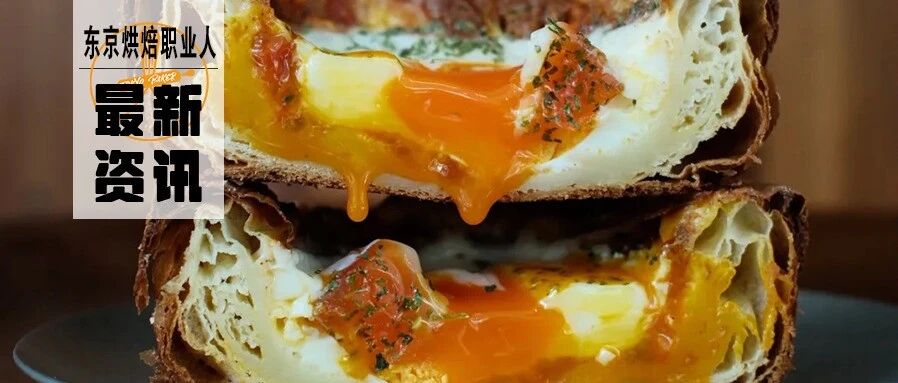
【书籍专题 · 面包大全】裸麦水果面包
东京烘焙职业人· 2025-09-14 08:32
Core Viewpoint - The article discusses the recipe and process for making rye fruit bread, highlighting the ingredients and steps involved in the baking process [2][3][5][6][10][11][12][17][18][19]. Ingredients Summary - The recipe includes high-gluten flour (450g), rye flour (50g), sugar (60g), salt (5g), dry yeast (6g), olive oil (50g), orange peel (75g), rum-soaked raisins (75g), and water (300g) [3]. Baking Process Summary - The dry ingredients (excluding orange peel and raisins) and wet ingredients are mixed until a smooth dough is formed, then orange peel and raisins are added [5]. - The dough is allowed to ferment at room temperature (30°C) for 60 minutes [6]. - After fermentation, the dough is divided into 300g pieces [10]. - Each piece is rounded and allowed to rest for 30 minutes [11]. - The dough is placed in a baking tray and fermented again at 30°C with 75% humidity for 60 minutes [12]. - After the second fermentation, low-gluten flour is sprinkled on the surface of the dough [17]. - The dough is scored with five cuts on the surface [18]. - Finally, the dough is baked in an oven at 210°C (top) and 200°C (bottom) with steam for 25 to 30 minutes [19].

现在的奶茶名,像皇帝赐的封号...
东京烘焙职业人· 2025-09-14 08:32
Core Viewpoint - The evolution of tea drink naming reflects the intense competition in the new tea beverage market, with brands increasingly adopting complex and artistic names to stand out and attract consumers [6][15][16]. Group 1: Naming Trends - Recent discussions highlight the trend of increasingly complex and culturally rich names for tea beverages, with examples like "桃花酿" and "琉璃月" [6][10]. - Brands like 霸王茶姬 and 茶颜悦色 have introduced names that are poetic and artistic, which may confuse consumers unfamiliar with the products [8][12]. - The naming trend is seen as a response to market saturation and the need for differentiation, as brands strive to create unique identities [16][18]. Group 2: Market Dynamics - The new tea beverage market in China is projected to reach approximately 354.7 billion yuan in 2024, with a year-on-year growth of 6.4% [16]. - The competition has led to a focus on product innovation and differentiation, as brands seek to attract new customers while retaining existing ones [16][21]. - Seasonal trends, such as the popularity of lychee in summer, have prompted brands to launch new products that align with consumer preferences [21]. Group 3: Consumer Behavior - Unique product names serve as a "emotional password," appealing to younger consumers' desire for novelty and social media engagement [21][23]. - The concept of "情价比消费" suggests that consumers are increasingly valuing the emotional experience associated with products, not just their price [23]. - However, overly complex names can lead to increased cognitive load for consumers, potentially deterring them from making purchases [27]. Group 4: Marketing Strategies - Collaborative marketing strategies, such as IP partnerships, have become common, with 72 such collaborations reported in the first half of the year [23]. - Successful collaborations require innovative product offerings that can capture consumer interest and drive sales [23]. - Brands must balance unique naming with clarity to avoid alienating consumers who may struggle to understand complex names [27][28].
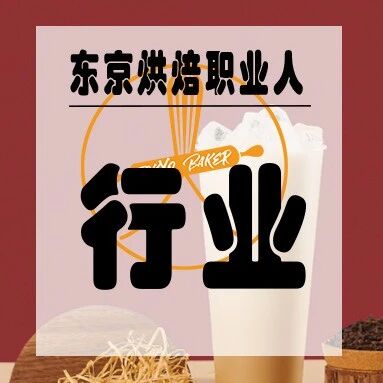
中国烘焙工厂系列⑭ · 馥斓思薇 | 小红书上爆火的mousse cake源自这家工厂?堪称慕斯届的艺术家!
东京烘焙职业人· 2025-09-13 08:33
Core Viewpoint - The article emphasizes the importance of transparency in the Chinese baking market and aims to connect upstream and downstream resources quickly, particularly focusing on OEM/ODM processing enterprises and their development strategies [1]. Company Overview - FulanSweet, based in Suzhou, is a leading player in the frozen cake industry, specializing in mousse products for 20 years and serving nearly 10,000 stores nationwide [10][13]. - The company has developed over 370 high-quality frozen mousse cake designs and has established three factories in Suzhou and Zhengzhou, equipped with multiple production lines certified by food safety management systems [16]. Product Offerings - FulanSweet offers a diverse range of products, including cheese cakes, mousse cakes, and chocolate cakes, available in various sizes (4-inch to 10-inch) to meet diverse customer needs [18]. - Notable product series include seasonal offerings, such as Valentine's Day and football-themed cakes, as well as a unique astronomical-themed series developed in collaboration with the Shanghai Planetarium [32][40]. Production Capacity and Certifications - The production facility has a daily capacity of 300,000 cakes and has achieved dual international certifications (BRC and IFS), reflecting the brand's commitment to quality and safety [44]. - The company is recognized for its innovative use of plant-based ingredients in its products, catering to the growing demand for vegan options [17][41]. Market Presence - FulanSweet's products are favored in various venues, including star-rated hotels, cafes, restaurants, and online delivery services, indicating a strong market presence across multiple sectors [51].

18个月开出1300家门店,肯悦咖啡正在复制“肯德基速度”
东京烘焙职业人· 2025-09-13 08:33
Core Viewpoint - KCOFFEE is rapidly expanding in China, with over 1,300 stores and more than 600 new openings in the first half of 2023, positioning itself among the top ten coffee brands in the country [5][6]. Group 1: Market Potential and Strategy - Yum China is optimistic about the coffee market, viewing it as a fast-growing consumer category that can broaden its service offerings and drive sales [6][8]. - KCOFFEE leverages the existing KFC store network, which has over 12,000 locations across more than 2,430 cities, providing advantageous site selections for new coffee outlets [10][12]. - The strategic "shoulder-to-shoulder" model allows KCOFFEE to share resources with KFC, reducing operational costs and enhancing efficiency [6][14]. Group 2: Competitive Advantages - KCOFFEE has established competitive barriers through its unique resource advantages, including prime locations in high-traffic areas such as shopping malls and tourist attractions [9][13]. - The brand's innovative product offerings, particularly in bubble coffee, have outpaced competitors, with bubble coffee accounting for over half of KCOFFEE's beverage sales in June 2023 [20][15]. - KCOFFEE's strong supply chain management, developed over 30 years, provides significant bargaining power, allowing it to maintain competitive pricing and profit margins [24]. Group 3: Growth and Expansion - KCOFFEE is focusing on expanding into lower-tier cities, with over half of its new stores in the first half of 2023 located in third-tier and below regions [25]. - The integration with KFC's app allows KCOFFEE to tap into a large customer base, with KFC's membership exceeding 520 million, enhancing customer loyalty and brand strength [29][26]. - The brand's collaboration with KFC and other sub-brands under Yum China creates a robust ecosystem for customer engagement and retention [30].