东京烘焙职业人

Search documents
一周4000万曝光,喜茶找了下一个“Labubu”联名
东京烘焙职业人· 2026-01-09 08:34
Core Viewpoint - The collaboration between Heytea and Pop Mart's IP "Starry Person" has emerged as a significant event in the beverage industry, marking a successful global launch of a new product line that has generated substantial consumer interest and engagement [6][11]. Group 1: Collaboration Highlights - The partnership represents the first global collaboration in the tea beverage industry, covering multiple dimensions including product, materials, space, and international markets [7]. - The new product "Tiramisu · Rich Chocolate" was launched on December 29, 2023, and sold out quickly, with social media discussions reaching over 40 million views [6][7]. - The collaboration features a series of themed products, including drinks and pastries, enhancing the consumer experience through unique design elements that encourage social sharing [7][9]. Group 2: Market Impact - The collaboration has been strategically timed to coincide with the Christmas and New Year period, allowing for a synchronized global launch across multiple countries, including Malaysia and the United States [9][17]. - Heytea has expanded its international presence, with over 100 overseas stores, including more than 30 in the United States, providing a broader market reach for the collaboration [9][11]. - The partnership is expected to significantly contribute to Pop Mart's revenue, with predictions indicating that "Starry Person" could account for 8% of total sales by 2027 [6][11]. Group 3: Strategic Approach - Heytea's cautious yet flexible approach to collaborations has allowed for focused marketing efforts, with only two IP collaborations launched in 2025, ensuring high levels of attention and engagement [14][15]. - The innovative use of materials and interactive marketing strategies has enhanced the consumer experience, allowing for creative expressions of the "Starry Person" brand [15][17]. - The collaboration exemplifies a shift in both brands towards becoming cultural symbols, moving beyond their original product categories to create a broader lifestyle narrative [17][18].


二三十的奶茶年轻人kùkù下单,同样价格的面包怎么不行?
东京烘焙职业人· 2026-01-09 08:34
Core Viewpoint - The article discusses the emotional value associated with consumer behavior in the beverage and bakery industries, highlighting how tea and baked goods are perceived differently by young consumers, leading to varying purchasing behaviors. Group 1: Emotional Value in Consumption - Young consumers often choose milk tea for emotional reasons, such as celebrating or comforting themselves, while purchasing bread requires more justification and planning [4][5] - The difference in purchasing behavior is attributed to "immediate emotional triggers" versus "planned consumption," where milk tea satisfies immediate desires while bread is often viewed through a lens of practicality [5][9] Group 2: Psychological Mechanisms - Three psychological mechanisms drive the high-frequency consumption of milk tea: psychological positioning, immediate feedback and pleasure, and social signals and recognition [10] - The bakery industry has not effectively tapped into these emotional triggers, leading to lower purchase rates compared to milk tea [11] Group 3: Misalignment in Emotional Value - Bread is often positioned as a "filling staple" rather than a source of joy, which limits its appeal to consumers who prioritize emotional satisfaction [14] - The marketing of bread focuses on health benefits rather than emotional engagement, making it less relatable and shareable on social media compared to milk tea [16][17] Group 4: Consumer Loyalty and Engagement - The bakery industry lacks the consumer loyalty strategies seen in the milk tea sector, where brands create habitual consumption through membership programs and promotions [19] - Data indicates that bakery consumption is more random, lacking the emotional habit-forming qualities that milk tea has achieved among young consumers [19] Group 5: Potential for Growth in the Bakery Sector - The bakery industry has significant potential for emotional value, with health, scenario-based marketing, and emotional engagement identified as key growth drivers [20] - Strategies such as rebranding bread as an emotional experience and creating unique scenarios for consumption can enhance its appeal to young consumers [20][21] Group 6: Balancing Health and Emotional Appeal - Young consumers are willing to pay a premium for high-quality, aesthetically pleasing baked goods that also meet health standards, with low-sugar and whole grain products seeing significant sales growth [24] - The challenge lies in ensuring that health-focused products do not compromise on flavor, as consumers seek both health benefits and enjoyable taste experiences [24]
2026年新规落地!食品“贴牌代工”监管新规带来五大剧变
东京烘焙职业人· 2026-01-08 08:33
Core Viewpoint - The new regulations on food production delegation will enhance accountability and transparency in the food industry, effective from December 1, 2026, ensuring that both the brand and the production party are responsible for food safety and production practices [2][27]. Group 1: Responsibility Allocation - The new regulations clarify that the brand (delegating party) holds overall responsibility for food safety, while the production party is responsible for the production process [9][11]. - Both parties must meet specific qualifications, with the brand required to supervise the production capabilities of the production party [9][12]. Group 2: Contractual Clarity - A written contract must be signed before any production delegation, detailing food safety-related matters, including qualifications, food names, and procurement methods [13][15]. - Contracts must be reported to local market supervision departments within 10 working days, ensuring regulatory oversight of production relationships [15]. Group 3: Supervision Obligations - The brand must conduct substantial supervision of the production party's operations, which can include on-site inspections and monitoring through various means [16][18]. - Any non-compliance by the production party must be addressed by the brand, which is also responsible for reporting to regulatory authorities [18][19]. Group 4: Transparency in Labeling - Pre-packaged foods produced under delegation must clearly label both the brand and production party's names, addresses, and contact information [20][22]. - This labeling requirement enhances product traceability and consumer awareness regarding the origins of their food [23][24]. Group 5: Inspection and Recall Protocols - The regulations strengthen inspection and recall procedures, mandating that the production party conduct product inspections and retain samples for a specified duration [25][27]. - In case of safety violations, both parties must act promptly to halt production and initiate recalls, marking the end of the era where brands could evade responsibility [27][28].
【独家专访】宁波面包界 “卷王”!全国独家九重奏米贝果爆火,粉丝追着买!
东京烘焙职业人· 2026-01-08 08:33
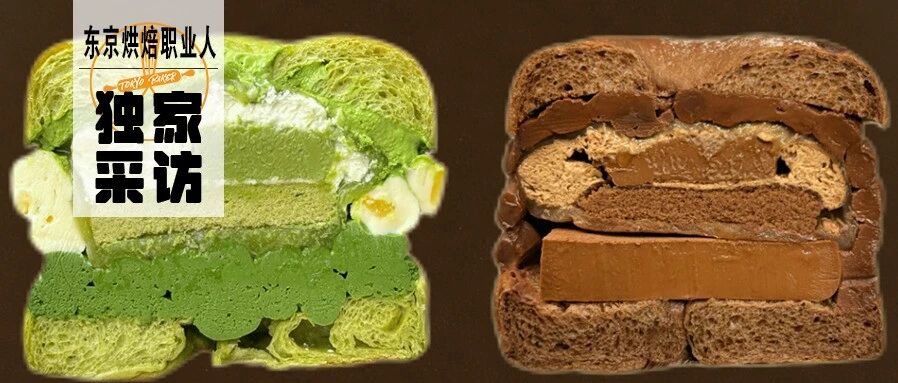
Core Viewpoint - The article highlights the entrepreneurial journey of Xu Weiwei, the founder of "Pu~huhu," a bakery that has quickly gained popularity in the competitive baking market by offering unique products and a warm, community-oriented atmosphere [2][5][8]. Group 1: Brand Overview - "Pu~huhu" was established in 2023 and has become a popular destination in the Jiangsu-Zhejiang-Shanghai region, particularly known for its innovative "Nine-layer Rice Bagel" [5][23]. - The bakery aims to create a sense of belonging and warmth, contrasting with the cold, trendy image of many contemporary bakeries [8][10]. Group 2: Product Innovation - The "Nine-layer Rice Bagel" features a complex structure with multiple layers, including matcha cheese, local specialties, and various textures, designed to create a unique taste experience [15][23]. - The brand also offers a variety of flavors, including chocolate, strawberry caramel pudding, and tiramisu, to cater to diverse consumer preferences [15]. Group 3: Market Strategy - "Pu~huhu" employs a strategy of continuous product innovation, launching 1-2 new items weekly while maintaining popular staples to build customer loyalty [34]. - The bakery focuses on high-quality ingredients and personalized customer service, enhancing the overall customer experience [36][37]. Group 4: Customer Engagement - The brand utilizes a tiered customer management system to enhance retention, offering exclusive benefits to different customer segments [39]. - Interactive activities, such as online contests and offline appreciation events, are organized to foster emotional connections with customers [39]. Group 5: Lessons Learned - Xu Weiwei reflects on early challenges, including over-investment in equipment and a broad product range that diluted brand identity, leading to a strategic pivot towards a more focused product offering [44][45]. - The importance of a clear brand positioning and operational efficiency is emphasized as critical for sustainable growth [46]. Group 6: Future Plans - The company plans to continue innovating with healthier product options and expand its market presence through enhanced online experiences and community engagement [48][49].
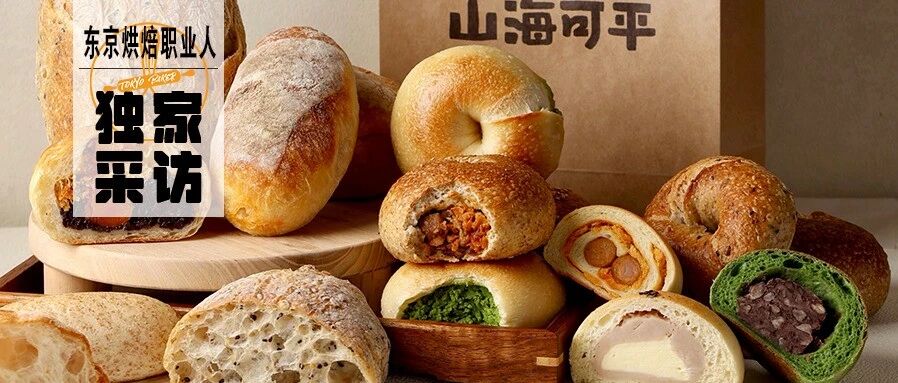
【独家专访】“难吃的面包”也能天天卖空?「山海可平」靠“不走寻常路”圈粉8W+!
东京烘焙职业人· 2026-01-07 08:33
Core Viewpoint - The article highlights the unique approach of a bakery named "Shanhai Keping" in Suzhou, which markets its products as "bad-tasting" yet achieves high customer retention and profitability by catering to health-conscious consumers [1][3][34]. Group 1: Business Model and Strategy - The bakery focuses on creating low-sugar, low-oil bread options that appeal to fitness enthusiasts and health-conscious individuals, diverging from traditional sweet and rich bakery products [9][15]. - The founder, Shao Ye, transitioned from e-commerce to baking, leveraging his experience in health food to develop a niche market for healthier bread alternatives [7][12]. - The bakery's product line is intentionally limited, featuring around 15 varieties that emphasize wholesome ingredients and nutritional value, such as rice bread and ciabatta [16][18]. Group 2: Market Positioning and Customer Engagement - The bakery's marketing strategy includes a strong emphasis on content creation, sharing personal fitness journeys and product development processes on social media platforms to build a loyal customer base [28][31]. - Shao Ye engages directly with customers to gather feedback, forming a "user co-creation" model that ensures products meet the specific dietary needs of his target audience [25]. - The store's unique branding as a provider of "bad-tasting" bread has attracted a niche clientele, particularly those who prioritize health over traditional taste [13][34]. Group 3: Product Development and Innovation - The bakery employs a slow fermentation process and innovative flavor combinations to enhance the taste of its products while maintaining health standards, such as using natural sweetness from dried fruits [22][20]. - New product launches are carefully timed and tested, with a focus on quality over quantity, ensuring that each item meets the founder's high standards before being introduced to the market [32][34]. - The ciabatta series has become a bestseller, showcasing the bakery's ability to blend traditional bread-making techniques with modern health trends [16][18].
卷口味不如卷体验,烘焙品牌开始把门店做成“艺术馆”
东京烘焙职业人· 2026-01-07 08:33
Core Insights - The article discusses the trend of baking brands transforming their stores into art galleries, enhancing customer experience beyond just food sales [1][3] - This shift indicates a new competitive phase in the baking industry, focusing on experiential offerings rather than just product flavors [3][12] Group 1: Consumer Behavior Changes - Consumers, especially younger demographics, seek diverse experiences when visiting stores, valuing unique designs that serve as photo opportunities [8] - The ambiance of a gallery-like space provides a brief escape from daily routines, enhancing emotional value and overall experience [8][14] Group 2: Market Dynamics - Flavor innovation in baking has become challenging, leading to increased product homogeneity and competition [11][12] - Creating a well-designed experiential space offers a higher barrier to imitation, making it a key differentiator in a crowded market [11][12] Group 3: Brand Image and Customer Loyalty - Artistic store designs convey a sophisticated brand image, allowing for product premiumization and increased customer spending [13][14] - A comfortable environment encourages longer customer stays, potentially increasing average transaction values and fostering brand loyalty [13][14] Group 4: Future Directions - Brands must balance artistic presentation with product quality to avoid disappointing customers after initial impressions [16] - Competition will extend beyond traditional bakeries to include cafes and bookstores that also create inviting customer spaces [17] - Emphasizing the baking process and enhancing customer engagement through interactive experiences will be crucial for maintaining customer interest [18]
试水两年,必胜客汉堡专门店开业!西式快餐巨头混战升级
东京烘焙职业人· 2026-01-06 08:33
Core Viewpoint - The article discusses the launch of "Pizza Hut Burger," a new brand by Yum China, emphasizing its unique positioning in the competitive hamburger market with a focus on freshly made, high-quality burgers [4][15]. Group 1: Product Offering - "Pizza Hut Burger" features a menu with nearly 30 SKUs, including 10 types of burgers priced between 23 to 42 yuan, alongside 8 snacks and 9 beverages, catering to a refined single-person dining experience [12][14]. - The burgers are made with a unique pizza dough instead of traditional bread, and the ingredients are highlighted for their freshness and quality, such as using organic selenium-rich eggs and high-quality imported cheeses [8][11]. Group 2: Market Strategy - The brand aims to differentiate itself from competitors like KFC and McDonald's by offering a higher-end product with an average price point above 25 yuan per burger, compared to the 20-30 yuan range of its competitors [15][20]. - The launch of "Pizza Hut Burger" follows a successful trial of the "Pizza Burger" series, which began in December 2023, indicating a strategic move to establish a strong market presence [15][17]. Group 3: Competitive Landscape - The hamburger market is described as crowded, with significant competition from both international brands like KFC and McDonald's and domestic players such as Wallace and Tastin, making it a challenging environment for new entrants [18][20]. - Despite the competition, "Pizza Hut Burger" benefits from the extensive network of over 4,000 Pizza Hut locations across China, providing a robust operational and supply chain support [21].

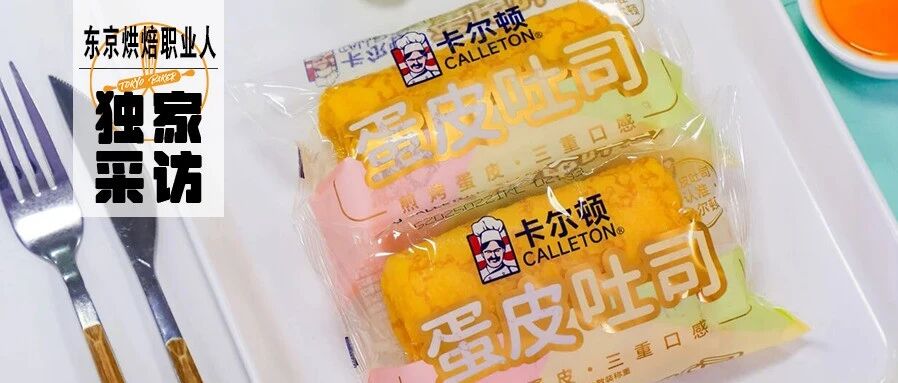
短保破局者卡尔顿:以 “营养美一顿” 穿越烘焙行业 “三国杀”
东京烘焙职业人· 2026-01-06 08:33
Core Viewpoint - The article discusses the competitive landscape of the baking industry, highlighting the "short shelf life baking" strategy of Carlton, which focuses on fresh, nutritious, and convenient baked goods to meet evolving consumer demands [3][5][14]. Group 1: Market Trends and Challenges - The baking industry is experiencing a "three-way battle" among fresh baking, frozen baking, and pre-packaged products, emphasizing efficiency, experience, and cost [3][14]. - Carlton identified a market gap in traditional long-shelf-life products, which often compromise on taste and convenience due to preservation methods [7][8]. - The company has successfully implemented deoxidizers in its products to enhance freshness and taste, establishing short-shelf-life baking as a new industry trend [8][17]. Group 2: Product Development and Innovation - Carlton's product development follows a "differentiated deep cultivation" principle, focusing on unique offerings or significant upgrades to existing products [10][11]. - The company emphasizes a demand-driven approach to new product development, ensuring that products address specific consumer needs such as low sugar, high protein, and convenience [24][26]. - Successful products like the egg skin toast and baked cakes have undergone a comprehensive process from demand capture to market validation, resulting in annual sales exceeding 100 million [27][29]. Group 3: Brand Positioning and Consumer Engagement - Carlton's brand positioning as a "nutritional baking solution provider" aligns with the health-conscious trends among consumers, differentiating it from traditional baking brands [13][21]. - The company aims to resonate with younger consumers by focusing on aesthetics, taste, fun, and values, creating a lifestyle connection beyond just food [17][18]. - Carlton's commitment to transparency in ingredients and clean labels reflects a response to consumer demands for healthier and more understandable food options [39][41]. Group 4: Competitive Strategy and Future Outlook - Carlton views competition as an opportunity for recognition and aims to maintain its market leadership through continuous innovation and quality improvement [45][46]. - The company plans to leverage a dual growth strategy focusing on clean labels and product innovation to ensure sustainable growth over the next three years [49][50]. - Carlton aspires to lead the industry back to a focus on product nutrition and quality, promoting a healthier and more consumer-centric baking landscape [50].
从“记录世界烘焙脉搏”到“解读世界烘焙脉搏”
东京烘焙职业人· 2026-01-05 08:33
Core Insights - The article emphasizes the evolution of the baking industry in China, highlighting the transition from being mere recorders and sharers of information to becoming decoders and connectors within the industry ecosystem [1] Group 1: Industry Trends - The potential for a leading global B2B brand in egg tarts is identified, with a focus on product development and brand co-creation as key strategies [2] - Hema, a supermarket brand, is noted for its rapid growth in the baking sector, reflecting new retail strategies that could serve as a reference for industrial baking [4] - The article discusses the importance of stability and emotional value in brand development, showcasing insights from 58 brand leaders [7] Group 2: Brand Innovations - Dingdong Maicai, an online fresh produce giant, has successfully entered the baking market, achieving over ten million in sales by leveraging its fresh food DNA [9] - The rise of Mr. Stone's Oven as a chain brand is highlighted, balancing artisanal quality with stable scalability [11] - Various boutique brands are mentioned, showcasing unique approaches to customer engagement and brand identity [12] Group 3: Consumer Preferences - The article notes a shift in consumer values, where baking brands must clearly define their purpose and the values they represent, moving away from a one-size-fits-all approach [13] - The growth of e-commerce in baking is discussed, with insights from leading e-commerce brand founders on navigating the market [14] Group 4: Product Development - The article outlines a variety of new recipes and techniques for 2025, emphasizing the connection between technological advancements and product innovation [19] - The rise of domestic butter brands and the potential of local cream products are highlighted as significant trends in the industry [22][24] - The article discusses the importance of local flour brands in reducing dependency on imports, marking a significant shift in the baking supply chain [26] Group 5: Competitive Landscape - The article reports on the competitive dynamics within the baking industry, including the impact of live-streaming e-commerce and the emergence of niche brands [16] - Insights into the success of brands like Keyan Keso, which gained popularity through a single product, are shared [18] Group 6: Industry Recognition - The achievements of the Chinese baking team in international competitions, including a historic fourth place at the World Pastry Cup, are celebrated [33][35] - The article highlights the increasing recognition of Chinese bakers on the global stage, with Chinese chefs being invited as judges in international competitions [41] Group 7: Future Outlook - The company plans to enhance industry information channels and explore new formats for brand storytelling in 2026, aiming to deepen connections within the baking community [44] - The article concludes with a forward-looking statement about the continued exploration of global baking trends and the importance of community feedback [45]
甜不动了!为什么茶咖品牌集体上新咸奶茶?
东京烘焙职业人· 2026-01-05 08:33
Core Viewpoint - The rise of "salty milk tea" is becoming a significant trend in the beverage industry for the autumn and winter of 2025, driven by innovative product launches from various tea and coffee brands [5][10]. Group 1: Popularity and Market Trends - "Salty milk tea" has gained substantial attention on social media platforms, with over 50 million views on Xiaohongshu and more than 160 million video plays related to the topic on Douyin [5]. - Major brands like Heytea and Luckin Coffee are introducing unique salty milk tea products, with Heytea launching two new flavors that quickly sold out in some locations [10][12]. - Other brands, including Cha Bai Dao and Nayuki, have also released salty milk tea products that have been well-received, with Cha Bai Dao's offerings selling over 1 million cups within 10 days of launch [12][15]. Group 2: Industry Dynamics and Consumer Behavior - The introduction of salty milk tea is a response to the increasing product homogeneity in the ready-to-drink beverage market, where brands are seeking differentiation through innovative flavors [16]. - Salty milk tea appeals to consumers who are experiencing "taste fatigue" from overly sweet beverages, thus stimulating demand and boosting sales for brands [16]. - However, the popularity of salty milk tea is still largely dependent on novelty and differentiation, with mixed consumer reviews indicating that while some enjoy the flavor, others find it underwhelming [18].