东京烘焙职业人

Search documents
奶茶店开始“卖饭”?蜜雪、古茗、阿嬷都盯上这门生意
东京烘焙职业人· 2026-01-14 08:33
Core Viewpoint - The beverage industry, particularly tea and coffee brands, is increasingly diversifying into food offerings, with a focus on integrating meals into their menus to enhance customer experience and drive sales [5][14][30]. Group 1: New Trends in Beverage Industry - Recent developments show tea shops like Mubaishousuo are introducing main dishes, such as the Min Nan Taro Rice, to attract customers [5][6]. - The trend of beverage shops selling food is gaining traction, with brands like Mixue Ice City and Starbucks experimenting with breakfast options [5][19]. - Social media reactions indicate consumer surprise and curiosity about beverage shops venturing into food sales, highlighting a shift in consumer expectations [7][10]. Group 2: Strategic Shifts in Offerings - Beverage brands are moving from merely offering snacks to providing full meal options, targeting breakfast and lunch markets [16][19]. - Companies like Mubaishousuo and Starbucks are launching new store formats and meal combinations to redefine the dining experience [20][22]. - The introduction of meal options is seen as a strategy to increase customer spending and adapt to daily consumption needs [15][30]. Group 3: Operational Considerations - The integration of food into beverage menus requires significant operational changes, including new equipment and food safety standards [33][35]. - Successful examples of food and beverage integration often involve light processing or strong synergy between products, with food revenue still being a small percentage of total sales [35][36]. - Brands must maintain consistency in their identity and ensure that new food offerings align with their core consumer experience [35].

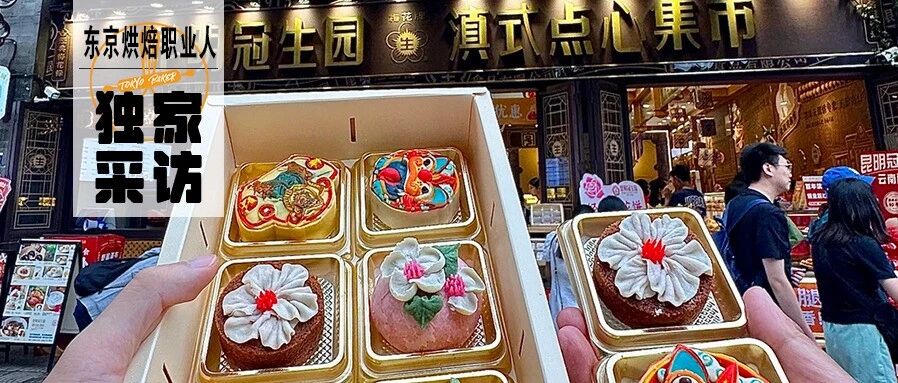
【独家专访】从小吃到大的「昆明冠生园」原来这么“潮”?当百年老字号开始主动“去老化”
东京烘焙职业人· 2026-01-14 08:33
Core Viewpoint - The article highlights the evolution of Kunming Guanshengyuan, a century-old brand, emphasizing its adaptation to modern consumer demands while maintaining its cultural heritage and product quality [2][5][49]. Group 1: Historical Background - Kunming Guanshengyuan originated in Shanghai in 1915, founded by Xian Guansheng, and expanded to multiple cities before settling in Kunming during the war in 1939 [5][7]. - The brand underwent significant transformations, including a name change to "People's Pastry Factory" during a tumultuous historical period, before returning to its original name [7][8]. - In 2014, the company privatized, allowing for a clearer focus on the baking category and innovation in product offerings [8][10]. Group 2: Product Offerings and Innovations - The brand has developed several iconic Yunnan pastries, including the signature Yunnan ham series, which has been innovatively upgraded while preserving traditional flavors [12][19]. - Guanshengyuan's Yunnan ham mooncake is notable for being the first in Yunnan to gain export qualifications, maintaining high quality standards for over 43 years [13][14]. - The company has introduced a "landmark snack gift" series, combining local cultural elements with innovative product designs, which has seen significant market success [30][37]. Group 3: Market Strategy and Channels - The brand operates through three core sales channels: physical stores (approximately 50, mainly in Yunnan), traditional distribution channels, and a newly established e-commerce platform [10][48]. - The e-commerce channel, launched in 2023, is rapidly expanding and becoming a new growth driver for the brand [10][48]. - Guanshengyuan aims to expand its market presence beyond Yunnan, leveraging partnerships with platforms like Dingdong Maicai to reach consumers in other provinces [48][49]. Group 4: Consumer Engagement and Branding - The brand has defined three core keywords for its development: "century-old heritage," "Yunnan," and "national and popular," aiming to appeal to a broad consumer base [21][40]. - To engage younger consumers, Guanshengyuan has focused on product innovation, including healthier options and visually appealing designs that resonate with current trends [25][27]. - The company has also created themed stores to enhance consumer experience and break the stereotype of traditional brands being outdated [40][41]. Group 5: Future Goals and Vision - Guanshengyuan's long-term goal is to become a "world-class representative brand of Yunnan cultural food," emphasizing quality, cultural significance, and broadening its product range beyond baked goods [49][50]. - The brand seeks to establish itself as a benchmark in the Yunnan cultural food sector, ensuring that it remains relevant and appealing to modern consumers [52][53].
汉堡王中国,摸着麦当劳的“石头”过河
东京烘焙职业人· 2026-01-13 08:33
Core Viewpoint - Burger King's performance in the Chinese market has been underwhelming compared to competitors like McDonald's and KFC, leading to a strategic partnership with local private equity firm CPE Yuanfeng to improve operations and market presence [5][8][10]. Group 1: Market Position and Challenges - Burger King has only about 1,300 stores in China, a significant drop from over 1,500 in 2023, while KFC and McDonald's have over 12,000 and are rapidly expanding [10][15]. - The company's system sales in China have been declining, with figures of 8.04 billion in 2023, 6.68 billion in the first half of 2024, and 3.09 billion in the second quarter of 2024, indicating a downward trend [10][12]. - The average annual sales per store in China are only $40,000, the lowest globally, compared to $380,000 in France [10][12]. Group 2: Strategic Moves and Future Plans - CPE Yuanfeng acquired 83% of Burger King China for $350 million, aiming to enhance marketing, store expansion, and overall management [8][9]. - The new management team plans to focus on product upgrades, brand marketing, store expansion, and digital transformation, with a goal of increasing the number of stores to over 4,000 by 2035 [25][26]. - Recent initiatives, such as introducing new chicken burger products, have led to a 10.5% increase in same-store sales in the third quarter of 2024, marking a positive shift after six quarters of decline [26][27]. Group 3: Competitive Landscape - The fast-food market in China is highly competitive, with local brands like Tastin rapidly gaining market share, having over 10,000 stores and expanding faster than McDonald's and KFC [25]. - Burger King's late entry into the Chinese market in 2005 and cautious expansion strategy have allowed competitors to dominate consumer preferences [15][16]. - The company faces challenges not only from established players but also from emerging local brands, necessitating a strong focus on localization and adaptation to consumer tastes [25][26].
高成本时代,烘焙店的“生存保卫战”该怎么打?
东京烘焙职业人· 2026-01-13 08:33
Core Viewpoint - The new social security regulations have significantly increased operational costs for bakery owners, leading to concerns about profitability and sustainability in the industry [1][5]. Cost Challenges - Bakery owners are facing rising costs from ingredients, labor, and utilities, making it difficult to maintain profitability [5][8]. - The focus on cost-cutting measures often overlooks the importance of efficient equipment, such as ovens, which can significantly impact operational costs [8][30]. Equipment Efficiency - The choice of oven is critical; inefficient ovens can lead to substantial hidden costs in electricity bills [8][16]. - The Korean-style oven AIR can reduce baking time by 20%, leading to lower energy consumption and improved product quality, which enhances customer satisfaction and repeat purchases [11][21]. Cost Control Philosophy - Establishing a cost control philosophy is essential for bakery owners to survive in a competitive environment, ensuring every expense is justified [13][30]. - Investing in high-efficiency equipment may have a higher initial cost but can lead to significant savings in energy, labor, and maintenance over time [26][30]. Balancing Act - Modern bakeries must balance cost, quality, efficiency, and creativity to thrive in a high-cost environment [28][30]. - Consistency in product quality is crucial for customer retention, and operational efficiency can help bakeries navigate economic challenges [33].
“投资21万,一天卖不到300元”,第一批糖水铺开始关店?
东京烘焙职业人· 2026-01-12 08:33
Core Viewpoint - The sugar water market is experiencing a stark contrast between the rapid expansion of leading brands and the struggles of many single-store operators, leading to a challenging environment for independent businesses [6][10][39]. Group 1: Market Dynamics - The sugar water sector has seen unprecedented heat this year, with major brands like Gu Ming, Cha Bai Dao, and CoCo entering the market, while new brands like Mai Ji and Tang Xu are rapidly expanding, opening nearly 1,000 new stores [9][10]. - Social media has popularized visually appealing sugar water, making it a "social currency" among young consumers, which has encouraged many entrepreneurs to enter the market [11][10]. - Despite the apparent market prosperity, many single-store operators are struggling to maintain their businesses, with reports of daily sales failing to exceed 300 yuan [14][13]. Group 2: Challenges Faced by Single-Store Operators - Operators face four main challenges: 1. **Category Limitations**: Sugar water is not a necessity and has a lower consumption frequency compared to milk tea, making it harder to attract repeat customers [19][20]. 2. **Competition from Chains**: The influx of chain brands has led to price competition, with similar products being offered at lower prices, making it difficult for independent stores to compete [25][26]. 3. **High Operating Costs**: The preparation of sugar water is labor-intensive and time-consuming, leading to high operational costs and low profit margins [31][34]. 4. **Seasonal Fluctuations**: Sugar water sales are highly seasonal, with significant drops in winter, making it challenging for operators to maintain consistent revenue [35]. Group 3: Future Outlook - There is a debate about the future of sugar water, with some believing it aligns with the "light health" trend due to its traditional ingredients, while others argue it cannot replicate the success of milk tea due to its lower consumption frequency [39][41]. - The boundaries between tea drinks and sugar water are blurring, as tea brands introduce sugar water products, suggesting that sugar water may become a supplementary category rather than a standalone one [43][44]. - Despite the challenges, there remains potential in the market, especially in underdeveloped areas, for brands that can differentiate themselves and understand consumer needs [46].
【独家专访】主理人裸辞大厂,用一家面包店证明 “慢生活才是人生正解”!
东京烘焙职业人· 2026-01-12 08:33
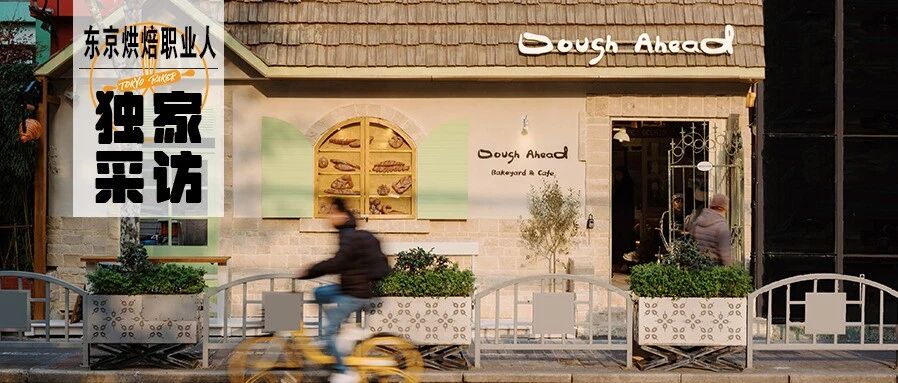
Core Viewpoint - The article highlights the unique approach of "Dough Ahead," a bakery in Shanghai, focusing on handmade quality and community engagement rather than mass marketing and trends [1][4][11]. Group 1: Founder Background - Jossie, the founder of "Dough Ahead," transitioned from a successful corporate career in brand management to pursue her passion for baking, driven by a desire for authenticity and personal fulfillment [4][6][8]. - Her previous roles included significant positions at % Arabica and other notable companies, where she experienced the pressures of corporate life, leading to her decision to open a bakery [6][8]. Group 2: Bakery Concept and Design - "Dough Ahead" is designed to create a relaxed atmosphere, featuring a "bread courtyard" style that emphasizes comfort and a sense of community [10][15]. - The bakery avoids the "viral" marketing tactics common in the industry, aiming instead to be a daily staple for local residents and office workers [14][26]. Group 3: Product Philosophy - The bakery offers a limited selection of around 20 SKUs, focusing on handmade products that require extensive preparation, such as the black sesame croissant and sweet potato snail roll [16][18][23]. - Jossie emphasizes the importance of quality over quantity, stating that the bakery's unique offerings are inspired by local flavors and traditional recipes, distinguishing it from mass-produced competitors [23][25]. Group 4: Community Engagement - "Dough Ahead" fosters a warm, friendly environment where staff interact with customers like friends, enhancing customer loyalty and repeat visits [27][29]. - The bakery's approach to customer relationships is based on genuine interactions rather than complex marketing strategies, leading to a high rate of customer retention [31][32]. Group 5: Future Aspirations - Jossie aims to balance the handmade quality of her products with the need for operational efficiency, exploring ways to increase SKU offerings while maintaining high standards [25][26]. - The bakery seeks to incorporate local ingredients and contribute to the community, positioning itself as a comforting presence in the fast-paced urban environment of Shanghai [34].
面包刺客,正在失去年轻人
东京烘焙职业人· 2026-01-11 08:33
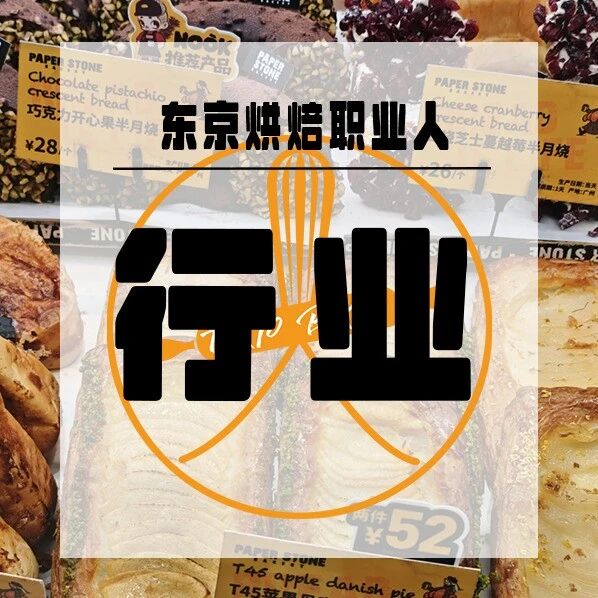
Core Viewpoint - The article discusses the rising prices of bread in the Chinese market, highlighting the disconnect between high prices and consumer willingness to pay, driven by factors such as cost increases and emotional value associated with premium products [8][20]. Group 1: Price Trends and Consumer Behavior - The average dining price for meals has approached levels seen in 2015, prompting many restaurants to lower prices to survive in a competitive market [8]. - Despite high prices, the demand for bread remains strong, with some popular bakeries experiencing long queues and even offering "resale" services at a markup [11][12]. - Consumers are increasingly willing to pay high prices for bread, associating it with emotional value and a sense of luxury in their fast-paced lives [20][21]. Group 2: Cost Factors Influencing Prices - High rental costs significantly impact bakery operations, with rents in prime locations consuming 15%-20% of sales [16]. - The trend of using premium ingredients has led to increased costs, as many brands compete on the quality of their raw materials [16]. - The "made fresh daily" model, while ensuring quality, raises labor costs and increases waste due to unsold products, with some bakeries reporting over 50% spoilage rates [19]. Group 3: Market Dynamics and Future Outlook - The bakery industry is undergoing a harsh consolidation phase, with a reported decrease of 87,658 bakery stores in the past year, and over 57% of new stores closing within two years [23][24]. - The high pricing strategy may not be sustainable as consumers become more rational and less willing to pay for inflated prices driven by marketing rather than product quality [24]. - The market may see a shift towards offering both high-quality and affordable products, as brands are pressured to focus on genuine quality and fair pricing to survive [27].
一周上新!裕莲茶楼、七鲜烘焙,bebaked...海内外新品资讯抢先看 | 2026全球职人情报站Vol.2
东京烘焙职业人· 2026-01-11 08:33
Core Insights - The article highlights the latest trends and innovations in the baking industry, focusing on new product launches and market dynamics across various countries [9][164][165]. Group 1: New Product Launches - Dingdong Maicai introduces fresh JJ cherry cream cake and Red Face strawberry crepe, emphasizing quality ingredients and appealing presentation [9]. - Seven Fresh Bakery launches chia seed red bean alkaline bagel, featuring a unique texture and flavor profile at an attractive price of 6.9 [12][13]. - Family Mart presents old-fashioned chicken leg bread and taro salted egg yolk fluffy bread, showcasing traditional flavors [15]. - Costco offers "three no" crispy chocolate, highlighting health-conscious attributes with no added sugar, cocoa butter, or trans fats [17]. Group 2: Industry Trends - The Chinese baking market is experiencing a dual focus on "New Year" and "Strawberry Season," with significant innovation in flavors and ingredients [165]. - Rising prices of imported cream from the EU are pushing local ingredient substitutions, with brands like Yili and Anchor becoming preferred choices [165]. - The Japanese baking industry continues to showcase high-quality craftsmanship, with a notable demand for savory breads and products catering to the aging population [166][167]. - In South Korea, bagels remain popular, with innovative fillings and flavors driving consumer interest, while the export market shows strong growth [168]. Group 3: Market Dynamics - The French baking sector faces challenges from rising energy and raw material costs, leading to operational difficulties for artisanal bakeries [169]. - In the U.S., health-focused innovations are gaining traction, with dietary fiber becoming a key selling point in baked goods [170]. - The German baking industry is undergoing consolidation due to cost pressures, with a focus on protecting traditional baking techniques while innovating for sustainability [171].

2026年烘焙行业深度资讯全解析 | 第二期
东京烘焙职业人· 2026-01-10 08:32
Core Insights - The article emphasizes the importance of staying updated with the latest trends and developments in the baking industry, including supplier product information, service provider movements, training dynamics, and industry events [1] Equipment - Jin Cheng Refrigeration offers customized cylindrical display cabinets that fit pillar dimensions perfectly, enhancing store aesthetics and customer experience [8] - Hanbake Technology provides a BRESSO® solution designed for 90㎡ spaces, featuring a 3-layer 6-tray European oven, 5-tray hot air oven, 32-tray fermentation box, and 36-tray freezer [10] - San Neng's fermentation box features a rounded design and transparent visibility, making it convenient for storage [16] - Shanghai Taixin's Bertrand Puma fermentation machine can complete the entire cycle from mixing to cooling in as little as 4 hours [19] - Swiss Longdu's 5000 Basic multifunctional computer dough press machine is user-friendly and meets various bakery requirements [21] Raw Materials - Cargill's Bafou® fermented butter offers a rich aroma and balanced flavor profile, suitable for various applications [30] - Weiyi's mascarpone-flavored cream is a cost-effective alternative to traditional mascarpone cheese [32] - Nanshun's Yiweiduo butter is known for its pure flavor and high acceptance among consumers [35] - Ston’s clean-label bread improver enhances dough fermentation and volume without chemical additives [38] - Komei's strawberry jam contains over 56% fruit content, ideal for various baked goods [41] Packaging - Haihui Water provides a comprehensive food safety packaging solution for various baked goods [99] - Puluo's integrated cake box is made from food-grade white cardboard [101] - Blue View Packaging emphasizes the advantages of paper packaging in terms of protection and aesthetics [106] Service Provider Dynamics - Youzan's Xiaohongshu membership program enhances customer experience and operational efficiency across channels [110] Education and Training - Wang Sen Education offers a 24-day dessert course designed for beginners to successfully open their own stores [112] - Blue Ribbon's winter camp and weekend short courses focus on French pastry skills [115] - Shanghai Modern Food Vocational Skills Training Center is launching a beginner's course for Western pastry chefs [119] Industry Events/Activities - The Kiri Asian Cup Baking Competition has commenced, with the China selection officially recruiting participants [126] - The 11th World Bread Competition's China selection has officially started, aiming to showcase Chinese baking talent on a global stage [128]
火锅店为何集体“卷”甜品?真正的增长在第二份账单里
东京烘焙职业人· 2026-01-10 08:32
Core Viewpoint - The transformation of desserts in hotpot restaurants from mere side dishes to core drivers of customer traffic reflects a significant industry shift, as the competition has moved from main dishes to the more lucrative second bill of extended consumption [1][4][6]. Group 1: Product Evolution - The dessert offerings in hotpot restaurants have undergone a comprehensive upgrade, evolving from simple items like brown sugar ice powder to visually stunning and elaborate creations that rival specialized dessert shops [5][6]. - New desserts are priced between 28-48 yuan, with profit margins significantly higher than traditional hotpot ingredients, allowing them to become a new growth driver for profitability [6][11]. Group 2: Consumer Behavior Changes - Consumers are increasingly visiting hotpot restaurants specifically for desserts, indicating a structural shift in consumption behavior where desserts are now a primary motivation for dining [7][11]. - The social and experiential aspects of hotpot dining enhance the appeal of desserts, as they cater to diverse tastes and preferences in group settings, thus improving overall dining satisfaction [11][12]. Group 3: Strategic Value of the Second Bill - The combination of hotpot and desserts is not merely additive but represents a strategic business logic that can drive growth [15][21]. - Introducing high-value desserts can increase the average customer spend without raising the prices of main dishes, effectively enhancing overall profitability [16][19]. - The unique pairing of hotpot and exclusive desserts creates a competitive advantage that is difficult for others to replicate, establishing a strong brand asset [17][19]. Group 4: Market Trends and Future Directions - The success of the hotpot and dessert model suggests that other dining categories may adopt similar strategies, expanding their offerings to include complementary products that enhance customer experience [22]. - Future competition in the restaurant industry will increasingly focus on the ability to design and implement effective second bill strategies, requiring operators to have keen insights into consumer needs and preferences [23][24].