东京烘焙职业人

Search documents
2026年烘焙行业深度资讯全解析 | 第二期
东京烘焙职业人· 2026-01-24 08:33
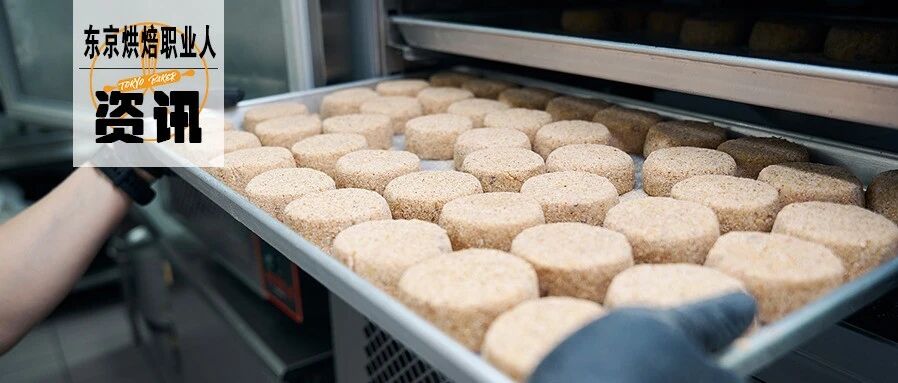
东京烘焙职业人为方便大家及时了解行业内的最新动态,包括:供应商产品资讯、服务商动向、教培动态、行业及周边行业活动、相关赛事进 程等,特开设周六行业资讯分享特别板块,定期为大家更新上述相关内容,帮助大家快速了解行业一手信息。 我们探寻烘焙行业更多不同细分领域的元素,只为更好地推动烘焙行业的发展。 烘焙设备 烘焙原材料 1、 金城制冷高端精品食材展示柜 2、 韩焙科技®——BRESSO®90㎡解决方案 3、 三能【提篮式塑料托盘】 4、 上海丸菱 【 桌上型石磨磨粉机 】 5、迈思达【生态旋转炉】 6、速易冷【液氮速冻机】 7、玉程机械【草莓奶油大福生产线】 8、MIWE【旋转烤炉】 1、斯顿【TopBake Purisimo Active C德之焙®麦醒 酸面团专用改良剂】 2、嘉吉【焙芙®发酵黄油】 3、南顺【 金像牌精研日式面包粉 】 4、中焙蛋挞【樱有尽有新年主题蛋挞】 5、AVOSMILE旗下冷冻牛油果品牌"燃轻派"2026年正式进军中国市场 6、 七星【T55法式面包粉】 7、广禧食品【冷冻草莓浆】 8、芝士堡乳品【芝贝嘉淡味发酵片油】 9、巧芝意【入炉巧克力条】 10、安德鲁【专业餐饮颗粒果酱系列包 ...

蜜雪、瑞幸、茶颜都在推,“老人味”水果意外走红!
东京烘焙职业人· 2026-01-24 08:33
Core Viewpoint - The beverage industry is witnessing a surge in interest towards banana-based drinks, with major brands launching new products that highlight the fruit's versatility and appeal to a wide consumer base [6][10][24]. Group 1: Product Launches and Market Trends - Major brands like Mixue Ice City and Cha Yan Yue Se have recently introduced banana-flavored products, with Mixue launching three new banana drinks that quickly became top sellers in test stores [6][11][17]. - Other brands such as Luckin Coffee and 1点点 have also embraced banana in their offerings, indicating a broader trend across both tea and coffee sectors [19][22][24]. - The banana drink category is gaining traction, with products like banana lattes and banana milk gaining popularity due to their unique flavor profiles and nostalgic appeal [20][30]. Group 2: Consumer Appeal and Health Trends - Bananas are recognized for their high consumer acceptance and versatility, making them suitable for various beverage combinations, appealing to all age groups [28][30]. - The natural sweetness of bananas aligns with current health trends, allowing for reduced sugar content in drinks while still providing a satisfying flavor [35][41]. - The nutritional benefits of bananas, such as quick energy and satiety, enhance their appeal in meal replacement scenarios [35][37]. Group 3: Challenges and Industry Responses - Despite the growing popularity, banana beverages face challenges such as oxidation, flavor intensity, and quality control, which can affect consumer perception [42][43][46]. - The industry is exploring solutions like adding lemon juice to delay oxidation and using complementary flavors to balance sweetness [49][50]. - The stable supply chain and high recognition of bananas position them favorably in the beverage market, provided that brands can effectively address these challenges [51][52].



为什么奶茶店只有中杯、大杯,小杯被谁“偷”走了?
东京烘焙职业人· 2026-01-23 08:33
Core Viewpoint - The evolution of cup sizes in the milk tea industry reflects various issues, including production capabilities, consumer demand changes, and operational management costs. The absence of small cups is attributed to historical trends and the influence of brands like Starbucks [5][6][17]. Group 1: Historical Context and Influences - The initial presence of small cups at Starbucks was primarily for espresso-based drinks, but as these products were phased out, the perception shifted to only medium, large, and extra-large options [6]. - The milk tea industry's early days saw smaller cup sizes due to the high cost of ice machines, leading to larger standard sizes as production capabilities improved [9]. - Starbucks has served as a model for many brands in the milk tea sector, influencing product offerings and service styles, which contributed to the trend of omitting small cup sizes [6][9]. Group 2: Current Trends and Consumer Preferences - Brands like Baozhugong and 1DianDian still offer small cup options, labeled as "children's cup" and "mini cup," respectively, indicating a niche market for smaller sizes [13]. - Major brands such as Heytea and Chayan Yuesheng have eliminated cup size options, focusing instead on customizing temperature, packaging, and sweetness levels, reflecting a shift in consumer preferences towards quality over quantity [15]. - The changes in cup sizes encapsulate the evolution of consumer economics, highlighting a transition in focus from volume to the quality and standardization of beverages [17].

提拉米苏,好像在“烘焙邪修”路上越走越远了...... | 有趣的甜品Vol.1
东京烘焙职业人· 2026-01-23 08:33
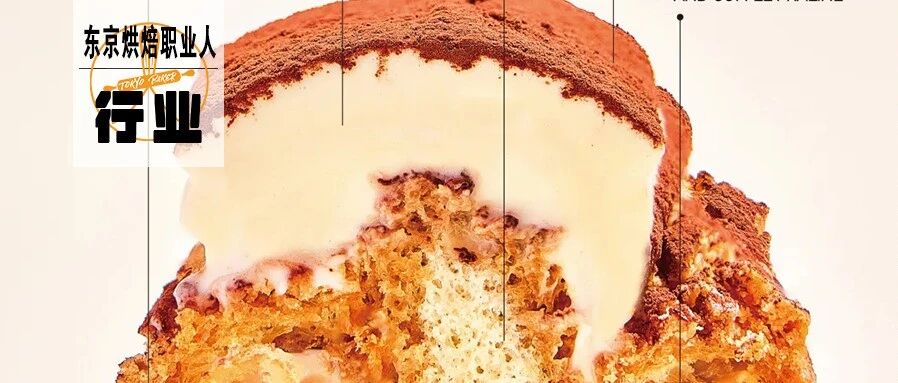
甜点界天天都有新花样,但提拉米苏总能跑在前面。有人把它装进小杯子,有人堆成蛋糕塔,最近 的流行是把它做成能沾奶油和冰激凌的"提拉米苏球"——不管怎么改,它总能保持那种一口下去, 软滑又香的满足感,让人忍不住闭上眼睛享受。 从意大利小餐厅到全球甜品柜台,这款甜点不仅走得远,还走得"花样百出"。今天,我们就从它的 历史、原料和市场,看看提拉米苏是怎么从经典走向全球热潮,又是如何在不同玩法里被玩出趣味 的。 专业的甜品谱系学者常面临一个尴尬:他们无法像追溯泡芙或歌剧院蛋糕那样,为提拉米苏勾勒清 晰的谱系。 它的起源故事充满民间叙事的多重版本——特雷维索的"能量点心"、都灵的宴会灵感、乃至威尼斯 的街头小食。 关于提拉米苏最被认可的诞生地,是意大利威尼托大区的 特雷维索(Treviso) 。1970 年代初,一 道 用 马 斯 卡 彭 乳 酪 、 咖 啡 浸 泡 的 手 指 饼 干 、 糖 和 可 可 粉 层 叠 而 成 的 甜 点 出 现 在 一 家 名 为 Le Beccherie 的餐厅菜单上,很快就开始吸引客人注意。 这 道 甜 点 的 创 意 通 常 被 归 功 于 餐 厅 主 理 人 Alba Campe ...
从配方到效率的全面升级!维益稀奶油挞缇靠 “清洁标签+全场景能力” 成为后厨新宠!
东京烘焙职业人· 2026-01-22 08:33
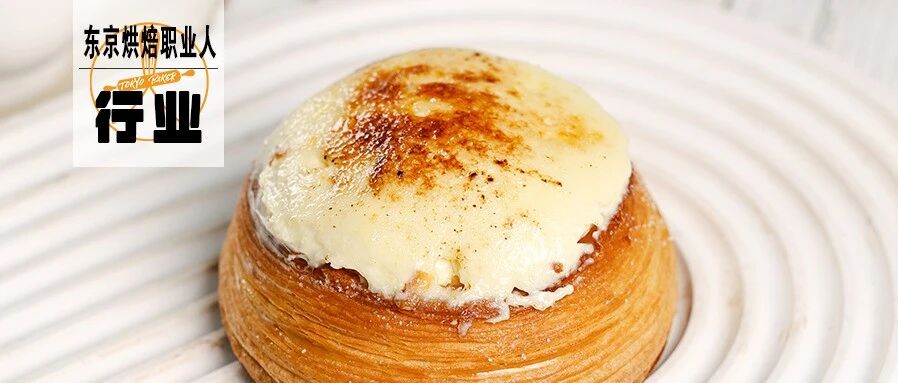
创意同质化: 草莓、巧克力、芋泥…热门元素高度集中,陷入"你有我也有"的零和游戏。 效率瓶颈: 为呈现复杂风味,后厨备料种类激增,流程繁琐,在订单高峰时极易出错或延迟。 价值模糊: 在价格与成本的挤压下,难以腾出空间回应消费者日益看重的健康诉求。 当下烘焙市场竞争日趋激烈,消费者需求不断升级,门店原料选择逻辑正发生根本转变。 如何 突破产品内卷、提升运营效率、提升产品价值 ,正在成为每一家烘焙门店的核心课题。 烘焙市场中,一面是持续增长的消费需求,一面是日益加剧的行业内卷。门店的典型困境集中在以 下方面: 破解这些困境,答案未必是更复杂的造型或更昂贵的堆料。纵观市面上真正叫好又叫座的高人气产 品,一个共通点在于: 它们往往并非以工艺复杂取胜,而是凭借核心原料的卓越表现,在风味、颜 值与稳定出品间取得了精妙平衡。 那么,能够破解上述困境、具备战略价值的 "基石型原料" ,应该如何筛选? 它至少需要在 三个维度 上给出令人信服的答案: 如何提升出品效率? 如何保障风味稳定? 如何为产品注入独特的价值? 而这正是 维益稀奶油挞缇 为门店提供的价值所在。 它不仅是一款挞液,更是一个集 "清洁标签"的健康背书、"操作便 ...
被连锁咖啡馆“贴脸”的独立咖啡店,还怎么存活下来?
东京烘焙职业人· 2026-01-22 08:33
Core Insights - The article discusses the rapid expansion of chain coffee brands like Luckin and Kudi, which has shifted consumer habits towards affordable coffee options, while independent coffee shops struggle to survive in this competitive landscape [1][5]. Independent Coffee Shops' Dilemma - The growth of chain coffee brands has led to a significant increase in competition for independent coffee shops, with a reported closure rate of 40% among coffee-related businesses in China [1][9]. - Luckin Coffee achieved a record net increase of 3,008 stores in Q3 2025, bringing its total to 29,214 stores globally, indicating a fierce competitive environment for new entrants [1][5]. Factors Contributing to Competition - **Location Strategy**: Chain coffee brands utilize comprehensive location strategies based on foot traffic, convenience, and competition density, often leading to independent shops being overshadowed shortly after opening [5]. - **Customer Overlap**: The target demographics for both independent and chain coffee shops largely overlap, with students and office workers being the primary consumers. Chain brands effectively capture this market through standardized products and efficient service [9][15]. - **Cost Efficiency**: Chain brands benefit from economies of scale, allowing them to offer lower prices, such as the common 9.9 yuan coffee, which alters consumer price expectations and makes it difficult for independent shops to compete [9][15]. Strategies for Independent Coffee Shops - **Focus on Quality**: Independent coffee shops can differentiate themselves by emphasizing the quality of their coffee and brewing techniques, appealing to consumers who prioritize taste over price [17]. - **Enhance Value Proposition**: By improving the perceived value and experience, independent shops can attract customers who may otherwise opt for cheaper chain options. This includes offering better ingredients and unique experiences [18]. - **Differentiated Services**: Independent coffee shops can leverage their flexibility to provide diverse offerings, such as light meals and personalized service, creating a unique atmosphere that contrasts with the standardized experience of chain brands [20][21]. Conclusion - Despite the dominance of chain coffee brands, there remains a viable market for independent coffee shops that can capitalize on their unique strengths and adapt to consumer preferences. By focusing on quality, value, and differentiation, these shops can carve out a niche in a competitive landscape [24].
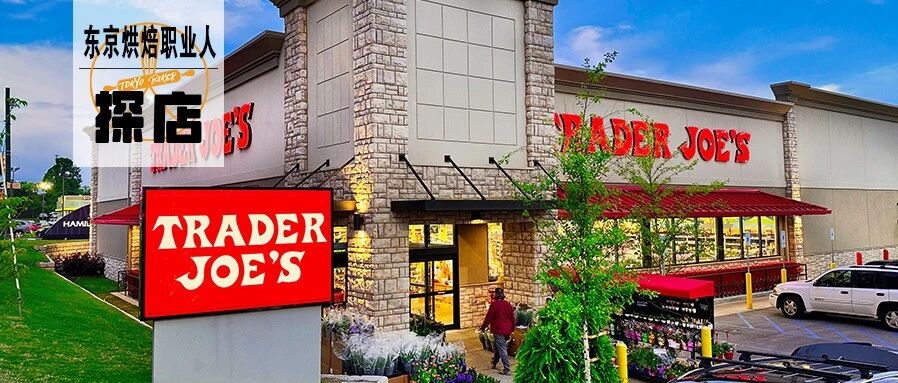
【全球探店】号称美国版胖东来的商超「Trader Joe's」是怎么成为美国打工人的烘焙首选地?
东京烘焙职业人· 2026-01-21 08:33
Core Insights - Trader Joe's operates a unique retail model that does not rely on advertising, promotions, or membership systems, yet remains a staple in consumers' shopping lists [1] - The company focuses on a limited SKU strategy, offering around 3,000 to 4,000 items per store, significantly fewer than typical supermarkets, which have 30,000 to 50,000 [4] - Over 80% of Trader Joe's products are private label, enhancing supply chain control, cost efficiency, and competitive pricing, often around 20% lower than similar products [4][6] Group 1: Business Model and Strategy - Trader Joe's emphasizes "streamlining and deepening" rather than broad coverage, concentrating on high-frequency, high-satisfaction products [4] - The company has established long-term, stable relationships with suppliers, allowing for better supply chain integration [6] - This operational strategy results in lower logistics costs, stronger purchasing power, and lighter inventory management burdens [9] Group 2: Marketing and Consumer Experience - Unlike most retailers, Trader Joe's does not engage in promotional advertising or loyalty programs, instead fostering a "treasure hunt" shopping experience [11] - The "Fearless Flyer" publication and seasonal product strategies create a sense of discovery for consumers, enhancing brand loyalty [13] - The bakery section exemplifies Trader Joe's unique approach, focusing on a predictable, home-completion experience rather than fresh-baked goods [14][22] Group 3: Bakery Section Insights - The bakery products are categorized into frozen reheatable items, ready-to-eat refrigerated items, and baked snacks, catering to various consumer needs [16][18][20] - Trader Joe's bakery strategy emphasizes a "controlled" experience, reducing decision fatigue and enhancing perceived value through stable pricing and quality [22][24] - The bakery products are designed to be discussion-worthy and shareable, aligning with social media trends and consumer lifestyles [29][34] Group 4: Consumer Psychology and Market Position - Trader Joe's bakery offerings reflect a shift in consumer preferences, focusing on home baking experiences rather than immediate consumption [36][39] - The brand positions itself as accessible for non-bakers, contrasting with traditional retailers that emphasize fresh, on-site baking [37] - The overall shopping experience at Trader Joe's is designed to be enjoyable and consistent, contributing to positive consumer perceptions and loyalty [28]
被连锁咖啡馆“贴脸”的独立咖啡店,还怎么存活下来?
东京烘焙职业人· 2026-01-21 08:33
Core Insights - The article discusses the rapid expansion of chain coffee brands like Luckin and Kudi, which has shifted consumer habits towards affordable coffee options, creating challenges for independent coffee shops [1][5]. Group 1: Challenges Faced by Independent Coffee Shops - The expansion of chain coffee brands has led to a significant increase in competition, with Luckin Coffee achieving a record net increase of 3,008 stores in Q3 2025, bringing its total to 29,214 stores globally, equating to over 33 new stores opening daily in China [1][5]. - Despite the registration of 32,000 coffee-related businesses in China by Q3 2025, the closure rate for independent coffee shops has risen to 40%, indicating a challenging environment for survival [1][5]. - Independent coffee shops often face immediate competition from chain brands upon opening, leading to a loss of potential customers who prefer the convenience and familiarity of chain offerings [5]. Group 2: Factors Contributing to Competition - Geographic location plays a crucial role, as chain brands utilize comprehensive site selection strategies based on foot traffic, accessibility, and competition density, making it difficult for independent shops to find viable locations [5]. - The target customer base for both independent and chain coffee shops overlaps significantly, with students and office workers being the primary consumers. Chain brands effectively cater to this demographic through standardized products and efficient online ordering systems [9][15]. - Chain brands benefit from lower product costs due to established supply chains, allowing them to offer lower prices, such as the common 9.9 yuan coffee, which alters consumer price expectations and makes independent shops' higher prices less appealing [9][15]. Group 3: Strategies for Independent Coffee Shops - To survive, independent coffee shops should focus on enhancing coffee quality, ensuring that they offer superior products that meet the discerning tastes of consumers who seek quality over quantity [17]. - Improving cost-performance ratio is essential, as independent shops need to redefine their value proposition to attract customers who may perceive them as overpriced. Strategies could include offering better quality at competitive prices, as demonstrated by the Manner brand [18]. - Differentiation through personalized service and unique offerings can set independent coffee shops apart from chains. This includes providing diverse food options and creating inviting atmospheres that enhance customer experience [20][21]. Conclusion - The expansion of chain coffee brands does not eliminate the potential for independent coffee shops to thrive. Instead, the increasing standardization of chain offerings creates opportunities for independent shops to leverage their unique qualities and innovate to attract customers [24].
月薪7万,茶颜悦色在上海、深圳疯狂摇人
东京烘焙职业人· 2026-01-20 08:31
Core Viewpoint - Chayan Yuese is planning to expand into first-tier cities like Shanghai and Shenzhen, indicating a strategic shift towards national growth after establishing a strong regional presence in Hunan and surrounding areas [6][9][12]. Group 1: Expansion Plans - Chayan Yuese is currently recruiting for positions in Shanghai and Shenzhen, including marketing and warehouse management roles, signaling its intent to establish a presence in these markets [6][9]. - The company has set up a subsidiary in Shanghai to explore creative opportunities and attract talent, although there are no immediate plans for opening stores [7][9]. - The recruitment of warehouse positions suggests preparations for supply chain infrastructure, indicating potential store openings in the near future [9][12]. Group 2: Market Context - As of December 9, 2025, Chayan Yuese operates 914 stores, primarily in Hunan, Jiangsu, Hubei, and Chongqing, with 550 stores in Hunan alone [12][16]. - The tea beverage market is becoming increasingly competitive, with over 18,700 stores from 30 chain brands in the South China market, highlighting the need for Chayan Yuese to enter high-potential markets to maintain brand influence [17][21]. - The company’s cautious approach to expansion reflects a balance between scaling operations and maintaining quality, as it has not yet adopted online ordering for pickup, which may affect its adaptability in fast-paced urban environments [22]. Group 3: Financial and Strategic Considerations - The entry into first-tier cities is not only a revenue growth strategy but also essential for sustaining long-term brand value amid increasing national competition [17]. - Recent changes in the company's ownership structure and the hiring of experienced executives suggest preparations for potential overseas listing, with a shift in focus from the U.S. to Hong Kong for its IPO [21]. - The strategic expansion is seen as a necessary step to enhance growth narratives for future financing or public offerings, as the company aims to tell a compelling growth story to investors [21].
“合肥打卡四件套”之一巴莉甜甜门店全关!曾是与老乡鸡齐名的“地标型”烘焙品牌
东京烘焙职业人· 2026-01-20 08:31
Core Viewpoint - The sudden closure of the local bakery brand "Bali Sweet" reflects the survival challenges faced by traditional baking industries in a rapidly changing market environment [3][28]. Group 1: Company Background and Growth - Bali Sweet was founded in 1992 in Hefei, initially named "Cai Die Xuan," and quickly gained popularity by breaking traditional bakery norms with innovative branding and product offerings [10][12]. - The brand's growth strategy involved a "community penetration" approach, expanding alongside urban development, which helped establish a strong emotional connection with local consumers [12][14]. - At its peak, Bali Sweet operated nearly 300 stores across East China, becoming one of the most influential bakery brands in the region [12][16]. Group 2: Decline and Challenges - The decline of Bali Sweet was not sudden but resulted from accumulated issues that became apparent between 2024 and 2025, including declining product quality and increased competition from new brands [18][19]. - By 2025, the brand faced severe financial strain, exacerbated by the failure of its new sub-brand "Feng Die Lai," which failed to differentiate itself and drained resources [23][25]. - In November 2025, the brand's crisis escalated, leading to widespread store closures and consumer panic regarding prepaid cards, ultimately resulting in a significant loss of consumer trust [25][27]. Group 3: Key Factors in Success and Failure - Bali Sweet's initial success was attributed to its ability to capitalize on early market opportunities, establish a robust supply chain, and create deep emotional ties with the local community [28][29]. - The brand's downfall can be traced to four critical pitfalls: blind expansion strategies, outdated product offerings, failed diversification efforts, and ineffective crisis management [31][32][34]. - The bakery industry faces a broader challenge of adapting to rapid consumer changes and increasing competition, highlighting the need for innovation and strategic transformation [37][41].