合成生物学与绿色生物制造

Search documents
伊利股份+恩和生物,生物制造大动作!
合成生物学与绿色生物制造· 2025-07-25 09:53
Core Insights - The establishment of Hefei Ian Biotechnology Co., Ltd. with a registered capital of 10 million yuan focuses on the manufacturing and research of bio-based materials, indicating a growing interest in sustainable materials in the industry [1][3]. Group 1: Company Overview - Enhe Biotechnology, founded in 2019 and headquartered in Hangzhou, has become a prominent player in the capital market, utilizing a high-throughput experimental platform to optimize biological engineering for industrial applications [3][4]. - The company has completed over $145 million in financing by 2025 and was recognized as one of the "50 Smartest Companies" by MIT Technology Review in 2020 [4]. Group 2: Strategic Collaborations - In May 2023, a strategic partnership was formed between domestic beauty giant Proya and Enhe Biotechnology, focusing on AI-driven bio-manufacturing technologies for cosmetic ingredient development [5][7]. - This collaboration aims to innovate in the realm of bioactive ingredients for cosmetics, promoting a shift towards efficiency, safety, and sustainability in the beauty industry [7]. Group 3: Industry Movements - Yili Group, a leading dairy company in China, is venturing into synthetic biology, seeking investment opportunities in early-stage innovative companies within the health food sector [8][10]. - Yili has established a venture capital fund with a total subscription amount of 20 million yuan, focusing on high-tech innovations in the health sector, particularly in food science and life sciences [10][11]. Group 4: Sustainability Initiatives - Yili has been actively pursuing sustainable development, as evidenced by its collaboration with Xampla to test a new plant-based packaging material aimed at preserving nutrients in dairy products [12][15]. - The company emphasizes a commitment to a sustainable future while achieving steady business growth [15]. Group 5: Upcoming Events - The 2025 Synthetic Biology and Green Bio-Manufacturing Conference (SynBioCon 2025) will be held from August 20-22 in Ningbo, Zhejiang, focusing on AI and bio-manufacturing, green chemicals, new materials, future food, and agriculture [17][19]. - The conference will feature various activities, including forums, discussions, and showcases of synthetic biology innovations [17][18].



即将发布!「中国合成生物产业地图2.0」,欢迎上榜/领取!
合成生物学与绿色生物制造· 2025-07-25 09:53
Core Insights - The core viewpoint of the article emphasizes the growth potential of China's biomanufacturing industry, projecting a scale of 1.01 trillion yuan in 2024, with a year-on-year growth of 15.4%, and an expected scale exceeding 2.5 trillion yuan by 2030, reflecting a compound annual growth rate of 16.8% [1]. Industry Overview - The biomanufacturing industry in China is set to reach a scale of 1.01 trillion yuan in 2024, marking a 15.4% increase from the previous year [1]. - By 2030, the industry is anticipated to surpass 2.5 trillion yuan, with a compound annual growth rate of 16.8% [1]. Event Information - The Fourth Synthetic Biology and Green Biomanufacturing Conference (SynbioCon 2025) will be held from August 20-22 in Ningbo, Zhejiang, where the "China Synthetic Biology Industry Distribution Map (2025 Edition)" will be released [9]. - The conference will focus on five key areas: AI + Biomanufacturing, Green Chemistry and New Materials, Future Food, Future Agriculture, and Beauty Raw Materials, aiming to explore the development trends of the biomanufacturing industry during the 14th Five-Year Plan [9]. Participation and Benefits - Representatives attending the conference can receive a free copy of the industry map, valued at 499 yuan [6]. - Biomanufacturing companies that qualify can apply to be listed on the industry map and gain access to the "Global Bio-based and Biomanufacturing Industry Service Platform" [6][9].

张先恩/薛闯/袁其朋/王丹/杨世辉/姚远...第四届合成生物与绿色生物制造大会(8月20-22日,宁波)
合成生物学与绿色生物制造· 2025-07-25 09:53
Core Viewpoint - The SynBioCon 2025 conference will focus on the integration of AI with biomanufacturing, green chemicals and new materials, future food, and future agriculture, aiming to explore the development trends of the biomanufacturing industry during the 14th Five-Year Plan period [1]. Group 1: Conference Overview - The conference will take place from August 20 to 22, 2025, in Ningbo, Zhejiang [1]. - It aims to promote the transfer and transformation of scientific and technological achievements, product scaling, and talent acquisition in the biomanufacturing sector [1]. Group 2: Organizers and Supporters - Organized by Ningbo Detaizhongyan Information Technology Co., Ltd. (DT New Materials) and co-organized by several academic and research institutions [2]. - Supported by various associations and alliances, including the Chinese Society of Biotechnology and the Zhejiang Synthetic Biology Industry Technology Alliance [2]. Group 3: Expert Guests - Notable experts include Zhang Xian'en, Dean of the School of Synthetic Biology at Shenzhen University of Technology, and other prominent figures from various universities and research institutes [4][5][6][7][10][12][14][18][20][22][30][32]. Group 4: Conference Agenda - The agenda includes a series of forums and discussions on topics such as green chemicals, new materials, AI in biomanufacturing, and future food and agriculture [36][37]. - Specific sessions will focus on the construction of efficient cell factories for the production of aromatic compounds and the biomanufacturing of polyamide materials [8][11].

褐藻寡糖即将获批新食品原料 ,百亿功能食品市场迎新机遇
合成生物学与绿色生物制造· 2025-07-24 15:00
Core Viewpoint - The announcement by the National Center for Food Safety Risk Assessment regarding the inclusion of alginate oligosaccharides (AOS) as a new food ingredient marks a significant transition from agricultural and pharmaceutical auxiliary materials to mainstream food applications in China [2][4]. Group 1: New Food Ingredient Approval - On July 10, the National Center for Food Safety Risk Assessment released a notice that AOS and six other new food materials have passed technical review and are now in the public consultation phase, which will end on August 9, 2025 [1][2]. - This is the first time AOS has been included in the management of new food materials in China, indicating its potential for broader consumer use [2]. Group 2: Characteristics and Production of AOS - AOS is a functional oligosaccharide derived from alginate through specific degradation reactions, which can be achieved using various methods such as acid, enzyme, or oxidative degradation [5]. - The enzymes responsible for alginate degradation are primarily sourced from marine algae, marine invertebrates, marine fungi, marine bacteria, and terrestrial bacteria [5][7]. Group 3: Upcoming Industry Event - The Fourth Synthetic Biology and Green Bio-Manufacturing Conference (SynBioCon 2025) will be held from August 20-22 in Ningbo, Zhejiang, focusing on the intersection of AI and bio-manufacturing, as well as advancements in green chemistry, new materials, future food, and agriculture [8][11]. - The conference aims to gather international leading companies, industry experts, and various stakeholders to explore trends in bio-manufacturing and the impact of innovative technologies on the industry [8].
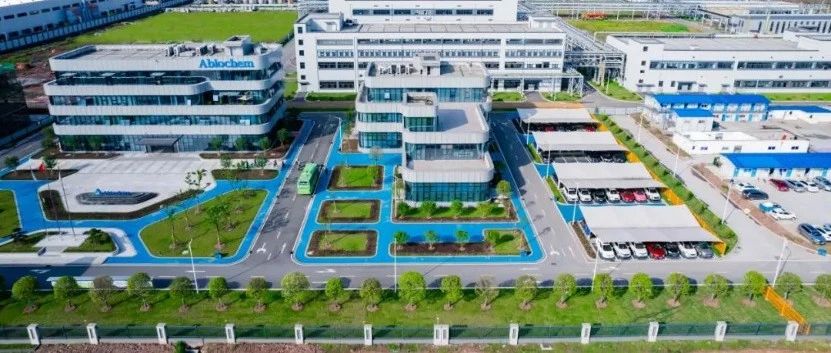
展商推荐 | 梅特勒托利多:全球领先的精密仪器和称重设备制造商@SynBioCon 2025
合成生物学与绿色生物制造· 2025-07-24 15:00
Core Insights - The article highlights the upcoming SynBioCon 2025, focusing on advancements in synthetic biology and green manufacturing, scheduled for August 20-22, 2025, in Ningbo, Zhejiang [6][2]. Group 1: Event Overview - SynBioCon 2025 is organized by DT New Materials, with support from various institutions including Peking University Ningbo Institute of Oceanography and Enzyme Bioengineering [6]. - The conference aims to explore the integration of AI in biological manufacturing, advancements in green chemistry, new materials, future food, and agriculture [6]. Group 2: Key Themes and Discussions - The event will cover the "1+3" theme, focusing on AI and biological manufacturing, and will discuss the industrialization progress and opportunities in related fields [6]. - It will feature discussions on the development trends of the biological manufacturing industry during the 14th Five-Year Plan, innovations that sustain the industry, and the transfer of technological achievements [6]. Group 3: Agenda Highlights - The agenda includes a high-level roundtable on biological manufacturing, a youth forum, and several specialized forums on green chemistry, AI in biological manufacturing, and future food and agriculture [7]. - Notable activities include a welcome dinner and a technology achievement exhibition, aimed at fostering collaboration and innovation within the industry [7].

4.5亿!国投再押合成生物,入局弈柯莱!多项产品为全国首家!
合成生物学与绿色生物制造· 2025-07-24 15:00
Core Insights - National Investment Group's subsidiary, Guotou Juli, has completed a strategic investment of 450 million RMB in the synthetic biology company Yikolei Biotech, marking another significant investment in the biomanufacturing sector following a previous investment of 300 million RMB in Muen Biotech in 2024 [1][2]. Company Overview - Yikolei Biotech, established in 2015, has developed a comprehensive synthetic biology technology pathway and industrial production capabilities, focusing on enzyme-biosynthesis routes and intelligent cell design [3]. - The company has a diverse product matrix and has become a strategic partner for several industry giants, maintaining a leading position in biomedicine and green agriculture, with recent breakthroughs in the nutrition and health sector [5]. Product Innovations - Yikolei Biotech is the first company in China to receive approval for several functional food ingredients, including HMOs (human milk oligosaccharides), steviol glycosides, and sialic acid [5]. Industry Event - The 2025 Synthetic Biology and Green Biomanufacturing Conference (SynBioCon 2025) will be held from August 20-22 in Ningbo, Zhejiang, focusing on AI and biomanufacturing, green chemicals, new materials, future food, and agriculture [7]. - The conference aims to explore the development trends of the biomanufacturing industry during the 14th Five-Year Plan, emphasizing technology transfer, product scaling, and talent acquisition [7].
第一波嘉宾剧透!第四届合成生物与绿色生物制造大会(8月20-22日,宁波)
合成生物学与绿色生物制造· 2025-07-24 15:00
Core Viewpoint - The SynBioCon 2025 conference will focus on the integration of AI with biomanufacturing, green chemicals and new materials, future food, and future agriculture, aiming to explore the development trends of the biomanufacturing industry during the 14th Five-Year Plan period [1]. Organizers and Support Units - The conference is organized by Ningbo Detaizhong Research Information Technology Co., Ltd. and supported by various institutions including Peking University Ningbo Institute of Ocean Medicine and the China Society of Biotechnology [2]. Expert Guests - Notable experts include Zhang Xian'en, Dean of the School of Synthetic Biology at Shenzhen University, and other prominent figures from various universities and research institutes who will share insights on biomanufacturing innovations [4][5][6][7]. Conference Agenda - The event will feature a series of forums and discussions, including a high-level roundtable on biomanufacturing, thematic forums on green chemicals and new materials, AI in biomanufacturing, and future food and agriculture [36][37]. Key Topics of Discussion - Topics will cover the construction of efficient cell factories for aromatic compounds, biomanufacturing of polyamide materials, and advancements in enzyme engineering for low-carbon biomanufacturing [8][11][27]. Networking and Collaboration - The conference aims to facilitate technology transfer, product scaling, and talent acquisition within the biomanufacturing sector, promoting collaboration among industry leaders, researchers, and government entities [1]. Event Details - The SynBioCon 2025 will take place from August 20 to 22 in Ningbo, Zhejiang, featuring registration, networking opportunities, and a showcase of technological achievements in the biomanufacturing field [1][36].

南工大姜岷和信丰学教授团队: 成功选育嗜温型高产虾青素的红法夫酵母并系统解析温度调控机制
合成生物学与绿色生物制造· 2025-07-23 13:47
Core Insights - Astaxanthin is recognized as one of the strongest natural antioxidants, with activity exceeding that of vitamin E by over 500 times. It has significant health benefits including antioxidant, anti-cancer, cardiovascular protection, and immune enhancement, and is widely used in animal feed, health supplements, cosmetics, and medical formulations [1] - The global market for astaxanthin is substantial, with a value of $3.7 billion in 2022 and projected to reach $11 billion by 2032, reflecting a compound annual growth rate (CAGR) of 11.9%. It has received regulatory approvals in multiple countries including the EU, FDA, and China [1] - The primary natural sources of astaxanthin are Haematococcus pluvialis and Xanthophyllomyces dendrorhous, with the latter recognized for its advantages in industrial production [1] Summary by Sections Industrial Production Challenges - The low-temperature fermentation process (20-22°C) of Xanthophyllomyces dendrorhous has been a major bottleneck in the industrial production of astaxanthin, accounting for 30-50% of the total production energy consumption [3] Research Breakthroughs - A research team from Nanjing University of Technology has developed a mutant strain LX6 of Xanthophyllomyces dendrorhous that can efficiently synthesize astaxanthin at room temperature (25°C). This breakthrough lays the foundation for low-cost industrial production [3][5] - The mutant strain LX6 shows a 2.5-fold increase in biomass and a 6.1-fold increase in astaxanthin yield compared to the original strain, with astaxanthin content increasing by 2.5 times [5] Mechanism of Temperature Tolerance - The study provided a comprehensive analysis of the temperature tolerance mechanisms of the mutant strain LX6, revealing that it has a more intact cell structure and increased membrane fluidity due to a 2.8-fold increase in unsaturated fatty acids [7] - Significant changes in intracellular reactive oxygen species (ROS) levels, ATP, and NADPH concentrations were observed, providing sufficient energy supply and a favorable redox state for astaxanthin synthesis [7] Genetic Insights - Four core mutation genes were identified through comparative genomics: IDH2, HMGR, CRTYB, and FAD3, which enhance the astaxanthin synthesis pathway [8] - Molecular docking analysis indicated that mutations in HMGR and CRTYB lead to favorable conformational changes in their substrate binding pockets, significantly strengthening the astaxanthin synthesis pathway [8] Industrial Validation - The LX6 strain achieved a record production of 1120 mg/L of astaxanthin in a 200-L bioreactor using sweet sorghum juice as a substrate, with a production cost reduction of 34.2% [12] - This research not only created a milestone strain for high-yield astaxanthin production but also provides a technical reference for the energy-efficient and low-carbon industrial bio-manufacturing of high-value natural products [12]

含辅酶Q10、虾青素等!浙江医药子公司年产1400吨生物发酵类系列产品及配套建设项目
合成生物学与绿色生物制造· 2025-07-23 13:47
Core Viewpoint - Zhejiang Kemin Biopharmaceutical Co., Ltd. is advancing its production capabilities by launching a project to produce 1,400 tons of bio-fermentation products annually, focusing on environmentally friendly alternatives to previously planned products [1][2]. Project Overview - Project Name: Annual production of 1,400 tons of bio-fermentation series products and supporting construction project [2] - Project Nature: Technological upgrade [2] - Construction Unit: Zhejiang Kemin Biopharmaceutical Co., Ltd. [2] - Location: Zhejiang Xinchang Economic Development Zone [2] - Scale: The project includes two adjacent closed production lines, one for fermentation processes and another for extraction processes, with advanced equipment to achieve a production capacity of 1,400 tons per year [2]. Product Details - The project will produce various bio-fermentation products, including: - Coenzyme Q10: 1,080 tons/year - Astaxanthin: 100 tons/year - Calcium Pantothenate: 1,090 tons/year - Beta-Carotene: 60 tons/year - Lycopene: 3 tons/year - PQQ: 7 tons/year - Dehydroacetic Acid: 60 tons/year [2]. Financial Performance - Zhejiang Pharmaceutical Co., Ltd. expects a net profit attributable to shareholders of 600 million to 720 million yuan for the first half of 2025, representing a year-on-year increase of 90.28% to 128.33% [2]. - The net profit excluding non-recurring gains and losses is projected to be between 590 million and 708 million yuan, reflecting an increase of 86.27% to 123.53% year-on-year [2]. Market Dynamics - The company is focusing on maintaining safety in production and product quality amidst intense market competition and a complex economic environment [3]. - The demand and sales prices for the company's main products in the life nutrition segment have increased compared to the same period last year, driving revenue growth [3]. Industry Event - The 4th Synthetic Biology and Green Bio-Manufacturing Conference (SynBioCon 2025) will be held from August 20-22, 2025, in Ningbo, Zhejiang, focusing on AI and bio-manufacturing, green chemicals, new materials, future food, and agriculture [4][6].


江南大学陈坚院士团队 | 食品生物合成:机遇与挑战
合成生物学与绿色生物制造· 2025-07-23 13:47
Core Insights - The article emphasizes the significant potential of food biosynthesis technology in addressing global food supply issues, meeting health and nutrition demands, and tackling environmental challenges [1][3]. Group 1: Opportunities in Food Biosynthesis - Food biosynthesis, based on synthetic biology and precision fermentation, can alleviate food supply pressures and provide a solid foundation for green and sustainable food production, driving deep transformation in the food industry [1]. - Countries worldwide are prioritizing the development of food biosynthesis, with Japan and the U.S. implementing strategic plans to promote food innovation, and China highlighting biomanufacturing in its national development strategies [3]. Group 2: Typical Applications of Food Biosynthesis - Key application areas include: 1. New protein sources 2. Oils 3. Starch 4. Food ingredients [4]. Group 3: Challenges in Food Biosynthesis - The design and efficient synthesis of new proteins are critical, requiring research in strain design, fermentation optimization, and food processing to create balanced and digestible alternative proteins [5]. - Establishing pathways for the biosynthesis of functional oils and developing efficient extraction and purification technologies are necessary for advancing new functional oil products [6]. - There is a need for innovative metabolic engineering or enzymatic synthesis pathways for new food functional ingredients to meet rising consumer demands for flavor and health attributes [7]. - Addressing the challenges in the biosynthesis of nutrients like vitamins and amino acids involves optimizing metabolic pathways and developing high-performance cell factories [8]. - Food biosynthesis also faces regulatory and safety challenges, necessitating the evolution of global regulatory frameworks to ensure safety while supporting industry growth [8]. Group 4: Summary and Outlook - The field of biomanufacturing, particularly through synthetic biology and precision fermentation, is entering a period of rapid development, providing essential technological support for addressing food manufacturing challenges [9]. - Significant progress has been made in the biosynthesis of new proteins, oils, starch, food ingredients, and nutrients, but challenges remain in various aspects of research and application [10]. - Future research directions include integrating AI with food biosynthesis technologies to create intelligent cell factories, expanding the range of synthetic products, and enhancing synthesis efficiency [10].