FBeauty未来迹

Search documents
防晒市场白热化,这匹防晒界黑马终于出手了
FBeauty未来迹· 2025-05-20 09:41
Core Insights - The sunscreen market is experiencing a dual iteration of price decline and technological upgrades, with consumers demanding more than just high SPF values, focusing on skin feel, skin type, scenario adaptability, and multifunctional benefits [2] - The shift in consumer needs is pushing sunscreen products to evolve, with an increasing emphasis on skincare benefits such as anti-aging and brightening, alongside traditional sun protection [4][6] - Mentholatum's brand, Nivea, is leveraging its pharmaceutical heritage to innovate in the sunscreen space, focusing on comprehensive protection and skincare for various demographics, including sensitive skin and post-aesthetic treatment users [6][12] Market Trends - The demand for multifunctional sunscreens is rising, with consumers seeking products that not only protect against UV rays but also offer skincare benefits like anti-oxidation and brightening [4][6] - The market is witnessing a trend towards physical sunscreens gaining mainstream attention due to their perceived safety and gentleness, especially for sensitive skin [4][6] Product Innovations - Mentholatum's Nivea has introduced the "Nivea Little Pink Hat," targeting sensitive skin and post-aesthetic treatment users, emphasizing effective sun protection while ensuring a pleasant skin feel [6][7] - The "Nivea Little Gold Hat 2.0" features a dual-engine innovation combining sun protection and whitening, with clinical tests showing a 33% improvement in spot reduction after four weeks of use [10] - The "Nivea Little Green Shield" for children employs a three-dimensional light damage protection technology, providing extended protection and ensuring safety for delicate skin [16][18] Consumer Insights - Parents are increasingly aware of the importance of sun protection for children, yet many lack knowledge about appropriate products, leading to common misconceptions and potential risks [13][14] - The children's sunscreen market is evolving with a focus on age-appropriate, scenario-specific products, addressing the unique needs of children's skin [14][16] Brand Strategy - Mentholatum's Nivea is committed to a long-term strategy of innovation and safety, rooted in its pharmaceutical background, ensuring that all products meet high safety standards while addressing diverse consumer needs [20][21] - The brand's approach includes a comprehensive product matrix that caters to various demographics, including men, women, and children, ensuring a broad market reach [24]


AI定制化妆品,能拯救化妆品实体店?
FBeauty未来迹· 2025-05-20 09:41
2 0 2 5年5月1 0日,哈尔滨的大街上铺满春末夏初的阳光,气温攀升至2 0℃,这座曾被冰雪定义 的北方城市,此刻正因一场"会议"而沸腾。 由北京茉颜定制生物科技有限公司(以下简称:茉颜)携手北京工商大学和哈尔滨举人商贸举 行的"向未来・赋新生"AI美妆定制北区品牌发布会,吸引了黑龙江省近百名店主出席。当场 有数十名店主签约,其中包括媗扬化妆品、橡果国际、小小样、华洋化妆品、大猫妈妈等区域 知名连锁系统。 这一天,恰逢第九个中国品牌日,却可能因这场"企业+高校+代理商"的跨界融合而被历史标 注为AI私人定制化妆品在线下渠道落地生根,开启新时代的特殊日子。 在个性化需求愈加显现的当下,定制化妆品正在全球市场显现出巨大的发展潜力。 据欧睿国际(Eu r omo n it o r)数据,2 0 1 5年以来全球个性化/定制化美容产品销售额年均增速 达6%,远超整体美妆市场3%的增速。 相关数据显示,2 0 2 2年全球定制化妆品的市场规模就已经达到2 7 3 4亿元,预计2 0 2 8年将突破 5 0 0 0亿元。 小红书上和"量肤定制一肤一方"相关的话题也在持续飙升,截止2 0 2 5年5月初,相关笔记总数 ...

从领跑行业到定义规则:一个婴童护理品牌的十年革命
FBeauty未来迹· 2025-05-20 09:41
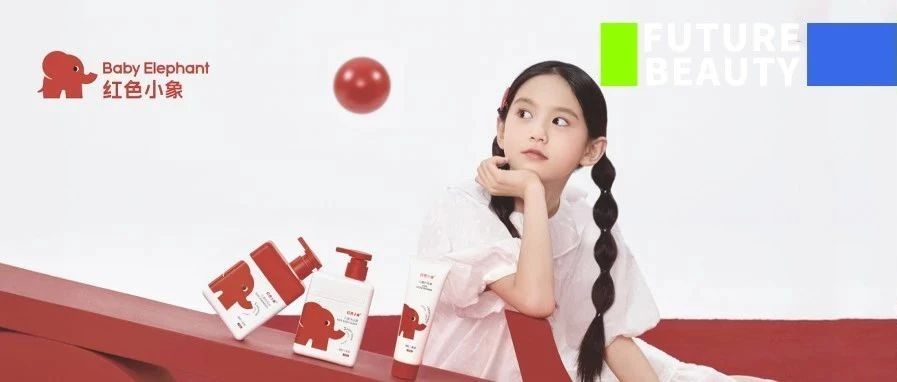
Core Viewpoint - The Chinese infant and child care market is experiencing a paradox of "demand upgrade" and "trust anxiety," with a projected growth rate of 20% for infant care products by 2025, while 70% of products remain in a regulatory gray area [2][4]. Group 1: Market Dynamics - The children's makeup market is expected to double from 100 billion yuan in 2019 to 200 billion yuan by 2024, with a compound annual growth rate exceeding 20%, reaching 240 billion yuan by 2025 [6][7]. - The industry faces three major issues: products evading regulation by being labeled as "toys," widespread false advertising of "food-grade" cosmetics, and misleading claims of "children's use" without proper safety certifications [7][8]. Group 2: Company Initiatives - Red Elephant has released two white papers to address market pain points and establish safety standards for children's makeup and adolescent acne treatment, aiming to shift the industry from "toy-like" to "professional" [4][8]. - The company has developed a targeted safety system for children's makeup, replacing traditional talc with corn starch, eliminating traditional preservatives, and ensuring products are easy to wash off [7][8]. Group 3: Regulatory Environment - New regulations from the National Medical Products Administration in 2024 require all children's cosmetics to be labeled with the "Little Golden Shield," with penalties for non-compliance reaching up to 30 times the fine [13]. - Red Elephant has proactively completed compliance upgrades across its product line and promotes ingredient transparency through a "raw material traceability map" [13]. Group 4: Research and Development - Red Elephant's research framework integrates user insights, basic research, and clinical validation, supported by a 7,000 square meter laboratory and over 200 patents [17][19]. - The company has introduced a "age-specific skincare" strategy, addressing the unique needs of different age groups, from infants to adolescents [19][20]. Group 5: Industry Leadership - Red Elephant aims to define market standards through product upgrades and white paper releases, establishing a dual moat of "technical patents + industry standards" [27][31]. - The brand's commitment to "patient, responsibility, and protection" reflects its role in the evolution of the Chinese infant care industry over the past decade [25][30].
数字化水平达最高级,花西子智能工厂有何超能力?
FBeauty未来迹· 2025-05-18 13:08
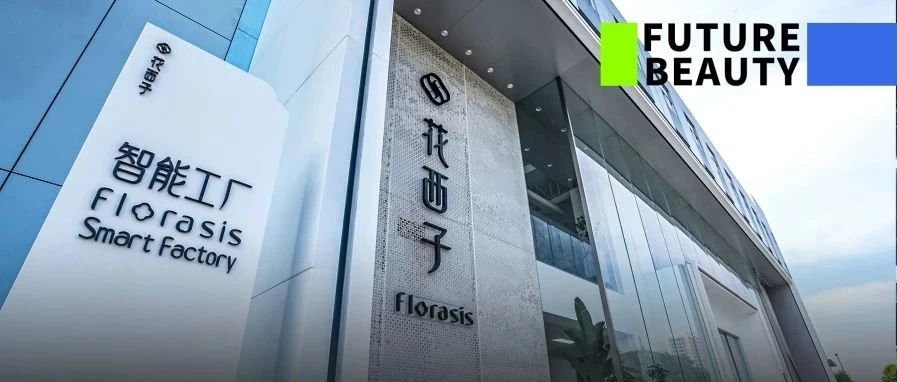
Core Viewpoint - The article highlights the transformation of Huaxizi from a "internet celebrity brand" to a "long-lasting brand" through the establishment of its intelligent factory, which represents a significant milestone in the future of Chinese manufacturing, particularly in the beauty industry, by integrating technology and culture [2][6]. Group 1: Intelligent Factory Overview - The Huaxizi intelligent factory, located in Hangzhou, began construction in 2021 and is set to be operational by the second half of 2024, with an annual production capacity of approximately 50 million items [8]. - The factory features seven digital production lines and is recognized for its high level of digitalization and intelligence, with a 100% equipment networking rate and over 75% production equipment networking rate, enabling full-process digital management [9][12]. Group 2: Quality Control and Standards - Huaxizi established its own stringent "Huaxizi Standard" in 2019, which is more rigorous than national standards, exemplified by the decision to destroy a batch of products that fell short by 0.0000007 [6][12]. - The factory employs a digital quality control system that enhances product quality stability and reliability, ensuring that the "Huaxizi Standard" is quantifiable and actionable [12][13]. Group 3: Efficiency and Productivity - The introduction of intelligent and digital technologies has tripled labor efficiency for core products and reduced overall order delivery cycles by 30%, allowing the factory to operate with only one-third of the workforce typically required [13][16]. - Automated systems, such as AGV robots and intelligent visual inspection devices, significantly improve material flow efficiency and product quality, with precision in filling processes comparable to medical-grade standards [16][18]. Group 4: Environmental and Human-Centric Design - The factory incorporates ESG principles, such as a spacious working environment with a ceiling height of 5.5 meters, which enhances worker comfort and productivity while also allowing for the establishment of a visitor-friendly facility [21][23]. - A rooftop solar power station generates approximately 2.8 million kWh of clean energy annually, reducing carbon emissions by about 2,500 tons [21][24]. Group 5: Cultural Integration and Innovation - Huaxizi's approach integrates traditional Chinese culture into its products, creating a unique "Oriental Beauty Narrative" that informs its research and development processes [27][28]. - The intelligent factory represents the final piece in Huaxizi's integration of production, research, and application, enhancing innovation efficiency through a fully connected data chain [31][33].
破局千亿美白市场,「第十四章」讲出中国高端美妆新故事
FBeauty未来迹· 2025-05-17 11:24
Core Viewpoint - The article discusses the launch of the new product "Day and Night Whitening Essence Oil" by the skincare brand "Chapter 14," emphasizing its innovative approach to addressing complex skin pigmentation issues in the context of the rapidly growing Chinese whitening market, which is valued at hundreds of billions [4][20]. Group 1: Product Launch and Innovation - "Chapter 14" held a product launch and technical seminar for its new "Day and Night Whitening Essence Oil," which is positioned as a revolutionary skincare product [2][4]. - The product is based on a "Day and Night Whitening Formula," developed through a global R&D network and interdisciplinary collaboration, marking the beginning of "Precision Skincare 2.0" [4][18]. - The essence oil has received a "Whitening Special Certificate" and has shown significant results, with a reported 42% reduction in melanin deposition after 28 days of use [15][21]. Group 2: Skin Challenges and Research Insights - The article highlights the complex mechanisms of skin pigmentation, including factors like UV exposure, blue light, and pollution, which necessitate a systemic approach to skincare [5][7]. - Research indicates that blue light is a significant yet often overlooked factor in skin damage, affecting a large portion of the population, particularly those with skin types III and IV [7][9]. - The introduction of a dynamic model that incorporates both genetic and environmental factors into skincare research is a key advancement [22]. Group 3: Ingredients and Efficacy - The new product features the innovative ingredient "SuperBlanc X88™," which combines multiple active components to create a comprehensive skincare solution [12][15]. - This ingredient builds on the classic whitening agent "Symwhite 377," enhancing its efficacy by adding other natural extracts that combat various sources of pigmentation [14][15]. - The formulation is designed to provide both daytime protection against environmental stressors and nighttime repair for skin inflammation, creating a complete whitening cycle [15][22]. Group 4: Market Context and Growth - The Chinese whitening skincare market is rapidly expanding, with projections indicating growth from 60.74 billion yuan in 2023 to 108.7 billion yuan by 2028, reflecting a compound annual growth rate of over 10% [20]. - The competitive landscape is shifting, with consumers increasingly prioritizing safety, efficacy, and precision in whitening products [20][21]. - The launch of "Day and Night Whitening Essence Oil" is seen as a response to these market demands, leveraging advanced technology to enhance product absorption and stability [20][21]. Group 5: Brand Philosophy and Future Directions - "Chapter 14" is committed to the philosophy of "Precision Skincare," which emphasizes scientific rigor and innovation in product development [18][25]. - The brand aims to establish itself as a leader in the high-end skincare market by integrating scientific research with consumer insights [24][25]. - The founder, Mei Hexiang, has expressed a vision of creating a brand that resonates with Chinese consumers, focusing on a unique development path for domestic skincare brands [25][26].

深度 | 毛戈平美妆以香“造境”,构建香氛新叙事
FBeauty未来迹· 2025-05-17 11:24
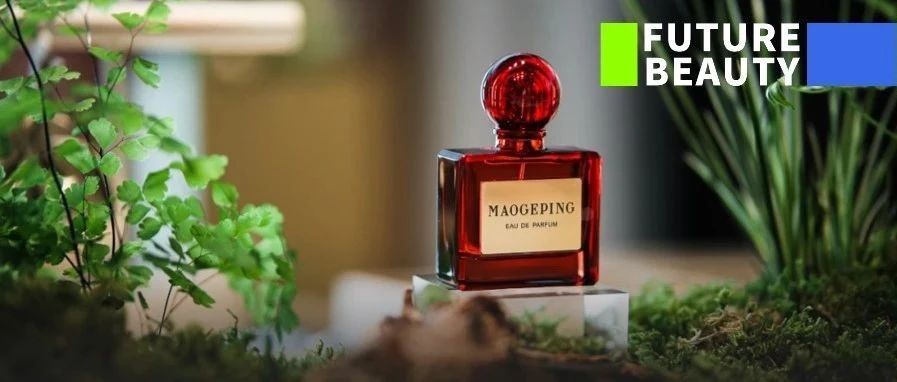
Core Viewpoint - The article discusses the launch of the "Wen Dao Dong Fang" fragrance series by Mao Geping Beauty, marking its entry into the high-end perfume market, emphasizing the integration of Eastern aesthetics with contemporary sensibilities [2][4][22]. Group 1: Product Launch and Strategy - Mao Geping Beauty has officially entered the high-end perfume sector with the "Wen Dao Dong Fang" series, which includes 13 unique fragrances rooted in Eastern philosophy and aesthetics [4][7]. - The fragrance series is designed to create a multi-sensory experience, moving the brand narrative from "visual aesthetics" to "multi-dimensional sensory" experiences [8][22]. - The company aims to respond to the growing consumer demand for emotional and cultural connections through products, as the market shifts from functional to emotional value [7][8]. Group 2: Market Context and Growth - The Chinese perfume market has seen significant growth, with a 21.5% year-on-year increase in 2023, making it the fastest-growing market globally [7]. - Projections indicate that from 2024 to 2029, the annual compound growth rate of the Chinese perfume market will reach 18-20%, with high-end and Chinese-style perfumes growing even faster [7]. Group 3: Cultural and Artistic Integration - The "Wen Dao Dong Fang" series is not just a product line but a cultural statement, aiming to redefine Eastern fragrance aesthetics through a blend of traditional and modern elements [22]. - The fragrances are categorized into three themes: "Natural Realm," "Cultural Realm," and "Philosophical Realm," each representing different aspects of Chinese aesthetics and philosophy [12][22]. - The collaboration with international perfumers and the use of high-quality natural ingredients highlight the brand's commitment to quality and cultural depth [5][14]. Group 4: Brand Positioning and Future Outlook - Mao Geping Beauty positions itself as a high-end brand within the domestic beauty market, with nearly 400 high-end counters across over 90 cities [7]. - The brand's strategy reflects a shift from mere product manufacturing to cultural definition, aiming to establish a unique identity in the global market [22]. - The integration of fragrance into the brand's offerings is seen as a natural extension of its existing product lines, enhancing the overall consumer experience [8][22].

专访颖通:中国香水市场的“情绪红利”与长期主义法则
FBeauty未来迹· 2025-05-16 11:13
Core Insights - The high-end beauty market in China has seen a decline of over 20 billion in the past four years, while the perfume segment is emerging as a growth area for major beauty brands [3][22] - Perfume possesses a unique dual identity as both a luxury and emotional product, allowing it to maintain resilience during economic fluctuations [3][6] - The compound annual growth rate (CAGR) for the perfume industry from 2018 to 2023 is 15%, with a slight expected decline to 14% in 2024, still outperforming other beauty categories [3][6] Market Dynamics - Despite the optimistic outlook for the perfume market, the penetration rate remains low, indicating significant untapped demand among Chinese consumers for high-quality and emotionally resonant fragrances [6][10] - The shift in consumer perception is moving from "logo worship" to "cultural resonance," where the narrative behind a fragrance plays a crucial role in its appeal [6][10] - The market is characterized by a growing number of "fragrance novices," presenting a vital opportunity for brands to introduce quality products and engage consumers [6][10] Brand Strategy - The company aims to introduce high-quality brands and products that cater to the Chinese market, focusing on balancing brand culture, aesthetics, and product quality [8][12] - The membership system is crucial, with 80% of members being women aged 20-40, who are not only consumers but also influencers of "olfactory experiences" [10][12] - The company has established a diverse brand matrix, including both high-end and mass-market fragrances, to cater to various consumer segments [18][19] Competitive Landscape - The company is the largest perfume brand management firm in mainland China, Hong Kong, and Macau, but faces challenges from international brands seeking to gain market share [13][22] - There is a need for "super localization" in marketing strategies, as international brands often underestimate the unique demands of the Chinese market [13][16] - The company has successfully executed localized marketing campaigns, such as the immersive pop-up store for the French brand Parfums de Marly, showcasing its ability to adapt international brands to local tastes [14][16] Operational Excellence - The company has built a robust operational foundation over nearly four decades, managing over 60 external brands and covering 400 cities in China [18][19] - The focus on a multi-channel strategy has allowed the company to remain resilient during market disruptions, leveraging e-commerce and retail partnerships [17][19] - The introduction of the "PERFUME BOX" retail concept aims to enhance consumer experience by offering a curated selection of fragrances, further solidifying the company's market position [19][22] Long-term Vision - The company emphasizes a long-term perspective, focusing on sustainable brand development rather than short-term sales growth [23][24] - Continuous investment in consumer insights and brand management has created a competitive edge, allowing the company to navigate market fluctuations effectively [23][24] - The commitment to both localization and internationalization positions the company as a leader in the evolving Chinese perfume market, fostering a unique blend of cultural and commercial success [25][26]
中国美妆行业开始进入“价值红利”时代
FBeauty未来迹· 2025-05-16 11:13
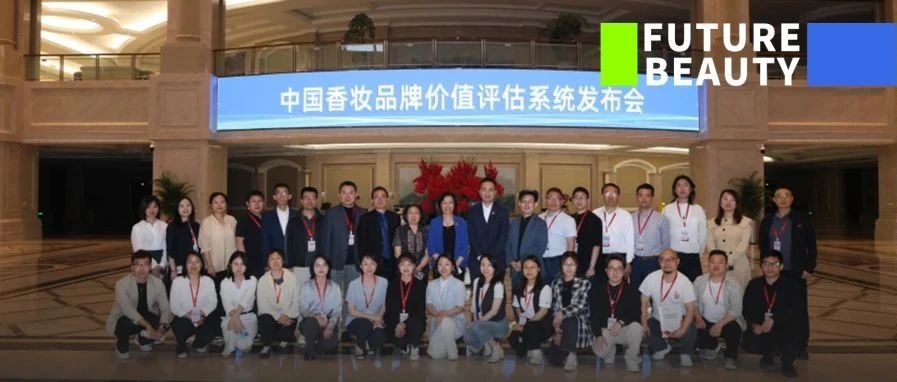
Core Viewpoint - The article discusses the launch of the "Initiative for Promoting Brand Value Construction" by the China Fragrance, Flavor and Cosmetic Industry Association, emphasizing a strategic shift in the Chinese fragrance and cosmetics industry from "traffic competition" to "value-driven" approaches, aiming to enhance brand value and quality [2][4][11]. Group 1: Initiative Overview - The initiative is centered around five key action paths: innovation-driven, quality-focused, scientific management, integrity in operations, and collaborative progress, addressing industry pain points [4][7]. - The initiative aims to transform "Chinese manufacturing" into "Chinese brands," providing a clear direction for companies in brand value construction [4][11]. Group 2: Action Paths - **Innovation-Driven**: Companies are encouraged to increase R&D investment to overcome technological bottlenecks and integrate cultural elements into brand identity [4][5]. - **Quality-Focused**: Emphasizes the importance of a robust quality management system throughout the supply chain to ensure product safety and sustainability [4][6]. - **Scientific Management**: Proposes the use of a "brand value assessment model" to diagnose brand development and optimize strategies based on data-driven insights [5][8]. - **Integrity in Operations**: Calls for transparency and honesty in brand communication to combat false advertising and promote a fair market environment [6][7]. - **Collaborative Progress**: Encourages learning from global brand management practices and enhancing international competitiveness through cross-industry collaboration [7][11]. Group 3: Brand Value Assessment System - The "China Fragrance and Cosmetic Brand Value Assessment System" was introduced as a tool to quantify brand value through measurable indicators, aiding in strategic implementation [8][11]. - The assessment system combines quantitative and qualitative evaluations, focusing on factors like profit, marketing investment, and R&D investment, with over 18 sub-dimensions for comprehensive brand strength measurement [8][11]. Group 4: Industry Implications - The simultaneous release of the initiative and the assessment system signifies the beginning of a "brand value awakening" era in the Chinese fragrance and cosmetics industry, providing a dual approach of theory and practice for high-quality development [11]. - As the brand value concept deepens, Chinese fragrance and cosmetics companies are expected to transition from "follower" to "leader" in the global market [11].


当护肤界迎来国家科技进步一等奖品牌,绽媄娅的跨界“野心”
FBeauty未来迹· 2025-05-15 12:21
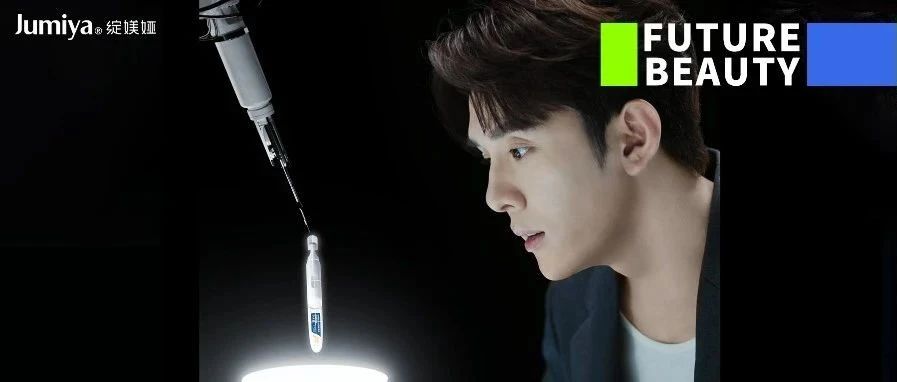
Core Viewpoint - The beauty industry is experiencing a "scientific fever" with a focus on advanced technology, particularly in skin science and cutting-edge technology, as companies compete to innovate in this space [2][4]. Group 1: Technological Advancements - L'Oréal showcased its latest bioprinting skin technology at the 2024 Viva Technology conference and introduced its skin tissue engineering platform at the 2024 China International Import Expo [2]. - Chinese company Bai'ao Regeneration has developed China's first living cell artificial skin after 30 years of research, addressing a significant demand for artificial skin in China, which exceeds 400 million square centimeters annually [2][7]. - The first living cell artificial skin was approved for market release in 2007, marking a significant milestone in regenerative medicine and providing new options for patients with severe skin damage [13]. Group 2: Market Demand and Challenges - China has approximately 15 million burn and ulcer patients annually, with 3.5 million requiring skin transplants, highlighting the urgent need for artificial skin solutions [7]. - Traditional skin transplant methods face challenges such as insufficient donor skin and increased patient suffering, creating a gap that innovative solutions like artificial skin can fill [7]. Group 3: Product Development and Innovation - The launch of the "Ball PDRN Energy Stick" by Zhanmiya in December 2024 represents a significant advancement in skincare technology, utilizing proprietary "supermolecular microball" technology to enhance the penetration of PDRN into the skin [20][25]. - The product achieved over 6 million in sales within three weeks of launch, indicating strong market acceptance and consumer interest [25]. Group 4: Consumer Engagement and Communication - The collaboration between Zhanmiya and influencer Li Jiaqi to produce the film "The Skin Makers Go to Make Skincare Products" effectively communicates complex scientific concepts in an accessible manner, enhancing consumer understanding and emotional connection [26][30]. - The film employs cinematic techniques and visual storytelling to illustrate the scientific process behind artificial skin development, making the technology more relatable to consumers [28][32].
国货美妆把美博会办成了“内卷突围赛”
FBeauty未来迹· 2025-05-15 12:21
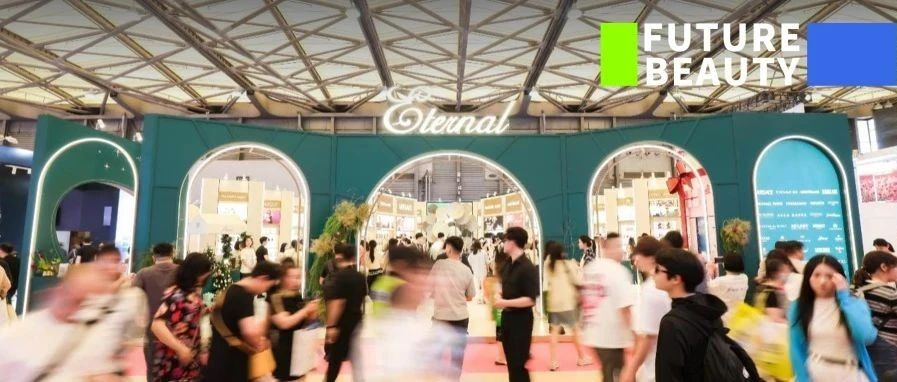
Core Viewpoint - The Chinese beauty industry is experiencing a dual landscape by 2025, where domestic brands are competing with international ones through advanced technology, while simultaneously facing consumer anxiety due to rapid demand changes and high innovation costs [2]. Group 1: Sunscreen Market Trends - The sunscreen market is shifting from basic protection to advanced features like "full-spectrum protection" and "high SPF with skin feel," driven by consumer demand for more effective products [3]. - Shiseido's Anessa brand showcased its upgraded "Little Gold Bottle," emphasizing its position as a "sunscreen expert" with a focus on product innovation and marketing [4][5]. - MISTINE, a leading brand in sunscreen sales, introduced its sixth-generation products, highlighting a scientific approach to skin care with unique features like the "御光滤" component [6][8]. Group 2: Hair Care Innovations - The scalp care segment is emerging as a new growth area in the beauty industry, with the Chinese hair care market expected to exceed 80 billion yuan by 2029 [12]. - Spes introduced a breakthrough in peptide technology for scalp care, while Proya showcased its research in scalp micro-ecology [14][15]. - The focus on personalized solutions in hair care is evident, with brands like Spes and Proya addressing specific scalp issues through innovative formulations [19]. Group 3: Anti-Aging Developments - The anti-aging sector is witnessing a trend towards the use of PDRN as a key ingredient, with multiple brands exploring its potential [20][21]. - Innovations in raw materials are expanding from recombinant collagen to functional proteins, as seen with the brand Zhenyan [22]. - The introduction of "cell-level" anti-wrinkle products is becoming a competitive focus, with brands like Huaxi Biotech leading the charge [24][27]. Group 4: Consumer Demand and Market Dynamics - Consumer expectations are rising, demanding products that offer "higher, faster, stronger" benefits while also seeking simplified routines [49]. - Brands are struggling with the challenge of rapid product development to meet these evolving consumer needs, leading to a competitive environment characterized by anxiety and urgency [49]. - The reliance on popular ingredients and marketing strategies is prevalent, but brands like MISTINE and Zhenyan are proving that true differentiation comes from foundational research and innovation [53]. Group 5: Scientific Communication and Brand Strategy - Leading brands are enhancing their scientific communication strategies to effectively convey product benefits and innovations to consumers [54][55]. - The integration of scientific evidence into marketing narratives is becoming crucial for brand positioning in a crowded market [57]. - The beauty industry is at a crossroads, where technological advancements and effective communication will determine the success of brands in navigating consumer demands and market challenges [58].