FBeauty未来迹

Search documents
在实验室“造太阳”,蜜丝婷如何重构全球防晒技术主动权?
FBeauty未来迹· 2025-05-27 11:16
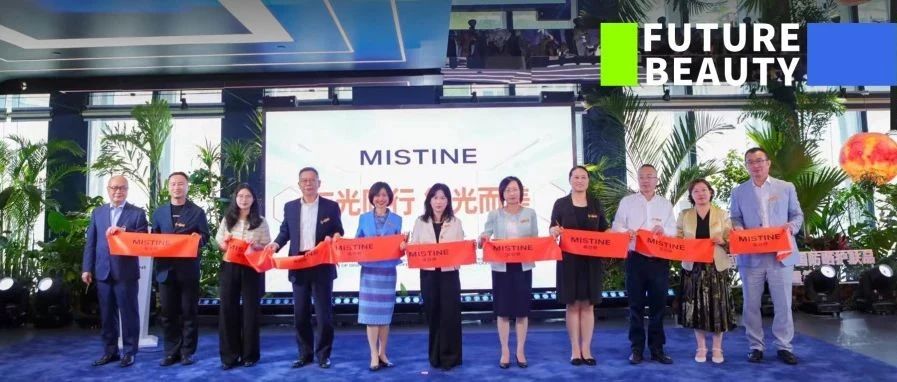
Core Viewpoint - MISTINE is leveraging advanced technology and a robust research framework to dominate the sunscreen market in China, aiming for global influence through localized innovation and strategic partnerships [2][12][38]. Group 1: Research and Development - MISTINE's R&D center in Shanghai is described as the most authoritative in China, featuring a triad of capabilities: a photobiology lab, a consumer insight center, and a Nobel Prize AI computing lab [4][5]. - The photobiology lab is pivotal, equipped with cutting-edge research tools, and plans to invest hundreds of millions in foundational research and product development over the next five years [4][5]. - The brand has established a global R&D network, collaborating with Nobel laureates and various research institutions to create a comprehensive innovation ecosystem [8][9]. Group 2: Product Innovation - The exclusive ingredient "御光滤" (Yuguang Filter) was developed over 14 years through collaboration among research teams from China, Thailand, and Germany, showcasing the brand's commitment to innovation [9][19]. - MISTINE's new product, the "Whitening Essence Sunscreen," is specifically designed for sensitive skin and incorporates advanced scientific frameworks to address consumer needs [18][19]. - The brand's product line now includes a variety of sunscreen options tailored for different demographics, including men, children, and sensitive skin, demonstrating a comprehensive approach to market segmentation [27][30]. Group 3: Market Position and Strategy - MISTINE has been the top-selling sunscreen brand in China for four consecutive years, with one in eight people using its products, indicating strong market penetration [30][31]. - The brand's strategy focuses on integrating global resources with local market demands to establish technological leadership in the beauty industry [14][38]. - MISTINE's approach to sunscreen is evolving from general protection to medical-grade precision, reflecting a shift in consumer expectations and market dynamics [19][30].

从资生堂到欧莱雅,美妆巨头为何集体押注“微针”?
FBeauty未来迹· 2025-05-26 13:12
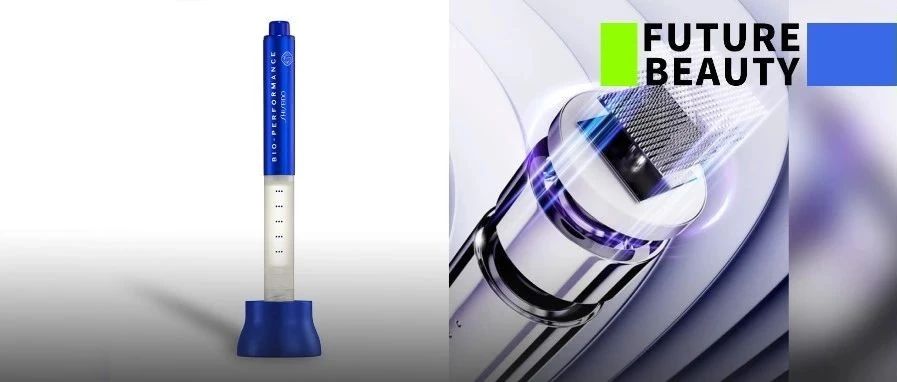
Core Viewpoint - The beauty giants are expanding into the medical aesthetics sector by launching microneedling products, moving beyond just perioperative skincare to direct medical device offerings [2][3][4]. Group 1: Product Launches - Shiseido has launched a new microneedling product, MicroClick Concentrate, in the Japanese market, priced at 36,300 yen (approximately 1,791 RMB) for 1.4ml [2][4]. - L'Oréal is set to release a microneedling beauty device named 400 BOOSTER, priced at £250 (approximately 2,394.7 RMB), targeting the high-end home beauty market [3][8]. Group 2: Technology and Mechanism - Microneedling is a common medical device that creates microchannels in the skin to deliver active ingredients for therapeutic effects, particularly in aesthetic treatments [3][6]. - Shiseido's MicroClick Concentrate features 18 microneedles per disposable head and includes niacinamide and barrier-repairing ingredients, enhancing the penetration of active substances [4][7]. - L'Oréal's 400 BOOSTER utilizes a module with 400 nano-sized tips to create invisible microchannels in the skin, promoting the absorption of skincare ingredients [8][11]. Group 3: Market Trends and Consumer Acceptance - The Chinese medical aesthetics market has been growing at an annual rate of 17.5% since 2017, projected to reach nearly 400 billion RMB by 2026, with light medical aesthetics contributing significantly [13]. - The microneedling market, which surpassed 200 million RMB in 2022, has substantial growth potential compared to the broader light medical aesthetics market [13]. - Consumers are increasingly accepting microneedling as a method for effective skincare, with a shift towards home-use devices that enhance the efficacy of topical products [15][16]. Group 4: Regulatory and Safety Considerations - The integration of microneedling into beauty products faces regulatory challenges, as microneedles are classified as medical devices in many regions, requiring compliance with stricter safety standards [19][22]. - There is a growing concern about the safety of DIY microneedling practices, highlighting the need for consumer education on safe and effective use [22][27]. Group 5: Future Outlook - The combination of beauty and microneedling presents significant opportunities for innovation in skincare, but companies must navigate regulatory hurdles and ensure product safety [27]. - The trend towards home-use microneedling devices reflects a broader consumer demand for effective skincare solutions that are easy to use and accessible [15][16].

绽媄娅入局“械字号”,一次来自再生医学的降维打击
FBeauty未来迹· 2025-05-23 14:43
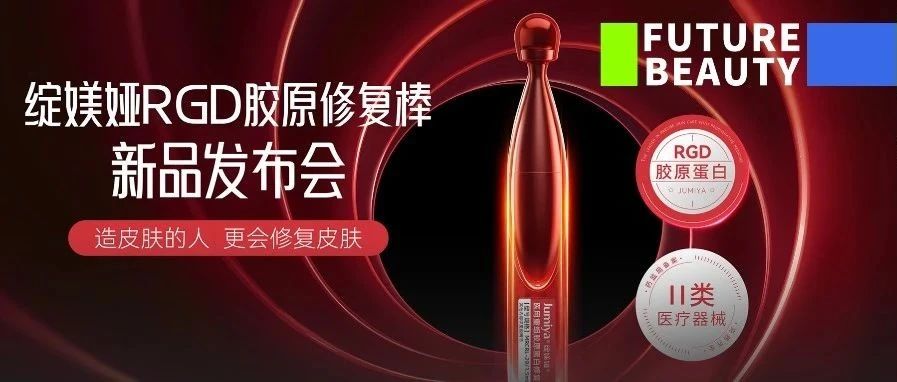
Core Viewpoint - The article discusses the launch of the RGD Recombination Collagen Repair Stick by the skincare brand Zhanmeiya under Baiao Regeneration, highlighting its entry into the medical device market and the growing intersection of regenerative medicine and the medical beauty industry [2][4]. Market Trends - The medical beauty market in China is expected to grow at a compound annual growth rate (CAGR) of 10%-15% over the next five years, potentially reaching a market size of 3.8 trillion by 2027 [4]. - The demand for perioperative care products, such as medical dressings, is growing even faster than the medical beauty market itself [4][5]. Product Development - Zhanmeiya's RGD collagen repair stick is designed to meet the increasing demand for skin barrier repair among medical beauty consumers, particularly post-surgery and for sensitive skin [7][10]. - The product utilizes advanced technologies, including "ball collagen," "ball peptide," and "ball PDRN," to enhance its effectiveness in skin repair [10][30]. Scientific Innovation - The RGD collagen repair stick features RGD-modified recombinant collagen, which allows for precise adhesion and effective repair of the skin barrier, addressing issues such as redness and pigmentation [19][24]. - Clinical results show that the product can reduce skin redness by 16.03% within 15 minutes and improve skin glossiness by 14.85% [19][20]. Competitive Landscape - The entry of Zhanmeiya into the medical device market signifies a shift towards a more scientific approach in the beauty industry, with an emphasis on research and development [12][30]. - The article notes that many beauty brands are now competing in the medical device space, leading to a rational new phase of competition characterized by quality and efficacy [5][13]. Marketing Strategy - Zhanmeiya has engaged in innovative marketing strategies, including collaborations with influencers to enhance brand visibility and consumer engagement [35][36]. - The brand's recent marketing efforts have resulted in significant sales growth, positioning it as a leading player in the market [32][35].
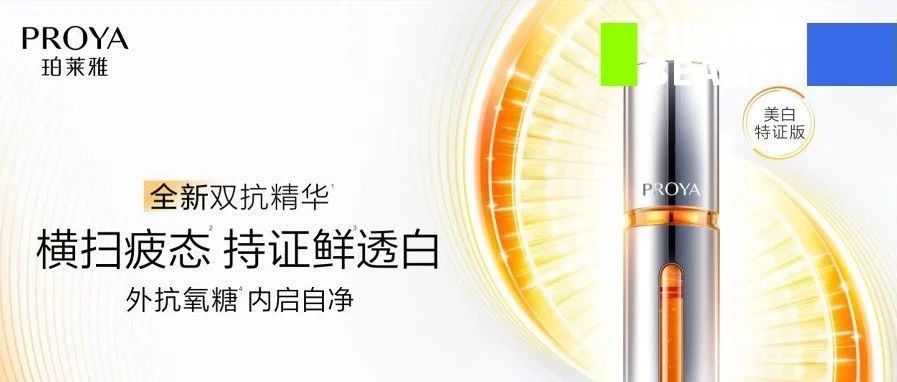
拿下美白特证,珀莱雅全新双抗精华“底牌”曝光
FBeauty未来迹· 2025-05-23 14:43
Core Viewpoint - The article discusses the advancements in skincare technology, particularly focusing on the dual mechanisms of antioxidant and anti-glycation, which are crucial for addressing skin aging and pigmentation issues caused by oxidative stress and glycation processes [2][8][18]. Group 1: Research and Development - Proya has made significant breakthroughs in addressing the challenges of oxidative and glycation damage, presenting their findings at the "Cognition and Practical Innovation of Antioxidant and Anti-Glycation Mechanisms" forum [3][7]. - The research team revealed the dual-target regulation mechanism involving Nrf2 and GLO-1, which are essential for combating oxidative stress and glycation [4][5][18]. - The newly launched dual-antioxidant essence "Whitening Special Edition" utilizes the "dual-antioxidant + dual-pathway whitening" approach to tackle these technical challenges [5][25]. Group 2: Mechanisms of Skin Aging - Skin aging is categorized into intrinsic and extrinsic aging, with extrinsic aging primarily caused by environmental factors like UV exposure, leading to excessive ROS production and subsequent skin damage [8]. - Glycation, a non-enzymatic reaction, occurs when excess sugars bind to collagen and elastin, forming irreversible advanced glycation end products (AGEs), which contribute to skin dullness and loss of elasticity [9][11]. - The interplay between oxidative stress and glycation exacerbates skin damage, creating a vicious cycle that accelerates pigmentation issues [11][13]. Group 3: Product Innovation - Proya's dual-antioxidant essence has shown a 216% increase in Nrf2 levels and a 206.25% increase in GLO-1 levels, significantly reducing ROS and AGEs, with reductions of 53.44% and 79.57% in oxidative and glycation damage, respectively [21][24]. - The product incorporates a five-fold antioxidant matrix and a three-fold anti-glycation matrix, enhancing its efficacy against oxidative and glycation damage [26][28]. - The essence has received the Whitening Special Certificate, validating its effectiveness and quality [28]. Group 4: Market Trends and Consumer Insights - The launch of the dual-antioxidant essence reflects Proya's deep understanding of current consumer demands, shifting from "low price high quality" to "scientific value visualization" [37]. - There is a growing trend among consumers towards understanding the mechanisms behind skincare ingredients, moving from a focus on "star ingredients" to "validated mechanisms" [37]. - Proya's commitment to research and innovation positions it as a leader in the beauty industry, driving advancements in the entire skincare market [36][37].

玻尿酸&重组胶原蛋白两手抓的中国企业,出现了!
FBeauty未来迹· 2025-05-23 14:43
Core Viewpoint - The beauty industry is currently experiencing a "ingredient dispute" focusing on two key ingredients: hyaluronic acid and recombinant collagen, which has expanded to discussions on business strategies of leading beauty companies, the ecological environment of the industry, and the public sentiment in the capital market [2][3] Summary by Sections Hyaluronic Acid - Hyaluronic acid, known scientifically as hyaluronic acid (HA), is a crucial component of human tissue, comprising about 50% of the total amount in the skin, and is recognized for its powerful moisturizing, soothing, repairing, and anti-aging properties [5][6] - Historically, hyaluronic acid was monopolized by foreign companies in the 1980s, making it expensive and inaccessible to the Chinese market. Furuida Biotech broke this monopoly by developing a microbial fermentation method, reducing the cost of hyaluronic acid by 90% [6][8] - Furuida has established a complete industrial chain centered around hyaluronic acid, covering raw materials, pharmaceuticals, cosmetics, functional foods, and medical devices, and has created several well-known beauty brands [8][10] Recombinant Collagen - The recombinant collagen market in China has grown from 1.5 billion yuan in 2017 to 10.8 billion yuan in 2021, with a projected compound annual growth rate of 42.4% until 2027 [11] - Recombinant collagen is seen as a next-generation regenerative medicine material, offering advantages such as no viral risk and high biocompatibility, and is expected to complement hyaluronic acid in skincare [13][14] Furuida's Strategic Moves - Furuida has recognized the complementary relationship between hyaluronic acid and recombinant collagen, launching its first medical beauty brand, Kemi, in December 2023, and investing in a production line for recombinant collagen [14][16] - The company has achieved significant milestones in recombinant collagen research, including obtaining medical-grade material qualifications and developing various types of collagen with multiple patents [16][18] Market Performance - Furuida's cosmetics sales revenue reached 2.475 billion yuan in 2024, with a gross margin of 62.57%, indicating a stable performance in its main business segment [17][18] - The dual focus on hyaluronic acid and collagen has led to rapid growth for its brands, with the Yilian brand achieving 963 million yuan in revenue in 2024, a year-on-year increase of 12.36% [20] Future Outlook - Both hyaluronic acid and recombinant collagen have significant growth potential, with recent research highlighting the extracellular matrix (ECM) as a new frontier in anti-aging studies [20][21] - Furuida's innovative approach, including the development of a breakthrough ingredient that accurately restores ECM protein composition, is redefining the application boundaries of collagen [21][22] - The success of hyaluronic acid represents a model for the Chinese beauty industry, showcasing the potential for multiple "hyaluronic acid effects" to drive industry growth and global competitiveness [22]


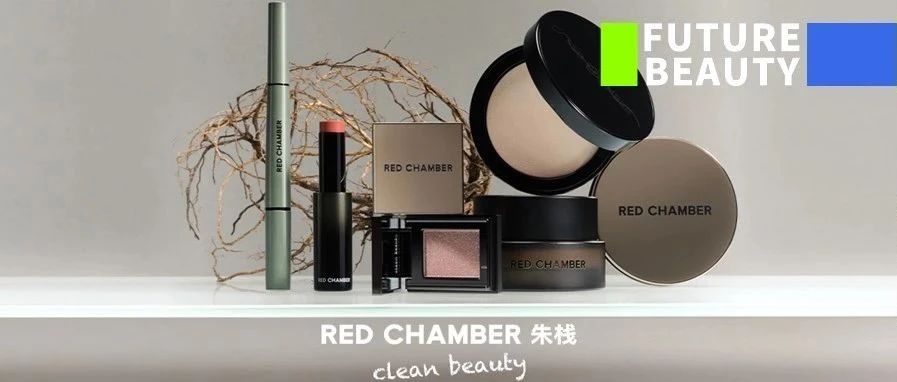
新获近亿元融资,RED CHAMBER朱栈重构“纯净美妆”叙事
FBeauty未来迹· 2025-05-22 11:09
Core Viewpoint - The article highlights the rise of the Chinese clean beauty brand RED CHAMBER, which has successfully navigated the challenges faced by international clean beauty brands in the market, showcasing its unique strategies and strong performance in the industry [2][3][16]. Financing and Growth - In May 2025, RED CHAMBER announced nearly 100 million RMB in Series A and A+ financing, marking the largest single financing for a Chinese beauty brand in 2025 [2]. - The brand has completed three rounds of financing since its establishment in 2020, with significant investments aimed at product development and market expansion [4][5]. - The latest round of financing focuses on enhancing research capabilities, including the establishment of a digital testing system for makeup efficacy and skin microbiome research [5][14]. Product Innovation and Market Positioning - RED CHAMBER has positioned itself as the first sustainable clean beauty brand in China, addressing key industry pain points such as ingredient safety and proven efficacy [4][11]. - The brand's star product, a multi-use balm, has achieved over 200,000 monthly sales on Tmall, indicating strong consumer demand and market presence [5][12]. - The brand's commitment to research and development has led to innovative product designs that combine multiple functions, catering to the growing consumer trend for efficiency and safety in beauty products [12][18]. Industry Standards and Consumer Trends - RED CHAMBER is a pioneer in establishing clean beauty standards in China, collaborating with industry associations to create guidelines for product development and quality standards [14][22]. - A report indicates that over 65% of consumers are inclined to choose environmentally friendly brands, with a growing preference for clean and natural products [16]. - The brand's approach to localizing its clean beauty narrative reflects a deep understanding of Chinese consumer needs, balancing safety and efficacy [18][21]. Future Outlook - The clean beauty market is expected to grow significantly, with projections indicating a rise in the global natural beauty and cosmetics market value to $59 billion by 2031 [16]. - RED CHAMBER's focus on sustainable practices and technological advancements positions it well for future growth in the evolving beauty landscape [21][22].
从医研共创到全球“登顶”:解码理肤泉的皮肤学突围战
FBeauty未来迹· 2025-05-22 11:09
Core Viewpoint - The article discusses the evolution of the "medical-research co-creation" trend in the Chinese beauty market, highlighting how brands like La Roche-Posay are leveraging scientific research to differentiate themselves and achieve significant sales growth, particularly in the context of the brand's 50th anniversary [2][4]. Group 1: Brand Performance and Market Position - La Roche-Posay has achieved over €7 billion in sales, marking a significant milestone for L'Oréal's dermatological division, and has become the third-largest skincare brand globally and the most recommended by dermatologists [2][4]. - The brand's unique heritage, rooted in the therapeutic properties of its thermal spring water, has been a key factor in its success, with a history dating back to the 14th century [7][9]. - The brand has submitted 180 research papers and actively participates in global dermatology conferences, reinforcing its position as a leader in skincare science [12][19]. Group 2: Research and Development - La Roche-Posay has a strong commitment to scientific research, having pioneered several innovations in skincare, including the first sunscreen with anti-UVA properties in 1987 and the first microbiome research in 2011 [10][12]. - The brand collaborates with dermatologists and medical experts to develop products that address real skin issues, emphasizing a holistic approach to skincare that includes emotional and psychological aspects [13][14]. Group 3: Market Strategy in China - Since entering the Chinese market in 2001, La Roche-Posay has positioned itself as a pioneer in scientific skincare, rapidly becoming the third-largest market for the brand globally [15][24]. - The brand's sales in China are projected to exceed ¥2.3 billion in 2024, reflecting a 12% year-on-year growth, driven by high repurchase rates of key products [15][24]. - La Roche-Posay has established a robust "medical-research co-creation" system in China, resulting in significant product innovations tailored to local consumer needs [21][24]. Group 4: Social Responsibility and Community Engagement - The "Blue Ribbon" initiative launched in 2022 aims to support skin health for cancer patients, showcasing the brand's commitment to social responsibility and community engagement [26][27]. - La Roche-Posay actively participates in educational campaigns and collaborations with local medical institutions to raise awareness about skin health issues related to cancer treatment [26][27]. Group 5: Consumer Trends and Brand Positioning - The article highlights a shift in consumer behavior towards more informed and rational purchasing decisions, with an increasing focus on ingredient transparency and product efficacy [29][31]. - La Roche-Posay's branding emphasizes a consistent message of professionalism and care, resonating with consumers who prioritize both effectiveness and a human touch in skincare [28][31].
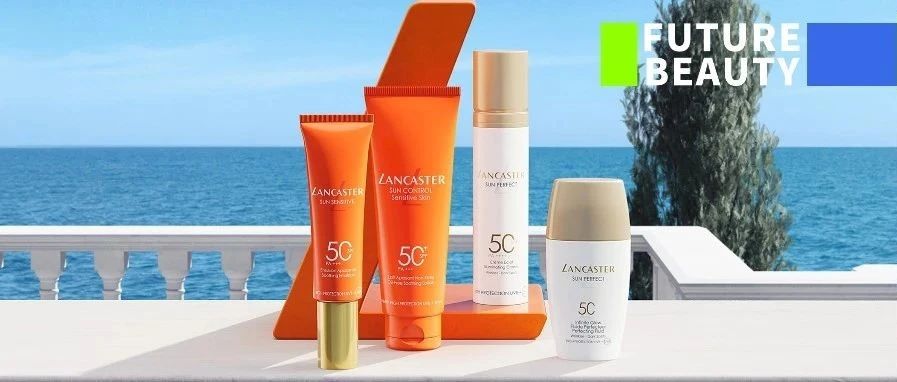
“质价齐卷”的防晒市场,欧洲高端防晒给出标答
FBeauty未来迹· 2025-05-22 11:09
Core Insights - The sunscreen market is experiencing a "quality and price dual decline," indicating a growth trap despite rapid expansion in recent years [2][3] - Brands are increasingly diversifying sunscreen products to meet more precise consumer demands, while technological advancements in "anti-light aging" are paving the way for the next growth phase [2][5] Market Overview - In 2024, the total sales of sunscreen products across major e-commerce platforms reached 15.278 billion yuan, a year-on-year increase of 2.12%, while the average price rose from 79.62 yuan to 89.88 yuan, despite a 9.54% decline in overall sales volume [3][4] - The price dynamics show a significant "hidden increase" in prices, with brands employing promotional strategies to boost average transaction values, even as sales volumes and per milliliter prices decline [4] Brand Performance - High-end sunscreen brands like Lancaster are emerging as market leaders by focusing on scientific innovation and addressing the "anti-light aging" trend [5][9] - Lancaster has seen explosive growth, with online sales on platforms like Douyin increasing by 155% and Tmall by 182% in the first quarter of the year, significantly outpacing overall platform growth [7][19] Product Innovation - Brands are launching multifunctional products, such as "sunscreen + whitening," to enhance consumer experience and shift towards "anti-light aging" efficacy [5][15] - Lancaster's new product lines, including "Platinum Sunscreen" and "Super Repair Sunscreen," cater to specific needs of medical beauty users, addressing post-procedure skin conditions [15][17] Marketing Strategy - Lancaster is leveraging partnerships with medical beauty institutions to provide tailored sunscreen solutions, enhancing its market presence among high-net-worth individuals [21][22] - The brand's marketing strategy includes collaborations with celebrities and influencers to strengthen its "scientific anti-aging" image, while also focusing on educational content to build consumer trust [26][28] Distribution Channels - Lancaster has established a comprehensive sales network, entering platforms like Tmall and Douyin, and maintaining a presence in physical stores since 2006 [25] - The brand's adaptability in channel strategy allows it to effectively reach high-value consumers while maintaining a focus on brand integrity and messaging [30] Future Outlook - As a key player in Coty's high-end skincare strategy, Lancaster's rapid growth in the Chinese market is crucial for the company's overall success [32][34] - The brand's commitment to innovation and market expansion reflects its confidence in sustaining growth in a competitive landscape [35]

屏障修护“开拓者”适乐肤,如何打造医研共创标杆IP?
FBeauty未来迹· 2025-05-21 14:03
Core Insights - The article emphasizes the growing importance of "barrier repair" in the beauty industry, particularly in response to skin issues arising from modern lifestyles such as stress and lack of sleep [2][5][11] - The "Barrier Repair" market is experiencing significant growth, with a 58% year-on-year increase in product registrations in the first eight months of 2024, indicating a shift from niche concept to essential need [2][11] - The success of the "Skin Barrier Case Competition" initiated by the brand has established it as a benchmark for clinical research in the cosmetics industry, promoting a scientific approach to skincare [3][12] Market Trends - The report highlights that the number of registered repair products reached 4,159 in the first eight months of 2024, with a growth rate exceeding 177% in April 2024 alone [2][11] - The competition has attracted over 800 dermatology experts and has received more than 1,011 real application cases, covering over 20 types of skin issues [6][12] Brand Contributions - The brand has maintained double-digit growth for several years, driven by its focus on barrier repair and innovative research initiatives [3][11] - The introduction of dual tracks in the competition for both adults and children aims to address the unique needs of pediatric skin care, reflecting the brand's commitment to comprehensive skin health [8][19] Industry Impact - The competition has significantly influenced clinical research innovation, improved treatment standardization, and fostered collaboration across academia and industry [12][14] - The brand's approach to integrating treatment and skincare through the use of moisturizers as a fundamental part of therapy has been recognized as a pioneering model in the industry [14][19] Future Strategies - The brand plans to enhance its product offerings by launching five new personal care products by the end of 2024, focusing on diverse consumer needs [19][21] - The brand aims to expand its reach among younger consumers, particularly the Z generation, by emphasizing the efficacy and value of its products [24][25]
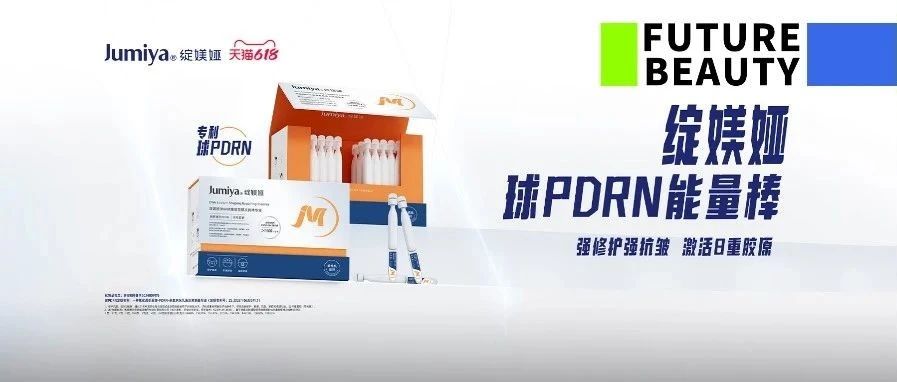
大单品跃登天猫液态精华榜,绽媄娅在618又卖爆了?
FBeauty未来迹· 2025-05-21 14:03
Core Viewpoint - The Chinese beauty market is undergoing a significant transformation, with the emergence of new technology-driven domestic brands like Zhanmei Ya, which has successfully launched innovative products despite increasing competition and market saturation [2][3][14]. Market Overview - The total transaction value of the Chinese cosmetics market in 2024 reached 107.38 billion yuan, with a year-on-year growth of 2.8%. The top 1000 brands accounted for 55.2% of the market share, an increase of 2.9 percentage points compared to the previous year [3]. - The 618 shopping festival has become a critical battleground for brands to showcase their strengths, with over 1,300 brands doubling their sales in the first hour of the event [3]. Product Launch and Performance - Zhanmei Ya's "Qiu PDRN Energy Stick," launched in December 2024, became a key driver of the brand's growth, achieving over 10 million yuan in sales within the first month and ranking among the top 12 in the Tmall liquid essence category during the 618 event [6][20]. - The product's success is attributed to its innovative technology and strong market presence, as it has gained significant recognition on social media platforms like Xiaohongshu [8][12]. Technological Innovation - Zhanmei Ya's "Qiu PDRN" is a proprietary patented ingredient that enhances skin absorption and efficacy, utilizing a groundbreaking "super molecular micro-sphere" technology to improve the delivery of large molecular components like PDRN [14][20]. - This technology addresses the challenges of low permeability and bioavailability associated with traditional skincare applications of PDRN, positioning Zhanmei Ya as a leader in the PDRN skincare segment [15][36]. Scientific Communication and Brand Growth - The brand's rapid rise in popularity is also linked to effective scientific communication strategies, including collaborations with media and influencers to educate consumers about the benefits of their products [23][30]. - A documentary titled "The Skin Makers Go to Make Skincare Products" highlighted the journey of Chinese scientists in developing artificial skin technology, further enhancing the brand's credibility and consumer engagement [25][27]. Competitive Landscape - The global PDRN market is projected to grow significantly, with a compound annual growth rate (CAGR) of 43.32%, and the Chinese market expected to see a CAGR of 49.02% by 2029 [32][33]. - Zhanmei Ya's strategic foresight and technological advancements have positioned it as a representative domestic brand in the competitive PDRN skincare market, setting the stage for future growth and innovation [34][38].