生物世界

Search documents
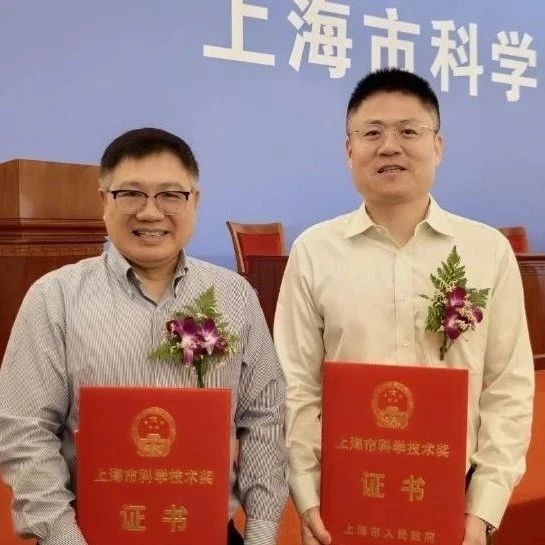
助力中国基因和细胞治疗“弯道超车”,让“天价药”走进寻常百姓家!邦耀生物荣获“2024上海市科技进步一等奖”
生物世界· 2025-08-26 04:03
Core Viewpoint - The article highlights the significant achievements of Shanghai Bangyao Biotechnology Co., Ltd. in the field of gene editing and cell therapy, particularly their recognition through the Shanghai Science and Technology Progress Award for their innovative projects in these areas [2][5]. Group 1: Award Recognition - The project "Development and Translational Application of Key Technologies in Gene Editing and Cell Therapy" won the first prize at the Shanghai Science and Technology Progress Award, marking a significant milestone for Bangyao Biotechnology [2][5]. - The award signifies the project's achievement at an internationally advanced or domestically leading level, emphasizing its substantial social and economic benefits [5][6]. Group 2: Technological Innovations - Bangyao Biotechnology is recognized as one of the earliest teams in China to apply CRISPR-Cas9 gene editing technology, having published the first successful application in mammals in 2013 [8]. - The company has developed a gene therapy for β-thalassemia, achieving a "one-time treatment, lifelong cure" for 15 patients, which has been acknowledged as a benchmark in the international field of thalassemia treatment [10]. - The non-viral PD1-CAR-T technology, developed by the team, has shown a 100% objective response rate and an 85.7% complete response rate in clinical studies, significantly improving safety and cost-effectiveness compared to traditional CAR-T therapies [12][15]. - The allogeneic universal CAR-T cell therapy, targeting CD19, has been developed to address the challenges of personalized treatment cycles and costs, allowing for immediate use and significantly reducing production costs [16][17]. Group 3: Clinical Research and Future Directions - Bangyao Biotechnology is conducting two registration clinical studies focusing on relapsed/refractory B-cell acute lymphoblastic leukemia and B-cell non-Hodgkin lymphoma, aiming to expand the application of their therapies to solid tumors and autoimmune diseases [22]. - The company has established a robust innovation platform with over 100 patents and multiple projects in clinical trials, demonstrating its commitment to advancing gene and cell therapy [25].

Nature Medicine:我国学者临床试验证实,抗衰老药物+免疫疗法,让癌症治疗更安全有效
生物世界· 2025-08-26 04:03
Core Insights - The article discusses the advancements in cancer immunotherapy and highlights the challenge of low response rates, with less than 20% of cancer patients achieving durable responses to immunotherapy [2] - It emphasizes the role of immune senescence in tumor microenvironments as a key factor leading to resistance to immunotherapy, suggesting that targeting immune aging could enhance treatment efficacy [3][9] Group 1: Research Findings - A recent study published in Nature Medicine confirmed that immune senescence in the tumor microenvironment is a critical factor for immunotherapy resistance, demonstrating that senolytic drugs combined with anti-PD-1 therapy significantly improved response rates in head and neck squamous cell carcinoma (HNSCC) patients [3][6] - The study involved a Phase 2 clinical trial with 51 patients, revealing that treatment-related adverse reactions were associated with decreased levels of CCR7+ CD4+ naive T cells and CD27+ memory B cells, alongside high expression of immune senescence-related genes [6][7] Group 2: Clinical Trial Results - The first global Phase 2 clinical trial combining senolytic drugs with anti-PD-1 therapy showed a major pathological response rate of 33.3%, including a complete pathological response rate of 16.7%, significantly outperforming historical data for monotherapy [7] - The incidence of grade 3-4 adverse events was low at 4.2%, much lower than the 51% seen with chemotherapy combined with immunotherapy, indicating a favorable safety profile for the combination treatment [7] Group 3: Implications for Future Research - The findings provide valuable insights into the variability of tumor immune microenvironments and highlight the potential of targeting immune senescence to enhance anti-tumor efficacy [9] - The COIS-01 trial opens new avenues for combining immunotherapy with anti-aging strategies in the treatment of solid tumors, suggesting that enhancing immunity while reducing or reversing immune aging is a promising area for further exploration [9]

Cell子刊:宋相容/刘继彦团队开发树突状细胞靶向的mRNA纳米疫苗,增强抗病毒免疫
生物世界· 2025-08-26 04:03
Core Viewpoint - mRNA vaccines represent a transformative advancement in immunology, characterized by rapid production and strong immunogenicity across various disease conditions [3][4]. Group 1: mRNA Vaccine Technology - The use of lipid nanoparticles (LLN) has emerged as a versatile and efficient delivery vehicle, enhancing stability and adaptable surface chemistry for the development of effective and low-toxicity targeted mRNA vaccines [3]. - mRNA vaccines generate robust and long-lasting protective immunity, primarily through antigen-presenting cells (APC), particularly dendritic cells (DC), which efficiently present antigens and optimally localize to lymphoid tissues [4]. Group 2: Challenges in Vaccine Delivery - Direct targeting of dendritic cells significantly improves vaccine efficacy; however, non-specific uptake by macrophages during in vivo vaccine delivery poses a major challenge [4]. - Despite macrophages' phagocytic capabilities, their ability to transport antigens from peripheral tissues to lymphoid tissues for effective initial T cell stimulation is limited [4]. - Reducing macrophage-mediated uptake of nanoparticle vaccines is crucial for promoting lymph node transport and ultimately enhancing vaccine efficacy [4]. Group 3: Research Development - On August 18, 2025, a collaborative research paper titled "A precision-engineered dendritic cell-targeted mRNA nanovaccine for enhanced antiviral immunity" was published by teams from Sichuan University, led by Song Xiangrong and Liu Jiyan, in the journal Cell Biomaterials [4].

武汉大学发表最新Nature Cancer论文
生物世界· 2025-08-26 04:03
Core Viewpoint - Colorectal cancer (CRC) is the third most common cancer globally, with nearly 2 million new cases annually, and the second leading cause of cancer-related deaths, claiming nearly 1 million lives each year. The study published by Wuhan University researchers identifies a significant single nucleotide mutation (rs10871066) associated with increased risk of precancerous lesions and colorectal cancer, revealing underlying oncogenic mechanisms [2][5]. Group 1 - The research utilized multi-omics data from 533 colorectal tissue samples, ranging from normal tissues to early adenomas and cancers, to establish a dynamic epigenetic map [5]. - A total of 7,492 differential cis-regulatory elements (CREs) were identified, linked to 5,490 target genes [5]. - High-throughput CRISPR interference (CRISPRi) screening revealed 265 functional CREs associated with colorectal cancer cell proliferation [5]. Group 2 - A polygenic risk score (PRS) model based on functional CRE mutations effectively predicted colorectal cancer and precancerous lesions in 476,770 individuals [5]. - The functional mutation rs10871066 is significantly correlated with increased risk of precancerous lesions and colorectal cancer [5]. - Mechanistically, rs10871066 mediates the conversion from silencers to enhancers through FOXP1 and TCF7L2, leading to the upregulation of KLF5 and activation of oncogenic pathways, while also upregulating PIBF1 to inhibit natural killer (NK) cell cytotoxicity [5].

Nature Medicine:世界首例!我国学者成功将基因编辑猪肺移植到人体内
生物世界· 2025-08-26 00:00
Core Viewpoint - The article discusses significant advancements in xenotransplantation, particularly focusing on the successful transplantation of genetically edited pig organs into human patients, highlighting the potential to alleviate organ shortages in humans [3][4][5]. Summary by Sections Breakthroughs in Xenotransplantation - In October 2021, NYU Langone Medical Center performed the first transplantation of a genetically edited pig kidney into a brain-dead woman [3]. - In January 2022, the University of Maryland conducted the first live transplantation of a genetically edited pig heart, with the patient surviving for approximately two months [3]. Recent Research on Pig Lung Transplantation - In March 2025, a team from Xijing Hospital published a paper in Nature, reporting the first successful transplantation of a genetically edited pig liver into a brain-dead patient, with the organ functioning for 10 days [4]. - In August 2025, a study published in Nature Medicine documented the world's first successful transplantation of a genetically edited pig lung into a brain-dead human, with the lung surviving for 9 days and functioning properly [5][4]. Genetic Modifications and Challenges - The pig lung used in the transplantation was genetically modified by deleting three "dangerous" genes (GTKO, CMAH, B4GALNT2) and adding three protective human genes (hCD46, hCD55, hTBM) to mitigate immune rejection [7][9]. - During a 216-hour monitoring period, the transplanted pig lung maintained vitality and function without signs of hyperacute rejection or infection, although complications such as severe edema and antibody-mediated rejection were observed [9][10]. Future Directions and Considerations - The study indicates that further genetic modifications may be necessary to improve outcomes, particularly in addressing coagulation disorders and enhancing graft survival [11][12]. - The complexity of lung transplantation poses greater challenges compared to other organs, necessitating ongoing preclinical research to overcome these barriers [12]. China's Leadership in Xenotransplantation - Chinese scientists are at the forefront of xenotransplantation research, having completed the world's first human transplant of genetically edited pig liver and lung, as well as a kidney transplant with a patient surviving for nearly six months [12].

西南交通大学发表最新Cell子刊论文
生物世界· 2025-08-25 10:30
Core Viewpoint - The article discusses the development of a hydrogel-fiber composite device (HFCD) aimed at enhancing the efficacy of immune checkpoint blockade (ICB) therapy for recurrent glioblastoma (GBM) by activating cytotoxic T lymphocytes (CTL) in the postoperative tumor microenvironment (pTME) [2][3][5]. Group 1: Background on Glioblastoma and ICB Therapy - Glioblastoma (GBM) is the most common and aggressive brain tumor, accounting for approximately 57% of all gliomas, with a recurrence rate exceeding 90% due to its invasive nature [5]. - The postoperative tumor microenvironment (pTME) is characterized by immune suppression, including CTL exhaustion and infiltration of immunosuppressive cells, which reduces the clinical benefits of ICB therapy [5][6]. - There is a need to reshape the immune landscape within the pTME to enhance the response and durability of ICB therapy against GBM recurrence [5][6]. Group 2: Development of HFCD - The HFCD is designed to locally activate CTLs and modulate the acidic pTME, creating a favorable niche for CTLs [3][8]. - The device releases chemokine CXCL10 and PD-L1 inhibitors in a timed manner, enhancing CTL infiltration and maintaining their cytotoxic function [3][8]. - In an in situ GBM resection model, HFCD treatment achieved a 40% rate of complete recurrence inhibition and significantly extended the median survival to 49 days [9][10]. Group 3: Mechanism of Action - HFCD consists of quaternized chitosan hydrogel and electrospun fibers, which neutralize the acidic pTME and release CXCL10 to recruit CTLs [8]. - The sustained release of PD-L1 inhibitors from the PLGA matrix maintains PD-L1 blockade, enhancing CTL recognition and cytotoxic activity against residual GBM cells [8][10]. - This strategy alleviates immune suppression in the GBM pTME and enhances the protective effect of ICB against GBM recurrence [8][10].

Cell子刊:浙江大学周民团队开发药食同源策略,增强抗肿瘤免疫的同时降低毒副作用
生物世界· 2025-08-25 08:10
Core Viewpoint - The research highlights the importance of gut microbiota in enhancing the efficacy and safety of immune checkpoint blockade (ICB) therapy for cancer treatment, proposing a novel food-medicine homologous formula to improve outcomes and reduce adverse effects [2][6][10]. Group 1: Research Development - A new oral formulation, CV/APS-MS, was developed using microcapsules to co-load Chlorella vulgaris and Astragalus polysaccharides, which are recognized for their therapeutic and nutritional benefits [3][6]. - This formulation aims to prolong retention time in the gut, nourish beneficial gut microbiota, and alleviate inflammation [6][8]. Group 2: Experimental Findings - In mouse models of melanoma lung metastasis treated with ICB therapy, CV/APS-MS improved T cell-mediated anti-tumor immunity and mitigated ICB-induced colitis and pneumonia by restoring gut microbiota balance and reducing pro-inflammatory cytokines [8][10]. - The study suggests that combining food-grade bioreagents with modern medicine could be a powerful method to enhance cancer treatment efficacy and tolerance [10].

Nature Cancer:王志仁等开发紫杉醇纳米囊泡,增强乳腺癌和胰腺癌治疗效果
生物世界· 2025-08-25 08:10
Core Viewpoint - The article discusses the limitations of Paclitaxel (PTX) as a chemotherapy drug and highlights recent advancements in drug delivery systems that enhance its efficacy and safety in treating various cancers, particularly triple-negative breast cancer and pancreatic cancer [3][4][5]. Group 1: Limitations of Current Paclitaxel Formulations - Paclitaxel is a powerful chemotherapy drug used for multiple cancers but has significant limitations due to poor solubility, unfavorable pharmacokinetics, and severe side effects [3]. - The FDA has only approved two formulations of Paclitaxel: Taxol and Abraxane. Taxol, while improving solubility, can cause severe allergic reactions due to its excipients, necessitating pre-treatment with antihistamines and steroids [4]. - Abraxane, a nanoparticle formulation, is safer than Taxol but does not significantly improve pharmacokinetics or tumor delivery, leading to suboptimal clinical outcomes [4]. Group 2: Recent Research and Innovations - A research team from the University of Arizona developed a novel sphingolipid-derived Paclitaxel nanovesicle called Paclitaxome, which improves pharmacokinetics and enhances anti-tumor efficacy while reducing bone marrow suppression toxicity in mouse models of metastatic triple-negative breast cancer and pancreatic cancer [6][10]. - The study introduced a functionalized delivery system that incorporates a super pH-sensitive probe and CD47 peptide to enhance tumor penetration and reduce immune system phagocytosis, resulting in improved therapeutic outcomes [10]. - The new Paclitaxel formulation demonstrated superior therapeutic effects compared to previously reported Paclitaxel nanocarriers and has potential applications in other drug delivery systems, such as camptothecin [12].

复旦大学发表最新Nature子刊论文
生物世界· 2025-08-25 04:39
撰文丨王聪 编辑丨王多鱼 排版丨水成文 能量感应器 AMPK 在应激条件下促进肿瘤细胞的存活,然而,如何阻止 AMPK 的激活以抑制肿瘤进展,目前仍不清楚。 在这项最新研究中,研究团队发现,代谢物 α-酮戊二酸 (α-KG) 通过 TET-YBX1 信号轴调控 AMPK 的翻译和 AMPK 蛋白的合成,这一机制可用于增强人类 癌细胞对能量应激的敏感性。 代谢失调 是 癌症 的一个显著特征。癌细胞会经历代谢重塑,以维持生物合成,从而在氧气和营养物质有限的恶劣肿瘤微环境中生存下来,并逃避免疫监视或药 物治疗。 在癌症代谢适应应激的过程中,一种不可或缺的调控因子是 AMPK ,它也被称为 能量感应器 。AMPK 的激活会抑制脂质和蛋白质合成,刺激葡萄糖摄取、脂肪 酸氧化以及线粒体和溶酶体的生成,共同维持能量和氧化还原平衡。AMPK 的失活则会抑制体内肿瘤的进展。因此,阻断 AMPK 激活以使癌细胞失去能量感知, 可能在能量应激条件下从功能上抑制肿瘤生长,然而,目前尚缺乏可行的治疗策略来实现这一目标。 2025 年 8 月 22 日,复旦大学代谢与整合生物学研究院 李福明 团队联合 中国科学院分子细胞卓越科学创新中心 ...

2025年科学探索奖公布,每人300万元奖金,系统介绍生命科学/医学领域12位获奖者代表论文
生物世界· 2025-08-25 04:39
Core Viewpoint - The article highlights the announcement of the 2025 "Scientific Exploration Award," recognizing 50 young scientists across various fields, with a focus on their significant research contributions in life sciences and medical sciences [2][47]. Life Sciences - Five young scientists were awarded in the life sciences category, including Mao Yafei, Xu Tongda, Xue Yuanchao, Yan Zhen, and Zhu Shujia [3][4]. - Mao Yafei's research published in Nature discusses the complete genome assembly of a macaque, revealing genetic differences with humans and providing a genetic basis for biomedical models [7]. - Xu Tongda's study in Nature uncovers a new mechanism of auxin signaling in plants, which is crucial for understanding plant growth and development [10]. - Xue Yuanchao's research in Nature identifies the principles of enhancer-promoter selectivity, linking non-coding variations to gene expression regulation [14]. - Yan Zhen's work in Cell explores the mechanisms of chloroplast protein import, potentially enhancing crop yields and carbon fixation [18]. - Zhu Shujia's research in Cell reveals the structure of NMDA receptors, providing insights for developing new drugs for neurological disorders [20]. Medical Sciences - Five young scientists were recognized in the medical sciences category, including Li Wei, Lin Xianfeng, Shu Yilai, Xu Heping, and Zhou Qing [4][5]. - Li Wei's research in Cell presents a novel gene therapy for autosomal recessive deafness, demonstrating safety and efficacy in clinical trials [23]. - Lin Xianfeng's study in Nature introduces a plant-derived photosynthetic system that enhances cellular metabolism, showing promise for treating degenerative diseases [27]. - Shu Yilai's research in The Lancet reports on a gene therapy trial for hearing loss, indicating significant improvements in patients [31]. - Xu Heping's work in Science reveals the role of neuromedin U in regulating intestinal immunity, providing new insights into immune system interactions [35]. - Zhou Qing's research in Nature identifies a molecular mechanism behind a dominant autoinflammatory disease, guiding clinical treatment strategies [38]. Frontier Interdisciplinary - Six scientists were awarded in the frontier interdisciplinary category, including Zhang Jiayi and Zhao Fangqing [5]. - Zhang Jiayi's research in Science develops a retinal nanoprosthesis that restores vision in blind models, showcasing advancements in visual prosthetics [41]. - Zhao Fangqing's study in Cell introduces a new framework for high-resolution spatial proteomics, enhancing tissue analysis capabilities [44].