生物世界

Search documents
Cell:复旦大学粟硕团队绘制全球首个哺乳动物高分辨率微生物与耐药基因图谱
生物世界· 2025-08-27 08:00
编辑丨王多鱼 排版丨水成文 哺乳动物体内微生物及其携带的抗生素耐药基因 (ARG) 的跨宿主传播,是潜藏的重大公共卫生风险源。 然而,现有研究面临多重技术瓶颈:低丰度微生物难以检测导致潜在病原漏报;大量未报道的微生物物种缺失限制了多样性认知;物种及功能注释精 度不足阻碍了明确 ARG 与可移动遗传元件 (MGE) 的关联;现有宏基因组分析方法分辨率有限 (通常仅到物种或属水平) ,难以精确追踪不同 宿主同源菌株或基因的传播,使得解析复杂的跨宿主传播网络极具挑战。 2025 年 8 月 26 日,复旦大学 公共卫生学院 粟硕 教授团队 ( 在读博士生 石宇旗 、 李昱星 为论文共同第一作者 ) 在国际顶尖学术期刊 Cell 上 发表了题为: Extensive cross-species transmission of pathogens and antibiotic resistance genes in mammals neglected by public health surveillance 的研究论文。据悉,这是 复旦大学 公共卫生学院首次作为主要完成单位在 Cell 期刊发表研究成果。 该研究基于 ...


西湖大学开发从天然相分离机制到全能细胞工程化的新工具
生物世界· 2025-08-27 04:13
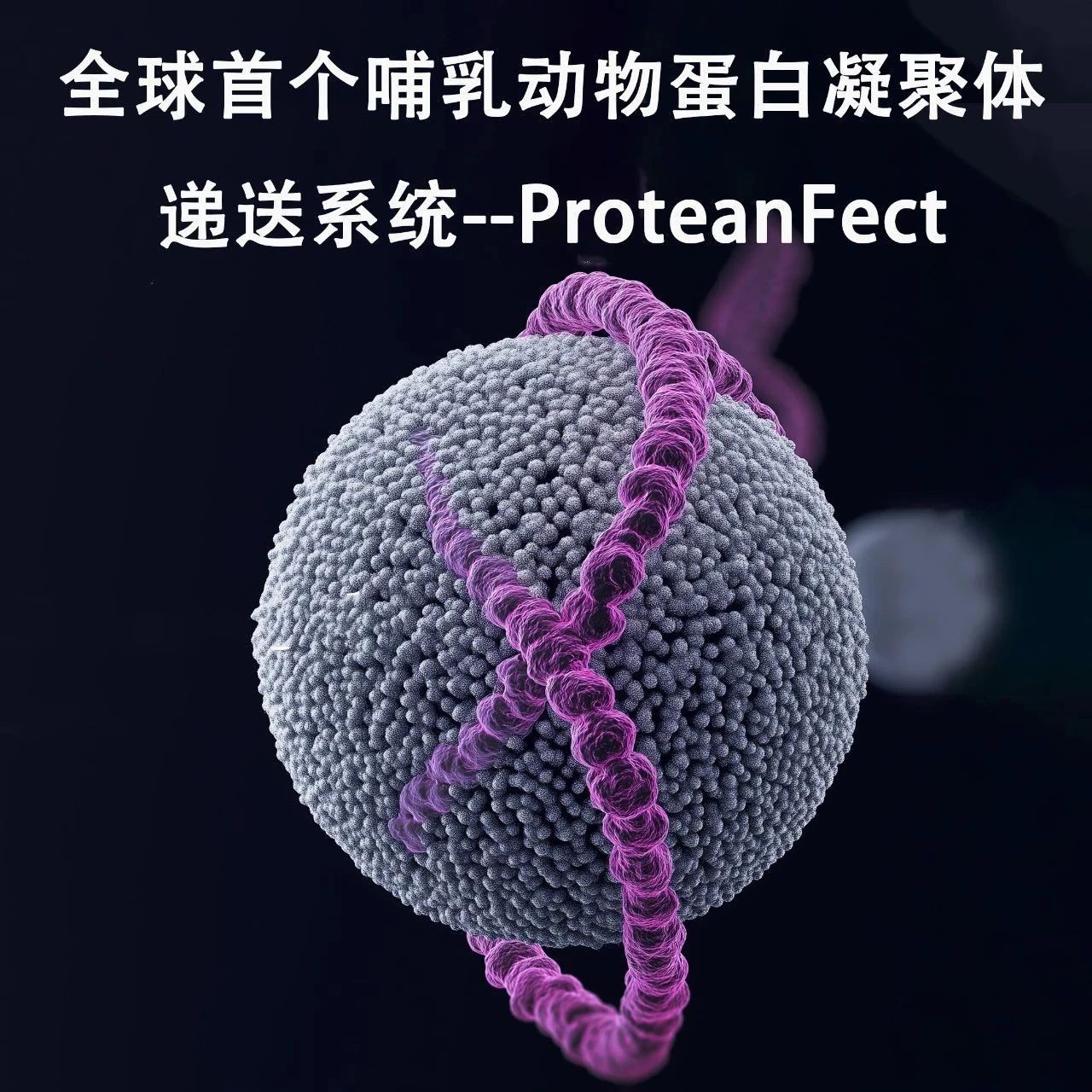
Core Viewpoint - The article highlights the significance of transfection technology in life sciences and medical research, emphasizing the breakthrough of ProteanFect, a novel transfection product based on protein coacervates, which addresses the longstanding "transfection challenge" faced by researchers [1][2]. Group 1: Transfection Technology and Challenges - Transfection technology is crucial for exploring complex mechanisms of diseases and developing innovative therapies, yet researchers have struggled with traditional methods that have limitations such as low stability and safety concerns [1]. - Traditional methods like liposomes, viral vectors, and electroporation often lead to cell damage, particularly when working with precious samples like primary immune cells and neurons [1]. Group 2: Introduction of ProteanFect - ProteanFect is the world's first transfection product based on protein coacervates, designed to overcome the limitations of traditional methods by achieving high delivery efficiency with low cytotoxicity [1][2]. - Since its launch, ProteanFect has gained recognition as a comprehensive solution in the industry, validated by solid experimental data and positive user feedback [2]. Group 3: Mechanism and Functionality - The product utilizes the natural phenomenon of liquid-liquid phase separation (LLPS) to form coacervates that mimic cellular transport and regulatory mechanisms, allowing for efficient delivery of nucleic acids into cells [4][8]. - Upon entering the cell, the coacervates disassemble, releasing nucleic acids that perform their biological functions while the carrier proteins are naturally degraded [11]. Group 4: Versatility and Applications - ProteanFect is capable of efficiently transfecting various cell lines and challenging primary cells without the need for viral packaging or electroporation, making it suitable for a wide range of applications [14][16]. - The product supports multiple experimental scenarios, including overexpression, knockdown, knockout, and co-transfection, with a simplified component structure that enhances its usability [21][22]. Group 5: Performance and Efficiency - ProteanFect demonstrates high loading capacity and expression levels, allowing for the delivery of larger nucleic acid fragments and multiple biomolecules simultaneously, thus expanding the possibilities for gene therapy and complex gene regulation studies [24][26]. - The preparation process for ProteanFect is straightforward, requiring only a one-minute mixing of protein and nucleic acids before cell incubation, which significantly saves time and costs in experimental workflows [29]. Group 6: Customer Support and Value Proposition - The company provides not just high-quality research products but a complete solution that includes pre-sale customization and post-sale technical support, aiming to eliminate technical barriers for researchers [33].
老了胖点好!上海交大最新Cell子刊论文发现,脂肪产生的瘦素帮助对抗癌症
生物世界· 2025-08-27 04:13
Core Viewpoint - The study reveals that the decline in leptin levels with age contributes to the accumulation of senescent CD8+ T cells in the tumor microenvironment, leading to weakened anti-tumor effects. Regulating leptin levels may be a promising therapeutic strategy for elderly cancer patients [3][7][10]. Group 1: Aging and T Cell Dysfunction - Aging is a major risk factor for various cancers, with patients aged 65 and above accounting for 60% of new cancer diagnoses [5]. - T cell immune remodeling due to aging results in poor clinical outcomes for cancer patients, as T cells lose physiological functions over time [5]. - Age-related changes in T cells and the impact of systemic metabolic alterations on T cell function and phenotype require further investigation [5]. Group 2: Role of Leptin - Leptin, produced by adipose tissue, informs the brain about the body's fat storage levels, with higher fat leading to increased leptin production [6]. - The study found that decreased leptin levels with age accelerate CD8+ T cell senescence, impairing T cell function in the tumor microenvironment [7][8]. - In human cancer patients, plasma leptin levels are negatively correlated with the degree of CD8+ T cell senescence within tumors [7][8]. Group 3: Implications for Treatment - The findings suggest that enhancing plasma leptin levels through the regulation of adipocyte metabolism may help prevent T cell senescence and improve anti-tumor immunity in elderly patients [10]. - Supplementing leptin could have therapeutic potential for elderly cancer patients [10].

Cell子刊:中南大学湘雅医院张伟团队发现能够增强癌症免疫治疗的肿瘤内细菌
生物世界· 2025-08-27 04:13
Core Viewpoint - Immune checkpoint inhibitors (ICIs) have shown significant breakthroughs in cancer treatment, but only about 20% of patients benefit long-term, necessitating exploration of resistance mechanisms and ways to enhance clinical benefits [2][3]. Group 1: Role of Gut Microbiome - The gut microbiome plays a crucial role in the effectiveness of ICIs, with ongoing clinical trials combining fecal microbiota transplantation with ICIs showing promising results [2][3]. - Research indicates that the intratumoral microbiome is associated with cancer progression, prognosis, and treatment response, highlighting its potential in enhancing immunotherapy effects [2][3]. Group 2: Recent Research Findings - A recent study published in Cell Reports Medicine identified and validated intratumoral bacteria that can synergize with anti-PD-1 therapy, inhibiting tumor growth and enhancing anti-tumor immunity [3][6]. - The study utilized bioinformatics to extract intratumoral microbiome information from RNA sequencing data of clinical cohorts treated with ICIs, establishing correlations between specific microbial modules and patient responses [5][6]. Group 3: Key Discoveries - The study's core findings emphasize the association between the intratumoral microbiome and immune therapy responses, with specific microbial features linked to tumor microenvironment characteristics [7][9]. - The identified intratumoral bacteria, including Burkholderia cepacia, Priestia megaterium, and Corynebacterium kroppenstedtii, were shown to enhance anti-tumor immunity in mouse models when injected intratumorally [6][7].

我国学者研究发现:奶茶等高果糖饮食会加重炎症,而降糖药二甲双胍可逆转
生物世界· 2025-08-27 04:13
Core Viewpoint - The article discusses the increasing consumption of fructose and its potential health risks, particularly its role in aggravating inflammation and its association with various diseases, including cancer and metabolic disorders [2][3][4]. Group 1: Fructose Consumption and Health Risks - Fructose is a monosaccharide that has been widely used as a sweetener in beverages and processed foods, leading to a significant increase in its consumption over the past 50 years [2]. - Excessive intake of fructose is linked to various health issues, including high blood sugar, obesity, type 2 diabetes, fatty liver, cardiovascular diseases, and an increased risk of certain cancers such as colorectal, pancreatic, ovarian, and liver cancer [2][3]. - Recent studies indicate that high fructose consumption may also be associated with anxiety disorders, particularly among adolescents [2]. Group 2: Immune System Impact - The impact of fructose on the immune system, particularly its role in regulating acquired immunity and T cell immunity, has not been sufficiently studied [3][6]. - A recent study found that high fructose intake promotes the generation of effector T cells (Th1 and Th17), exacerbating inflammation and potentially worsening inflammatory bowel disease (IBD) [4][7]. - The study suggests that the common antidiabetic drug metformin can reverse the effects of high fructose intake by inhibiting mTORC1 activation and reducing reactive oxygen species (ROS) mediated TGF-β activation, thus alleviating T cell inflammation and colitis [4][9]. Group 3: Mechanisms of Fructose-Induced Inflammation - High fructose intake enhances the differentiation of Th1 and Th17 cells through a glutamine metabolism-dependent pathway that activates mTORC1, contributing to the progression of IBD [7]. - The study highlights that fructose can directly mediate immune responses and disrupt immune homeostasis, leading to increased inflammation [9]. Group 4: Fructose and Cancer Growth - Additional research indicates that fructose may indirectly promote tumor growth by enhancing lipid transfer between organs, providing cancer cells with the necessary lipids for rapid proliferation [13]. - Another study reveals that fructose inhibits the polarization of M1-like tumor-associated macrophages, promoting the development of colorectal cancer through mechanisms that do not rely on its downstream metabolites [15].

复旦大学发表最新Cell论文
生物世界· 2025-08-27 00:00
Core Viewpoint - The current pathogen surveillance system primarily focuses on livestock and companion animals, neglecting non-traditional livestock and wild mammals, which poses a risk for cross-species transmission of pathogens and antibiotic resistance genes [2][3]. Group 1: Research Findings - A study published in the journal Cell identified a significant number of unrecorded viruses and bacteria in asymptomatic mammals, revealing extensive cross-species transmission [3][4]. - The research analyzed samples from 973 asymptomatic mammals, identifying 128 virus species (30 of which are newly discovered), 10,255 bacterial species (over 7,000 previously uncharacterized), 201 fungi, and 7 parasites [4][6]. - The study found that 13.3% of virus species coexisted in both farmed and wild mammals, including canine coronavirus in Asian black bears and Getah virus in rabbits [4][6]. Group 2: Antibiotic Resistance Insights - The research team observed 157 clinically significant antibiotic resistance genes (ARGs) in the microbiomes of farmed and wild mammals, with over 99% homology to ARGs found in human microbiomes [4][6]. - The presence of mobile genetic elements (MGE) alongside ARGs suggests a potential reservoir of antibiotic resistance in animal microbiomes, which could accelerate cross-species transmission due to antibiotic misuse [6][7]. Group 3: Implications for Public Health - The findings indicate that asymptomatic animals may serve as potential hosts for novel zoonotic viruses, highlighting the need for systematic monitoring of pathogens and antibiotic resistance genes at the "animal-environment-human" interface [6][7].

登上Nature Cancer封面:中科大刘连新团队等揭示相分离促进肝癌发展的新机制
生物世界· 2025-08-26 10:30
Core Viewpoint - The study reveals that RIOK1 phase separation restricts PTEN translation via stress granules, promoting tumor growth in hepatocellular carcinoma (HCC) [4][12]. Group 1: Mechanism of Drug Resistance - RIOK1 phase separation mediates the formation of stress granules under TKI treatment stress, recruiting IGF2BP1 and G3BP1 to form dynamic stress granules [11]. - Stress granules selectively encapsulate PTEN mRNA, inhibiting its translation into PTEN protein, leading to the inactivation of the PTEN/PI3K/AKT pathway [11]. - The loss of PTEN activates the pentose phosphate pathway (PPP), increasing NADPH production and antioxidant capacity, helping cancer cells eliminate TKI-induced reactive oxygen species (ROS) [11]. Group 2: Key Findings and Clinical Relevance - The NRF2-RIOK1 regulatory axis is activated by oxidative stress (e.g., TKI treatment), upregulating RIOK1 expression and enhancing cancer cell adaptability through a positive feedback loop [11]. - The study establishes a causal chain linking stress granules, metabolic reprogramming, and TKI treatment resistance in HCC [12]. Group 3: Research Significance and Translational Directions - Targeting RIOK1 phase separation may disrupt the cancer cell's "stress buffering system," providing a new direction to improve TKI efficacy [12]. - Combination therapy of TKI and Chidamide may synergistically enhance anti-tumor effects [13]. - RIOK1 expression levels or the dynamics of stress granules could serve as predictive biomarkers for TKI efficacy, guiding personalized treatment [13].

厦门大学发表最新Cell子刊论文
生物世界· 2025-08-26 10:30
Core Viewpoint - The study reveals that genetic-nutrition interactions control diurnal enhancer-promoter dynamics and liver lipid metabolism, highlighting the importance of genetic and environmental factors in metabolic processes [3][5]. Group 1 - Genetic variations lead to differences in the circadian patterns of gene expression in the liver of humans and mice [4]. - Nutritional challenges alter the rhythmic expression of liver genes in a strain-specific manner [4]. - Over 80% of rhythmic genes and enhancer-promoter interactions are interdependent on genetic and nutritional factors [5]. Group 2 - An atypical clock regulatory factor, estrogen-related receptor gamma (ESRRγ), emerges as a key transcription factor in the study [4]. - Knockout of the Esrrγ gene in mice eliminates strain-specific metabolic responses to diet [4]. - Single nucleotide polymorphisms (SNPs) associated with rhythmic gene expression are enriched in enhancer-promoter interactions and correlate with lipid metabolism characteristics in humans [6]. Group 3 - The findings emphasize the previously underappreciated temporal dimension of genetic-environment interactions in regulating lipid metabolism traits [8]. - The research has significant implications for understanding individual differences in susceptibility to obesity-related diseases and personalized timing therapies [8].

同济大学发表最新Nature Cancer论文
生物世界· 2025-08-26 08:15
Core Viewpoint - The study highlights the dynamic changes in the tumor microenvironment (TME) across various cancer types and stages, emphasizing the importance of understanding cellular interactions within the TME as a promising therapeutic target [3][7]. Group 1: Research Overview - The research published in Nature Cancer integrates data from 36 cancer types and 746 samples, analyzing over 4 million single cells and spatial transcriptomics data from 6 cancer types [4][5]. - A comprehensive atlas of TME heterogeneity, named TabulaTIME, was established, detailing six major cell lineages and 56 cell subtypes within the TME [7][9]. Group 2: Key Findings - The study identified CTHRC1 as a marker for cancer-associated fibroblasts (CAFs) that are enriched in various cancer types, indicating their role in immune cell infiltration prevention [9]. - The research demonstrated that TabulaTIME can be utilized for analyzing tumor ecotype composition and serves as a reference for cell type annotation, providing insights into potential therapeutic strategies targeting profibrotic ecotypes [9].

迁移体研究十周年:清华大学俞立教授综述迁移体的生物发生、生理功能及疾病意义
生物世界· 2025-08-26 08:15
Core Insights - The article discusses the significant advancements in the understanding of migrasomes, a newly discovered organelle, over the past decade, highlighting their biological roles and implications in various diseases [2][3]. Summary by Sections Discovery and Characteristics of Migrasomes - In 2015, a team led by Professor Yu Li at Tsinghua University identified migrasomes in NRK cells, which are large membrane-bound structures resembling open pomegranates, crucial for cell migration [5]. - Migrasomes contain numerous internal vesicles and are rich in specific proteins, indicating their complex structure and dual role as both secretion hubs and extracellular vesicles [5][6]. Mechanisms of Biogenesis - The biogenesis of migrasomes occurs in three stages: nucleation triggered by SMS2 spots, maturation coordinated by the PIP5K1α-Rab35-integrin signaling axis, and expansion facilitated by the formation of a specialized microdomain [13]. Physiological Functions - Migrasomes participate in various physiological processes, including local secretion of signaling molecules, targeted protein and RNA transfer between adjacent cells, and maintenance of cellular homeostasis under stress [18]. Challenges in Research - Current methods for detecting and analyzing migrasomes are limited, necessitating advancements in microscopy and the development of reliable animal models for accurate labeling [19][20]. - Fundamental questions regarding the cellular origin, abundance, distribution, and dynamics of migrasomes remain unanswered, indicating a need for collaborative research efforts [21]. Implications in Disease - Migrasomes are believed to play significant roles in various diseases, particularly in immune-related conditions, suggesting potential avenues for further research [24]. - The therapeutic potential of migrasomes is highlighted, as they could serve as diagnostic tools or delivery vehicles for treatments, marking a transformative shift in the field [24].