生物世界

Search documents
颜宁团队论文登上施一公主编的Vita:首次捕获电压门控钠通道开放瞬间,揭秘疼痛开关之谜
生物世界· 2026-01-28 04:21
Core Viewpoint - The research led by Academician Yan Ning and his team successfully captured the open-state structure of the human Nav1.7 sodium channel, providing critical insights into pain mechanisms and potential analgesic drug development [2][3]. Group 1: Sodium Channel Function and Importance - Voltage-gated sodium channels (Nav) are essential transmembrane proteins that generate and transmit biological electrical signals, controlling key physiological processes such as neurotransmitter release and muscle contraction [6]. - Abnormalities in sodium channel function are closely related to various severe diseases, including epilepsy, arrhythmias, and chronic pain, with over a thousand pathogenic mutations identified in human sodium channel proteins [6][9]. - The rapid inactivation characteristic of sodium channels, which occurs within milliseconds, is crucial for ensuring the "all-or-nothing" principle of action potentials and unidirectional conduction [6]. Group 2: Research Methodology and Findings - The research team utilized veratridine (VTD), a potent sodium channel opener, to stabilize and capture the open state of Nav1.7, overcoming the challenge of capturing this transient state [8]. - Experiments demonstrated that VTD induced a dual regulatory effect on Nav1.7, inhibiting peak current while promoting sustained and tail currents [9]. - The study identified two distinct conformations of Nav1.7, with one showing a pore diameter of 8.2 Å, larger than the hydrated sodium ion diameter, confirming the channel's open state [9]. Group 3: Molecular Mechanism of Fast Inactivation - The research proposed a "wedge model" for the rapid inactivation of sodium channels, explaining how specific structural changes lead to the blocking of ion flow [14]. - The study revealed that mutations associated with sodium channel-related diseases cluster in specific regions, affecting the interaction and conformational coupling necessary for rapid inactivation [15]. Group 4: Implications for Drug Development - The high-resolution structure of Nav1.7 in its open state is significant for the development of analgesic drugs targeting this channel, which is a key focus in drug research for neurological and cardiovascular diseases [17]. - Sodium channels are critical targets for local anesthetics, anti-epileptic drugs, and analgesics, with the ability to selectively bind to specific channel states enhancing therapeutic efficacy and reducing side effects [17].


尼帕病毒的起源、传播、症状、治疗以及基础研究和疫苗开发
生物世界· 2026-01-28 04:21
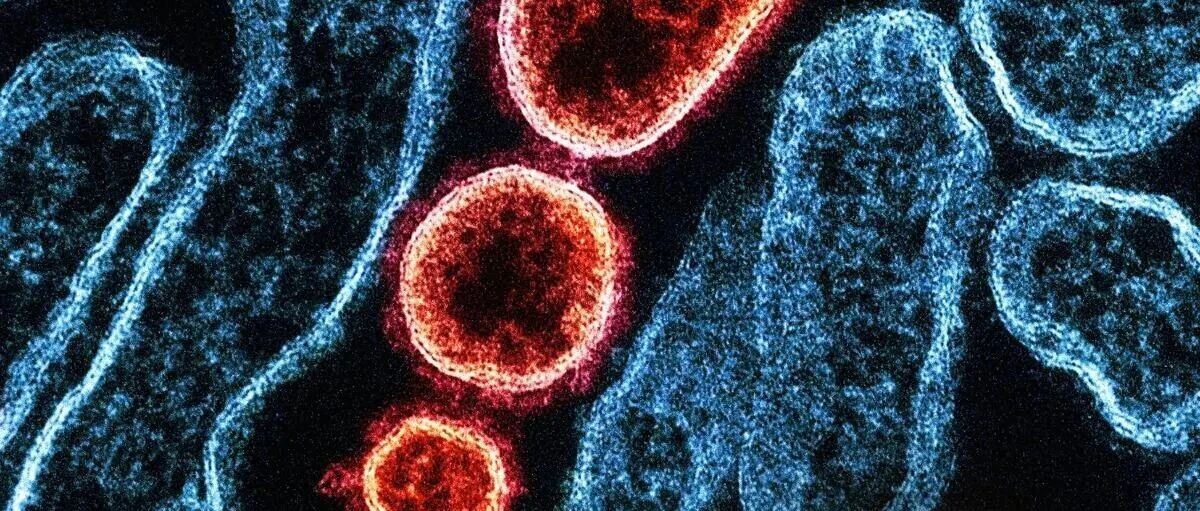
尼帕病毒 ( Nipah virus,NiV ) 属于 副黏病毒科 , 与 亨德拉病毒 ( Hendra virus, HeV ) 同属, 是 一种人畜共患病毒,这意味着它可以从动物传播给人类。 近日,印度 西孟加拉邦 出现 尼帕病毒 感染病例,近百人被要求居家隔离。据新闻报道,本次疫情或来自 医院,患者 A 因 误食被蝙蝠污染的新鲜椰枣汁造成感染 。受此影响,泰国和尼泊尔相继加强对来自印度 旅客的筛查措施。 我国已将尼帕病毒纳入《国境卫生检疫法》监测目录,目前尚未报告过相关病例。 尼帕病毒 ( Nipah virus,NiV ) 是一种新兴的、高致病性的副粘病毒 ,于 1998 年首次在马来西亚暴 发。因其高病死率 ( 40%-75% ) 、人畜共患、潜伏期长等特性,被 WHO 列为重点研究的病原体。 目前尚无专门针对尼帕病毒的疫苗和有效疗法,但科研人员正在积极进行验证,部分疫苗或候选药物已进 入临床研究阶段。 G 蛋白 和 F 蛋白 依然是其研发的核心靶点。 义翘神州 深耕病毒试剂开发领域 18 年, 已构建包含 6000 多种科研试剂的 ProVir® 病毒解决方案, 现货供应尼帕病毒相关重组蛋白和抗体 ...
清华大学×首都师范大学合作最新Cell论文
生物世界· 2026-01-28 04:21
编辑丨王多鱼 排版丨水成文 高等生物将外界刺激从感知组织传递至全身,以实现系统性响应。对于 植物 而言,它们会持续遭受 病原微生物的侵 害 。植物的 保卫细胞 能够 感知病原体 , 迅速 关闭 气孔 , 阻断 病原体 入侵,形成第一道防线—— " 气孔免疫 " 。 之前的研究显示,在病原体 侵染植物叶片后, 植物 远端未被侵染的叶片经过数天时间可以 获得 一种依赖于水杨酸途径而持续数天甚至数周的免疫抗性—— " 系 统获得性抗性 " (SAR) 。然而, 适宜病体侵害的环境往往使植株器官在短期时间 (数小时) 内先后遭受病原体威胁。 因此,植物是否存在一种快速 预警 系统,在 病原菌侵染叶片 后 迅速将免疫信息传递至远端未被侵染的叶片,从而提前统筹防御,赋予植物全局免疫能力,这一 问题仍有待回答。 2026 年 1 月 27 日,清华大学 齐天从 副教授、首都师范大学 宋素胜 教授 作为共同通讯作者 ( 刘长振 、 余强胜 、 金云帆 为论文共同第一作者) , 在国际 顶尖学术期刊 Cell 上发表题为: An uORF-encoded mobile peptide sparks systemic stoma ...

清华大学发表最新Cell论文
生物世界· 2026-01-28 00:18
G 蛋白偶联受体 (G Protein-Coupled Receptor,GPCR) 是人类基因组中最大的膜蛋白受体超家族,也是 最重要的药物靶点之一,大约三分之一的临床药物是通过 GPCR 介导其治疗作用,这凸显了其巨大的治疗相关 性。 GPCR 的信号转导主要依赖其下游的 G 蛋白 和 β-arrestin 蛋白, 然而,G 蛋白信号通路和 β -arrestin 信号 通路一直被认为存在"非此即彼"的互斥关系。因此,揭示 调控 GPCR 活性的新方法,有望产生独特的药理学特 征。 2026 年 1 月 27日,清华大学药学院/北京生物结构研究中心/清华大学-北京大学生命科学联合中心 编辑丨王多鱼 | 刘翔宇 | 团队 ( | 何国栋 | 、 | 孙沁心 | 、 | | --- | --- | --- | --- | --- | --- | | 许心宇 | 为论文共同第一作者, | | 许心宇 | 为论文共同通讯作者 | | | ) | 在国际顶尖学术期刊 | Cell | 上发表了题为: | A GPCR-G | | | | protein-β-arrestin megacomplex enabled ...

北航校史首篇Cell论文:常凌乾团队等开发器官上的“智能贴片”,实现精准高效且安全的细胞内药物递送
生物世界· 2026-01-27 12:00
编辑丨王多鱼 排版丨水成文 题图为 常凌乾 教授 传统的 药物递送方法 (例如口服、静脉注射) ,由于递送路径长、时空可控性差,在面向 结构复杂 的 器官 (例如 卵巢、肾脏 ) 疾病治疗时,长期存在着 " 药物递送 效率低、安全风险 高 "等问题 。 以 卵巢 疾病 (例如卵巢早衰) 为例, 现有递送技术,由于缺乏时空精准性,易导致生殖细胞意外转染,从而产生不 可预知风险。 至今,该领域缺乏一种 高效 且全器官时空可控 的递送技术 。 2026 年 1 月 27 日,北京航空航天大学 常凌乾 团队、 徐晔 团队、 樊瑜波 团队 , 伊利诺伊大学厄巴纳-香槟分校 余存江 团队、 香港城市大学 于欣格 团队等 ( 王玉琼 、 杜腊梅 、 吴晗 等为论文共同第一作者 ) ,在国际顶尖学术期刊 Cell 上发表了题为: An organ-conformal, kirigami-structured bioelectronic patch for precise intracellular delivery 的研究论文,这也是 北京航空航天大学首次 作为第一完成单位在 Cell 期刊上发表研究论文 。 该研究在药物递 ...

Nature子刊:浙江大学杨波/谢昌谕/曹戟团队开发AI模型XPert,精准预测细胞对药物的反应
生物世界· 2026-01-27 08:00
Core Viewpoint - The research introduces the XPert model, a dual-branch transformer designed to accurately predict drug-induced cellular perturbation responses, improving patient-specific response prediction accuracy by up to 15.04% while providing mechanistic interpretability [2][15]. Traditional Drug Development Challenges - Traditional drug development follows a "one drug - one target" model, but it is increasingly recognized that drugs interact with multiple molecular targets and pathways, leading to diverse phenotypic outcomes. Understanding genome-wide perturbation effects is crucial for elucidating drug mechanisms and optimizing treatments. However, the scarcity of high-quality perturbation data, especially in clinical settings, and confounding factors in perturbation data limit progress in this field [5]. Innovation of the XPert Model - The XPert model employs a dual-branch transformer architecture that encodes both pre- and post-perturbation cellular states, allowing it to distinguish intrinsic transcription patterns from regulatory changes triggered by perturbations. Each cell is represented as a gene-tagged "sentence" with a global cell state marker [7][8]. Performance of XPert - In benchmark tests, XPert consistently outperformed all baseline models, particularly excelling in challenging cold cell settings. In single-dose, single-time-point prediction tasks, XPert's Pearson correlation coefficient exceeded that of the next best model, TranSiGen, by 36.7%, with a mean squared error reduction of 78.2%. Even when faced with unseen cell lines during training, XPert demonstrated an average improvement of 67.54% over current state-of-the-art models, showcasing significant advancements in generalization capabilities [11][12]. Multi-Dose and Multi-Time Prediction - XPert supports multi-dose and multi-time predictions, accurately elucidating pharmacodynamic trajectories and revealing key molecular events behind drug effects. A case study using Vorinostat demonstrated that increasing doses typically enhanced gene impact, with PCA analysis confirming a clear dose-response gradient. Notably, changes in dose could reverse transcription effects, with XPert effectively capturing these subtle patterns [14]. Clinical Relevance and Insights - The research team explored the relationship between drug-induced transcriptomic changes and clinical responses. Analysis of patient data from Letrozole treatment revealed that responders exhibited stronger transcriptomic responses than non-responders. XPert uniquely identified additional key resistance biomarkers, such as TIAM1 and CDKN1B, which were "invisible" in expression level analyses, highlighting the potential of attention-based methods to uncover gene-phenotype associations and provide insights into resistance mechanisms [17]. Future Outlook - XPert represents a significant advancement in simulating drug-induced perturbation effects through an interpretable and generalizable deep learning framework. With further development, it is expected to become a core component of next-generation computer-aided drug discovery processes and precision medicine platforms [19][20].

王成坤/鲍坚强团队等开发系列新型基因编辑工具:实现大片段DNA的高效精准敲入
生物世界· 2026-01-27 08:00
该研究 通过系统性功能筛选,开发了一种基于 微生物来源 EcRecE 核酸外切酶 的精准基因编辑工具—— Cas9-EcRecE , 该编辑系统 在哺乳动物细胞中 显著 提 高 长片段 DNA ( 千碱基级 ) 的精准插入效率 。同时,基于 dCas9 ,该研究进一步构建了 无 需依赖 DNA 双链断裂 (DSB) 的安全 基因组编辑工具 —— dCas9-EcRecTE ,为实现安全高效的基因编辑提供新的技术支持 。 编辑丨王多鱼 排版丨水成文 CRISPR/Cas9 基因编辑 技术 已成为 21 世纪生物医学领域最具突破性的 基因编辑工具, 在基础研究和转化医学方面展现巨大潜力。然而, CRISPR/Cas9 技 术仍面临许多亟须解决的技术挑战。其一,精准且安全编辑挑战。 CRISPR/Cas9 技术依赖基因组 DNA 双链断裂 ( DSB ) 或单链断裂 ( SSB ) 来介导基因 编辑事件发生。断裂的 DNA 极易 诱发非同源末端连接 ( NHEJ) 修复通路 ,进一步 引发潜在的基因组不稳定性和细胞毒性效应。 其二,长片段高效插入挑 战。 现有基因编辑工具大多用于短序列 DNA 片段的插入或编辑 , ...
诺奖得主David Baker最新论文:AI设计蛋白新突破,精准设计蛋白结合剂,克服“不可成药”靶点
生物世界· 2026-01-27 08:00
Core Insights - The article highlights a significant breakthrough in protein design using conditional RFdiffusion to create high-affinity binding proteins for hydrophilic targets, led by Nobel laureate David Baker [4][7]. Design Strategy - The design strategy involves generating extended beta-sheet structures that geometrically match the edges of the target protein's beta strands through conditional RFdiffusion [5]. - Specially designed hydrogen bond groups are created to complement the polar groups on the target protein [6]. Experimental Validation - This technology overcomes traditional limitations in computational protein design, significantly expanding the range of target proteins for designed binding agents, particularly addressing challenges related to hydrophilic interactions. This advancement holds substantial value for drug development and protein function research [7]. - The designed protein binding agents exhibit high specificity and affinity, achieving picomolar to nanomolar levels of binding affinity for important protein targets such as KIT and PDGFRα [9]. Training and Courses - A series of online courses are offered, including AI protein design, antimicrobial peptide design, and computer-aided drug design, aimed at equipping participants with cutting-edge knowledge and practical skills in protein design [8]. - Various promotional offers are available for course registrations, including discounts for early sign-ups and bundled course registrations [8]. Future Trends - The article emphasizes the importance of AI protein design as a key technology to watch in 2026, with a growing demand for training and resources in this field, as evidenced by the high attendance and positive feedback from previous training sessions [7].

“魔法子弹”威力尽显!中国多项研究证实,ADC药物重塑多种癌症治疗格局
生物世界· 2026-01-27 04:36
Core Viewpoint - The article discusses the advancements in Antibody-drug conjugates (ADCs) in cancer treatment, highlighting their effectiveness over traditional chemotherapy and their potential in various cancer types [2][16]. Group 1: ADC in Non-Small Cell Lung Cancer (NSCLC) - A study published on December 16, 2025, indicates that ADCs outperform chemotherapy in EGFR-TKI resistant NSCLC, based on a Bayesian network meta-analysis involving 19 randomized controlled trials with 4,039 participants [5][6]. - The ADC Sac-TMT significantly improved progression-free survival (PFS) and overall survival (OS) compared to traditional chemotherapy and other treatment strategies [6][7]. - The study concludes that Sac-TMT, Dato-DXd, and bispecific antibody-based treatments are the most effective options for advanced NSCLC patients who have progressed after EGFR-TKI therapy, with manageable toxicity [7]. Group 2: ADC and PD-1 Inhibitors in Metastatic Urothelial Carcinoma (mUC) - A study published on November 29, 2025, evaluates the combination of the ADC Disitamab Vedotin with PD-1 inhibitors in mUC, showing promising results in a cohort of 63 patients [9][11]. - The treatment response rates included 19.0% achieving complete response (CR) and 52.4% achieving partial response (PR), with an overall response rate (ORR) of 71.4% and disease control rate (DCR) of 87.3% [11][12]. - The study concludes that this combination therapy demonstrates good efficacy and controllable safety as a first-line treatment for mUC patients [12]. Group 3: ADC in HER2-Positive and HER2-Low Advanced Breast Cancer - A study published on February 28, 2025, assesses the efficacy and safety of T-DXd in Chinese patients with HER2-positive and HER2-low advanced breast cancer, involving 61 participants [14][15]. - The results show a median PFS of 10.51 months for the HER2-low group and 10.18 months for the HER2-positive group, with ORR of 37.93% and 62.50% respectively [14][15]. - The study indicates that T-DXd may be an effective treatment option for advanced breast cancer patients regardless of HER2 expression levels, with manageable adverse reactions [15].
Nature重磅:衰老会减缓大脑清除蛋白质垃圾,并将其转移至小胶质细胞,进而导致记忆力下降、痴呆症发生
生物世界· 2026-01-27 04:36
Core Viewpoint - Neurodegenerative diseases, such as Alzheimer's and Parkinson's, affect 1 in every 12 people globally and currently lack curative methods. The core mechanism involves the loss of protein homeostasis and accumulation of protein aggregates in neurons as age increases [3]. Group 1: Research Findings - A study published by Stanford University in Nature reveals that the half-life of neuronal proteins in older brains is on average doubled compared to younger brains, indicating a significant decline in protein homeostasis with age [3]. - The research found that 54% of proteins in aging microglia show reduced degradation and/or accumulation with age, particularly synaptic proteins, which may lead to synaptic loss and cognitive decline [3][6]. Group 2: Protein Homeostasis and Aging - The brain's protein homeostasis, which maintains a balance between protein synthesis and degradation, deteriorates with age, leading to the accumulation of "protein waste" in neurons [6]. - The study highlights that the average half-life of neuronal proteins increases by approximately 100% from young to old age, meaning that older brains clear proteins at about half the rate of younger brains [10]. Group 3: Implications of Protein Accumulation - The research identified 1,726 neuronal proteins in the aging brain, with nearly half showing slowed degradation and/or forming aggregates, including risk gene products associated with neurodegenerative diseases [12]. - Notably, 54% of aggregated proteins exhibit decreased degradation rates with age, indicating that degradation defects directly contribute to protein accumulation, particularly affecting synaptic proteins [12]. Group 4: Role of Microglia - Microglia, the brain's immune cells, are responsible for clearing cellular debris and protein waste. The study found that aging neurons transfer proteins to microglia, which become overwhelmed as the amount of protein to process increases significantly in older mice [14]. - In aged microglia, the quantity of neuronal proteins is over ten times that found in younger mice, with more than half showing degradation defects and/or aggregation tendencies [14]. Group 5: Future Applications - The study not only uncovers new mechanisms of brain aging but also provides a powerful tool for studying protein dynamics. The BONCAT technology can be used to screen for drugs that promote protein degradation, offering new targets for treating age-related brain diseases [18]. - Future interventions may focus on enhancing the degradation capabilities of neurons or improving the clearance abilities of microglia to alleviate protein aggregation [18].