生物世界

Search documents
四川大学华西医院最新Cell论文:揭开液-液体相分离抑制食管鳞癌的新机制,提出相分离靶向疗法
生物世界· 2025-12-17 04:21
Core Viewpoint - The study reveals a novel mechanism of transcriptional regulation mediated by liquid-liquid phase separation (LLPS) in esophageal squamous cell carcinoma (ESCC), providing potential new strategies for its treatment [3][10]. Group 1: Research Findings - The research identifies transcription factor TFAP2β as a key downregulated transcription factor in ESCC, which suppresses the expression of ZNF131 through LLPS, thereby inhibiting ESCC progression [2][7]. - Two additional downregulated transcription factors, NFIX and ID4, are recruited to the TFAP2β condensate, enhancing its DNA binding capability, indicating that LLPS may be a common feature in the transcriptional regulation of ESCC [8][10]. - The study successfully improved the ATAC-seq technique for clinical samples, achieving a library preparation success rate of over 80% for ESCC and other gastrointestinal tumors [7]. Group 2: Therapeutic Implications - A small molecule compound A6 was identified through virtual screening, which enhances TFAP2β condensation and exhibits specific anti-tumor effects in ESCC models while minimally affecting normal esophageal cells [8][10]. - The findings suggest that targeting transcription factor phase separation could represent a novel therapeutic strategy for ESCC, addressing the urgent need for specific targeted therapies in this cancer type [6][10]. Group 3: Context of ESCC - ESCC accounts for approximately 90% of all esophageal cancer cases and is associated with a high mortality rate globally, highlighting the critical need for effective treatment options [5]. - Current treatment options for ESCC, including surgery, radiotherapy, and chemotherapy, often have limited efficacy and significant side effects, underscoring the necessity for personalized and targeted therapies [6].


Cell子刊:张洪杰院士团队利用水凝胶递送纳米酶,协同促进铁死亡,预防乳腺癌术后转移及复发
生物世界· 2025-12-17 04:21
Core Viewpoint - Triple-negative breast cancer (TNBC) is characterized by high invasiveness and poor prognosis due to the lack of specific treatment targets and high rates of postoperative recurrence and metastasis. Current treatments primarily involve surgical resection followed by chemotherapy, but inherent chemotherapy resistance necessitates new effective treatment strategies. The study introduces a promising approach using nanozyme-based therapy for postoperative adjuvant treatment of TNBC [1][4][7]. Group 1: Research Background - TNBC is the most aggressive subtype of breast cancer, with high recurrence and mortality rates. It lacks expression of estrogen receptors, progesterone receptors, and HER2, leading to a lack of precise treatment targets. The main treatment methods are surgical resection and postoperative chemotherapy, but challenges such as residual metastatic lesions and chemotherapy resistance contribute to high recurrence and metastasis rates [4][5]. - Recent studies indicate that immune checkpoint blockade (ICB) therapy shows potential in TNBC treatment due to the high density of tumor-infiltrating lymphocytes. However, resistance to immune checkpoint inhibitors and low immune response limit treatment efficacy, highlighting the need for enhanced antitumor immunity [4][5]. Group 2: Study Findings - The research combines iron-based unit point nanozymes (MFCA) with a responsive hydrogel delivery system to address two key challenges in TNBC treatment: eliminating residual tumor satellite lesions and inhibiting postoperative metastasis. This hydrogel composite can be directly injected into the surgical cavity for sustained release of MFCA, inducing ferroptosis in TNBC cells and enhancing immunogenicity [2][6]. - The study developed a biodegradable unit point nanozyme-loaded hydrogel that effectively inhibits postoperative metastasis and systemic recurrence in TNBC, providing a direct, efficient, and safe adjuvant treatment method to improve patient prognosis [7].

频登顶刊!西湖大学首创凝聚体递送系统,助力全球科学研究
生物世界· 2025-12-17 04:21
Core Viewpoint - Gene delivery is a critical component in life sciences research and gene therapy, acting as a "bridge" to deliver nucleic acids into cells for gene expression, knockdown, or editing, despite facing numerous challenges over time [3]. Group 1: Challenges in Traditional Gene Delivery Tools - Traditional tools for gene delivery, such as liposomes, viral vectors, and electroporation, have significant limitations, including low efficiency in primary immune cells and stem cells, high mutation risks, and potential damage to cell membranes [4][7]. Group 2: Innovative Solutions - Westlake University and the Westlake Condensate team have developed the ProteanFect gene delivery system, a novel non-viral, non-liposomal, and non-electroporation delivery method that mimics endogenous protein liquid-liquid phase separation for efficient nucleic acid encapsulation and delivery [6]. Group 3: Research Breakthroughs Enabled by ProteanFect - ProteanFect has supported multiple key research breakthroughs, including: 1. Immune cell function studies published in *Nature Cell Biology* and *Nature Microbiology*, demonstrating the system's ability to deliver siRNA to mouse primary T cells [9]. 2. Gene editing and metabolic validation studies published in *Signal Transduction and Targeted Therapy* and *Nature Communications*, showcasing efficient gene knockout in T cells [10]. 3. Exploration of special cell mechanisms published in *Nature Genetics* and *Journal of Advanced Research*, revealing insights into mitochondrial function and lymphocyte activity [11]. Group 4: Global Recognition and Impact - The scientific value of ProteanFect has been recognized internationally, with its technology selected for presentations at major conferences, including the American Society of Hematology and the International Society for Stem Cell Research [14]. The strategic partnership with OriGene marks its entry into the global mainstream research reagent supply system [14]. Group 5: Advantages of ProteanFect - ProteanFect offers three core advantages: 1. Superior delivery efficiency, especially in hard-to-transfect cell models, ensuring experimental precision [17]. 2. Lower cytotoxicity, preserving cell viability and natural function, which enhances data reliability [17]. 3. User-friendly convenience, with a straightforward protocol that reduces experimental time and increases reproducibility [17]. Group 6: Future Prospects - The development of ProteanFect is just the beginning, with ongoing exploration of its potential across various nucleic acid types and complex models, moving towards a new phase of gene delivery that aligns more closely with biological realities [19].
Nature Genetics:中山大学丁俊军团队等首次解析增强子-启动子互作蛋白组
生物世界· 2025-12-17 04:21
Core Viewpoint - The research published in Nature Genetics reveals the role of JMJD2 in regulating enhancer-promoter interactions through biomolecular condensate formation, providing new insights into gene transcription regulation and cellular fate determination [2][5]. Group 1: Research Findings - The study introduces a novel proteomics method called LoopID, which identifies specific chromatin interaction components (looposome) and is the only chromatin structure-based proteomics approach available [2][5]. - JMJD2, a histone demethylase, is identified as a key component of the looposome, regulating enhancer-promoter interactions and looposome function in a non-catalytic manner through biomolecular condensate formation [5]. - The research team developed a system to engineer enhancer-promoter interactions by assembling JMJD2 condensates at specific genomic loci, facilitating cell type-specific enhancer-promoter interactions to promote reprogramming into pluripotent or intermediate cell states [5]. Group 2: Implications - The findings highlight a non-classical function of histone demethylases in chromatin organization regulation, offering new strategies for manipulating cellular fate transitions via enhancer-promoter interactions [5].

清华大学最新Cell论文:米达/郭增才合作开发胚胎小鼠活体成像技术,实时直播胚胎大脑发育
生物世界· 2025-12-17 00:30
撰文丨王聪 编辑丨王多鱼 排版丨水成文 哺乳动物的大脑包含多种神经元和免疫细胞类型,这些细胞会因不同的细胞外环境而表现出动态的运动。然而,技术上的限制使得在活体中研究发育中大脑的复 杂细胞运动变得困难。 而现在,一项来自清华大学的新技术—— IMEE ,让我们得以直观的长时间观察 大脑构建过程中细胞之间的精密互动, 就像观看一场生命初始的"细胞华尔兹", 让活体胚胎大脑中的细胞之舞首次尽收眼底。 2025 年 12 月 16 日,清华大学生命科学学院 米达 团队与清华大学基础医学院 郭增才 团队合作 ( 博士生 龙真 、 于永震 和 贺辰祎 为论文共同第一作者 ) ,在国际顶尖学术期刊 Cell 上发表了题为: Intravital observation of neuronal and immune cell dynamics in the developing mammalian brain (哺乳动物发 育大脑中神经元与免疫细胞动态的活体观察) 的研究论文。 该研究开发了一种高稳定性、多视角、长时程的胚胎小鼠宫内活体成像技术—— IMEE ( intravital imaging of external ...

Science子刊:王荣福团队开发新型CAR-T细胞,更安全、更有效、更持久
生物世界· 2025-12-16 08:00
Core Viewpoint - CAR-T cell therapy has shown remarkable clinical efficacy in hematological cancers, but approximately 30%-50% of patients experience disease relapse within one year post-treatment, highlighting the need for improved T cell persistence strategies [2][5]. Group 1: CAR-T Cell Therapy Challenges - Despite the success of CAR-T cell therapy, it is associated with severe toxicities, including cytokine release syndrome and neurotoxicity [2]. - The persistence of T cells is crucial for the efficacy and long-term remission of CAR-T cell therapy, influenced by factors such as the percentage of stem cell-like memory T cells and T cell proliferation capacity [2][5]. Group 2: New Research Developments - A study published by a team from the University of Southern California introduced a novel CAR structure driven by the ZAP327 signaling domain, which significantly reduces cytokine release and T cell exhaustion while generating robust and long-lasting antitumor immunity in mouse models [3][5]. - The ZAP327-driven CAR-T cells demonstrated superior therapeutic antitumor activity compared to traditional CAR-T cells, particularly in low antigen-expressing tumor models, leading to extended survival in mouse experiments [5][8]. Group 3: Mechanisms of Action - The ZAP327 domain modulates TCR signaling, increases the pool of stem cell-like memory T cells, and exhibits metabolic characteristics associated with memory T cells through oxidative phosphorylation pathways [6][8]. - The study emphasizes the potential of ZAP327-driven CAR-T cells to overcome the limitations of current CAR-T therapies and enhance T cell responses against solid tumors [8].

Nature子刊:陈昶/俞麟合作揭示动态材料调控气管再生新机制
生物世界· 2025-12-16 08:00
Core Viewpoint - The article discusses a new strategy in dynamic tissue engineering (DTE) for tracheal reconstruction, highlighting the continuous regulatory role of biomaterials in cell behavior and tissue evolution during the regeneration process [3]. Group 1: Research Findings - The research team developed a bio-adaptive physical hydrogel (BP-Gel) based on PLGA-PEG-PLGA, which allows for dynamic adjustment of the physical cross-linking network in response to cell migration, aggregation, and rearrangement [6]. - The study found that in this environment, chondrocytes are not fixed in predetermined positions but undergo spontaneous spatial reorganization, gradually forming a hierarchical cartilage structure with developmental characteristics, significantly enhancing the mechanical stability and degradation resistance of engineered cartilage [6]. Group 2: Immune Modulation and Functional Characteristics - BP-Gel also serves as a delivery platform for the sequential release of immune-modulating factors. By incorporating a gel system loaded with IL-4/IL-13, the research team shaped a pro-repair immune microenvironment in the early stages of regeneration, promoting angiogenesis and accelerating airway epithelial maturation without interfering with cartilage phenotype [9]. - In in vivo models, tracheal substitutes constructed using the dynamic tissue engineering strategy exhibited functional characteristics closer to natural trachea in terms of long-term ventilation maintenance, cartilage retention, and vascular and epithelial reconstruction [9]. Group 3: Implications for Future Research - Overall, the study reveals that the dynamic synergy between materials, cells, and microenvironments is a key mechanism for achieving complex tracheal regeneration, providing new theoretical foundations and potential translational directions for airway reconstruction and other composite tissue engineering [9].

除了流感,RSV病毒同样值得关注!解析RSV的F与G蛋白入侵细胞的机制
生物世界· 2025-12-16 04:11
呼吸道合胞病毒 ( RSV ) 作为三大呼吸道病毒之一,在每年的冬季和早春季节流行。 RSV 属于 RNA 病 毒,通过空气传播,对儿童、老年人及免疫功能受损的成年人健康威胁较大。美国国立卫生研究院 ( NIH) 数据显示,美国几乎所有的儿童在两岁前都曾感染过 RSV ,每年导致 5.8 万名 5 岁以下儿童住 院。在全球范围内, RSV 每年影响 6400 万人,导致 16 万人死亡。 从中国疾控中心公布的 "全国急性呼吸道传染病哨点监测情况" ( 2025 年第 49 周 ) 数据来看, 2025 年 12 月 1 日 - 12 月 7 日 , 流感样病例呼吸道样本检测阳性率前三位病原体为 流感病毒 ( 54.2% ) 、 鼻病毒 ( 5.2% ) 、 呼吸道合胞病毒 ( 4.0% ) ;住院严重急性呼吸道感染病例呼吸道样本检测阳 性率前三位病原体为流感病毒 ( 22.1% ) 、呼吸道合胞病毒 ( 7.5% ) 、鼻病毒 ( 7.1% ) 。总的来 说 ,我国目前已进入呼吸道传染病高发季,总体处于上升趋势。流感病毒处于高流行水平, RSV 、鼻病 毒也存在一定的感染率。 什么是呼吸道合胞病毒? 呼吸道合 ...
Nature发布年度最佳科学图片,西湖大学“纹身水熊虫”入选
生物世界· 2025-12-16 04:11
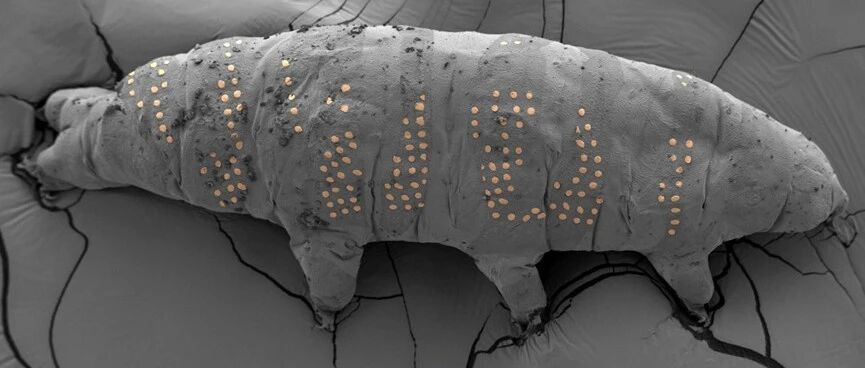
Group 1 - The article highlights the intersection of science and art through stunning scientific images selected by the journal Nature for 2025 [3] - A skydiver is captured in a silhouette against the sun's surface, showcasing the meticulous planning and execution by astronomer Andrew McCarthy and skydiver Gabriel Brown [6] - Researchers have created the world's smallest "tattoo" on a water bear using electron beams, demonstrating the potential for applications in biomedical engineering and micro-manufacturing [9][10][13] Group 2 - A lab-grown human kidney organoid has been developed, mimicking the structure of a real kidney and capable of filtering blood when implanted in mice, marking a significant step towards artificial kidneys [18] - Rare "red sprites" were photographed over New Zealand, caused by electrical discharges in the atmosphere, showcasing the beauty of natural phenomena [20] - The article discusses the recovery of Kenya's black rhinos due to conservation efforts, highlighting the challenges of safely handling these powerful animals [26] Group 3 - Scientists have built a "time machine" in Brazil to study how forest ecosystems adapt to climate change by pumping CO2 into the canopy, relevant for upcoming climate conferences [32] - The article features stunning images of celestial phenomena, including the Three Leaf Nebula and the Reef Lagoon Nebula, captured by the world's largest digital camera [34] - The impact of urban density and extreme weather on wildfire spread in California is discussed, emphasizing the increasing frequency of such disasters due to climate change [37]
Nature系列综述:类器官之父解读类器官在药物研发中的机遇和挑战
生物世界· 2025-12-16 04:11
Core Insights - The article discusses the significance of organoids as advanced 3D models derived from stem cells, which closely mimic human tissue complexity and functionality, offering advantages over traditional 2D cell lines and animal models in drug discovery and disease modeling [1][2]. Group 1: Organoid Applications - Organoids can be utilized for disease modeling, drug screening, and safety assessments, providing a more physiologically relevant environment compared to 2D cell lines [2][12]. - The potential for personalized medicine is highlighted, as organoids can be generated from patient-derived cells, allowing for individualized drug testing [2][12]. Group 2: Comparison with Other Models - Organoids exhibit high physiological relevance, effectively mimicking human tissue complexity, while 2D cell lines have limited structural mimicry and animal models present interspecies differences [3]. - In terms of throughput, organoids offer medium to high capabilities, constrained by growth complexity, whereas 2D cell lines are high throughput but lack physiological relevance [3]. Group 3: Challenges and Future Directions - Despite advancements, challenges remain in the scalability and reproducibility of organoid cultures, particularly for high-throughput screening [12]. - Innovations are needed in vascularization, immune system integration, and multi-organ modeling to enhance the predictive capabilities of organoids for human therapeutic responses [12].