机器人大讲堂

Search documents
快讯|我国首个深水油气水下机器人七功能机械手应用;“房建高空作业机器人”登国际铁路盛会;南加州大学研发 MOTIF 传感机械手等
机器人大讲堂· 2025-07-18 01:59
Group 1 - China National Offshore Oil Corporation (CNOOC) has developed the country's first deep-water oil and gas ROV (remotely operated vehicle) with seven functions, which has successfully completed its first application in the Pearl River Mouth Basin project [1] - The ROV features high operational sensitivity, a wide range of motion, and a strong load capacity, capable of operating at depths of up to 7,000 meters and withstanding pressures of approximately 700 atmospheres [1] - The project team utilized a digital testing system to ensure smooth operation, conducting continuous automated testing for 10 hours and multiple rounds of verification including land functional tests and load tests [1] Group 2 - The world's first vacuum suction cup high-speed rail wall-climbing robot was showcased at the 12th World High-Speed Rail Conference in Beijing, developed by the Guangzhou Railway Group in collaboration with a robotics company [5][6] - This robot can navigate complex steel structures and perform tasks such as rust removal, inspection, and cleaning, with a modular design that enhances operational efficiency by 40% [6] Group 3 - The University of Southern California has developed the MOTIF robotic hand, which integrates thermal, inertial, and force sensors to enhance robotic dexterity [10] - Inspired by the human hand, the MOTIF hand can safely grasp high-temperature objects and accurately identify objects of the same shape but different weights, showing promising results in laboratory tests [10] - Future plans include integrating high-resolution fingertip sensors and optimizing algorithms for applications in home and industrial settings [10] Group 4 - A team from KAIST and Chungnam National University has developed a bionic sensory neural system for robotic hands, capable of simulating human-like responses to touch [13] - This system uses a new type of memristor to mimic biological functions, allowing the robotic hand to ignore repeated harmless stimuli while responding quickly to dangerous signals [13] - The technology has potential applications in micro-robots and prosthetics, aiming to enhance energy efficiency in these fields [13] Group 5 - Nagoya University has released Japan's first real-time AI dialogue system, J-Moshi, which can mimic natural Japanese conversation patterns [16] - J-Moshi captures short responses typical in Japanese dialogue, addressing limitations of traditional AI in simultaneous listening and speaking [16] - The system has practical applications for non-native speakers learning Japanese and is being explored for use in call centers, healthcare, and customer service [16]



机器人行业10年巨变从协作机器人到具身智能的萌芽、突破和成长——从Automatic慕尼黑10 年看协作机器人到具身智能的发展
机器人大讲堂· 2025-07-18 01:59
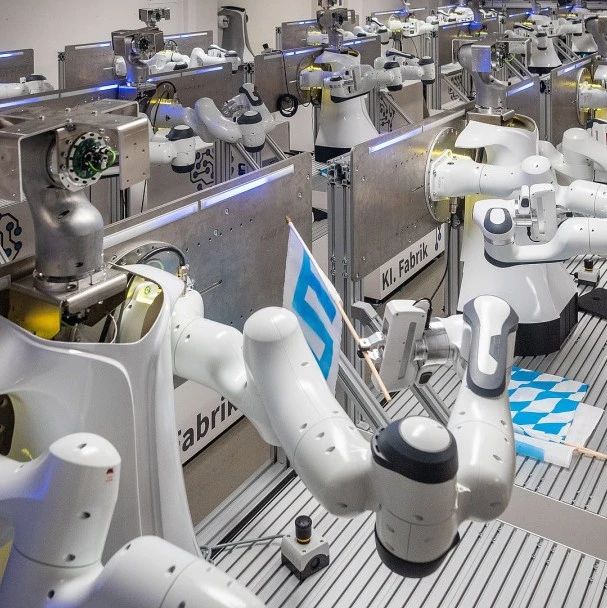
Core Viewpoint - The AUTOMATIC exhibition serves as a significant platform for showcasing the evolution and impact of collaborative robots (CoBots) over the past decade, highlighting their transition from niche applications to mainstream industrial tools and their role in fostering embodied intelligence for future robotics [2][3][4]. Group 1: Historical Context and Development - Before 2015, collaborative robots were in a phase of observation and exploration, with initial concepts emerging from the need for flexible automation in small and medium enterprises (SMEs) [4][12]. - The demand for collaborative robots arose as SMEs in Europe sought to reduce labor costs and improve production stability without the space or funds for traditional industrial robots [6][7]. - The introduction of Universal Robots (UR) in 2009 marked a pivotal moment, focusing on user-friendly, collaborative solutions that addressed the needs of SMEs [11][12]. Group 2: Standardization and Growth - The lack of unified safety standards was a major barrier to the widespread adoption of collaborative robots, leading to the development of ISO/TS 15066, which provided essential guidelines for safe human-robot interaction [13][15]. - Following the release of ISO/TS 15066 in 2015, the collaborative robot market experienced significant growth, with a compound annual growth rate of 30% to 40% from 2015 to 2020 [16][18]. - The automotive industry was among the first to adopt collaborative robots, utilizing them for tasks requiring close human-robot collaboration [18][19]. Group 3: Technological Advancements - Between 2015 and 2020, collaborative robots evolved from concept validation to scalable applications, with innovations in force control and human-robot interaction becoming more prevalent [22][23]. - The integration of external sensors and improved algorithms enhanced the flexibility and responsiveness of collaborative robots, allowing for semi-automated work units [23][24]. Group 4: Emergence of Embodied Intelligence - Starting in 2020, the collaborative robot industry began to influence the broader ecosystem of intelligent robotics, with advancements in core components like motors and sensors supporting the development of humanoid robots [24][26]. - Companies like Agile Robots and NEURA Robotics have leveraged technologies from collaborative robots to create new humanoid and dual-arm robotic systems [27][28]. - Despite the advancements, traditional robot manufacturers face challenges in integrating AI and data-driven approaches into their products, highlighting a gap in the evolution towards embodied intelligence [29][30]. Group 5: Future Directions - The concept of embodied intelligence emphasizes the integration of AI with robotics, focusing on the ability of robots to interact with the physical world through perception and action [39][40]. - Recent breakthroughs in hardware and algorithms have enabled the practical application of embodied intelligence, with multi-modal sensors and large models enhancing robots' capabilities [43][44]. - The future of embodied intelligence in robotics is promising, with ongoing research and development aimed at achieving autonomous operation and continuous learning in real-world environments [52][56].
颠覆!刚登Science子刊封面!中国学者用单一材料造出会抓花踢球的机器人,软硬自如!
机器人大讲堂· 2025-07-17 11:15
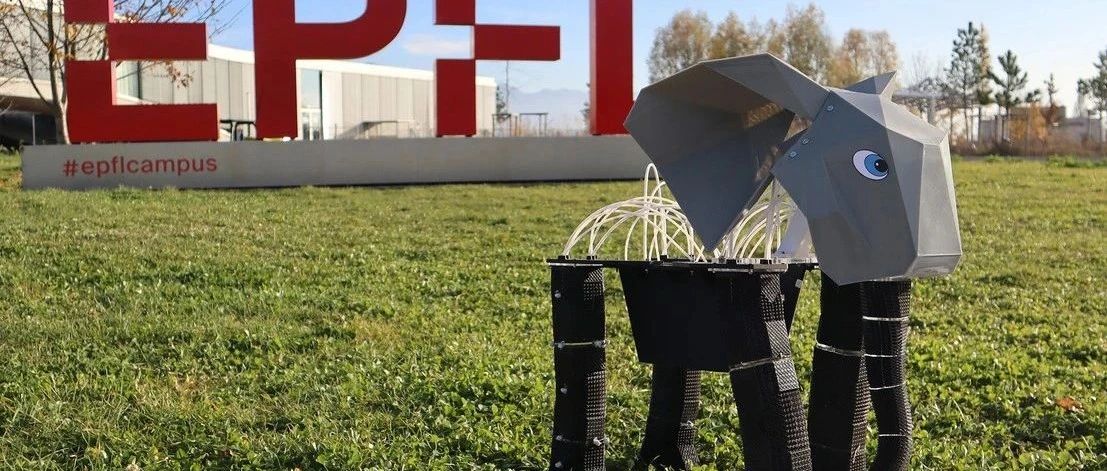
Core Viewpoint - The article discusses a groundbreaking development in soft robotics, where a single type of elastic resin is used to create robots with varying stiffness and flexibility, mimicking biological structures and functions [2][4][18]. Group 1: Technological Breakthroughs - The research team from EPFL developed a method to achieve stiffness variations from 25 kPa to 50 MPa using a single material, covering a range similar to biological soft tissues [4][5]. - The team introduced two core technologies: Topological Regulation (TR) for continuous material performance gradients and Stacking Programming (SP) for creating diverse performance combinations [8][11]. - The TR method allows for a smooth transition in material properties, enabling designs that can vary in stiffness along different sections, such as the elephant's trunk [10][15]. Group 2: Applications and Innovations - The developed soft robotic structures can perform complex tasks, such as the elephant robot that can lift objects up to 500 grams, which is over three times its own weight [15][16]. - The research demonstrates the potential for creating bio-inspired robots that can swim or perform intricate movements, integrating sensors and other smart components into the design [19][20]. - The findings challenge traditional engineering principles by showing that complex functionalities can be achieved with simpler materials, potentially revolutionizing the field of robotics [18][19].
Nvidia携H20重返中国!黄仁勋:禁令建立在错误假设上
机器人大讲堂· 2025-07-17 09:00
Core Insights - Nvidia's introduction of the H20 chip and its tailored RTX Pro GPU for the Chinese market signifies a shift in the trade dynamics between the US and China, as both Nvidia and AMD resume AI chip exports to China [2][5]. Group 1: H20 Chip Overview - The H20 chip is designed specifically for the Chinese market to comply with US export restrictions, based on Nvidia's Hopper architecture, and is suitable for vertical model training and inference, but not for trillion-scale model training [3]. - Nvidia's exhibition at the event did not feature the H20 chip or any specific GPU products, instead showcasing integrated hardware and software solutions, including humanoid robots powered by Nvidia technology [3]. Group 2: Market Implications - Nvidia's CEO Jensen Huang highlighted the potential loss of $15 billion in sales due to previous export restrictions and emphasized that the Chinese AI market could reach $50 billion in the next two to three years [5]. - Huang criticized the US export control policies, arguing that they are based on the flawed assumption that China cannot develop its own AI chips, which he believes is incorrect [5]. Group 3: Robotics and AI Integration - Huang predicts that AI will drive the future of manufacturing, with robots collaborating with humans, creating new opportunities within China's supply chain ecosystem [6]. - The demand for specialized chips in robotics is expected to grow as humanoid robots and embodied intelligence become more integrated into daily life [8]. Group 4: Alternative Chip Solutions - Due to previous trade restrictions, companies have begun to adopt domestic alternatives for high-performance AI chips, leading to the emergence of System on Chip (SoC) solutions in the humanoid robotics sector [8]. - For instance, XPeng's AI humanoid robot is equipped with the XPeng Turing AI chip, which claims to offer performance equivalent to multiple Nvidia chips [9]. Group 5: Chip Architecture and Development - The architecture of autonomous driving chips and humanoid robot chips shows significant similarities, suggesting that the same core technologies can be applied across different applications [11][14]. - Nvidia's Orin SoC and AI GPU chips share common architectural elements, indicating a convergence in design for various AI applications [15][16]. Group 6: Market Position and Future Outlook - Nvidia achieved a remarkable 3.76 million AI GPU shipments in 2023, capturing 98% of the global data center GPU market, with expectations of exceeding 4 million shipments in 2024 [16]. - The collaboration and shared ecosystem among developers are seen as essential for the continued growth of AI and robotics, suggesting that partnerships may be more beneficial than competition in this evolving landscape [16].

快讯|上半年我国工业机器人出口增长61.5%;55万一台的汉产人形机器人“光子”在京首发;北京正建设首个具身智能机器人中试基地等
机器人大讲堂· 2025-07-17 09:00
Core Viewpoint - China's foreign trade shows strong resilience in the first half of 2025, with high-tech product exports growing by 9.2% year-on-year and total import and export scale reaching a historical high of 21.79 trillion yuan [1] Group 1: Foreign Trade Performance - In the first half of 2025, China's export scale reached 13 trillion yuan, an increase of 7.2% year-on-year [1] - Mechanical and electrical products accounted for 60% of total exports, with a value of 7.8 trillion yuan, growing by 9.5% [1] - The export market share of industrial robots rose to second globally, with a 61.5% increase in exports in the first half of the year [1] Group 2: Robotics Industry Developments - The humanoid robot "Photon" from Hubei was launched in Beijing, priced at 550,000 yuan, and has already received market orders [2][4] - A new drive joint module for humanoid robots was introduced, enhancing the core components of Hubei's robotics industry [5] - Beijing is establishing the first domestic pilot base for embodied intelligent robots, aiming for an annual production capacity of 5,000 units [7][9] Group 3: Innovative Robotics Solutions - Chengdu's "Dengba" robot, designed for cultural and tourism scenarios, features a unique bionic gait control system and advanced interaction capabilities [11] - An AI desktop humanoid robot was developed in Chengbu, allowing users to create their own robots in just 30 minutes using 3D printing technology [12]

优必选Walker S2全球首个实现自主换电,7*24小时打工的机器人要来了
机器人大讲堂· 2025-07-17 09:00
无需人工干预或关机, 3分钟 极速自主换电,在全新一代工业人形机器人 Walker S2上, 作为 "人形机器 人第一股"的 优必选全球首创人形机器人热插拔自主换电系统 , 这项技术使得 Walker S2具备7*24小时不 间断工作能力, 为 智 能制造构建 "永不停机的新质生产力" 打造了坚实的基础。 人形机器人热插拔自主换电系统 拥有 3大 核心技术亮点 , 包括: 1. 原创双电池动力平衡技术: 通过实时电量监测与动态电能均衡技术,实现双电池同充同放,电池更换无缝 切换,支持电池带电热插拔且防止冲击电流和拉弧,进而保障人形机器人安全稳定持续运行。 2. 标准化电池仓快换技术: 设计标准化的电池模块和零间隙分仓结构,不仅让电池作为能源组件可以快速自 由更换,更成为机器人身体结构中的一部分。采用自定位夹持方式解锁电池仓,灵活切换双电池续航或单电池 工作模式。 3. 双臂协同精准换电技术: 人形机器人通过双臂协同,利用本体定位精度和柔顺控制算法,实现电池与仓体 的精确对准。 作为 一项突破性技术,其核心在于允许机器人在无需关机或人工干预的情况下,自主完成电池的更换,一方 面避免 了 因充电停机导致的任务中断 ...
180cm猛男进厂搬20kg重物?赛博格机器人让工业高危场景迎来新可能
机器人大讲堂· 2025-07-17 09:00
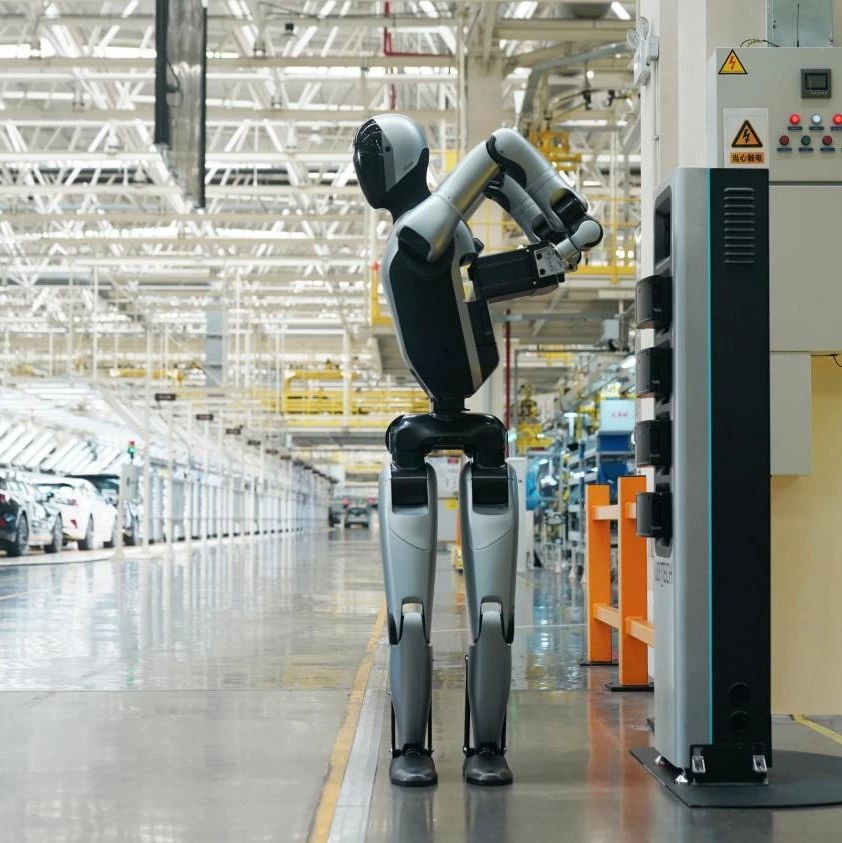
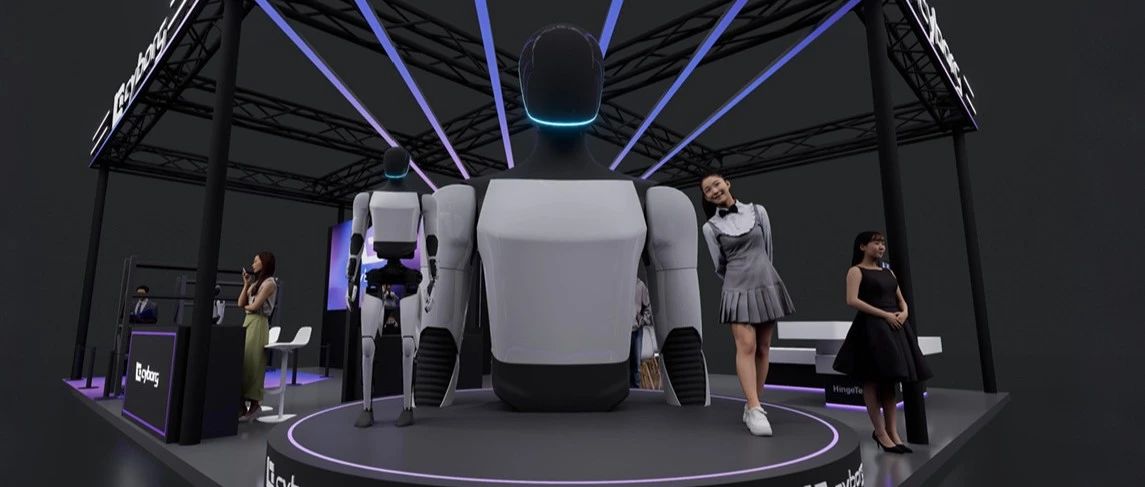
Core Insights - Humanoid robots should not merely mimic human forms but fundamentally reconstruct operational paradigms [1] - The industry is approaching a critical commercialization year in 2025, with Chinese humanoid robot companies needing to prove their capability to integrate into factories [1] - Cyborg Robotics is set to unveil its Cyborg-R01 humanoid robot and Cyborg-H01 lightweight dexterous hand at the WAIC, aiming to tackle high-risk industrial scenarios [1][2] Product Highlights - The Cyborg-R01 humanoid robot is designed for high-load handling, capable of transporting 20kg irregular parts in narrow automotive assembly lines [3] - It features a 1:1 human body replica, allowing it to utilize full-body coordination for tasks, moving beyond traditional single-arm operations [3][4] - The robot boasts 62 degrees of freedom and a 16-degree dexterous hand, with a 4-hour battery life, enhancing its operational capabilities [6] Technological Innovations - Cyborg Robotics has developed a multi-modal OMCI intelligent core to manage the robot's high degrees of freedom, improving task stability and response speed [6][10] - The Cyborg-R01 employs a multi-contact full-body coordination technology, enabling it to distribute weight and maintain balance while handling heavy objects [8] - The "Bona" central system allows for real-time spatial modeling and dynamic positioning, enhancing the robot's adaptability to complex environments [12][13] Market Potential - The global humanoid robot market is projected to exceed $500 billion by 2035, with companies actively seeking practical applications in various sectors [23] - Cyborg Robotics aims to leverage its technological advantages to redefine high-risk labor roles in industrial settings, contributing to new productivity paradigms [23] Company Background - Founded in July 2024, Cyborg Robotics has quickly established a strong team of experts in robotics and AI, achieving significant recognition in the industry [25] - The company has received accolades for its innovative technologies, including the "Bona" system, which enhances the robot's operational intelligence [25]
2025第三届全球手术机器人大会定档9月,汇聚全球智慧,共绘医疗科技革新蓝图
机器人大讲堂· 2025-07-16 13:54
Core Viewpoint - The medical robotics industry has entered a complex phase by 2025, with evolving product forms, clearer clinical pathways, and a more rational capital environment, necessitating a comprehensive ecosystem [1]. Event Overview - The Third Global Surgical Robotics Conference will take place on September 5-6, 2025, in Beijing, focusing on the systematic upgrade of intelligent surgical systems and the construction of a full-chain ecosystem [4][6]. - The conference serves as a platform for discussing not only leading devices but also how future medical systems will be restructured by robotics [3][2]. Key Topics - The conference will cover various topics, including: - Next-generation surgical robot core architecture trends [7]. - The integration of AI with surgical robots to enhance autonomy and system collaboration [7]. - The evolution of robot collaboration through intraoperative navigation, imaging, and control [7]. - Commercialization and hospital system implementation [8]. - Global strategies and pathways for international expansion [9]. - Developer sessions focusing on medical-engineering integration and technology transfer [10]. - Supply chain and intelligent ecosystem frameworks [11]. Importance for Stakeholders - For innovative companies, the conference addresses challenges in integrating surgical robots with hospital systems, building global R&D frameworks, and understanding hospital procurement decision-making [12]. - For hospitals, governments, and investors, the event emphasizes redefining surgical environments and reshaping the future of healthcare through robotics [13]. Industry Recognition - The MedRobot annual awards have become one of the most recognized technology awards in China's medical robotics sector, highlighting key players and fostering industry consensus [17].

收购科创板上市公司后,「智元机器人」再获正大集团战略融资!
机器人大讲堂· 2025-07-16 13:54
Core Viewpoint - Zhiyuan Robotics has completed a new round of strategic financing with investment support from Charoen Pokphand Group, aiming to explore business opportunities in various verticals such as life sciences, new retail, and health services [1][2]. Group 1: Investment and Financing - Zhiyuan Robotics has attracted significant investment, including support from Tencent, JD.com, and Shanghai Embodied Intelligence Fund in the first half of this year [1]. - The company has made direct investments in 27 projects and indirect investments in 57 projects, with a current valuation of approximately 20 billion yuan [2]. - Recently, Zhiyuan Robotics announced the acquisition of controlling interest in the Sci-Tech Innovation Board listed company, Shouwei New Materials [2]. Group 2: Company Background and Team - Established in 2023, Zhiyuan Robotics focuses on the integration of AI and robotics, aiming to create world-class general-purpose embodied robot products and applications [2]. - The founding team consists of experienced executives from renowned global companies and top scientists in the AI field, providing a strong technical and management background [3]. - The chairman, Deng Taihua, previously served as vice president at Huawei, while co-founder Peng Zhihui is a well-known figure with significant online influence [3]. Group 3: Product Development and Technology - Zhiyuan Robotics has developed a full-stack technology system for robotics, covering various commercial scenarios with product families including Expedition, Elf, and Lingxi [3]. - The company launched its first product, Expedition A1, marking a significant transition from laboratory research to practical application, followed by the Expedition A2 and the upcoming Lingxi X2 [3]. - The company has introduced a one-stop development platform, Genie Studio, and released the world's first embodied world model driven by robot action sequences, promoting global research in embodied intelligence [5]. Group 4: Market Expansion and Production - Zhiyuan Robotics has achieved mass production of its general-purpose embodied robots, laying the groundwork for a target of thousands of units shipped in 2025 [5]. - The company recently won a bid for a humanoid biped robot contract with a budget of 78 million yuan (including tax) from China Mobile (Hangzhou) Information Technology Co., Ltd. [5].
人形机器人轻量化:商业化前夕的必修课,材料创新引领产业破局
机器人大讲堂· 2025-07-16 13:54
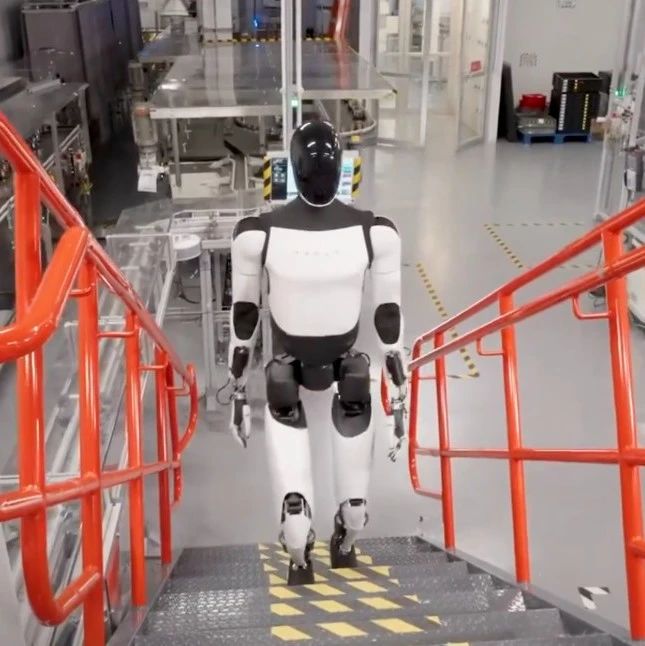
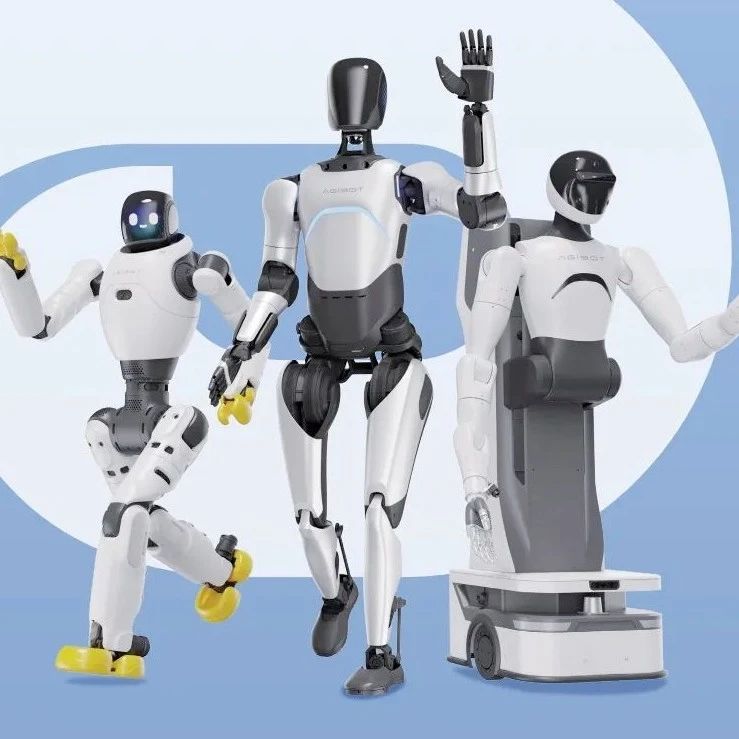
Core Insights - The article emphasizes the importance of lightweight design in humanoid robots, highlighting that it is a critical path for commercialization and performance enhancement [3][31] - Tesla's humanoid robot, Optimus, is set to utilize advanced AI models and undergo significant design improvements, including a focus on lightweight construction [1][2] Group 1: Lightweight Design Importance - Lightweight design is not merely about reducing weight but involves systematic optimization to enhance overall performance [3] - Key benefits of lightweight design include improved battery life, reduced heat generation, lower dependency on high-performance components, and increased operational flexibility [3][4] Group 2: Industry Trends - Major manufacturers like Tesla, UBTECH, and Yushutech are actively pursuing lightweight designs, with Tesla's Optimus reducing weight from 73 kg in 2022 to 63 kg in 2023, achieving a 30% increase in walking speed [2][4] - The trend towards lightweight design is becoming a core research direction for humanoid robot manufacturers, with various models demonstrating significant weight reductions and improved performance [4] Group 3: Lightweight Implementation Strategies - The two main approaches to achieving lightweight designs are structural lightweighting and material lightweighting [6] - Structural lightweighting focuses on optimizing parameters and integrating components to reduce weight without compromising strength [6] - Material lightweighting involves using low-density materials like magnesium alloys, PEEK, and nylon to replace traditional metals while maintaining performance [7][8] Group 4: Material Innovations - Magnesium alloys are favored for their low density and high strength, making them suitable for structural components in humanoid robots [10][11] - PEEK is recognized for its superior mechanical properties and is increasingly used in critical components, although its high cost and production complexity pose challenges [14][15] - Nylon offers a balance of flexibility and rigidity, making it a viable option for various robot parts, especially in consumer applications [19][20] Group 5: Market Opportunities and Challenges - The lightweight design of humanoid robots is expected to create significant market opportunities for related materials, with projected market sizes for modified PEEK, magnesium alloys, and modified nylon reaching billions [30][31] - However, the industry faces challenges such as potential underperformance in robot sales, increased competition, and uncertainties in technological pathways [28][30]