机器人大讲堂

Search documents
RealSense与英特尔分手之后 获5000万美元投资!All in 机器人视觉!
机器人大讲堂· 2025-07-21 01:57
Core Viewpoint - RealSense, previously part of Intel, has officially launched as an independent company with a $50 million investment from Intel and MediaTek Innovation Fund, marking the end of a tumultuous period for the business [1] Group 1: Company Structure and Leadership - The new RealSense team consists of 130 employees, with 88% coming from the original Intel RealSense team [2] - CEO Nadav Orbach, who has 19 years of experience at Intel, focuses on positioning the company as a startup in the physical AI sector, aiming to create tools for robots to understand the world [4] Group 2: Market Presence and Applications - RealSense's 3D depth perception technology is already integrated into thousands of robotic products, covering areas such as Autonomous Mobile Robots (AMR), robotic arms, and humanoid robots [5] - The company has established partnerships with over 3,000 clients, including 60% of AMR and humanoid robot developers, with notable clients like Geek+ and Agility Robotics [5] Group 3: Technological Focus - RealSense plans to emphasize software development alongside its core hardware, particularly in visual SLAM technology and 3D safety to enhance robot navigation and hazard detection [7] - The recent launch of the D555 PoE camera and a custom ASIC chip has increased onboard AI computing power to 5 TOPS, enabling new functionalities like real-time telemetry and edge processing [11] Group 4: Competitive Landscape - The 3D vision market is becoming increasingly competitive, with companies like Luxonis, Orbbec, and Zivid offering high-performance products [12] - RealSense's independence is seen as a strategic move to adapt to market changes, but it must establish differentiation in technology performance, cost control, and industry customization [12] Group 5: Future Outlook - The global robotics market is projected to grow from $50 billion to $200 billion in the next six years, with humanoid robot demand expected to grow at a CAGR of over 40% [15] - Despite gaining autonomy, RealSense faces challenges in establishing a consensus on humanoid robot vision solutions, as its technology currently has a limited market share in this segment [16]



快讯|中国将在机器人足球世界杯夺冠;人形企业中标9051.15万元订单;日本汽车行业自动化程度创五年新高等
机器人大讲堂· 2025-07-21 01:57
Group 1: Company Achievements - UBTECH has won a record-breaking robot equipment procurement project worth 90.51 million yuan, marking the largest single bid amount in the industry to date [1] - The RoboCup, known as the "Robot Football World Cup," is being held in Brazil, where Chinese teams have secured the top two positions in the humanoid category, breaking the historical barrier of not winning in this category [7][9] Group 2: Industry Developments - The European Space Agency is exploring the operation of quadruped robots in low-gravity environments, with a robot named Olympus designed to jump between walls under simulated microgravity conditions [2][4][5] - According to the International Federation of Robotics (IFR), Japan's automotive industry is set to deploy approximately 13,000 industrial robots by 2024, reflecting an 11% increase from the previous year, the highest level since 2020 [13][15]

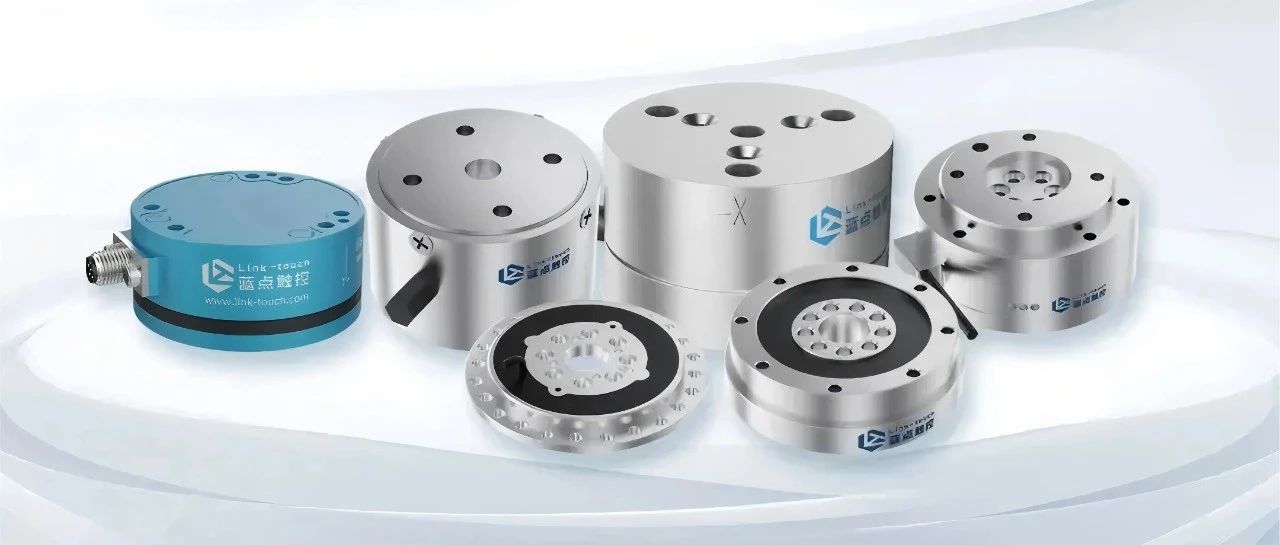
近亿元B轮融资!这家六维力传感器企业连续三年收入翻倍!产品市占率达70%
机器人大讲堂· 2025-07-20 03:02
Core Viewpoint - Blue Dot Touch (Beijing) Technology Co., Ltd. has recently completed nearly 100 million RMB in Series B financing, aiming to enhance R&D investment and expand its team to meet the demand for small-sized, high-precision, and high-bandwidth sensors in humanoid robots [1][3]. Company Overview - The company was founded in April 2019 by Liu Wuyue, a graduate of Northwestern Polytechnical University, and has received angel investment from the Zhiyou Jinmiao Fund in May 2020 [1]. - The core team primarily comes from prestigious research institutions such as the University of Science and Technology of China and the China Academy of Aerospace Technology [2]. Market Position - Blue Dot Touch holds over 70% market share in humanoid robot six-dimensional force sensors and 95% in robot joint force sensors, serving major clients like Xiaomi and UBTECH [2][9]. - The company has successfully positioned itself in the first tier of six-dimensional force sensors, competing directly with foreign brands like ATI [3]. Industry Trends - The humanoid robot market is experiencing a significant surge, with an expected shipment of approximately 2,000 units in China in 2024, surpassing industry expectations [5]. - The transition from prototype to mass production in humanoid robots is underway, with predictions of shipments reaching between 5,000 to 10,000 units by 2025 [5]. Product Development - Blue Dot Touch's sensors are critical components in humanoid robots, with each robot requiring four six-dimensional force sensors and 28 joint torque sensors, which account for 15% of the total BOM cost [7]. - The company has developed several flagship sensor modules, including six-dimensional force sensors and joint torque sensors, which have received positive feedback from clients [8][11]. Future Outlook - Liu Wuyue anticipates explosive growth in the humanoid robot force sensor market, projecting it to reach a scale of 100 billion RMB globally, with China's development pace outpacing that of foreign markets [13]. - The company plans to apply for an IPO on the Sci-Tech Innovation Board around 2028, reflecting its confidence in the rapidly growing market and its doubling revenue each year [15].
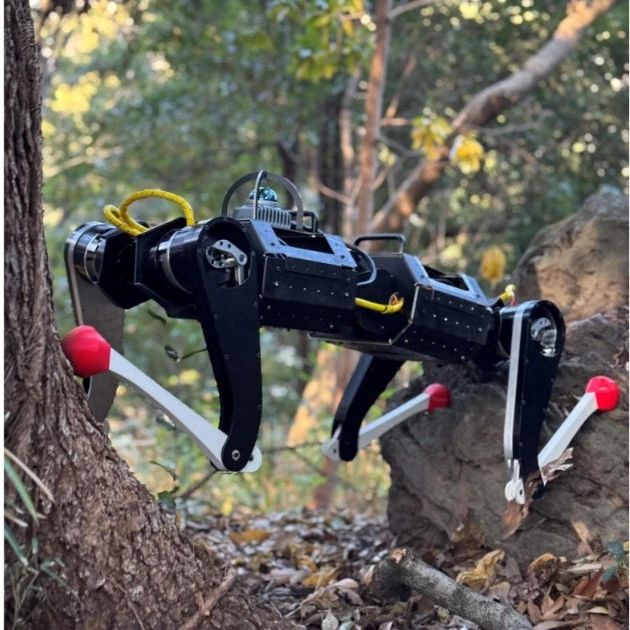
秒杀传统机型50倍!东京大学研发 “攀爬高手”,突破四足机器人地形瓶颈!
机器人大讲堂· 2025-07-20 03:02
近年来,随着硬件技术的快速发展,四足机器人在动力与速度方面得到显著提升,加之强化学习等技术的应 用,其移动控制的稳健性不断增强。这使得四足机器人在未知环境中执行物资运输、探索等自动化任务的应用 前景受到关注。 不过 ,在地势起伏剧烈的复杂地形中,机器人往往需要具备垂直移动能力。 比如,在灾难现场和未开发的自 然环境中有大量倒塌的建筑物和岩石,高度变化很大。 但 现有的四足机器人更擅长水平运动 , 而 专为垂直 移动设计的四足机器人,由于身体结构过度特化,在水平移动时 表现 笨拙。目前能稳定完成这类动作的机器 人及其控制方法尚未成熟。 据探索前沿科技边界,传递前沿科技成果的 X-robot投稿, 来自东京大学的 Keita Yoneda研究团队 近日 成功研发出一款名为 KLEIYN 的四足机器人。KLEIYN 最大的亮点是配备了主动腰部关节,显著提升了机器 人 的 攀 爬 性 能 , 特 别 是 在 狭 窄 墙 壁 上 的 跟 踪 能 力 。 通 过 课 程 学 习 ( Contact-Guided Curriculum Learning ), 研究团队引导机器人逐步掌握攀爬技巧 ,最终 实现水平移动与垂直攀 ...
公司成立仅7个月!90后CMU博士融资1.05亿美元!
机器人大讲堂· 2025-07-19 03:40
Core Viewpoint - Genesis AI has secured $105 million in seed funding to develop a universal robotic foundation model and a horizontal robotic platform [1][4]. Group 1: Company Overview - Genesis AI was co-founded by Xian Zhou, a PhD in robotics from Carnegie Mellon University, and Théophile Gervet, a former research scientist at Mistral AI, in December 2024 [3][21]. - The company has offices in Silicon Valley (Palo Alto, California) and Paris [3]. Group 2: Funding and Investors - The funding round attracted notable investors including Khosla Ventures, Eclipse, Eric Schmidt, Bpifrance, HSG, and billionaire Xavier Niel [4]. - Khosla Ventures, founded by Vinod Khosla, has over $2 billion in assets under management and a strong portfolio in technology and manufacturing [8][5]. Group 3: Technological Focus - Genesis AI aims to create a scalable data engine that combines real-world robotic interactions with simulation and rendering to train a universal robotic framework model [17]. - The company plans to open-source parts of its data engine and foundational model components for developers and researchers [17]. Group 4: Vision for Physical AI - The CEO, Xian Zhou, emphasizes that physical AI, which enables machines to perceive and interact with the real world, is crucial for advancing towards Artificial General Intelligence (AGI) [16][22]. - Zhou notes that 75% of global companies face hiring difficulties, making physical AI more critical than ever [22]. Group 5: Founding Team Expertise - The founding team of Genesis AI includes members from prestigious institutions and companies such as Nvidia, Google, CMU, MIT, Stanford, and UMD [21]. - Zhou has a background in advanced research areas like world models, imitation learning, and reinforcement learning [18].

摆线减速器:人形机器人下一代关节技术?
机器人大讲堂· 2025-07-19 03:40
Core Viewpoint - The emergence of cycloidal reducers is set to revolutionize the joint technology of humanoid robots, addressing existing performance bottlenecks and paving the way for commercial applications in the industry by 2030, with a projected market space exceeding 14 billion yuan [1][14]. Group 1: Current Challenges in Humanoid Robot Joint Technology - Humanoid robots have progressed from product definition to functional realization and commercialization, but significant gaps remain for large-scale commercial and household applications [2]. - The hardware performance bottleneck is primarily in the joint transmission system, where existing solutions struggle to balance precision, load capacity, and lifespan [2][5]. - Current mainstream planetary reducers have structural flaws, leading to insufficient precision due to large backlash, while harmonic reducers, although precise, suffer from poor durability under high-load conditions [4][5]. Group 2: Advantages of Cycloidal Reducers - Cycloidal reducers, leveraging advancements in material technology and precision processing, offer a unique combination of high precision, load capacity, and compact size, surpassing existing technologies [6][8]. - The multi-tooth engagement mechanism of cycloidal reducers allows for a load capacity increase of over 300% compared to harmonic reducers, making them suitable for high-load applications [6][9]. - The design of cycloidal reducers enables a backlash of less than 1 arc minute, significantly improving positioning accuracy, which is critical for tasks requiring high precision [8]. Group 3: Market Potential and Commercialization Path - The cycloidal reducer market is expected to reach approximately 14 billion yuan by 2030, driven by increasing adoption in humanoid robots, particularly in lower limb joints [14][17]. - The anticipated reduction in cycloidal reducer prices, from 15,000 yuan in 2025 to 9,000 yuan by 2030, will further enhance their market penetration and competitiveness against harmonic reducers [17]. - The integration of cycloidal reducers with other components like torque motors and encoders is expected to streamline the assembly process for humanoid robot manufacturers, reducing complexity [13]. Group 4: Competitive Landscape and Key Players - The global cycloidal reducer market is currently dominated by Japanese companies in the harmonic and RV reducer segments, but the cycloidal reducer sector is still evolving with intense competition from traditional and new entrants [12][18]. - Companies like Shuanghuan Transmission and Haoneng Co. are leveraging their expertise in precision manufacturing to rapidly enter the cycloidal reducer market, showcasing significant growth potential [18][19]. - The trend of vertical integration in the industry is evident, with leading firms moving towards integrated joint modules that combine cycloidal reducers with other essential components [13][20]. Group 5: Future Outlook - The rise of cycloidal reducers is expected to drive humanoid robot joint technology into a new iterative cycle, facilitating the transition from laboratory settings to real-world applications [23]. - The industry is likely to see a convergence of automotive and robotics technologies, enhancing manufacturing capabilities and creating a positive feedback loop for both sectors [24].


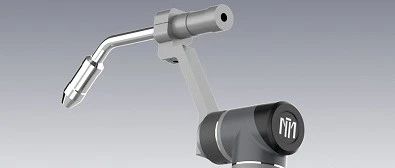
19500元!引爆协作焊接革命!集萃智造IIMT-CI-W05焊将以超高性价比震撼登场!
机器人大讲堂· 2025-07-19 03:40
Core Viewpoint - The introduction of the IIMT-CI-W05 welding collaborative robot by Jicui Intelligent Manufacturing at a groundbreaking price of 19,500 yuan is set to revolutionize the welding industry, making automation accessible for small and medium enterprises [1][30]. Group 1: Product Features - The IIMT-CI-W05 welding robot offers a significant cost advantage due to Jicui's strong R&D capabilities and supply chain integration, breaking down cost barriers in collaborative robot applications [2]. - The robot features a unique black-gray color scheme that enhances its durability and aligns with industrial aesthetics [4]. - It incorporates a compact integrated industrial control system, saving space and improving deployment efficiency with over 70 common secondary development interfaces [6]. - The robot supports a comprehensive welding process software package that allows seamless operation across multiple platforms, enhancing compatibility and ease of use [8][10]. - It includes a powerful process file management system for quick programming and supports various welding scenarios with programmable parameters [10][11]. Group 2: Ecosystem and Flexibility - Jicui emphasizes the "robot arm +" ecosystem, allowing users to customize the IIMT-CI-W05 with external axes for flexible production solutions [12][14]. - The robot can be equipped with various external axes, extending its working radius to accommodate large-scale projects [14][16]. - It supports a range of digital communication protocols, ensuring precise control and integration with existing systems [19]. Group 3: Market Demand and Applications - The IIMT-CI-W05 is designed to address the challenges faced by enterprises in the welding industry, such as labor shortages and efficiency issues [21][23]. - It is particularly beneficial for companies with diverse and small-batch welding needs, providing flexibility and rapid response to changing tasks [26]. - Educational institutions can utilize the robot as a cost-effective platform for training and research, enhancing the learning experience [27]. - System integrators and automation solution providers can leverage the robot's competitive components to create high-value welding solutions [28]. Group 4: Market Impact - The launch of the IIMT-CI-W05 is expected to redefine the price-performance ratio in the collaborative welding robot market, with nearly a thousand units already contracted [31].
除了人形,哪些机器人领域还在默默高增长?
机器人大讲堂· 2025-07-19 03:40
Core Viewpoint - The global artificial intelligence robotics industry is at a critical turning point for technological iteration and commercialization, with specialized robots in industrial collaboration, commercial services, and home companionship leading the way to a trillion-dollar market [1][2]. Group 1: Industry Trends - The integration of artificial intelligence and robotics is driving profound changes in the industry, leading to a dual-track development of general-purpose and specialized robots [3][4]. - General-purpose humanoid robots are expected to experience a breakthrough between 2028 and 2030, with a projected global market size of over 5 million units by 2035 [3][4]. Group 2: Market Growth - The industrial collaborative robot market reached $789 million in 2023, with an expected growth to $2.78 billion by 2028, reflecting a compound annual growth rate (CAGR) of 29% [4]. - The commercial collaborative robot market surged from $14.3 million in 2019 to $72.7 million in 2023, with projections to exceed $1.2 billion by 2028, indicating a CAGR of 75% [4]. Group 3: Home Robotics - The AI-driven home robot market is anticipated to reach 62.4 billion RMB by 2029, with a CAGR of 60% from 2024 to 2029, and penetration rates increasing from 2.3% in 2024 to 14.6% [6]. - The unlisted company Woan is leading the home robotics market with an 11.9% market share, focusing on a range of innovative products [6]. Group 4: Competitive Landscape - Major global tech companies are accelerating their investments in core technologies for robotics, with NVIDIA and Huawei making significant strides in large models and hardware integration [7][10]. - NVIDIA's GR00T N1 model is seen as a pivotal development in the robotics field, enhancing performance by 40% and reducing data collection costs significantly [8][10]. - Huawei's upgraded Pangu model and CloudRobo platform are facilitating technological incubation across various sectors, improving production efficiency by 50% [10]. Group 5: Investment Opportunities - As general-purpose robots require more time for development, leading companies in specialized fields are showing clear growth trajectories, presenting significant investment opportunities [10].
中国机器人成为欧洲学习榜样?
机器人大讲堂· 2025-07-18 01:59
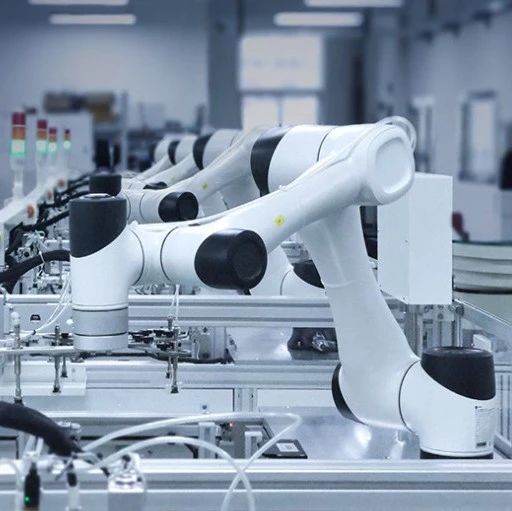
Core Viewpoint - The article highlights the urgent need for Europe to revitalize its robotics industry, as it risks falling behind China and the US in the global robotics market, which is projected to reach $100 billion by 2030 [1][2]. Summary by Sections Current State of Robotics in Europe - Europe accounted for only 17% of global industrial robot installations in 2023, significantly lower than the 72% in the Asia-Pacific region [3]. - From 2019 to 2024, global investment in robotics surged by 230%, yet European startups received only $3.7 billion in funding in 2024, less than a quarter of the US amount [3]. Structural Issues Facing Europe - The fragmentation of the European market hinders collaboration and resource allocation, contrasting with the unified markets of China and the US [4]. - Europe struggles with technology transfer from research to market, with only 7 out of the top 20 AI patent holders being European, while the US and China hold nearly 80% of the patents [4][6]. - Regulatory rigidity, particularly the EU's AI Act, stifles innovation and complicates compliance for robotics companies [6]. - A lack of cohesive national strategies has led to missed opportunities in emerging technologies like humanoid robots and autonomous vehicles [6]. - Demographic challenges, such as an aging population and labor shortages, have not been effectively leveraged to promote robotics adoption [7]. Strategic Recommendations for Europe - The report suggests focusing on industries with low automation levels and significant labor shortages, such as logistics, healthcare, and agriculture, rather than competing in high-cost areas like humanoid robots [10]. - It advocates for increased investment in traditional strengths like collaborative robots and medical assistance robots to build a robust technological foundation [10]. - To address funding gaps, the report recommends establishing a European robotics "mother fund" to attract private capital and leveraging the recent surge in AI investment [12]. - A proposed increase in robotics-related budgets by at least 5% from 2028 to 2034 could facilitate faster technology transfer from research to industry [14]. - A unified skills framework for robotics training across the EU is essential to address the skills gap in the workforce [15]. - The establishment of regulatory sandboxes could allow for innovation while ensuring safety, enabling companies to test new technologies in controlled environments [17]. Future Outlook - The report emphasizes that the integration of AI with robotics could significantly enhance productivity, with predictions indicating a 31% contribution to manufacturing value added by 2035 [20]. - If Europe can effectively harness its engineering education and manufacturing expertise, it has the potential to redefine its role in the global robotics landscape [20].
中国史河、美国Gecko两家头部均获数亿投资,高空机器人加速驶入千亿快车道
机器人大讲堂· 2025-07-18 01:59
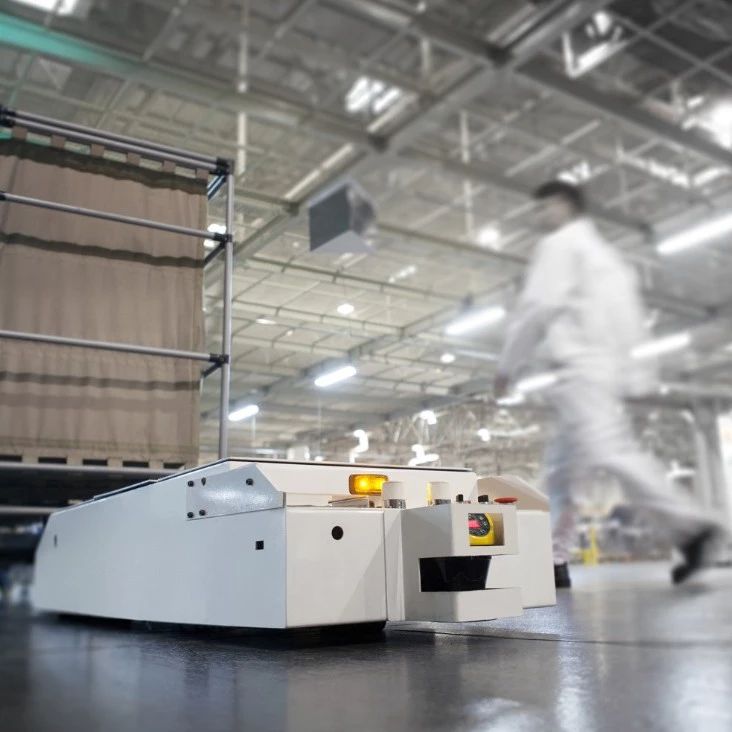
Core Viewpoint - The high-altitude robotics sector is experiencing a significant surge in interest and investment, driven by its ability to address critical industry pain points and its vast economic potential, with projections indicating a market size growth from $8.364 billion in 2023 to over $57.206 billion by 2033, reflecting a compound annual growth rate of approximately 21.2% [5][10]. Group 1: Market Dynamics - The global high-altitude robotics market is led by two major companies: Gecko Robotics in the US and Shihe Robotics in China, both of which have recently secured substantial funding, indicating strong investor confidence in this sector [2][4]. - Gecko Robotics has achieved a post-funding valuation of nearly $1.25 billion, doubling its valuation compared to 2024, and is recognized as a potential unicorn in the high-altitude robotics space [2]. - Shihe Robotics has also become a prominent player in the Asia-Pacific region, having raised significant funds and attracting investments from industry players like Zhejiang Energy Group [4]. Group 2: Industry Applications - High-altitude robots are applicable in both industrial and civil scenarios, including ship rust removal, chemical corrosion prevention, power plant inspections, and building facade cleaning, with industrial applications being more standardized and civil applications offering larger market potential [10]. - The global market for ship painting is approximately $42 billion annually, while the chemical corrosion prevention market is around $34 billion, and the energy sector's infrastructure maintenance market exceeds $27 billion [10]. Group 3: Technological Advancements - High-altitude robots combine mobility, adhesion, and operational capabilities, expanding the scope of mobile robotics into vertical spaces, thus addressing safety and efficiency challenges in high-risk work environments [8][12]. - Recent technological advancements in AI, machine learning, and autonomous systems have enhanced the capabilities and efficiency of high-altitude work platforms, leading to increased adoption across various industries [12]. Group 4: Investment Trends - The influx of capital into the high-altitude robotics sector is driven by the need for safer work environments, particularly in light of stringent safety regulations and the growing emphasis on ESG (Environmental, Social, and Governance) principles [12]. - The rise of flexible business models like "Robots as a Service" (RaaS) has lowered the barriers for customer adoption, making high-altitude robots an attractive investment opportunity [12]. Group 5: Competitive Landscape - The competitive landscape is characterized by a "Matthew Effect," where leading companies are consolidating their market positions, creating higher barriers to entry for new players [14]. - Gecko Robotics focuses on infrastructure inspection services, with a significant portion of its revenue derived from these services, while Shihe Robotics has developed a comprehensive product matrix and holds a market share exceeding 70% in key product categories [14][17]. Group 6: Future Outlook - The successful financing and rapid growth of Gecko Robotics and Shihe Robotics illustrate a clear path for industry upgrade, leveraging innovative technologies to enhance safety and efficiency in high-risk operations [21]. - As the sector evolves, high-altitude robots are expected to play a crucial role in driving traditional industries towards automation and smart operations, marking a shift from manual labor to intelligent solutions [21].