机器人大讲堂

Search documents
从全球首条产线落地到模型世界第一!千寻智能引领具身智能的Deepseek时刻
机器人大讲堂· 2026-01-12 00:40
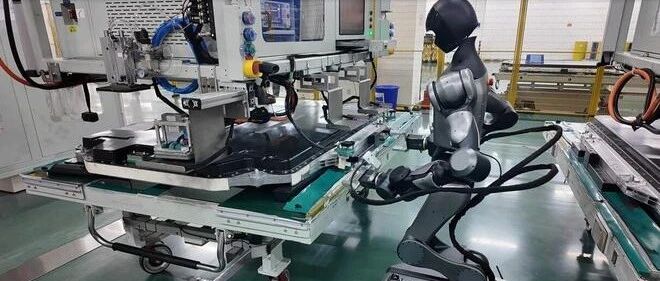
Core Insights - The article discusses the advancements in embodied intelligence, particularly focusing on the Spirit v1.5 model developed by Qianxun Intelligent, which has achieved significant milestones in both performance evaluation and real-world application [1][4][20]. Group 1: Model Performance and Evaluation - The Spirit v1.5 model ranks first in the RoboChallenge leaderboard with a score of 66.09 and a success rate of 50.33%, surpassing the previous leader Pi0.5, which scored 61.84 with a 42.67% success rate [2][11]. - RoboChallenge is highlighted as a unique evaluation platform that addresses the fragmentation and lack of standardization in traditional robot testing, providing a fair assessment environment through unified task standards and evaluation metrics [5][7]. - The evaluation includes 30 real-world tasks, such as flower arrangement and sandwich making, which test various technical challenges like 3D positioning and occlusion handling [9][10]. Group 2: Real-World Application - The humanoid robot "Xiao Mo," equipped with the Spirit v1.5 model, has been deployed in the Ningde Times production line for new energy battery PACK production, marking a significant achievement in validating the model's performance in industrial settings [4][19]. - Xiao Mo has demonstrated a connection success rate of over 99% in critical tasks, significantly improving operational efficiency by three times compared to human workers, while also mitigating safety risks associated with manual operations [19][23]. Group 3: Industry Implications - The advancements made by Qianxun Intelligent signify a shift in the embodied intelligence industry, where the technology is now capable of both high performance in evaluations and practical application in industrial environments, addressing the disconnect between technology and industry [20][23]. - The success of the Spirit v1.5 model indicates that domestic embodied models can compete with international counterparts, providing a reliable option for automation projects and reducing implementation risks for system integrators [26][28]. - This breakthrough is seen as a key to driving industrial transformation in China, marking the transition from a phase of technological exploration to practical application in the field of robotics [24][28].

从扫地、割草到飞行、爬楼梯…CES上清洁机器人的黑科技,藏着多少惊喜?
机器人大讲堂· 2026-01-11 09:39
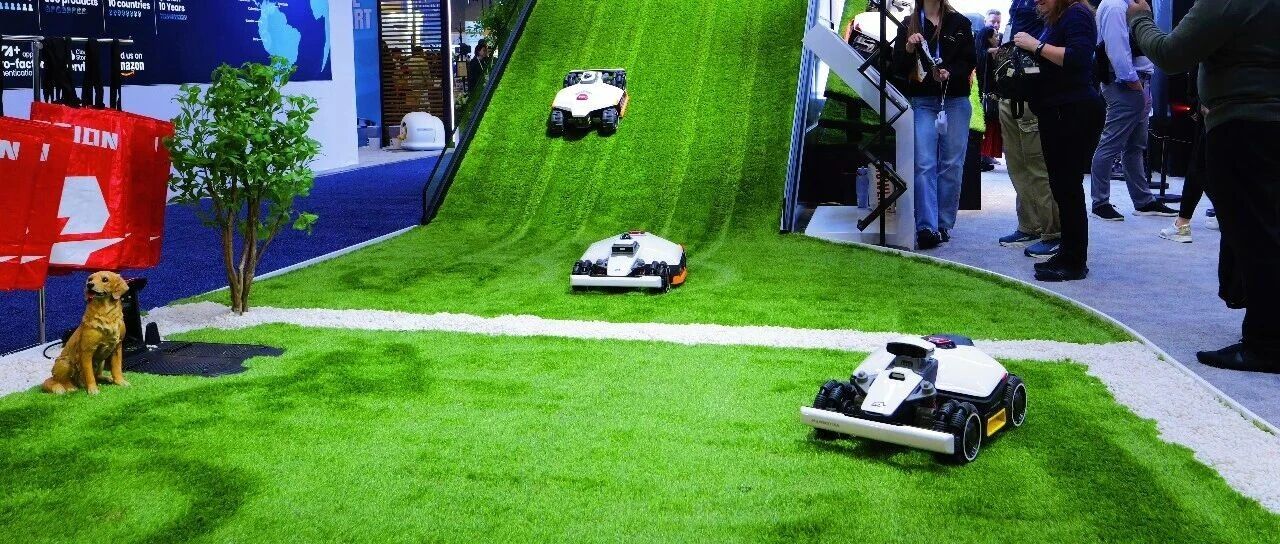
Core Insights - The CES 2026 showcased a shift in home robotics from simple cleaning tools to "embodied intelligence," redefining the future of home living and service capabilities [1][36] - Major brands like Dreame, Ecovacs, Roborock, and others presented innovations that emphasize comprehensive home ecosystems and proactive service capabilities, moving beyond traditional cleaning functions [1][36] Group 1: Dreame Innovations - Dreame exhibited a nearly 2000 square meter area focusing on "whole-home smart ecosystems," highlighting advancements in "proactive intelligence" and "embodied intelligence" [3] - The X60 series, a new robotic vacuum, features a 7.95 cm ultra-thin design and advanced navigation systems that can identify over 280 obstacles, improving navigation efficiency by 50% [3][5] Group 2: Ecovacs Developments - Ecovacs introduced a full range of service robots aimed at breaking cleaning scene boundaries, with products like the T90 PRO OMNI and X12 series utilizing advanced cleaning technologies [6][8] - The launch of outdoor cleaning robots, including pool and window cleaning robots, signifies Ecovacs' expansion into comprehensive home service solutions [8] Group 3: Roborock's Technological Advances - Roborock's G-Rover, featuring a dual-wheel leg architecture, marks a significant advancement in cleaning capabilities, allowing it to navigate stairs and multi-level spaces effectively [21][23] - The company reported a 60.56% increase in R&D investment in the first three quarters of 2025, reflecting its commitment to innovation in the robotic vacuum market [23] Group 4: Other Notable Brands - Kuka emphasized "precise adaptation" in its product offerings, achieving recognition as the top seller of boundary-less robotic lawn mowers globally [9][11] - HanYang Technology introduced a modular architecture for its Yarbo garden robot, allowing for over 20 functional modules to address various seasonal needs [27][29] - Nexlawn's products leverage laser radar technology for precise navigation and obstacle detection, catering to diverse yard sizes and complexities [33][35] Group 5: Industry Trends - The overall trend in the robotics industry is moving towards integrated solutions that provide proactive service, indicating a shift from passive tools to intelligent partners in home management [36] - The competition is increasingly focused on understanding complex environments and providing systemic solutions, highlighting the evolution of smart home technology [36]
一场关于家的自动化实验:家务机器人的模式分野
机器人大讲堂· 2026-01-11 09:39
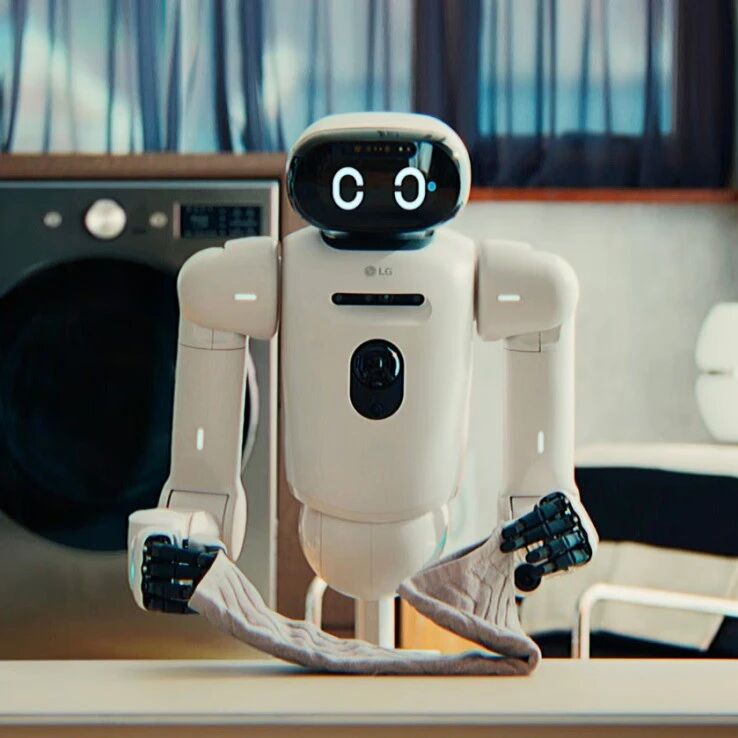
Core Viewpoint - The emergence of household robots is driven by the increasing demand for time-saving solutions in dual-income families and the growing need for improved living quality, leading to a significant market opportunity in the home service sector [2][3]. Market Demand and Technology - The global household service robot market is projected to reach a scale of over $10 billion by 2025, with a compound annual growth rate (CAGR) exceeding 25%, expected to surpass $100 billion by the early 2030s [3]. - The Chinese home service market has exceeded 1 trillion yuan, with a consumption penetration rate of 81.69%, highlighting a substantial demand-supply gap in the industry [2]. Technological Evolution - The integration of large language models with robotics is enabling machines to understand vague commands and autonomously plan tasks, marking a shift from simple execution to task comprehension [4]. - Robots are evolving from isolated tools to intelligent agents capable of managing complex three-dimensional home environments, enhancing their functionality beyond basic cleaning tasks [4]. Pathways and Future Directions - **Home Collaboration Hub**: LG's CLOiD robot exemplifies a "Zero Labor Home" strategy, acting as a mobile control center that integrates with smart home systems to automate household tasks [5][7]. - **General Household Assistant**: 1X Technologies' Neo robot, powered by OpenAI's model, aims to serve as a versatile household assistant capable of understanding complex user requests and providing personalized solutions [8][10]. - **Professional Cleaning Expert**: Companies like Roborock are focusing on specialized cleaning robots that can navigate and manage three-dimensional spaces, showcasing a practical approach to addressing specific household pain points [11][13]. Future Landscape - The future of household automation is envisioned as a mixed ecosystem where specialized robots dominate the market, addressing specific needs while humanoid robots validate their reliability in controlled environments [19][20]. - The ultimate goal is to create a lightweight AI hub that understands user intentions, supported by various specialized robots executing tasks efficiently, shifting the focus from owning a single robot to enjoying seamless service [19][20].

陪伴机器人,正在改写9亿人的孤独经济
机器人大讲堂· 2026-01-11 09:39
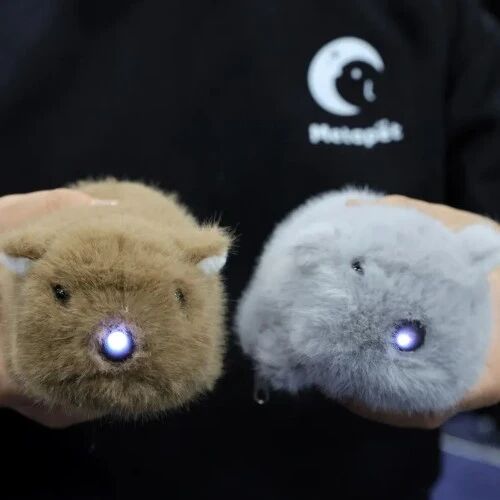
Core Insights - The article discusses the rise of companion robots, driven by the dual forces of emotional consumption and AI technology, transforming from toys to essential companions in various life scenarios [1][3]. Group 1: Market Demand - The "loneliness economy" is emerging, with 900 million people creating a strong demand for companionship. As basic needs are met, higher-level needs such as belonging and self-actualization are becoming central to consumption, with "emotional value" being key to product pricing [4][5]. - By 2025, the online market for AI toys in China is expected to surge by 394.9%, with emotional companionship products growing the fastest, increasing their market share from 7.0% to 15.7% [4]. Group 2: Target Demographics - Over 120 million young adults aged 18-35 live alone, showing a strong demand for anthropomorphic interaction products. Women aged 25-30 represent 72% of the consumer base for companion robots, willing to pay for aesthetics and empathy [7]. - The elderly population in China has reached 280 million, with over 50% being empty nesters. High-end companion robots are becoming essential in the elderly care market, despite their higher price points [7]. Group 3: Market Growth Projections - The global AI companionship market is projected to grow from $30 million to between $70 billion and $150 billion by 2030. The domestic market is expected to reach approximately $1 billion in 2024 and $3.86 billion by 2030, with a compound annual growth rate of 75% [9]. Group 4: Technological Advancements - The rise of companion robots is attributed to advancements in AI technology, enabling a shift from passive responses to active empathy. New generation robots can understand context, emotions, and subtleties in conversation, providing personalized interactions [10][11]. - Multi-modal sensors are being integrated into companion robots, allowing them to perceive voice, visual, tactile, and environmental cues, enhancing user interaction [14]. Group 5: Market Structure - The companion robot market is attracting three types of players: traditional toy manufacturers, tech startups, and IP holders, leading to differentiated competition [17]. - Traditional toy companies leverage established supply chains and IPs to transition into the AI space, while tech firms focus on high-end markets with advanced emotional interaction capabilities [19][21]. Group 6: Product Evolution - Companion robots are categorized into three price tiers: entry-level (100-500 RMB), mid-range (500-3000 RMB), and high-end (over 3000 RMB), catering to different user needs [26][28][30]. - Entry-level products focus on basic interactions and are popular among cost-conscious parents, while mid-range products are favored by urban professionals seeking emotional support [27][29]. Group 7: Future Trends - The market for companion robots is expected to transition from "conceptual popularity" to "demand-driven" growth, with four key trends: precision in emotional computing, deeper IP integration, diversified scene expansion, and service-oriented monetization models [31][34][35]. - Companies are exploring subscription services and dual revenue models to enhance profitability beyond single sales [36]. Group 8: Challenges and Opportunities - Despite the promising market outlook, challenges such as technology integration and safety risks remain prevalent. The industry must address issues related to data privacy and user dependency on technology [37][39]. - The reduction in computing costs and advancements in AI capabilities present significant opportunities for improving the cost-effectiveness of companion robots [40].
CES 2026:智元机器人、星动纪元、宇树科技、云深处、傅利叶、北京人形、魔法原子、加速进化、众擎机器人、银河通用都有哪些亮点产品?
机器人大讲堂· 2026-01-10 09:05
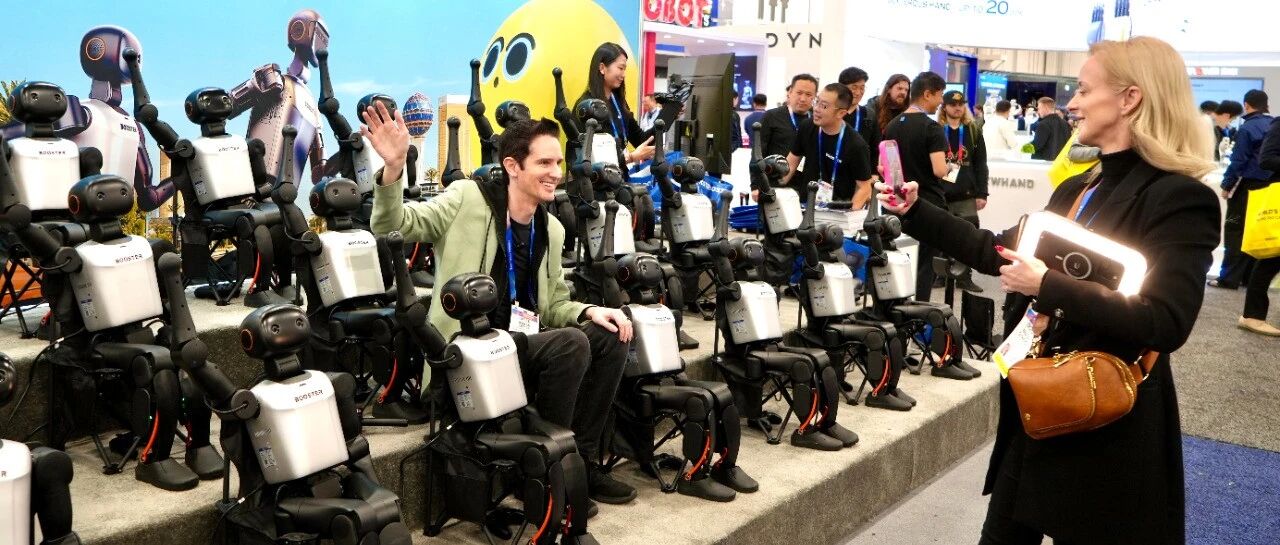
Core Insights - The article highlights the dominance of Chinese humanoid robot companies at CES 2026, with 20 companies participating, accounting for 58.8% of the total exhibitors, significantly outpacing the 5 companies from the US and South Korea, each representing 14.7% [2][3]. Group 1: Chinese Humanoid Robot Companies - Chinese humanoid robot companies showcased a wide range of products, including those from YuTree Technology, ZhiYuan Robotics, and others, demonstrating a collective strength in the industry [3]. - ZhiYuan Robotics presented its full series of humanoid robots, including the Expedition A2, which features multilingual interaction capabilities [4]. - The Lingxi X2 robot received positive feedback for its cultural integration through dance and Tai Chi demonstrations [6]. - The G2 robot showcased its adaptability in service scenarios by simulating a hotel waiter [7]. - ZhiYuan also launched the Genie Sim 3.0, an open-source simulation platform aimed at supporting industry technology development [9]. Group 2: Notable Exhibitors and Innovations - Xingdong Era displayed its core products, including the Xingdong L7 and Q5 humanoid robots, which have been implemented in logistics and manufacturing [10]. - The company reported collaborations with 9 of the top 10 global tech firms and secured a significant order worth nearly 50 million yuan in the logistics sector [12]. - Fourier's GR-3 humanoid robot attracted attention for its friendly design and multi-modal interaction system [13]. - YuTree Technology highlighted its humanoid robots H2, R1, and G1, along with quadruped robots, showcasing technological breakthroughs [17]. - The A2 quadruped robot is designed for industrial applications, capable of carrying a load of 25 kg [19]. Group 3: International Competitors - Boston Dynamics announced the mass production of its Atlas humanoid robot, which features advanced capabilities and has secured initial orders from major stakeholders [76][78]. - NEURA Robotics introduced its third-generation humanoid robot, designed in collaboration with Porsche, combining industrial performance with consumer-friendly aesthetics [79][82]. Group 4: Industry Trends and Future Outlook - The CES 2026 event signals a critical period for the commercialization of humanoid robots, with a shift in focus from concept demonstrations to order fulfillment and practical applications [83]. - Key areas of competition will include product reliability, scene adaptability, and scalable profitability, with industrial manufacturing, logistics, and companion services emerging as significant market segments [83].
中国脑机接口,重大突破!截瘫患者意念打游戏赢正常人,还能脑控小米家电
机器人大讲堂· 2026-01-10 09:05
Core Viewpoint - The article highlights a significant milestone in China's brain-computer interface (BCI) field, showcasing the successful completion of the first human clinical trial of a fully implanted, wireless, and fully functional BCI system, marking a shift from "catching up" to "keeping pace" and even "leading" in this core technology area [2][4]. Group 1: Clinical Trial and Patient Experience - The first patient, a 28-year-old man paralyzed for eight years due to a car accident, demonstrated remarkable recovery, using his thoughts to browse websites and play video games, showcasing the system's capabilities [3][6]. - The BCI system, developed by Fudan University Huashan Hospital and NeuroXess, allows patients to control smart home devices and regain autonomy in daily activities, significantly improving their quality of life [4][6]. Group 2: Technical Features of the BCI System - The BCI system is characterized by being fully implanted, wireless, and fully functional. It eliminates external cables, reducing infection risks and enhancing the patient's dignity [9]. - The system integrates wireless power and data transmission, allowing patients to interact in real-time without external devices, providing true "wireless freedom" [9]. - It features a complete system that includes brain signal acquisition, processing, and wireless energy transmission, demonstrating strong openness and extensibility through its proprietary operating system, XessOs [10][13]. Group 3: Comparison with International Competitors - The Chinese BCI solution differs from Elon Musk's Neuralink by separating the battery from the main control unit, placing it in the chest area to enhance safety and reduce heat risks to the brain [14][15]. - The surgical procedure for the Chinese BCI is more accessible, utilizing established techniques that can be performed by many neurosurgeons, facilitating broader clinical application [17]. Group 4: Future Aspirations and Innovations - The ultimate vision for BCI technology includes advancements in language decoding and consciousness interaction, with the Chinese team already achieving real-time Chinese language decoding at double the speed of normal speech [19][20]. - The concept of a "brain internet" is being explored, allowing patients to communicate through digital avatars, indicating a significant leap towards human-machine symbiosis [20][23]. Group 5: Ethical Considerations and Challenges - Experts emphasize the importance of data quality and ethical boundaries in BCI development, with a focus on high-quality brain signal data for effective model training [22]. - The article concludes with a vision of BCI technology not just as a medical device but as a key to unlocking human potential and extending cognitive and existential boundaries [23][24].

埃斯顿重磅发布iER.OS 机器人操作系统,推出全新一代智能工业机器人iER系列
机器人大讲堂· 2026-01-10 09:05
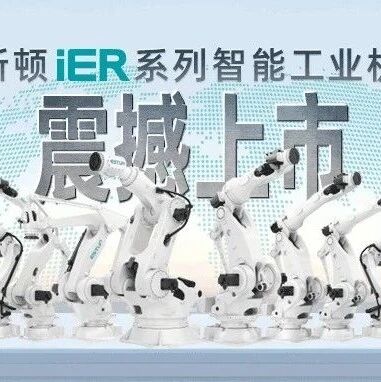
Core Viewpoint - Estun, as a leading brand in China's robotics industry, continues to drive innovation in robotic technology with the launch of the new iER series robots, focusing on software and hardware integration, high precision, and intelligent services [1][21]. Group 1: Software and System Innovations - The software system has been completely restructured with the introduction of the advanced programming language Juliet, enhancing the robot's operational capabilities [2][5]. - The iER.OS system integrates data, applications, and AI, transitioning from a closed to an open architecture, significantly improving motion control performance and system collaboration [5][11]. - The RoboBase platform supports deep customization and secondary development, allowing clients to leverage their own expertise for tailored solutions [7][21]. Group 2: Hardware and Intelligent Control - The new hardware design reduces the size and energy consumption of the control system, incorporating controllable rectification technology for efficient energy recovery [3][9]. - The integration of AI capabilities into the new controller platform enhances instruction processing and communication, facilitating high-speed motion control [11][21]. - The robots are designed with lightweight and high-rigidity structures, improving dynamic response while maintaining reliability and precision [9][14]. Group 3: High Precision Technology - The new high-precision calibration technology is applied across the entire robot product line, significantly enhancing absolute positioning accuracy and dynamic trajectory control [14][16]. - The robots can maintain high precision in variable working conditions, effectively addressing common industrial interferences [16][20]. - The integration of high precision technology with intelligent systems creates a closed-loop control mechanism, enabling real-time adjustments based on process data [16][20]. Group 4: Intelligent Maintenance and Predictive Services - Estun has established a new standard for customer service by introducing a "fault prediction" feature, transitioning maintenance from reactive to proactive [18][20]. - The system captures key operational data to predict potential failures, helping users reduce unplanned downtime and optimize maintenance schedules [20][21]. - This predictive maintenance capability exemplifies Estun's commitment to integrating intelligent operations within the robotics ecosystem [20][21].

市值突破200亿!开年首个医疗机器人IPO敲钟了
机器人大讲堂· 2026-01-09 15:15
Core Viewpoint - Shenzhen Precision Medical Technology Co., Ltd. officially listed on the Hong Kong Stock Exchange on January 8, 2026, with an IPO price of HKD 43.24 per share, opening with a 36.45% increase to HKD 59, achieving a market capitalization exceeding HKD 20 billion [1]. Group 1: Company Overview - Founded in 2017 by two returnee PhDs, Wang Jianchen and Gao Yuanqian, Precision Medical focuses on surgical robotics and has entered the competitive global high-end medical technology market [3][4]. - The company received significant backing from 13 top cornerstone investors, including the Abu Dhabi Investment Authority (ADIA), UBS, Tencent, and OrbiMed, with a total subscription of USD 75 million, highlighting strong market confidence [3]. Group 2: Technological Development - Precision Medical has developed a comprehensive product matrix covering multi-port, single-port, and natural orifice surgical robots, establishing a unique technological moat [6][13]. - The MP1000 multi-port surgical robot has completed over 10,000 clinical surgeries, demonstrating effectiveness and safety comparable to the leading da Vinci system [8]. - The SP1000 single-port surgical robot integrates all surgical instruments into a single arm, focusing on gynecological and urological surgeries, with over 1,000 surgeries completed [10][11]. Group 3: Market Dynamics - The rise of Precision Medical coincides with China's push for self-sufficiency in high-end medical equipment, with domestic market penetration increasing significantly due to rising import costs and supportive government policies [14][16]. - By Q1 2025, the domestic market share of surgical robots reached approximately 45%, with Precision Medical's MP2000 system offering a 30%-40% price advantage over imported alternatives [14]. Group 4: Financial Performance and Future Challenges - In the first half of 2025, Precision Medical reported revenue of CNY 149 million, a nearly fourfold increase year-on-year, with a gross margin of 62.8%, indicating strong initial commercialization momentum [17]. - The company faces challenges in converting early installations into sustainable consumable and service revenue, as well as increasing competition in the market [17][18].

这个机器人是“轨道侠”吧!重力自锁+被动变形,爬弯轨稳如泰山!
机器人大讲堂· 2026-01-09 04:33
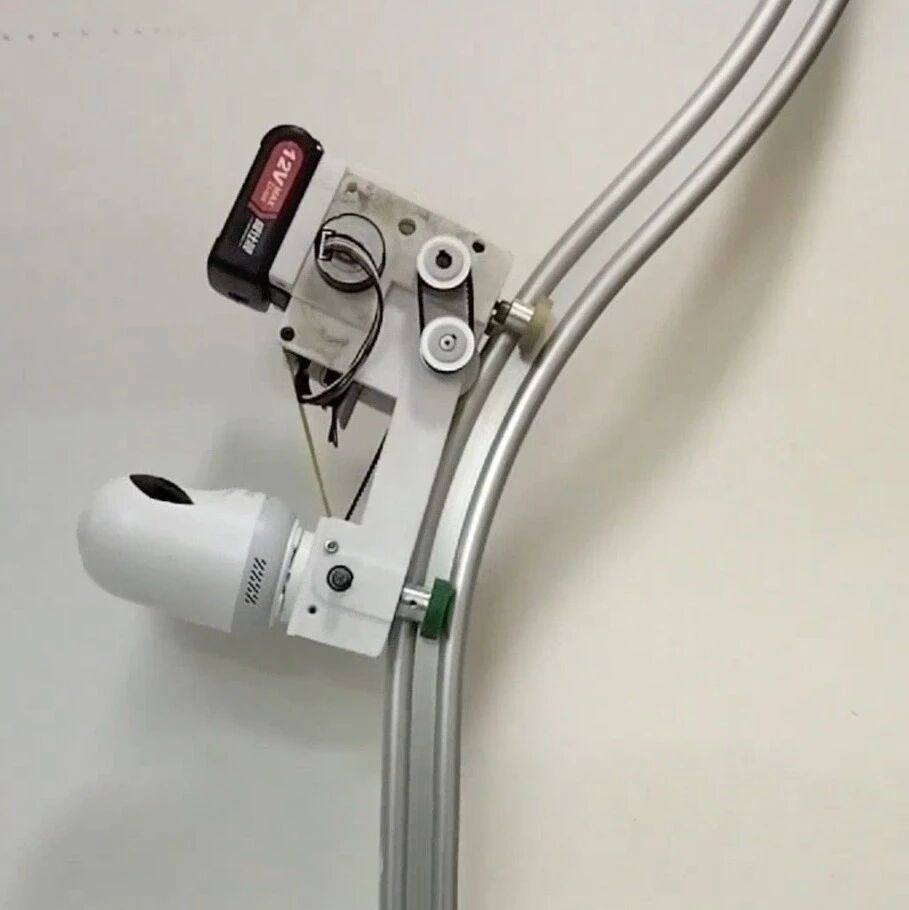
看似普通的轨道攀爬机器人,却藏着不用电就能自锁的智慧,在输电塔和隧道复杂轨道上如履平地。 在百米高空的输电塔上,一阵强风刮过,正在轨道上执行巡检任务的机器人却稳如泰山。这不是因为它使用了 强力磁铁或复杂的电子锁,而是因为它巧妙地利用了自身重力,实现了类似 "四两拨千斤"的自锁效果。 最近,沈阳农业大学 工程学院 的研究团队在《 IEEE Robotics and Automation Letters 》上发布了最新成 果 —— OmniClimb 轨道攀爬机器人 。 他们 采用了一种全新的重力驱动锁定 结构 和被动自适应机制,让它能在多曲率复杂轨道上稳定攀爬,甚至在 遭遇突发颠簸时也能瞬间锁定,防止坠落。 被动自适应轨道攀爬机器人 ▍ 传统机器人 "站不稳"的致命短板 随着工业自动化的深入,轨道巡检机器人在输电塔、电力隧道、桥梁等场景中的应用日益广泛。然而,传统爬 轨机器人面临环境适应能力差 这个 致命短 板 。 大多数轨道机器人都 "认轨",在直线轨道上表现出色,一旦遇到曲线、弯道,特别是曲率变化的复合轨道, 稳定性大打折扣。 目前市场上的轨道机器人主要通过两类方式固定自身: 磁吸附式机器人利用永磁体或电磁 ...
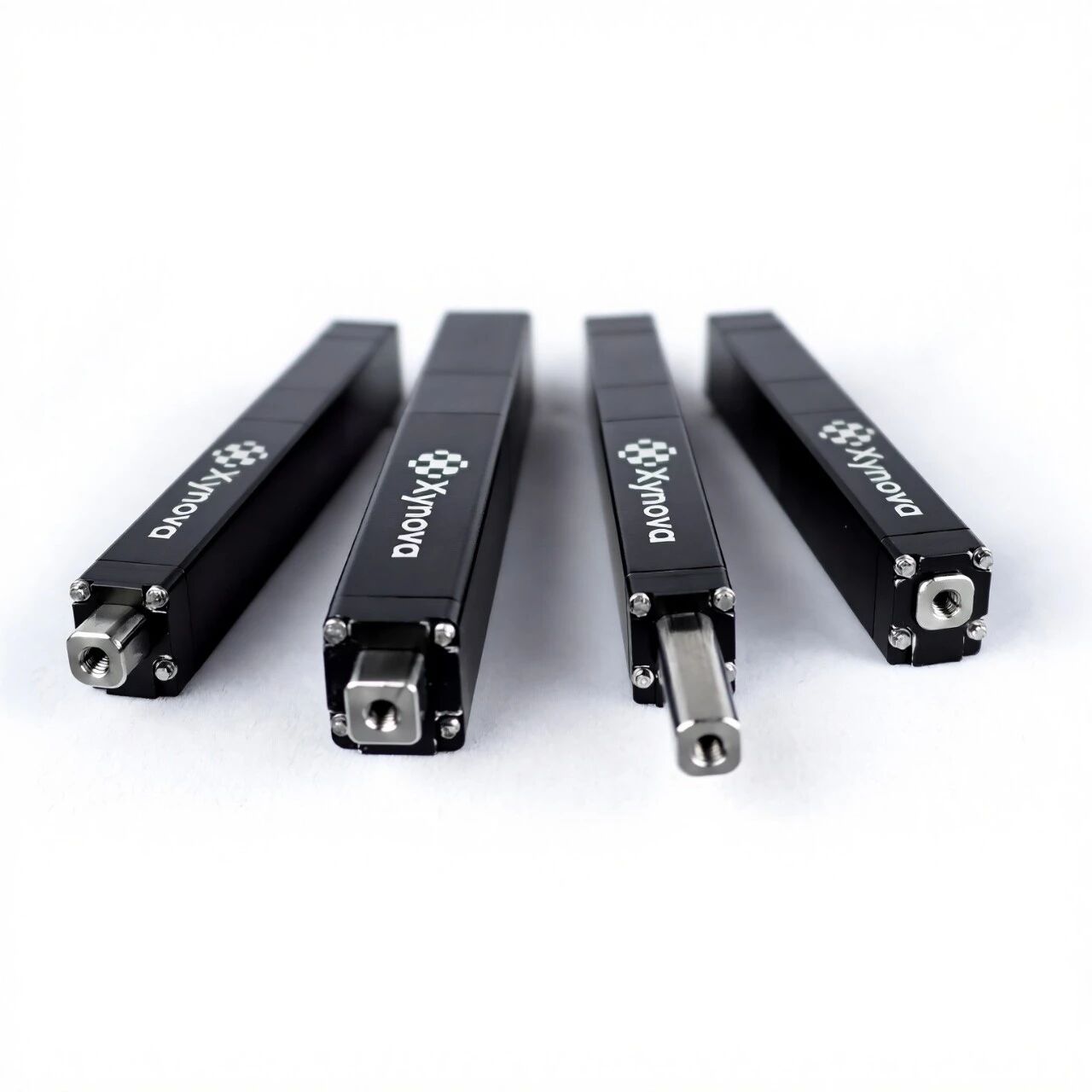
万台订单,量产开启:曦诺未来Xynova如何定义灵巧手的“交付时代”?
机器人大讲堂· 2026-01-09 04:33
Core Insights - The focus of the capital and industry sectors is shifting towards embodied intelligence and dexterous manipulation, with dexterous hands being crucial for practical applications of humanoid robots [1] - The transition from prototype to mass delivery is a significant milestone indicating the maturity of robotic hardware products [1] Group 1: Market Demand and Orders - Xynova has secured over 10,000 orders for high-freedom dexterous hands from leading industry clients, showcasing market confidence in their product reliability and delivery capabilities [3] - The complexity of high-freedom dexterous hands, which involves precision transmission and multi-sensor integration, highlights the technological advancements made by Xynova [3] Group 2: Production Capacity and Strategy - Xynova is establishing a production line with an annual capacity of 200,000 micro electric cylinders and thousands of dexterous hands, indicating a strong commitment to scalable manufacturing [5] - The production line, covering over 5,000 square meters, is expected to commence operations in the second quarter of 2026, marking a significant step towards mass production [5] Group 3: Long-term Vision and Engineering Capabilities - The production capacity planning reflects Xynova's long-term confidence in the growth of the humanoid robot industry, aiming to secure supply chain advantages [6] - By building its own production line, Xynova gains control over manufacturing processes, production yield, and cost management, creating a competitive edge in the robotics hardware sector [6] Group 4: Industry Positioning - Xynova is transitioning from a component supplier to a global leader in embodied intelligence operations, driven by market insights, self-research capabilities, and scalable manufacturing [8] - The ability to achieve both full-stack self-research and scalable production is rare in the early stages of the embodied intelligence industry, positioning Xynova as a valuable partner for humanoid robot manufacturers [8] Group 5: Future Outlook - Despite rapid advancements, the industry is still evolving, and the durability and adaptability of hardware products will require long-term testing in real-world scenarios [10] - Xynova has established a favorable starting position in the embodied intelligence race, validating demand through orders and reinforcing delivery capabilities through production line development [10]