机器人大讲堂

Search documents
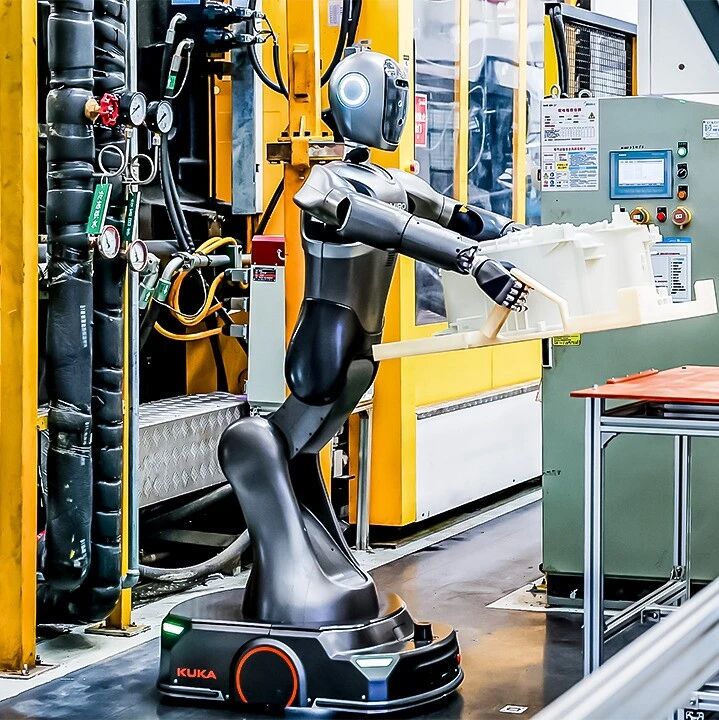
美的打造首个智能体工厂,人形机器人打工忙
机器人大讲堂· 2025-09-07 12:33
Core Viewpoint - Midea Group has opened its first intelligent factory in Jingzhou, Hubei Province, which is recognized as the world's first multi-scenario intelligent factory, showcasing advancements in autonomous industrial ecosystems and surpassing traditional digital factories [1][2]. Group 1: Factory Overview - The intelligent factory has been awarded the title of "World's First Multi-Scenario Intelligent Factory" by the World Record Certification Agency (WRCA), highlighting its efficiency, flexibility, and resilience, and marking China's leadership in smart manufacturing technology [2]. - The factory employs various intelligent products, including the Miro humanoid robot, AMR robots, and AI glasses, all coordinated by a "factory brain" that manages operations and decision-making [2][3]. Group 2: Efficiency and Performance - Since implementing AI solutions, the factory has seen an average efficiency increase of over 80% in core processes, with a 100% error-proof rate in key operations, and response times reduced from hours to seconds [3]. - The factory's intelligent systems allow for seamless operations, with Miro capable of transporting components and performing safety inspections, while AMR robots navigate production areas autonomously [5][8]. Group 3: Future Prospects - Midea plans to replicate the intelligent factory model across its more than 100 global factories, although the full-scale adoption of humanoid robots and AI technologies will take time due to ongoing optimization needs [12]. - The company reported a 14.3% year-on-year profit increase to 38.5 billion RMB (5.4 billion USD) last year, with continued growth in 2023, indicating the financial benefits of its AI applications [12][13].


建国以来首次!仿生机器人走上阅兵场,国产四足机器人迎来应用时代
机器人大讲堂· 2025-09-07 12:33
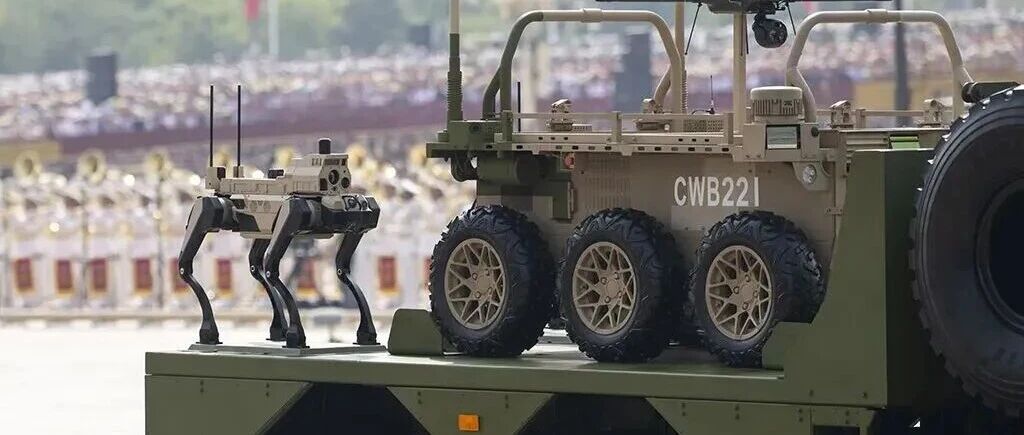
Core Viewpoint - The debut of the "Machine Wolf" during the military parade marks a significant milestone in China's military modernization and the development of bionic intelligent robots, showcasing the country's advancements in intelligent warfare capabilities [1]. Group 1: Machine Wolf's Capabilities - The "Machine Wolf" exhibits superior combat capabilities compared to the "Machine Dog," making it more effective in various operational scenarios [5]. - In urban warfare, the "Machine Wolf" can navigate narrow spaces that are difficult for humans, allowing it to perform tasks in high-risk areas and work effectively alongside human soldiers [7]. - A complete "Machine Wolf" combat group consists of a control vehicle and several four-legged robots, enabling seamless communication and dynamic collaboration among "human-vehicle-wolf" [7]. Group 2: Technological Features - The Q20A platform, which supports the "Machine Wolf," features an open architecture with standard software and hardware development interfaces, ensuring high mobility and adaptability in complex environments [10]. - The platform is equipped with a 360° visual perception system and high-precision laser radar modules, providing exceptional sensing capabilities [10]. Group 3: Application Scenarios - The Q20A robot is designed for various military and public safety applications, including reconnaissance, combat support, and emergency response [8][18]. - The technology has been tested in extreme environments, demonstrating its reliability and effectiveness in real-world scenarios, such as high-altitude operations and urban security [13][22]. - The Q20A has been integrated into public safety solutions across 47 cities, providing a comprehensive approach to security and emergency management [15]. Group 4: Industry Impact - The current phase represents a critical moment for the bionic intelligent robot industry, focusing on scaling production and real-world applications [22]. - The Q20A's modular design lowers the barriers and costs for industry applications, facilitating the widespread adoption of bionic robots across various sectors [24]. - The advancements in the Q20A platform signify a transformation from traditional equipment to new forms of combat power, reshaping future battlefield dynamics [24].
从柔软“手指”到轻量夹具,2025 TCT深圳展揭晓机器人制造新未来
机器人大讲堂· 2025-09-07 12:33
中航迈特专注金属 3D打印设备与材料技术创新与产品服务,聚焦具身智能机器人行业,可为该行业提供从原 型开发到批量生产的金属3D打印装备及金属粉末材料支持。 中航迈特将在 2025年TCT深圳展3C12展位 上,为机器人行业创新带来金属3D打印智造解决方案。 展会上,中航迈特将携 MT170H、MT280及MT400M金属3D打印机 等闪耀现场,并将于现场演示机器人身 体部件的一体化成形打印。系列设备满足多样化机器人制造需求,支持复杂结构一体化、产线化批量生产,为 机器人制造企业提供可靠的生产解决方案,让具身体制造更自由、更高效。 小指如章鱼般柔软蜿蜒,指尖还自带 "透视眼",整只"手"遇热能变色提醒,单根"手指"成本不到1块钱。 在 2025世界人工智能大会(WAIC)上, 复旦大学智能机器人与先进制造创新学院智能机器人研究院甘中学 教授团队自主研发的多源仿生 3D打印柔性灵巧手首次亮相 。 这款灵巧手打破传统设计,融合仿生结构、 3D打印柔性材料与传感控制系统,不仅能灵活抓握、夹取、勾 挑,还具备温度变色、视觉识别等功能,巧妙应对复杂环境,同时大幅降低制作成本,诠释机器人与人类共融 共生的美好未来。 深圳, ...

《Science Robotics》重磅:仅需2小时,机器人柔性装配技能直逼人类顶尖水平
机器人大讲堂· 2025-09-06 11:43
Core Insights - The article discusses the challenges in robotic manipulation and introduces a new system called HIL-SERL that significantly improves the efficiency and effectiveness of robotic training in real-world scenarios [1][2]. Traditional Methods Challenges - Traditional robotic control methods require extensive engineering design or imitation learning, which often lack adaptability and struggle in new environments [1]. - These methods fail to achieve human-level proficiency and speed, leading to inefficiencies in real-world applications [1]. HIL-SERL System Overview - The HIL-SERL system developed by a research team at UC Berkeley allows robots to learn complex tasks with only 1 to 2.5 hours of real-world training, achieving near-perfect success rates and surpassing human execution speeds [2][3]. - The system combines human guidance with autonomous exploration, creating an efficient and safe learning loop [3]. System Architecture - HIL-SERL consists of three core components: an executor process, a learner process, and a replay buffer integrated within the learner [4]. - It employs off-policy reinforcement learning techniques to optimize behavior strategies by leveraging historical data, allowing robots to learn from human demonstrations and assess the contribution of different actions towards achieving goals [4]. Performance in Multi-Task Scenarios - The system was tested on challenging tasks such as precision assembly, dual-arm coordination, and dynamic manipulation, demonstrating its versatility [5][8]. - In precision assembly tasks, robots achieved sub-millimeter accuracy, while in dual-arm coordination tasks, they effectively managed complex operations requiring synchronized movements [8]. Results and Adaptability - After 1 to 2.5 hours of training, robots achieved nearly 100% success rates and executed tasks 1.8 times faster than traditional imitation learning methods, which had an average success rate of 49.7% [9]. - The robots exhibited remarkable adaptability, successfully adjusting to unexpected situations, such as misalignments or disturbances, showcasing their ability to learn from real-time feedback [12]. Learning Mechanism - HIL-SERL's adaptability stems from its ability to evolve different control strategies based on task requirements, allowing for real-time adjustments and corrections [13][16]. - For high-precision tasks, the system employs a closed-loop response strategy, while for dynamic tasks, it utilizes an open-loop predictive strategy, demonstrating a high level of confidence in executing planned actions [13]. Conclusion - The research highlights the potential of HIL-SERL to overcome traditional reinforcement learning limitations, enabling efficient learning of complex skills in real-world environments [14]. - This advancement opens new avenues for industrial applications, particularly in flexible manufacturing sectors requiring small-batch production [14].
黑客盯上了机器人
机器人大讲堂· 2025-09-06 11:43
Core Viewpoint - The article highlights the cybersecurity vulnerabilities faced by robotic companies, particularly in the context of Pudu Robotics, as they expand globally and integrate into sensitive environments like restaurants and hospitals [1][11]. Summary by Sections Security Vulnerabilities - Bobdahacker exposed significant security flaws in McDonald's ordering system and Pudu's AI chatbot, revealing that simple passwords like "123456" could be exploited to gain unauthorized access [1][3]. - The vulnerabilities allow attackers to control food delivery robots, redirect orders, and disrupt restaurant operations through DDoS attacks [3][5]. Attack Capabilities - Attackers can view call history for any robot and retrieve up to 20,000 store IDs in a single request [5]. - They can initiate, cancel, or reschedule tasks for any robot globally [6]. - Modifications to robot settings, including nicknames and operational behaviors, are also possible [7]. Broader Implications - The security risks extend beyond restaurant chaos, potentially affecting hospitals relying on robots for medication delivery, leading to treatment delays or misdelivery [8]. - Pudu Robotics, the largest commercial service robot manufacturer, faced scrutiny after failing to respond promptly to vulnerability reports, only taking action after warnings from major clients [9][10]. Industry Challenges - The article emphasizes that many robotic companies lack basic security measures, such as dedicated security contacts and authenticated API controls, often only responding to threats when reputational damage is imminent [12]. - As automation plays a larger role in critical operations, the need for robust security capabilities that match technological innovations becomes increasingly urgent [12].
第三届全球手术机器人大会获奖名单出炉!八大奖项揭晓,三项个人荣誉致敬领军者
机器人大讲堂· 2025-09-06 11:43
Core Viewpoint - The 2025 Global Medical Robotics Conference highlighted advancements in surgical robotics, recognizing key players and innovations in the industry, indicating a shift towards high-quality competition and global expansion in the field [2][72]. Group 1: Awards and Recognitions - The conference awarded eight categories including Annual Surgical Robot, Technological Innovation Award, Clinical Innovation Award, Market Performance Award, International Expansion Award, Outstanding Service Partner Award, Outstanding Supply Chain Award, and Annual Rehabilitation Robot [2][3]. - New individual awards were introduced, focusing on key figures in the industry such as Annual Surgical Robot Entrepreneur, Annual Surgical Robot Doctor Award, and Innovation Transformation Award [2]. Group 2: Key Innovations and Companies - MicroPort Robotics has achieved significant milestones in various surgical fields, including the first CE-certified laparoscopic robot in Asia and the world's first remote surgery robot, completing nearly 500 clinical surgeries [6]. - Rosenbot's innovative surgical robot system for complex fracture reduction has been implemented in 35 top hospitals across 22 provinces, achieving a 100% success rate in closed reduction surgeries [9]. - Kangnuo's Sentire laparoscopic robot has received NMPA approval and has made breakthroughs in autonomous surgery, showcasing China's advancements in surgical robotics [10]. - Xinjunte's spinal surgery robot is the first in China with active needle placement functionality, enhancing safety and repeatability in spinal surgeries [18]. - The 3D 4K fluorescence endoscope system developed by Tugu Medical has broken the monopoly of foreign technology, significantly improving the precision and efficiency of minimally invasive surgeries [38]. Group 3: Market Expansion and Global Reach - MicroPort Robotics has established a presence in over 30 countries, with nearly 150 global orders and significant market penetration in both laparoscopic and orthopedic robotics [30]. - Stryker's Mako robot has completed over 30,000 surgeries in China, becoming one of the most widely adopted joint replacement robots in the market [26]. Group 4: Technological Advancements - The integration of multi-modal imaging and spatial positioning technologies has led to the development of high-precision, low-latency navigation systems for minimally invasive surgeries [71]. - Companies like ATI Industrial Automation and Novant focus on providing high-precision components and solutions that enhance the performance and reliability of surgical robots [33][34]. Group 5: Future Outlook - The conference emphasized the importance of balancing technological advancements with international expansion, aiming to create globally competitive Chinese solutions in the surgical robotics sector [72].

快讯|“机器狼”亮相九三阅兵;OpenAI 将与博通合作量产自研 AI 芯片;首程控股成立「机器人先进材料产业公司」
机器人大讲堂· 2025-09-05 13:59
Group 1 - The "Machine Wolf" made its debut at the 93rd National Day Parade, showcasing enhanced capabilities in reconnaissance, strike, and support compared to the "Machine Dog" [3] - The "Machine Wolf" is designed for collaborative operations between manned and unmanned vehicles, marking a new breakthrough in land-based combat [3] - The "Machine Wolf" features roles such as reconnaissance, precise strike, and support, demonstrating tactical coordination with soldiers [3] Group 2 - OpenAI plans to collaborate with Broadcom to mass-produce its self-developed AI chips, aiming to reduce reliance on Nvidia, which currently holds about 80% of the AI chip market [7] - The first chip from OpenAI focuses on AI model training, with future plans for more powerful processors, although self-developed chips present significant challenges [7] - OpenAI's chip design team has expanded to at least 40 members, but remains smaller compared to teams at companies like Google [7] Group 3 - Shoucheng Holdings announced the establishment of a "Robot Advanced Materials Industry Company" to focus on key material research and industrialization for the robotics industry [10] - The new company will concentrate on core materials such as electronic skin and lightweight PEEK, aiming to enhance robot performance and cost control [10] - Shoucheng Holdings is building a complete industrial chain, with the new company serving as a key component in upstream development [10] Group 4 - Stone Technology launched three new robotic lawn mowers at IFA 2025, entering the robotic lawn mower market with models featuring advanced capabilities [13] - The RockMow Z1 boasts all-wheel drive and can handle steep slopes, while the S1 offers AI smart mapping [13] - The company also introduced various new products, including advanced vacuum cleaners, although some pricing and release dates remain undisclosed [13] Group 5 - Aiper unveiled its first AI pool cleaning robot, Scuba V3, at IFA Berlin 2025, which is noted for being the lightest visual recognition AI pool cleaner [15] - Scuba V3 features waterline detection and can intelligently avoid obstacles, achieving a 40% reduction in operational time and energy consumption [15] - The robot is set to be released in early 2026 at a price of $1199 [15]



“技术标兵”一步到位!给你工厂“稳稳的幸福”
机器人大讲堂· 2025-09-05 13:59
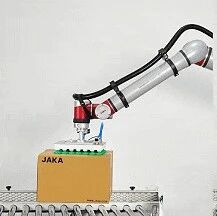
Core Viewpoint - The article emphasizes the importance of high-precision, high-flexibility, and high-speed automation in key industries such as precision manufacturing and electronic assembly, highlighting the advancements in vibration suppression technology that enhance production capacity and product quality while reducing material waste [1][5]. Vibration Suppression Technology - The new vibration suppression algorithm significantly reduces vibration during the startup phase, optimizing vibration amplitude by up to 90% across XYZ axes [2]. - Positioning error during the stopping phase is improved by up to 96%, eliminating the need for secondary adjustments [2]. - Stability under different loads is enhanced, with vibration amplitude fluctuations reduced to ≤5% when switching between 5kg and 10kg loads, compared to over 40% previously [2][8]. - The response speed from static to stable state is improved by 16% [2]. Zero Scrap Assembly Practices - In precision assembly scenarios, especially for fragile electronic components, the stability of robot startup and stopping is critical, with requirements reaching the micron level [3][5]. - The optimized vibration suppression technology achieves a maximum vibration amplitude of around 0.05mm during startup and maintains a positioning error of less than 0.02mm, thus preventing economic losses and improving product qualification rates [5]. Flexible Efficiency in Manufacturing - The article discusses the shift from rigid efficiency to flexible efficiency in industrial manufacturing, particularly in sectors like automotive electronics and medical devices, where production characteristics include small batches and diverse products [6]. - The new technology allows for better responsiveness to load changes, maintaining production efficiency and product quality, particularly in mixed-line production scenarios [6][8]. Quality and Efficiency Synergy - The implementation of vibration suppression technology leads to faster response times in visual-assisted assembly processes, increasing hourly production capacity by approximately 10% without changing camera parameters [9][11]. - The reduction in vibration enhances the stability of camera operations, improving image clarity and precision in component alignment, thus decreasing rework rates caused by poor visual recognition [11]. Future Outlook - The company aims to continue innovating in the field of general-purpose intelligent robotics, focusing on customer needs and leveraging breakthrough technologies to create competitive advantages in quality, ultimately supporting the upgrade of industrial manufacturing [11].
82位用户访谈结论:家用人形机器人或许还远
机器人大讲堂· 2025-09-05 13:59
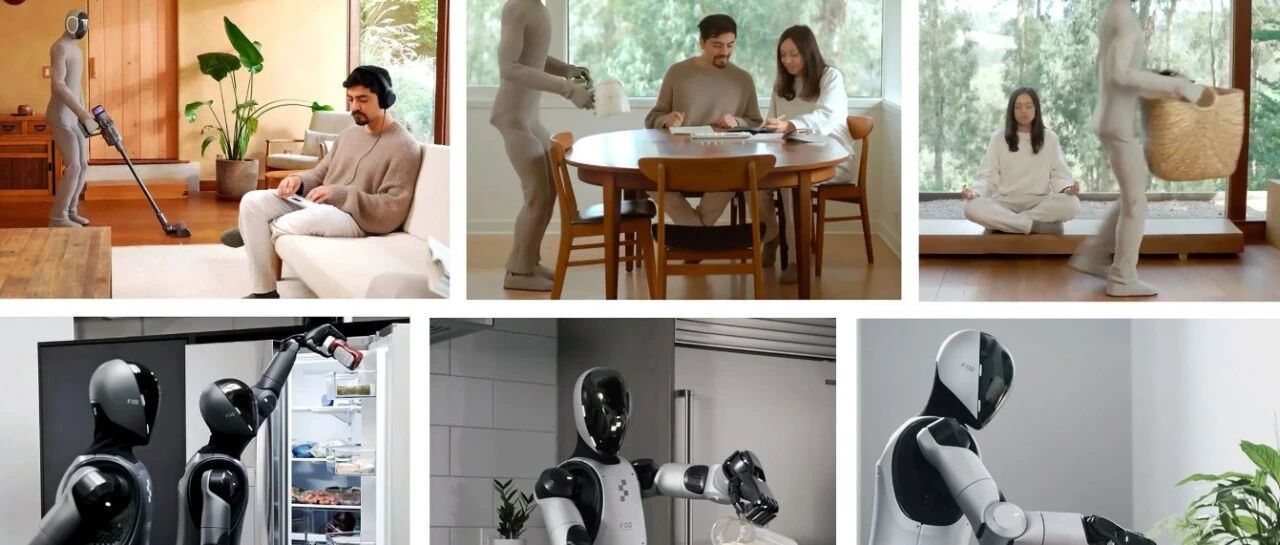
Core Viewpoint - The article discusses the emerging trend of humanoid robots entering households, highlighting both the excitement and skepticism surrounding this development. It emphasizes the need for a more user-centered approach in the design and deployment of household robots, as current trends may not align with user preferences and safety concerns [1][12]. Group 1: Expert Insights - Maya Cakmak, a professor at the University of Washington, expresses her concerns about the practicality of humanoid robots in homes, suggesting that non-humanoid robots may be more effective and user-friendly [3][4]. - Cakmak's research indicates a significant preference among users for specialized robots over humanoid ones, citing safety, privacy, and space concerns as primary reasons [6][8]. Group 2: User Preferences - A study involving 76 participants revealed that most preferred specialized robots for household tasks, associating humanoid robots with safety risks and privacy issues [6][7]. - Users expressed that specialized robots are perceived as safer, more private, and less intrusive compared to humanoid robots, which are often seen as bulky and unnecessary [6][11]. Group 3: Practicality vs. Design - The article highlights a critical contradiction in the industry: while companies pursue humanoid robots for their versatility, users may not require human-like features for effective assistance in household tasks [9][11]. - Cakmak argues that simpler, non-humanoid designs could fulfill most household needs without the complications associated with humanoid robots [11][12]. Group 4: Future Directions - The article concludes that the industry should focus more on user insights and practical applications rather than merely technological advancements. It suggests that companies should share user research data to better align product development with actual user needs [12][14].
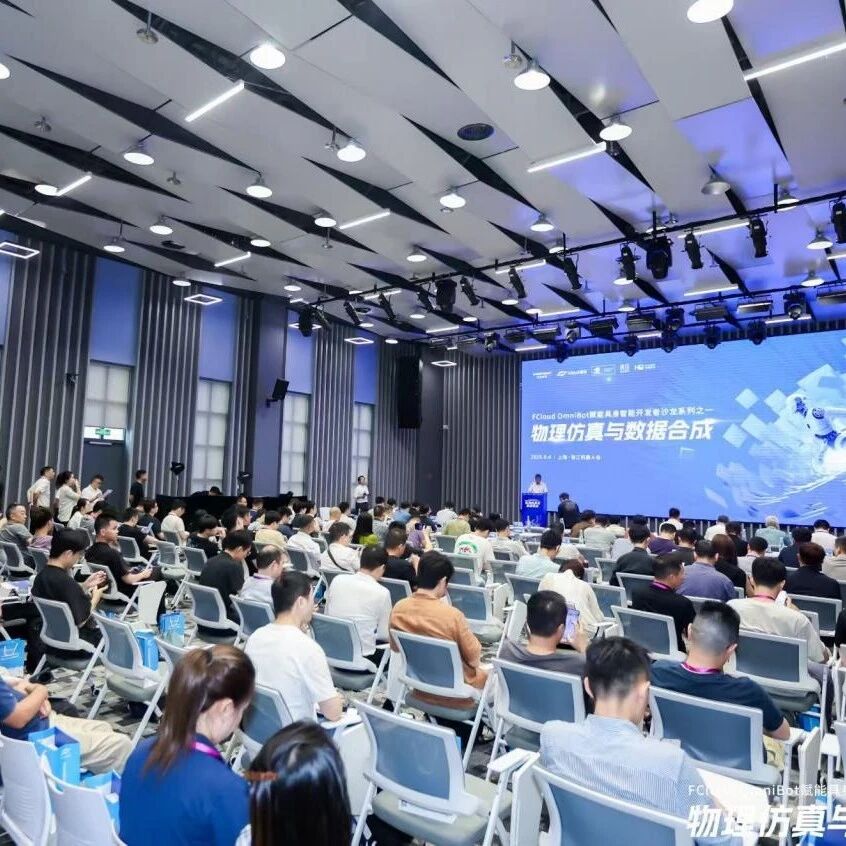
助力机器人产业突破,协创数据FCloud OmniBot赋能具身智能开发者沙龙圆满落幕
机器人大讲堂· 2025-09-05 13:59
Core Viewpoint - The FCloud OmniBot Empowerment Salon focused on the development of embodied intelligence technologies, emphasizing the importance of physical simulation and data synthesis for scaling applications in the robotics industry [1][3][20]. Group 1: Industry Development Opportunities - The event gathered experts from academia, research institutions, and industry to discuss new opportunities for industrial development [3][5]. - Zhangjiang Science City has over 1,000 AI companies, with more than 90 in the field of embodied intelligence, forming a complete industrial chain from core components to complete machine development [5][20]. Group 2: FCloud OmniBot Platform - FCloud has established a 2,000-card computing center in Zhangjiang to support local enterprises, with plans for further expansion [7][9]. - The OmniBot platform addresses three main challenges in embodied intelligence development: simulation environment setup, synthetic data generation, and computing power requirements [9][20]. - OmniBot integrates NVIDIA Isaac Sim and Isaac Lab for high-performance simulation capabilities, allowing developers to access simulation software via cloud desktops without complex local setups [11][20]. Group 3: Technical Innovations - The platform can generate 100 synthetic data points from a single real-world data point, significantly enhancing data collection efficiency [11][20]. - OmniBot supports cloud training and deployment of mainstream models, including specialized models for embodied intelligence [12][20]. - The cloud-edge collaboration model allows developers to train models in the cloud and deploy them on robots, reducing development costs and barriers [12][20]. Group 4: Academic and Technical Sharing - The salon featured discussions on the data gap in the robotics field, highlighting that training data for robots is 6,500 times less than that for large language models [13][20]. - Research from Shanghai Jiao Tong University introduced a novel instruction expression method that improves efficiency and generalization capabilities [15][20]. Group 5: Open Ecosystem and Collaboration - FCloud OmniBot emphasizes ecosystem development, welcoming partnerships from various stakeholders, including robot manufacturers and algorithm developers [18][20]. - The platform operates on a SaaS model, providing flexible access and special policies for students and individual developers to encourage participation [18][20]. Group 6: Future Trends and Prospects - The trend towards simulation-first development is becoming mainstream, with physical simulation seen as key to addressing data scarcity and reducing development costs [20]. - The integration of cloud-edge collaboration is essential for meeting the increasing complexity of robotic tasks [20]. - The continuous decline in computing costs and improvements in simulation technology are expected to lead to large-scale applications of embodied intelligence within the next 3-5 years [20][21].