私募排排网

Search documents
量化基金经理最新十强揭晓!马志宇、徐进、陆政哲领衔!黄铂、施恩、颜学阶等夺冠!
私募排排网· 2025-10-27 03:39
Core Viewpoint - The article highlights the performance of quantitative private equity funds in the first three quarters of the year, showing significant returns that outperform the market, particularly among larger fund managers [2][4]. Summary by Categories Overall Performance - As of September 30, there are 1,694 quantitative products with a total scale of approximately 137.76 billion yuan, achieving an average return of 25.73% in the first three quarters, significantly outperforming the market [2][3]. Performance by Fund Size - **100 Billion and Above**: - 370 quantitative products managed by 86 fund managers achieved an average return of 31.34%, with 99.46% of products showing positive returns [4][5]. - Top fund managers include Ma Zhiyu from Lingjun Investment, Xu Jin, and Lu Zhengzhe from Ningbo Huansheng Quantitative [4][6]. - **50-100 Billion**: - 207 products managed by fund managers in this category achieved an average return of 22.98%, with 95.65% showing positive returns [8][9]. - Leading managers are Huang Bo from Dayan Capital and Zhang Xiangfang from Mingxi Capital [8][10]. - **20-50 Billion**: - 215 products in this range achieved an average return of 23.63%, with 98.14% showing positive returns [11][12]. - Top managers include Shi En from Yunqi Quantitative and Li Jing from Anzi Fund [11][13]. - **10-20 Billion**: - 265 products achieved an average return of 22.43%, with 97.74% showing positive returns [14][15]. - Leading managers are Nie Shouhua and He Jie from Hanrong Investment [14][15]. - **5-10 Billion**: - 260 products achieved an average return of 26.35%, with 94.23% showing positive returns [16]. - Top manager is Cheng Zhitian from Juliang Balanced Fund [16]. - **0-5 Billion**: - 617 products achieved an average return of 22.13%, with 99.19% showing positive returns [17][18]. - Leading managers include Yan Xuejie from Huacheng Private Equity and Wu Zhengpeng from Zhixin Rongke [17][18].

12年7座金牛奖,勇当公募界的创新者 | 一图看懂前海开源基金
私募排排网· 2025-10-27 03:39
Core Viewpoint - Qianhai Kaiyuan Fund Management Co., Ltd. aims to become a respected and trusted asset management company by focusing on innovative wealth management solutions and customized products [4][6]. Company Overview - Established on January 23, 2013, in Shenzhen Qianhai, the company leverages the financial innovation cooperation zone and aims for global outreach [4][6]. - The company operates under a partnership model, emphasizing customer-centricity and compliance while maintaining innovative vitality [6][8]. Business Licenses - The company has obtained various licenses, including fund management qualifications in December 2012, overseas securities investment management in July 2015, and specific client asset management qualifications in June 2016 [9]. Management Scale and Rankings - As of June 30, 2025, the company manages assets totaling 1,047.27 billion, with a non-monetary scale of 816.84 billion, ranking 55 out of 162 in the industry [9]. - The net asset value of equity funds is 508.54 billion, ranking 27 out of 158, while the effective managed asset net value is 475.94 billion, ranking 38 out of 162 [9]. Awards and Recognition - The company has received multiple awards, including the "Golden Bull Fund Company" and "Golden Bull Growth Company Award," among others, as of September 30, 2025 [11]. Product Layout and Performance - The company offers a diverse product line with six major public fund categories and 102 products, including equity, mixed, bond, money market, FOF, and commodity funds [13][14]. - Notable achievements include early investments in military industry products and the launch of the first gold and jewelry mixed fund, which received a Golden Bull Award [14]. Investment Philosophy - The company adheres to an investment philosophy centered on "research creates value," focusing on fundamental research to uncover long-term investment opportunities [22][24]. - It emphasizes absolute return and aims to protect long-term interests of investors while striving for stable and sustainable capital appreciation [23][24]. Social Responsibility - The company has initiated various social responsibility projects, including donations to support public welfare and rural revitalization efforts, totaling 1 million for pandemic prevention and 200,000 for local projects [27][28].
两融余额超2.4万亿!杠杆资金10月逆市加仓半导体!AI龙头寒武纪获买入20亿
私募排排网· 2025-10-26 10:00
Core Viewpoint - The article discusses the current trends in margin trading in the A-share market, highlighting the significant growth in new accounts and the overall balance of margin trading, indicating a strong interest in leveraging investments despite market fluctuations [2][3]. Group 1: Margin Trading Overview - As of September 2025, new margin trading accounts in A-shares reached 205,400, marking a month-on-month increase of 12.24% and a year-on-year increase of 288%, setting a new high for the year [2]. - By October 23, the total margin trading balance in the market reached 2.45 trillion yuan, up 2.38% from the end of September and 31.98% year-to-date [2]. Group 2: Key Companies in Margin Trading - Among the top 30 companies by margin balance, sectors such as securities, communication equipment, and semiconductors are well represented, with notable companies including Ningde Times, which has a margin balance of 180.15 billion yuan and a year-to-date stock price increase of 45.57% [3][4]. - In October, Ningde Times reported a net profit increase of 36.2% year-on-year, with a significant rebound in stock price following the release of its quarterly report [5][6]. Group 3: Companies with Significant Margin Increases - Three companies, including Zhongji Xuchuang, Hanwha Techwin, and Zijin Mining, saw their margin balances increase by over 1 billion yuan, indicating strong investor interest [7]. - Zhongji Xuchuang's margin balance increased by nearly 1.8 billion yuan, with a year-to-date stock price increase of approximately 259% [10][12]. Group 4: Semiconductor Sector Performance - The semiconductor sector has seen significant net buying activity, with Hanwha Techwin leading with a net buying amount exceeding 2 billion yuan, reflecting strong investor confidence in this sector [11][14]. - The overall performance of semiconductor companies has been robust, with many achieving substantial stock price increases this year [11].

慢牛预期下,下一步重点该配置什么?| 市场观察
私募排排网· 2025-10-26 03:04
Group 1: Market Overview - The A-share market has shown a stable upward trend since October, with the Shanghai Composite Index surpassing 3950 points, approaching the 4000-point mark, supported by the 20th Central Committee's emphasis on technological self-reliance and comprehensive reform [4] - The macroeconomic environment is characterized by moderate inflation, declining interest rates, and ample liquidity, which are solidifying the valuation bottom for risk assets [4] - Northbound capital transactions reached 1.1 trillion yuan this week, maintaining a high level despite a decrease from 1.5 trillion yuan the previous week [4] Group 2: Global Monetary Policy - Major global central banks have shifted towards easing monetary policy, with expectations of further rate cuts from the Federal Reserve in October or December [8] - The U.S. September CPI rose by 3.0%, below market expectations, indicating a stable trend of declining inflation [8] - Historical trends suggest that a rate-cutting cycle combined with a weak dollar often leads to significant recovery in the A-share market [8] Group 3: Policy and Economic Growth - The 20th Central Committee's meeting has injected new medium- to long-term confidence into the market, focusing on high-quality development and emphasizing technological self-reliance and modernization [15] - Policies are increasingly supporting structural and long-term growth, with a focus on technological innovation, expanding domestic demand, and enhancing the capital market's resilience [12][15] - The current macroeconomic environment is expected to lead to a "steady upward" phase in corporate profits, particularly in manufacturing and technology sectors [12] Group 4: Investment Opportunities - The A-share market is transitioning from short-term speculation to medium-term positioning, with technology growth and dividend stability forming the dual investment focus [14] - Technology manufacturing remains a core driver of market momentum, benefiting from policy support and increased R&D investment [16] - Dividend assets are seen as a stable foundation for growth, with state-owned enterprises enhancing their dividend payout ratios [17] - The CSI A500 index represents a balanced growth opportunity, combining growth potential with stability [18]

百亿量化指增前三季度谁最强?明汯、蒙玺、鸣石、微观博易纷纷领跑!
私募排排网· 2025-10-26 03:04
Core Viewpoint - The private equity index enhancement strategies have shown strong excess return capabilities in the first three quarters of this year, particularly among billion-level quantitative private equity managers, who leverage refined factor extraction and strict risk control systems to maintain their leading advantages [2][4]. Group 1: Performance Overview - As of the end of September, the average annual return of 231 billion-level quantitative private equity index enhancement products was 43.82%, with an average excess return of 14.89% [2]. - The quantitative stock selection and CSI 1000 index enhancement products led in excess returns [2]. - The average excess return for the CSI 500 index enhancement products was 10.71%, with an average drawdown of 4.44% [6]. Group 2: Top Performers - The top performers in the CSI 500 index enhancement category included companies like 顽岩资产, 鸣石基金, and 世纪前沿, showcasing strong excess return capabilities [5][6]. - 明汯投资's "明汯价值成长1期B号" and 蒙玺投资's "蒙玺中证1000指数量化5号A类份额" were highlighted as top products in the CSI 1000 index enhancement category [10][12]. - 龙旗科技's "龙旗科技创新精选1号C类份额" achieved the highest excess return in the quantitative stock selection category [14][16]. Group 3: Strategy Insights - The CSI 1000 index enhancement products are noted for their potential to exploit mispricing opportunities due to their large number of constituent stocks and low institutional coverage [10]. - The quantitative stock selection strategy, which relies on multi-factor models to identify stocks with expected excess returns, has shown an average excess return of 23.63% [14]. - The average return for quantitative stock selection products was 49.43%, with an average drawdown of 6.91% [14]. Group 4: Other Index Enhancements - Other index enhancement strategies, including CSI 2000 and national index enhancements, reported an average excess return of 14.92% and an average drawdown of 3.90% [17][19]. - Companies like 聚宽投资 and 微观博易 were recognized among the top performers in the other index enhancement category [17][19].
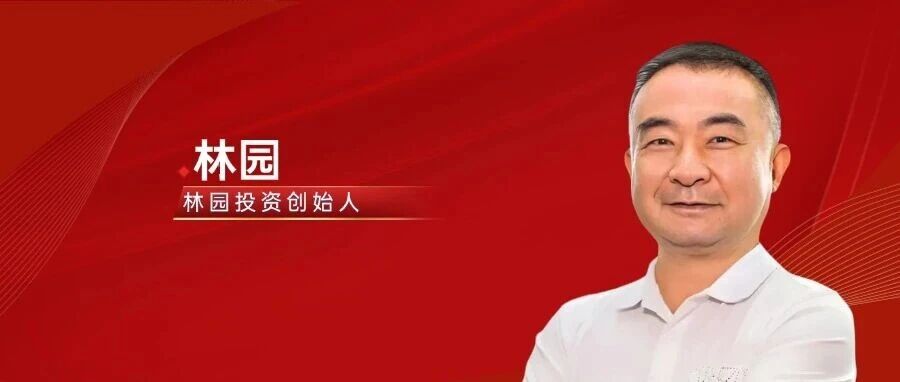
赚钱和发展是两回事!林园最新回应:没压力,未来坚持自己!
私募排排网· 2025-10-26 00:00
Core Viewpoint - Lin Yuan emphasizes the importance of long-term investment strategies and the distinction between development and profitability, particularly in the context of emerging technologies like AI [4][25][28]. Group 1: Investment Philosophy - Lin Yuan's investment approach is characterized by a "buy and hold" strategy, focusing on the intrinsic value of companies rather than short-term market fluctuations [8][11]. - The belief that stock market volatility is normal and that long-term holding is a sound strategy is reiterated, with no pressure felt from performance dips [11][32]. - The true risk in investing is identified as buying the wrong company, with risk management being established at the point of purchase [13][14]. Group 2: Market Outlook - Lin Yuan maintains that the A-share market is currently in an optimal environment for investment, with a bullish outlook starting from the 4300-point mark on the Shanghai Composite Index [4][39]. - The focus on sectors related to aging populations and health consumption is highlighted as a key area for future investment [20][24]. Group 3: Technology and Innovation - There is a cautious stance towards investing in AI and other emerging technologies, with the assertion that technological advancement does not guarantee investment returns [25][28]. - Lin Yuan points out that while technological innovations drive societal progress, they do not always translate into high profits for investors [25][27]. Group 4: Consumer Behavior and Market Trends - The concept of "addictive consumption" is discussed, with a belief that emotional value and human needs will remain constant despite technological changes [20][24]. - The notion of "no consumption downgrade" is presented, arguing that consumer behavior is rationalizing rather than declining, particularly in essential goods like pharmaceuticals [32][33]. Group 5: Sector-Specific Insights - The long-term value of traditional sectors such as liquor and pharmaceuticals is affirmed, with a focus on their stable demand despite market fluctuations [38][36]. - The potential for growth in China's innovative pharmaceutical sector is recognized, driven by a large population and capital investment [34][36].
主观私募霸榜“量化之都”10强!幻方位居杭州10强!深圳私募整体业绩领先!
私募排排网· 2025-10-25 10:00
Core Insights - The private equity industry in China is concentrated in economically developed cities such as Beijing, Shanghai, Shenzhen, Guangzhou, and Hangzhou, with a total of 633 private equity firms across 45 cities as of September 2025 [2] - Shenzhen leads with a median return of over 30% in the first three quarters of 2025, outperforming other major cities [2] Summary by Region Shanghai - Shanghai has 195 private equity firms, with a median return of 22.04% in the first three quarters of 2025 [3][7] - The top five firms in Shanghai by average return are Shanghai Hengsui Asset, Tongben Investment, Jiugao Investment, Longhang Asset, and Ruiyang Investment [8] - Only one firm, Fusheng Asset, is a hundred-billion private equity firm, achieving significant returns [11] Shenzhen - Shenzhen has 111 private equity firms, with a median return of 30.12% [13] - The top five firms in Shenzhen by average return are Fuyuan Capital, Rongshu Investment, Nengjing Investment Holdings, Shenzhen Zeyuan, and Yiku Capital [14] - Wangzheng Asset is the only hundred-billion private equity firm in Shenzhen, ranking second among hundred-billion firms [17] Beijing - Beijing has 87 private equity firms, with a median return of 22.61% [19] - The top five firms in Beijing by average return are Beijing Xiyue Private Equity, Beiheng Fund, Guiding Fund, Yuanxin Investment, and Lingjun Investment, with the latter two being hundred-billion firms [22] Guangzhou - Guangzhou has 35 private equity firms, with a median return of 29.03% [24] - The top five firms in Guangzhou by average return are Jingyan Private Equity, Sanhe Chuangying, Hainan Xiangyuan Private Equity, Zeyuan Investment, and Lisi Fund, with Abama Investment being the only hundred-billion firm [28] Hangzhou - Hangzhou has 47 private equity firms, with a median return close to 29% [30] - The top five firms in Hangzhou by average return are Nongfu Private Equity, Haokun Shengfa Asset, Berkshire Investment, Yunqi Quantitative, and Hangzhou Boyan Private Equity [31] Other Regions - Other regions have 158 private equity firms, with the top five being Luyuan Private Equity, Longyin Huaxiao, Yidian Najin (Quanzhou) Private Equity, Yijiu (Hainan) Private Fund, and Juli Fund [35][36] - Luyuan Private Equity, a newly established firm, has shown significant growth in its first year [41]
近半年“主观多头VS量化多头”!但斌、吴悦风位列前5!翰荣、顽岩、念觉领衔!
私募排排网· 2025-10-25 03:28
Core Insights - The market has recovered from the impact of tariffs since April, providing opportunities for private equity stock strategy products, with significant performance differences between subjective long and quantitative long strategies [2] - From April to June, themes like AI computing power and humanoid robots gained traction, benefiting quantitative long products due to their advantages in diversified and programmatic trading [2] - From July to September, A-share indices reached new highs, leading to a notable recovery in the performance of subjective long products focusing on popular sectors [2] Performance Summary - As of October 17, 2025, there are 2,112 subjective long products and 862 quantitative long products with nearly six months of performance data, yielding average returns of 29.62% and 29.43% respectively [2] - In the category of private equity funds with assets over 5 billion, subjective long products outperformed quantitative long products [4] Top Performing Products - In the 50 billion and above category, the top subjective long products include those managed by Wang Aoye, Guan Xin, and Cai Zhijun, with average returns of 34.77% [5][6] - The top three products in the 10-50 billion category are managed by Shi Hao, Zhang Hui, and Tang Yunjie, with the average return for subjective long products at 29.8% [11][12] Quantitative Long Products - In the 10-50 billion category, the top three quantitative long products are managed by Jin Teng, Wang Xiao, and Yin Tao, with an average return of 31.89% [8][9] - The top performing quantitative long product in the 0-10 billion category is managed by Wu Yufeng, with significant recent gains attributed to investments in Bitcoin and AI leaders [20][21] Market Trends - The article highlights a shift towards AI and technology investments, with notable holdings in companies like Nvidia and Google by leading fund managers [7][24] - The "deep earth economy" concept is emerging, with potential market opportunities exceeding trillions [24]

14位基金经理晋级"百亿操盘手"!第一名今年收益超192%!
私募排排网· 2025-10-25 03:28
Core Viewpoint - The current structural market trend in A-shares continues, with Goldman Sachs indicating that a "slow bull market in Chinese stocks is forming" [4] Group 1: Fund Manager Growth - As of October 22, 2025, 14 new fund managers have reached a management scale of over 10 billion yuan, primarily from 10 public fund institutions [4] - Notable growth includes Ren Jie from Yongying Fund, whose management scale surged from 1.166 billion yuan to 12.878 billion yuan, marking an increase of 1004% [4][5] - Other fund managers such as Gao Zhe and Li Xiaohua also achieved significant growth, with management scales doubling [4][5] Group 2: Performance of New Billionaire Fund Managers - The rapid growth in management scale is often accompanied by outstanding performance, with Ren Jie achieving a return of 192.05% this year [6] - Fund managers focusing on index products, such as Gao Zhe and Li Xiaohua, have also reported returns exceeding 50% over the past year [6] Group 3: Active vs. Index Funds - The article distinguishes between active equity funds and index funds, highlighting that index funds tend to perform well in a rising market due to their transparent holdings and high liquidity [9] - Active equity funds rely on the fund manager's stock selection and timing abilities, potentially offering greater returns in a market with sector rotations [9][10] Group 4: Top Performing Active Funds - Among active equity products, Yongying Technology Smart Mixed A Fund has achieved a return of 194.96% this year, significantly outperforming its benchmark of 38.05% [11] - Other notable funds include Huafu Yongxin Flexible Allocation Mixed A, which returned 81.82% against a benchmark of 9.04% [11] Group 5: Index Fund Performance - Index funds have also shown strong performance, particularly in sectors like gold and artificial intelligence, with the Gold Stock ETF returning 87.70% this year [13] - A total of 64 index funds have over 50% of their assets in stocks, with 6 funds achieving returns above 50% this year [13]

最新股票策略私募公司榜揭晓!中小量化私募突围寥寥!幻方量化、黑翼、云起量化、超量子基金等居前!
私募排排网· 2025-10-24 10:14
Core Viewpoint - The A-share market has shown strong performance in 2023, driven by favorable policies, breakthroughs in technology, and a recovery in risk appetite among investors, with the Shanghai Composite Index rising approximately 15.84% and the ChiNext Index soaring 51.20% by the end of September [2] Summary by Sections Market Performance - As of September 2023, the A-share market is characterized by a "slow bull" trend, with significant gains in sectors such as innovative pharmaceuticals, humanoid robots, computing power, and "anti-involution" themes [2] Private Equity Performance - Private equity products related to stock strategies have performed well, with 3,166 products showing a total scale of approximately 271.1 billion yuan and an average return of 35.70%, outperforming the overall market average return of 28.72% [2][3] Strategy Performance Comparison - The average returns for various private equity strategies are as follows: - Stock strategies: 35.70% - Multi-asset strategies: 23.10% - Combination funds: 16.79% - Futures and derivatives strategies: 13.96% - Bond strategies: 11.23% [3] Top Performing Private Equity Firms - The top private equity firms in the stock strategy category are categorized by asset size, with notable performances from firms such as Fusheng Asset, Wangzheng Asset, and Lingjun Investment, which have achieved high average returns [4][7][8] Detailed Performance by Asset Size - For firms with over 100 billion yuan in assets, Fusheng Asset leads with the highest returns, followed by Wangzheng Asset and Lingjun Investment [4][7] - In the 50-100 billion yuan category, firms like Tongben Investment and Ruiyang Investment have shown strong performance [9][11] - The 20-50 billion yuan category features firms such as Beijing Xiyue Private Equity and Rongshu Investment as top performers [14] - In the 10-20 billion yuan category, Nengjing Investment Holdings ranks among the top [18][21] - For the 5-10 billion yuan category, firms like Fuyuan Capital and Shanghai Hengsui Asset are leading [22][27] - In the 0-5 billion yuan category, Longhuixiang Investment has achieved the highest average returns [28][31]