CNCB(00998)

Search documents
银行业周报(20250630-20250706):CIPS规则修订,为何改?改了什么?-20250706
Huachuang Securities· 2025-07-06 12:16
Investment Rating - The report maintains a "Recommended" investment rating for the banking sector, expecting the sector index to outperform the benchmark index by more than 5% in the next 3-6 months [24]. Core Insights - The report highlights the recent revisions to the CIPS (Cross-border Interbank Payment System) rules, which aim to enhance the management of participants and adapt to the growing cross-border e-commerce trade, projected to reach approximately 2.71 trillion yuan in 2024, a 14% year-on-year increase [3][4]. - The CIPS system processed 8.2169 million transactions amounting to 175.49 trillion yuan in 2024, reflecting a significant year-on-year growth of 42.60% [3]. - The report emphasizes the flexibility introduced in the new CIPS rules, allowing financial market infrastructure participants to open CIPS accounts based on business needs rather than strict management requirements [4]. Summary by Sections CIPS Overview - CIPS is a clearing system for cross-border payments in RMB, distinct from SWIFT's messaging system, and has seen a substantial increase in participation, with 174 direct participants and 1,509 indirect participants across 120 countries [2][3]. Recent Developments - The new rules include relaxed entry conditions for system participants, allowing for a more flexible approach to participant management [4]. - The rules specify that foreign direct participants must select domestic direct participants as fund custodians, as foreign banks lack CNAPS accounts [4]. Risk Management Enhancements - The updated regulations detail business processing and risk management requirements, mandating that participants establish robust risk management frameworks and adhere to international anti-money laundering standards [4]. Market Performance - The banking sector index rose by 3.77% during the reporting period, outperforming the CSI 300 index by 2.23 percentage points [8]. - The report suggests a focus on banks with high dividend yields and strong asset quality, recommending major state-owned banks and select regional banks for investment [9]. Company Forecasts - Key banks such as Ningbo Bank, Jiangsu Bank, and China Merchants Bank are highlighted with positive earnings forecasts and investment ratings, indicating strong potential for returns [10].



全市场发行超6200亿元 中小银行加速入局科创债
经济观察报· 2025-07-05 08:34
Core Viewpoint - The issuance of technology innovation bonds (科创债) has gained momentum, with various banks participating actively, indicating a strong market response to the supportive policies introduced for these bonds [2][6][12]. Group 1: Issuance Overview - As of July 3, 2025, a total of 419 technology innovation bonds have been issued, with an aggregate issuance scale exceeding 620 billion yuan, highlighting the growing interest in this financial instrument [2]. - Among the issuers, banks have emerged as the main players, having issued 27 bonds with a total scale of over 220 billion yuan [2][3]. Group 2: Bank Participation - Large banks lead in issuance scale, while small and medium-sized banks are also entering the market, with 11 banks participating in the issuance process [3][4]. - The issuance scale of city commercial banks and rural commercial banks collectively reached 391 billion yuan, with notable contributions from banks like Beijing Bank (80 billion yuan) and Shanghai Bank (50 billion yuan) [6][7]. Group 3: Interest Rates and Credit Ratings - The credit ratings of the issuers are predominantly high, with most banks rated AAA, except for one rated AA+ [3][7]. - The interest rates for technology innovation bonds vary, with large banks offering rates between 1.17% and 1.65%, while small and medium-sized banks have higher rates, with some reaching up to 1.95% [3][10]. Group 4: Fund Utilization - The funds raised through technology innovation bonds are primarily directed towards supporting technology loans and investing in bonds issued by technology innovation enterprises, creating a synergistic effect [11]. - Major banks have consistently used the proceeds for "issuing technology loans," while some also invest in technology innovation enterprises' bonds [11]. Group 5: Future Trends - The market is expected to see innovations in bond products and an expansion of issuing entities, with banks likely to introduce more flexible bond terms to cater to the specific needs of technology enterprises [12]. - There is a growing emphasis on technology finance as a strategic focus for banks, particularly among small and medium-sized banks, which may accelerate their participation in the technology innovation bond market [12].






中信银行嘉兴分行:金融“活水”润民企
Ren Min Wang· 2025-07-04 11:54
Core Viewpoint - The article highlights the significant role of CITIC Bank's Jiaxing branch in supporting the high-quality development of the local private economy through enhanced financial services and innovative products. Group 1: Financial Support and Growth - The loan balance for private enterprises has exceeded 11.2 billion, with an increase of 1.18 billion compared to the beginning of the year, and the loan proportion has reached 25.4%, up by 0.64 percentage points [1] - CITIC Bank Jiaxing branch has established special leadership and working groups to enhance support for private enterprises, introducing various loan subsidy policies to stimulate growth [1] - The bank has implemented a "direct access" service mechanism to streamline approval processes, allowing quality enterprises to receive credit support more quickly [1] Group 2: Focus on Manufacturing and Specialized Enterprises - As of June 2025, the loan balance for private manufacturing enterprises reached 10.3 billion, increasing by 1.58 billion from the beginning of the year, with a loan proportion of 92.06% among private enterprises [2] - The bank has achieved deep coverage in the "specialized, refined, distinctive, and innovative" sector, with a service coverage rate exceeding 80% for local enterprises [2] - Innovative financing models such as equity pledges and accounts receivable pledges have been explored, with over 900 million in loans issued through these methods [2] Group 3: Innovative Products and Services - In 2024, CITIC Bank Jiaxing branch has disbursed 7 billion in funds to support the high-quality development of advanced manufacturing clusters [3] - The bank has successfully issued 150 million in technology innovation bonds to a leading fiberglass company, marking a breakthrough in non-listed private enterprise bond issuance [3] - Various online products such as "Xinyun" and "Small Business Instant Loan" have been introduced to provide flexible financing options for enterprises [3] Group 4: Future Commitment - The bank plans to continue its focus on the private economy, providing high-quality financial services to assist private enterprises in achieving sustainable and stable growth [4]
科创债全市场发行超6200亿元 中小银行加速入场
Jing Ji Guan Cha Wang· 2025-07-04 09:54
Core Insights - The launch of the Science and Technology Innovation Bonds (科创债) has attracted various participants, with a total issuance of 419 bonds amounting to over 620 billion yuan as of July 3, 2025 [2] - Large banks are leading the issuance, while small and medium-sized banks are also entering the market, increasing the number of issuers to 11 [2] - The credit ratings of the issuers are predominantly high, with most rated AAA, and the interest rates for small and medium-sized banks are higher compared to large banks [2][4] Issuance Overview - As of June 30, 2025, policy banks and state-owned banks are the main issuers, with the China Development Bank issuing 3 bonds totaling 20 billion yuan, and major state-owned banks collectively issuing 1.1 billion yuan [4] - The issuance scale of various banks includes 550 billion yuan from joint-stock banks and 391 billion yuan from city and rural commercial banks [4][5] - The issuance of floating-rate bonds has also been noted, with Sichuan Bank issuing the first floating-rate 科创债 [5] Interest Rates - The overall interest rates for 科创债 are relatively low, with the weighted average interest rate for commercial banks decreasing by 5 basis points [6] - The lowest rates are observed in the China Development Bank's bonds, with rates as low as 1.17% for short-term bonds [6] - Small and medium-sized banks face higher issuance rates, with some reaching up to 1.95% [6] Fund Utilization - The funds raised through 科创债 are primarily directed towards supporting technology loans and investing in bonds issued by technology innovation enterprises [7] - Major banks have a consistent focus on issuing 科创债 for technology loan disbursement, while some joint-stock and city commercial banks also invest in technology innovation bonds [7] Future Trends - There is potential for innovation in bond products and expansion of issuers in the 科创债 market, with banks likely to introduce more flexible bond terms [8] - Small and medium-sized banks are expected to design issuance plans that align with local industry characteristics and technology enterprise funding needs [8]



7月4日连板股分析:连板股晋级率仅二成 银行板块全天走强
news flash· 2025-07-04 07:47
Market Overview - A total of 39 stocks hit the daily limit up, with 10 stocks on consecutive limit up boards, including 3 stocks with three consecutive limit ups or more [1] - The upgrade rate for consecutive limit up stocks is 21.42%, excluding ST and delisted stocks [1] - Over 4,100 stocks in the market declined, indicating a renewed decrease in market risk appetite [1] Individual Stock Performance - Chengbang Co. experienced a significant drop in the afternoon, turning from green to red, contributing to a decline in the overall limit up stock performance [1] - The highest number of consecutive limit up stocks fell to 4 [1] - Among the 14 limit up stocks from the previous day, only 3 advanced, while 4 stocks hit the daily limit down and 2 stocks fell over 9% [1] Sector Performance - The banking sector showed strong performance throughout the day, with CITIC Bank, Industrial Bank, and Everbright Bank each rising over 3% [1] - Several banks, including CITIC Bank, Industrial Bank, Shanghai Pudong Development Bank, Beijing Bank, and Shanghai Bank, reached historical highs [1] Pharmaceutical Sector - Continuous positive news in the innovative drug sector, with Dize Pharmaceutical's Shuwozhe becoming the first independently developed global innovative drug approved in the U.S. [1] - Concept stocks in this sector continued to strengthen, with Sairui Medical achieving four consecutive limit ups, and Weixin Kang and Guosheng Tang achieving two consecutive limit ups [1] - Rejing Biological hit the daily limit up of 20% [1]



从白酒、新能源汽车和煤炭牛市看银行未来的时间及空间:银行:趋势的力量,坚定的胆量
ZHESHANG SECURITIES· 2025-07-04 07:25
Core Insights - The current CITIC Bank Index has been rising since November 2022, marking a duration of 2 years and 8 months, while the Shanghai Composite Index has been in a narrow range for 8 months from November 2024 to June 2025, indicating a technical bull market for the CITIC Bank Index [1][12] - Historical analysis of the bull markets in the liquor, new energy vehicle, and coal industries reveals that the banking sector may be in the mid-stage of a bull market, with the CITIC Bank Index's price-to-book (PB) ratio expected to recover from 0.5X in October 2022 to around 0.8-0.9X [1][5] Liquor Industry (2016-2021) - The liquor market experienced a significant rise driven by wealth effects and consumption upgrades, with the index increasing by 180% from January 2016 to June 2018, supported by a 86.5% increase in net profit attributable to the parent company [2][25] - From November 2018 to February 2021, the MSCI expansion and increased foreign capital inflow provided additional funds, leading to a 302% rise in the index, with a 181.7% increase in price-to-earnings (PE) ratio [2][33] New Energy Vehicle Industry (2019-2021) - The new energy vehicle sector saw a global industry resonance, with significant policy support and a focus on thematic investments, resulting in a 68.2% increase in the index from November 2019 to January 2021, despite a 9.9% decline in net profit [40][46] - From March 2021 to November 2021, the rapid increase in penetration rates and public fund allocations led to a 75.4% rise in the index, driven by performance realization [40][51] Coal Industry (2020-2024) - The coal sector experienced a new boom due to supply-demand imbalances and significant capital expenditure reductions from 2016 to 2018, leading to a 158.1% increase in the index from March 2020 to September 2022, primarily driven by a substantial increase in net profit [4][25] - From June 2023 to June 2024, the coal sector's high dividend characteristics attracted capital, resulting in a notable valuation increase [4][29] Banking Sector (2022-Present) - The banking sector is characterized by a macro narrative of "asset scarcity" and potential incremental funds from insurance capital and public fund adjustments, indicating that the sector is currently in a bull market [5][12] - The duration of the banking bull market, which began in October 2022, is comparable to traditional industries like liquor and coal, suggesting it may still have room to grow [5][12]
中信银行上饶分行成功落地首笔国家外汇管理局跨境融资服务平台本地放款业务
Zhong Guo Jin Rong Xin Xi Wang· 2025-07-04 06:19
Core Insights - CITIC Bank's Shangrao branch successfully completed a RMB 5 million accounts receivable financing for a local electronics company, marking it as the first joint-stock bank in Shangrao to provide local accounts receivable financing [1][2] - The State Administration of Foreign Exchange (SAFE) in Shangrao has been actively promoting the facilitation of cross-border financing policies, aiming to reduce financing costs and improve capital turnover efficiency for enterprises [1] - The financing will alleviate the export business's account period pressure for the electronics company, providing effective financial support for its international market expansion [1] Company Actions - CITIC Bank's Shangrao branch responded quickly to policy guidance, completing system integration, process optimization, and business filing to achieve local financing service [1][2] - The branch plans to deepen collaboration with SAFE and continue optimizing international business service models to provide integrated financial solutions for more local enterprises [2] Industry Impact - The successful implementation of this financing service sets a new benchmark for regional cross-border financial services [1] - SAFE officials expressed expectations for CITIC Bank to continue leveraging its advantages as a joint-stock bank to support the high-quality development of Shangrao's export-oriented economy [2]
科创债发行规模超6200亿元 逾七成评级AAA
Zheng Quan Shi Bao· 2025-07-03 18:52
Core Viewpoint - The issuance of technology innovation bonds (referred to as "Sci-Tech Bonds") has seen a significant increase since the policy was implemented in May, with a total issuance exceeding 620 billion yuan by early July, primarily driven by state-owned enterprises [1][2]. Group 1: Issuance Overview - As of July 3, a total of 419 Sci-Tech Bonds have been issued, with a total issuance scale surpassing 620 billion yuan [1]. - Central state-owned enterprises (SOEs) and local SOEs are the main issuers, accounting for 49.90% and 36.18% of the total issuance, respectively [1]. - The average rating of issuers has remained high, with 74.70% of the bonds rated AAA since May 7 [1]. Group 2: Industry Participation - Banks have emerged as the primary issuers of Sci-Tech Bonds, with 23 banks issuing a total of 224.1 billion yuan [1]. - Notable issuers include China Construction Bank with 30 billion yuan, and several other major banks each issuing 20 billion yuan [1]. Group 3: Expansion to Smaller Banks - In June, smaller banks such as Chongqing Bank and Nanjing Bank began participating in the issuance of Sci-Tech Bonds [2]. - Various private equity investment institutions have also started issuing Sci-Tech Bonds, supported by recent credit enhancement measures [2]. Group 4: Interest Rates and Comparisons - The issuance rates for many Sci-Tech Bonds have reached historical lows for the issuers, benefiting from a low-interest-rate environment and policy support [2]. - AAA-rated Sci-Tech Bonds have a weighted average issuance rate significantly lower than that of non-Sci-Tech bonds of the same rating, with differences ranging from 2 to 47 basis points across various issuer types [2]. Group 5: Market Support for SMEs - The Sci-Tech Bond market indirectly supports small and medium-sized technology enterprises through funding from financial institutions and large SOEs [3]. - The long-term health of the bond market will require a more diversified range of issuers and enhanced credit accessibility for lower-rated entities [3].

中信银行贵阳花溪支行多措并举提升服务质效,打造温暖金融窗口
Zhong Guo Jin Rong Xin Xi Wang· 2025-07-03 07:39
转自:新华财经 近日,为进一步提升客户服务体验,增强公众金融安全意识,中信银行贵阳花溪支行开展了一系列形式 多样、内容丰富的金融服务宣传活动,切实将金融知识普及与优质服务理念融入日常经营管理,积极打 造有温度、有责任、有担当的金融服务窗口。 深入老年群体,宣传贴近民生 一把手讲消保,强化服务理念 厅堂宣传常态化,服务细节暖人心 在日常营业过程中,中信银行贵阳花溪支行坚持将消费者权益保护宣传融入厅堂服务全流程。通过设置 宣传展板、发放宣传手册、播放宣传视频等形式,向客户普及金融知识;工作人员主动引导客户了解存 款保险、反诈防骗、理财风险提示等内容,帮助客户提升金融素养和自我保护能力。 未来,中信银行贵阳花溪支行将继续坚持"以客户为中心"的服务理念,持续深化服务内涵、创新宣传方 式和服务模式,不断强化金融服务的专业性、精准性和温度感,以"有温度"的服务提升客户全方位体 验,助力打造"区域领先的财富管理银行"。(陈新宇) 今年是存款保险制度实施10周年,花溪支行走进合作老年大学,开展"存保十年,守护万家"主题宣传活 动。活动现场,工作人员通过通俗易懂的语言向老年学员讲解存款保险制度、金融消费者权益保护相关 知识,并 ...
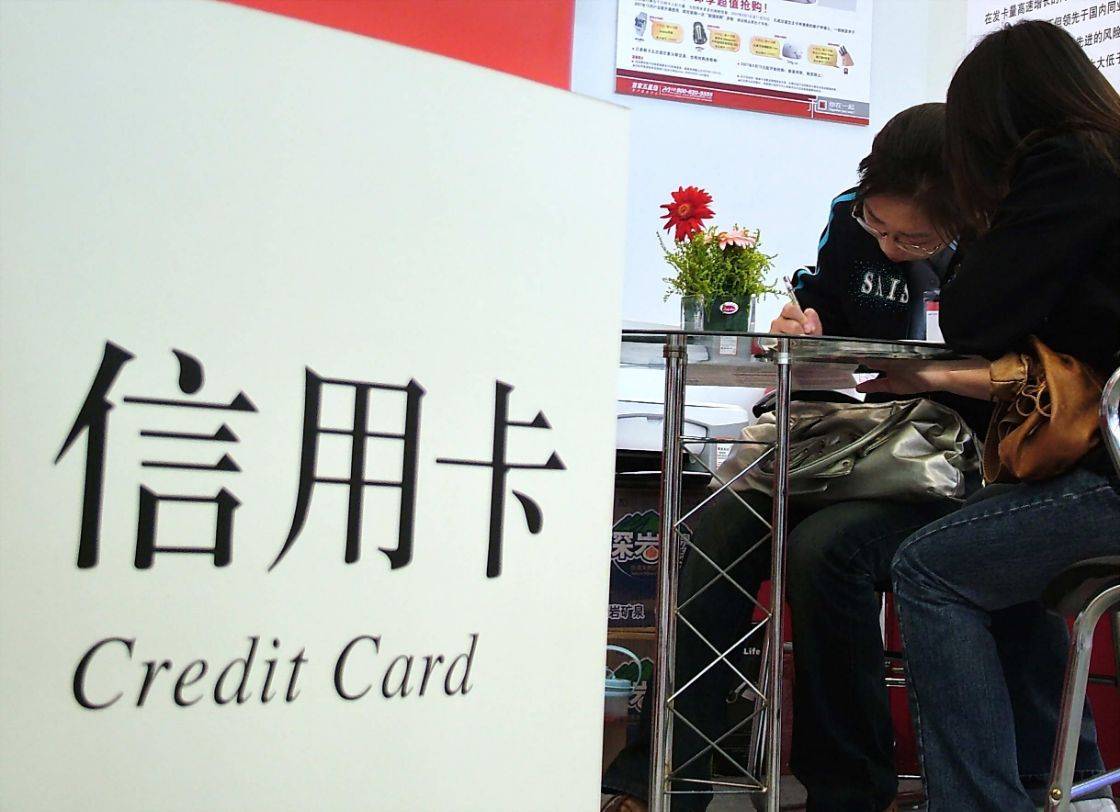
夏日消费热力十足|瞄准暑期经济 银行发力信用卡业务
Sou Hu Cai Jing· 2025-07-03 04:23
Group 1 - The core viewpoint of the articles highlights a significant increase in travel demand during the summer, with a 70% rise in the number of travelers and an 80% increase in GMV compared to the previous year [1] - Various banks are launching credit card promotions to capture the booming travel market, offering cashback, discounts, and double points to attract consumers [1][3] - The credit card business of commercial banks is undergoing a transformation from scale expansion to quality improvement, facing challenges such as market saturation and regulatory tightening [2][6] Group 2 - Banks are targeting the summer economy with tailored credit card offers, such as cultural-themed cards and partnerships with local attractions to enhance customer engagement [3][4] - Several banks are focusing on outbound travel, providing substantial cashback and discounts for international spending, indicating a strategic push to cater to travelers [4] - The initiatives by banks align with government policies aimed at boosting consumption, reflecting a proactive response to optimize the consumer environment [5] Group 3 - The promotional activities are primarily aimed at attracting new customers, particularly recent graduates, as banks shift their focus from sheer volume to effective growth metrics [6] - Experts suggest that future competition among banks will evolve from price wars to a focus on comprehensive service capabilities, emphasizing the need for deep integration with the travel industry [7]