TCL ELECTRONICS(01070)

Search documents
国内验证:产链壁垒,海外降维,三代黑电MiniLED从领先迈向全面突破
East Money Securities· 2025-12-31 13:33
Investment Rating - The report maintains an "Outperform" rating for the home appliance industry, specifically focusing on the Mini LED segment [2]. Core Insights - The Mini LED technology is positioned as a core driver of transformation in the black electrical appliance sector, with significant advancements in display technology and market penetration expected [16][17]. - The report highlights a shift in consumer preferences towards larger screen sizes and superior picture quality, which Mini LED technology addresses effectively [21][34]. - The competitive landscape is evolving, with domestic brands leveraging cost advantages and government subsidies to enhance market share both locally and internationally [6][49]. Summary by Sections 1. Mini LED as the Core Driver of Black Electrical Transformation - Mini LED technology represents the third generation of display technology, competing with OLED and other emerging technologies [18]. - The performance of Mini LED displays, particularly in brightness and longevity, positions it favorably against OLED, which excels in flexibility and contrast [21][22]. - The global sales of Mini LED TVs are projected to surpass those of OLED TVs for the first time in 2024, with a significant increase in market penetration expected [22][24]. 2. Building High Barriers in the Mini LED Supply Chain - The report discusses the optimization of the Mini LED backlight industry and the advantages of high-generation panel layouts, which strengthen the competitive position of domestic manufacturers [2.1][2.2]. - The cost of 65-inch Mini LED backlight modules is expected to decrease significantly from $150 in 2023 to a range of $80-100 by 2025, enhancing profitability for domestic suppliers [2.3]. - The report emphasizes the importance of the supply chain's evolution, with key players like 聚飞光电 and 京东方 showing strong revenue growth and margin improvements [2.4][54]. 3. Domestic Brands Expanding Internationally with Mini LED - Chinese brands are strategically entering high-value markets in the U.S. and Europe, capitalizing on the mismatch in supply and demand for high-end televisions [3.1][3.2]. - The report notes that the average size of televisions in China is expected to exceed the global average by 11.3 inches by 2025, indicating a strong trend towards larger displays [5]. - The competitive dynamics are shifting, with Chinese brands like TCL and Hisense aggressively expanding their presence in emerging markets while traditional Korean brands adopt a more conservative approach [5][6]. 4. Market Dynamics and Consumer Preferences - The report identifies a significant shift in consumer purchasing criteria, with an increasing focus on picture quality and size rather than just price [41]. - The penetration of Mini LED technology is driven by a cycle of price reduction and increased demand, which is expected to continue as production costs decrease [46][49]. - The sales data from 京东 indicates a substantial increase in the market share of Mini LED TVs, reflecting the successful implementation of competitive pricing strategies by brands like 小米 [46][49].





家用电器行业投资策略周报-20251230
CAITONG SECURITIES· 2025-12-30 13:17
Core Insights - The report maintains a positive outlook on the home appliance sector, particularly focusing on the cost reduction potential of aluminum replacing copper in air conditioning systems [2][5] - The adoption of aluminum-copper technology is seen as a significant step towards reducing production costs amid rising copper prices and resource scarcity [10][15] Group 1: Aluminum-Copper Technology Impact - The use of aluminum instead of copper in air conditioning units can lead to substantial cost savings, with estimates suggesting a reduction of 208 to 277 RMB per unit when replacing 50% of copper, and up to 416 to 554 RMB when replacing 100% [11][12] - Copper currently constitutes about 26% to 33% of the cost in standard air conditioning units, with high-end models reaching over 40% [11][12] - The global market has seen significant adoption of aluminum-copper products, particularly in Japan where approximately 40% to 50% of air conditioners use aluminum heat exchangers [15][16] Group 2: Domestic Market Challenges - Despite the cost advantages, the domestic promotion of aluminum-copper air conditioners faces challenges, including inferior thermal conductivity and corrosion resistance compared to copper [19][20] - Consumer perception is a major barrier, as negative opinions about aluminum's reliability persist, complicating market acceptance [19][20] - The first domestic aluminum-copper air conditioner was launched by Wanbao in collaboration with JD.com, targeting the mid-to-low-end market, which may help accelerate industry-wide material transitions [16][17] Group 3: Industry Performance and Trends - The home appliance sector has shown mixed performance, with the overall index increasing by 0.44%, while specific segments like white goods and black goods experienced varied changes [21][22] - Recent data indicates a decline in domestic sales growth for air conditioners, refrigerators, and washing machines, reflecting broader market challenges [33][47] - The report highlights the importance of monitoring raw material prices, with copper and aluminum prices showing significant fluctuations that could impact production costs [29][31]





2025年全球彩电市场微跌 中国双雄进一步逼近三星
Di Yi Cai Jing· 2025-12-29 02:12
Group 1: Market Trends - The global TV market is expected to see a slight decline in shipments, with a projected total of 221 million units in 2025, down 0.7% year-on-year [1][2] - In contrast, leading Chinese companies TCL and Hisense are expected to increase their market shares, with TCL's shipments projected to reach 30.41 million units (up 5.4%) and Hisense's to 29.26 million units (up 1.4%) [1][2] - The market share of TCL is expected to grow to 13.8%, while Hisense's will reach 13.3%, narrowing the gap with Samsung [1] Group 2: Mini LED Opportunity - The Mini LED TV segment is anticipated to experience significant growth, with global shipments expected to rise by 57.8% to 12.39 million units in 2025, capturing a market share of 6% [2] - In China, Mini LED TV shipments are projected to surge by 92.7% to 8.02 million units, achieving a market share of 23.9% [2] - TCL and Hisense are capitalizing on this trend, with TCL's Mini LED TV shipments increasing by 153.3% and Hisense's by over 76% in the first three quarters of the year [3] Group 3: Competitive Landscape - Samsung's global TV shipments are expected to remain flat at 35.27 million units in 2025, with a minimal market share increase of 0.1% [3] - The competitive advantage of Samsung over Chinese brands is diminishing, as evidenced by Hisense's introduction of RGB-Mini LED TVs, prompting responses from other major brands [3] - Chinese brands are gaining ground in the global market, with TCL, Hisense, Xiaomi, and others occupying multiple spots in the top ten global TV manufacturers [6] Group 4: Supply Chain and Market Strategy - The changing tariff policies are impacting manufacturing bases in China and Southeast Asia, affecting retail prices and consumer demand [4] - TCL and Hisense are expanding their presence in emerging markets like Southeast Asia and Latin America while leveraging local production capabilities to mitigate tariff impacts [4][5] - TCL's average TV selling price in North America has increased by over 15%, with significant growth in larger TV segments [5] Group 5: Future Outlook - The year 2026 is expected to drive TV demand due to major sporting events, with TCL and Hisense sponsoring the 2026 Milan Winter Olympics and World Cup [7] - The RGB-Mini LED TV segment is projected to expand, with anticipated shipments reaching 500,000 units in 2026 [7] - Chinese leading companies are expected to challenge for the top global TV sales position within three years, focusing on core technology and supply chain resilience [7]
年终盘点|2025年全球彩电市场微跌,中国双雄进一步逼近三星
Di Yi Cai Jing· 2025-12-28 02:36
Core Insights - The market share gap between TCL, Hisense, and Samsung in the global TV market has narrowed to 2.2 and 2.7 percentage points respectively [1] Group 1: Market Trends - Despite a slight decline in overall global TV sales, leading Chinese companies are gaining market share, with TCL and Hisense approaching Samsung's dominance [4] - Global TV shipment volume is projected to decrease by 0.7% to 221 million units in 2025, while TCL's shipments are expected to grow by 5.4% to 30.41 million units, increasing its market share to 13.8% [4] - Hisense is projected to ship 29.26 million units in 2025, a 1.4% increase, raising its market share to 13.3% [4] Group 2: Mini LED Opportunity - The global TV market is under pressure, but there is significant growth potential in Mini LED TVs, with shipments expected to rise by 57.8% to 12.39 million units globally in 2025 [5] - In China, Mini LED TV shipments are projected to surge by 92.7% to 8.02 million units, capturing a market share of 23.9% [5] - TCL and Hisense are capitalizing on this opportunity, with TCL's Mini LED TV shipments increasing by 153.3% to 2.24 million units in the first three quarters of the year [6] Group 3: Competitive Landscape - Samsung's global TV shipment volume is expected to remain stable at 35.27 million units in 2025, with a slight market share increase of 0.1% to 16% [6] - The competitive advantage of Samsung over Chinese brands is diminishing, as Hisense is set to launch RGB-Mini LED TVs, prompting responses from Samsung and Sony [6] - Chinese brands are increasingly challenging the dominance of Korean brands in the high-end TV market, particularly with the rise of Mini LED technology [6] Group 4: Supply Chain and Market Expansion - Changing tariff policies are impacting manufacturing bases in China and Southeast Asia, affecting retail prices and consumer demand [7] - TCL and Hisense are expanding their market presence in North America and Europe while leveraging production capabilities in Vietnam, Brazil, and Mexico to mitigate tariff impacts [7] - Hisense is enhancing its localized operations and expanding production capacity in Vietnam to target Southeast Asia and the EU markets [8] Group 5: Brand Performance - Chinese brands like TCL, Hisense, Xiaomi, and others are gaining market share, while Japanese brands like LG and Sony are experiencing declines [9] - TCL and Hisense are positioned to challenge for the top global TV sales spot within three years, driven by technological advancements and market strategies [11] - The upcoming 2026 sports events, including the World Cup and Winter Olympics, are expected to boost TV demand, with TCL and Hisense sponsoring these events [10]

家电行业周报20251227:错期影响下空调1月排产反弹,冰冷新兴地区贡献增长-20251227
SINOLINK SECURITIES· 2025-12-27 11:13
Investment Rating - The report maintains a "Buy" rating for the home appliance industry, expecting a price increase exceeding 15% over the next 3-6 months compared to the market [42]. Core Insights - The report highlights a rebound in air conditioner production in January 2026 due to a shift in production schedules, although end-user demand is expected to remain weak. Home air conditioner domestic production reached 7.86 million units, up 8.9% year-on-year, while export production was 10.65 million units, up 1.2% year-on-year [13][14]. - Refrigerator production showed a decline in both domestic and export markets, with domestic production at 3.52 million units, down 6.9% year-on-year, and export production at 4.4 million units, down 3.4% year-on-year. The market is experiencing regional differentiation, with emerging markets being the main growth points [16]. - Washing machine production also faced challenges, with domestic production at 3.65 million units, down 4.1% year-on-year, and export production at 4.45 million units, down 0.7% year-on-year. The "trade-in" policy's effectiveness is diminishing, and companies need to innovate to find breakthroughs [17]. Market and Sector Performance - The Shanghai and Shenzhen 300 Index increased by 1.95%, while the home appliance index rose by 0.54%. Notable stock performances included Feike Electric (+24.57%), Jinhai High-Tech (+22.57%), and Tianyin Electromechanical (+17.91%) [20]. - The report tracks raw material prices, noting a 2.62% increase in copper prices and a 1.16% increase in aluminum prices, while cold-rolled steel and plastic prices saw slight declines [24]. - The exchange rate for USD to RMB was reported at 7.04, with a slight decrease of 0.02% week-on-week, and container shipping rates showed a small increase of 1.95% [27]. Real Estate Data - Real estate data for November 2025 indicates a significant decline in new construction, with a year-on-year decrease of 20% in new starts, 10% in construction, and 20.2% in completions. Sales also fell by 8.9% year-on-year, indicating ongoing pressure on the home appliance sector's long-term demand [31][32]. Investment Recommendations - The report suggests that leading brands are likely to achieve stable growth due to their integrated advantages and strong pricing power. The external market is expected to benefit from a potential recovery in the U.S. housing market and gradual improvement in European consumption. Emerging markets are anticipated to maintain strong demand due to demographic advantages [40]. Recommended companies include Hisense, Midea Group, Haier, and TCL Electronics [40].
家电行业专题研究:拥抱龙头,重视出海
Xin Lang Cai Jing· 2025-12-26 12:24
Group 1: Domestic Demand and Market Outlook - The home appliance sector is expected to show a "high first half and stable second half" trend in 2025, driven by policy continuation and consumption peaks [1] - In the first three quarters of 2025, air conditioner shipments increased by 8.4%, refrigerators by 2.4%, and washing machines by 4.1% year-on-year [1][13] - For 2026, the continuation of subsidies is anticipated to mitigate the impact of high base effects and demand pull-forward, with projected declines in overall appliance sales of -4% to -7.3% under various subsidy scenarios [1][16][19] Group 2: Export Performance and Global Market Trends - Home appliance exports have slowed down due to tariff policies and global supply chain adjustments, but still show resilience and structural highlights [2] - In 2025, the export growth rate for air conditioners is expected to be weaker than that of washing machines and refrigerators, primarily due to adverse weather conditions affecting overseas demand [2][39] - The U.S. market is projected to benefit from a rate cut, which may enhance demand for home appliances, while the European market is expected to maintain a slow recovery [42][44][50] Group 3: Investment Themes - The narrative in the black appliance sector is shifting from "market share chasing" to "profit and pricing power," with Chinese brands like Hisense and TCL expected to convert market share into higher profits [3][55] - White appliances are seen as having strong growth potential due to their historical resilience through cycles, with leading brands like Midea and Haier expected to maintain stable growth and generous dividends [3][83] - The global competition in new consumer products, particularly in smart imaging and robotic vacuum cleaners, is expected to favor Chinese brands, highlighting their competitive advantages [3] Group 4: Financial Metrics and Valuation - As of December 22, 2025, the home appliance sector's PE TTM is 16.27 times, remaining below the 10-year average of 32.8% [7] - The white appliance segment's current PE is 11.22, while black appliances stand at 25.94, indicating varying levels of market valuation [9] - The home appliance sector has seen a decline in public fund holdings, with a heavy allocation of only 2.46% in Q3 2025, reflecting concerns over demand in 2026 [9]
2026港股科技投资图谱:从算力到终端 四大AI主线引领结构性行情
智通财经网· 2025-12-24 08:21
Core Viewpoint - The report from Everbright Securities indicates that the Hong Kong stock market is expected to experience a "Davis Double Play" in 2026, driven by valuation recovery, profit growth, and a return to main themes, particularly in the TMT sector [1] Group 1: Investment Strategy - The report establishes a framework of "Four AI Main Lines" to help investors navigate opportunities in the Hong Kong tech sector during the AI era [1] - It suggests a strategic investment rhythm of "computing power foundation → application blossoming → terminal and robotics realization" to select leading companies under each main line [1] Group 2: Main Line One - Internet Giants - AI is driving internet giants to shift from traffic competition to ecosystem capability competition, with cloud business capital expenditure doubling and advertising click-through rates increasing by 15%-20% due to AI [2] - Key investment focuses include Tencent Holdings, Alibaba-W, and Kuaishou, which are positioned to leverage AI for ecosystem development [2] Group 3: Main Line Two - AI Computing Power Industry Chain - Leading companies continue to exceed earnings expectations, with strong capital expenditure from cloud vendors and tight chip supply countering "bubble theories" [3] - The report identifies three areas of certainty: communication networking benefiting from global tech upgrades, semiconductor manufacturing for domestic substitution, and key equipment and materials for computing power upgrades [3] Group 4: Main Line Three - AI Applications - AI application investments are entering a phase where performance is critical, with clear signals of commercialization acceleration in SaaS, content ecosystems, and advertising [4] - The evolution of enterprise tools into "intelligent agents" is driving ARPU growth, while programmatic advertising is beginning to release profits [4] Group 5: Main Line Four - AI Hardware and Robotics - 2026 is projected to be a pivotal year for AI-defined hardware and the mass production of robots [5] - Major hardware manufacturers like Apple and Xiaomi are enhancing AI capabilities, while global tech giants are entering hardware sectors, revealing investment opportunities across the robotics supply chain [5] Group 6: Specific Investment Targets - Sunny Optical Technology: A global leader in mobile and automotive optics, with growth driven by increased project shares and rapid growth in automotive lenses/modules [6] - Lenovo Group: Holds the largest share in AIPC, with valuation catalysts pending from server business profitability and AIPC demand [6] - AAC Technologies: A platform company in acoustics, optics, and motors, with growth linked to A customer strategies and AI edge [7] - BYD Electronics: A leader in precision manufacturing, with growth contingent on Apple business performance and new automotive products [7] - Xiaomi Group: The "people-car-home + AI" strategy opens long-term growth potential, though short-term challenges exist [7]



TCL电子获年度投资价值奖:透视公司的创新引擎与长期价值
Sou Hu Cai Jing· 2025-12-23 13:22
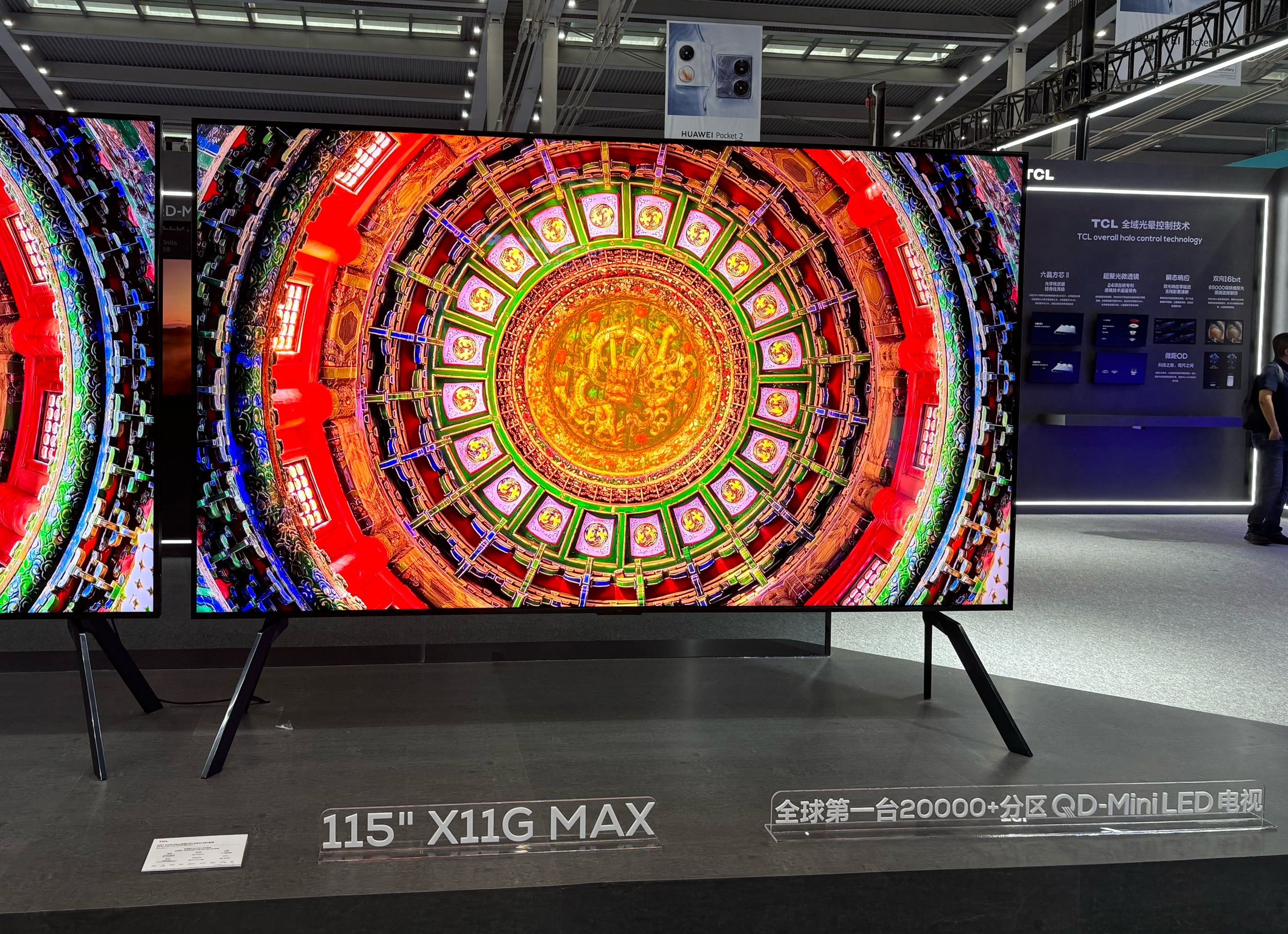
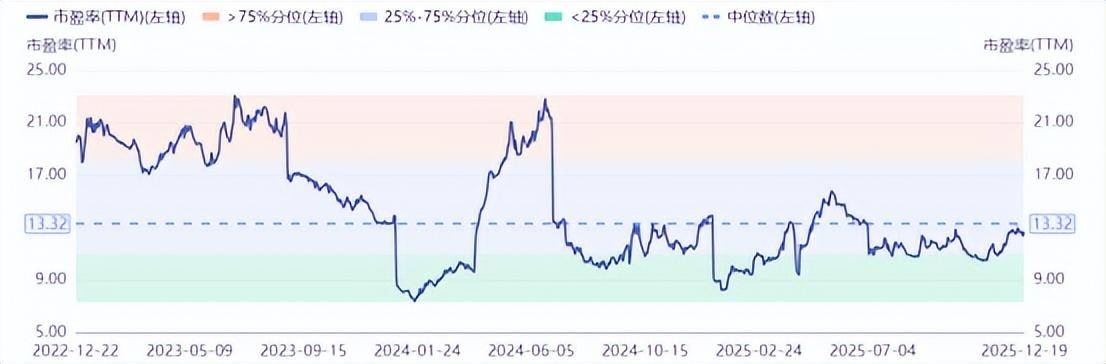
Core Insights - TCL Electronics has been awarded the "Annual Investment Value Award" and "Annual Outstanding IR Team" at the 2026 Gelonghui "Golden Award" annual selection, recognizing its achievements in display technology innovation, global expansion, and business innovation [1] Group 1: Technological Leadership and Innovation Breakthroughs - The television industry, previously seen as a slow-growth sector, has entered a new product upgrade cycle driven by TCL's Mini LED technology [3] - In the first three quarters of 2025, TCL's global television sales revenue increased by 8.7%, with a shipment volume of 21.08 million units, a year-on-year increase of 5.3%, and an average price increase of 3.2% [3] - TCL's Mini LED television shipments reached 2.24 million units in the first nine months of 2025, a year-on-year surge of 153.3%, capturing a global market share of 11.4% [3][4] - TCL launched the world's first SQD Mini LED television, X11L, and two RGB-Mini LED televisions, marking a significant breakthrough in color control technology [4] - The integration of artificial intelligence (AI) into TCL's product ecosystem is enhancing user experience and operational efficiency, with various AI-driven products showcased at the 2025 TCL Global Technology Innovation Conference [5] Group 2: Growth Potential and Dividend Stability - TCL's projected net profit for 2025 is approximately HKD 2.33 billion, with a target growth rate of 45%, 75%, and 100% for 2025-2027 [8] - The current valuation of TCL Electronics is misaligned with its growth potential, with a PE ratio of only 11.4 times based on the 2025 forecasted EPS of HKD 0.94 [10] - The company has a stable dividend policy, with an average payout ratio of 42.33% since 2000, and a projected dividend yield of over 3.5% for 2025 [10] - The recognition of TCL's long-term value through the "Annual Investment Value Award" indicates a potential revaluation opportunity as it transitions from a "consumer electronics cyclical stock" to a "technology growth stock" [11]
TCL电子获“年度投资价值奖”:透视TCL电子的创新引擎与长期价值
Ge Long Hui· 2025-12-23 11:11
Core Insights - TCL Electronics has won the "Annual Investment Value Award" and "Outstanding IR Team" at the 2026 Gelonghui "Golden Award" annual selection, recognizing its achievements in display technology innovation, global expansion, and business development [1] Group 1: Technological Leadership and Innovation Breakthroughs - The television industry, previously seen as a slow-growth sector, has entered a new product upgrade cycle driven by TCL's Mini LED technology [3] - In the first three quarters of 2025, TCL's global television sales increased by 8.7% year-on-year, with a shipment volume of 21.08 million units, up 5.3%, and an average price increase of 3.2% [3] - TCL's Mini LED television shipments reached 2.24 million units in the first nine months of 2025, a year-on-year increase of 153.3%, capturing a global market share of 11.4% [3][4] - The company launched the world's first SQD Mini LED television, X11L, and two RGB-Mini LED models, marking a significant breakthrough in color control technology [4] - TCL is integrating artificial intelligence into its product system, enhancing user experience and operational efficiency [4][5] Group 2: Growth Potential and Dividend Stability - The company's profit growth is projected to be strong, with a target net profit of approximately HKD 2.33 billion for 2025, based on a 45% growth rate from the adjusted net profit of HKD 1.61 billion for 2024 [9] - Analysts from 13 institutions, including CICC and Huatai, have given a "buy" rating, indicating confidence in TCL's growth potential and valuation improvement [9] - TCL's current valuation is seen as misaligned with its growth potential, with a PE ratio of only 11.4 times based on the projected EPS of HKD 0.94 for 2025 [9] - The company has a stable dividend policy, with an average payout ratio of 42.33% since 2000, and a projected dividend yield of over 3.5% for 2025 [11] - TCL's case illustrates how a former industry leader can regain growth momentum through technological innovation and globalization, transitioning from a consumer electronics stock to a technology growth stock [11]
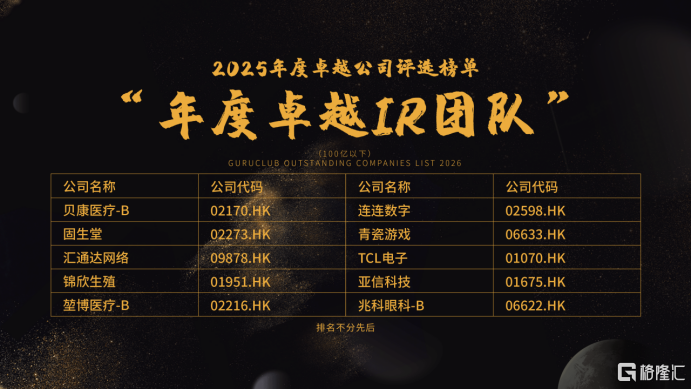
格隆汇“科技赋能·资本破局”线上分享会暨“金格奖”——“年度卓越IR团队(中小市值)”奖项揭晓:贝康医疗-B(02170.HK)、固生堂(02273.HK)、汇通达网络(09878.HK)等10家企业上榜
Ge Long Hui· 2025-12-22 08:50
Core Viewpoint - The "Annual Excellence IR Team (Small and Medium Market Capitalization)" award recognizes outstanding investor relations (IR) teams of listed companies for their significant contributions to industry transformation and development [4]. Group 1: Award Announcement - The "Annual Excellence IR Team (Small and Medium Market Capitalization)" award was presented during the "Technology Empowerment · Capital Breakthrough" sharing session held online by Gelonghui on December 22 [1]. - Ten companies were awarded the "Annual Excellence IR Team (Small and Medium Market Capitalization)" award, including Beikang Medical-B (02170.HK), Gushengtang (02273.HK), Huitongda Network (09878.HK), Jinxin Fertility (01951.HK), Kunbo Medical-B (02216.HK), Lianlian Digital (02598.HK), Qingsi Games (06633.HK), TCL Electronics (01070.HK), Yaxin Technology (01675.HK), and Zhaoke Ophthalmology-B (06622.HK) [1]. Group 2: Evaluation Criteria - The award evaluation focused on the construction of communication channels between IR teams and investors, emphasizing the importance of long-term perspectives on companies' overall performance [4]. - The selection process involved quantitative data analysis and expert review to determine the final results [4]. Group 3: Broader Context - Gelonghui aims to create a reference value ranking of listed companies and unicorns in the investment community, covering all listed companies on the Hong Kong Stock Exchange, Shanghai Stock Exchange, Shenzhen Stock Exchange, New York Stock Exchange, and NASDAQ [4].