
TCL ELECTRONICS(01070)

Search documents
揽获多项技术创新大奖,TCL电子(01070.HK)北美市占率涨幅冠军
Ge Long Hui· 2026-01-12 11:29
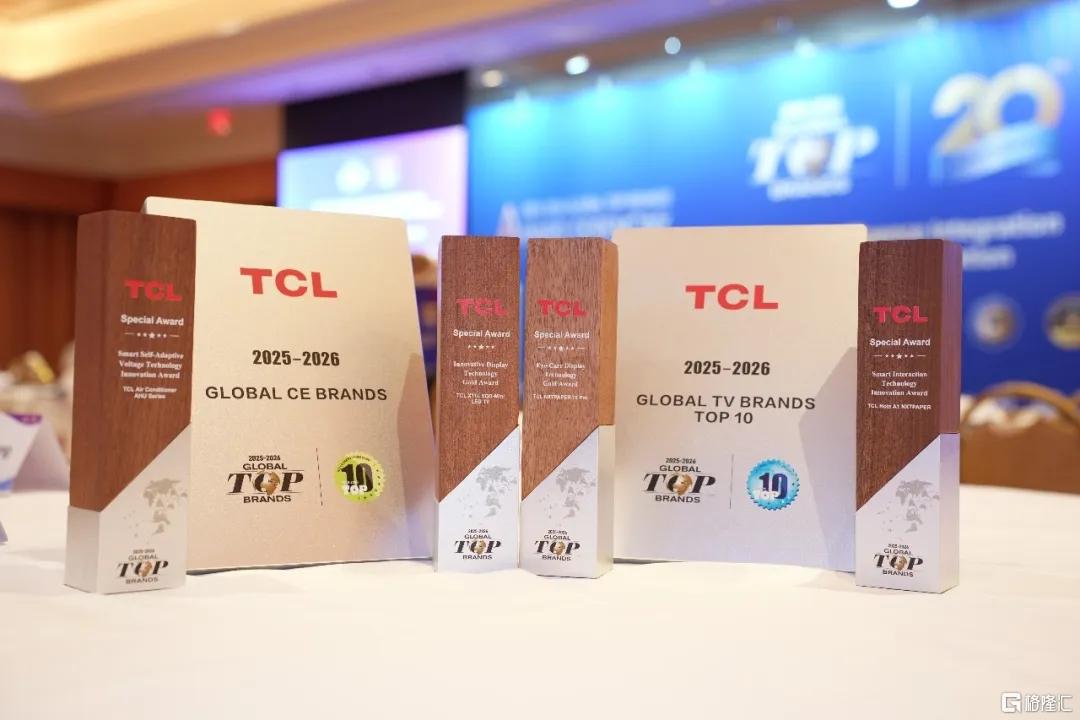
Group 1 - The International Consumer Electronics Show (CES 2026) has commenced, with Global Top Brands (GTB) celebrating its 20th anniversary and TCL Electronics winning multiple awards for its innovative display technologies [1] - TCL Electronics received the "North American TV Market Share Growth Champion" award from Circana, with a market share increase of 1.3 percentage points to 10.8% in North America over the 12 months ending October 2025, outperforming competitors [3] - TCL's flagship TV, the X11L, featuring the groundbreaking SQD-Mini LED technology, won the "Innovation Display Technology Gold Award" and made a strong debut in North America, significantly enhancing color performance and achieving breakthroughs in brightness and partitioning [5] Group 2 - The TCL NXTPAPER 70 Pro smartphone, equipped with NXTPAPER 4.0 eye-care display technology, received the "Eye-Care Display Technology Gold Award" and offers a comfortable browsing experience with multiple display modes and a low-latency stylus [7] - The TCL Note A1 NXTPAPER electronic notepad won the "Smart Interaction Technology Innovation Award," combining paper-like visuals with smart interaction for an efficient user experience [9] - TCL and TÜV Rheinland jointly released a white paper on perceptual color gamut for display products, providing a scientific evaluation standard for color performance in the TV sector, with the X11L being the first Mini LED TV to receive this certification [10] Group 3 - TCL's multiple awards reflect its commitment to being a leader in technology, products, and branding, embodying the company's philosophy of "daring to be extraordinary" [12] - The company aims to continue leading innovation and providing advanced smart terminal products and solutions, expanding its market presence and creating greater commercial value [12]

家用电器行业周度跟踪:消费机器人向具身智能迈进,供应链国产替代下降本可期-20260111
Western Securities· 2026-01-11 10:52
Investment Rating - The industry investment rating is "Overweight" [5][9] Core Insights - The report highlights Midea's acquisition of Carestream Health's global business, which is expected to create synergies with Midea's existing medical business in terms of channels and equipment resources [5][6] - The consumer robotics sector is advancing towards embodied intelligence, with a notable decline in domestic supply chain substitution expected [2][4] - The report emphasizes the performance of major brands in the vacuum cleaner market, noting a significant sales decline for some brands while others, like Roborock, have shown growth [2][3] Summary by Sections White Goods - Midea's acquisition of Carestream Medical's global business is expected to enhance its existing medical operations through effective resource synergy [5][6] Consumer Robotics - December sales data shows a year-on-year decline of 29% for the overall market, with leading brands like Ecovacs and Roborock experiencing varying sales changes [2] - New product launches at CES include Roborock's G-Rover, which is the world's first stair-climbing vacuum robot, and Ecovacs' T90 pro omni, which features upgraded roller lengths and new pre-spray functions [3] Laser Technology in Robotics - Hesai Technology announced that it will lead the market in 3D LiDAR shipments for lawn mowing robots by 2025, showcasing its new models at CES 2026 [4] - The integration of digital all-solid-state LiDAR in new lawn mowing robots was highlighted by Ninebot and other companies [4] Investment Recommendations - The report recommends focusing on white goods, particularly Haier, Midea, and Gree, due to their strong market positions and potential benefits from the current economic environment [7] - It also suggests selecting consumer technology stocks like Ecovacs and others, while keeping an eye on companies like TCL Electronics for overseas growth opportunities [7]





TCL电子SQD-Mini LED显示技术定义"视"界新高度,全场景AI科技"智"领未来
Ge Long Hui· 2026-01-08 08:06
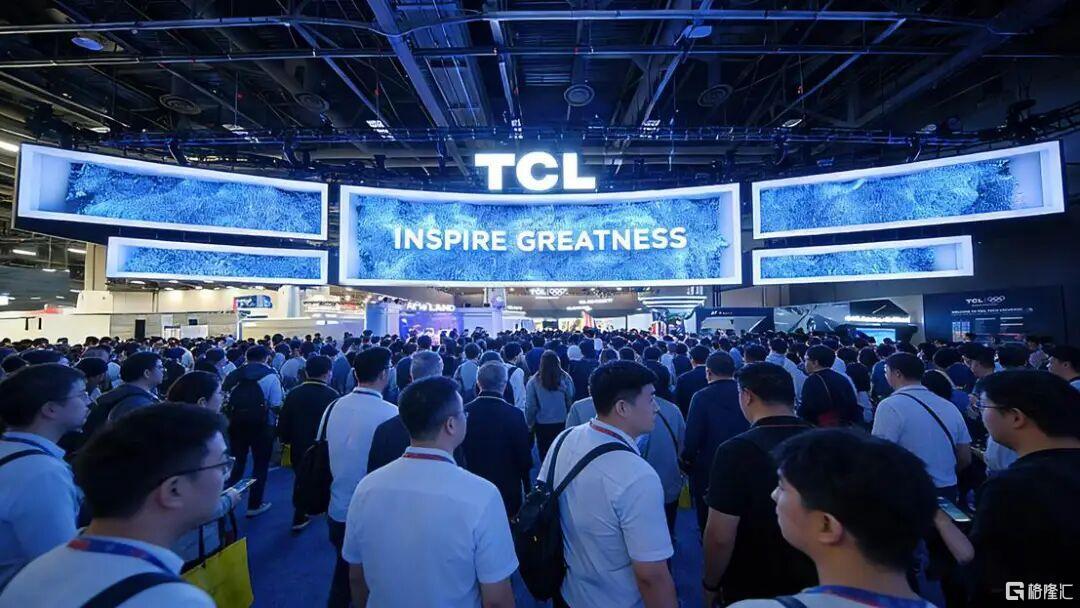
Core Viewpoint - TCL showcased its innovative technologies and products at CES 2026, emphasizing its leadership in display technology and smart home solutions, aiming to redefine user experiences across various applications [1][25]. Group 1: Display Technology - TCL introduced the world's first SQD-Mini LED display technology, which offers significant advantages such as 100% BT2020 color gamut, ultra-high brightness, and superior contrast ratios, positioning it as a leader in the Mini LED market [3][5]. - The flagship TCL X11L television, featuring SQD-Mini LED technology, achieved a revolutionary viewing experience with over 20,000 local dimming zones and peak brightness of 10,000 nits, setting new standards for color accuracy and contrast [5][25]. - TCL's QD-Mini LED technology was also highlighted in its 57-inch gaming monitor, providing an immersive 32:9 aspect ratio and dual 4K resolution at 120Hz, enhancing the gaming experience [7]. Group 2: Mobile and Small Screen Innovations - The TCL NXTPAPER 70 Pro smartphone, equipped with NXTPAPER 4.0 eye-care display technology, received international certifications for eye protection and offers multiple display modes for different usage scenarios [8][10]. - The TCL Note A1 NXTPAPER electronic notepad features a paper-like display and AI tools for real-time text conversion and translation, enhancing productivity for users [10]. Group 3: Smart Home Solutions - TCL's C7 AI Health Air Conditioner introduces an innovative sleep temperature curve and AI algorithms to improve sleep quality by 25%, along with a noise reduction system for a quieter environment [15]. - The GeniusFresh refrigerator series incorporates advanced Wi-Fi technology and air purification systems to maintain food freshness, while the AI washing machine offers a large capacity and smart washing features [17]. Group 4: AI and Robotics - TCL unveiled the AiMe, a split AI companion robot designed to enhance daily life with interactive capabilities and smart home integration, showcasing the company's commitment to AI technology [21]. - The introduction of the Thunder X3 Pro Project eSIM smart glasses marks a significant advancement in AR technology, enabling independent communication and interaction without reliance on smartphones [12]. Group 5: Sustainability and Customization - TCL presented its sustainable materials initiative with the ECORA project, utilizing recycled materials for personalized consumer products, reflecting its commitment to environmental responsibility [24][22]. - The company also showcased its smart home energy solutions, integrating solar technology with smart management systems to promote sustainable living [22]. Group 6: Market Position and Future Outlook - TCL's global TV shipment volume ranked second worldwide in the first three quarters of 2025, with a 29.4% market share in Mini LED TVs, indicating strong market performance [25]. - As a global partner of the Olympics, TCL aims to enhance the viewing experience at major sporting events, reinforcing its brand presence and commitment to innovation in the sports sector [25].
TCL电子(01070.HK)SQD-Mini LED显示技术定义"视"界新高度,全场景AI科技"智"领未来
Ge Long Hui A P P· 2026-01-08 07:53
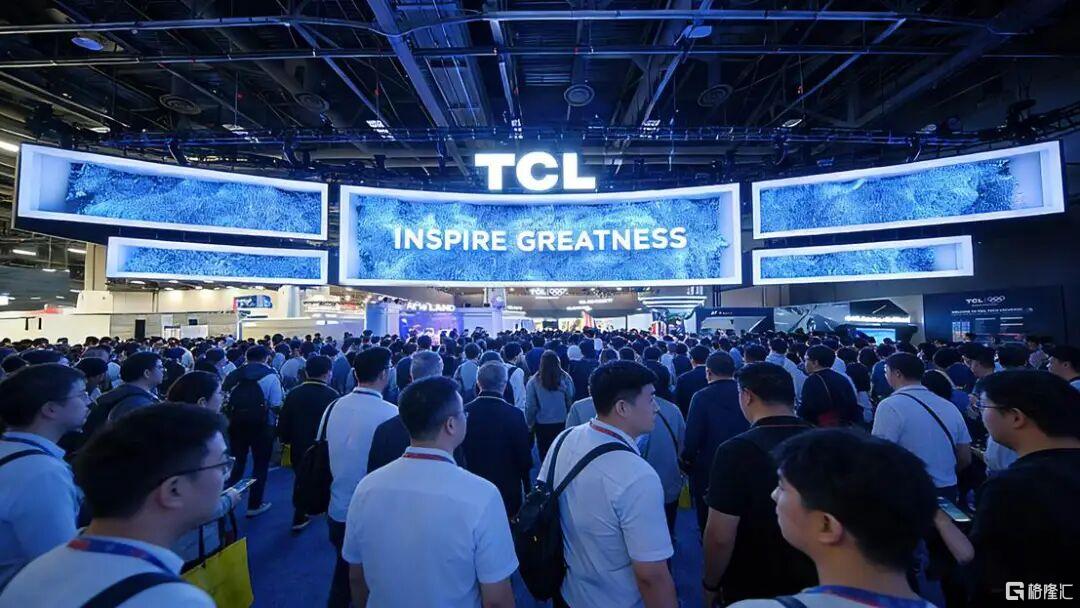
Core Insights - TCL showcased its innovative technologies and products at CES 2026, highlighting its leadership in display technology and smart home solutions [1][25]. Group 1: Display Technology - TCL introduced the world's first SQD-Mini LED display technology, which offers significant advantages such as 100% BT2020 color gamut, ultra-high brightness, and superior contrast ratios [3][5]. - The flagship TCL X11L television, featuring SQD-Mini LED technology, achieved a revolutionary viewing experience with over 20,000 local dimming zones and peak brightness of 10,000 nits, setting new standards in color and contrast [5][25]. - TCL's QD-Mini LED technology was also highlighted in its 57-inch gaming monitor, providing a 32:9 aspect ratio and dual 4K resolution at 120Hz refresh rate for an immersive gaming experience [7]. Group 2: Mobile and Small Screen Innovations - The TCL NXTPAPER 70 Pro smartphone features the new NXTPAPER 4.0 eye-care display technology, certified by TüV and SGS, offering a comfortable viewing experience across various scenarios [8]. - The TCL Note A1 NXTPAPER electronic notepad utilizes NXTPAPER Pure display technology, providing a paper-like feel and advanced AI capabilities for note-taking and translation [10]. Group 3: Smart Home Solutions - The TCL C7 AI Health Air Conditioner features an innovative AI sleep function that can enhance deep sleep duration by 25% and operates quietly at 16 decibels [15]. - TCL's GeniusFresh refrigerator series incorporates smart technology for food preservation, while the AI washing machine offers a large capacity and intelligent washing capabilities [17]. Group 4: AI and Robotics - TCL introduced the AiMe, a split-type AI companion robot designed to enhance daily life with interactive features and smart home integration [21]. - The company also showcased the Thunderbird X3 Pro Project eSIM smart glasses, which operate independently without a smartphone, providing a full range of communication and AR capabilities [12]. Group 5: Sustainability and Customization - TCL presented its sustainable materials initiative with the ECORA™ project, allowing consumers to create personalized items using 3D printing technology [24]. - The company emphasized its commitment to sustainable living through its smart home energy solutions that integrate solar technology with user-friendly applications [22]. Group 6: Market Position and Future Outlook - TCL's global TV shipments ranked second worldwide, with a 29.4% market share in Mini LED TVs, reflecting its strong market presence and technological advancements [25]. - As a global partner of the Olympics, TCL aims to enhance the viewing experience at major sporting events, further solidifying its brand presence in the sports and technology sectors [25].
直击CES|Mini LED是彩电焦点,中韩企业比拼谁更出色
Di Yi Cai Jing· 2026-01-06 15:00
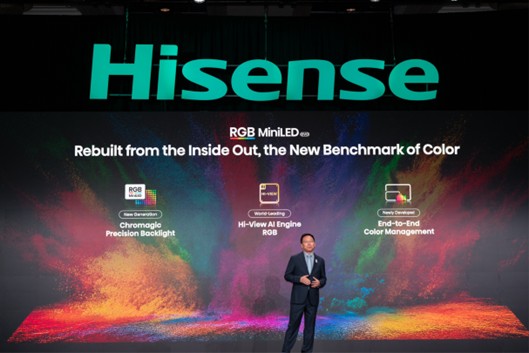
Core Insights - The focus of the 2026 CES is the competition between Chinese and Korean companies in the Mini LED television market, highlighting advancements in RGB-Mini LED technology [2][4] - Major brands like Hisense, Samsung, LG, and TCL are showcasing high-end Mini LED televisions, emphasizing color richness and realism, with AI integration expected to deepen in the industry [2][4] Group 1: Technology Advancements - Hisense introduced RGB-Mini LED technology, incorporating a fourth cyan LED chip to address color issues and achieve 110% BT.2020 color gamut, while reducing blue light and energy consumption [3] - Samsung's Micro RGB Mini LED television utilizes sub-100 micron LED chips to enhance image quality, and LG's Micro RGB Mini LED also achieves 100% BT.2020 color gamut [3][5] - TCL's SQD-Mini LED television combines quantum dot technology with Mini LED, achieving 100% BT.2020 color gamut and a peak brightness of 8500 nits [3][5] Group 2: Market Trends - Mini LED televisions are expected to challenge OLED's position in the high-end market and are projected to grow significantly, with an estimated shipment of 21.1 million units in 2026, a 58% increase year-on-year [9] - Despite an overall decline in global television shipments, Mini LED televisions are anticipated to grow by 40%, reaching a market penetration of 10% [9] - The global shipment of Mini LED televisions is expected to reach 16.12 million units in 2026, marking a 30.1% increase, with the Chinese market leading the growth [10] Group 3: Competitive Landscape - Chinese brands are narrowing the gap with global leaders in the television market, with predictions that they may challenge for the top position by 2026-2027 [11] - The competition among brands has shifted from basic specifications to differentiated display technologies focusing on light sources, chips, and color management systems [5] - AI technology is set to play a significant role in enhancing television experiences, with expectations for deeper integration in 2026, moving towards generative AI applications [11]

CES2026:Mini LED是彩电焦点,中韩企业比拼谁更出色
Di Yi Cai Jing· 2026-01-06 12:38
Core Viewpoint - The industry is entering a phase of growth for RGB-Mini LED TVs and generative AI 2.0, with Mini LED TVs expected to experience growth despite market challenges [1][3]. Group 1: Mini LED TV Market Dynamics - Major brands like Hisense, Samsung, LG, and TCL are focusing on high-end Mini LED TVs at CES 2026, emphasizing color richness and realism [3][5]. - RGB-Mini LED technology is becoming a significant branch of high-end television technology, narrowing the quality gap with OLED TVs and even surpassing them in color gamut [5][6]. - Mini LED TVs are projected to grow in market share, with an expected shipment of 21.1 million units in 2026, representing a 58% year-on-year increase [10]. Group 2: Competitive Landscape - Hisense's RGB-Mini LED technology introduces a fourth cyan LED chip, achieving 110% BT.2020 color gamut and reducing blue light [4][6]. - Samsung's Micro RGB TVs utilize smaller LED chips to enhance image quality, while TCL's SQD-Mini LED TVs achieve high brightness levels and color accuracy [4][6]. - The competition among brands has shifted from basic specifications to differentiated display technologies, focusing on light sources, chips, and color management systems [6][12]. Group 3: Future Projections - Despite an overall decline in global TV shipments, Mini LED TVs are expected to grow by 40% in 2026, reaching a market penetration of 10% [10]. - The global shipment of Mini LED TVs is anticipated to reach 16.12 million units in 2026, marking a significant growth of 30.1% year-on-year [11]. - Chinese brands are expected to narrow the gap with global leaders, potentially challenging for the top position in the global TV market by 2026-2027 [12]. Group 4: AI Integration - The integration of AI in the television industry is expected to deepen, with companies like Samsung, LG, Hisense, and TCL focusing on AI-driven enhancements for user interaction and content generation [12]. - The industry is entering a generative AI 2.0 phase, enhancing user experience through improved audio-visual quality and multi-modal interactions [12].
TCL电子(01070) - 截至2025年12月31日之股份发行人的证券变动月报表
2026-01-06 10:19
FF301 股份發行人及根據《上市規則》第十九B章上市的香港預託證券發行人的證券變動月報表 截至月份: 2025年12月31日 狀態: 新提交 致:香港交易及結算所有限公司 | 1. 股份分類 | 普通股 | | 股份類別 | 不適用 | | 於香港聯交所上市 (註1) | 是 | | | --- | --- | --- | --- | --- | --- | --- | --- | --- | | 證券代號 (如上市) | 01070 | 說明 | | | | | | | | | | 已發行股份(不包括庫存股份)數目 | | | 庫存股份數目 | | 已發行股份總數 | | | 上月底結存 | | | | 2,520,935,155 | | 0 | | 2,520,935,155 | | 增加 / 減少 (-) | | | | | | | | | | 本月底結存 | | | | 2,520,935,155 | | 0 | | 2,520,935,155 | 第 2 頁 共 10 頁 v 1.1.1 公司名稱: TCL電子控股有限公司(於開曼群島註冊成立之有限公司) 呈交日期: 2026年1月6日 I. 法定 ...
华西证券:国补政策收紧推动行业产品升级 品类补贴范围更加聚焦
智通财经网· 2026-01-05 03:00
Core Viewpoint - The current round of national subsidies is more focused compared to 2025, with stricter energy efficiency standards, which will help promote product structure upgrades in the industry, benefiting leading companies with a more complete layout of mid-to-high-end products [1]. Group 1: Policy Announcement - On December 29, 2025, the National Development and Reform Commission (NDRC) announced the implementation of a large-scale equipment update and consumer goods replacement policy for 2026, explicitly supporting the replacement of old home appliances [2]. - On December 30, 2025, the NDRC announced that the first batch of 625 billion yuan in ultra-long-term special government bonds to support consumer goods replacement has been allocated in advance [2]. Group 2: Funding and Subsidy Details - The first batch of 625 billion yuan in support funds for the replacement program has been allocated, with the subsidy categories being more focused compared to 2025. The scale is slightly reduced from the 810 billion yuan allocated in the first batch for 2025 [3]. - The total scale of special government bonds for consumer goods replacement in 2025 was 3000 billion yuan, distributed in four batches, with the first batch accounting for approximately 27%. The estimated total subsidy scale for 2026 is around 2300 billion yuan [3]. Group 3: Subsidy Categories and Standards - The subsidy categories for 2026 have been narrowed from 12 categories in 2025 to 6 categories, focusing on essential appliances such as refrigerators, washing machines, televisions, air conditioners, computers, and water heaters [3]. - The subsidy for 2026 is limited to first-level energy efficiency products, with a uniform subsidy rate of 15%. Each consumer can receive a subsidy for one unit of each product category, with a maximum subsidy of 1500 yuan per unit [4]. - In comparison, the 2025 subsidy standards allowed for second-level energy efficiency products with a subsidy of 15% of the sales price, and first-level products with a 20% subsidy, capped at 2000 yuan per unit [4]. Group 4: Investment Recommendations - Recommendations include leading white goods companies such as Midea Group, Hisense Home Appliances, and Haier Smart Home; and leading black goods companies such as Hisense Home Appliances and TCL Electronics [4].


2026年家电以旧换新政策出台 家电消费景气有望提振(附概念股)
Zhi Tong Cai Jing· 2026-01-02 00:45
Group 1 - The 2026 appliance replacement policy will provide subsidies for consumers purchasing energy-efficient home appliances, with a subsidy of 15% of the product price, capped at 1,500 yuan per item [1] - The first batch of subsidies for the 2026 policy amounts to 62.5 billion yuan, which is lower than the 2025 plan, and the eligible appliance categories are fewer [1] - Citigroup believes the new policy will boost consumer sentiment despite the limited overall impact on e-commerce platforms due to high baseline effects and smaller subsidy scale [1] Group 2 - The 2026 policy is expected to stimulate domestic appliance sales and improve product structure, benefiting companies with R&D, channel, and brand advantages in the white and black goods sectors [2] - The easing of US-China trade tensions may reduce tariff pressures, allowing home appliance companies to gradually release global production capacity and gain incremental contributions from emerging markets [2] - The new policy is anticipated to drive the home appliance industry towards high-end, intelligent, and green upgrades, favoring large appliance companies with competitive advantages [2] Group 3 - Related Hong Kong-listed companies in the home appliance industry include Midea Group, Haier Smart Home, Hisense Home Appliances, TCL Electronics, Skyworth Group, and Xiaomi Group [3]
港股概念追踪|2026年家电以旧换新政策出台 家电消费景气有望提振(附概念股)
智通财经网· 2026-01-02 00:43
Group 1 - The Chinese government has announced a new policy for 2026 to support the replacement of old appliances and consumer goods, providing a subsidy of 15% of the product price for eligible energy-efficient appliances, with a maximum subsidy of 1,500 yuan per item [1][2] - The first batch of funding for this policy amounts to 62.5 billion yuan, aimed at stimulating consumer sentiment despite a smaller subsidy scale compared to 2025 [1][2] - The policy is expected to benefit e-commerce platforms, although the overall impact may be limited due to high baseline effects and reduced subsidy amounts [1][2] Group 2 - The 2026 policy focuses on high-efficiency products, with a narrower scope and lower subsidy rates compared to 2025, which aligns with market expectations and is anticipated to improve domestic appliance sales [2] - Companies with advantages in research, distribution, and branding in the white and black goods sectors are expected to benefit more from the new policy [2] - The policy is likely to drive the home appliance industry towards higher-end, smart, and green upgrades, optimizing product structures [2] Group 3 - Relevant Hong Kong-listed companies in the home appliance supply chain include Midea Group, Haier Smart Home, Hisense Home Appliances, TCL Electronics, Skyworth Group, and Xiaomi Group [3]
