
HWORLD(01179)

Search documents
批零社服行业2026年投资策略:景气向上,把握修复+成长双主线
GF SECURITIES· 2025-12-15 01:32
Core Insights - The report emphasizes two main investment directions for 2026: recovery sectors focusing on profit inflection points and growth sectors targeting high revenue increases [4][19][20] Recovery Sectors - The duty-free sector is showing signs of recovery with favorable policies enhancing consumption, including expanded product categories and improved shopping convenience [4][19] - The hotel industry is expected to see a gradual improvement in RevPAR, with business and leisure demand stabilizing, indicating a potential operational turning point in Q4 or next year [4][19] - The tourism sector remains resilient despite macroeconomic pressures, with increasing travel volumes and government initiatives aimed at boosting consumption in various travel themes [4][19] Growth Sectors - The beauty industry is experiencing intensified competition, with a focus on channel value reconstruction and brand establishment [4][20] - The gold and jewelry sector is witnessing a recovery, driven by new product launches and an increasing focus on high-end market competition [4][20] - The cross-border e-commerce sector is expected to rebound, supported by stable policies and a decrease in shipping costs, with strong demand from the U.S. market [4][20] Key Company Recommendations - For duty-free, China Duty Free Group is recommended for its long-term growth potential, with attention to Wangfujing and Zhuhai Duty Free Group [4] - In the hotel sector, companies like Jinjiang Hotels, Atour, and Huazhu are highlighted for their growth prospects [4] - In tourism, companies such as Three Gorges Tourism and Changbai Mountain are suggested for monitoring acquisition and new business developments [4] - The beauty sector includes recommendations for brands like Maogeping and Proya, focusing on channel strategies [4] - For gold and jewelry, companies like Chow Tai Fook and Lao Pu Gold are recommended for their market positioning [4] - In retail, companies like Yonghui Supermarket and Xinhua Department Store are noted for their recovery potential [4]




行业年度策略报告:新兴需求领航,传统消费破局-20251213
Ping An Securities· 2025-12-13 08:08
Group 1 - The core viewpoint of the report emphasizes that emerging demand is leading the way, while traditional consumption is breaking through. The year 2026, as the start of the 14th Five-Year Plan, is expected to see continued implementation of consumption stimulus policies, effectively releasing residents' consumption willingness and promoting a steady recovery in consumption demand [4][11] - The report suggests that the traditional consumption industry is likely to experience a rebound, while new demands such as "new products, new channels, and new business formats" will continue to drive the rapid development of new consumption [4][11] - The report highlights the importance of the 14th Five-Year Plan, which emphasizes the need to stimulate consumption and enhance domestic demand as a key driver of economic growth [11][12] Group 2 - In the textile and media sectors, new demand is leading to new supply, and new supply is creating new demand. The report recommends focusing on investment opportunities in three segments: outdoor sports, gold jewelry, and cultural and trendy IP in 2026 [4][30] - The outdoor sports segment is identified as a growing trend, with social aspects becoming increasingly important for young consumers. The report notes that outdoor activities such as cycling, hiking, and climbing are gaining popularity [32][33] - The gold jewelry market is expected to see continued growth in consumer spending, with a positive outlook for retail sales in 2026. The report suggests focusing on leading gold jewelry brands [32][33] Group 3 - The social services sector is evolving, with a focus on leading companies that actively respond to changes in consumer demand. The report indicates that tourism and beauty industries are experiencing changes, with a shift towards rational consumption and a focus on value for money [4][30] - The food and beverage sector is expected to stabilize, with signs of recovery emerging. The report notes that the industry is closely tied to macroeconomic conditions and consumer income expectations [4][30] - The agricultural, forestry, animal husbandry, and fishery sectors are experiencing a cyclical upturn, particularly in the pig farming segment, which is expected to stabilize due to policy-driven transformations [4][5] Group 4 - The home appliance industry is characterized by resilience in demand, with policies such as "trade-in for new" supporting consumption. The report suggests looking for structural highlights within the home appliance sector, particularly in high-dividend white goods and rapidly growing new consumption categories [4][5] - The report emphasizes the importance of exploring new consumption trends and adapting to changing consumer preferences, particularly in the context of the ongoing economic recovery [4][5]






What Makes H World Group (HTHT) a Strong Momentum Stock: Buy Now?
ZACKS· 2025-12-12 18:01
Core Viewpoint - Momentum investing focuses on following a stock's recent price trends, with the aim of buying high and selling higher, capitalizing on established price movements [1] Company Overview: H World Group (HTHT) - H World Group currently holds a Momentum Style Score of B, indicating potential for strong performance based on price changes and earnings estimate revisions [3] - The company has a Zacks Rank of 2 (Buy), suggesting it is positioned for outperformance in the market [4] Price Performance - HTHT shares have increased by 3.9% over the past week, while the Zacks Hotels and Motels industry has decreased by 0.83% during the same period [6] - Over the last month, HTHT's price change is 6.42%, significantly outperforming the industry's 0.77% [6] - In the last quarter, HTHT shares rose by 25.7%, and over the past year, they gained 43.1%, compared to the S&P 500's increases of 5.09% and 14.7%, respectively [7] Trading Volume - HTHT's average 20-day trading volume is 1,478,450 shares, which serves as a bullish indicator when combined with rising stock prices [8] Earnings Outlook - Recent earnings estimate revisions for HTHT show a positive trend, with two estimates moving higher for the full year, raising the consensus estimate from $1.97 to $2.09 [10] - For the next fiscal year, two estimates have also increased, with no downward revisions noted [10] Conclusion - Given the strong momentum indicators and positive earnings outlook, HTHT is recommended as a stock to consider for near-term investment opportunities [12]


申万宏源:春秋假刺激文旅需求回暖 冰雪与消费补贴政策助力多领域服务消费
智通财经网· 2025-12-11 07:29
Group 1 - The implementation of the spring and autumn holiday policy in 2025 is expected to significantly boost off-peak travel demand, with staggered travel becoming the norm, benefiting scenic spots and tourism companies [1][2] - The average price of round-trip tickets from domestic locations such as Sichuan, Zhejiang, Guangdong, and Hubei is approximately 700 yuan, reflecting a year-on-year increase of about 7%, with a notable rise in flight and hotel bookings for popular destinations like Sanya and Xishuangbanna [1][2] - The combination of government subsidies, financial support, and merchant discounts effectively stimulates consumer spending, highlighting investment opportunities in the cultural tourism and ice and snow industries [1][2] Group 2 - The spring and autumn holiday policy has led to a resurgence in the cultural tourism market, with family travel demand surging, as over 53% of trips during the autumn holiday were made by families, and participation in educational tourism activities increased by over 50% year-on-year [2] - Ticket bookings for scenic spots in Sichuan have increased by 3.4 times year-on-year, with tourism consumption rising by 25%, indicating a strong recovery in the tourism sector [2] - The winter "snow holiday" policy is driving rapid development in the ice and snow tourism sector, with regions like Urumqi and Altay offering free skiing experiences and discounts on accommodation and transportation [3] Group 3 - The Ministry of Commerce and nine other departments have issued policies to boost service consumption, with 19 tasks aimed at optimizing supply, stimulating demand, and providing financial support [4] - During the 2025 National Day and Mid-Autumn Festival, over 29,000 cultural tourism activities were held nationwide, with consumption subsidies exceeding 480 million yuan [4] - The economic impact of ticket sales can lead to a comprehensive consumption ratio of 1:30 across various sectors, including performances, scenic spots, dining, accommodation, and transportation [4] Group 4 - Recommended companies to watch include Sanxia Tourism (002627.SZ), Huazhu (01179), Atour (ATAT.US), Jiuhua Tourism (603199.SH), and ShouLai Hotel (600258.SH) [5]




酒店“第三空间”成增收突破口
Qi Lu Wan Bao· 2025-12-04 21:40
Core Insights - The hotel industry is witnessing a transformation where spaces are being redefined to cater to remote workers and non-guests, creating a "third space" economy that aims to drive new revenue growth amidst overall industry pressure [1][2] Group 1: Changing Consumer Behavior - Consumers are shifting from paying for accommodation to paying for experiences and environments, with hotel lobbies becoming preferred spaces for remote work due to their amenities like stable WiFi and comfortable seating [2] - High-end hotel facilities such as gyms and pools are also attracting non-guests, with experience vouchers becoming popular on second-hand platforms [2] Group 2: Financial Performance and Strategy - Leading hotel groups like Huazhu and Atour are focusing on the "third space" as a key strategy to counter industry challenges, with Atour reporting a 76.4% year-on-year increase in retail revenue, reaching 846 million yuan, which now constitutes 32.2% of total revenue [2][3] - Atour's strategy includes transforming hotel lobbies into multifunctional spaces that integrate retail and cultural experiences, with retail revenue share increasing from 13.8% in 2022 to 30.3% in 2024 [3] Group 3: Market Trends and Future Directions - The competition in the hotel third space is evolving towards precision and efficiency, focusing on consumer needs through differentiated experiences that enhance both non-room revenue and lodging services [4] - Future trends may include deeper integration of local culture, technology-driven immersive experiences, and enhanced membership systems as consumer demands continue to evolve [5]
小摩:行业整合对华住集团-S和亚朵(ATAT.US)更有利 维持“增持”评级
Zhi Tong Cai Jing· 2025-12-04 11:54
Group 1 - The core viewpoint indicates that Huazhu Group and Atour have significantly outperformed Jinjiang Hotels and ShouLai Hotels this year, with respective increases of 41% and 59% compared to Jinjiang's 2% decline and ShouLai's 7% increase [1] - Morgan Stanley recommends investors to "overweight" Huazhu Group and Atour over a 12-month period due to their stronger brands and products, which provide clearer long-term growth prospects, while their valuations are comparable to or even cheaper than Jinjiang and ShouLai [1] - The self-discipline within the hotel industry has exceeded expectations, benefiting Huazhu and Atour, as indicated by Morgan Stanley's consumer forum insights [1] Group 2 - Morgan Stanley's tracking data shows that the expansion rate of Huazhu and Atour has been significantly faster than that of Jinjiang and ShouLai, highlighting a trend of industry consolidation that favors Huazhu and Atour [1] - In the past month, there has been a notable divergence in the performance of Chinese hotel stocks, with Huazhu Group and Jinjiang Hotels performing well, while Atour and ShouLai Hotels lagged behind the industry [2] - The report suggests that the stock price movements are not entirely supported by fundamentals, as Huazhu Group's average revenue per available room (RevPAR) for Q4 shows upward risk, indicating potential short-term price increases [2]

小摩:行业整合对华住集团-S(01179)和亚朵(ATAT.US)更有利 维持“增持”评级
智通财经网· 2025-12-04 07:19
Core Viewpoint - Morgan Stanley reports significant divergence in the performance of Chinese hotel stocks over the past month, with Huazhu Group and Jinjiang Hotels performing well, while Atour and ShouLai Hotels lag behind the industry [1] Group 1: Company Performance - Huazhu Group and Atour have seen stock price increases of 41% and 59% respectively this year, significantly outperforming Jinjiang Hotels and ShouLai Hotels, which have seen declines of 2% and an increase of 7% respectively [1] - Morgan Stanley suggests that the stock price movements are not entirely supported by fundamentals, indicating potential short-term upside for Huazhu Group due to upward risks in average revenue per available room (RevPAR) for Q4 [1] Group 2: Industry Trends - The self-discipline within the hotel industry has exceeded expectations, benefiting Huazhu and Atour [1] - The data shows a slowdown in the number of new rooms added in Q4 across the four tracked hotel companies, with Huazhu and Atour expanding at a faster rate than Jinjiang and ShouLai, indicating a trend of industry consolidation favoring Huazhu and Atour [1]
H World Group: Downgrade To Hold As Valuation Has Caught Up With Expectations
Seeking Alpha· 2025-12-03 12:42
Core Viewpoint - H World Group (HTHT) received a buy rating due to strong Q2 results indicating continued engagement and growth potential [1] Company Analysis - The investment approach focuses on identifying undervalued companies with long-term growth potential, emphasizing value investing principles [1] - The strategy involves purchasing quality companies at a discount to their intrinsic value and holding them for long-term earnings and shareholder returns [1]

华住跳出舒适区,要在高端市场搏一搏
Sou Hu Cai Jing· 2025-12-03 10:07
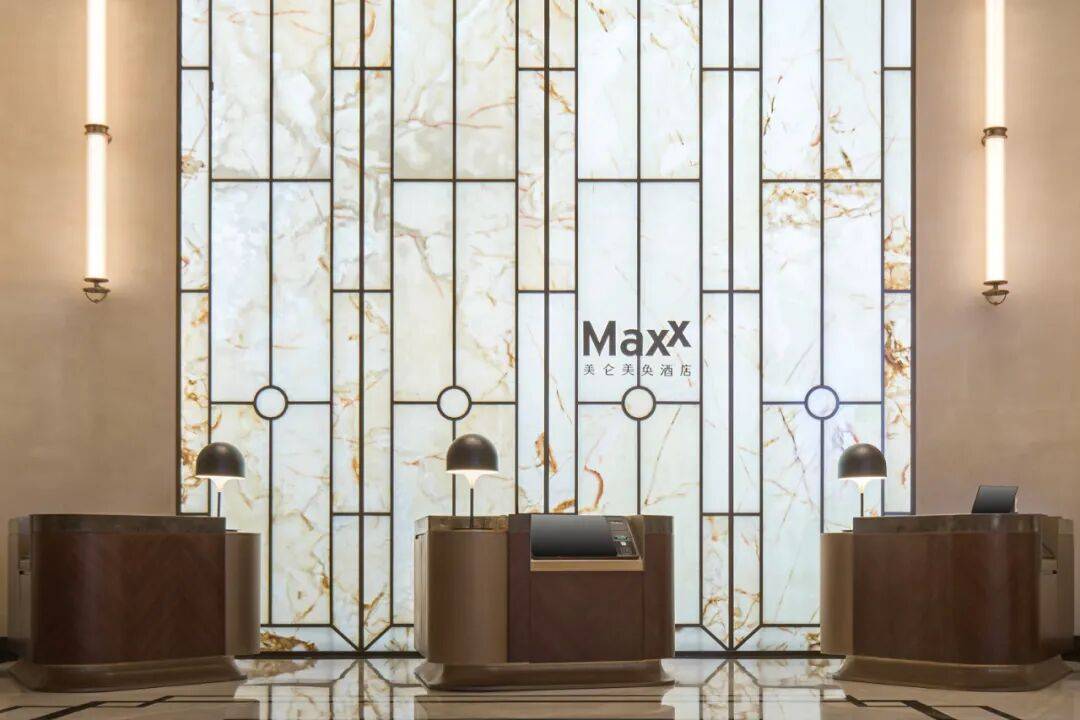
Core Viewpoint - The high-end hotel industry is facing significant challenges, with a decline in average room prices and occupancy rates, indicating a mismatch between supply and demand in the market [1][3]. Industry Overview - The average room price for five-star hotels in China decreased by 5% to 599 RMB per night in the first three quarters of 2024, while the average occupancy rate fell by 4% year-on-year [1]. - The decline is attributed to the aftermath of the real estate bubble, loss of business travelers, and pressure from mid-range hotels [1]. Market Trends - The demand for high-end hotels is shifting from traditional luxury offerings to experiences that resonate emotionally with guests, emphasizing comfort and unobtrusive service [3]. - High-end hotels are now expected to provide identity recognition and self-satisfaction rather than just accommodation [3]. Company Strategy - Huazhu Group is strategically positioning itself in the high-end market by developing four key brands: Xiyue, Huajian Tang, Shibaige, and Meilun Meihuan, targeting different high-end consumer segments [3][4]. - The brands focus on cultural confidence and unique experiences, with Xiyue and Huajian Tang appealing to domestic travelers and Shibaige and Meilun Meihuan targeting international and high-net-worth business travelers [4][5]. Brand Differentiation - Xiyue offers a subtle luxury experience that reflects Chinese culture, while Huajian Tang emphasizes destination experiences with scenic locations and immersive activities [4][10]. - Shibaige combines German efficiency with local insights to cater to business travelers, enhancing meeting services and operational efficiency [6][8]. - Meilun Meihuan focuses on aesthetic experiences and gourmet offerings, appealing to high-net-worth individuals seeking unique stays [9][10]. Market Opportunities - The high-end hotel market is expected to benefit from a surge in inbound tourism, with a projected 82.9% increase in foreign visitors in 2024 due to relaxed visa policies [10]. - There is significant potential in renovating aging five-star hotels to meet current market demands, with a report indicating that by the end of 2024, the number of hotels in China will reach 348,700, with a total of 17.64 million rooms [10][11]. Competitive Advantage - Huazhu Group is well-positioned to capitalize on the renovation opportunities in the market due to its strong supply chain, operational efficiency, and established brand matrix [11][12]. - The company’s focus on experience-driven offerings and systematic operational logic distinguishes it from competitors who rely solely on traditional luxury marketing [12].
海通国际:首予华住集团-S“优于大市”评级 “多品牌矩阵+会员体系”双轮驱动
Zhi Tong Cai Jing· 2025-12-02 01:55
Core Viewpoint - Haitong International initiates coverage on Huazhu Group-S (01179) with an "Outperform" rating and a target price of HKD 41, highlighting its leadership in China's hotel chain market and benefits from increasing chain rate [1] Group 1: Market Position and Growth - Huazhu Group is the leader in the Chinese hotel chain market, benefiting from an increase in the chain rate, with its room nights ranking in the top tier [1] - The company has opened over 2,300 new hotels this year, with a strong focus on mid-to-high-end brands, which have grown by 25% year-on-year, surpassing the overall growth rate of 7% [3] - The management is confident in opening over 2,300 hotels this year and aims for a total of 12,814 hotels by 2025, with a long-term goal of 20,000 hotels by 2030, targeting a 15% market share [3] Group 2: Revenue and Profitability - The company is transitioning to a high-margin, light-asset franchise model, closing low-quality stores, which is expected to enhance profitability [1] - The adjusted EBITDA margin increased by 3.3 percentage points to 36% in Q3, with Legacy-HZ's margin rising to 43%, indicating a positive trend in profitability [5] - The forecast for adjusted EBITDA is RMB 7.94 billion and RMB 9.13 billion for 2025 and 2026, respectively, with expected margin improvements of 5 and 3 percentage points [5] Group 3: Membership and Customer Engagement - Huazhu operates the largest and most resilient membership system in the industry, with over 300 million members and an average of 190 million daily active users on its app [4] - Membership numbers grew by 17.1% year-on-year to 301 million, with member room nights booked increasing by 19.7%, accounting for 74% of total room nights sold [4] - Strengthening membership operations is expected to empower franchisees and enhance future monetization opportunities for the company [4] Group 4: Market Demand and Supply Dynamics - The supply-demand situation in the hotel industry continues to improve, with 396,500 new hotels (15 rooms or more) opened in October, a 7% year-on-year increase [2] - Domestic holiday travel shows a sustained increase in cross-regional movement, with approximately 2.142 billion trips during the first seven days of the National Day holiday in 2025, reflecting a 7% year-on-year growth [2] - The fourth quarter is expected to maintain resilience in leisure tourism, although business travel remains weak, with a projected 0.5% year-on-year increase in single-room revenue for Legacy-HZ [2]