BYD(01211)

Search documents
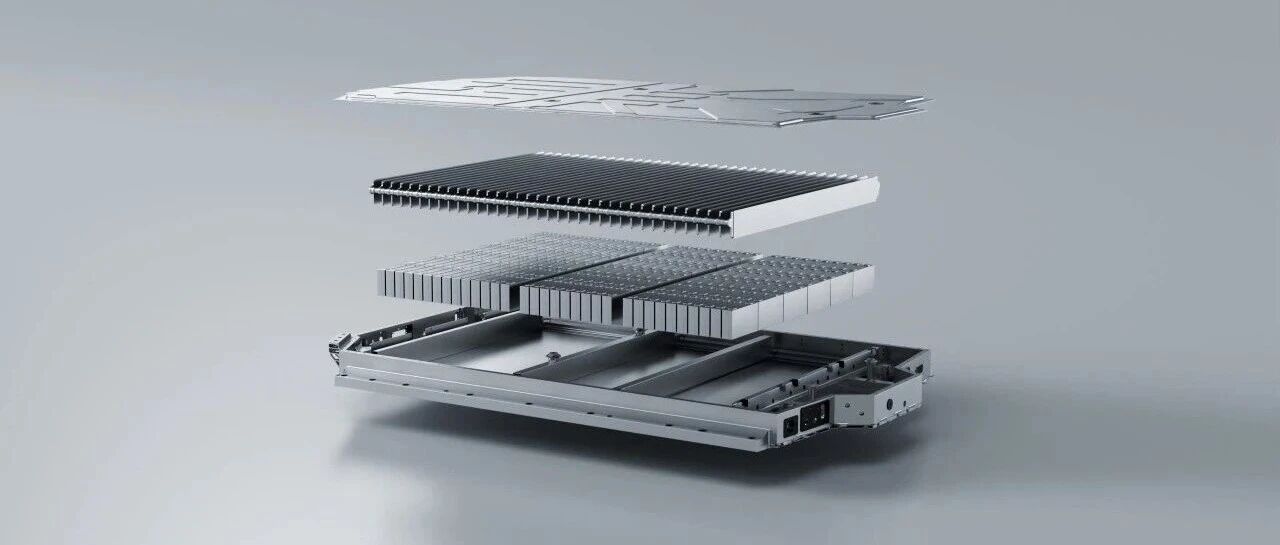
“5分钟充好,9分钟充饱”,比亚迪二代刀片电池问世,今年要建成2万座闪充站
Guo Ji Jin Rong Bao· 2026-03-06 12:17
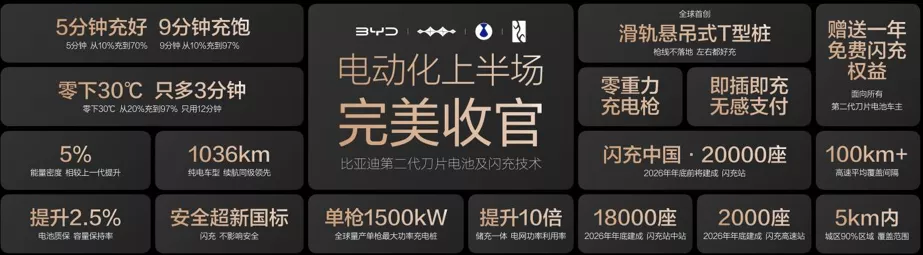
Core Viewpoint - BYD's launch of the second-generation blade battery and flash charging technology marks a significant advancement in electric vehicle charging efficiency, aiming to enhance user experience and drive competition in the industry [1][2][4]. Group 1: Technological Advancements - The second-generation blade battery allows charging from 10% to 70% in just 5 minutes and from 10% to 97% in 9 minutes, even in extreme cold conditions [2][4]. - The flash charging technology represents a qualitative leap, addressing previous challenges of slow charging and low-temperature charging difficulties [4]. - The second-generation blade battery has improved energy density by 5% compared to the first generation while achieving faster charging speeds [4]. Group 2: Product Launch and Pricing - BYD introduced 10 new models equipped with the second-generation blade battery and flash charging technology, covering various brands and price ranges from 150,000 to 1,300,000 yuan [5]. - The pricing of new models remains competitive with previous versions, despite enhancements in range and charging performance [5][6]. Group 3: Infrastructure Development - BYD plans to establish 20,000 flash charging stations by the end of the year, ensuring coverage within 3 to 6 kilometers in urban areas and significant coverage on highways [8]. - The company has already built 4,239 flash charging stations in two months, with a dedicated team for rapid infrastructure development [8]. Group 4: Sales Performance and Projections - In 2025, BYD achieved global sales of 4.602 million vehicles, a 7.7% increase year-on-year, with strong overseas performance and domestic challenges [10]. - The company aims for a sales target of approximately 5 to 5.5 million vehicles in 2026, driven by the rollout of flash charging stations and new models [10].


汽车行业:乘用车海外(出口)系列六:如何建立中国品牌海外库存跟踪体系?
GF SECURITIES· 2026-03-06 11:27
Investment Rating - The industry investment rating is "Buy" with a previous rating of "Buy" as well [2]. Core Insights - The report emphasizes the importance of establishing a tracking system for overseas inventory of Chinese automotive brands, which is crucial for assessing sales quality and growth sustainability in international markets [5][30]. - Key indicators for tracking overseas inventory include absolute inventory levels, inventory-to-sales ratios, and implied future sales based on current inventory levels [5][50]. - The report highlights BYD as a representative case study, showcasing its overseas inventory metrics, including an absolute inventory of 167,000 vehicles as of December 2025 and an inventory-to-sales ratio fluctuating around 1.5, indicating healthy inventory levels [5][58]. Summary by Sections Introduction - The report discusses the increasing significance of the automotive industry in China's export landscape, with automotive exports rising from 0.6% of total exports in 2020 to 3.8% in 2025 [13]. Establishing a Tracking System for Overseas Inventory - The report outlines the necessity of a systematic approach to track overseas inventory, which serves as a leading indicator for assessing demand and profitability in the automotive sector [33][36]. - It emphasizes that merely tracking wholesale and terminal sales is insufficient to gauge the health of overseas channels [5][36]. Key Dimensions of Inventory Tracking Using BYD as a Case Study - The report provides a detailed analysis of BYD's overseas wholesale sales and inventory metrics, demonstrating the reliability of data from multiple sources [43][45]. - It notes that BYD's overseas inventory absolute value has shown significant growth due to rapid expansion in overseas channels and models [53]. Investment Recommendations - The report suggests that the new category of vehicles characterized by "electric as primary, oil as secondary" will drive the global electrification process, enhancing the penetration of new energy vehicles (NEVs) and reducing costs for components globally [59]. - Recommended companies to watch include BYD, Great Wall Motors, SAIC Motor, Xpeng Motors, and Changan Automobile, among others [59].



比亚迪再探“磷酸铁锂”性能上限
高工锂电· 2026-03-06 11:11
Core Viewpoint - BYD officially launched its second-generation blade battery and fast-charging technology, showcasing significant advancements in charging efficiency and safety features [2][3]. Summary by Sections Fast-Charging Technology - The new technology allows for a substantial increase in charging efficiency: charging from 10% to 70% in 5 minutes and to 97% in 9 minutes. In extreme cold conditions, charging from 20% to 97% can be completed in under 12 minutes [4][6]. - Key innovations include the "lithium-ion high-speed channel" and "full-temperature intelligent thermal management system" [6]. Technical Optimizations - Enhancements include widening lithium-ion migration channels, optimizing the SEI film for better durability and self-repair, and improving heat dissipation through a "copper-aluminum parallel thermal conduction" design [7][8][10]. Battery Specifications - The second-generation blade battery has a 5% increase in energy density compared to the first generation. It maintains a capacity retention rate improvement of 2.5%, with a replacement policy for batteries dropping below 77.5% capacity [10]. Safety Features - The battery demonstrated safety by passing 500 fast-charging cycles without catching fire or smoking during puncture tests, confirming its reliability under high-pressure fast-charging scenarios [10]. Infrastructure Development - BYD announced an ambitious plan to build 20,000 fast-charging stations by the end of 2026, with 18,000 in urban areas and 2,000 along highways [11][14]. - The company has already established 4,239 stations and aims to add 1,000 more before the May Day holiday [14]. Challenges and Solutions - The main challenge for this infrastructure project is the existing power grid capacity, which currently has a shortfall of 1,000 GW compared to the demand if all charging stations were upgraded [15]. - BYD's solution involves "配储改造" (matching storage transformation) to enhance existing stations without increasing grid capacity, allowing for rapid construction [15][16]. Product Launches - Alongside the battery and charging infrastructure, BYD introduced ten new models featuring the fast-charging technology, targeting both high-end and mainstream markets [20]. Market Strategy - The strategy aims to capture market share amid intensifying competition in the electric vehicle sector, particularly in northern regions where low-temperature performance and infrastructure are critical [21]. - The breakthrough in fast-charging technology may disrupt the plug-in hybrid and battery swap models, as it challenges the necessity of traditional refueling methods [22]. Consumer Perception - There is a significant consumer perception barrier regarding fast charging, with concerns about safety and battery longevity. BYD aims to address these through data and demonstrations of the technology's reliability [24][25].

3月6日南向资金追踪:腾讯控股、美团-W、药捷安康-B净买入额居前,分别为22.62亿港元、7.99亿港元、0.08亿港元




Jin Rong Jie· 2026-03-06 10:57
Market Overview - The Hang Seng Index increased by 1.72%, closing at 25,757.29 points, with a total market turnover of 292.766 billion HKD [1] Southbound Trading Data - Tencent Holdings, Meituan-W, and药捷安康-B received net purchases of 2.262 billion HKD, 799 million HKD, and 8 million HKD respectively [1][2] - Alibaba-W, SMIC, and BYD Company experienced net sales of 630 million HKD, 598 million HKD, and 520 million HKD respectively [1][2] Individual Stock Performance - Tencent Holdings had a closing price of 519.00 HKD, with a price increase of 3.39% [2] - Meituan-W closed at 76.85 HKD, rising by 3.15% [2] -药捷安康-B saw a significant increase of 43.53%, closing at 92.00 HKD [2] - BYD Company closed at 94.70 HKD, with a decrease of 2.27% [2] - Alibaba-W closed at 130.70 HKD, with a price increase of 3.48% [2]
中国买爆全球汽车工厂
创业邦· 2026-03-06 10:32
Core Viewpoint - The global automotive industry is undergoing significant capacity reduction, with major traditional automakers closing factories and cutting production, while Chinese automakers are seizing the opportunity to expand and localize their operations globally [5][10][20]. Group 1: Factory Closures and Capacity Reduction - Nissan plans to close 7 out of 17 global manufacturing plants, aiming to cut excess capacity by approximately 2.5 to 3 million vehicles by the fiscal year ending March 31, 2028 [5]. - Volkswagen announced the closure of at least 3 factories in Germany by the end of 2024, but later abandoned the complete shutdown plan, seeking alternative uses for two of the factories [5]. - Stellantis will close the historic Vauxhall commercial vehicle plant in Luton, UK, and has already reduced North American vehicle shipments by 23% in the first half of 2025 [7][9]. - General Motors has permanently ceased production of BrightDrop electric delivery vans at its Ingersoll CAMI plant and has reduced shifts at its Oshawa plant, affecting around 500 employees [7][9]. - Ford plans to close its Saarlouis plant in Germany by 2032, while Mercedes-Benz has already shut down factories in Brazil, France, and Russia [9]. Group 2: Capacity Utilization Trends - The automotive capacity utilization rate in the U.S. is fluctuating between 60% and 70%, with the automotive and light vehicle sector at approximately 65% [12][16]. - In Canada, the automotive assembly volume is projected to drop from 2.3 million units in 2016 to 1.2 million units by 2025, with the manufacturing capacity utilization rate declining from 80.4% to 78.7% [16]. - The European automotive industry is facing severe overcapacity, with an average utilization rate of only 55% in 2025, necessitating the closure of 8 factories to achieve sustainable capacity levels [19]. Group 3: Opportunities for Chinese Automakers - Chinese automakers are capitalizing on the global capacity reduction by acquiring idle factories and leveraging existing industrial assets for localized growth [10][20]. - In 2025, China's automotive exports reached 7.098 million units, a year-on-year increase of 21.1%, maintaining the top position globally for three consecutive years [22]. - Chinese brands have gained significant market share in Mexico and Europe, with nearly 20% in Mexico and 9.5% in Europe by December 2025 [22]. Group 4: Strategies for Localization - Chinese automakers are employing various strategies such as acquisitions, joint ventures, contract manufacturing, and greenfield investments to establish localized production [25][41]. - Acquisitions of idle factories allow Chinese companies to bypass lengthy approval processes and reduce localization timelines [26][30]. - Joint ventures have proven effective for Chinese automakers to adapt to local markets, as seen with Chery's partnership in Brazil [31][32]. Group 5: Global Perception and Cooperation - There is a shift in perception among foreign governments, viewing Chinese automakers as partners that can revitalize local manufacturing and create jobs [42][45]. - Collaborative efforts between Chinese automakers and local governments are increasingly focused on technology transfer and local workforce training [42][45]. - Countries like the UK and Canada are actively seeking partnerships with Chinese automakers to boost local production and employment [45][49].



比亚迪股份:公司发布新一代电池及闪充技术,三电技术保持领先,建议“区间操作”-20260306
CSC SECURITIES (HK) LTD· 2026-03-06 10:24
Investment Rating - The investment rating for the company is "Trading Buy" with a target price of 106 HKD [2][4]. Core Insights - The company has launched a new generation of blade batteries and fast-charging technology, significantly reducing charging times. The battery can charge from 10% to 97% in just 9 minutes. The company plans to establish 20,000 fast-charging stations by the end of the year [6]. - Due to an expected slowdown in the domestic market, overseas markets are projected to become a crucial growth driver, with overseas sales expected to account for 30% of total sales by 2026, up from 23% in 2025 [6][8]. - The company anticipates net profits of 333.8 billion RMB, 395 billion RMB, and 468.8 billion RMB for 2025, 2026, and 2027 respectively, with year-over-year changes of -17%, +18.3%, and +18.7% [6][8]. Company Overview - The company operates primarily in the automotive industry, with 81.5% of its business in automotive and 18.5% in mobile components and assembly [8]. - As of March 5, 2026, the company's H-share price was 92.6 HKD, with a market capitalization of approximately 341.08 billion RMB [3]. Financial Projections - The company projects net profits for 2025, 2026, and 2027 to be 333.8 billion RMB, 394.98 billion RMB, and 468.84 billion RMB respectively, with corresponding EPS of 3.66 RMB, 4.33 RMB, and 5.14 RMB [10]. - The H-share P/E ratios are expected to be 25.6, 21.6, and 18.2 for the years 2025, 2026, and 2027 respectively [6][10].

比亚迪二代刀片电池发布 产业链哪些企业将受益?
起点锂电· 2026-03-06 10:06
Core Viewpoint - The article discusses the advancements in BYD's second-generation blade battery technology, highlighting its performance improvements in safety, charging speed, and energy density, which are expected to reshape the electric vehicle battery landscape and enhance the competitiveness of China's battery industry globally [4][8]. Group 1: Event Details - The second "Starting Point Lithium Battery Cylindrical Battery Technology Forum" will be held on April 10, 2026, in Shenzhen, focusing on advancements in battery technology and the release of the top 20 cylindrical battery rankings [2][3]. Group 2: Second-Generation Blade Battery Features - The second-generation blade battery features a comprehensive redesign addressing key pain points in electric vehicle performance, including safety, range, fast charging, and low-temperature operation [4]. - The battery achieves a charging speed that allows it to go from 10% to 70% in just 5 minutes and from 10% to 97% in 9 minutes, significantly reducing charging anxiety for users [6]. - The energy density of the second-generation blade battery is reported to reach 190 Wh/kg, a 35% increase from the first generation's 140 Wh/kg, bringing it closer to high-end ternary lithium batteries [6][7]. Group 3: Market Impact and Industry Chain Benefits - The introduction of the second-generation blade battery is expected to lead to a redistribution of value within the industry chain, benefiting upstream raw material suppliers and core component manufacturers [9]. - Companies like Deyang Nano, which has the largest production capacity for manganese iron phosphate, are likely to see increased demand due to the new battery technology [10]. - Other suppliers, such as Fengyuan Co., Hunan Youneng, and Hubei Wanrun, are positioned to benefit from stable order growth as they supply key materials for the new battery technology [11][12]. Group 4: Supporting Technologies and Components - The development of high-performance silicon-carbon anode materials is crucial for enhancing battery performance, with companies like Bettery and Shanshan expected to see significant growth in production and market share [12]. - The electrolyte segment is also poised for growth, with companies like Tianci Materials leading in the production of high-rate additives that meet the demands of the new battery technology [12]. - The separator segment will benefit from increased demand for high porosity and thermal stability, with companies like Enjie and Xingyuan Materials expected to see order increases [13]. Group 5: Charging Infrastructure - BYD plans to establish a network of 20,000 fast charging stations by the end of 2026, which will enhance the accessibility of fast charging for electric vehicle users [8]. - Companies involved in the manufacturing of fast charging equipment, such as Shenghong Co. and XJ Electric, are likely to benefit from the expansion of BYD's charging network [14].
伊朗导弹炸翻比亚迪!史上最硬核广告诞生!
商业洞察· 2026-03-06 09:28
Core Viewpoint - The article emphasizes the resilience of Chinese electric vehicles, particularly BYD, in the face of geopolitical tensions, highlighting the shift in China's energy security strategy from oil dependency to electric power [8][21][29]. Group 1: Incident Analysis - A BYD electric vehicle survived an explosion caused by an Iranian missile near Jerusalem, with all five occupants surviving, showcasing the vehicle's structural integrity and safety features [4][10]. - Military experts noted that while luck played a role in the vehicle's survival, it also reflects advancements in China's automotive industry regarding materials science and vehicle design [12][17]. Group 2: Energy Security and Market Impact - The closure of the Strait of Hormuz by Iran led to a surge in global oil prices, but China remained relatively unaffected due to its increasing reliance on electric vehicles [18][20]. - As of 2025, China's electric vehicle ownership is projected to exceed 43 million, with a penetration rate surpassing 57%, significantly reducing oil consumption by approximately 90 million tons annually, equivalent to a 14% decrease in oil imports [28][29]. Group 3: Historical Context and Strategic Development - The development of China's electric vehicle industry has been a strategic initiative for over 30 years, initiated by early advocacy for skipping the gasoline phase and directly advancing electric vehicles [33][34]. - The "Ten Cities, Thousand Vehicles" initiative in 2009 marked a significant turning point, leading to the rapid growth of the electric vehicle market and infrastructure [34][35]. Group 4: Conclusion and Future Outlook - The article concludes that the resilience of BYD vehicles amidst conflict symbolizes a broader national strategy that has successfully transitioned China from oil dependency to energy independence through electric vehicles [40][41]. - This shift not only enhances energy security but also positions China favorably in the global market, with electric vehicles now accounting for over 70% of global sales [36][37].

比亚迪股份(01211):Trading Buy 区间操作:公司发布新一代电池及闪充技术,三电技术保持领先,建议“区间操作”
CSC SECURITIES (HK) LTD· 2026-03-06 09:12
Investment Rating - The investment rating for the company is "Trading Buy" with a target price of 106 HKD [2][4]. Core Insights - The company has launched a new generation of blade batteries and fast-charging technology, significantly reducing charging times. The battery can charge from 10% to 97% in just 9 minutes. The company plans to establish 20,000 fast-charging stations by the end of the year [6]. - Due to an expected slowdown in the domestic market, overseas markets are projected to become a crucial growth driver, with overseas sales expected to account for 30% of total sales by 2026, up from 23% in 2025 [6][8]. - The company anticipates net profits of 333.8 billion RMB, 395 billion RMB, and 468.8 billion RMB for 2025, 2026, and 2027 respectively, with year-over-year changes of -17%, +18.3%, and +18.7% [6][8]. Company Overview - The company operates primarily in the automotive industry, with 81.5% of its business derived from automotive sales and 18.5% from mobile components and assembly [8]. - As of March 5, 2026, the company's H-share price was 92.6 HKD, with a market capitalization of approximately 341.08 billion RMB [3]. Financial Projections - The company projects net profits for 2025, 2026, and 2027 to be 333.8 billion RMB, 394.98 billion RMB, and 468.84 billion RMB respectively, with corresponding EPS of 3.66 RMB, 4.33 RMB, and 5.14 RMB [10]. - The H-share price-to-earnings (P/E) ratios are expected to be 25.6, 21.6, and 18.2 for the years 2025, 2026, and 2027 respectively [6][10].
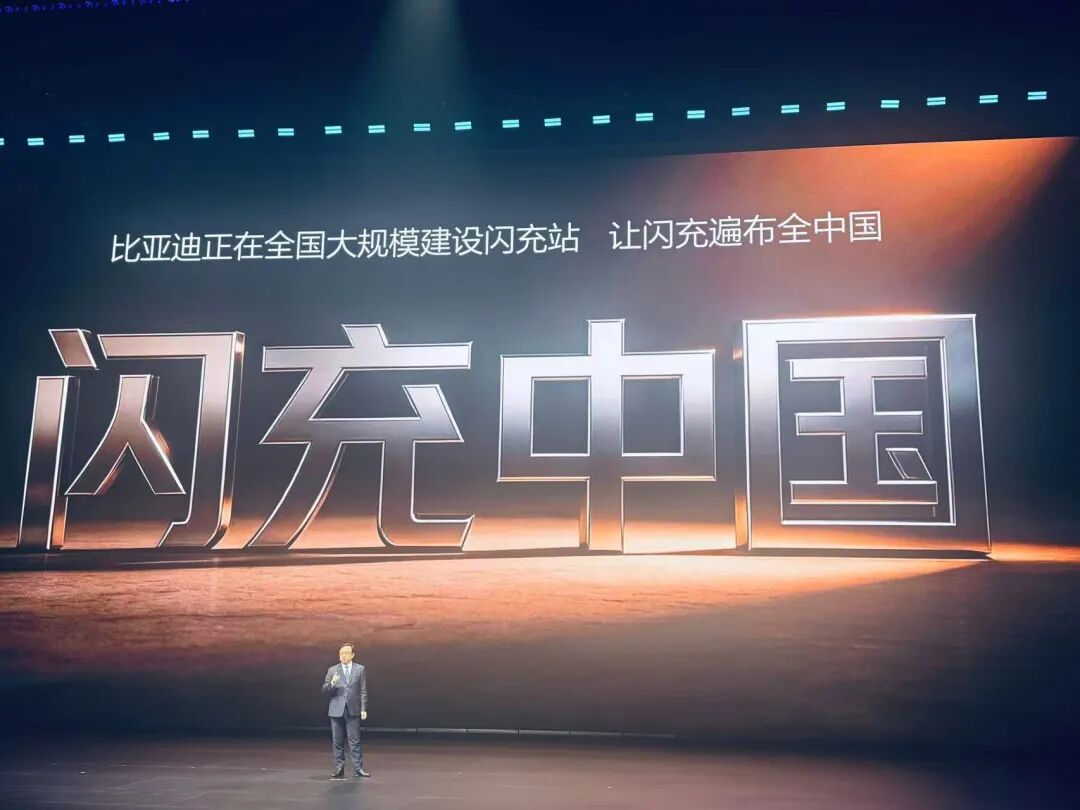
比亚迪发布第二代刀片电池及闪充技术
Cai Jing Wang· 2026-03-06 09:10
Core Insights - BYD has officially launched its second-generation blade battery and flash charging technology, achieving a charging speed that allows users to charge from 10% to 70% in just 5 minutes and from 10% to 97% in 9 minutes, even in low temperatures [1][3] - The company has introduced the "Flash Charge China" strategy, aiming to build 20,000 flash charging stations across the country by the end of the year, marking a significant advancement in the electric vehicle charging experience [1][5] Battery Technology - The second-generation blade battery features a 5% increase in energy density compared to the first generation, while also enabling fast charging capabilities [3] - The battery incorporates a "lithium-ion high-speed channel" and an "all-temperature intelligent thermal management system," resulting in lower heat generation and more efficient heat dissipation [3] - The battery's capacity retention rate has improved by 2.5%, and it continues to offer a lifetime warranty on the cells [3] Charging Infrastructure - BYD has developed a new flash charging pile with a single-gun charging power of 1500kW, designed to be user-friendly and environmentally friendly [5] - The innovative "sliding rail suspension T-type pile" design allows for a lightweight and clean charging experience, eliminating tangled cables [5] - The company plans to collaborate with national charging network operators to accelerate the construction of flash charging stations, ensuring coverage within 3 to 6 kilometers in urban areas [6] Strategic Expansion - BYD's flash charging stations will also be established at nearly one-third of highway service areas, with plans to build 2,000 stations by the end of the year [6] - The company has committed to building 1,000 "flash charging highway stations" before the May Day holiday, addressing long-distance travel charging concerns [6] - Future plans include expanding flash charging stations internationally by the end of 2026, contributing to global electric vehicle development [8]