PSBC(01658)

Search documents
邮储银行跌2.14%,成交额8.88亿元,主力资金净流出1202.09万元
Xin Lang Cai Jing· 2025-10-29 06:29
Core Viewpoint - Postal Savings Bank of China (PSBC) has experienced fluctuations in its stock price, with a year-to-date increase of 9.63% and a recent decline of 2.14% on October 29, 2023, indicating volatility in investor sentiment and market conditions [1][2]. Company Overview - PSBC, established on March 6, 2007, and listed on December 10, 2019, is headquartered in Beijing, China, and provides a range of banking and financial services [2]. - The bank's main business segments include personal banking (65.15% of revenue), corporate banking (22.71%), and funding operations (12.10%) [2]. Financial Performance - As of June 30, 2023, PSBC reported a net profit of 49.228 billion yuan, reflecting a year-on-year growth of 0.85% [3]. - The bank has distributed a total of 137.796 billion yuan in dividends since its A-share listing, with 77.395 billion yuan distributed over the past three years [4]. Shareholder Information - As of June 30, 2023, the number of PSBC shareholders decreased by 10.31% to 164,100, while the average number of circulating shares per person increased by 11.66% to 415,086 shares [3]. - Major shareholders include Hong Kong Central Clearing Limited, which holds 942 million shares, and several ETFs that have increased their holdings [4].

邮储银行10月28日获融资买入9433.33万元,融资余额8.27亿元
Xin Lang Cai Jing· 2025-10-29 03:11
来源:新浪证券-红岸工作室 10月28日,邮储银行涨1.00%,成交额9.76亿元。两融数据显示,当日邮储银行获融资买入额9433.33万 元,融资偿还9370.36万元,融资净买入62.98万元。截至10月28日,邮储银行融资融券余额合计8.34亿 元。 分红方面,邮储银行A股上市后累计派现1377.96亿元。近三年,累计派现773.95亿元。 机构持仓方面,截止2025年6月30日,邮储银行十大流通股东中,香港中央结算有限公司位居第四大流 通股东,持股9.42亿股,相比上期增加6082.63万股。华夏上证50ETF(510050)位居第六大流通股东, 持股2.16亿股,相比上期增加1291.59万股。华泰柏瑞沪深300ETF(510300)位居第七大流通股东,持 股1.97亿股,相比上期增加1590.72万股。易方达沪深300ETF(510310)位居第九大流通股东,持股 1.40亿股,相比上期增加1321.26万股。 融券方面,邮储银行10月28日融券偿还2.36万股,融券卖出28.70万股,按当日收盘价计算,卖出金额 174.21万元;融券余量118.01万股,融券余额716.32万元,超过近一年90 ...
邮储银行玉环市支行:金融创新激活新质生产力“一池春水”
Zhong Guo Jin Rong Xin Xi Wang· 2025-10-28 14:10
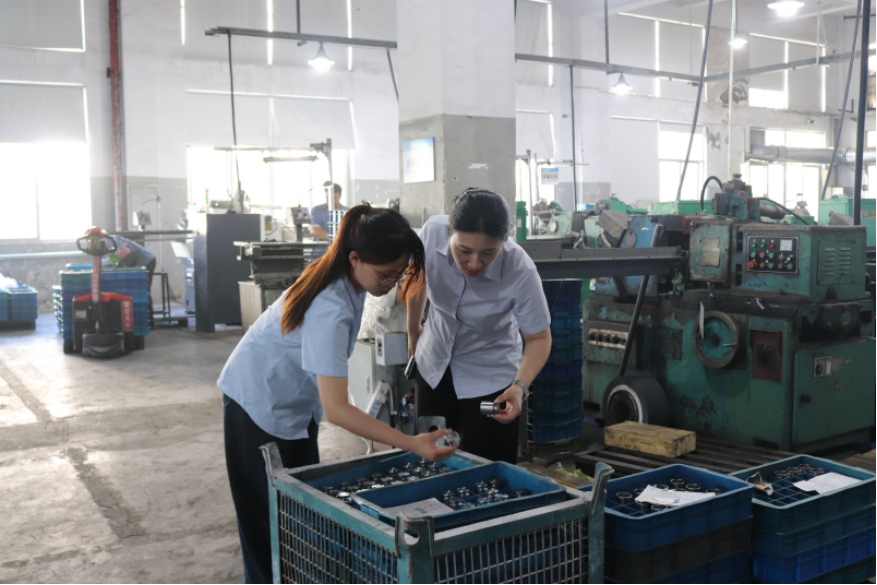
Core Viewpoint - Financial support is crucial for cultivating new productive forces, with Postal Savings Bank's Yuhuan branch focusing on "specialized, refined, distinctive, and innovative" enterprises to address their financing challenges and promote regional economic transformation and high-quality development [1][2]. Group 1: Financial Support Initiatives - Postal Savings Bank's Yuhuan branch has shifted from a passive to an active service model, engaging directly with enterprises to understand their financial needs and provide tailored financial solutions [2]. - The bank successfully provided a loan of 28 million yuan to Taizhou Wanzhou Machinery Co., which alleviated their liquidity pressure and supported their capacity expansion and R&D efforts [2]. - The bank offers a comprehensive suite of financial services beyond loans, including acceptance bills, account settlement, corporate payroll, wealth management, and credit cards, which help reduce financial costs for enterprises [2]. Group 2: Long-term Mechanisms and Strategies - The bank is implementing various strategies to build a long-term support mechanism for technology-driven enterprises, including joint activities with institutional departments and enhancing brand influence [2]. - It is actively monitoring equity financing and listing needs of enterprises, facilitating connections with quality equity institutions through events like the Science and Technology Roadshow [2]. - The bank has introduced specialized loan products such as "Science and Technology Loans" with credit limits up to 50 million yuan for "specialized, refined, distinctive, and innovative" enterprises, aiming to provide targeted financial solutions [2]. Group 3: Future Focus - The Yuhuan branch plans to continue focusing on providing full lifecycle services for "specialized, refined, distinctive, and innovative" enterprises, ensuring precise allocation of financial resources and smoother financing experiences [3].

中邮投资获批筹建!六大行聚首AIC赛道
Guo Ji Jin Rong Bao· 2025-10-28 14:09
Core Insights - The establishment of Zhongyou Investment marks the completion of the AIC licensing for all six major state-owned banks in China, indicating a significant development in the banking sector [1][2][4] - The move is seen as a response to national calls for enhancing financial services and supporting technological innovation, aiming to improve the bank's comprehensive service capabilities [4][5] Group 1: AIC Establishment - Postal Savings Bank has received approval from the National Financial Supervision Administration to establish Zhongyou Investment, which will be a wholly-owned subsidiary with a registered capital of 10 billion RMB [2][4] - The establishment of Zhongyou Investment is part of a broader trend where banks are exploring lighter transformation and supplementing existing business models through AICs [1][6] Group 2: Market Context - The approval of Zhongyou Investment completes the AIC setup for the six major state-owned banks, with the total number of bank-affiliated AICs in China now reaching nine [6] - The expansion of AICs aligns with regulatory support for banks to invest in technology-driven enterprises, enhancing their ability to meet diverse financing needs [5][6] Group 3: Opportunities and Challenges - AICs are expected to complement traditional banking services, allowing banks to engage in equity investments and support early-stage technology projects, which traditional credit systems may overlook [6][7] - However, banks face challenges in managing risks associated with equity investments, particularly given the long cycles and uncertainties of tech projects, necessitating a reevaluation of risk management strategies [7]
邮储银行德清支行:精准投放金融“活水”助力水产养殖户秋季生产
Zhong Guo Jin Rong Xin Xi Wang· 2025-10-28 13:38
Core Insights - The "Rice-Fish Symbiosis" aquaculture base in Deqing County is thriving, with plans to expand by 50 acres and introduce high-quality seedlings and advanced equipment to enhance productivity [1] - The operator faced financial difficulties due to prior investments in pond renovations and embankment reinforcements, which hindered their ability to secure funding for seasonal fish stocking [1] - Postal Savings Bank's Deqing County branch responded promptly by initiating agricultural financial services, conducting on-site assessments, and providing a tailored credit loan solution to address the operator's funding gap [2] Financial Support and Impact - The bank issued a loan of 1 million yuan within five working days, which helped the operator procure seedlings on time and avoid economic losses from missing the optimal production period [2] - The Deqing County branch has disbursed over 20 million yuan in loans to local aquaculture operators this autumn, benefiting more than 40 farming entities and supporting the high-quality development of the local aquaculture industry [5]

华信债虚假陈述五中介被判赔1800余万 赔偿额是这样认定的!
Di Yi Cai Jing· 2025-10-28 12:35
Core Viewpoint - The Shanghai Financial Court ruled on a case involving false statements in bond issuance documents by Shanghai Huaxin International Group, marking the first securities false statement liability dispute in the interbank bond market [1][4]. Group 1: Case Background - The case originated from a rural commercial bank suing various intermediary institutions, including underwriters and rating agencies, for compensation due to false statements in bond issuance [1]. - The total amount of bonds issued by Shanghai Huaxin from 2014 to 2017 exceeded 40 billion yuan [1]. - The plaintiff, a rural commercial bank, invested over 200 million yuan, and multiple investment institutions have sued Shanghai Huaxin due to bond defaults [1]. Group 2: Court Ruling - The court determined that five intermediary institutions must bear joint liability for the losses incurred by the plaintiff, amounting to approximately 128 million yuan [4]. - Postal Savings Bank and China International Capital Corporation are each responsible for 5% of the losses, equating to about 6.39 million yuan [2]. - Other intermediaries, including accounting firms and credit rating agencies, are liable for smaller percentages of the losses, totaling approximately 2.1 million yuan [2]. Group 3: Loss Assessment - The court acknowledged the complexity of factors leading to investment losses, including macroeconomic conditions and the investigation of the actual controller of the issuing company [3]. - A third-party professional institution was commissioned to assess the losses, employing methods aligned with bond pricing principles and market characteristics [3]. - The assessment distinguished losses across three phases: from issuance to disclosure, from disclosure to default, and from default to bankruptcy ruling [3].

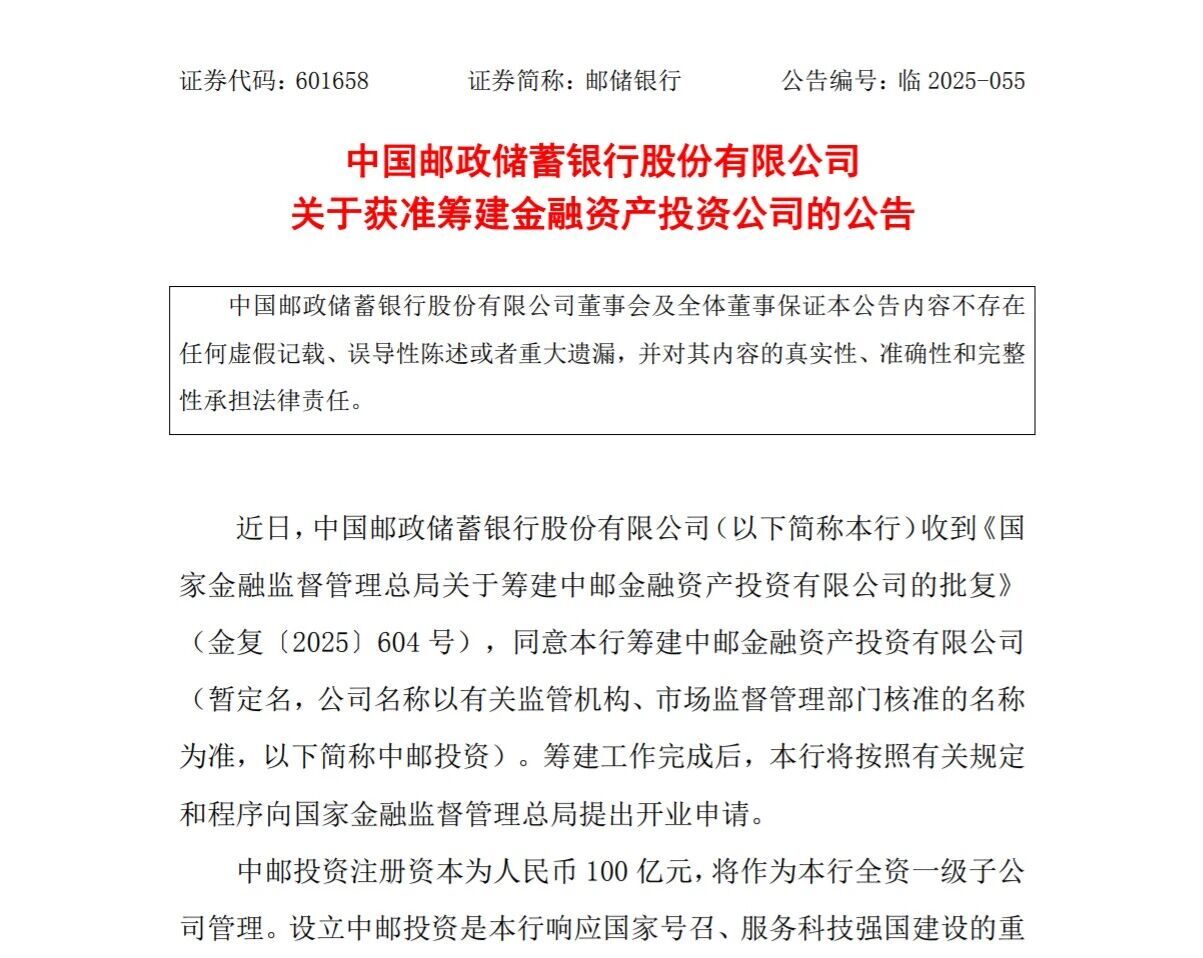
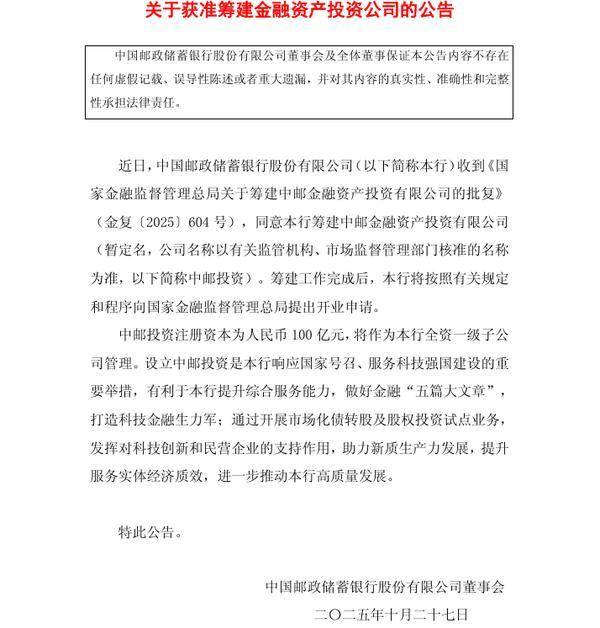
邮储银行:获准筹建中邮金融资产投资有限公司
Sou Hu Cai Jing· 2025-10-28 08:15
Core Viewpoint - Postal Savings Bank of China has received approval from the National Financial Regulatory Administration to establish a wholly-owned subsidiary named China Post Financial Asset Investment Co., Ltd. [1] Group 1 - The establishment of China Post Financial Asset Investment Co., Ltd. is part of Postal Savings Bank's strategy to enhance its investment capabilities [1] - The registered capital for the new subsidiary is set at RMB 10 billion [1] - The bank will follow regulatory procedures to apply for the commencement of operations after the establishment process is completed [1]
邮储银行涨1.00%,成交额9.76亿元,近3日主力净流入-1.79亿
Xin Lang Cai Jing· 2025-10-28 08:00
Core Viewpoint - Postal Savings Bank of China (PSBC) shows a stable performance with a recent stock price increase and a solid dividend yield, indicating potential investment opportunities in the banking sector [1][2]. Financial Performance - PSBC's recent stock performance includes a 1.00% increase in share price, with a trading volume of 976 million yuan and a market capitalization of 728.977 billion yuan [1]. - The bank's dividend yields over the past three years were 5.58%, 6.00%, and 4.61% respectively, reflecting a consistent return to shareholders [2]. Shareholder and Ownership Structure - PSBC is a state-owned enterprise, ultimately controlled by China Post Group [2]. - As of June 30, the number of shareholders decreased by 10.31% to 164,100, while the average circulating shares per person increased by 11.66% to 415,086 shares [7]. Revenue and Profitability - For the first half of 2025, PSBC reported a net profit of 49.228 billion yuan, representing a year-on-year growth of 0.85% [7]. - Cumulative cash dividends since the bank's A-share listing amount to 137.796 billion yuan, with 77.395 billion yuan distributed over the last three years [8]. Institutional Holdings - As of June 30, 2025, major institutional shareholders include Hong Kong Central Clearing Limited, which holds 942 million shares, an increase of 60.826 million shares from the previous period [8][9]. - Other significant shareholders include various ETFs, indicating a diversified institutional interest in PSBC [8][9]. Business Operations - PSBC's main business segments include personal banking (65.15% of revenue), corporate banking (22.71%), and funding operations (12.10%) [6]. - The bank provides a wide range of financial services, including loans, deposits, and asset management, catering to both individual and corporate clients [6].
邮储银行AIC正式获批,注册资本100亿元
Huan Qiu Lao Hu Cai Jing· 2025-10-28 06:37
Core Points - Postal Savings Bank of China (PSBC) has received approval from the National Financial Supervision Administration to establish China Post Financial Asset Investment Co., Ltd. with a registered capital of RMB 10 billion [1] - The new company will be a wholly-owned subsidiary of PSBC and aims to enhance the bank's comprehensive service capabilities and support technological innovation and private enterprises [1] - PSBC is the fourth bank this year to initiate the establishment of a financial asset investment company (AIC), completing the lineup of all six major state-owned banks holding AIC licenses [2] Summary by Sections Establishment of China Post Financial Asset Investment Co., Ltd. - PSBC announced the establishment of China Post Financial Asset Investment Co., Ltd. with a registered capital of RMB 10 billion [1] - The establishment is part of PSBC's response to national calls and aims to support the construction of a technology-driven economy [1] Context of Financial Asset Investment Companies - PSBC is the fourth bank in 2023 to establish an AIC, following China Merchants Bank, CITIC Bank, and Industrial Bank [2] - The establishment of AICs is aimed at addressing non-performing loans and initially focused on debt-to-equity swaps, with a gradual expansion into equity investment [2][3] Regulatory Environment and Expansion - In March 2023, the financial regulatory authority announced support for commercial banks to establish AICs, leading to an accelerated pace of AIC license issuance [3] - Prior to PSBC, five major state-owned banks had already established AICs, indicating a significant shift in the regulatory landscape for financial asset management [2][3]
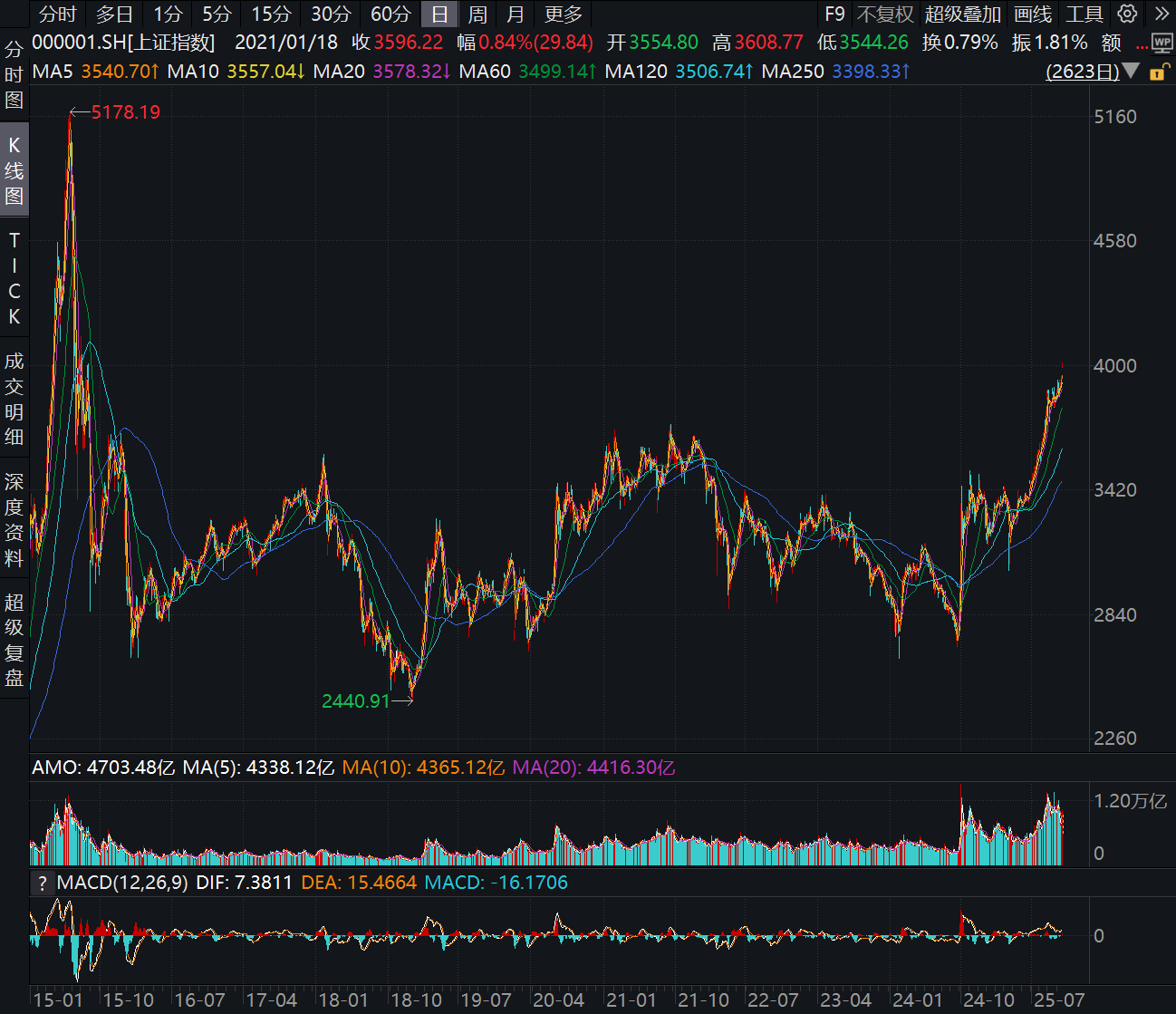
沪指突破4000点!银行股有力支撑
Zheng Quan Ri Bao Wang· 2025-10-28 04:51
Core Viewpoint - The Shanghai Composite Index has surpassed the 4000-point mark for the first time since August 2015, with a year-to-date increase of over 19% [1]. Group 1: Market Performance - As of the midday close, the Shanghai Composite Index stood at 4005.44 points, reflecting a gain of 0.21%, with over 3000 stocks rising [1]. - Bank stocks, particularly Xiamen Bank, Postal Savings Bank, and Agricultural Bank, have significantly supported the index's strength [3]. - Agricultural Bank's stock price reached a new high, closing at 8.26 yuan per share, with a year-to-date increase exceeding 60% [3]. Group 2: Market Capitalization - The total market capitalization of Agricultural Bank is close to 2.9 trillion yuan, making it the largest by market cap in A-shares [3]. - The top three A-share market capitalizations are all bank stocks: Agricultural Bank (2.89 trillion yuan), Industrial and Commercial Bank (2.84 trillion yuan), and China Construction Bank (2.45 trillion yuan) [3]. Group 3: Regulatory Developments - Li Yunzhe, head of the National Financial Supervision Administration, emphasized the commitment to advancing financial development in line with China's unique path during the 2025 Financial Street Forum [3]. - Four major banks have established financial asset investment companies in Beijing, with Postal Savings Bank also in the process of setting up its own [3]. Group 4: Company Announcements - Postal Savings Bank announced the approval to establish a financial asset investment company, named China Postal Investment, with a registered capital of 10 billion yuan [4].