
XIAOMI(01810)

Search documents
小米集团-W(01810):存储影响长于预期,关注AI商业化进展
HTSC· 2026-03-25 07:16
Investment Rating - The report maintains a "Buy" rating for the company with a target price of 43 HKD [7][19]. Core Insights - The company reported FY2025 revenue of 457.3 billion RMB, a year-on-year increase of 25.0%, and a Non-GAAP net profit of 39.2 billion RMB, up 43.8% year-on-year. The 4Q25 revenue was 116.9 billion RMB, a 7.3% increase year-on-year, while Non-GAAP net profit for the quarter was 6.3 billion RMB, down 23.7% year-on-year [1][5]. - Management indicated that the storage price increase cycle may last longer and be more significant than previously expected, potentially extending into 2027. This outlook is more pessimistic than earlier reports [1]. - The company has made significant advancements in AI, with the MiMo-V2-Pro model ranking among the top globally and the AI Agent "MiKe" entering beta testing. However, AI commercialization is still in its early stages [3]. - The automotive segment achieved its first annual operating profit, delivering 411,082 vehicles, a 200.4% increase year-on-year, with the new SU7 model performing exceptionally well [4]. Summary by Sections Financial Performance - FY2025 revenue reached 457.3 billion RMB, with a 25.0% year-on-year growth. Non-GAAP net profit was 39.2 billion RMB, reflecting a 43.8% increase year-on-year. The 4Q25 revenue was 116.9 billion RMB, up 7.3% year-on-year, while Non-GAAP net profit for the quarter was 6.3 billion RMB, down 23.7% year-on-year [1][5]. Smartphone/IoT/Internet Business - In 4Q25, the smartphone and AIoT segment generated 79.7 billion RMB in revenue, a decrease of 13.7% year-on-year. Smartphone revenue was 44.3 billion RMB with a shipment of 37.7 million units, down 11.6% year-on-year. IoT revenue was 24.6 billion RMB, down 20.3% year-on-year, but the annual IoT revenue reached a record high of 123.2 billion RMB [2]. AI Development - The company launched several AI models, including MiMo-V2-Pro, which has become the most utilized model on the OpenRouter platform. The AI Agent "MiKe" is the first of its kind to be deployed on mobile devices, showcasing the company's competitive edge in AI technology [3]. Automotive Business - The automotive division achieved a significant milestone with an operating profit of 900 million RMB for FY25, delivering over 411,000 vehicles, exceeding the initial target of 300,000 units. The new SU7 model has received strong market interest, with over 30,000 orders within three days of launch [4]. Profit Forecast and Valuation - The report maintains Non-GAAP net profit forecasts of 34.5 billion RMB for 2026 and 45.4 billion RMB for 2027, introducing a forecast of 57.1 billion RMB for 2028. The target price of 43 HKD corresponds to a 32x PE ratio for 2026 [5][19].

小米集团-W:4Q25 better than feared; Positive on AI investment to bear fruit in 2026-27-20260325
Zhao Yin Guo Ji· 2026-03-25 01:24
Investment Rating - The report maintains a "BUY" rating for Xiaomi, with a new target price (TP) of HK$44.47, reflecting a potential upside of 36.1% from the current price of HK$32.68 [1][3][27]. Core Insights - Xiaomi's 4Q25 results exceeded expectations, with revenue growth of +7% YoY and adjusted net profit decline of -24% YoY, outperforming Bloomberg consensus estimates by 1% and 10% respectively. This was attributed to improved smartphone average selling price (ASP) and strong performance in the smart EV segment [1][9]. - The company is well-positioned for future growth, focusing on premiumization, IoT expansion overseas, and advancements in AI capabilities, with expectations for these investments to yield results in 2026-27 [1][9]. - Adjustments to FY26-27E net profit estimates have been made, reducing projections by 4-9% due to 4Q25 results and anticipated lower gross profit margins [1][9]. Financial Summary - Revenue projections for FY26E and FY27E are set at RMB 522.3 billion and RMB 613.1 billion, respectively, with YoY growth rates of 14.2% and 17.4% [2][31]. - Adjusted net profit for FY26E is estimated at RMB 35.6 billion, reflecting a decline of 9.1% YoY, while FY27E is projected to recover to RMB 44.0 billion, showing a growth of 23.6% [2][31]. - The report highlights a decrease in gross profit margin for FY26E to 21.0% and FY27E to 22.0%, down from previous estimates [24][31]. Segment Performance - The smartphone segment reported a revenue decline of -14% YoY in 4Q25, driven by a 12% drop in shipments, despite a 7% increase in ASP [9][22]. - The smart EV segment saw a remarkable revenue increase of 122% YoY, with 145,000 deliveries and an ASP rise of 6.6% YoY, contributing positively to overall performance [9][22]. - IoT and lifestyle products experienced a revenue drop of -20% YoY, attributed to diminishing subsidy impacts in China, although overseas markets showed stronger performance [9][22]. Valuation - The target price of HK$44.47 is derived using a sum-of-the-parts (SOTP) valuation method, reflecting different growth profiles across Xiaomi's business segments [27][28]. - The implied target multiples are set at 29.5x and 23.9x for FY26E and FY27E P/E, respectively, justified by Xiaomi's market share gains and strategic initiatives [27][28].
新款小米SU7 新车上市一线销售周报
车fans· 2026-03-25 01:07
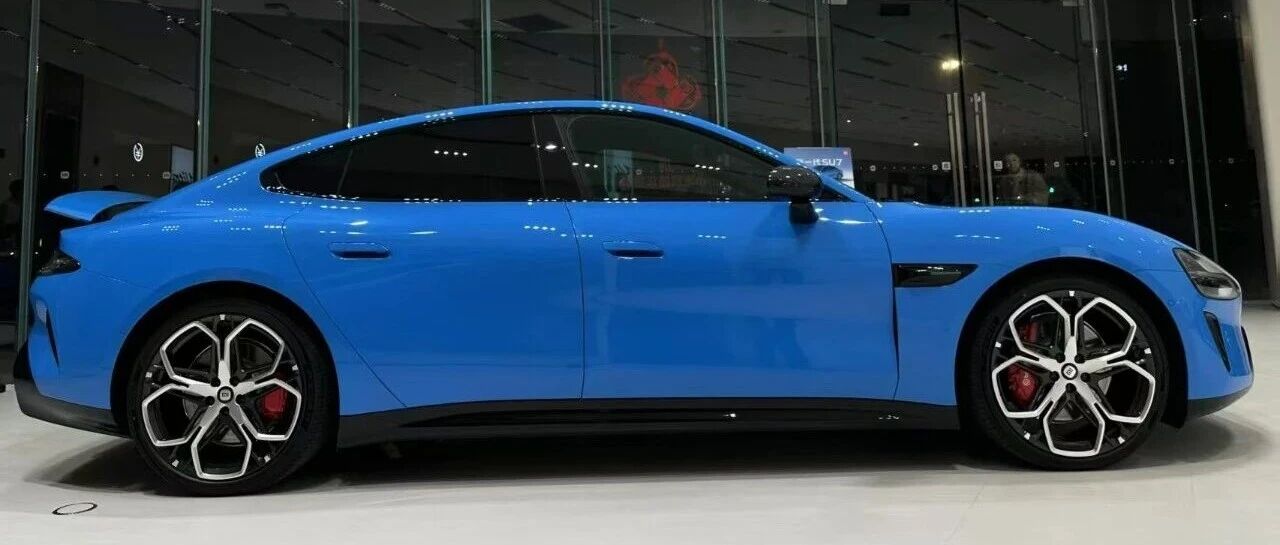
Group 1: Order Situation - The average store locked orders reached 75 units, with a new store visit increase of 60-70% and a visit rate of 85% [5][8] - After the launch, customers found the new model's pricing to be in line with expectations, leading to a peak in orders on the launch night and a second peak over the weekend, totaling 35,000 locked orders, with store feedback exceeding expectations [8] - Display vehicles arrived about 10 days before the launch, and customers noted significant improvements in interior quality and test drive experience, resulting in a high direct order rate post-launch [8] Group 2: Customer Profile - The primary customer demographic is aged 25-30, with a female proportion of 45% and a replacement purchase ratio of 60-70% [7][11] - Young couples and newlywed families are the main buyers, valuing aesthetics and smart features, with an increase in replacement purchases driven by family growth, contributing to a younger and more female customer base [11] - Due to increased vehicle ownership, customer word-of-mouth has positively impacted terminal sales, with a conversion rate of 30-40% for old recommendations and retained customers [11] Group 3: Configuration Preferences - 45% of customers chose the SU7 standard version priced at 219,900, 30% opted for the SU7 PRO version at 249,900, and 25% selected the SU7 MAX version at 303,900 [12] - Most customers preferred to customize their new vehicles, showing confidence in the new model's delivery timeline, with a relatively even distribution of configurations, particularly higher MAX ratios in first- and second-tier cities [14] - The main exterior color chosen was "Indigo Green," while the popular interior colors were "Misty Purple" and "Sandstone Beige," with customers expressing satisfaction with the quality improvements [14] Group 4: Competitive Comparison - Among customers visiting stores, 70% did not consider other brands, with 20% comparing to Tesla Model 3, 10% to NIO ET5, and 10% to Mercedes-Benz C-Class [16] - Most customers comparing with Tesla were families looking to upgrade, and after experiencing the new Xiaomi SU7, they rated its overall quality and smart features higher, indicating a strong competitive advantage [16]

41岁张雪峰去世,生前关联11家企业;35岁张渊接任蜜雪冰城CEO;地平线CEO余凯回应疑员工内涵小鹏智驾;Sora宣布关停丨邦早报
创业邦· 2026-03-25 00:10
Group 1 - Zhang Xuefeng, founder of Suzhou Fengxue Weilai Education Technology Co., Ltd., passed away on March 24, 2026, due to cardiac arrest [2] - Tencent has recruited several key technical personnel from ByteDance's Seed team, who will report directly to AI scientist Yao Shunyu [4] - Xiaomi reported a record revenue of 457.3 billion yuan for 2025, a 25% year-on-year increase, with innovative business segments like smart electric vehicles contributing significantly [4] - Mixue Group announced a revenue of 33.56 billion yuan for 2025, a 35.2% increase year-on-year, and appointed a new CEO [4] Group 2 - OpenAI plans to discontinue its Sora AI video generation service to streamline its product line [8] - Meta Platforms appointed Andrew Bosworth as the new leader for its AI-native transformation project [11] - Gilead Sciences signed an acquisition agreement with Ouro Medicines for up to $2.175 billion, including an initial payment of $1.675 billion [11] - Nintendo reduced its production target for the Switch 2 console by over 30% due to lower-than-expected holiday demand [13] Group 3 - SK Hynix plans to raise approximately $10 billion to $15 billion through a U.S. IPO to invest in AI infrastructure [15] - Hesai Technology reported a net income of 3.028 billion yuan for 2025, a 45.8% increase year-on-year [15] - Tongcheng Travel achieved a revenue of 19.4 billion yuan in 2025, with a significant increase in paid user numbers [15] - Alibaba launched its new flagship processor, the Xuantie C950, which features the highest performance among RISC-V CPUs [19]

今日新闻丨小米发布最强财报,汽车业务营收首超千亿!FREELANDER神行者品牌首款车型即将首秀!小鹏P7新版本上市,售价20.38-30.18万元!
电动车公社· 2026-03-24 23:10
Group 1 - The core point of the article highlights the recent developments in the electric vehicle market, particularly focusing on the launch of new models from Xiaopeng and Xiaomi, as well as the introduction of a new luxury brand by Chery and Jaguar Land Rover [2][3][15]. Group 2 - Xiaopeng P7 Max version has been launched with a price range of 203,800 to 301,800 yuan, featuring new color options and enhanced driving modes [3][5][7]. - Xiaomi's automotive business revenue has surpassed 100 billion yuan for the first time, reporting 106.1 billion yuan in revenue, a year-on-year increase of 233.8%, with 411,082 vehicles delivered, marking a 200.4% increase [10][11]. - The FREELANDER brand, a collaboration between Chery and Jaguar Land Rover, is set to debut its first model on March 31, targeting the luxury SUV market with a price range of 300,000 to 500,000 yuan, featuring advanced technology and all-terrain capabilities [15][19].


Xiaomi Corporation's Financial Challenges and Market Position
Financial Modeling Prep· 2026-03-24 16:03
Core Viewpoint - Xiaomi Corporation, represented by XIACY on the OTC market, is facing financial challenges despite its strong market presence in the global smartphone sector, competing with major players like Apple and Samsung [1]. Financial Performance - On March 24, 2026, XIACY reported earnings per share of $0.16, missing the estimated $0.18 [2][6]. - The company's revenue was approximately $16.93 billion, slightly below the expected $17.01 billion, attributed to rising memory chip costs increasing production expenses [2]. - Decreased consumer spending in key markets has contributed to a drop in quarterly net profit, further straining the company's financials [3]. Valuation Metrics - XIACY maintains a price-to-earnings (P/E) ratio of 16.90, indicating investor confidence in its earnings potential [3][6]. - The price-to-sales ratio is about 1.66, suggesting that investors are willing to pay $1.66 for every dollar of sales [4]. - The enterprise value to sales ratio stands at 1.63, reflecting Xiaomi's valuation relative to its sales [4]. - The enterprise value to operating cash flow ratio is approximately 11.29, providing insight into its valuation in relation to cash flow from operations [5]. - The earnings yield of 5.92% indicates a reasonable return on investment [5]. - With a debt-to-equity ratio of 0.10, XIACY has a low level of debt compared to its equity [5]. - A current ratio of 1.32 suggests the company can cover short-term liabilities with short-term assets [5].

机构赎回的一条谣言
表舅是养基大户· 2026-03-24 13:35
Core Viewpoint - The article discusses the current market dynamics, particularly focusing on the behavior of institutional investors and the implications of geopolitical events on market sentiment [1][5][27]. Group 1: Institutional Investor Behavior - Institutional investors are categorized based on their funding types, with long-term funds like insurance companies being more inclined to increase their positions, while unstable funds like wealth management products are reducing their exposure to mitigate volatility [9][10]. - Recent market declines were attributed to small and medium-sized insurance companies being forced to reduce their positions due to regulatory requirements, which was labeled as a misleading narrative by some analysts [11][12]. - The article highlights that the A-share market has experienced relatively smaller declines compared to global markets, indicating that it is not in an oversold condition [13][14]. Group 2: Market Dynamics and Trends - The article notes that the recent volatility in the market has led to a significant withdrawal from wealth management products, which are more sensitive to market fluctuations, indicating a trend of risk aversion among investors [17][23]. - The performance of convertible bonds has been negatively impacted as they are closely related to wealth management products, which have seen a rapid decline in valuation due to market uncertainties [24]. - The article emphasizes that the current market adjustments are healthy, as they remove the most sensitive funds first, making it easier for the market to clear [25]. Group 3: Global Market Reactions - Global markets have shown a rebound following news of potential negotiations involving key political figures, which has increased risk appetite among investors [27][28]. - The article points out that the A-share market has seen a broad-based rally, with most sectors recovering, particularly the small-cap stocks that had previously underperformed [31]. - The article also mentions significant movements in the ETF market, indicating a potential shift in marketing strategies as companies begin to brand their products more prominently [34][37]. Group 4: Sector-Specific Insights - In the Hong Kong market, there is a notable risk associated with the volatility of southbound capital flows, which are primarily driven by short-term trading funds [38]. - Positive earnings reports from new consumer companies in Hong Kong have led to a collective surge in their stock prices, indicating strong market interest in this sector [40]. - The article highlights the growing trend of electric vehicle registrations in the EU, which could benefit Chinese automotive companies as oil prices rise [40].

XIAOMI(01810) - 2025 Q4 - Earnings Call Transcript
2026-03-24 12:32
Financial Data and Key Metrics Changes - In 2025, the total group revenue reached RMB 457.3 billion, marking a 25% year-on-year increase and surpassing the RMB 400 billion mark for the first time [5][16] - Adjusted net profit for 2025 was RMB 39.2 billion, up 44% year-on-year, achieving a record high [5][23] - Overall gross profit margin improved to 22.3%, up 1.3% year-on-year, also a historical high [16] Business Segment Data and Key Metrics Changes - Revenue from the smartphones and IoT segment was RMB 351.2 billion, up 5.4% year-on-year, with a gross profit margin of 21.7% [17] - Smartphone revenue was RMB 186.4 billion, accounting for 40.8% of total revenue, with global shipments reaching 165 million units [17][18] - IoT revenue surpassed RMB 120 billion for the first time, reaching RMB 123.2 billion, reflecting an 18.3% year-on-year growth [7][19] - The smart EV and AI innovation business segment achieved annual revenue of RMB 106.1 billion, up over 200% year-on-year, and recorded an operating profit of RMB 0.9 billion for the first time [21][23] Market Data and Key Metrics Changes - In 2025, Xiaomi maintained a global smartphone market share of 13.3%, ranking in the top three for 22 consecutive quarters [5][18] - In Mainland China, Xiaomi's smartphone sales ranking rose to second, with premium models accounting for 27.1% of total smartphone sales, up 3.8 percentage points year-on-year [6][17] - The company achieved significant growth in overseas markets, particularly in Latin America and Southeast Asia, where shipment rankings improved to second [5] Company Strategy and Development Direction - Xiaomi plans to focus on breakthroughs in hardcore technology, particularly in AI and embodied intelligence, with R&D investment exceeding RMB 33 billion in 2025 and projected to exceed RMB 40 billion in 2026 [9][21] - The company aims to enhance its premium product offerings and expand its presence in mature international markets [6][7] - Xiaomi is committed to integrating AI into its ecosystem, with plans to invest RMB 60 billion in AI over the next three years [12][21] Management's Comments on Operating Environment and Future Outlook - Management acknowledged challenges in the second half of 2025 but expressed confidence in achieving growth targets for 2026 [16][52] - The company is aware of rising memory prices impacting the smartphone segment but aims to manage costs while protecting consumer pricing [27][59] - Management emphasized the importance of maintaining market position and competitive advantages through strong supplier relationships and inventory management [33][60] Other Important Information - Xiaomi's share repurchase program totaled approximately HKD 6.3 billion in 2025, reflecting confidence in the company's long-term future [24] - The company achieved a management level B score in the CDP Climate Change and Water Security Survey, and a score of 81 in EcoVadis Gold Medal for ESG efforts [25] Q&A Session Summary Question: Concerns about rising memory prices and smartphone pricing strategy - Management acknowledged the impact of rising memory prices and indicated that while they aim to protect consumers, price hikes may be necessary if pressures continue [27][32][59] Question: Sales data for new generation vehicles - Management clarified that locked orders for new vehicles are primarily from new buyers, indicating strong demand and a positive outlook for future sales [34][36] Question: AI capabilities and commercialization - Management stated that while AI models are progressing, commercialization is still in early stages, with ongoing improvements expected [40][64] Question: Impact of Middle Eastern situation on business - Management noted that the Middle Eastern market contributes only a small percentage to overall revenue, and the situation remains controllable [55] Question: Future investment in chips and IoT pricing strategy - Management confirmed continued investment in chip development as a strategic capability, while also indicating that pricing strategies for IoT products will align with those for smartphones [69][70]
XIAOMI(01810) - 2025 Q4 - Earnings Call Transcript
2026-03-24 12:32
Financial Data and Key Metrics Changes - In 2025, total group revenue reached CNY 457.3 billion, a 25% year-on-year increase, marking the first time surpassing the CNY 400 billion mark [4][15] - Adjusted net profit reached CNY 39.2 billion, up 44% year-on-year, also a record high [4][21] - Overall gross profit margin was 22.3%, up 1.3% year-on-year, achieving a historical high [15] - Revenue from smartphones and IoT segment was CNY 351.2 billion, up 5.4% year-on-year, with a gross profit margin of 21.7%, up 0.5% year-on-year [16] Business Line Data and Key Metrics Changes - Smartphone revenue was CNY 186.4 billion, accounting for 40.8% of total revenue, with global shipments reaching 165 million units [16][17] - IoT revenue surpassed CNY 123.2 billion, an 18.3% year-on-year growth, with a gross profit margin of 23.1%, up 2.8% year-on-year [6][18] - The EV and AI innovation business segment reached CNY 106.1 billion in revenue, up over 200% year-on-year, with a gross profit margin of 24.3% [20] Market Data and Key Metrics Changes - In 2025, Xiaomi maintained a global smartphone market share of 13.3%, ranking in the top three for 22 consecutive quarters [4][17] - In Mainland China, Xiaomi's smartphone sales ranking rose to second, with premium models accounting for 27.1% of total smartphone sales, up 3.8 percentage points [5][16] - The company achieved record shipments in wearables and TWS earphones, ranking first and second globally, respectively [6][18] Company Strategy and Development Direction - Xiaomi aims to solidify its high-end market position and expand its premium strategy in international markets, including launching a light phone priced at EUR 1,999 [5][6] - The company plans to invest over CNY 40 billion in R&D for 2026, focusing on AI and embodied intelligence [9][12] - Xiaomi's strategy includes deep integration of AI across its product ecosystem, with significant investments in AI capabilities and robotics [10][12] Management's Comments on Operating Environment and Future Outlook - Management acknowledged challenges in the second half of 2025 but expressed confidence in achieving growth targets for 2026 [15][50] - The company is prepared for potential impacts from rising memory prices and is focused on maintaining competitive pricing strategies [27][57] - Management emphasized the importance of premiumization in IoT and automotive segments, with expectations for continued growth despite economic pressures [45][50] Other Important Information - Xiaomi's cumulative R&D expenditure over the past five years reached CNY 105.5 billion, with plans to exceed CNY 200 billion over the next five years [21][22] - The company actively repurchased shares, demonstrating confidence in its long-term future, with share repurchases totaling approximately HKD 6.3 billion in 2025 [22][23] - Xiaomi received a management level B score in the CDP Climate Change and Water Security Survey, reflecting its commitment to sustainable development [23] Q&A Session Summary Question: Concerns about rising memory prices and their impact on smartphones - Management acknowledged the pressure from rising memory prices and indicated that while they aim to protect consumers from price hikes, adjustments may be necessary in the future [27][30][32] Question: Sales data for new generation vehicles - Management clarified that locked orders for new vehicles are a more reliable indicator of sales, with significant initial demand observed [34][35] Question: AI capabilities and commercialization - Management stated that while AI models are showing promise, commercialization is still in early stages, with ongoing improvements expected [39][63] Question: Impact of Middle Eastern situation on overseas business - Management indicated that the Middle Eastern market contributes only a small portion to overall revenue, and the situation remains controllable [53][56] Question: Pricing strategy for smartphones and vehicles - Management emphasized the importance of maintaining market position while balancing pricing strategies across different product categories [57][58]
XIAOMI(01810) - 2025 Q4 - Earnings Call Transcript
2026-03-24 12:30
Financial Data and Key Metrics Changes - In 2025, total group revenue reached CNY 457.3 billion, up 25% year-on-year, marking the first time surpassing CNY 400 billion [3][12] - Adjusted net profit reached CNY 39.2 billion, up 44% year-on-year, also a record high [3][19] - Overall gross profit margin was 22.3%, up 1.3% year-on-year, a historical high [12] - Revenue from smartphones and IoT segment was CNY 351.2 billion, up 5.4% year-on-year, with a gross profit margin of 21.7% [14] - Internet service revenue hit a record CNY 37.4 billion, up 9.7% year-on-year [17] Business Line Data and Key Metrics Changes - Smartphone revenue was CNY 186.4 billion, accounting for 40.8% of total revenue, with global shipments reaching 165 million units [14][15] - IoT revenue surpassed CNY 123.2 billion, up 18.3% year-on-year, with a gross profit margin of 23.1% [5][16] - The EV and AI innovation business segment reached CNY 106.1 billion, up over 200% year-on-year, with smart EV sales revenue at CNY 103.3 billion [18] Market Data and Key Metrics Changes - In 2025, Xiaomi's global smartphone market share was 13.3%, maintaining a top three position globally for 22 consecutive quarters [3][15] - In Mainland China, Xiaomi's smartphone sales ranking rose to second, with premium models accounting for 27.1% of total smartphone sales [4][14] - In overseas markets, Xiaomi's IoT products achieved significant growth, particularly in Europe where tech home appliances entered the market [5][16] Company Strategy and Development Direction - The company aims to solidify its high-end market position and expand premium sales in mature international markets [4] - Xiaomi plans to invest over CNY 40 billion in R&D for 2026, focusing on AI and embodied intelligence [7][10] - The strategy includes deep integration of AI across various product categories, enhancing user experience and operational efficiency [9][10] Management's Comments on Operating Environment and Future Outlook - Management acknowledged challenges in the second half of 2025 but expressed confidence in achieving growth targets for 2026 [12][44] - The company is prepared for potential impacts from rising memory prices and is focused on maintaining competitive pricing strategies [23][49] - Management emphasized the importance of innovation and product strength in navigating market challenges [57] Other Important Information - The company has committed to sustainable development, purchasing over 40 million kWh of green electricity in 2025 [20][21] - Xiaomi's ESG efforts were recognized with a B score in the CDP Climate Change and Water Security Survey [21] Q&A Session All Questions and Answers Question: Concerns about rising memory prices and their impact on smartphones - Management acknowledged the pressure from rising memory prices and indicated that while they aim to protect consumers from price hikes, adjustments may be necessary in the future [23][27][49] Question: Sales data for new generation vehicles - Management highlighted the success of the new generation vehicles, noting significant locked orders and a commitment to timely deliveries [31][32] Question: AI capabilities and commercialization - Management stated that while AI models are showing promise, commercialization is still in early stages, with ongoing improvements expected [54][56] Question: Impact of Middle Eastern situation on overseas business - Management indicated that the Middle Eastern market contributes only a small portion to overall revenue, and the situation remains controllable [48]