
XIAOMI(01810)

Search documents
2025中国智能手机市场洞察报告
中国移动互联网数据库· 2026-03-27 05:40
Investment Rating - The report does not explicitly state an investment rating for the industry Core Insights - The domestic smartphone market is experiencing growth driven by government subsidies and increased consumer demand for mid-to-high-end devices, with models priced above 2000 yuan seeing a year-on-year increase of 2.3% [4][6] - AI technology is becoming deeply integrated into smartphones, enhancing user experience across various applications such as image beautification, text creation, and entertainment [7][26] - The competition among smartphone brands is intensifying, particularly in marketing strategies targeting younger consumers, with esports and sports marketing being key tactics [4][6] Summary by Sections Market Trends - The smartphone market is witnessing a surge in replacement demand, with January and June identified as peak months for device upgrades [6][10] - The active device count for domestic brands is on the rise, with Huawei, Apple, and OPPO leading the market [10][11] User Demographics - The user base for domestic smartphone brands is diversifying, with a notable increase in younger consumers, particularly those under 30 years old [14][15] - The distribution of users across different city tiers shows a balanced presence, with significant engagement from lower-tier cities [14][15] Device Launches and Sales - The report outlines the shipment volumes and new model launches from June 2024 to May 2025, indicating a steady increase in both metrics [8] - The top new models activated within three months of launch include OPPO Reno14 and Huawei Mate70 Pro, showcasing advanced AI features [35][36] AI Integration - AI is positioned as a core innovation point for brands, with a focus on practical applications in real-world scenarios [26][27] - The evolution of AI capabilities in smartphones is categorized into stages, from functional to native integration within the operating system [29][32] Marketing and Advertising - The advertising expenditure for smartphone brands is increasing, with a notable rise in both hard and soft advertising strategies [54][55] - Engagement metrics on new media platforms show significant interaction volumes for brands like Apple and OPPO, indicating effective marketing outreach [56] Consumer Preferences - The report highlights the preferences of Generation Z consumers, with a strong inclination towards mid-range to high-end devices [58][60] - The competitive landscape is characterized by brands like Huawei and OPPO capturing significant market shares across various price segments [59][60]


老头乐起诉小米汽车,有后续了
猿大侠· 2026-03-27 04:12
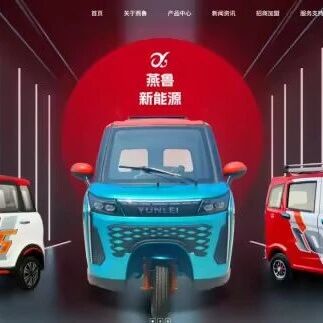
Core Viewpoint - Xiaomi Automotive faces its first patent dispute after its market entry, initiated by a small company named Shandong Yanlu New Energy Vehicle Co., Ltd, which has only 20 employees and primarily produces electric tricycles [1][10]. Group 1: Patent Dispute Details - Shandong Yanlu New Energy has filed a request for invalidation of three design patents held by Xiaomi Automotive, specifically concerning the rear bumper, front bumper, and front headlights, which are key features of Xiaomi's SU7 and YU7 models [1]. - The three patents in question are: - Rear Bumper (Application No. / Patent No. 2023300280286) - Front Bumper (Application No. / Patent No. 2023300278040) - Front Headlight (Application No. / Patent No. 2023300276401) [1]. Group 2: Resolution of Dispute - As of March 25, 2023, both parties have reached a settlement regarding the patent dispute, although the specific terms of the agreement have not been disclosed [2]. - A representative from Yanlu New Energy confirmed the settlement and indicated that Xiaomi Automotive would make an announcement regarding the matter soon [2].

存储涨价后续:TCL华星/友达/海信/荣耀/小米等集体回应!
WitsView睿智显示· 2026-03-27 03:25
Core Insights - The current surge in storage prices is primarily driven by the explosive demand from AI servers and high-performance computing (HPC), leading to a significant imbalance in supply and demand within the semiconductor industry [2][7] - From September 2025, DRAM and NAND spot prices have increased by over 300%, with projections for Q1 2026 indicating a 90-95% increase in DRAM contract prices and a 55-60% increase in NAND contract prices [3][5] - The rising storage costs are reshaping the cost structures of end products such as smartphones, TVs, and laptops, prompting a rebalancing of strategies across the industry [8][12] Group 1: Price Increases and Cost Structure Changes - The price increases for DRAM and NAND Flash are expected to significantly impact the bill of materials (BOM) costs for various consumer electronics [8][9] - For smartphones, the BOM cost share of storage has risen from approximately 10-15% to 30-40%, while for laptops, it has increased from around 15% to over 30% [11][12] - The overall impact on laptop pricing could lead to an increase of over 30% due to storage price hikes alone, with potential total price increases nearing 40% when factoring in CPU price rises [12][13] Group 2: Industry Responses and Strategies - Various manufacturers are responding to the cost pressures with differentiated strategies, including price adjustments and product redesigns [14][20] - Smartphone brands like OPPO and vivo have announced price increases for certain models, while others are exploring options to reduce costs without lowering prices [21][22] - TV manufacturers, such as Hisense, view the impact of storage price increases as manageable due to the lower BOM cost share of storage compared to other components [18][19] Group 3: Market Outlook and Demand Projections - The overall demand for smartphones, TVs, and laptops is expected to decline due to rising storage prices and a softening macroeconomic environment, with smartphone production potentially decreasing by 10-15% year-over-year [23][24][26] - The TV market is projected to see a slight decline in shipments, with an estimated reduction of 0.6% to around 195 million units [30][31] - The laptop market is forecasted to experience a 9.4% decrease in shipments, influenced by rising costs and supply chain uncertainties [34] Group 4: Long-term Implications - The ongoing price increases are likely to lead to a long-term shift in the industry towards higher-end and differentiated products, potentially accelerating the exit of smaller brands from the market [44][45] - Companies will need to enhance their supply chain management capabilities and optimize product structures to adapt to the new cost dynamics [45]




小米集团-W:2025年业绩点评:业绩符合预期,看好智能终端生态受益于AI进展-20260327
Soochow Securities· 2026-03-27 03:24
Investment Rating - The report maintains a "Buy" rating for Xiaomi Group-W (01810.HK) [1] Core Views - The company's performance in 2025 met expectations, with revenue of 457.3 billion yuan, a year-on-year increase of 25% [8] - The smartphone business showed signs of pressure, with a revenue decline of 3% year-on-year, while the high-end market share increased significantly [8] - The IoT business achieved a revenue growth of 18% year-on-year, supported by a robust ecosystem [8] - The automotive and innovation segment saw a remarkable revenue increase of 224% year-on-year, indicating strong demand and order reserves [8] - The company is expected to benefit from advancements in AI, with a projected R&D investment exceeding 200 billion yuan over the next five years [8] - The report forecasts net profits of 33.9 billion yuan in 2026 and 37.7 billion yuan in 2027, with a long-term growth outlook supported by AI integration [8] Financial Summary - Total revenue projections for 2024A to 2028E are as follows: 365.9 billion yuan, 457.3 billion yuan, 509.3 billion yuan, 560.2 billion yuan, and 605.0 billion yuan respectively [1] - Net profit projections for the same period are: 23.7 billion yuan, 41.6 billion yuan, 33.9 billion yuan, 37.7 billion yuan, and 45.2 billion yuan respectively [1] - The report indicates a decrease in net profit in 2026, with a forecasted decline of 18.51% [1] - The latest diluted EPS is projected to be 1.61 yuan for 2026, with a P/E ratio of 17.78 [1]
小米集团-W(01810):业绩符合预期,看好智能终端生态受益于AI进展
Soochow Securities· 2026-03-27 03:04
Investment Rating - The report maintains a "Buy" rating for Xiaomi Group-W (01810.HK) [1] Core Views - The company's performance in 2025 met market expectations, with a revenue of 457.3 billion yuan, representing a year-on-year increase of 25% [8] - The smartphone business showed a decline in revenue, but the high-end market share increased significantly, indicating a successful transition towards premium products [8] - The IoT business also demonstrated growth, supported by a robust ecosystem and international channel expansion [8] - The automotive segment saw substantial growth, with a revenue increase of 224% year-on-year, and strong order reserves for future deliveries [8] - The company is expected to benefit from advancements in AI, with significant R&D investments planned for the coming years [8] Financial Summary - Total revenue projections for 2024A to 2028E are as follows: 365.9 billion yuan (2024A), 457.3 billion yuan (2025A), 509.3 billion yuan (2026E), 560.2 billion yuan (2027E), and 605.0 billion yuan (2028E) [1] - Net profit forecasts show a significant increase in 2025A to 41.6 billion yuan, followed by a decrease in 2026E to 33.9 billion yuan, and a recovery to 37.7 billion yuan in 2027E [1] - The company's EPS is projected to be 1.61 yuan in 2026E, with a P/E ratio of 17.78 [1][9] - The gross margin is expected to be around 22.26% in 2025A, with a slight decline in subsequent years [10]
小米成比亚迪电池外供第一大客户!
鑫椤锂电· 2026-03-27 01:35
Core Insights - The article provides a comprehensive overview of the lithium battery market, highlighting key players, market shares, and trends for 2025 and beyond [1][5]. Market Overview - The lithium battery market is expected to see significant growth, with various segments such as lithium carbonate, electrolytes, copper foil, and others being analyzed for their future potential [1]. - The competitive landscape is characterized by major players like CATL, BYD, and others, with a focus on their market shares and customer structures [3][4]. Key Players and Market Shares - CATL leads the market with an installed capacity of 14,366 MWh, holding a 52.7% market share, with key customers including Li Auto (12.6%), Tesla China (12.2%), and others [2][3]. - BYD's Fudi Battery has an installed capacity of 4,628 MWh, accounting for 17.0% of the market, with a significant portion (49.2%) supplied internally to BYD vehicles [2][4]. - Other notable players include Zhongchuang Innovation and Guoxuan High-Tech, with market shares of 6.8% and 4.2%, respectively [2][4]. Customer Structure - CATL's customer base is diverse, allowing for a balanced market presence, while BYD focuses more on internal supply with an increasing trend towards external supply [3][4]. - Xiaomi Automotive has emerged as a significant external customer for BYD, representing 17.9% of its external supply, surpassing other brands like Equation Leopard and XPeng [2][4].


全网炸锅!罗技官方广告公然辱骂消费者:「一降价还不是像狗一样跑过来」;Manus的两名联创被告知不要离开中国;小米 MIUI 全面停止更新
雷峰网· 2026-03-27 00:44
Key Points - The article discusses various significant events in the technology and automotive sectors, highlighting the impact of regulatory actions, market dynamics, and company strategies on investment opportunities and risks. Group 1: Regulatory and Market Dynamics - China has reportedly restricted the departure of two executives from AI company Manus amid concerns over its acquisition by Meta, indicating a regulatory scrutiny on cross-border technology transactions [4][5] - Logitech faced backlash for a controversial advertisement that insulted consumers, leading to a potential reputational risk and calls for boycotts [7][8] - Skoda is set to exit the Chinese market by mid-2026, with Volkswagen reaffirming its commitment to the Chinese market and ongoing support for Skoda customers [9][10] Group 2: Company Performance and Financials - Semiconductor manufacturer SMIC reported a revenue of 67.32 billion yuan for 2025, a 16.5% increase year-on-year, with a net profit of 5.04 billion yuan, reflecting strong growth in the semiconductor industry [11] - Leap Motor launched its A10 model, priced between 65,800 to 86,800 yuan, and projected a revenue of 64.73 billion yuan for 2025, marking a 101.3% year-on-year growth [12][13] - Meituan's 2025 financial report showed a revenue of 364.9 billion yuan, an 8% increase, but also a net loss of 23.4 billion yuan, indicating challenges in the competitive landscape [22] Group 3: Technological Developments and Trends - Xiaomi has officially ceased updates for its MIUI system, transitioning to its new operating system, HyperOS, marking a significant shift in its software strategy [16][17] - The automotive industry is witnessing a shift towards electric vehicles, particularly in Southeast Asia, where fuel shortages are driving consumers to consider electric alternatives [40][42] - OpenAI has invested in the startup Isara, which aims to develop a platform for collaborative AI agents, indicating a trend towards more integrated AI solutions [44]



罗技中国就发布鼠标广告侮辱消费者致歉;林俊旸离职后首发长文;月之暗面考虑赴港IPO;拼多多成立新公司“新拼姆”丨邦早报
创业邦· 2026-03-27 00:15
Group 1 - The company "月之暗面" is considering an IPO in Hong Kong and has engaged with China International Capital Corporation and Goldman Sachs for potential listing discussions, with a valuation of approximately $18 billion after a new funding round of up to $1 billion [3] - Pinduoduo has established a new company called "新拼姆" with an initial cash injection of 15 billion yuan, aiming to invest a total of 100 billion yuan over three years to enhance its self-operated brand model and integrate supply chain resources [5] - Lin Junyang, former head of Alibaba's Qianwen technology, published an article discussing the evolution from reasoning to agentic thinking in AI, emphasizing the need for a unified system that combines thinking and instruction modes [6] Group 2 - Xiaomi's automotive division reached a settlement with 山东燕鲁新能源车业有限公司 regarding a patent dispute, marking the first public patent controversy since its market entry [7] - Skoda will continue sales in China until mid-2026, after which it will focus on high-growth markets like India and ASEAN, while still providing after-sales support to existing customers [7] - Xiaomi has officially ceased updates for MIUI, transitioning to the new HyperOS, with only two overseas devices continuing to receive support until 2026 [7] Group 3 - Meta announced a new initiative to support small businesses and promote AI applications, led by its president and product head, with a focus on enhancing business growth through its platform [16] - Liu Qiangdong's company is investing 15 billion yuan in a yacht manufacturing base in Dalian, aiming to develop high-end yacht production and services [16] - Evergrande New Energy Vehicle Investment Holding Group has been subjected to a bankruptcy review initiated by a bank, indicating ongoing financial distress [18][19] Group 4 - Meituan reported a total revenue of 364.9 billion yuan for 2025, with a net loss of 23.4 billion yuan, primarily due to intense competition in the instant retail sector [22] - Apple is planning to open Siri to external AI assistants, enhancing its position as an AI platform, with updates expected in the upcoming iOS 27 [25] - Google has launched a new AI model, Lyria 3 Pro, designed for music creation, allowing users to compose longer and more structured audio pieces [29]


小米集团:2025 年第四季度业绩符合预期;AI 将通过生态与具身智能创造价值增量,核心业务利润将抵御手机 电动车利润率波动;维持买入评级
2026-03-26 13:20
Xiaomi Corp. (1810.HK) Earnings Review Summary Company Overview - **Company**: Xiaomi Corp. (1810.HK) - **Market Cap**: HK$836.8 billion / $106.8 billion - **Enterprise Value**: HK$639.3 billion / $81.6 billion - **Current Price**: HK$32.68 - **Target Price**: HK$41.00 (25.5% upside) [5][10] Key Financial Highlights - **4Q25 Results**: Revenue grew by +7% year-over-year (YoY), slightly above Goldman Sachs estimates and below Visible Alpha consensus [1] - **Adjusted Net Profit**: Declined by -24% YoY, in line with consensus but 7% above Goldman Sachs estimates due to higher non-operating income [1] - **2026E Backbone Profit**: Estimated at Rmb33.6 billion, which is 110% of the projected group adjusted net profit of Rmb30.2 billion [1] - **Smartphone Losses**: Expected net loss of Rmb4 billion+ from smartphones on approximately 145 million shipments with a gross profit margin (GPM) of around 8% [1] Strategic Insights 1. **AI Strategy and Investments**: Xiaomi plans to invest Rmb60 billion in AI over the next three years, focusing on enhancing its ecosystem and developing embodied AI technologies [1][15] 2. **Impact of Rising Memory Costs**: Management anticipates a long-term upward cycle in memory costs through 2027, with a focus on balancing volume and margin. Smartphone GPM dropped to 8.3%, with a significant inventory provision of Rmb2.1 billion in 4Q25 [1][16] 3. **Electric Vehicle (EV) Performance**: The new SU7 model received 30,000 confirmed orders within three days, indicating strong demand. Projected EV volume for 2026E is 600,000 units with a GPM of 21.8% [1][16] 4. **IoT Market Outlook**: Xiaomi aims for premiumization in the China market and sees significant growth potential overseas, with a target of 1,000 stores by the end of 2026 [1][16] 5. **Operational Efficiency**: Non-IFRS operating expenses are expected to grow by +11% YoY to Rmb75 billion in 2026E, with core operating expenses declining by -3% YoY [1][16] Revenue and Profitability Forecasts - **Revenue Projections**: - 2025: Rmb457.3 billion - 2026E: Rmb490.3 billion - 2027E: Rmb589.3 billion - 2028E: Rmb680.7 billion [5][10] - **EBITDA**: Expected to decline significantly in 2026E to Rmb41.0 billion, with a recovery projected in subsequent years [5][10] - **EPS Growth**: Projected to decline by -24.5% in 2026E, with a recovery in the following years [5][10] Market Position and Challenges - **Market Share Decline**: Xiaomi's smartphone shipment market share declined by -2.6 percentage points quarter-over-quarter to 11% in 4Q25, with losses across all major markets [1][31][33] - **Competitive Landscape**: Competitors like Apple and OPPO have gained market share, while Xiaomi's performance has been challenged by rising costs and inventory management issues [1][35] Conclusion Xiaomi Corp. is navigating a challenging environment with declining profits and market share, but its strategic investments in AI and operational efficiencies may provide a buffer against industry headwinds. The company's focus on EVs and IoT presents potential growth avenues, although rising memory costs and competitive pressures remain significant risks. The current investment rating is "Buy" with a target price of HK$41.00, reflecting a positive outlook despite short-term challenges [1][10].

小米集团20260324
2026-03-26 13:20
Summary of Xiaomi Group Conference Call Company Overview - **Company**: Xiaomi Group - **Date**: March 24, 2026 Key Points Industry and Market Dynamics - **Storage Chip Market**: Entering a long-term price increase cycle, with significant adjustments expected by 2027 due to rising costs driven by AI demand and supply constraints. This will heavily impact smartphones, tablets, and PCs [2][3] - **Automotive Business**: Targeting 550,000 vehicle deliveries in 2026, with 60% of locked orders from iPhone users. The penetration rate of payment plans has reached 60%, with higher conversion rates among women and Apple users compared to previous models [2][4] - **IoT Business Expansion**: Plans to double overseas stores from 4,500 to 10,000 by 2026, leveraging a market potential six times larger than the domestic market [2][6] Financial and Investment Strategy - **R&D and Capital Expenditure**: A planned expenditure of 60 billion over the next three years, with approximately 16 billion allocated for R&D in 2026, focusing on AI large models, humanoid robots, and self-developed chip platforms [2][5] - **AI Strategy**: 2026 is positioned as a year of application explosion for AI, with self-developed AI entities integrated into the ecosystem. Current focus is on technology iteration without specific KPIs set [2][5] Competitive Advantages and Risk Management - **Supply Chain Management**: The company has established strong long-term partnerships with global memory suppliers, mitigating supply interruption risks. Inventory levels have been proactively increased to counteract rising memory prices [3][4] - **Product Diversification**: A diverse product portfolio helps to spread risk, with home appliances less affected by memory price increases compared to smartphones and electric vehicles [3][4] Sales and Performance Metrics - **Sales Data Disclosure**: The company has shifted to reporting locked contract orders instead of specific model data, which is seen as a more reliable measure of performance. The initial sales of new models have been strong, with over 30,000 locked orders within three days of launch [4][6] - **Profitability in IoT and Automotive**: The IoT business is expected to see significant growth, particularly in high-end markets, while the automotive sector has already achieved profitability in 2025, with optimistic projections for 2026 despite market pressures [6][7] Challenges and Strategic Responses - **Cost Pressures**: Rising storage chip prices pose challenges, particularly for smartphones and laptops. The company may need to adjust pricing if internal cost absorption is insufficient [3][7] - **Geopolitical Impact**: The recent Middle East situation has minimal direct impact on the company's overall business, although some raw material costs have been affected [7] Future Outlook - **AI and Chip Development**: Continued investment in AI and chip development is planned, with no reduction in chip business funding despite increased R&D spending. The chip business is viewed as a long-term strategic platform [8] - **Market Positioning**: The company aims to maintain its market position while balancing pricing strategies across different product categories, ensuring that strong product innovation can offset cost increases [8]