
MEITUAN(03690)

Search documents
美团、淘宝闪购 最新发声!
Zhong Guo Ji Jin Bao· 2026-01-09 14:11
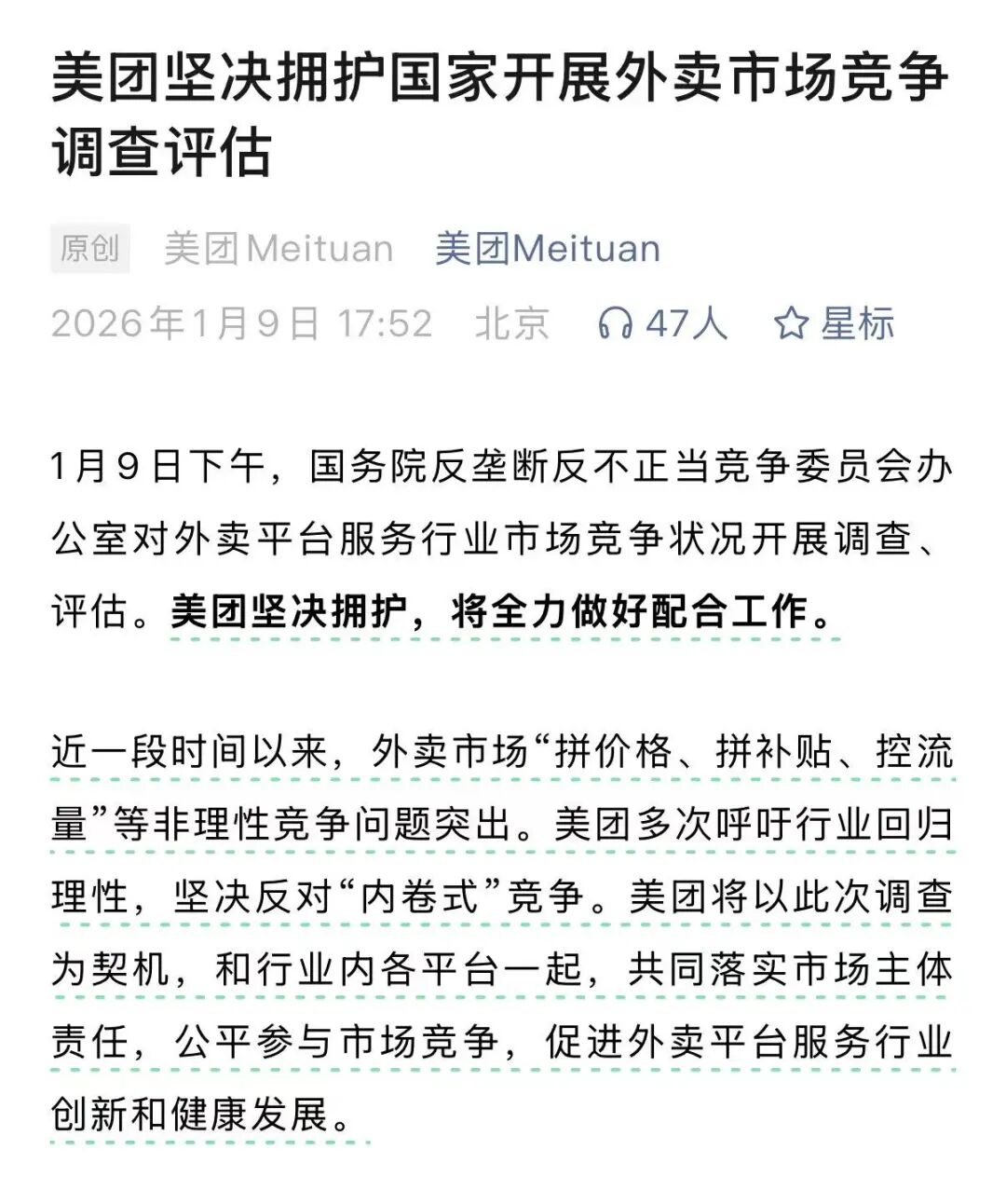
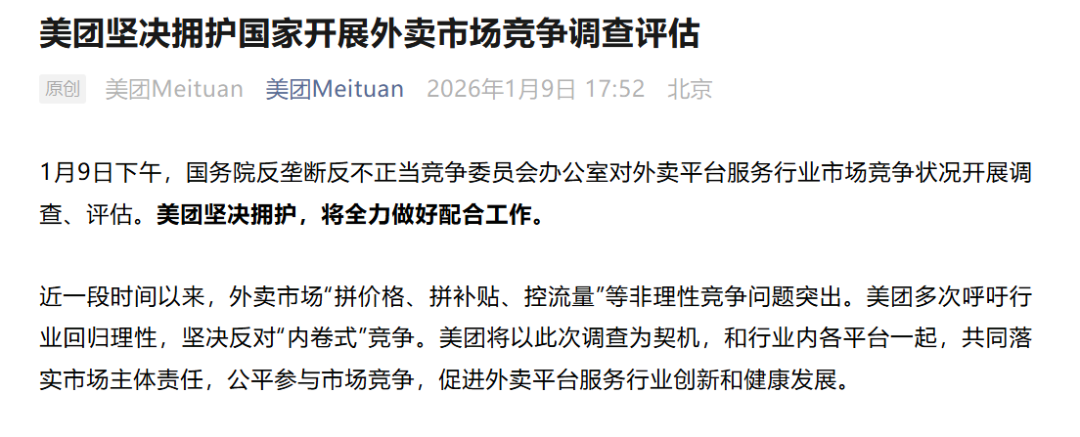
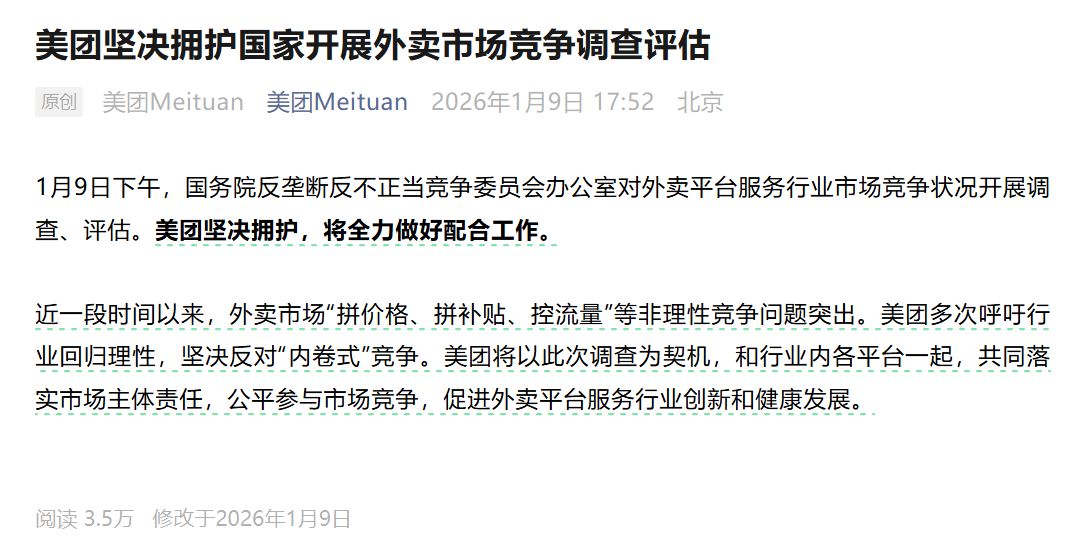
对此,美团、淘宝闪购均作出回应。 【导读】外卖巨头最新发声,支持开展外卖行业调查评估 外卖巨头,最新发声! 1月9日,国务院反垄断反不正当竞争委员会办公室宣布,对外卖平台服务行业市场竞争状况开展调查、评估。 淘宝闪购称,公平竞争是市场经济的核心原则,也是推动外卖平台服务行业持续创新与健康发展的基石。淘宝闪购始终坚持公平、公正、公开的原则,在 商户管理、价格行为、配送员权益保障、消费者权益保护等方面,严格遵守《反垄断法》《反不正当竞争法》等相关法律法规,遵循《外卖平台服务管理 基本要求》开展业务。 淘宝闪购欢迎并将积极配合此次行业市场竞争状况调查、评估工作,严格落实合规主体责任,持续与商户、生态合作伙伴等各方携手,提供更多元化、更 高质量的服务,共同维护好公平有序的市场环境,合力推动外卖服务行业进一步繁荣发展。 美团方面表示,坚决拥护国家开展外卖市场竞争调查评估。近一段时间以来,外卖市场"拼价格、拼补贴、控流量"等非理性竞争问题突出。美团多次呼吁 行业回归理性,坚决反对"内卷式"竞争。 美团将以此次调查为契机,和行业内各平台一起,共同落实市场主体责任,公平参与市场竞争,促进外卖平台服务行业创新和健康发展。 国务 ...


三大外卖平台 集体发声
Zhong Guo Zheng Quan Bao· 2026-01-09 14:02
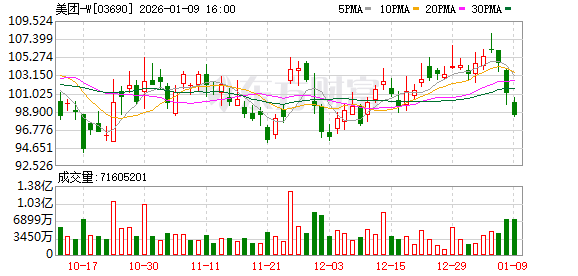
Core Viewpoint - The State Administration for Market Regulation has initiated an investigation into the competitive practices of the food delivery platform industry, citing issues such as excessive subsidies, price wars, and traffic control that harm the real economy and exacerbate "involution" competition [1] Group 1: Investigation and Regulatory Actions - The investigation aims to assess the competition status in the food delivery platform sector, evaluate monopoly risks, and regulate market order, utilizing methods such as on-site verification, interviews, and surveys [1] - The investigation reflects the government's commitment to ensuring fair competition and compliance within the industry, urging platforms to cooperate and adhere to antitrust responsibilities [1] Group 2: Industry Responses - Meituan expressed strong support for the investigation and emphasized the need for rational competition, committing to collaborate with other platforms to fulfill market responsibilities and promote healthy industry development [2] - Taobao Shanguo welcomed the investigation, pledging to maintain fair competition and work with merchants and partners to enhance service quality [4] - JD.com also supported the decision, advocating against harmful competition and focusing on quality development through supply chain innovation [7] Group 3: Financial Impact and Historical Context - In the third quarter of 2025, Meituan reported an adjusted net loss of 16 billion yuan, indicating that the price war has not created value for the industry and is unsustainable [9] - Alibaba's operating profit fell by 85% year-on-year to 5.365 billion yuan, with its adjusted EBITA for the e-commerce segment down 76% [10] - JD.com's net profit decreased by 54.7% year-on-year to 5.3 billion yuan, with new business losses significantly increasing [10]


美团、淘宝闪购,最新发声!
Zhong Guo Ji Jin Bao· 2026-01-09 14:01
Core Viewpoint - The Chinese government is initiating an investigation into the competitive landscape of the food delivery industry, with major players like Meituan and Taobao Shangu responding positively to this initiative [1][2][4][6] Group 1: Government Actions - The State Council's Anti-Monopoly and Anti-Unfair Competition Committee announced an investigation to assess the competitive conditions in the food delivery service industry [1] - The investigation aims to address issues such as irrational competition characterized by price wars, subsidies, and traffic control, which have been reported to pressure the real economy and exacerbate "involution" in the industry [6] Group 2: Company Responses - Meituan expressed strong support for the government's investigation, highlighting the need for the industry to return to rational competition and to oppose "involution" [2] - Taobao Shangu emphasized the importance of fair competition as a core principle of market economy and committed to complying with relevant laws and regulations while cooperating with the investigation [4] Group 3: Investigation Methodology - The investigation will utilize methods such as on-site verification, face-to-face interviews, and surveys to gather comprehensive insights into competitive behaviors within the food delivery platforms [6] - The aim is to gather opinions from various stakeholders, including platform operators, new employment groups, and consumers, to analyze the market competition status and propose regulatory measures [6] Group 4: Regulatory Framework - The market regulatory authority released ten governance rules aimed at addressing "involution" in competition, which includes the "Basic Requirements for Food Delivery Platform Services" [6] - These requirements cover merchant management, pricing behavior, delivery personnel rights protection, consumer rights protection, and complaint handling, aimed at improving service quality and reducing disorderly competition [6]
美团、淘宝闪购,最新发声!
中国基金报· 2026-01-09 13:58
Core Viewpoint - The article discusses the recent announcement by the State Council's Anti-Monopoly and Anti-Unfair Competition Committee to conduct an investigation and assessment of the competitive conditions in the food delivery platform service industry, highlighting issues of irrational competition such as price wars and excessive subsidies [2][8]. Group 1: Responses from Major Players - Meituan expressed strong support for the investigation, emphasizing the need for the industry to return to rational competition and to oppose "involution" competition [3]. - Taobao Shanguo stated that fair competition is essential for the sustainable innovation and healthy development of the food delivery service industry, and it adheres to relevant laws and regulations [5]. - Taobao Shanguo welcomed the investigation and committed to cooperating actively, aiming to maintain a fair and orderly market environment [6]. Group 2: Investigation Details - The investigation aims to address issues such as excessive subsidies, price competition, and traffic control that have been reported to harm the real economy and exacerbate "involution" competition [8]. - The assessment will involve on-site verification, face-to-face interviews, and surveys to gather comprehensive insights from various stakeholders, including platform operators, new employment groups, and consumers [8]. - The market regulatory authority also released ten governance rules to combat "involution" competition, which includes basic requirements for food delivery platform services, focusing on merchant management, pricing behavior, and consumer rights protection [8].
国家调查外卖行业“内卷式”竞争 淘宝闪购、美团回应
Zheng Quan Shi Bao Wang· 2026-01-09 13:32
Core Viewpoint - The State Council's Anti-Monopoly and Anti-Unfair Competition Committee Office has initiated an investigation into the competitive landscape of the food delivery platform service industry to promote compliance and fair competition [1][2] Group 1: Investigation and Regulatory Actions - The investigation aims to assess monopoly risks and regulate market order through on-site verification, interviews, and surveys, gathering opinions from various stakeholders including platform operators, new employment groups, and consumers [2] - The investigation is a response to the prevalent issues of irrational competition characterized by price wars, subsidies, and traffic control, which have negatively impacted the real economy and intensified "involution" within the industry [1][2] Group 2: Company Responses - Taobao Shanguo expressed its commitment to fair competition as a core principle of market economy and stated its adherence to relevant laws and regulations, welcoming the investigation and pledging to cooperate fully [2] - Meituan acknowledged the issues of irrational competition and called for a return to rationality in the industry, viewing the investigation as an opportunity to promote innovation and healthy development within the food delivery service sector [2] Group 3: Industry Context and Future Implications - The food delivery service industry is a significant part of China's platform economy, contributing to consumption, employment, and innovation [1] - The investigation is expected to shift the focus of competition from price wars to compliance and service quality, aligning with the implementation of the "Basic Requirements for Food Delivery Platform Services" [3]
淘宝闪购、美团、京东 齐发声明!
Zheng Quan Shi Bao· 2026-01-09 13:32
近日,国务院反垄断反不正当竞争委员会办公室对外卖平台服务行业市场竞争状况开展调查、评估。 对此,证券时报记者获悉,在1月9日,三大外卖平台齐齐发声,称支持相关调查和评估。 在这一消息发出后,三大外卖平台也是齐齐发声。 美团表示,坚决拥护,将全力做好配合工作。近一段时间以来,外卖市场"拼价格、拼补贴、控流量"等 非理性竞争问题突出。美团多次呼吁行业回归理性,坚决反对"内卷式"竞争。美团将以此次调查为契 机,和行业内各平台一起,共同落实市场主体责任,公平参与市场竞争,促进外卖平台服务行业创新和 健康发展。 淘宝闪购也表示,公司欢迎并将积极配合此次行业市场竞争状况调查、评估工作,严格落实合规主体责 任,持续与商户、生态合作伙伴等各方携手,提供更多元化、更高质量的服务,共同维护好公平有序的 市场环境,合力推动外卖服务行业进一步繁荣发展。 淘宝闪购还指出,公司深知公平竞争是市场经济的核心原则,也是推动外卖平台服务行业持续创新与健 康发展的基石。我们始终坚持公平、公正、公开的原则,在商户管理、价格行为、配送员权益保障、消 费者权益保护等方面,严格遵守《反垄断法》、《反不正当竞争法》等相关法律法规,遵循《外卖平台 服务管理 ...
淘宝闪购、美团、京东,齐发声明
Zheng Quan Shi Bao· 2026-01-09 13:30
近日,国务院反垄断反不正当竞争委员会办公室对外卖平台服务行业市场竞争状况开展调查、评估。 对此,证券时报记者获悉,在1月9日,三大外卖平台齐齐发声,称支持相关调查和评估。 三大外卖平台齐发声 国务院反垄断反不正当竞争委员会办公室有关负责同志在答记者时表示,外卖平台服务行业作为我国平 台经济的重要组成部分,在促进消费、扩大就业、推动创新等方面发挥了重要作用。但近段时间以来, 外卖平台服务行业拼补贴、拼价格、控流量等问题突出,挤压实体经济,加剧行业"内卷式"竞争,社会 各方面反映强烈。为推动外卖平台依法合规经营、公平有序竞争,形成优质优价、良性竞争的市场秩 序,国务院反垄断反不正当竞争委员会办公室(以下简称委员会办公室)依据《中华人民共和国反垄断 法》规定,决定对外卖平台服务行业市场竞争状况开展调查、评估。 在这一消息发出后,三大外卖平台也是齐齐发声。 美团表示,坚决拥护,将全力做好配合工作。近一段时间以来,外卖市场"拼价格、拼补贴、控流量"等 非理性竞争问题突出。美团多次呼吁行业回归理性,坚决反对"内卷式"竞争。美团将以此次调查为契 机,和行业内各平台一起,共同落实市场主体责任,公平参与市场竞争,促进外卖平台服 ...
“不想打 停不下”的外卖大战迎来重磅监管,2026年拼什么
第一财经· 2026-01-09 13:18
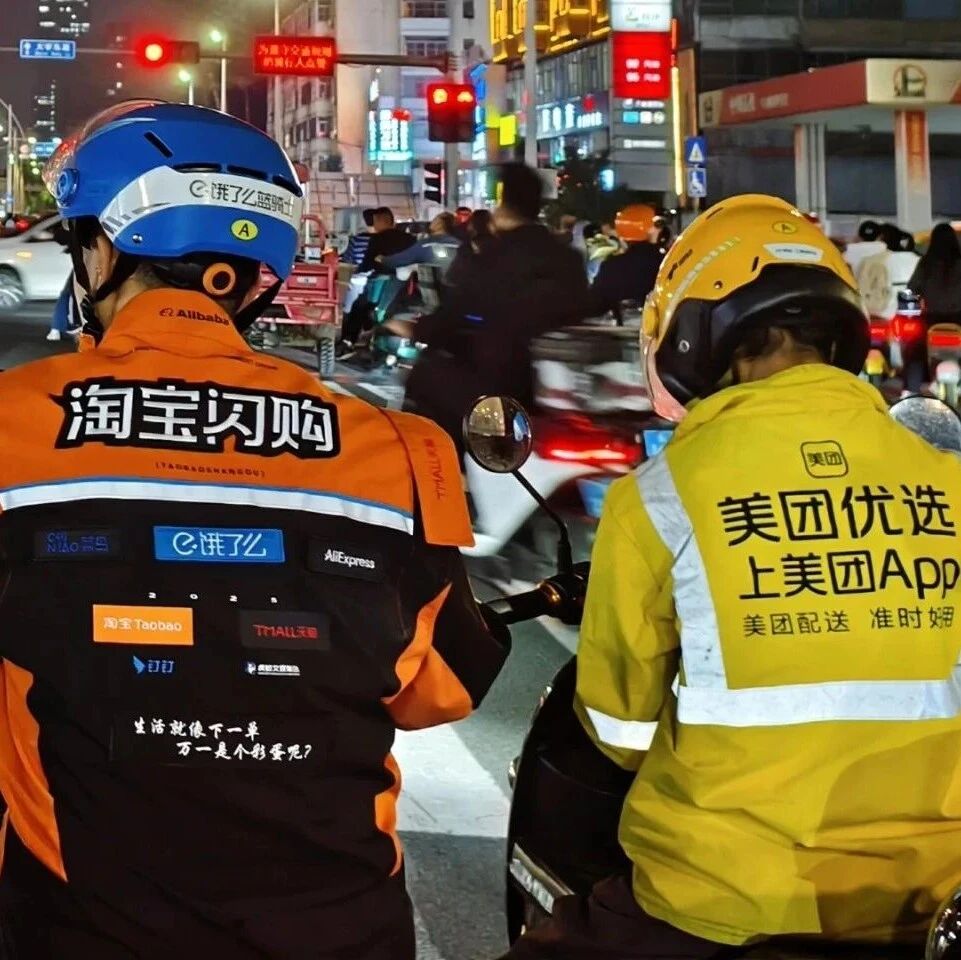
Core Viewpoint - The article highlights the ongoing issues of disorderly competition in the food delivery industry, prompting regulatory scrutiny and a shift towards efficiency competition as platforms face pressure to move away from unsustainable subsidy wars [3][4]. Regulatory Investigation - The State Administration for Market Regulation has initiated an investigation into the competitive landscape of the food delivery service industry, citing concerns over excessive subsidies, price wars, and their negative impact on the real economy [3][6]. - The investigation aims to establish rules for high-quality development in the industry, rather than merely suppressing platforms [9]. Industry Response - Major platforms like Meituan, Taobao Shanguo, and JD have expressed support for the investigation, committing to fair competition and innovation in the food delivery sector [5][6]. - The platforms acknowledge that low prices can no longer be the primary focus of competition, prompting a need to explore other competitive factors [5][10]. Financial Performance - Meituan reported a 2.8% year-on-year decline in revenue for its core local business in Q3 2025, resulting in an operating loss of 14.1 billion yuan, with a loss rate of 20.9% [10]. - Alibaba's instant retail business saw a 60% year-on-year revenue increase to 22.9 billion yuan, but adjusted EBITA fell by 78% to 9.073 billion yuan due to investments in user experience and technology [10]. - JD reported steady growth in food delivery GMV and order volume, attributing this to improved operational efficiency [10]. Shift in Competitive Strategy - The article suggests that the future of competition in the food delivery industry may hinge on high average order values rather than low prices, with platforms focusing on enhancing the quality of user engagement [6][9]. - Analysts predict that regulatory pressure will encourage platforms to return to sustainable development practices, moving away from aggressive subsidy strategies [7][9].
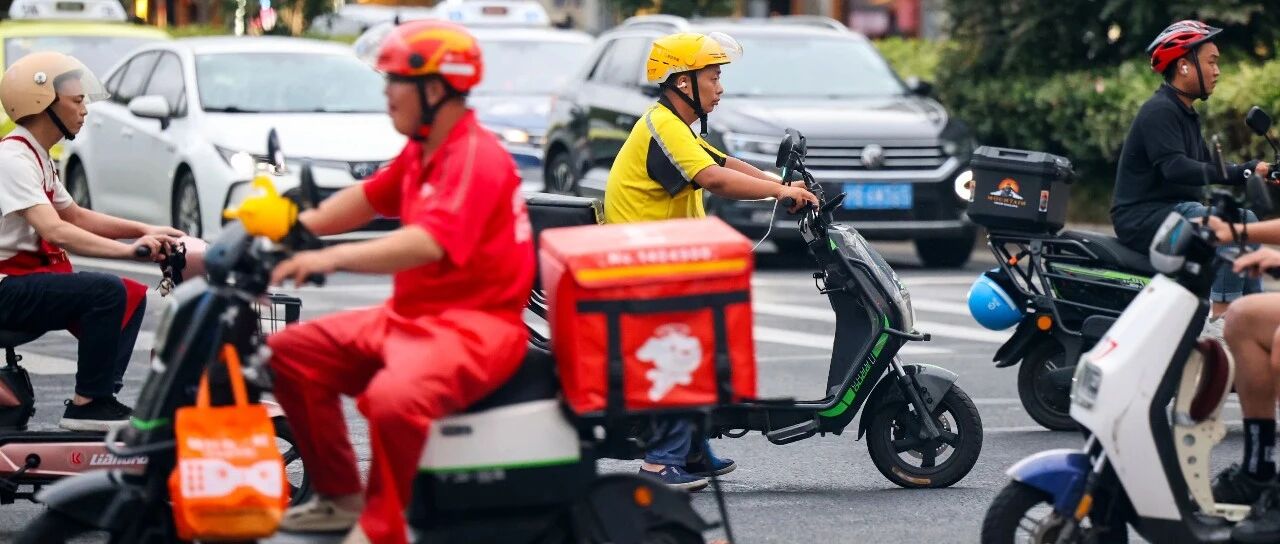
外卖行业“内卷式”竞争加剧,国家出手!外卖平台集体回应
Mei Ri Jing Ji Xin Wen· 2026-01-09 13:12
Core Viewpoint - The State Council's Anti-Monopoly and Anti-Unfair Competition Committee has initiated an investigation into the market competition status of the food delivery platform service industry to address issues of irrational competition and promote fair market practices [2][3]. Group 1: Background and Considerations - The food delivery platform service industry is a significant part of China's platform economy, contributing to consumption, employment, and innovation [2]. - Recent issues such as price wars, subsidies, and traffic control have intensified competition, negatively impacting the real economy and leading to strong societal feedback [2]. - The investigation aims to ensure compliance with the Anti-Monopoly Law and foster a healthy competitive environment [2][3]. Group 2: Investigation Details - The investigation will involve on-site verification, interviews, and surveys to gather insights from various stakeholders, including platform operators, new employment groups, and consumers [3]. - The goal is to assess monopoly risks, regulate market order, and propose measures for improvement [3]. Group 3: Industry Responses - Meituan expressed strong support for the investigation and emphasized the need for rational competition, opposing "involution" in the industry [4]. - Taobao Shanguo highlighted the importance of fair competition as a core principle of market economy and committed to complying with relevant laws and regulations [6]. - JD Delivery also supported the investigation, advocating for the protection of consumer and operator rights and promoting high-quality development in the food delivery sector [8].
淘宝闪购、美团、京东,齐发声明!
Zheng Quan Shi Bao· 2026-01-09 13:07
近日,国务院反垄断反不正当竞争委员会办公室对外卖平台服务行业市场竞争状况开展调查、评估。 对此,证券时报记者获悉,在1月9日,三大外卖平台齐齐发声,称支持相关调查和评估。 三大外卖平台齐发声 国务院反垄断反不正当竞争委员会办公室有关负责同志在答记者时表示,外卖平台服务行业作为我国平 台经济的重要组成部分,在促进消费、扩大就业、推动创新等方面发挥了重要作用。但近段时间以来, 外卖平台服务行业拼补贴、拼价格、控流量等问题突出,挤压实体经济,加剧行业"内卷式"竞争,社会 各方面反映强烈。为推动外卖平台依法合规经营、公平有序竞争,形成优质优价、良性竞争的市场秩 序,国务院反垄断反不正当竞争委员会办公室(以下简称委员会办公室)依据《中华人民共和国反垄断 法》规定,决定对外卖平台服务行业市场竞争状况开展调查、评估。 在这一消息发出后,三大外卖平台也是齐齐发声。 美团表示,坚决拥护,将全力做好配合工作。近一段时间以来,外卖市场"拼价格、拼补贴、控流量"等 非理性竞争问题突出。美团多次呼吁行业回归理性,坚决反对"内卷式"竞争。美团将以此次调查为契 机,和行业内各平台一起,共同落实市场主体责任,公平参与市场竞争,促进外卖平台服 ...