MICROSOFT(04338)

Search documents
未抢到足够存储芯片!微软愤怒离席 谷歌采购主管被解雇
Xin Lang Cai Jing· 2025-12-26 12:27
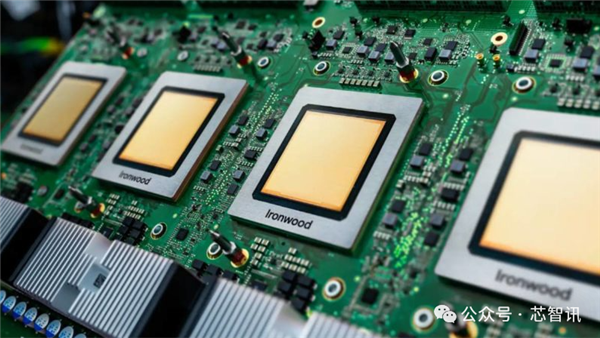
Core Viewpoint - Major tech companies, including Apple, Microsoft, Google, and Meta, are sending executives to South Korea to secure storage chip supplies amid ongoing shortages and rising prices, highlighting the competitive landscape for AI data center resources [1][9]. Group 1: Supply Chain Dynamics - The supply of LPDDR and HBM storage chips is currently dominated by SK Hynix, Samsung Electronics, and Micron, with their HBM capacity fully booked through 2026, making it difficult to meet the high demand from clients [4][12]. - Google currently sources 60% of its HBM from Samsung, but due to unexpected demand for TPUs, it has sought additional supplies from SK Hynix and Micron, only to be told that it is "impossible" to meet their requests [4][12]. - Microsoft executives expressed frustration during negotiations with SK Hynix regarding supply contracts, indicating the high stakes involved in securing these critical components [5][12]. Group 2: Strategic Hiring and Management Changes - Major tech companies are altering their hiring practices to prioritize supply chain management in Asia, with procurement managers increasingly based in regions like South Korea, Taiwan, and Singapore [5][13]. - Google and Meta are actively recruiting experts in memory procurement to develop strategies for DRAM and NAND Flash, emphasizing the need for technical coordination and production assurance rather than simple purchasing [6][13]. - The strategy involves placing engineers with expertise in the field to ensure both technical alignment and adequate supply, as companies place indefinite orders for storage chips regardless of price [6][14]. Group 3: Future Projections - Morgan Stanley predicts that Google's TPU shipments will reach 5 million units by 2027, a 67% increase from previous forecasts, contingent on sufficient HBM supply [2][10]. - The seventh generation of Google's TPU will require integration of eight HBM3E stacks, underscoring the critical need for HBM availability to meet production goals [2][10].



微软AI CEO苏莱曼:未来5-10年,一家公司需砸千亿美元备战AI竞赛
Sou Hu Cai Jing· 2025-12-26 09:39
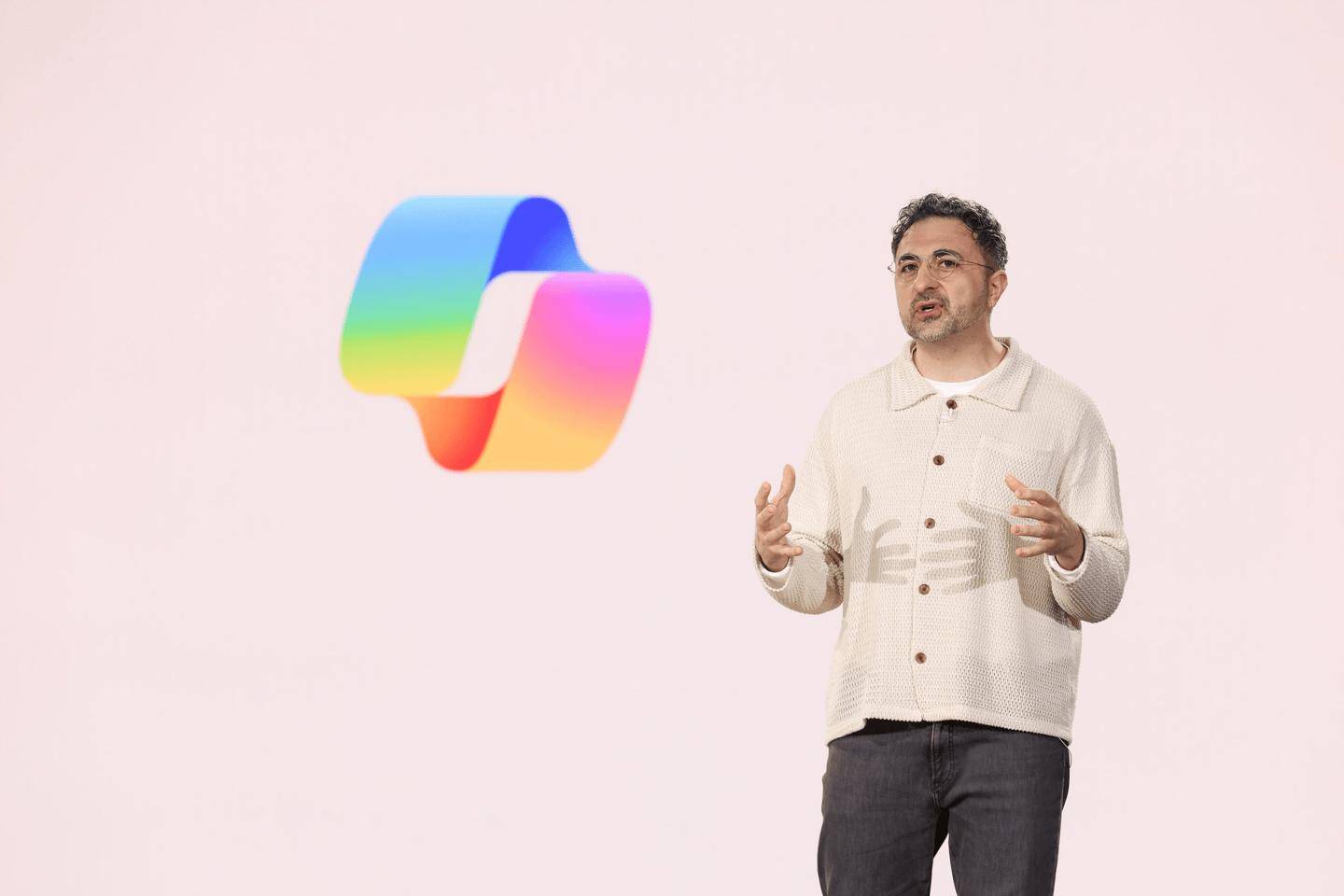
Core Insights - Microsoft AI CEO Mustafa Suleyman warns that companies aiming to lead in the AI race will face extremely high investment costs, potentially reaching hundreds of billions of dollars over the next 5 to 10 years [1][3] - The required investments will cover infrastructure, hardware, and specialized talent costs, giving large, established companies a structural advantage [1] - The pressure on costs arises not only from computing power and hardware but also from the fierce competition for human capital, particularly AI researchers, data scientists, and engineers, whose salaries are rapidly increasing [3] Industry Context - Microsoft is described as a "modern construction company," with hundreds of thousands of employees working to build AI capabilities with gigawatt-level CPU and accelerator computing power [3] - Alongside talent acquisition, Microsoft, like other major tech companies, is accelerating the development of AGI (Artificial General Intelligence) and superintelligence, which are recognized as having significant strategic importance despite their staggering costs [3]
马斯克宣战,太空可见,把AI超算涂成这样,微软破防了
3 6 Ke· 2025-12-26 02:34
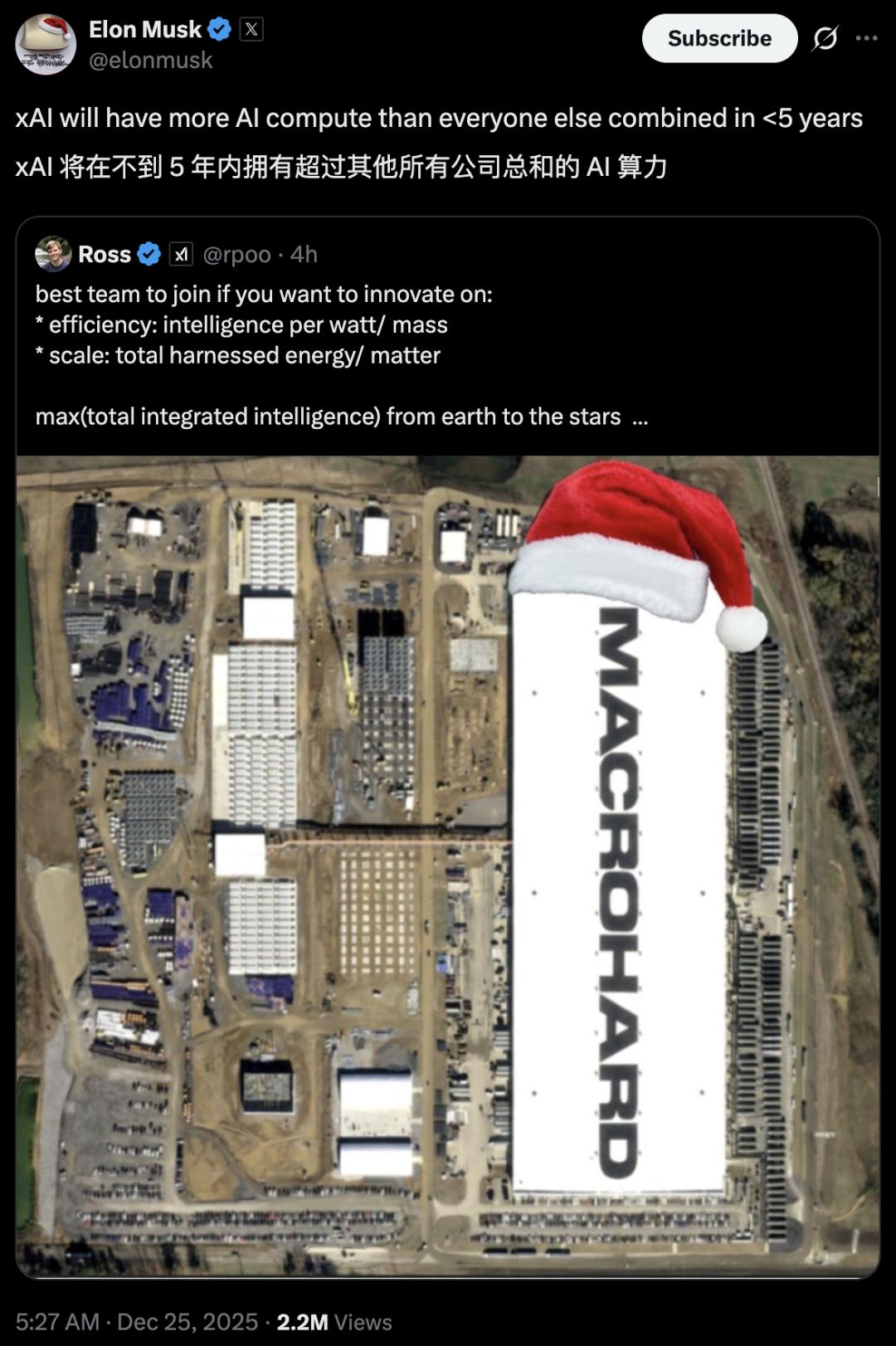
Core Viewpoint - Elon Musk has declared that xAI will possess more AI computing power than all other companies combined within five years, positioning xAI against major competitors like Google, OpenAI, and Microsoft [1][3]. Group 1: xAI's Infrastructure and Strategy - xAI's Colossus supercomputing center in Memphis is one of the largest commercial AI supercomputing centers globally, emphasizing a "hardcore" approach to AI development [5][9]. - The first phase, Colossus 1, was rapidly constructed to ensure xAI could compete, while Colossus 2 represents a more advanced engineering project aimed at long-term scalability [9][10]. - Colossus 2's construction is notably fast, with significant infrastructure completed in just six months, compared to competitors that typically require 15 months [10]. Group 2: Power Supply and Energy Strategy - xAI has strategically acquired a decommissioned power plant in Mississippi to circumvent regulatory hurdles in Tennessee, allowing for a temporary operation of gas turbines to supply power [13][15]. - Solaris Energy Infrastructure will provide over 1.1GW of power to meet the projected 1.7GW demand for Colossus 2, effectively creating an independent energy network for xAI [15][16]. Group 3: Financial Aspects and Funding - xAI is seeking $40 billion in new funding, with a valuation approaching $200 billion, despite its current revenue being minimal compared to its capital expenditures [19][16]. - The company is leveraging investments from Middle Eastern sovereign wealth funds, indicating strong financial backing for its ambitious plans [18][22]. Group 4: Company Culture and Workforce - xAI promotes a high-pressure work environment, with a culture that emphasizes extreme dedication, which has led to both attrition and the retention of passionate talent [23][24]. - The company is focusing on unique paths in AI development, such as emotional intelligence and interaction, rather than traditional programming skills [27][29]. Group 5: Future Outlook and Challenges - Musk has indicated that the next 2-3 years are critical for xAI to secure a leading position in the AI race, with significant investments required for expansion [30][31]. - The financial model of xAI raises concerns about sustainability, as training costs far exceed current revenue streams, potentially leading to market vulnerabilities [36].
用AI代码替换Windows里每一行C/C++,微软回应了
3 6 Ke· 2025-12-26 00:46
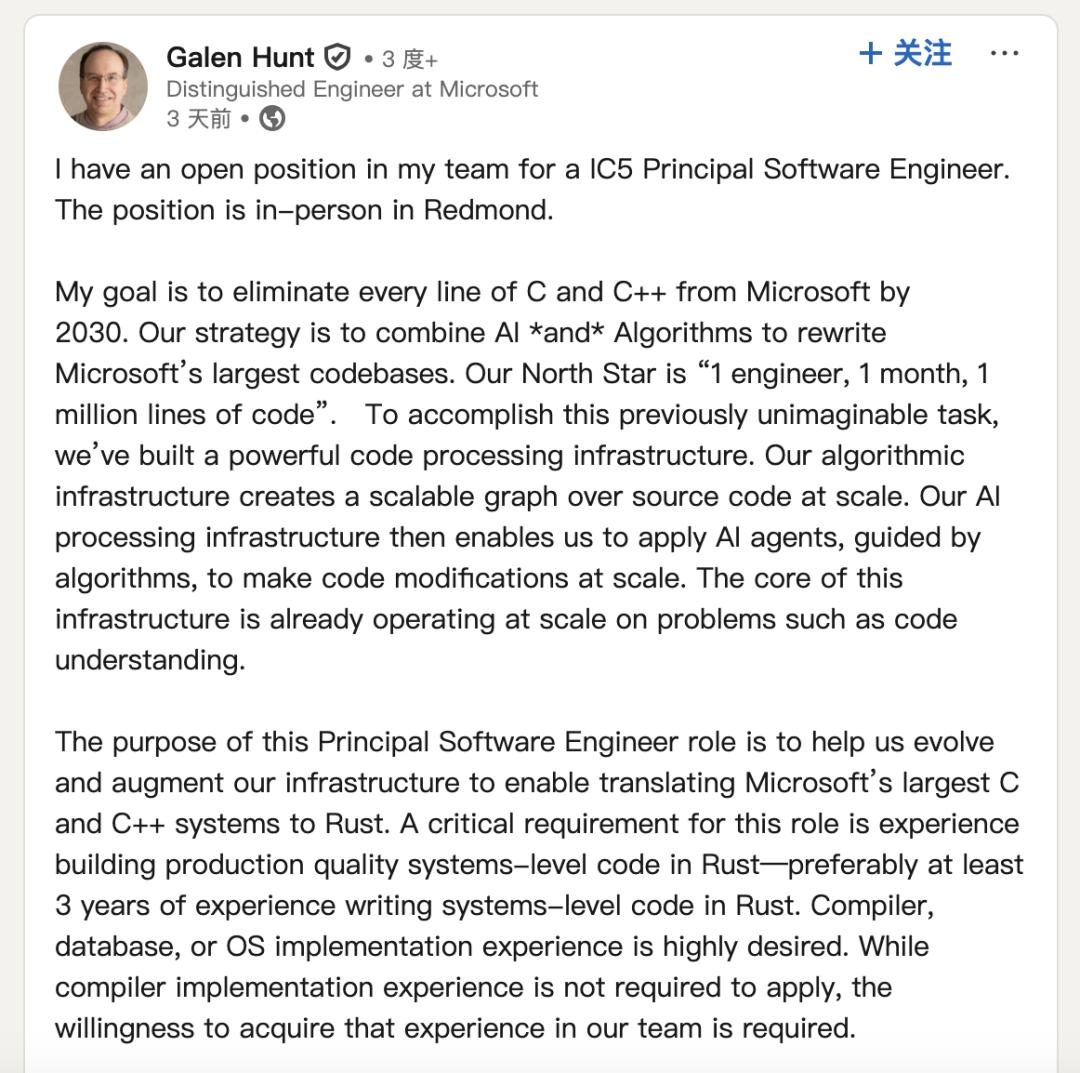
Core Viewpoint - Microsoft has denied plans to rewrite Windows 11 using AI and Rust, contrary to statements made by an internal engineer suggesting a complete overhaul of the codebase by 2030 [1][5][10]. Group 1: Microsoft’s AI and Rust Strategy - The initial claim by engineer Galen Hunt suggested that one engineer could rewrite one million lines of code in a month using AI and Rust, aiming to eliminate C/C++ from Microsoft's codebase [5][10]. - This statement sparked significant public concern, with many questioning the feasibility and safety of such an approach, citing the potential risks associated with rewriting a legacy system with millions of lines of code [6][8]. - Hunt later clarified that his comments were misinterpreted and that the project was merely a research initiative, not an official strategy for Windows 11 [3][10]. Group 2: Concerns Over Legacy Code - Critics highlighted the complexity and historical burden of Windows' code, which has evolved over decades, making a complete rewrite a daunting task fraught with potential issues [26][28]. - The existing C/C++ code is known to harbor numerous bugs, and transitioning to Rust could introduce new challenges in identifying and resolving these issues [6][8][28]. - Microsoft has acknowledged that approximately 70% of security vulnerabilities in Windows are attributed to C/C++ code, which has driven interest in Rust as a safer alternative [15][16][22]. Group 3: AI's Role in Development - Microsoft has been vocal about its commitment to integrating AI into its development processes, with CEO Satya Nadella stating that around 30% of the code is already AI-generated, and this figure is expected to rise significantly by 2030 [35][37]. - The potential for AI to act as a bridge in transitioning from C/C++ to Rust could reduce the barriers associated with learning and implementing new programming languages [31][32]. - However, the current capabilities of AI are still not sufficient to fully automate the complex task of rewriting core system components, indicating that the technology is not yet ready for such a significant shift [32][33]. Group 4: Future Implications for Microsoft - The incident has prompted Microsoft to reconsider its pace in becoming an "AI-native enterprise," balancing innovation with caution to avoid potential pitfalls [39][40]. - The company may need to adopt a more measured approach, planning carefully to ensure that technological advancements do not lead to operational failures [41].

微软谷歌开启“抢芯”模式,派员工常驻韩国,拿不到三星、SK海力士芯片就会被解雇
Hua Er Jie Jian Wen· 2025-12-25 11:27
Group 1 - The global supply of AI chips is tightening, prompting tech giants like Microsoft and Google to send procurement executives to South Korea to secure contracts for critical components such as HBM and DRAM [1][2] - Microsoft procurement executives recently left a negotiation in frustration due to supply constraints, while Google has laid off procurement staff for failing to secure long-term agreements, highlighting supply chain risks [1][2] - The competition for AI chip supplies is reshaping talent strategies, with tech companies relocating key procurement roles from Silicon Valley to semiconductor manufacturing hubs like South Korea for better supplier engagement [1][3] Group 2 - Major tech companies are establishing a permanent presence in South Korea to negotiate long-term supply agreements for memory products essential for AI applications, including HBM and DRAM [2] - SK Hynix and Samsung dominate the global HBM and LPDDR markets, with their production capacity fully booked for the upcoming year, leading to a highly concentrated supply situation [2] - The demand for high-performance memory is driven by the increasing computational needs of AI technologies, making stable supply a strategic priority for tech firms [2][3] Group 3 - Tech giants are shifting their procurement strategies to Asia, moving key memory procurement positions to be closer to semiconductor manufacturers, enhancing supply chain control [3] - Google is actively recruiting for global memory product manager positions to develop procurement strategies for data center-level memory, while Meta seeks procurement managers with technical collaboration skills [3] - The new roles require candidates to have engineering backgrounds and technical understanding, aiming to strengthen supply chain resilience in a competitive market [3]
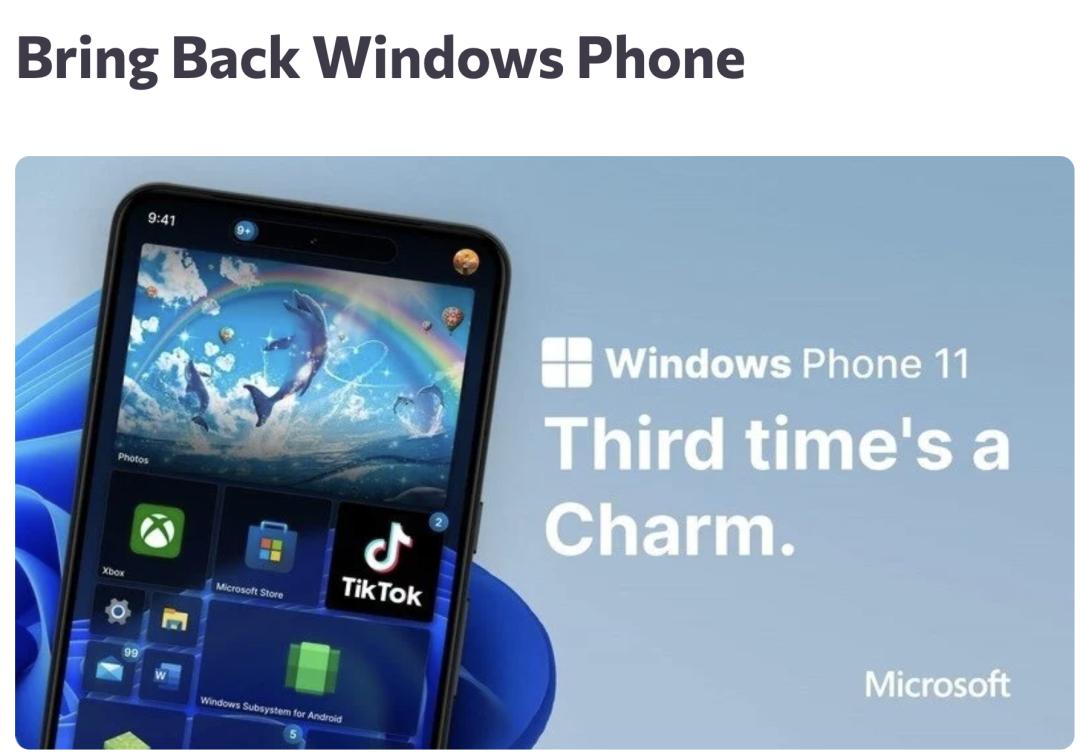
“让Windows Phone回来!”网友向微软请愿:重启曾经的第三大OS
3 6 Ke· 2025-12-25 11:27
Core Viewpoint - The article discusses a petition on Change.org titled "Bring Back Windows Phone," which calls for Microsoft to revive the Windows Phone platform, indicating that there is still a small group of users interested in its return despite its previous failure in the market [1][2][5]. Group 1: Petition Details - The petition was initiated by a user from Greece, Σπύρος Κ, and has garnered nearly 500 participants, reflecting ongoing interest in the Windows Phone concept [5]. - The core demand of the petitioners is not to recreate the old system but to reimagine Windows Phone using modern hardware and services like Microsoft 365 and Copilot [5][7]. - The petition envisions a new Windows Phone that incorporates a modern interface and better developer support, suggesting that there is still a market for a third mobile ecosystem focused on simplicity and efficiency [5][7]. Group 2: Reasons for Previous Failure - The article outlines that Windows Phone's failure can be attributed to several factors, including Microsoft's acquisition of Nokia in 2014, which was intended to boost Windows Phone's market presence but ultimately did not yield the expected results [6][8][9]. - A significant issue was the lack of a robust application ecosystem, as many mainstream apps were either absent or poorly updated, leading to a diminished user experience [10][11][12]. - The article emphasizes that the completeness of the application ecosystem and the economic model for developers were critical factors in determining the platform's success or failure [13]. Group 3: Current Market Context - As of now, Microsoft has no official plans to re-enter the mobile operating system market, despite some observers suggesting that a dedicated mobile platform could be beneficial for the company [19][20]. - The current focus of Microsoft is on cloud and AI strategies, which raises questions about the absence of a mobile platform as a key entry point in the AI era [20]. - The article notes that some users believe the conditions for a potential return of Windows Phone are maturing, suggesting that a third competitor in the smartphone market could positively impact the competitive landscape [21].
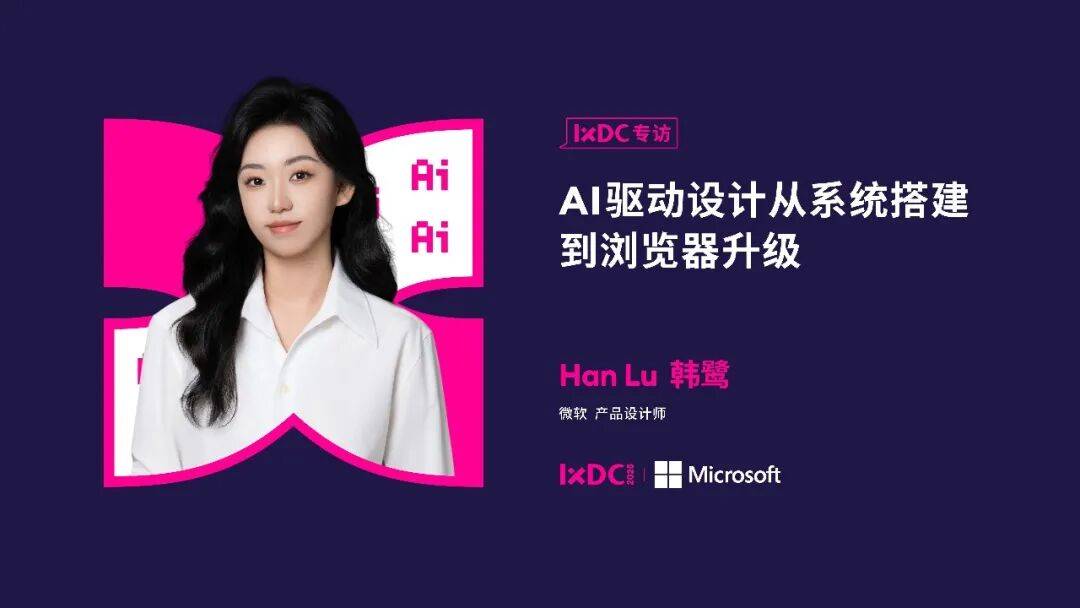
IXDC专访 | 微软产品设计师韩鹭:AAI驱动设计从系统搭建到浏览器升级
Sou Hu Cai Jing· 2025-12-24 16:41
Core Insights - The integration of AI into the design process is a significant trend, emphasizing the need for designers to adopt system thinking and prompt design skills to enhance their work and adapt to the evolving landscape of design [1][4]. Group 1: System Thinking in Design - Establishing a design system requires a holistic perspective, considering the overall product vision rather than just creating a component library. This approach ensures that designs are adaptable and aligned with long-term product goals, avoiding fragmentation [3]. Group 2: Importance of Prompt Design - The rapid advancement of AI necessitates that designers learn prompt design skills, as AI can assist throughout the entire design process. Embracing AI capabilities can significantly enhance design efficiency and quality [4]. Group 3: Principles of High-Quality UI Prompt Design - High-quality UI prompts should adhere to three core principles: clear semantics to convey design intent, a structured framework to guide AI outputs, and explicit goals to avoid ambiguity in instructions [6]. Group 4: AI's Role in the Design Process - AI's capabilities extend beyond zero-code prototype generation; it can assist in conceptualizing product logic and provide diverse insights during discussions, acting as a comprehensive collaborative partner throughout the design workflow [7]. Group 5: Shifting Value of Designers - As AI automates interface creation, the role of designers will shift from creators to evaluators and thinkers. Designers will need to focus on judgment, aesthetics, and the rationale behind design decisions, ensuring effective collaboration with AI [8]. Group 6: Future of AI Browsers - Future AI browsers are expected to evolve from simple web access tools to intelligent assistants that understand user preferences and provide personalized content and task support, enhancing user experience beyond traditional browsing [10]. Group 7: Industry Engagement - The enthusiasm for AI and human-machine collaboration at industry events highlights the potential for innovative applications and design synergies, positioning platforms like IXDC as valuable resources for inspiration and industry vitality [11].
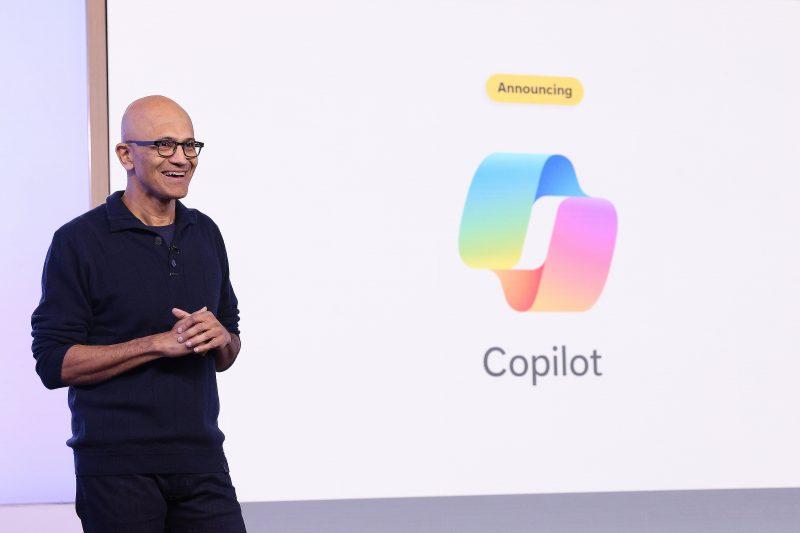
微软拉响「红色警报」,纳德拉重回一线抓Bug,AI这仗输不起
3 6 Ke· 2025-12-23 23:19
Core Insights - Microsoft CEO Satya Nadella has taken a hands-on approach to improve the usability of Copilot, indicating a shift in focus from strategic oversight to product details [1][21] - The current competition in AI tools has transitioned from showcasing capabilities to ensuring user retention and satisfaction [7][20] - Users are increasingly bypassing Copilot, not out of protest, but due to a lack of perceived utility [6][23] Group 1: User Engagement and Product Usability - Despite Microsoft’s dominance in office software, users are not engaging with Copilot as expected, highlighting a disconnect between product capabilities and user needs [4][6] - The interaction with Copilot has become mechanical, leading to user frustration as each click consumes attention without providing seamless assistance [11][12] - Smaller, more focused tools are gaining traction as they offer simpler, less intrusive experiences, making them more appealing to users [14][16] Group 2: Strategic Shifts and Market Dynamics - Nadella's return to product-level engagement reflects a recognition that scale and resources alone do not guarantee user engagement [21][23] - The AI competition is evolving, with a focus on understanding user context and minimizing emotional costs associated with tool usage [18][20] - Microsoft’s challenge is to recalibrate its approach from a platform-centric view to one that prioritizes user experience and satisfaction [21][23]
微软和赛富时位居Evercore2026年首选股票之列
Xin Lang Cai Jing· 2025-12-23 20:38
Core Insights - Evercore has released its list of preferred stocks for 2026, with Microsoft and Salesforce ranked as the top two [1] Group 1 - Evercore is an independent investment banking advisory firm [1] - The preferred stock list is aimed at identifying potential investment opportunities for the year 2026 [1]


“我们要彻底告别C++”,微软启动代码史上最大“拆迁”:Windows、Azure将用Rust重写
3 6 Ke· 2025-12-23 09:42
Core Insights - Microsoft is undertaking a long-term project to eliminate all C and C++ code from its core codebase by 2030, transitioning entirely to Rust language. This initiative involves critical infrastructures like Windows and Azure, representing a systematic overhaul of one of the largest commercial code assets globally [1][5][10]. Group 1: Project Overview - The goal of this initiative was publicly articulated by Galen Hunt, a distinguished engineer at Microsoft, through a LinkedIn post, marking a significant strategic vision from the company's internal engineering leadership [2][5]. - Hunt's ambition is to achieve a transformation where "one engineer can handle one million lines of code in one month," leveraging AI and algorithmic technologies to rewrite Microsoft's extensive codebase [5][6]. Group 2: Technical Rationale - The decision to migrate to Rust is driven by the need to address memory safety issues that have historically plagued C/C++ code, which accounts for approximately 70% of security vulnerabilities identified in Microsoft's security updates over the past 12 years [12][16]. - Rust's ownership model and compile-time checks are expected to systematically reduce risks associated with memory errors and data races, providing quantifiable security benefits for operating systems, cloud infrastructure, and virtualization platforms [16][17]. Group 3: Implementation Strategy - Microsoft has already begun rewriting parts of the Windows kernel in Rust, with 36,000 lines of code converted, and has plans for further integration [10][11]. - The project is part of a broader initiative within Microsoft's CoreAI Engineering Horizons department, aimed at building scalable software engineering capabilities that can be applied across the company and its clients [7][8]. Group 4: Industry Reactions - The announcement has sparked significant discussion within the tech community, with some defending C++ as a viable language for robust programming, while others support the shift to Rust as a necessary evolution in software engineering practices [21][22][26]. - Critics argue that the focus should be on improving engineering practices rather than solely on the programming language used, highlighting the complexity of software development and the need for skilled developers [22][25].