
SUNSHINE INS(06963)

Search documents
港股保险股集体走强,新华保险(01336.HK)、中国人寿(02628.HK)、中国太平(00966.HK)涨超3%,中国太保(02601.HK)、阳光...
Jin Rong Jie· 2026-01-05 02:22
Group 1 - Hong Kong insurance stocks experienced a collective surge, with New China Life Insurance (01336.HK), China Life Insurance (02628.HK), and China Pacific Insurance (00966.HK) rising over 3% [1] - China Taiping Insurance (02601.HK), Sunshine Insurance (06963.HK), and ZhongAn Online (06060.HK) saw increases of more than 2% [1]



友邦保险资管获批开业;天安人寿20亿债券违约,无法按期兑付!薛继豪任泰康人寿临时负责人|13精周报
13个精算师· 2026-01-04 11:05
Regulatory Dynamics - The Ministry of Finance will coordinate various funds to address issues related to the education of children from rural migrant workers and social insurance [4] - The Financial Regulatory Bureau reported that the insurance industry generated 5.76 trillion yuan in premium income in the first 11 months of 2025, a year-on-year increase of 7.56% [4] - The China Securities Regulatory Commission is increasing efforts to guide long-term funds, including insurance and social security funds, into the market [6] - The National Medical Insurance Bureau reported that the basic medical insurance fund's income for the first 11 months of 2025 was approximately 2.63 trillion yuan [7] Company Dynamics - Ping An Life increased its stake in China Merchants Bank H-shares to 19.13% [13] - China Life Asset Management successfully established a 5 billion yuan equity investment plan [19] - AIA Asset Management has been approved to commence operations, marking a new chapter in "Investing in China" [22] - Tianan Insurance defaulted on a 20 billion yuan bond, unable to repay on time [26] Industry Dynamics - A-shares of insurance companies showed strong performance in 2025, with New China Life leading with a 46.03% increase [42] - The Financial Investment Alliance was established to support the development of long-term and patient capital [43] - Thirteen insurance companies have abolished their supervisory boards, indicating a significant change in governance structures within the industry [45] - The establishment of the Sichuan Social Security Science and Technology Innovation Equity Investment Fund with a capital of 20 billion yuan [48] Product and Service Innovations - Personal pension insurance products have rapidly expanded, with 463 products launched by insurance companies by February 26, 2025 [54] - New China Life launched an innovative group medical insurance covering original research drugs, addressing significant pain points in medication coverage [55] - The largest policy for embodied intelligent insurance was issued for over 200 million yuan, covering more than 2,000 robots [56]




保险行业2026年策略:资负两端全面改善,估值修复正当其时
SINOLINK SECURITIES· 2025-12-31 15:27
Investment Rating - The report indicates a positive outlook for the insurance industry, with expectations of double-digit growth in new premiums and net profit value (NBV) driven by the migration of deposits and improved margins [2][22]. Core Insights - The insurance sector is expected to benefit from strong household savings demand, with insurance products becoming increasingly attractive as low-risk savings options amid declining bank deposit rates [2][22]. - The transition towards participating insurance products is anticipated to enhance market share for leading insurance companies, as they leverage their stronger investment capabilities and distribution channels [2][3]. - The report highlights a favorable market environment for insurance stocks, driven by high demand for new policies and a stable investment return outlook, which is expected to support valuation recovery [4][8]. Summary by Sections Liability Side Outlook - New business and NBV are projected to grow at double-digit rates, supported by strong household savings and a shift towards insurance products due to declining bank deposit rates [2][22]. - The insurance sector is expected to maintain stable margins despite the downward adjustment of preset interest rates and the transition to participating insurance [2][22]. Asset Side Outlook - Insurance funds are expected to actively enter the market, with a significant portion of new premiums allocated to equities, particularly in A-shares [3][16]. - The report anticipates a diversified approach to asset allocation, with a focus on high-dividend stocks and sectors such as technology and advanced manufacturing [3][19]. Market Performance Review - The insurance sector has outperformed the broader market, with significant gains in both A-shares and H-shares, indicating strong investor confidence [8][4]. - The report notes that the insurance index has increased by 27.0%, outperforming the CSI 300 index, which rose by 18.2% [8]. Premium Income and Profitability - New premium income is expected to achieve double-digit growth, with specific companies like China Life and Ping An showing substantial increases in their new business premiums [14][32]. - The report highlights the importance of maintaining a favorable cost structure and investment returns to support profitability in the insurance sector [4][11].


固定收益点评:分红险复兴,如何影响保险配置偏好?
Guohai Securities· 2025-12-25 08:05
1. Report Industry Investment Rating No relevant content provided. 2. Core Viewpoints of the Report - The report addresses the asset allocation characteristics of dividend - paying insurance and the impact of its transformation on the bond market [4][10] - In 2025, the transformation of dividend - paying insurance became an industry trend, with significant growth in scale. The income of ordinary dividend - paying insurance of six listed insurance companies in the first half of 2025 reached 157.7 billion yuan, a year - on - year increase of 12%, and its proportion in total life insurance income rose from 15% at the end of 2024 to 16.3% [5][11] - The rapid expansion of dividend - paying insurance meets the needs of both clients and insurance companies. For clients, it offers "certainty of guaranteed return + elastic dividend expectation"; for insurance companies, it helps prevent interest spread losses and reduces the impact of investment asset prices on financial statements [5][14][15] - Compared with ordinary life insurance, the asset allocation logic of dividend - paying insurance is more return - oriented, increasing the allocation of high - volatility assets [5] - The growth rate of insurance companies' bond allocation scale may slow down marginally, and their preference for equities will continue. In terms of specific bond types, insurance companies may increase trading demand for ultra - long - term treasury bonds and allocation demand for secondary perpetual bonds while maintaining the allocation of ultra - long - term local government bonds [5][20][22] 3. Summary by Directory 3.1 Dividend - paying Insurance Transformation Initiation - In 2025, major listed insurance companies placed dividend - paying insurance at the core of their products, driving it to dominate new business. The income of dividend - paying insurance of six listed insurance companies in the first half of the year increased significantly [11] - Each major insurance company has taken measures to promote dividend - paying insurance. For example, China Ping An focused on dividend - paying products, and China Pacific Insurance optimized its product structure with increased dividend - paying insurance new - policy premium [12] 3.2 Reasons for the Rapid Increase in Dividend - paying Insurance Scale - Client side: In the context of low - interest rates and expected stock market improvement, the "certainty of guaranteed return + elastic dividend expectation" of dividend - paying insurance meets clients' demand for more elastic returns [5][14] - Insurance company side: It can prevent interest spread losses and reduce the impact of investment asset price fluctuations on financial statements [5][15] 3.3 Differences in the Asset Allocation Logic of Dividend - paying Insurance - Accounting mechanism: Dividend - paying insurance uses the "floating fee method" for measurement, allowing its liability - side price to be linked to the asset - side. It has a return smoothing mechanism, giving its account a higher risk tolerance [5][16][17] - Business transformation: Higher and stable investment returns are crucial for attracting customers, fulfilling dividend promises, and promoting successful transformation [17] 3.4 Impact on the Bond Market - Overall bond demand: The growth rate of insurance companies' bond allocation scale may slow down marginally, and their preference for equities will continue. In the first three quarters of 2025, the proportion of equity assets in insurance companies' new investments increased from 10.4% in 2024 to 39.9%, while the proportion of bonds decreased from 72.2% to 57.1% [20] - Specific bond types: Insurance companies may increase trading demand for ultra - long - term treasury bonds and allocation demand for secondary perpetual bonds while maintaining the allocation of ultra - long - term local government bonds [22]
智通港股通资金流向统计(T+2)|12月25日
智通财经网· 2025-12-24 23:35
Core Insights - Tencent Holdings (00700), Alibaba-W (09988), and Hong Kong Exchanges (00388) led the market in net inflows, with amounts of 1.115 billion, 1.055 billion, and 309 million respectively [1] - China Mobile (00941), Luoyang Molybdenum (03993), and CICC (03908) experienced the highest net outflows, with amounts of -1.053 billion, -184 million, and -181 million respectively [1] - In terms of net inflow ratios, China Telecom Services (00552), Yihua Tong (02402), and Sunshine Insurance (06963) topped the list with ratios of 167.31%, 126.18%, and 118.17% respectively [1] Net Inflow Rankings - Tencent Holdings (00700) had a net inflow of 1.115 billion, representing a 13.09% increase, closing at 614.500 [2] - Alibaba-W (09988) saw a net inflow of 1.055 billion, with a 12.23% increase, closing at 146.400 [2] - Hong Kong Exchanges (00388) recorded a net inflow of 309 million, with a 24.77% increase, closing at 407.000 [2] Net Outflow Rankings - China Mobile (00941) faced a net outflow of -1.053 billion, a decrease of -54.21%, closing at 83.700 [2] - Luoyang Molybdenum (03993) had a net outflow of -184 million, down by -29.82%, closing at 19.100 [2] - CICC (03908) experienced a net outflow of -181 million, a decrease of -30.22%, closing at 20.540 [2] Net Inflow Ratio Rankings - China Telecom Services (00552) achieved a net inflow ratio of 167.31%, with a net inflow of 26.5926 million, closing at 4.520 [3] - Yihua Tong (02402) had a net inflow ratio of 126.18%, with a net inflow of 26.5481 million, closing at 23.980 [3] - Sunshine Insurance (06963) recorded a net inflow ratio of 118.17%, with a net inflow of 31.5558 million, closing at 3.940 [3]




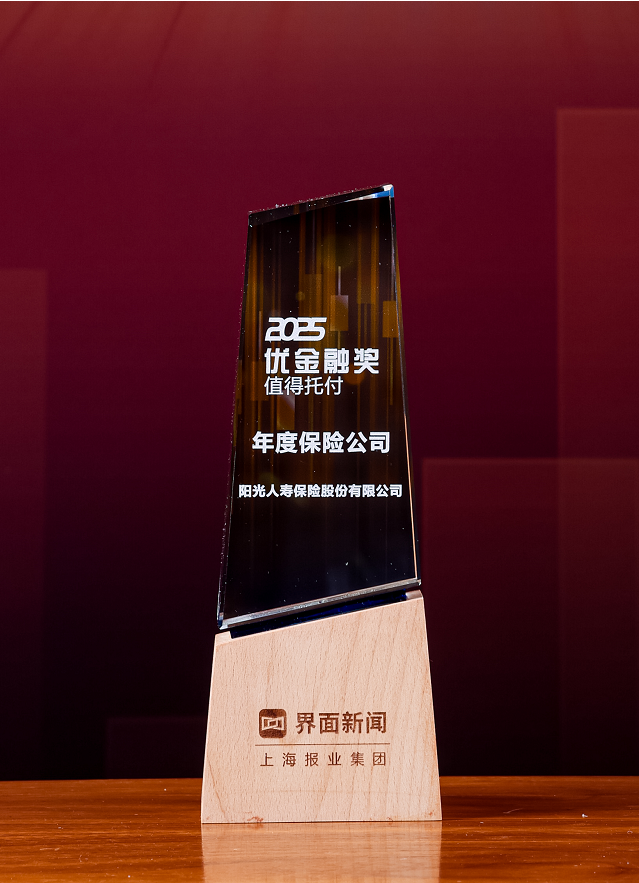
实力加冕!阳光人寿获评2025“年度保险公司”奖项
Jin Rong Jie Zi Xun· 2025-12-24 04:38
Core Insights - Sunshine Life Insurance won the "Annual Insurance Company" award at the 2025 "Excellent Financial Award" hosted by Zhito Finance, recognizing its strong performance and commitment to customer-centric strategies [1] Group 1: Financial Performance - Sunshine Life Insurance reported total premium income of 55.44 billion yuan in the first half of 2025, representing a year-on-year growth of 7.1% [3] - The new business value reached 4.01 billion yuan, with a comparable year-on-year increase of 47.3% [4] - The contract service margin balance stood at 56.08 billion yuan, reflecting a growth of 10.3% compared to the end of the previous year, indicating sustained long-term resilience [4] Group 2: Product and Service Innovation - The company has deepened its "Caring Sunshine" strategy, optimizing its product matrix and service system to meet customer needs throughout their life cycle [4] - In the field of pension finance, Sunshine Life has innovated product designs to expand its offerings for elderly policyholders, addressing the retirement security needs of the aging population [4] - The health insurance sector focuses on innovative drug coverage outside the medical insurance directory, catering to diverse customer needs amid healthcare reforms [4] - The wealth management function has been upgraded to accelerate the expansion of floating income products, aligning with the diverse wealth management needs of clients in the new economic cycle [4] Group 3: Technology Empowerment - Sunshine Life is actively embracing digital transformation, integrating AI and big data into all business scenarios to enhance customer service quality and efficiency [5] - The company upgraded its self-developed "Customer Family Protection Needs Recommendation System" to capture real-time changes in customer needs, enabling personalized and customized services [5] - A new intelligent service platform, "Sunshine Cloud Counter," was launched to improve accessibility for elderly clients, covering core business scenarios such as policy maintenance and complaints [5] Group 4: Future Outlook - Sunshine Life views the "Annual Insurance Company" award as recognition and encouragement from the industry for its operational achievements [5] - The company aims to continue its customer-first approach and deepen strategic transformation to provide high-quality insurance protection and services for more families, contributing to the high-quality development of the industry [5]
资负管理要求将深化,多维度匹配督促行业行稳致远:保险行业重大事项点评
Huachuang Securities· 2025-12-22 03:46
Investment Rating - The report maintains a "Recommendation" rating for the insurance industry, indicating an expectation that the industry index will outperform the benchmark index by more than 5% in the next 3-6 months [28]. Core Insights - The new asset-liability management regulations aim to deepen the alignment between asset and liability management, enhancing the industry's long-term stability and operational capabilities [16]. - The report highlights that the recent decline in long-term interest rates has put pressure on net investment returns, posing potential "spread loss" challenges for the industry [8]. - The report notes that the head-listed insurance companies are expected to manage their liability costs better than smaller firms, which may face greater pressure due to cost management issues [16]. Summary by Sections Regulatory Changes - The new regulations clarify asset-liability management goals, principles, governance structures, policies, procedures, and establish regulatory and monitoring indicators [3]. - Key changes include institutional integration, improved organizational structures, and optimized calculation standards for regulatory indicators [3]. Monitoring Indicators - Regulatory indicators for property insurance companies focus on cost-benefit matching, duration matching, and liquidity matching, with specific minimum standards set for various metrics [4][5][6]. - Life insurance companies have indicators such as effective duration gap and comprehensive investment income coverage ratio, with strict monitoring requirements [4]. Investment Performance - As of H1 2025, the average net investment return for listed insurance companies is approximately 3.5%, with significant variations among companies [8]. - The report indicates a notable decline in new business costs for life insurance companies, driven by adjustments in preset interest rates and unified pricing strategies [12][15]. Strategic Implications - The report suggests that the new regulations may lead to a trend of controlling the scale of whole life insurance business sales and increasing allocations to long-duration bonds [16]. - It is anticipated that the pricing of new insurance products will become more cautious as companies focus on cost-benefit matching [16].
《保险公司资产负债管理办法(征求意见稿)》点评:全面规范资负管理引导长期经营,利好头部险企
国泰海通· 2025-12-21 11:50
Investment Rating - The report maintains an "Overweight" rating for the insurance industry [1][2]. Core Insights - The "Insurance Company Asset-Liability Management Measures (Draft for Comments)" aims to comprehensively standardize the asset-liability management system of insurance companies, reinforcing the primary responsibility of companies and clarifying regulatory indicators to guide long-term stable operations [2][3]. - The introduction of the new measures is expected to enhance the asset-liability management framework, particularly under the backdrop of interest rate fluctuations and accounting standard reforms, benefiting leading insurance companies that align with stricter regulatory requirements [4]. Summary by Sections Regulatory Framework - The draft requires insurance companies to establish a governance structure for asset-liability management, with the board of directors ultimately responsible and senior management directly leading the efforts [4][5]. - It specifies the need for a professional department dedicated to asset-liability management, ensuring independence from business and investment management departments [4][7]. Management Policies and Procedures - The measures outline requirements for asset and liability analysis, product pricing management, asset allocation policies, and stress testing [4][5]. - Regulatory indicators include minimum standards for liquidity coverage ratios and effective duration gaps, with specific metrics for property and life insurance companies [9][10]. Monitoring and Risk Management - Monitoring indicators are established to identify and warn against asset-liability mismatch risks, enhancing risk management capabilities [4][9]. - The report emphasizes the importance of aligning asset-liability management with long-term operational goals, with a focus on achieving cost-revenue matching and liquidity matching [4][10]. Investment Recommendations - The report suggests that the new measures will guide the industry towards long-term stable operations and optimize asset-liability matching, maintaining an "Overweight" stance on the industry [4][12]. - Recommended companies include China Ping An, China Pacific Insurance, New China Life, and China Life Insurance [4][12].
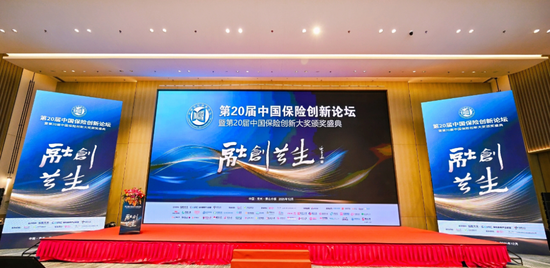
第20届中国保险创新论坛暨第20届中国保险创新大奖颁奖盛典在常州隆重举行
Xin Lang Cai Jing· 2025-12-19 09:03
Core Viewpoint - The 20th China Insurance Innovation Forum, themed "Co-creation and Symbiosis," aims to address challenges and innovations in the insurance industry amidst an aging society, new regulatory policies, and the explosion of AI technology [1][3][41]. Group 1: Forum Overview - The China Insurance Innovation Forum, initiated in 2006, has evolved into an annual event that combines various forums focused on insurance product innovation, culture, and health care [3][43]. - The forum serves as a platform for discussing the insurance industry's challenges and innovations at a critical juncture, particularly as the 14th Five-Year Plan concludes and the 15th begins [3][43]. Group 2: Key Speakers and Insights - Notable speakers included former Vice Chairman of the China Insurance Regulatory Commission Wei Yingning, who emphasized the need for deeper integration, more vibrant innovation, and improved ecological systems within the industry [5][46]. - Liu Canfang, Chairman of Jiangsu Jiuzhou Investment Group, expressed a desire for collaboration in the integration of insurance and health care industries to contribute to high-quality development [8][48]. - Zhang Yingbin, the forum chairman, highlighted that future winners in the insurance sector will be those who understand customers, manage risks effectively, and integrate ecosystems [10][50]. Group 3: Research and Reports - He Zhiguang, Executive Chairman of the Insurance Health and Care Industry Alliance, released the "2025 Annual Research Report on China's Insurance Health and Care Industry," noting that insurance is becoming an effective tool for national development strategies [14][54]. - Chen Pojian, Chairman of Ruihua Health Insurance, discussed the opportunities and challenges posed by an aging society and called for more precise regulatory guidance for specialized health insurance companies [16][56]. Group 4: Industry Trends and Innovations - The forum addressed the digital transformation of life insurance marketing, emphasizing the need for a customer-centric service system and the integration of technology for precise marketing and efficient operations [27][67]. - Discussions included the impact of new accounting standards on insurance companies' revenue and profit measurement, necessitating timely adjustments in business strategies [22][62]. Group 5: Awards and Recognition - The 20th China Insurance Innovation Awards ceremony recognized outstanding contributions in brand building and product development within the insurance sector [40][80]. - The awards serve as a review of the industry's progress and commitment to high-quality transformation over the past year [40][80].

分红险风口下的阳光保险(6963.HK):投资实力与行业机遇的双重赋能
Ge Long Hui· 2025-12-15 02:32
Core Insights - The ongoing low interest rate environment and the rising demand for wealth management among residents are driving a significant product transformation in China's insurance market, with dividend insurance evolving from a supplementary option to a core battleground [1] - By the third quarter of 2025, over 40% of new insurance products launched by life insurance companies will be dividend insurance, a substantial increase from 28.05% in 2024 [1] - Sunshine Life's "Zijing No. 1 Whole Life Insurance (Dividend Type)" stands out in this competitive landscape due to its differentiated positioning and comprehensive solution that integrates protection, service, and asset inheritance [2] Product Analysis - The competitive strength of a dividend insurance product lies in its solid terms and the ability to understand customer needs [1] - "Zijing No. 1" offers flexible payment options and lifetime coverage, catering to various customer demographics, with the maximum age for applicants set at 73 [2] - The product guarantees a death benefit that increases at a compound rate of 1.75% annually from the second policy year, providing a stable risk protection net [2] - The transparency of the dividend mechanism and the ability to distribute over 70% of the surplus to customers are key competitive advantages [2] Value-Added Services - The integration of value-added services is a unique highlight of "Zijing No. 1," with Sunshine Life leveraging its resources to create a comprehensive service system [3] - Services include access to quality medical resources, personalized health management, and tailored elderly care solutions, enhancing the product's appeal beyond traditional insurance [3] Investment Strength - The investment capability of Sunshine Insurance serves as a "ballast" for dividend insurance, linking customer dividends to the company's investment performance [4][5] - Sunshine Insurance has a total investment asset scale of 591.86 billion yuan, with a net investment income of 9.79 billion yuan, reflecting a 9.4% year-on-year increase [6] - The company's investment platform has received recognition for its stable performance and risk management, further solidifying its competitive edge [6] Industry Dynamics - The rise of dividend insurance is part of a strategic choice for the insurance industry to address internal and external challenges and achieve high-quality transformation [8] - Dividend insurance helps alleviate the pressure of interest rate spreads and enhances product attractiveness, particularly in a low-interest environment [9] - The positive performance of the asset side supports the realization of dividends, creating a virtuous cycle between the liability and asset sides [10][11] Regulatory and Consumer Trends - Recent regulatory focus on compliance and transparency in dividend insurance operations is fostering a stable operating environment [12] - Consumer awareness and understanding of dividend insurance have matured, leading to a preference for companies with stable long-term operations and investment management capabilities [12] Conclusion - The rise of dividend insurance is a necessary transformation in response to changing interest rates and resident needs, with Sunshine Insurance positioned advantageously due to its differentiated product strength and robust investment capabilities [13] - As industry resources concentrate on high-quality insurers, those with long-term value investment capabilities will continue to lead the dividend insurance market [13]