XPENG-W(09868)

Search documents
科创板企业扎堆登陆“中国500强”
3 6 Ke· 2026-02-06 10:55
Group 1 - The total value of the top 500 companies in China increased by 21 trillion yuan (38%), reaching 77 trillion yuan, with an average value growth of 41.5 billion yuan, now at 1.53 trillion yuan [1][2] - The entry threshold for the list rose to 34 billion yuan, an increase of 7.5 billion yuan from the previous year, marking a historical high [1][2] - The technology sector continues to be a growth engine, with significant increases in the number and market value of companies in semiconductor, biomedicine, artificial intelligence, and new energy sectors [1][2] Group 2 - Nearly 40% of this year's listed companies were not on the list four years ago, with new entrants primarily from consumer electronics, AI computing, and new energy sectors [2] - The semiconductor industry surpassed the life sciences sector to become the second-largest industry in the list, with TSMC leading the growth [3] - Notable semiconductor companies include TSMC, which saw a value increase of 3.5 trillion yuan, and Cambrian, which grew by 370 billion yuan [3] Group 3 - The new energy sector also performed well, with CATL's value increasing by 690 billion yuan, and other companies like Sungrow and EVE Energy showing significant growth [4] - The Shanghai region had 57 companies on the list, an increase of 7 from the previous year, making it the city with the fastest growth in the number of listed companies [10] - Shanghai is a key research and development hub, with 101 companies establishing their main R&D bases there, reflecting its strong innovation capabilities [10][11] Group 4 - The STAR Market (科创板) has a strong presence in the list, with 45 companies, showcasing the focus on hard technology sectors like semiconductors and biomedicine [6][7] - The semiconductor sector is particularly prominent among STAR Market companies, with many of the highest-valued startups in this field [8] - The overall trend indicates that STAR Market companies are in a high-growth phase, aligning with the broader trend of nearly 40% of this year's companies being new entrants [9]




小鹏汽车-W(09868):十载磨砺成体系,多维增长引擎或将驱动价值重估
GF SECURITIES· 2026-02-06 09:41
Investment Rating - The report initiates coverage with a "Buy" rating for the company, projecting a reasonable value of 97.96 HKD per share and 25.13 USD per ADS for 2026 [9][10][11]. Core Insights - The company has transitioned from a "technology-driven new force" to a "mature automaker with systematic capabilities," indicating a significant evolution in its operational and management structure [15][16]. - The company is expected to enter a rapid growth phase, similar to other major domestic automakers, as it enhances its decision-making efficiency, cost control, and marketing execution [15][16]. - The growth strategy includes a dual-energy approach combining pure electric and super-range vehicles, which is anticipated to elevate sales and profitability [16][17]. - The company is evolving from a traditional automaker to a technology ecosystem creator, focusing on smart automotive capabilities and AI technology [18][19]. Summary by Sections Company Development Review - The company has undergone multiple phases of development since its establishment in 2015, achieving significant milestones in product development and market positioning [15][23]. - The initial phase focused on building foundational capabilities, followed by a market exploration phase that expanded its product lineup and established its brand in the market [23][24]. - The recent strategic advancement phase has seen organizational restructuring and enhanced operational efficiency, leading to improved product definition and market competitiveness [25][35]. Future Outlook - The company is positioned at a critical juncture with improved operational quality and a clear path to profitability, driven by a robust product cycle and technological advancements [16][18]. - The dual-energy strategy is expected to enhance sales volume and profitability, while international expansion is set to create a second growth curve through localized production and sales networks [17][18]. - The long-term vision includes transitioning to a comprehensive technology platform capable of supporting various applications beyond traditional automotive manufacturing, such as robotics and AI technologies [19][20]. Financial Projections - Revenue forecasts for 2025-2027 are projected at 80.44 billion, 111.11 billion, and 147.50 billion RMB, respectively, with significant growth rates anticipated [10][11]. - The report highlights the potential for the company's valuation to reflect its diverse business segments, including smart electric vehicles, AI technology, and international operations [21].
【热点评述】简析2026年汽车以旧换新补贴新政
乘联分会· 2026-02-06 08:55
Core Viewpoint - The 2026 policy for replacing old products with new ones will continue to be implemented, focusing on the automotive, home appliance, and digital product sectors, with an emphasis on nationwide consistency and regulatory measures to enhance market efficiency [3][5][7]. Group 1: Policy Changes - The 2026 subsidy mechanism will shift from a fixed amount to a "proportional + cap" model, which will primarily benefit lower-priced, subsidy-sensitive economic models while maintaining stable incentives for mid-to-high-priced vehicles [6][11]. - The new subsidy guidelines aim to standardize the subsidy amount across the country, reducing local discrepancies and potential arbitrage opportunities [5][12]. Group 2: Market Impact - The 2025 old-for-new policy significantly boosted passenger car sales in China, demonstrating a strong correlation between the policy and market performance, particularly in promoting the adoption of new energy vehicles [8][12]. - The completion of annual sales targets by several automakers, including BYD and SAIC, indicates a competitive landscape, with traditional manufacturers adopting cautious growth targets while new entrants remain optimistic [9]. Group 3: Tax and Financial Measures - In 2026, the purchase tax for new energy vehicles will be halved, with a maximum tax reduction of 15,000 yuan, prompting various automakers to introduce compensatory measures to cover tax differences [10]. - The adjustment in subsidy algorithms is expected to reshape market dynamics, emphasizing sustainable and balanced use of subsidies rather than merely increasing them [11][12].





2月5日【港股Podcast】恆指、阿里、京東、匯豐、中移動、小鵬汽車、兗礦能源
Ge Long Hui· 2026-02-06 04:37
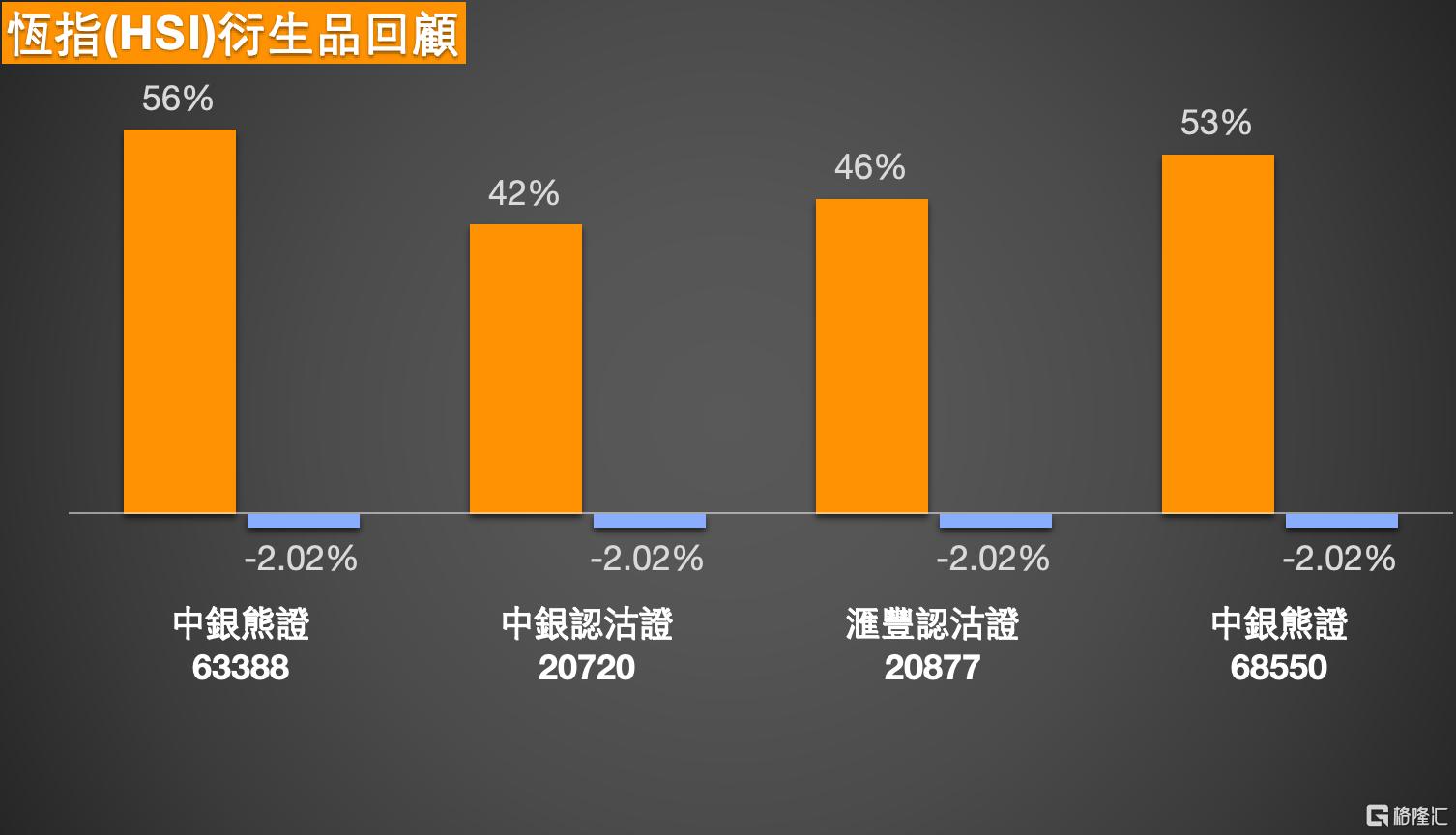
Simon:大家好,現在來和大家回顧一下今天(5日)的講股情況。看得出來,今天(5日)到最後恒生指數總算還是稍微收高了一些。其實今天(5日)的高低波幅還 挺大的,大概有500點左右,最終收市時小幅上漲。成交方面也比昨天稍微多了一點。以收市價計算,是26,885點,這個收市價比較貼近保利加通道的中線位置。有投 資者認為目前已經調整完畢,所以繼續買入一些牛證;但也有投資者覺得還會繼續下跌,可能會再減持部分相關倉位。 18% 13% 7% -2.33% -2.33% -2.33% 中銀認沾證 摩通熊證 點嚴選於 58217 21943 59171 阿里巴巴 (09988) 從技術信號總結來看,暫時沒有明顯的方向,處於"中立"狀態。這主要是因為恒指收市價剛好在日線圖保利加通道的中線位置附近,大部分技術分析指標都 偏向中立,這是可以理解的。給大家參考一下支持位和阻力位:支持位大概在26,231點左右,距離收市價約600點;阻力位大概在27,400點左右,同樣距離收 市價約600點。 如果想買入牛證,建議選擇距離稍遠一些的,比如在25,800至26,200點之間,或者簡單來說,靠近26,000點或25,800點的位置,會 ...




港股新能源车企股涨跌互现,蔚来-SW(09866.HK)涨超5%,理想汽车(02015.HK)、零跑汽车(09863.HK)跟涨;小鹏汽车(09868.HK)、小米集团(01810.HK)均跌超1%。
Jin Rong Jie· 2026-02-06 01:49
港股 新能源车企股涨跌互现,蔚来-SW(09866.HK)涨超5%,理想汽车(02015.HK)、零跑汽车(09863.HK) 跟涨;小鹏汽车(09868.HK)、小米集团(01810.HK)均跌超1%。 ...



港股新能源车企股涨跌互现,蔚来-SW(09866.HK)涨超5%,理想汽车(02015.HK)、零跑汽车(09863.HK)跟涨;小鹏汽车(09868....
Jin Rong Jie· 2026-02-06 01:49
港股新能源车企股涨跌互现,蔚来-SW(09866.HK)涨超5%,理想汽车(02015.HK)、零跑汽车(09863.HK) 跟涨;小鹏汽车(09868.HK)、小米集团(01810.HK)均跌超1%。 本文源自:金融界AI电报 ...
汽车早餐 | 蔚来首次实现单季度盈利;曝吉利、福特洽谈合作造车;长安汽车钠新电池全球首发“上车”
Zhong Guo Qi Che Bao Wang· 2026-02-06 01:48
Domestic News - The Ministry of Industry and Information Technology (MIIT) is accelerating the development of key standards for driving automation, collision safety, and control components to enhance automotive safety and quality performance, laying a solid foundation for sustainable high-quality development in the industry [2] - The State Administration for Market Regulation has released 32 national measurement technical specifications, including the first professional measurement testing specification for automatic parking performance in intelligent connected vehicles [3] - Guangdong Province aims to expand the testing and demonstration application scope of intelligent connected vehicles, encouraging digital transportation service platforms to provide integrated smart traffic services [4] International News - Volkswagen has reached a preliminary labor agreement with the United Auto Workers (UAW) for its Tennessee plant, covering approximately 3,000 employees, which includes a 20% wage increase and improved medical benefits and job security [5] - Volvo Cars reported a significant decline in 2025, with global sales down 7% to 710,000 units, revenue down 11%, and operating profit plummeting 99% to 300 million Swedish Krona (approximately 230 million RMB) [6] - Canada plans to abolish mandatory electric vehicle sales regulations, replacing them with a new fuel efficiency standard system that aims for all new light vehicles sold in Canada to be electric by 2035 [8] Company News - Leap Motor's COO announced a sales target of 1.05 million units by 2026, emphasizing stability and consistent performance in their product offerings [9] - Ford is in talks with Geely for potential collaboration, focusing on utilizing Geely's production capacity in Europe and sharing vehicle technologies, including autonomous driving [10] - NIO expects to achieve adjusted operating profit of approximately 700 million to 1.2 billion RMB in Q4 2025, marking the company's first quarterly adjusted operating profit in its 11-year history [11] - XPeng Motors announced its first flagship six-seat SUV, the XPeng GX, built on the new SEPA 3.0 physical AI vehicle architecture [12] - Tesla's Shanghai Gigafactory is projected to account for over half of Tesla's global deliveries by 2025, with the energy storage factory also beginning to supply multiple markets [13] - Changan Automobile, in collaboration with CATL, launched the world's first sodium-ion battery production passenger vehicle, marking a significant step in their sodium battery strategy [14]


“7年低息购车”背后暗藏风险?
Xin Lang Cai Jing· 2026-02-05 17:12
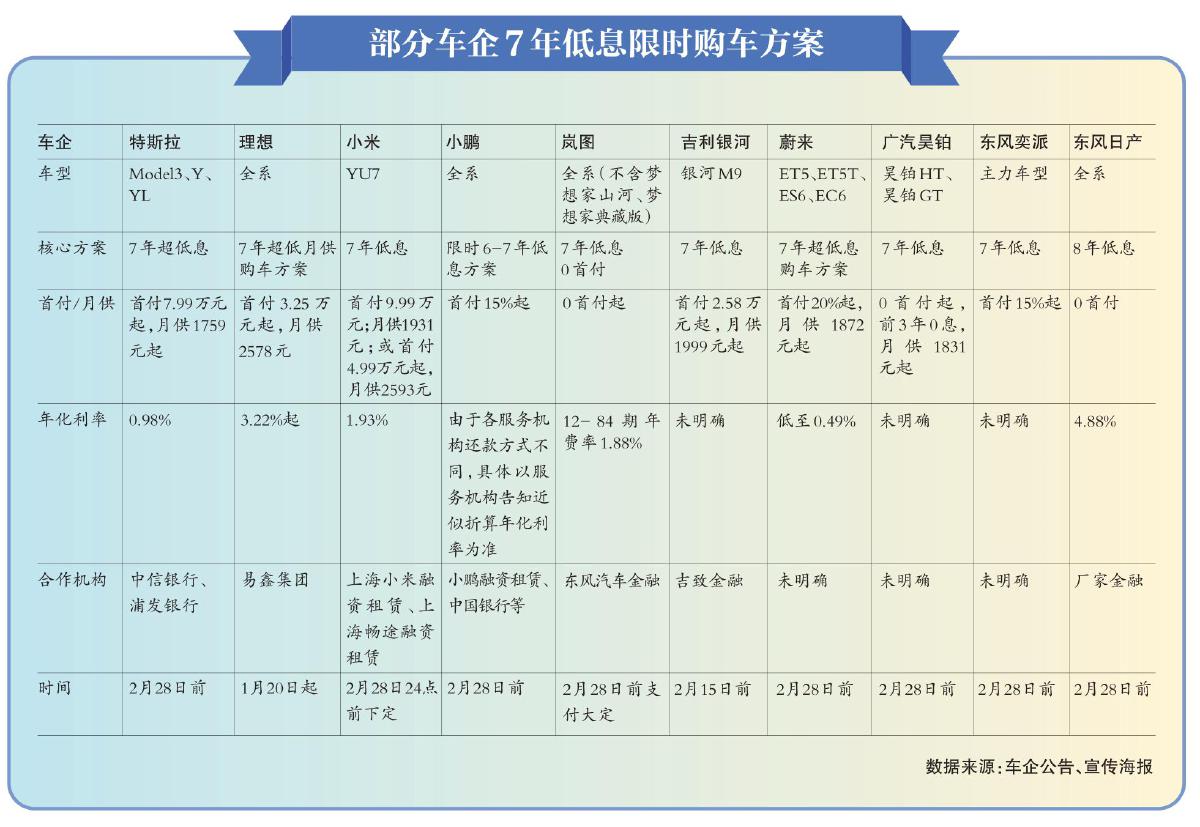
Core Viewpoint - The automotive industry is experiencing a promotional wave centered around "7-year low-interest" financing options, significantly lowering the barriers for consumers to purchase electric vehicles [2][5]. Group 1: Promotional Strategies - Multiple electric vehicle brands are emphasizing low down payments, low interest rates, and low monthly payments, with monthly payments generally around 2000 yuan [3][4]. - Tesla initiated this trend with a 7-year low-interest financing plan, prompting at least 10 other automakers, including Xiaomi, Li Auto, and Xpeng, to follow suit [2][6]. - The promotional period primarily spans January to February, with various automakers offering different financing terms and conditions [4][5]. Group 2: Financing Models - The financing options are predominantly provided by automotive financing leasing companies or third-party financial institutions, rather than traditional banks [3][7]. - Consumers are advised to be cautious of the hidden costs associated with long-term low-interest financing, as extended payment periods may lead to higher total interest costs [3][9]. - The ownership structure differs between bank loans and financing leases, with the latter retaining ownership with the leasing company until the end of the lease term [8][9]. Group 3: Market Impact - The introduction of 7-year low-interest financing is expected to intensify competition among automakers, providing an alternative to direct subsidies and incentives [7]. - The regulatory environment has evolved to support longer financing terms, allowing for more flexible consumer financing options [7].

低首付低利息低月供 “7年低息购车”的诱惑你受得了吗?
Xin Jing Bao· 2026-02-05 12:05
Core Insights - The automotive industry is experiencing a promotional wave centered around "7-year low-interest" financing options, initiated by Tesla and followed by at least 10 other companies, including Xiaomi, Li Auto, and Xpeng [1][3][4] - The promotional strategies focus on low down payments and monthly payments, with many plans keeping monthly payments around 2000 yuan [1][3] - Different automakers are collaborating with various financial institutions, with Tesla and NIO partnering with banks, while others rely on automotive financing leasing companies or third-party financial institutions [1][7] Group 1: Promotional Strategies - The "7-year low-interest" financing has become a key term in the current promotional measures, with low down payment amounts and monthly payments generally around 2000 yuan [3] - Tesla's Model 3 offers a down payment of 79,900 yuan and a monthly payment of 1,918 yuan over 84 months, with a total interest of approximately 5,512 yuan [4] - Li Auto offers a 7-year financing option across all models, with a minimum down payment of 15% and a monthly payment of 3,846 yuan for the i8 model [6] Group 2: Financial Institutions and Models - The financing options are primarily provided by automotive financing leasing companies or third-party financial institutions, rather than banks [7][10] - The differences in ownership and cost structures between bank loans and leasing models are significant, with leasing companies retaining ownership during the lease period [9][10] - Consumers are advised to understand the differences between loan and leasing models, including ownership rights and potential hidden costs associated with long-term financing [10][11]
【AI智能汽车2月投资策略】北美L4或松绑,第三方智驾供应商多点开花,看好智能化
东吴汽车黄细里团队· 2026-02-05 11:37
Core Viewpoint - The article emphasizes the potential for L4 autonomous driving commercialization in North America, with regulatory changes allowing for a significant increase in vehicle deployment limits from 2,500 to 90,000 units. It highlights Tesla's launch of a no-safety-driver Robotaxi service in Austin and the advancements in L2-L3 autonomous driving technologies by various companies [3][10]. Investment Highlights - January's summary indicates that L4 commercialization in North America may be relaxed, with discussions on increasing the annual deployment cap for vehicles without traditional controls. Tesla has launched a no-safety-driver Robotaxi in Austin and plans to eliminate the FSD buyout model. In the L2-L3 segment, Nvidia has released an open-source autonomous driving model, Alpamayo, while companies like WeRide and Qianli Technology are launching or upgrading end-to-end solutions [3][10]. - February's focus is on monitoring the implementation of overseas L4 policies and the user experience of domestic L2-L3 intelligent vehicles. The results of the U.S. hearings are crucial, as they may lead to unified federal and state regulations. Tesla's no-safety-driver service will be closely observed for safety and reliability during this critical period [4][10]. Investment Recommendations - The company maintains a strong outlook for the L4 RoboX theme by 2026, favoring B-end software companies over C-end hardware firms. Preferred H-shares include Xpeng Motors, Horizon Robotics, WeRide, Cao Cao Mobility, and Black Sesame Intelligence, while A-shares include Qianli Technology, Desay SV, and Jingwei Hirain [5][10]. - Downstream application-related stocks are categorized into three perspectives: - Robotaxi perspective includes integrated models like Tesla and Xpeng Motors, and technology providers with revenue-sharing models such as Horizon Robotics and Baidu [5][10]. - Robovan perspective includes Desay SV and other emerging companies [6][10]. - Other autonomous vehicle perspectives cover mining trucks, ports, sanitation vehicles, and buses [6][10]. Supply Chain Insights - The upstream supply chain includes B-end autonomous vehicle OEMs like BAIC BluePark, GAC Group, and Jiangling Motors, as well as core suppliers for testing services, chips, domain controllers, sensors, and other components [6][10]. - Key suppliers for chips include Horizon Robotics and Black Sesame Intelligence, while domain controllers involve Desay SV and other companies [6][10]. Key Events Summary - Significant events in January include Nvidia's release of the open-source autonomous driving model Alpamayo and discussions in the U.S. regarding regulatory changes for autonomous vehicles. Tesla's FSD v14.2 achieved a milestone of 2 days and 20 hours of zero intervention driving across the U.S. [46][10].